Beauty, poetry, Uncategorized

In Praise of the Ordinary

“Never once in my life did I ask God for success or wisdom or power or fame. I asked for wonder, and he gave it to me.” –Abraham Joshua Heschel

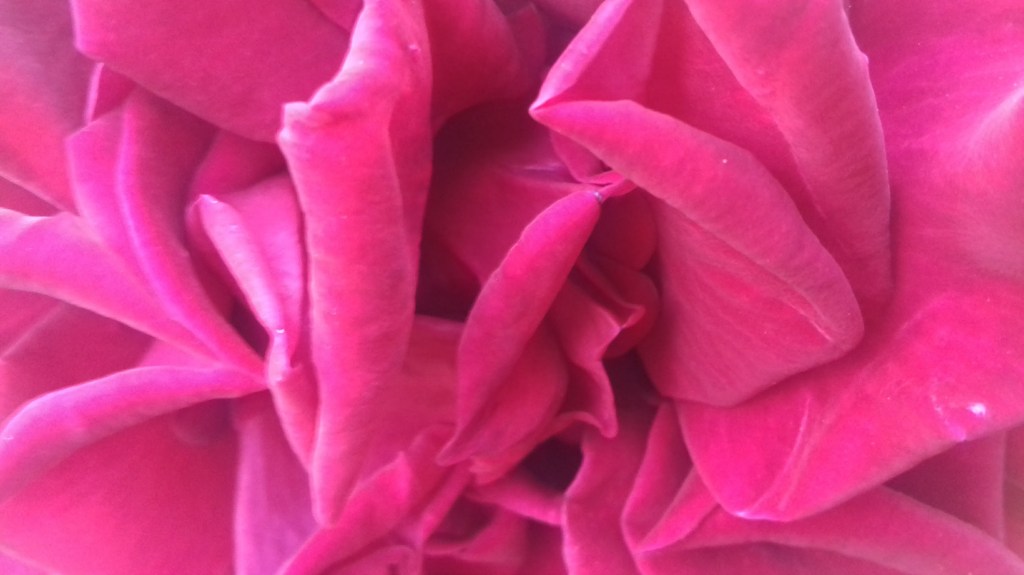
Spring has arrived in the Northern Hemisphere, the calendar says. It’s raining outside today but two days ago the world was full of sun and wildflowers. Walking in a field of wildflowers isn’t like walking in the Queen’s Garden at Regents Park, a world redolent with roses, stuffed with enormous, full blossoms filled with color, rich with light.

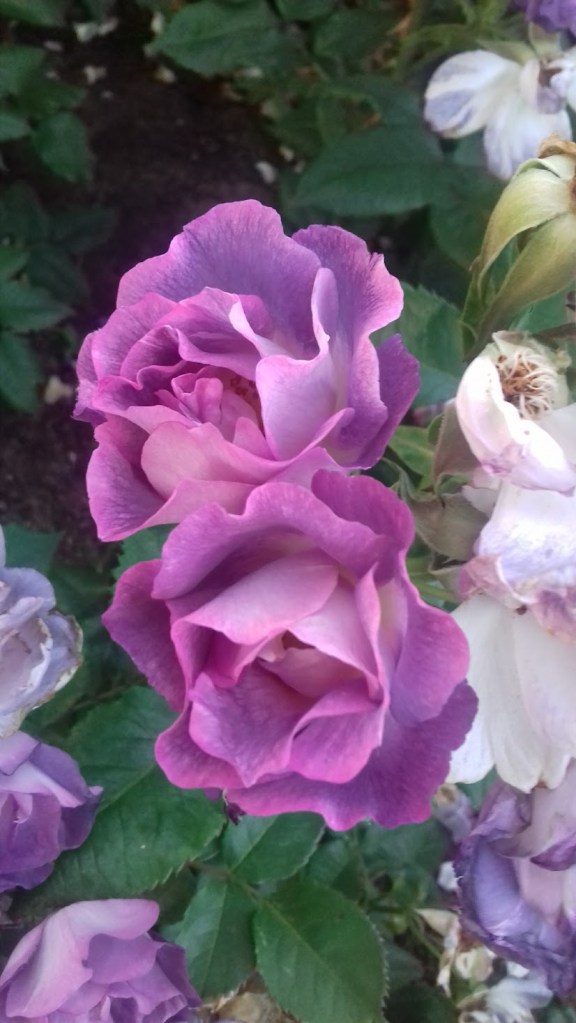
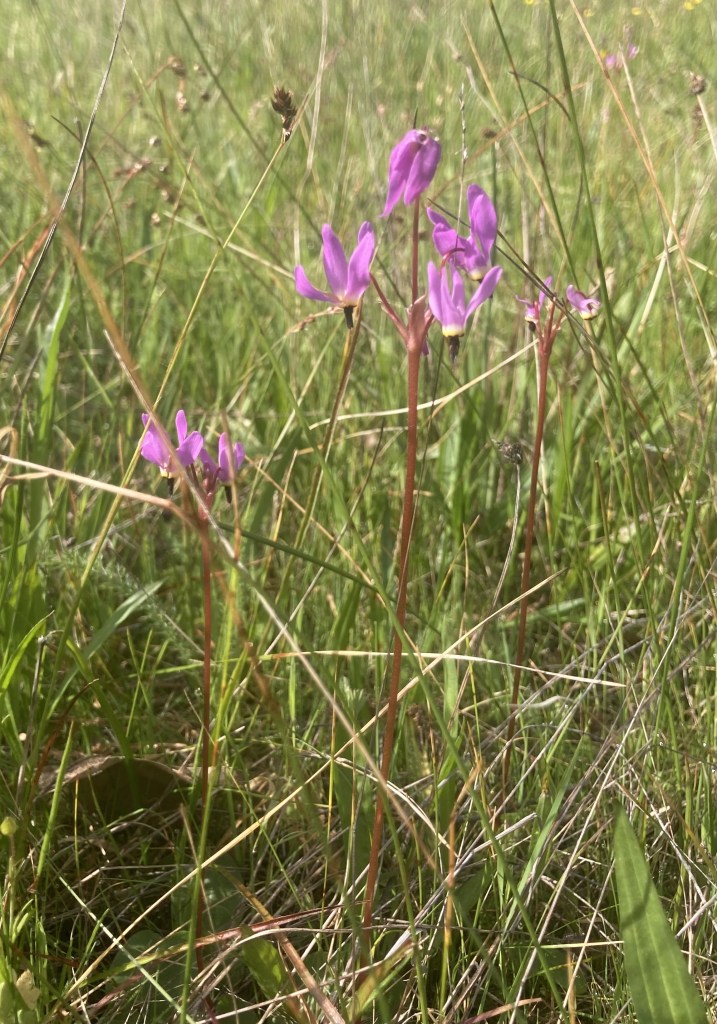
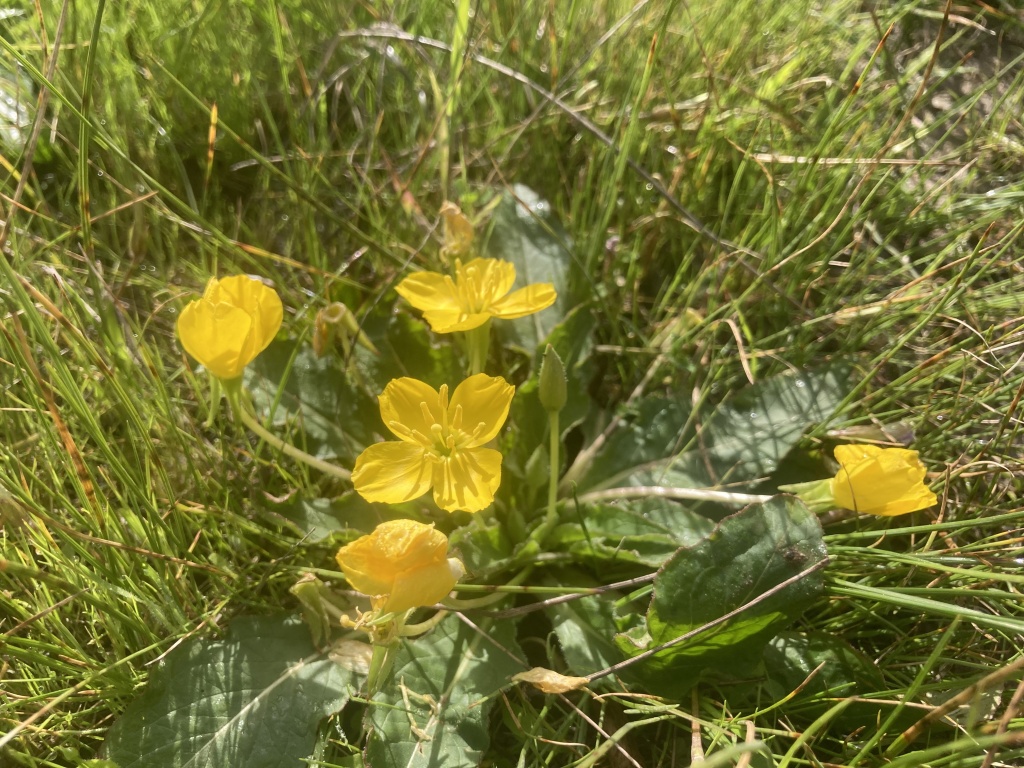
Wildflowers, on the other hand, are generally small, their forms simple. One might even call their appearance ordinary. But these ordinary flower folk spread across a hillside delight the heart. People long for their appearance, often travel miles to see them, and walk across hillsides for hours in hopes for a glimpse at their ordinary faces. Milkmaids, Douglas iris, buttercups, sun cups, shooting stars, though their forms are ordinary, come spring we long to greet them.

We long for the newness and color spring brings. We want to breathe it in, surround ourselves with swaths of landscape tinted with blossoms–the pale pink blush cherry trees wear, plum blossom’s gowns of white lace, and azalea’s soft pastels. We want to swim in rivers of bluebells, dance through fields of poppies’ brilliant red skirts swirled around their narrow stems. “Colours are the wounds of light,” said Blake. Indeed, as if smitten with Cupid’s dart, springs’ flowers can make us swoon. Though these spring blossoms are small, they can be myriad, their bodies singing in a great chorus their love of being alive, their wish to give more life. Wildflowers come to us of their own accord, not because of something we do. They are an unspoken embodiment of grace, a reminder of all the earth bestows on us, a love letter soaked through with color, wound with light, written in the language of pollen and petals.

There’s nothing a person can do to impress a wildflower, yet in the wonder of their ordinary forms their beauty repeatedly impresses us. In his poem, “The River of Ordinary Moments,” Max Reif writes,

I am stunned by the beauty of the ordinary,
so that sometimes the ordinary seems mis-named, and yet
it is ordinary because it is quiet with no fanfare

No one is famous to the ordinary,
you can’t impress it.

If one stops to think about it, the most ordinary of moments in life are also simultaneously filled with the extraordinary. Wildflowers, for all their appearing simplicity in their forms, nevertheless support entire ecosystems. They don’t need pampering. They just want to grow. As Ire’ne Laura Silva writes in her post “Where Wildflowers Bloom,” on the Texas Highways site, “Wildflowers are not just pretty spots of roadside color or willful weeds; wildflowers are a reminder that where life ends, it will return. That beauty endures. That the stubborn and glorious earth harbors and nourishes and compels life to bloom again and again.” Life is in continuous rebirth. What an extraordinary thing to consider as we think about our own life’s revolutions.

When you look more closely at what wildflowers do, it turns out that wildflowers aren’t exactly ordinary. Flowers have an electrical charge to attract pollinators. Our life sustenance depends on those who depend on the pollinators. One of every three mouthfuls of food depend on pollinators. Insects need flowers, and we need flowers too.

Most of us live what we likely consider ordinary lives. We rise each day and do our work. We make plans with family members or friends, experience loss and pain. We learn what we love and celebrate with neighbors. We grow, we change. Humans share the collective knowledge across millennia. If we consider the trajectory of history and the struggles everyday people have faced over time, human experience isn’t particularly ordinary. Leymah Gbowee, who had a significant part to play in ending Liberia’s ongoing civil war, says: “Everyone has a role to play in changing the tide in our world. It has nothing to do with your academic background or your social status. It has to do with your tenacity, your strength and your willpower to want to make change.” Even our own personal struggles to adjust to ongoing change, adapt to new roles and successes, or to cope with our particular illnesses, ongoing pain, or griefs–all of these things require courage, even bravery in the most ordinary of days.

Our lives are made up mostly of these ordinary days. Each of them are full of wonder. It’s wondrous to have rolled topsy turvy across the grass as a child, to have tasted the spark of snowy cold on my tongue, to have jumped through my own arms, felt ocean waves pull against my calves, smelled the sweat from a horse I rode after racing across a meadow, and to have sung with my mother at the piano. It’s wondrous to sense the warmth of my partner’s hand in mine, and to feel my cat’s calm presence beside me. Wonder abounds.

Emily Dickinson wrote “I am Nobody! Who are you?” It’s perhaps out of fashion to be Nobody. These days voices clamber everywhere to be heard. Everybody seems to want to be Somebody. As does all of nature, wildflowers simply want to just go on being what they are. What they are in all their ordinary wonder is needed. They are part of a greater interbeing. Reif goes on to say in his poem,

I do not want to be
taken from the flow of the ordinary
to any pinnacle or promontory from which
I will only have to climb, or fall, down again,
I do not want to be special in that way,
I want the tick of thoughts in my mind to run out
and the storehouse of thoughts to be emptied
and not replaced by any others,
I want to disappear, disappear
and become that current
that all distinct drops are lost in, and then
the ocean into which all rivers go to die.
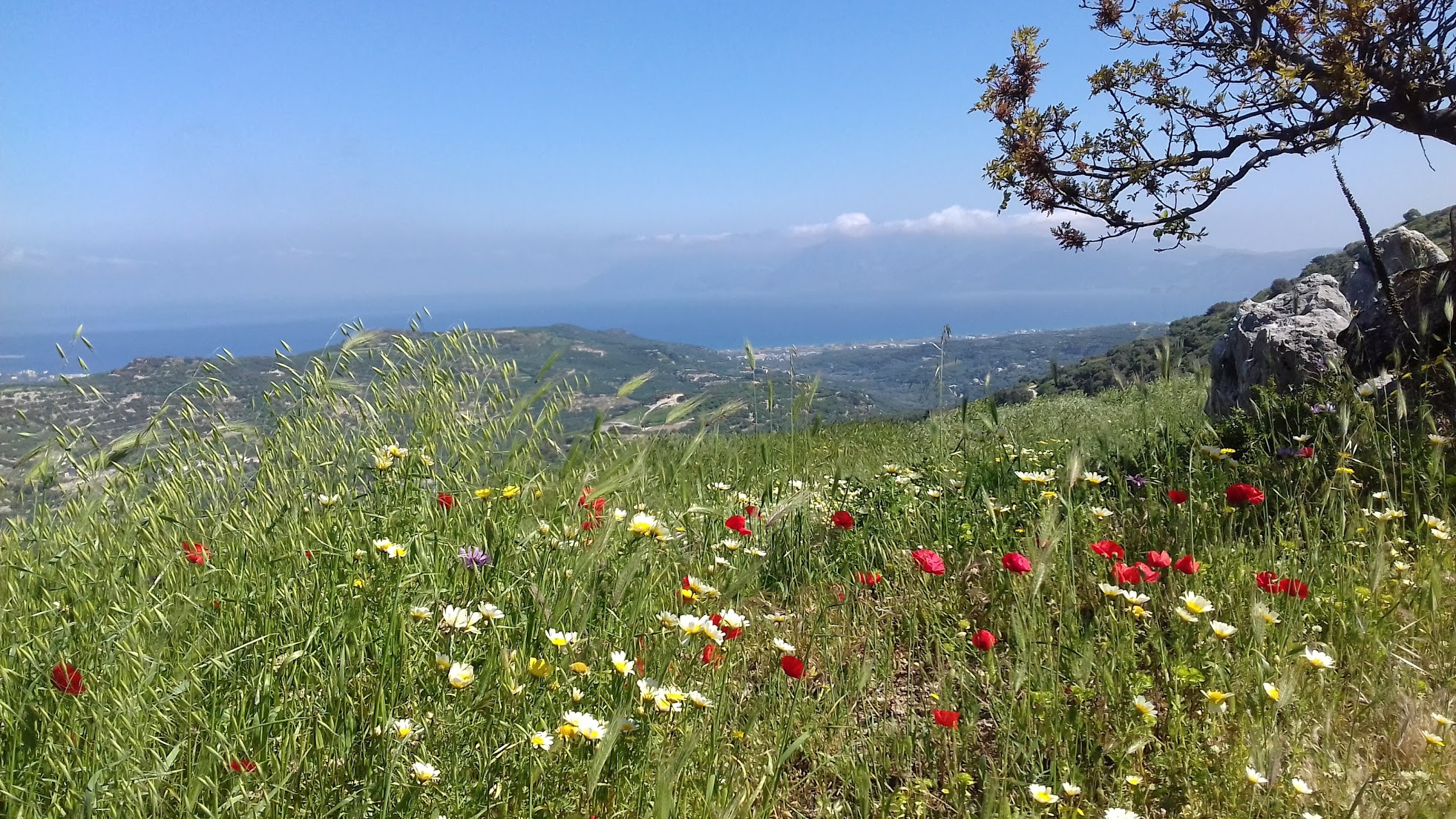
Flowers bring us together and share their beauty. They fill us with hope. Whether you are able to see wildflowers in person or view photos of them, or simply stand in an open space remembering them and wishing for their presence, may you sense their lives fill you with joy and carry you into a place of gratitude and wonder, and give praise the ordinary.

I leave you with this short film Gratitude with Louis Schwartzberg’s time-lapse photography and words from Benedictine monk Brother David Steindl-Rast. I’ve watched it many times and the beauty it reveals still fills me with gratitude for the wonder of being alive.
Uncategorized

The Season is Now

Sandhill Cranes, Staten Island, California

Now is the season to know
everything you do
is sacred.

–Hafiz

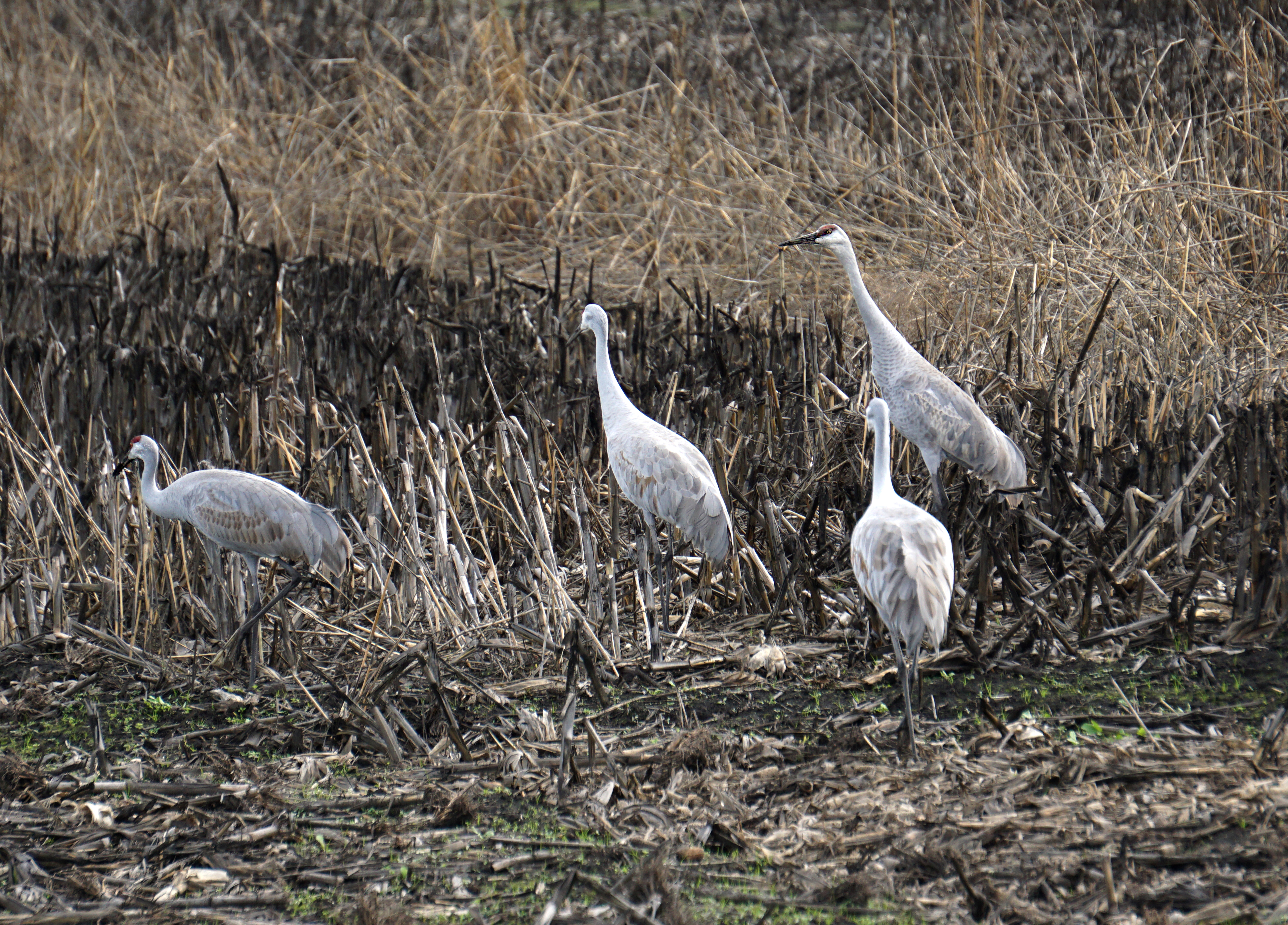
Recently, I traveled to Staten Island in California’s Central Valley near Lodi, California. An important wintering spot for migratory waterbirds, the Central Valley supports 60% of wintering waterfowl in the Pacific Flyway and 20% of the winter waterfowl in the whole of the US. According to the Audubon website, “The four Central Valley regions hosted approximately 65 million migratory land birds in the spring and 48 million in the fall.” My purpose in the visit was to see the sandhill cranes. Since the cranes like marshes, bogs, agricultural lands, river valleys, and open prairie, California’s Central Valley is a perfect wintering location for the birds.

The largest gathering in the world of sandhill cranes is in Nebraska, where over a quarter million sandhill cranes gather in spring on the Platte River. Witnessing the multitude of bird life gathered in that location, the air filled with their wing-flutter, their voices calling to each other across fields, and the enormous energy of their life-force could carry one into a state of awe. The Nature Conservancy’s excellent short video of the sandhill cranes’ spring presence in the Platte River Valley enables people to visit the spectacle vicariously. Viewing the film brought me into sharper awareness of the myriad worlds that occur simultaneously alongside our human one. 

Sandhill Cranes, Staten Island, California

At least 3,000 years ago bird migration patterns were noticed in various cultures of the Pacific islands as well as in ancient Greece, and are also referred to in the Bible in the books of Job and Jeremiah (Wikipedia). While humans are out traversing the highways, working in fields, gathering in buildings, or sitting in around the dinner table discussing who to vote for in upcoming elections, sandhill cranes and other migratory birds have their own motivations and are flying by the thousands upon thousands to locations they’ve gathered at for millennia. 

While we move through our day unaware of nature’s larger rhythms, a great cycle of being is unfolding all around us and we are part of it. Like an Indian raga, the movements of animals flow in cyclic rhythms of time across the globe in circuitous routes, increasing in volume, size, and energy at different locations, then quieting down and moving on as seasons change, only to be repeated again the following season. Flyways and the myriad patterns of many other animals moving across the globe–leatherback turtles, whales, monarch butterflies, bats, salmon, pronghorn deer, each following ancient rhythms, can be seen on interactive maps like this one, as well as this video of global animal movements.

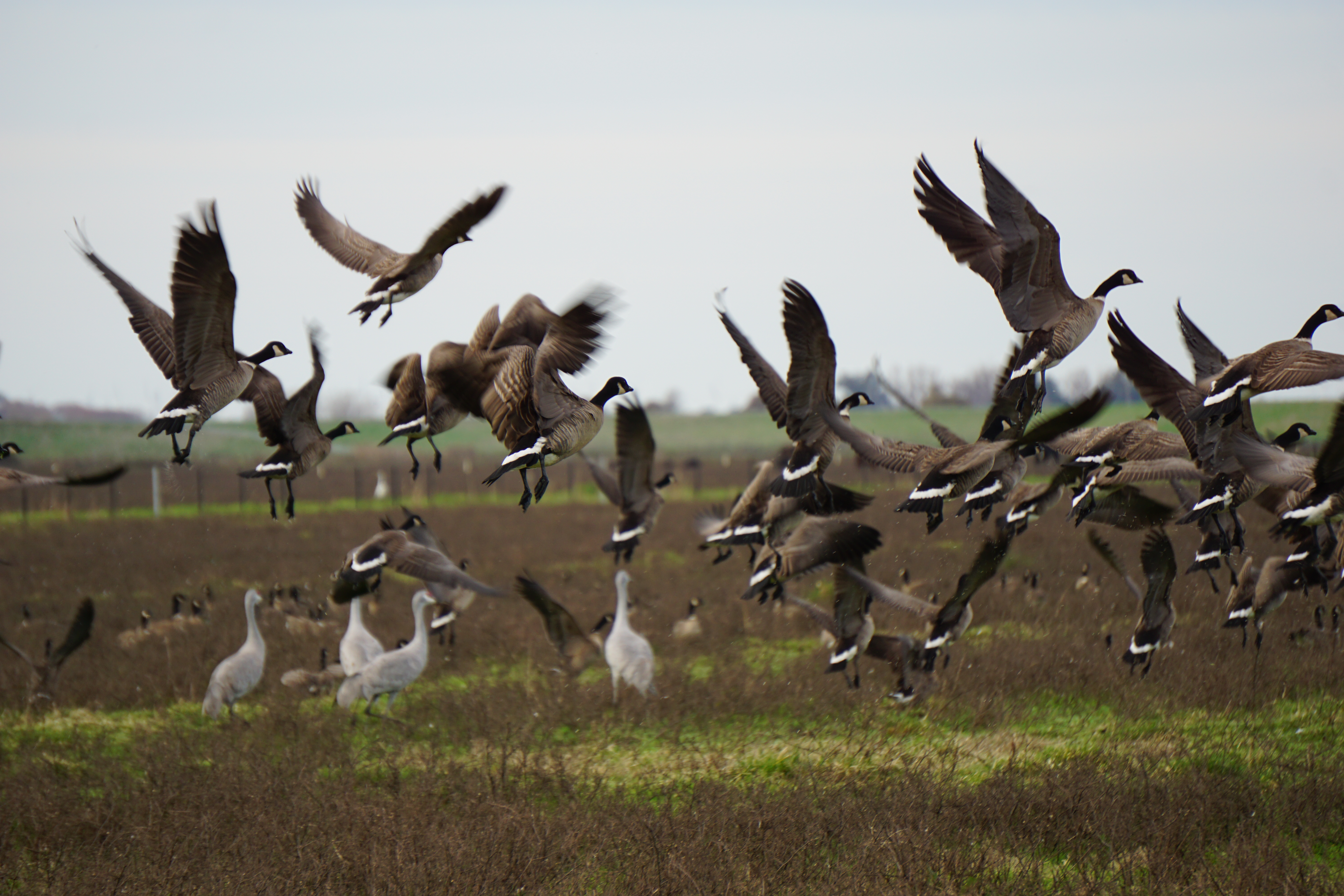
Geese flying above Staten Island, California

The whole of creation is in a state of continuous change. Though trees are rooted, Chelsea Steinaur-Scudder and Jeremy Seifert, in their article in Emergence Magazine, “They Carry Us With Them: The Great Tree Migration,” describe tree migrations that have occurred over millennia, and that are presently taking place as a result of a variety of factors not as yet totally clear, but including “changes in climate, past and present land use and management, the proliferation of native pests and plants, the introduction of non-native species, and the built landscape.”

A big part of my reason for wanting to see the sandhill cranes is because many of my great aunts and uncles were born in Nebraska. I’ve been writing about them, and want to experience more of the landscape they inhabited to better imagine their voices and to sense how the land there might have shaped their lives. Though they lived at Nebraska’s western edge and not in the Platte River Valley, they may well have experienced the cranes’ migration, and I like the idea of my life intersecting with a vision of these birds that may have also been a vision they had. My ancestors migrated from the eastern US states to Nebraska. I never met most of them because by the time I was born, my parents had migrated to California. My great grandparents, as well as several of my great aunts and uncles, died before I was able to meet them.

Geese, Staten Island, California

In Western culture we like to think of time as linear and often depict history on timelines. A different way of looking at existence is to imagine it as circular or a great spiral–the spiraled twist of DNA helix, the chambered nautilus’s fibonacci whorl, the swirled currents of wind and water, and the cosmic curled tail of our galaxy. We are all part of the great movement of becoming. In our migrations, we say goodbye to what was and reach toward what will renew and nurture us in body or spirit. To live is to be part of the great cycle of birth and death. There are many deaths and births before we let go of our bodies.

Humans generally like firmness and solidity. We live in a certain location or in a particular period of time. Nevertheless, it’s also true that humans have been migrating since the dawn of their existence, as this National Geographic map shows. Many times, people move from their birthplace to other locations. According to the UN, “more people than ever live in a country other than the one in which they were born.” When we choose to move elsewhere, we generally hope the move will carry us to an environment we perceive is better than the one we left behind. These maps depict human migration in recent times, making it clear not everyone migrates out of choice. Whether people migrate from their own choice or not, letting go of one’s former life carries with it a kind of grief.

Gail Rudd Entrekin‘s poem “Finally,” (used with her permission) found in her excellent book of poems, Walking Each Other Home, takes a close look at what it’s like to come face to face with losses we don’t necessarily expect during the migration of our lives as we move from birth toward maturity.

Finally

Every morning now it’s the big girl pants
and they are not black silk with lace, but cotton
voluminous and white. You’ve seen them
hanging on clothes lines back in the day,
functional pants for women who mean
business. They mean to get things done
no allowance for pain, don’t mean to spend
a single minute caressing their losses. These
women look straight ahead and forget to smile
at children, forget to touch their husbands’ hands,
their old husbands wandering like children,
these men who were supposed to be gods
and fell unable in their duty to protect, left
these women to drop their peacock feather earrings,
chop off their long thick hair, toss their wild
photos into an old shoe box, and take charge,
grow up, finally, grow all the way up.

The poem brings us into the world of navigating inside those difficult migrations life inevitably brings our way. The underwear described in the poem aren’t black silk with lace. They are “functional,” the kind perhaps our grandmother or great grandmother might have worn, women so busy trying to survive they didn’t take time to soothe themselves regarding what they lost. We need dear ones close by to help steady us but for various reasons, we don’t always have the support we need.

Often times when entering into difficult life passages, we recognize the journey’s challenges and find ourselves needing to turn serious and grow practical. Entrekin’s poem describes these women, they who no longer do such things as wear their lovely peacock feather earrings. They cut their thick hair, and toss the photos of their wilder days in an old shoe box. In confronting hardship, they’ve let go their adornments and spontaneity. Out of necessity they “take charge, / grow up, finally, grow all the way up.” There is such sobering responsibility and finality embedded in those words. Courage and bravery too. I read the lines and think of people I know right now who are having to do just that as they confront various difficulties.

There’s also a sadness there, a sorrow in this letting go of a former self in order to “take charge.” Things that have delighted and brought us joy are important touchstones to memories that helped shape and give texture to our lives. Even if out of necessity, we don’t want to stuff them away in a shoebox never to be seen again. We need the things that give us beauty and joy in order to keep going. Nevertheless, eventually, as we approach our life’s last days, everything we’ve held so precious will need to be set aside. We will need to let go of everything we’ve ever held dear.

Egret, Staten Island, California

Entrekin titles her poem “Finally.” When we retire from work we felt dedicated to for years, or when someone dear to us becomes seriously ill or dies, we leave one world behind for another. These situations and circumstances require us to leave behind a familiar reality for a different one and are a kind of interior migration as well as a death of a former way of living.

The arrival of bodily death is the ultimate finality. Contemplating our death can help us recognize what it is that truly matters. To help us do this, Buddhists recommend people practice reading or reciting what they call the Five Remembrances:

  • I am of the nature to grow old. I cannot escape old age.
  • I am of the nature to grow ill. I cannot escape sickness.
  • I am of the nature to die. I cannot escape death.
  • I will be separated from everything and everyone I hold dear.
  • My only true possession is my actions.

Frank Ostaseski, head of the Zen Hospice center in San Francisco, California, in his book, The Five Invitations, encourages us to sit down with “sister death,” to have tea and conversation with her because in doing so we learn how to live more fully. Ostaseski suggests that as we turn toward the griefs we carry, we become more whole. “Every time we experience a loss, we have another chance to experience life at a greater depth,” he writes. “It opens us to the most essential truths of our lives: the inevitability of impermanence, the causes of suffering, and the illusion of separateness. We begin to appreciate that we are more than our grief. We are what the grief is moving through.”

Geese at Staten Island, California

“In the end,” Ostaseski goes on to explain, “we may still fear death but we don’t fear living nearly as much. In surrendering to our grief, we have learned to give ourselves to life.” Ostaseski’s talk about poetry and the end of life, is moving, and I recommend it.

The other side of grief is love. For me, both Entrekin’s poem and Ostaseski’s insights emphasize the preciousness of every moment. The simplest things are treasures: sitting in the presence of those we love, the taste of a good meal, a walk under billowed clouds spread across a wide sky. Life is ephemeral. This is why in the end, acts seemingly as simple as walking across a room are not simple or trivial. They are rich and lavish gifts of being. As the 14th century Iranian poet Hafiz wrote in The Gift, translated by Daniel Ladinsky:

Now is the Time 

Now is the time to know
That all that you do is sacred.

Now, why not consider
A lasting truce with yourself and God.

Now is the time to understand
That all your ideas of right and wrong
Were just a child’s training wheels
To be laid aside
When you finally live
With veracity
And love.

Hafiz is a divine envoy
Whom the Beloved
Has written a holy message upon.

My dear, please tell me,
Why do you still
Throw sticks at your heart
And God?

What is it in that sweet voice inside
That incites you to fear?

Now is the time for the world to know
That every thought and action is sacred.

This is the time
For you to compute the impossibility
That there is anything
But Grace.

Now is the season to know
That everything you do
Is sacred.