


“Earth teems with sights and textures, sounds and vibrations, smells and tastes, electric and magnetic fields. But every animal can only tap into a small fraction of reality’s fullness. Each is enclosed within its own unique sensory bubble, perceiving but a tiny sliver of an immense world.”― Ed Yong, An Immense World: How Animal Senses Reveal the Hidden Realms Around Us
An absolute plethora of fruits grow in the country of Colombia. In a recent trip to Bogota I visited a local produce market and explored a different world of fruits and vegetables from those familiar to me in the temperate climate where I currently live. Colombia’s fruits are unique to many other tropical countries because they are native to the Andes mountains.
At the market, my friends and I wandered slowly through the aisles examining the fruits’ textures and inhaled their distinct fragrances. Here’s some of what we found:
- The enormous and spikey guanabana, also known as soursop, paw paw, or graviola.
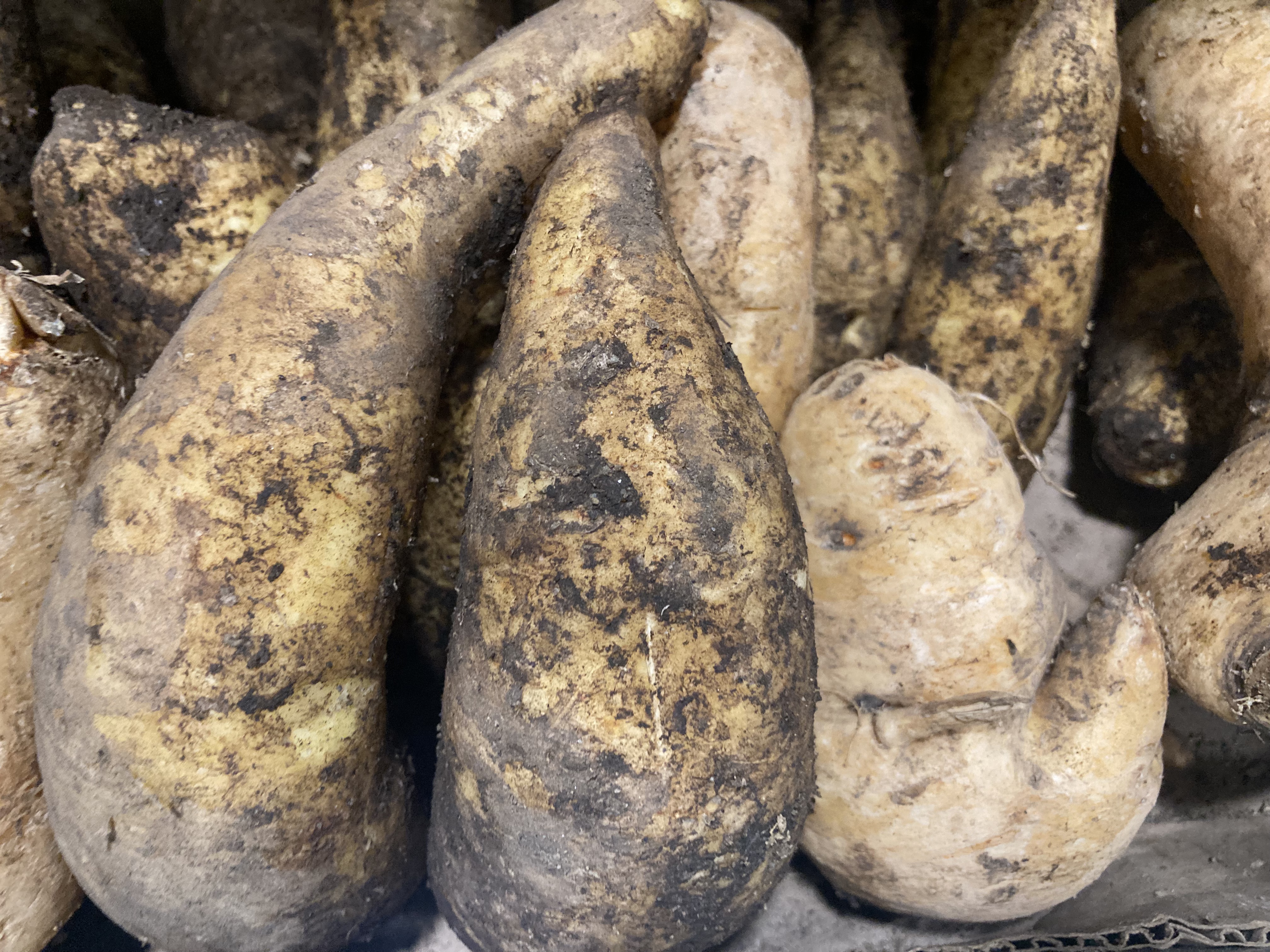
- Chuguas, a type of tuber that has been cultivated for thousands of years by indigenous people of the Andes.
- Pepino guiso, a kind of vegetable used in stews or sauces.
- Cubios, another indigenous tuber of the northern Andes with a similar taste to a potato.
- The Colombian zapote comes from the Amazon rainforest.
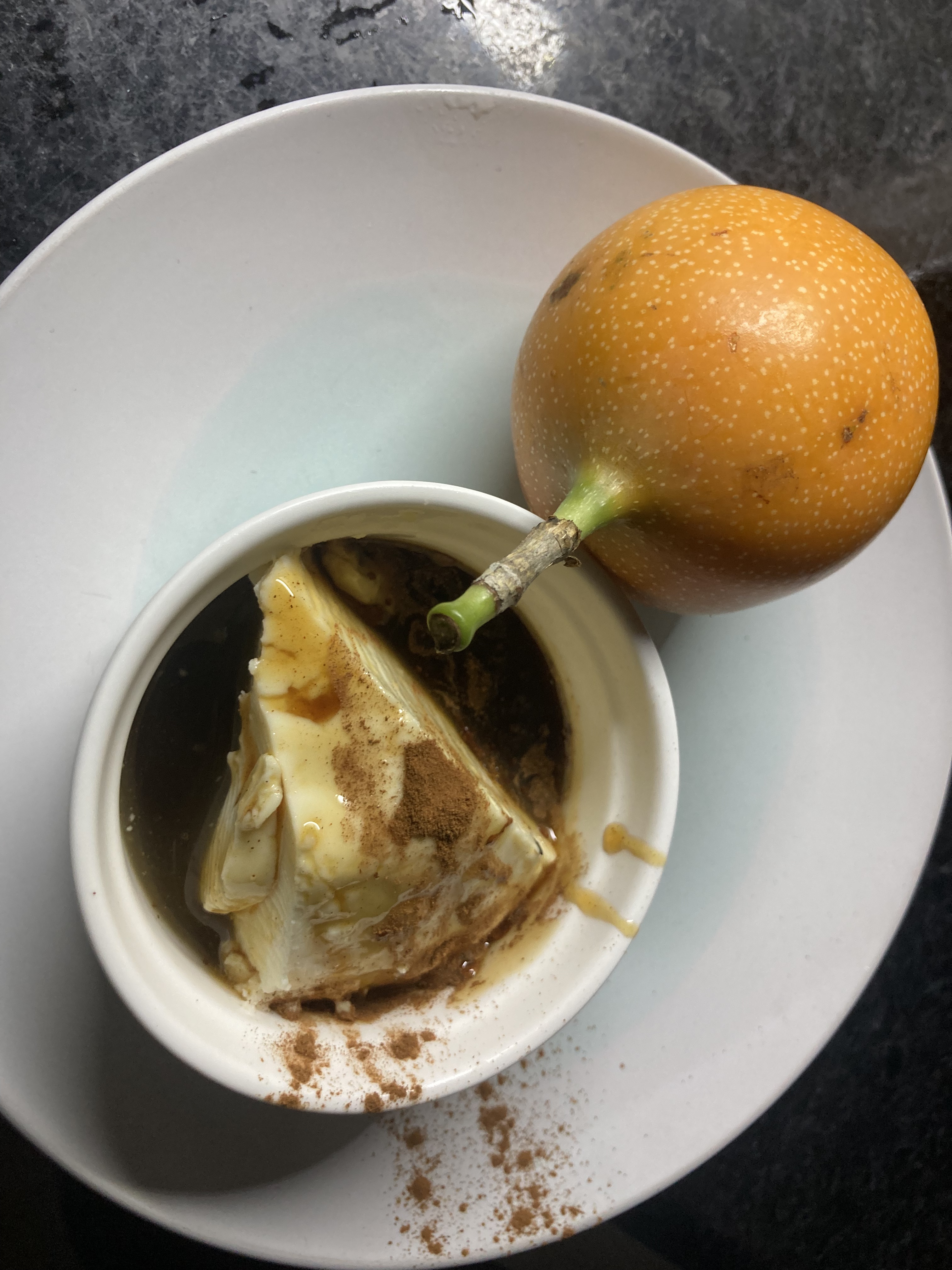
- Granadilla, similar to a passion fruit.
- Lulo, a citrus-flavored fruit native to the Andean region,
- Tomato arbol rojo, eaten raw, as a juice, or cooked in hot sauces.
- Ciruela roja, the word translates into English as “red plum,” but this fruit is a tropical fruit that actually belongs to the cashew family.
- Curuba, also known as a cloud passion fruit since it is grown in high elevation cloud forests.
- Platanos, bananas specifically used for frying.
- Star fruit.


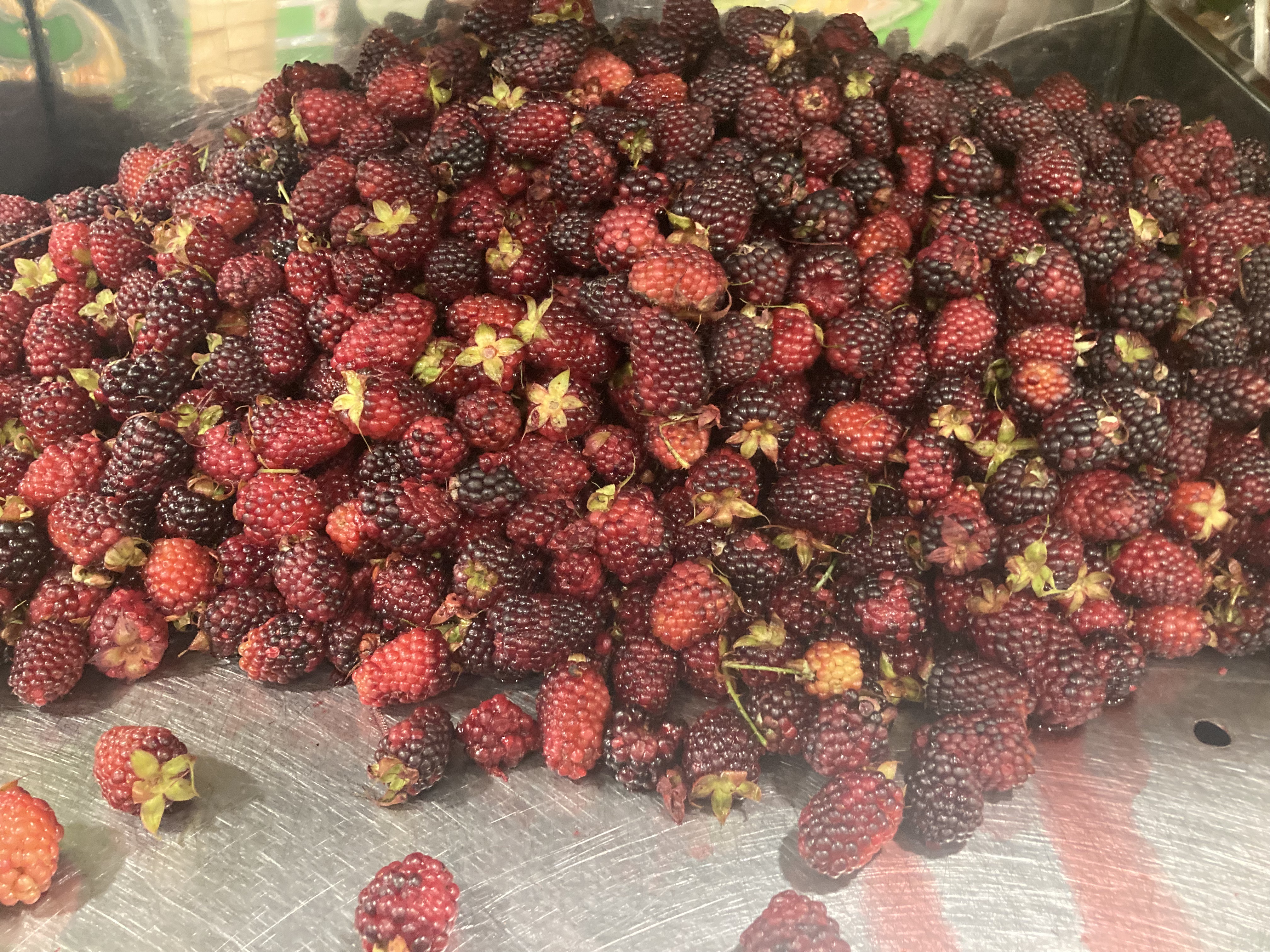


We also found some fruits more commonly known in the US such as pomelo, mora or mulberry, feijoa, a pineapple guava, dragon fruit, and maracuya, and passion fruit.
As Ed Yong describes, the world abounds with an enormous variety but we “tap into a small fraction of reality’s fullness.” The small fraction of reality that my California yard holds of Earth’s enormous variety are a lemon, lime, mandarin, pomegranate, sour cherry, plum, apple, loquat, kumquat, and fig tree. In addition we grow a variety of berries: strawberry, boysenberry, blackberry, blueberry, as well as a currant shrub, and two grape vines. Throughout the year I observe the plants’ growth, and in summer look forward to tasting their fruit, and sharing them with neighbors and friends. Without exposure to other worlds, I might think my world and what it holds is the whole world.
As Yong points out, “By giving in to our preconceptions, we miss what might be right in front of us. And sometimes what we miss is breathtaking.” We’re mostly unaware in our day to day lives of the astounding amount of life around us everywhere that contributes to the life-force that sustains us. According to the Seed Collection site, a single handful of soil “(about 200g) suitable for growing crops can contain a staggering number of organisms: 50km of fungal filaments, about 5000 individual insects, spiders, worms and molluscs, 100,000 protozoa, 10,000 nematodes, and 100,000 million bacteria (that’s 100,000,000,000 individual single-celled organisms!)” We likely don’t typically think about that when stepping into a garden.
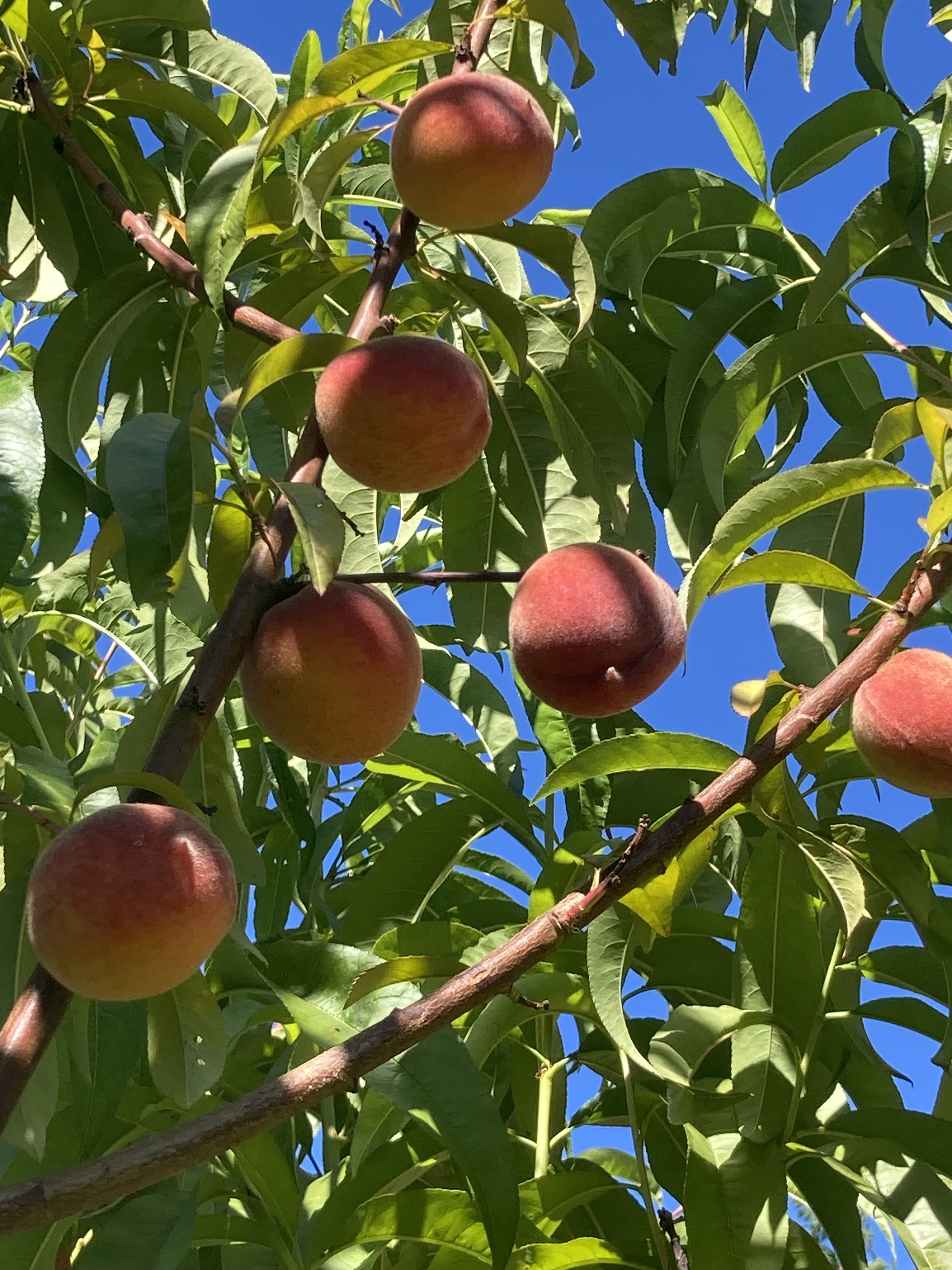
I think of the fruits in my yard as native because I’ve grown up with them and they are familiar. In reality, though, these fruits originated in other lands. The peach, for example came from China, and spread through Asia and Europe before being brought to the new world by Spanish explorers. The pomegranate, according to the Kew Royal Botanic Gardens, is one of the oldest fruits known to humans and is thought to have originated in Iran, southwest Pakistan, and portions of Afghanistan. (Surprisingly, the pomegranate is technically a berry.) Black currants are native to northern Eurasia. The sour cherry likely has its origin somewhere between the Black Sea and the Caspian Sea according to Science Direct. The fig (related to the mulberry) is native to an extensive area ranging from Asiatic Turkey to northern India.


The association between apples and US culture has had such a strong connection since WW2 that there’s a common saying, “As American as apple pie.” Apples, however, came from Kazakhstan, in central Asia east of the Caspian Sea. In fact, the former capital of Kazakhstan, Alma Ata, means “full of apples.” Wild blueberries are one of the few fruits in my garden that originated in North America. After the glaciers receded approximately 10,000 years ago, they began to appear in the area known as The Barrens of Maine, and in Eastern Canada, and Quebec. My life is thoroughly enriched because of what has been brought to me from worlds beyond the borders of where I live.
Travel to a different part of the world to walk around in a different biome or culture, and one right away becomes more alert to the differences of landscape, climate, unique ways of organizing reality and ways of interacting with it.
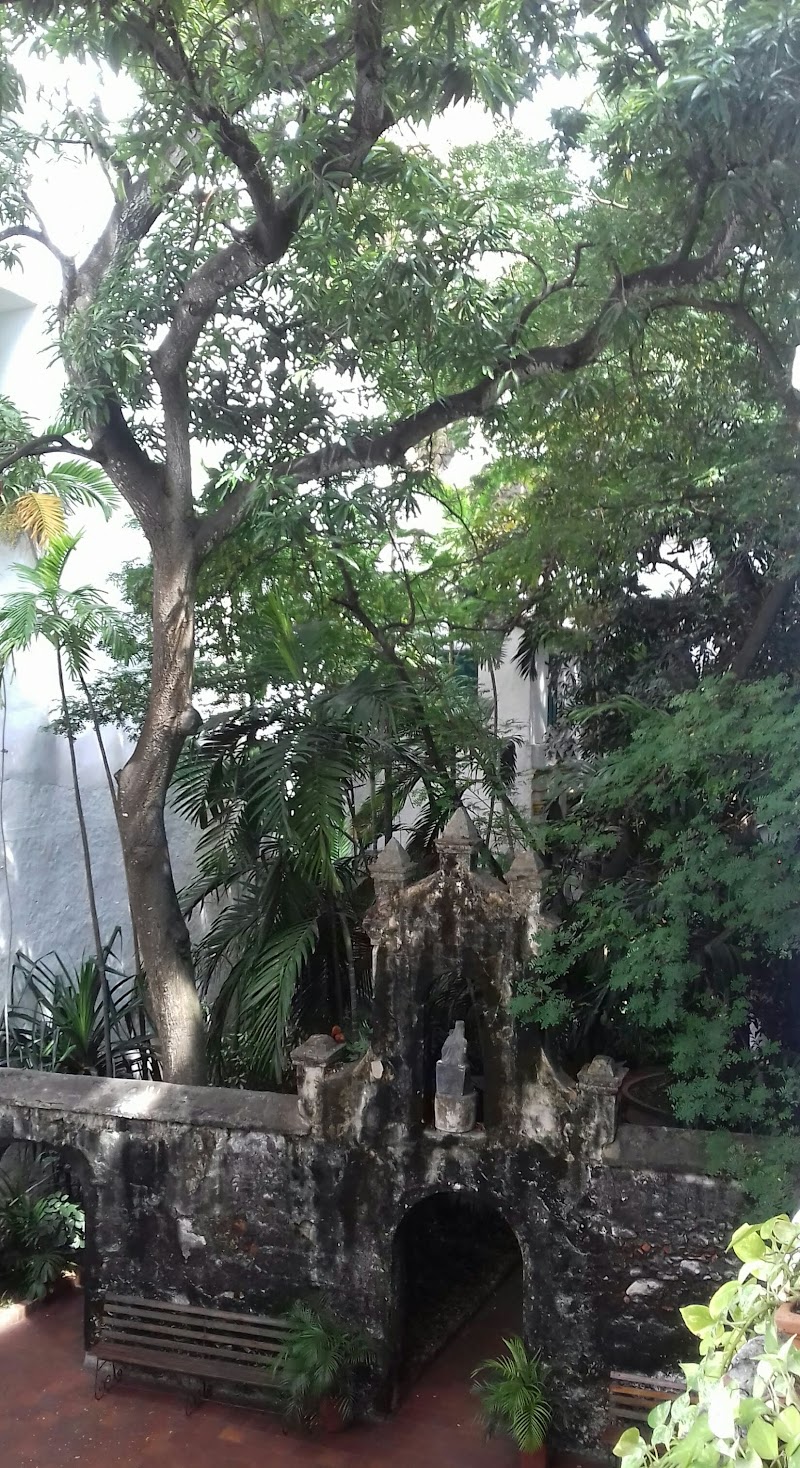
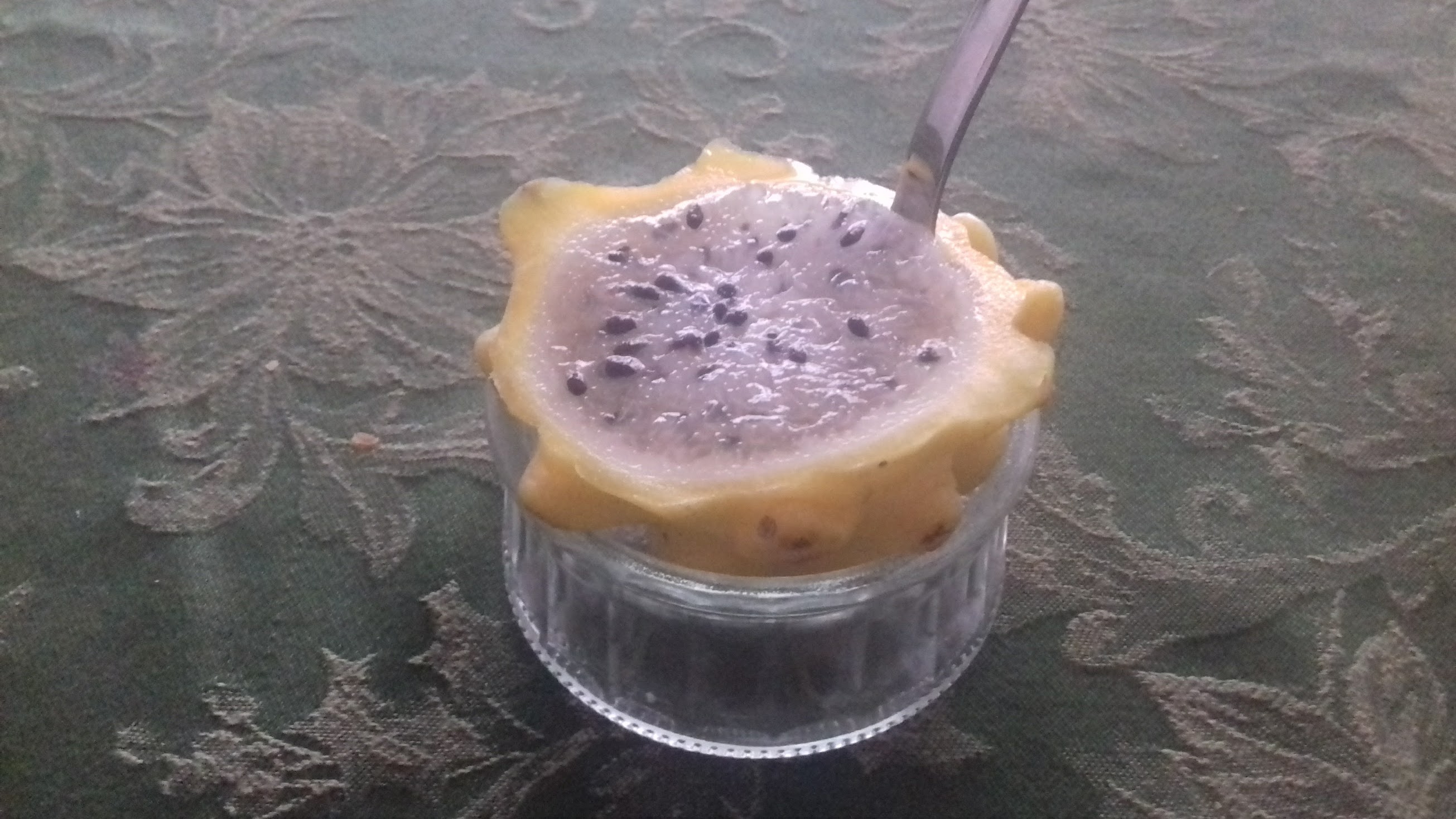
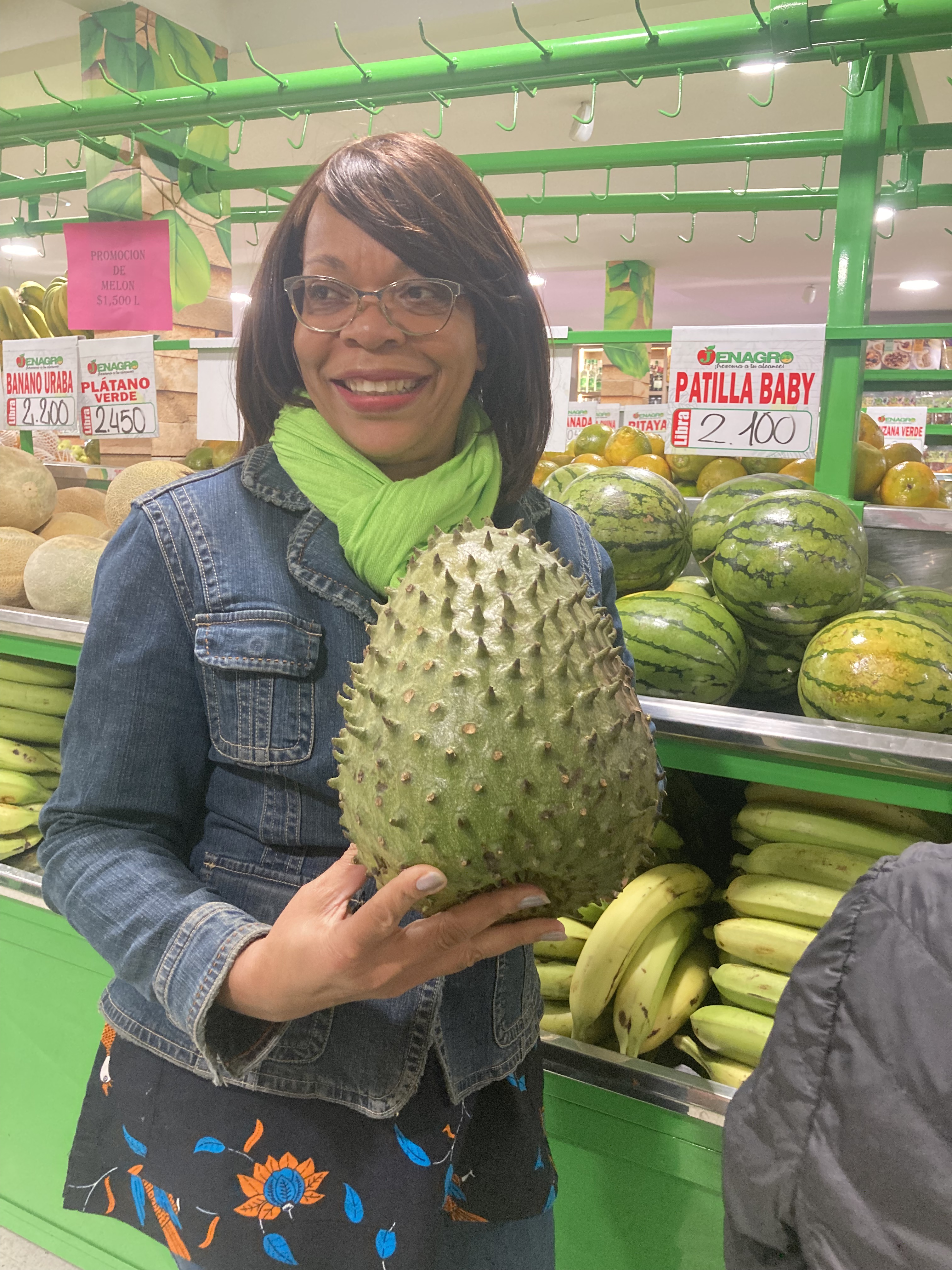

It’s human to like what is comfortable and known. In a world where much feels uncertain, where countries and people are pulling into themselves, fearful of what’s to come. People generally want to avoid situations that provoke fear. The natural world, however, wants to offer its abundance irregardless of the challenging environment it finds itself in. Wandering through the Bogota neighborhood market was a window into the natural world’s extravagant diversity, not just to see and touch it, but also to taste it. What an enlivening experience that can be!
The plant world opens, and opens into a universe of wondrous fecundity of 400,000 plant species. We are part of the natural world that created the cornucopia of thousands upon thousands of fruits found worldwide. Even in the most ordinary of days, to walk on this earth is an extraordinary thing. It took eons upon eons to create the world as we know it in all its rich variety. Like each of us, I’m here to allow myself to participate in that life flow–to let it in, immerse myself in it, and share it with others. Humans are meant to share the fruits of our lives as season after season we re-vision who we are and give back to life. As Kate Baer writes,
Idea
I will enjoy this life. I will open it
like a peach in season, suck the juice
from every finger, run my tongue over
my chin. I will not worry about clichés
or uninvited guests peering in my windows.
I will love and be loved. Save and be saved
a thousand times. I will let the want into
my body, bless the heat under my skin.
My life, I will not waste it. I will enjoy this life.
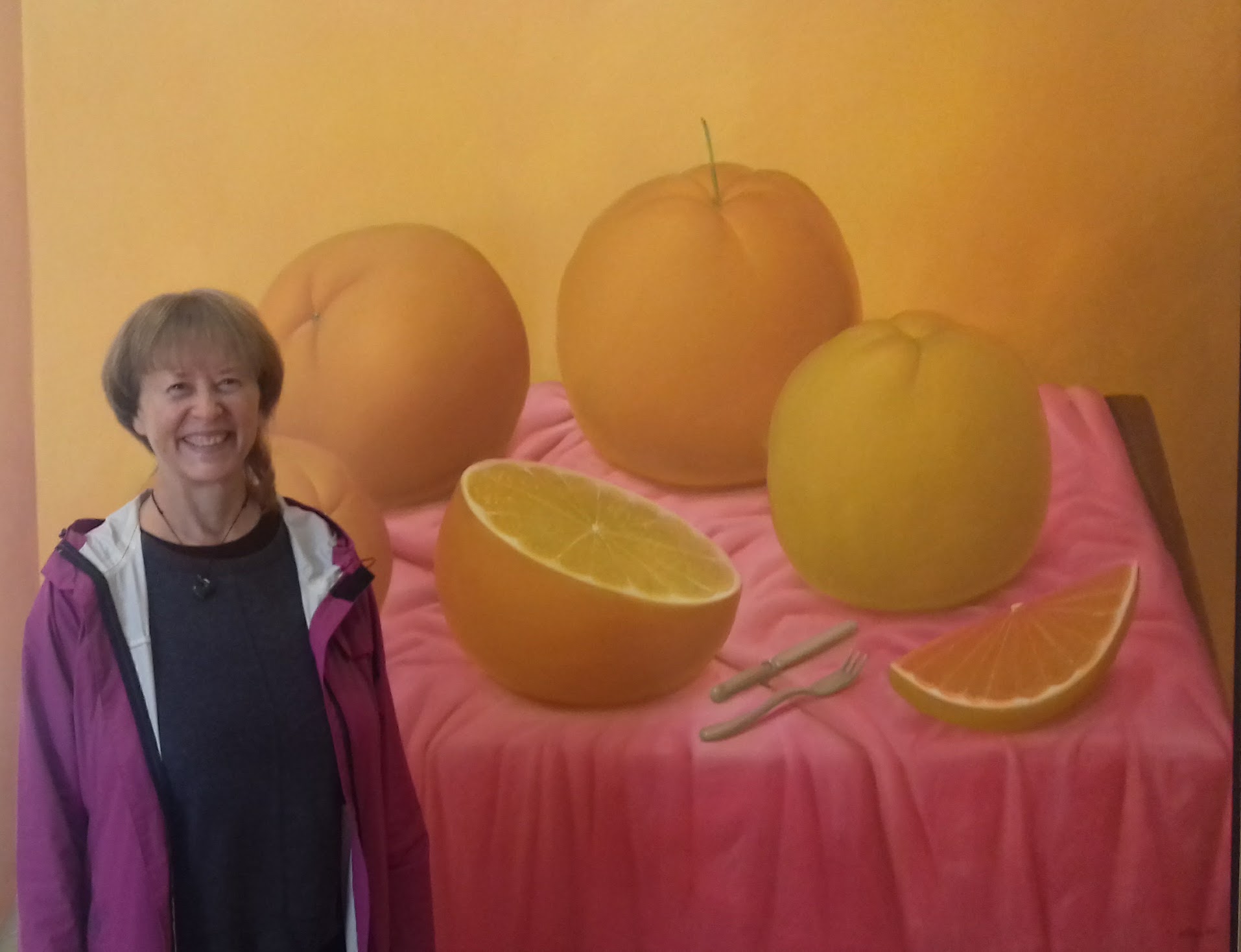
 Anna Citrino---Poetry, Place, Pilgrimage