Uncategorized

Returning to Solid Earth 

“Imagination is more important than knowledge. For knowledge is limited to all we now know and understand, while imagination embraces the entire world, and all there ever will be to know and understand.”—Albert Einstein

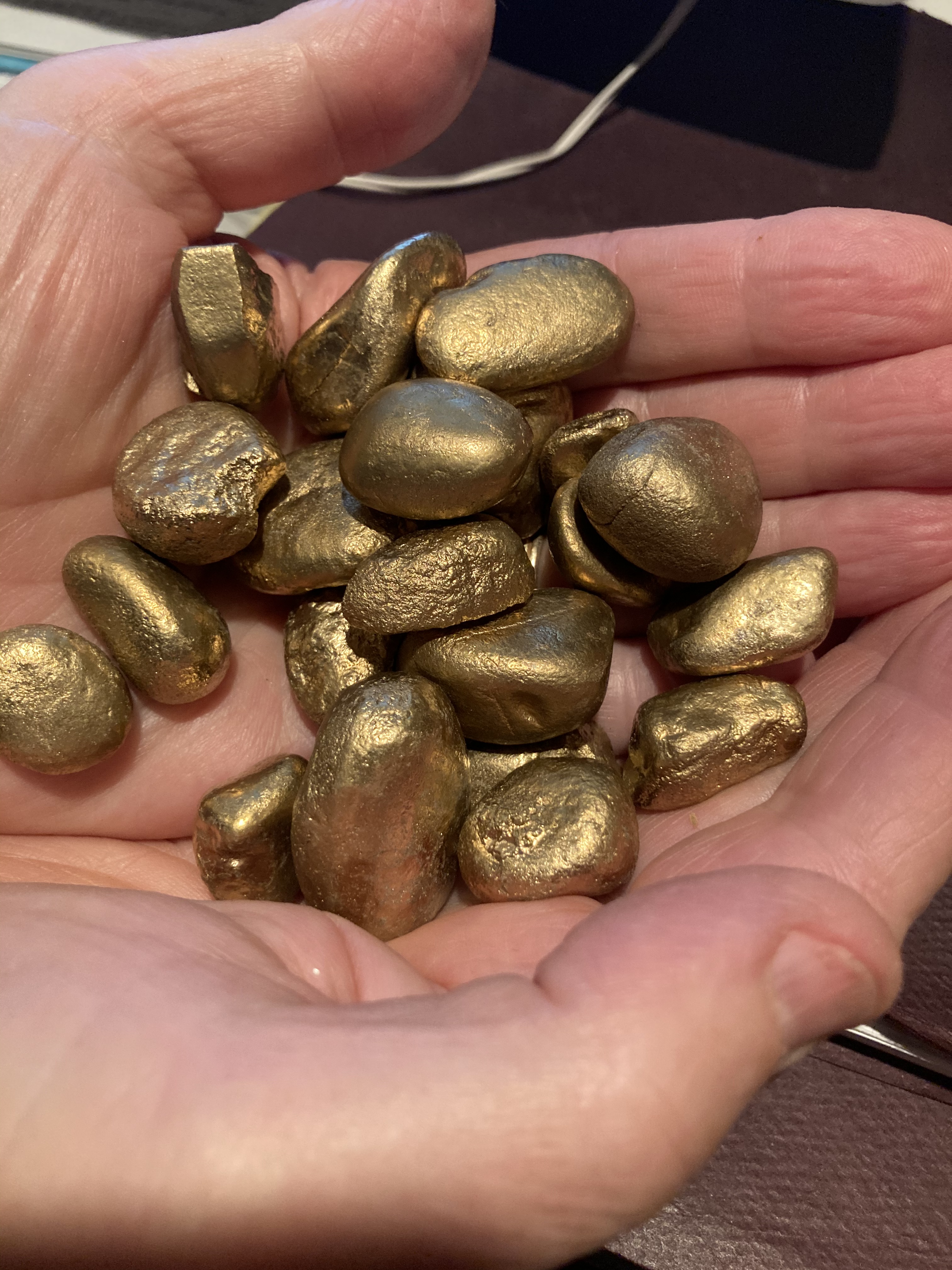
Fascinated by their colors, shapes and textures, my attraction to the mineral world began as a child. My family lived in a house where the driveway’s earth contained an abundance of mica. I loved its sparkle, the glints of light shining up from the ground and found it wondrous. “It’s fools gold my older siblings informed me,” as if to explain away its marvel. But I went on finding it magical. Real gold, wouldn’t have made it more fantastic. In my five year old eyes, the glints in the sand were marvel enough as they were. 

Throughout my life I’ve loved looking for stones that call to me to notice them. I scanned the landscape for rock crystals in the Saudi desert, searched the ground for amethyst in Thunder Bay, Canada, and hunted for rose quartz on my grandmother’s property in South Dakota’s Black Hills. The gift of rock salt from Colombia and pebbles from the beach in the town in Calabria, Italy where family ancestors were born, these are precious treasures connected to a larger story reaching far back through time. 

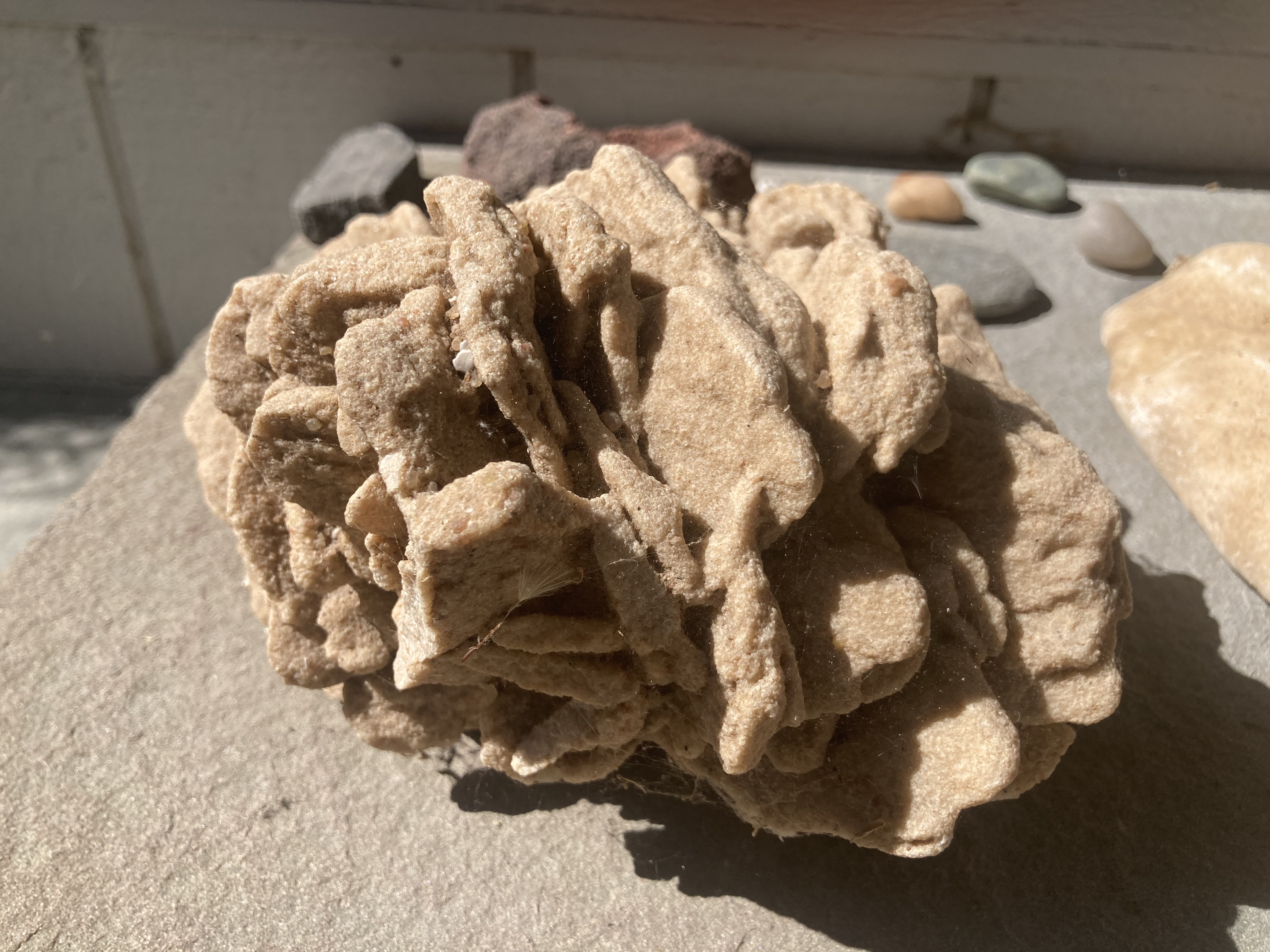
The beginning of my childhood rock collection

Living amidst the world’s current disruptions, fear expanding in explosions like July fourth fireworks from news headlines, recently I’ve been thinking again about rock hunting and the quiet pursuit of the beauty’s solid expressions that have been forming and residing in the earth since its foundation. 

Foundational writings in historical US documents has promoted the idea of pursuing happiness, felicity achieved by independent effort and the belief in “pulling one’s self up by the bootstraps,” as the saying goes. Happiness for some is food on the table, water to drink and bathe in, clothes to wear, and heat when the day is cold, and the rent paid. For others the pursuit of happiness includes the comforts of fine dining, vacation time in far off places, brand name clothing and the newest gadgets and the ceaseless busy pursuit to pay for it all. People have different definitions and expectations for happiness.

Meanwhile, amidst the endless chase to live happily, U.S. institutions that provided public good such as schools, consumer protection agencies, and emergency assistance programs, are being dismantled. The world U.S. citizens once lived in is crumbling. Chunks of stability and support people once counted on are falling away. What’s needed now for the long term social good and happiness is something far greater than fine food at a restaurant or a week or two holiday. We need a new way of being together that promotes the flourishing of all lives. Whether we want to or not, it’s important now to swim across the river of change we’re in the midst of, and to imagine into being the different shore we want waiting there to receive us. 

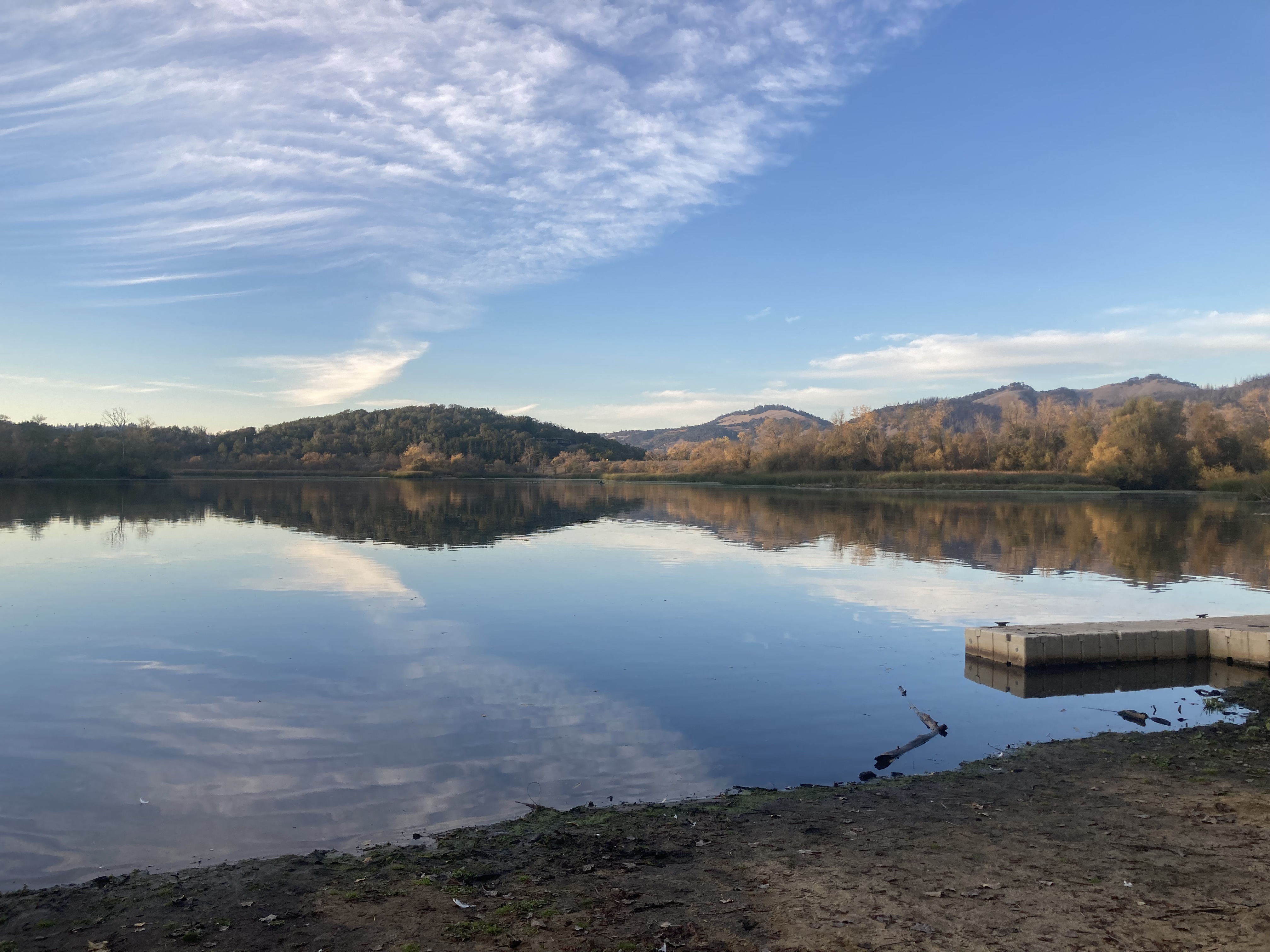
Spring Lake, Santa Rosa

Imagining that other shore, the quality of its shape, texture is important. What does it look like to reconcile our nation’s inherited past with a vision of one where reparations are made for injustices and the common person doesn’t have to live in fear of not being able to sustain their own lives. How would we live differently if we consciously saw the natural world as wondrous, not just when gazing at a waterfall or a  super bloom of wildflowers in spring, but as a daily foundational awareness as we went about our everyday lives? 

To imagine that world, what it means for us personally to embody the world we want to live into it, it’s valuable to step away from cultural mandates that encourage us to be continuously productive and to do something different. In my book Stories We Didn’t Tell coming out later this year with Shanti Arts, the character Avery goes rock hunting in the Wyoming outback with his brother Leith. The ending portion of the poem reads:

After miles of flatland and shrubs, we climb

from the car to inhale the earth’s rich scent.
The ground stuffed with stones like chips
in a cookie, buckets in hand, we comb the earth
looking for agates’ lacy plumes, snail-shaped
fossils, red jasper, and petrified wood.

No specific purpose needed when rock hunting.
No timeline or agenda to fulfill, just walking
the land with the possibility of reaching
into the soil to find something formed
several million years before we touched it—
something solid, beautiful
and unrelated to any need
for productivity.

Productivity isn’t the measure of life. As Mary Oliver writes, “Listen, are you breathing just a little, and calling it a life?” Finding moments in our day and our week where we disengage from productivity, where we wander out into the desert, forest, lake shore, or prairie without a particular goal is important. It restores us, brings us back to our bodies and our connection to the life that both births and sustains us. 

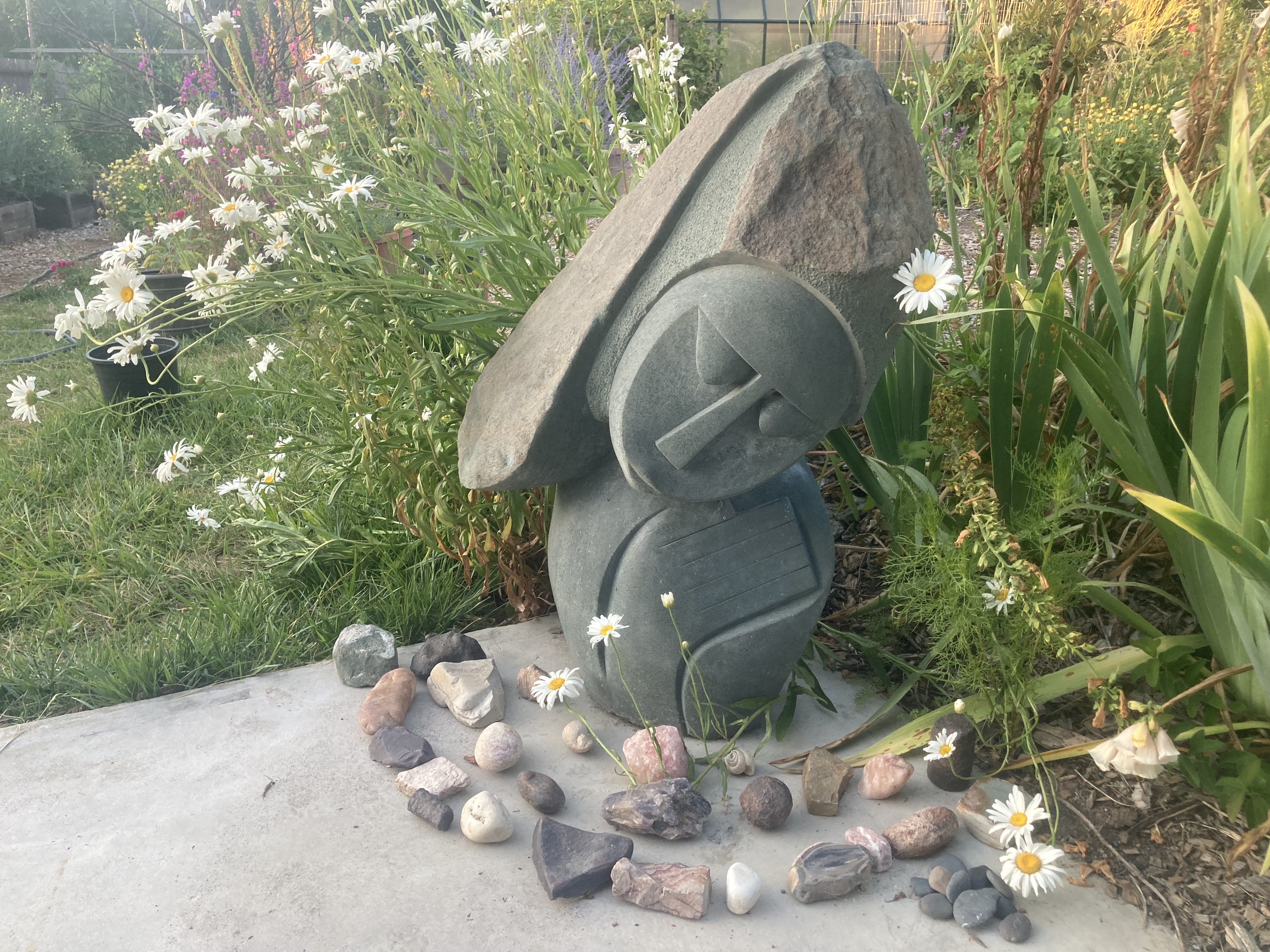
Rocks and stone are both solid and the physical result of great change. They are, so to speak, the physical embodiment of the earth’s imagining. Like rocks, we are people of this earth. Maybe it’s time to go out rock hunting to find the rock you can carry in your pocket as a reminder of solidity amidst change. As Byrd Baylor writes in her children’s book, Everybody Needs a Rock. You want to be able to look your rock right in the eye and chose a rock that fits comfortably in your hand. 

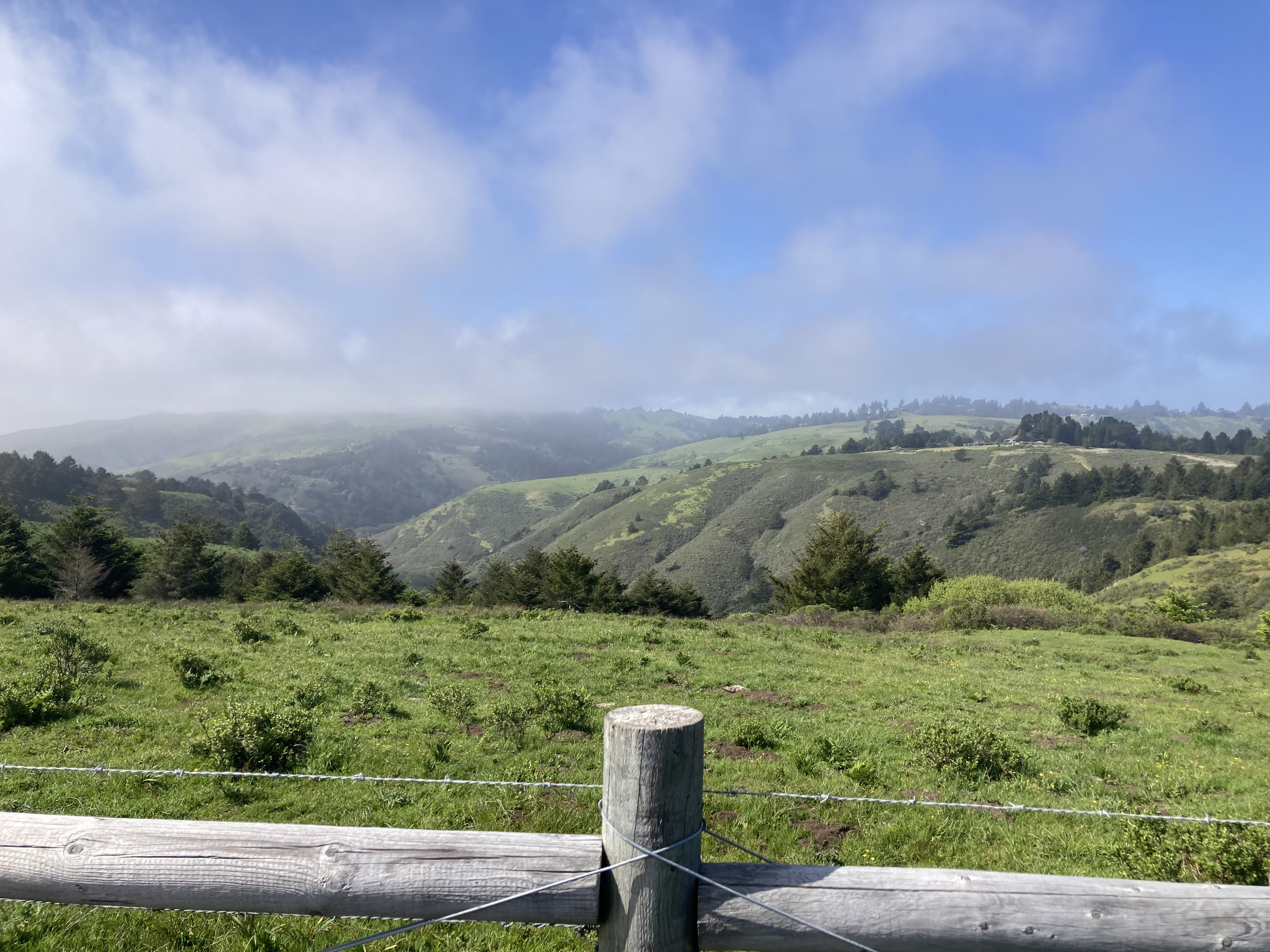
Quiet spaces, such as one might find while rock hunting are valuable to our inner lives. I hope you find a place where you might see the wind turn the leaves of trees, watch the ocean waves’ ceaseless motion, sit and savor the flavor of fresh peach, or just plain sit and stare off into space. Wherever it is you can sense your life is part of the earth’s great body, let that place hold you. Be present with it. 
Imagination takes time to form. It might take time to hear what it has to say, like it takes time for a stone to form. Listen for what rises there.

Beauty, Geography, poetry, Uncategorized, Wonder

Throwing Open the Windows of Imagination

“When the doors of perception are cleansed, everything would appear to man as it is, infinite.”
— Blake, The Marriage of Heaven and Hell

The world didn’t have to be beautiful but it is. Morocco’s night skies with a billion stars flung across the heavens like spilled salt, Australia’s Great Ocean Road winding along rugged coastline, Buddhist temples perched on India’s stark and stony Himalaya, wild gibbon calling from among the tree-tops in Borneo, the view of the hillside sweeping down to the sea from a hilltop in Erice, Sicily, Cartagena’s colorful streets—there are myriad beautiful places in the world.

When I recognized I needed to move from my home in Santa Cruz, I didn’t want to leave behind the trees, the sea, the beauty–though I felt that very well might be what would need to happened. After more than a year of looking for a different place to live and finally finding one, we moved in. The yard is large enough for a garden, the house has been updated, and we have pleasant neighbors. I like for things to be the best I can make them, but nothing is perfect. What bothers me about the house I now live in is the floor. It’s not level. The lift and dip can be felt while walking across a room, and some of the furniture doesn’t sit solidly on the floor. Nevertheless, at the last minute when we absolutely had to be out of our previous home, the opportunity for this house appeared and we are here living in it. Despite the floor, beauty can be found nearby. Living here feels right.

Before moving to Sonoma County, we drove out to explore the landscape along the coast. It was then, standing at the edge of the Pacific gazing into its expansive presence I recognized that despite the economic challenges of moving, perhaps my imagination about what was possible was too small. It took Earth eons beyond counting to form the land where I stood, looking out into that particular horizon. Yet there I was in my finite body through some amazing collaboration of circumstances peering into the boundless open heart of Bodega Bay, Earth’s embodied unspoken invitation that I enlarge my mind and imagination.

In her poem, “A Settlement,” Mary Oliver writes about spring–life in all its trembling, hopeful beauty, and the joy that brings–the way I felt about returning home to Santa Cruz, and what I thought would be my forever home, after 26 years of living in foreign countries to live beside the redwoods and the wonder of their amazing presence. Oliver writes,

Look, it’s spring. And last year’s loose dust has turned into this soft
willingness. The wind-flowers have come up trembling, slowly the
brackens are up-lifting their curvaceous and pale bodies. The thrushes
have come home, none less than filled with mystery, sorrow,

happiness, music, ambition.

And I am walking out into all of this with nowhere to go and no task
undertaken but to turn the pages of this beautiful world over and over,
in the world of my mind.

***

Therefore, dark past,
I’m about to do it.
I’m about to forgive you

for everything.

Mystery, sorrow–these are all there alongside the wonder of the world’s beauty that Oliver turns over and over in her thoughts as she walks about. She has no predetermined path in mind, she’s simply absorbing what is–the music of it all. She lets it fill her.

And that immersion of her full self into the landscape’s presence is what allows her to pause and then to take the next leap– to forgive the past. For everything. That pause she takes between the last two stanzas is essential. In it we can feel her weighing everything in her past before making the commitment to release what has weighed her down, perceived failures, guilt, shame–whatever incompleteness might be there.

What we think at one point in time will be the life we will have can change unexpectedly into something quite different. Moving to a new home as well as other large life changes–unemployment, retirement, disease, divorce, death, and numerous more alterations, requires a letting go, an opening, a release into new possibilities. At our previous house in Santa Cruz we had dreams of an art studio, a meditation bench under the redwoods, a greenhouse, and a terraced hillside with artichokes, berry vines and fruit trees. Those never came to be. Just as a plant produces more seeds than can ever be used or that will ever come to fruition, there are many worlds, lives, and dreams inside us. Not all aspirations blossom or come to fruition. Spring carries with it a history of winter but has to release itself from cold days with little sun in order to liberate itself into new life.

As Oliver suggests, I can forgive what I can’t change, the defects of uneven floors, the insights I wish I had but lacked. I can embrace what is and open the doors to what waits past the plains and borders I’ve previously defined. Oliver’s moment of turning in “Settlement” is a kind of invitation to let go of what weighs us down, what we’ve wanted to be different but wasn’t, to let it drop like clothes changed at the end of the day. We live in a world too big for a small inner life. We can imagine something different, plant the seeds of a different reality, stretch beyond the past hopes we dreamt of that never came true.

“We have an obligation to imagine,” writes Neil Gaiman. “It is easy to pretend that nobody can change anything, that society is huge and the individual is less than nothing. But the truth is individuals make the future, and they do it by imagining that things can be different.” Find an ocean, a sea of billowing grass, a snowy plain, or a desert’s wide expanse. Look up into the infinite sky. We are bigger than other’s definitions of who we are, bigger, too, than the roles and definitions we give ourselves.

It’s literally true, we are stardust. Our very existence depends on the unseen interconnected workings of vast systems of life that hold together not only our planet but the far-flung fringes of the universe. As Charles Eisenstein’s book title states The More Beautiful World Our Hearts Know is Possible, is waiting for us to discover it.

Uncategorized

Winter’s Green Imagination

“In the midst of winter, I found there was, within me, an invincible summer.” –Albert Camus

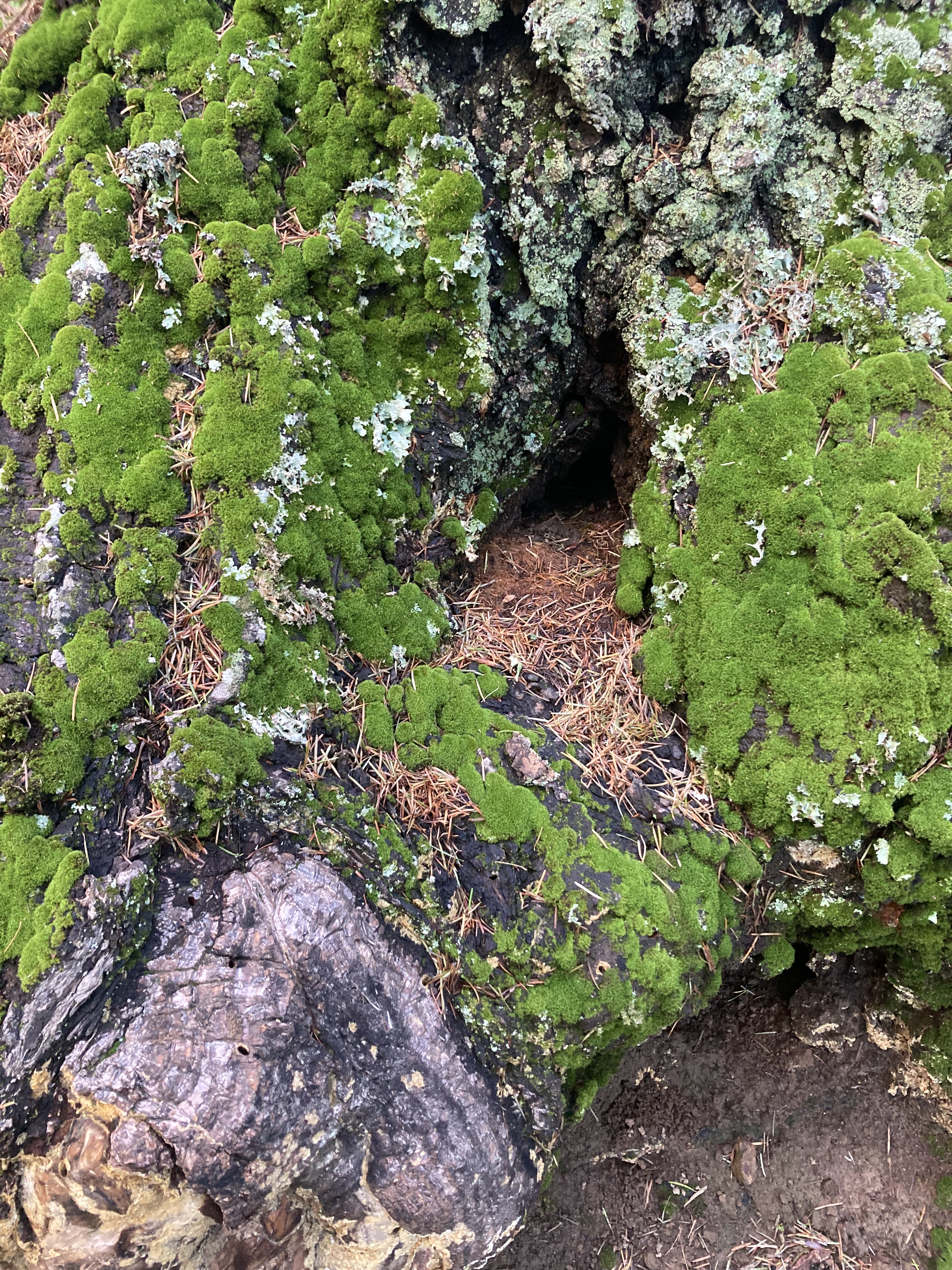
In the northern latitudes we’re experiencing winter’s shallow light and shortened days. Storms have arrived with record snowfall and rain. We long to discover the invincible summers hibernating inside us that will help us keep in touch with the vibrant green world that lives on, and need ways to wait through the days of cold and the minimal hours of light. Winter is a good time to read, wander through old photos, and to journey out to find new unexplored landscapes. On one such recent journey into a forest area near me, I came across an outcrop of rocks covered with moss surrounded by overhanging oaks, their twisted branches casting shadows across the leaf-strewn floor. It felt an ancient place, one that might be found in Ireland where green is a predominant color and stones can be found scattered across the hillsides.

I encountered a similar shade of green some years back when bicycling up Ireland’s west coast with friends. While on that ride, someone we met told us that the small holes found in trees are places where leprechauns like to call their home. The idea delighted me. Though leprechauns are supposed to live only in Ireland, when I see holes in forest trees here in California, I like to imagine a leprechaun lives there. These tree trunk’s holes are often quite small. It seems there’s a good reason why they are referred to as “wee folk!”

Part of Celtic mythology, stories of leprechauns have circulated in Ireland since the eighth century. Though their profession as cobblers is a humble one, leprechauns are known for hoarding pots of gold at the ends of rainbows, and are thought to be older, playful men who are nimble tricksters and very difficult to catch. Additionally, they enjoy playing the fiddle, Irish harp, drum, and tin whistle. Important characters in Irish folklore and in the cultural imagination and many writers have created stories connected to leprechauns. Now associated with the color green, the poet Yeats indicated that as solitary fairies, leprechauns wore red.

I come to the forest to wander and be renewed by its green life, by its scent and uncertain paths where we explore new ground. Leprechauns are important characters in Irish folklore and in the cultural imagination. In a world often filled with news that feeds our anxieties and fear, expanding the imagination could be what we need to help us create a more pleasant world. Imagination helps us to reconnect with wonder, move beyond areas where our mind is stuck in thought patterns that constrict the flow of life. Using our imagination can enable us to reignite joy.

Sumana Roy, associate professor of English and creative writing at Ashoka University in Haryana, India, in her book, How I Became a Tree, from Yale University Press, writes how she came to the realization that she’d been “bulldozed by time” and yet was not a good “slave to time” as the culture she was living in expected her to be. She noticed trees can’t be hurried or rushed. Trees never stayed up all night to meet a deadline. They keep to their own internal rules and aren’t cramped by the pressure of ambition or success, explains Roy in her article, “Tree Time” in the Paris Review. Trees have a whole different way of relating to the experience of being alive. Tree time, Roy describes, is “a life without worries for the future or regret for the past. There’s sunlight: gulp, swallow, eat; there’s night: rest.” Trees’ organic way of relating to time from within their own internal needs and rhythms is something Roy felt worthy of aspiring to.

A redwood tree in a nearby forest

Before I moved to live beside oak and redwood trees here in California near a large tract of forest, I used to say I didn’t want to live in a forest. It was too dark. But time spent with trees changed me. Now that I’ve lived beside trees for years, thinking of not having them as my neighbors feels like a kind of grief. An abiding beauty, trees greet me when I rise, send out perfume on sunny days, scatter the confetti of their leaves when the wind blows, and reach out to cradle the house through the night as I sleep. Constant companions, their steadfast presence is an ongoing witness to the larger arc of time that reaches beyond human worries, goals and plans, and pushes at the boundaries of my limited awareness.

Similarly, to set out for a stroll in a forest is to be renewed and steadied. Walking beneath the trees, we breathe in the forest’s phytoncides, chemicals trees release that helps them fight disease. The antibacterial and antifungal qualities of these same chemicals aid our health as well, according to the Department of Environmental Conservation.

Recent research has also enabled people to realize the value of forests and other plant life, not merely as objects to be used, but as sentient presences. Amitav Gosh, author of The Nutmeg Curse, in Emergence Magazine‘s November 2021 interview with him explains, “in Europe as elsewhere, people had always thought of so many other kinds of beings as being capable of making meaning. But what’s really interesting there is that many people may today be willing to accept that animals are fully sentient beings, that forests are sentient, that many kinds of trees are sentient, that they communicate—they have incredibly complex communications and so on, which we are now discovering… And humans have always believed in the real presence of these unseen beings.” The language trees use, the way trees, plants sense things (and other nonhuman or more than human presences) may not be the way humans experience the world, but that isn’t to say communication and some form of awareness isn’t occurring. There’s more going on in forests than we previously understood and we are only now coming to understand this through the work of people like Susan Simard, David George Haskell, and Peter Wohlleben. In these new understandings about the world around us, we can begin to imagine ourselves into a new way of living in and responding to the world.

We don’t have to believe in leprechauns to expand our imaginations and ponder the idea that the universe we inhabit is composed of more than dead physical matter, and to understand, instead, that it’s infused with various levels and types of consciousness. “The deeper we penetrate, the more restless becomes the universe; all is rushing about and vibrating in a wild dance,” wrote the physicist Max Born. As we walk in the forest, we can allow ourselves to be absorbed again into the landscape, develop a feeling for it, and to allow our imaginations to invent new stories about our lives and interactions.

A while back, one of our recent neighbor’s children created a story about how to catch a leprechaun. After the boy read his story to my husband, the two of them strolled around the hillside singing Ratlin Bog looking for a glimpse of a leprechaun. For the boy and his sister, the forest became alive with possibility. For months afterwards, they left notes and gifts for leprechauns at the base of trees and tucked inside the bends of the trees’ arms. Connecting with our imaginations, we can discover or rediscover a world alive and new, a kind of hidden, interior gold.

Though it might be dark outside or the earth covered with snow, in the midst of discouragement, despair or doubt, we can walk outside and know that even if there are no leaves on the branches, the trees hold within them a dream of a green life that lives on, waiting in the way trees always do, for the time to rise up and burst forth in storied leafy boughs. During bleak times, we can journey inward and draw warmth from imagination’s fire, make new stories and in doing so, remake ourselves. Stories, songs, dance and the many forms of art—there are numerous ways to allow the landscape, internal or external, to come alive and to see the earth as more than a mere object or backdrop but, instead, to develop a relationship with it.

So let us pick up
the stones over which we stumble,
friends, and build altars…

Let us name the harsh light and
soft darkness that surrounds us.

Let’s claw ourselves out from the graves we’ve dug.
Let’s lick the earth from our fingers.

Let us look up and out and around.
The world is big and wide and wild and wonderful and wicked,
and
our lives are murky, magnificent, malleable, and full of meaning.

~ Padraig O’Tuama in Daily Prayer With The Corrymeela Community