
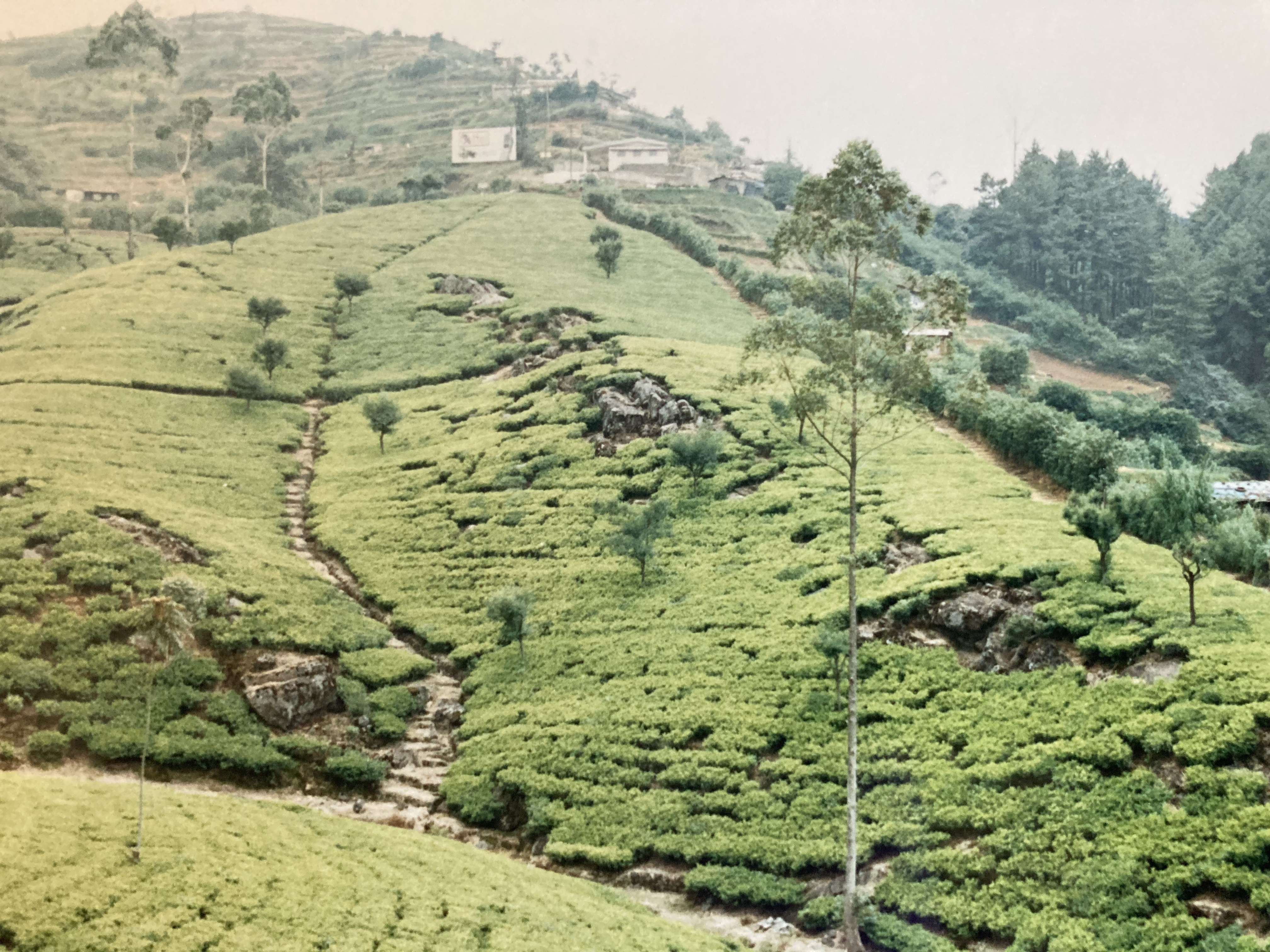
W.S. Merwin, in his poem, “Drinking Tea in the Small Hours,” speaks of drinking green tea from Korea,
second pick from the foothills of summer
taste of distance and slight rustling of leaves
on old trees with names hard to remember
as I listen after heavy rain in the night
the taste is a hush from far away
at the very moment when I sip it
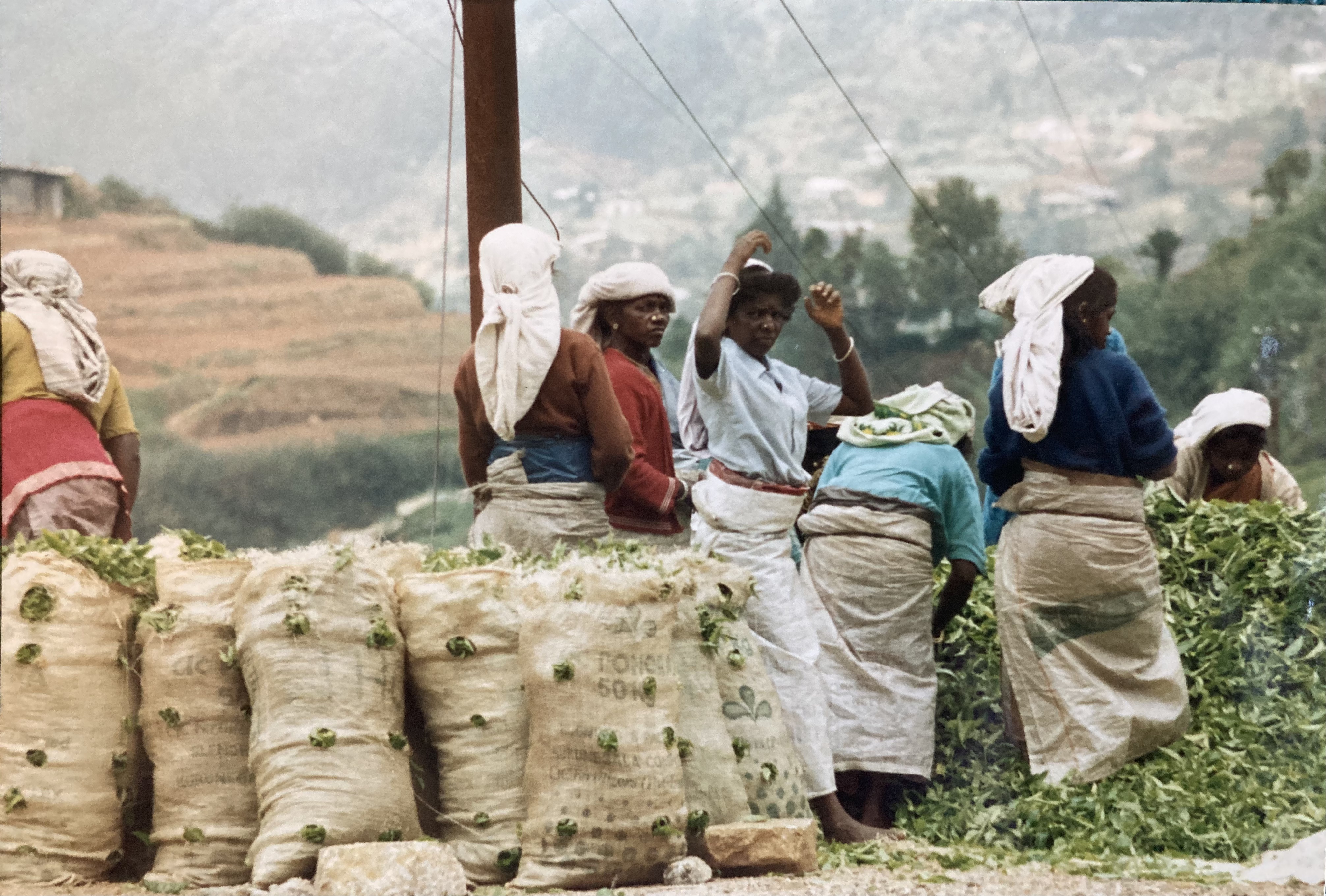
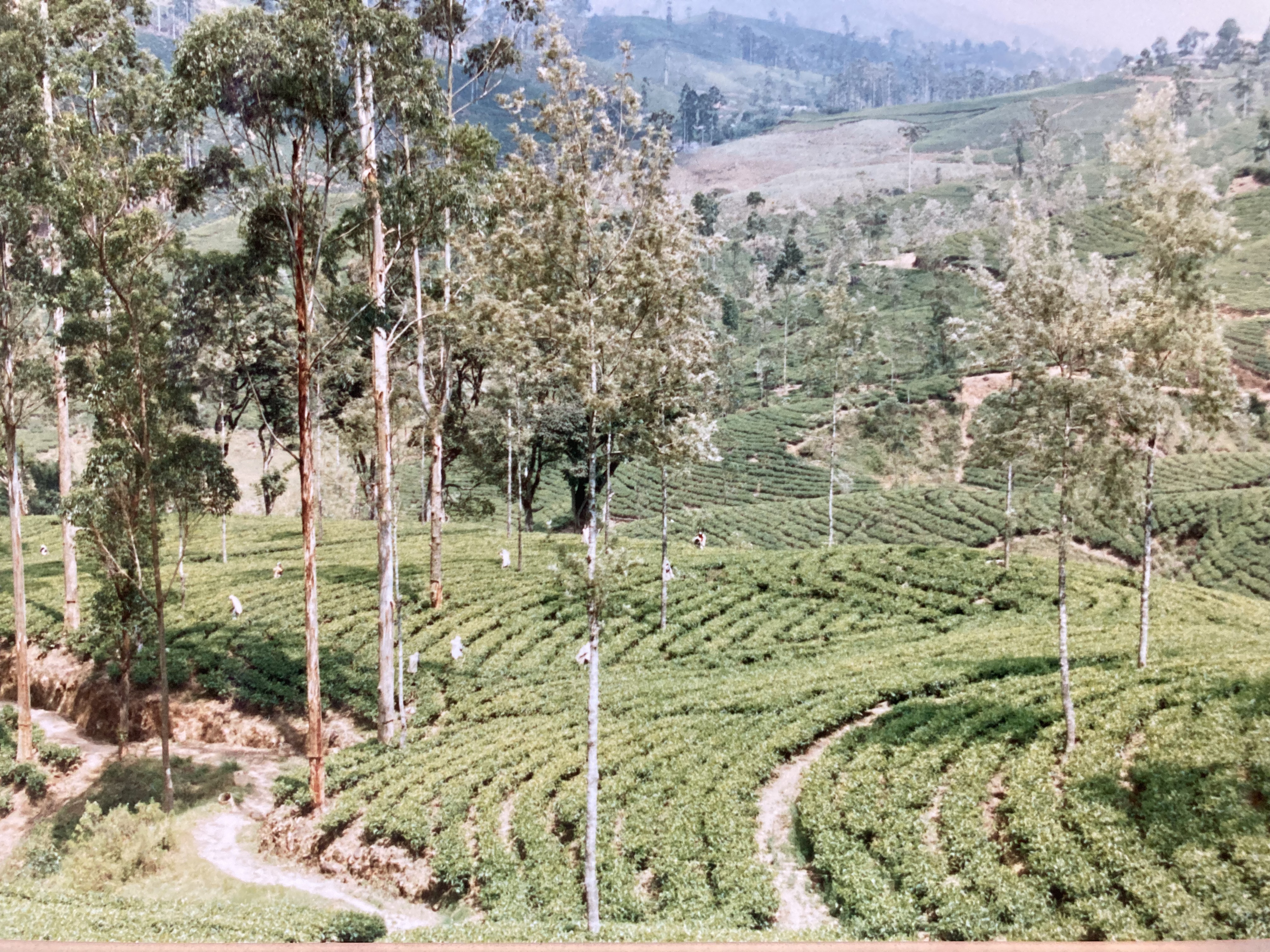
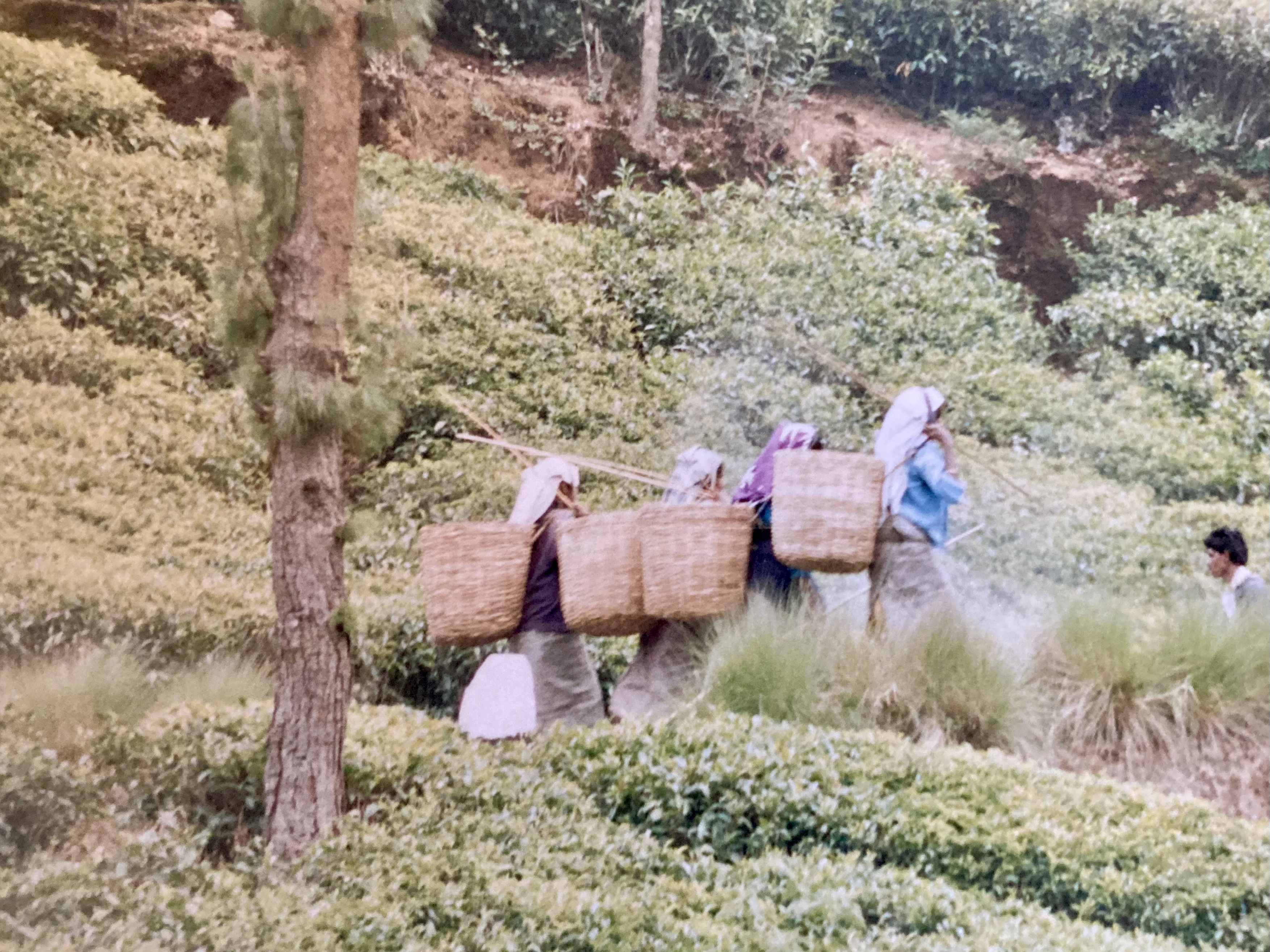
I read Merwin’s words, and recall my visit to the tea plantations in Nurwara Eliya, Sri Lanka in 1995–the green beauty of tea-covered hills, as well as the significant labor women extended day after day picking the tea, carrying on their backs the baskets weighted with tea leaves.
The world Merwin describes, however, is filled with calm. Sitting in morning’s quiet room, air thick with rain-scent, wind’s breath through ancient trees, he drinks in a distant world and season different from the one he inhabits. We, too, with the wide variety of vegetables and fruits available around the globe today likely taste worlds other than our own every day. From artichokes to zucchini, a majority of foods we eat have made a pilgrimage from great distances to become part of our lives. Even the common apple, often associated with American culture, actually has its origins in the Tian Shan mountains of Kazakhstan. Kazakhstan’s capital until 1997, Alma Ata, meant “full of apples.”
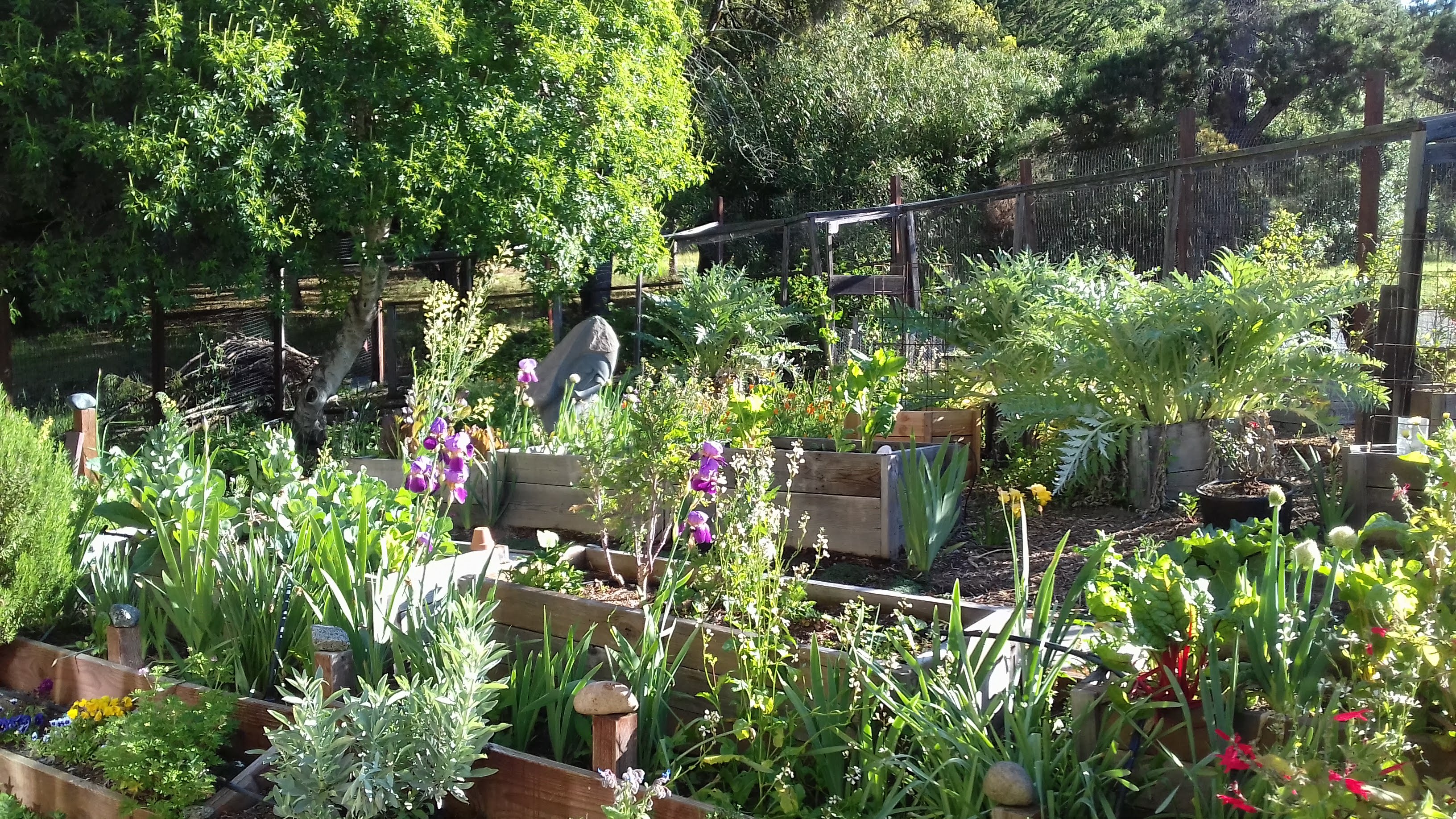
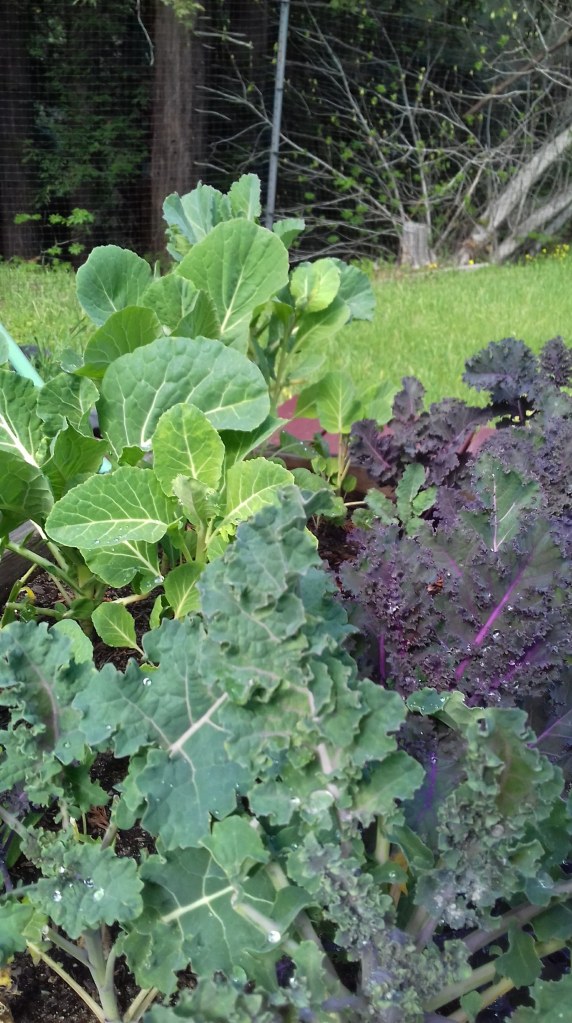
Working in my backyard garden watering and weeding recently, I wondered where did carrots, beans, kale, peas, and onion originate? What was their journey into our everyday lives? These foods have been with us for so long that we now think of them as part of our family’s weekly meal plan. It’s not just apples that have traveled great distances over time. The great bulk of our North American diets is from plants that came to us from elsewhere. Here are a few origins of common plants:
- Artichoke: from North Africa and the central part of the Mediterranean.
- Asparagus: North Africa, Europe, and Asia.
- Beans: from Asia, Europe, and the Americas.
- Beets: India, the Mediterranean and the Atlantic European Coast.
- Broccoli: is believed to have originated in Sicily and arrived in the US via Italian immigrants.
- Carrots: Afghanistan, Iran, Uzbekistan. (Purple carrots were on temple walls in Egypt 2,000 BC.)
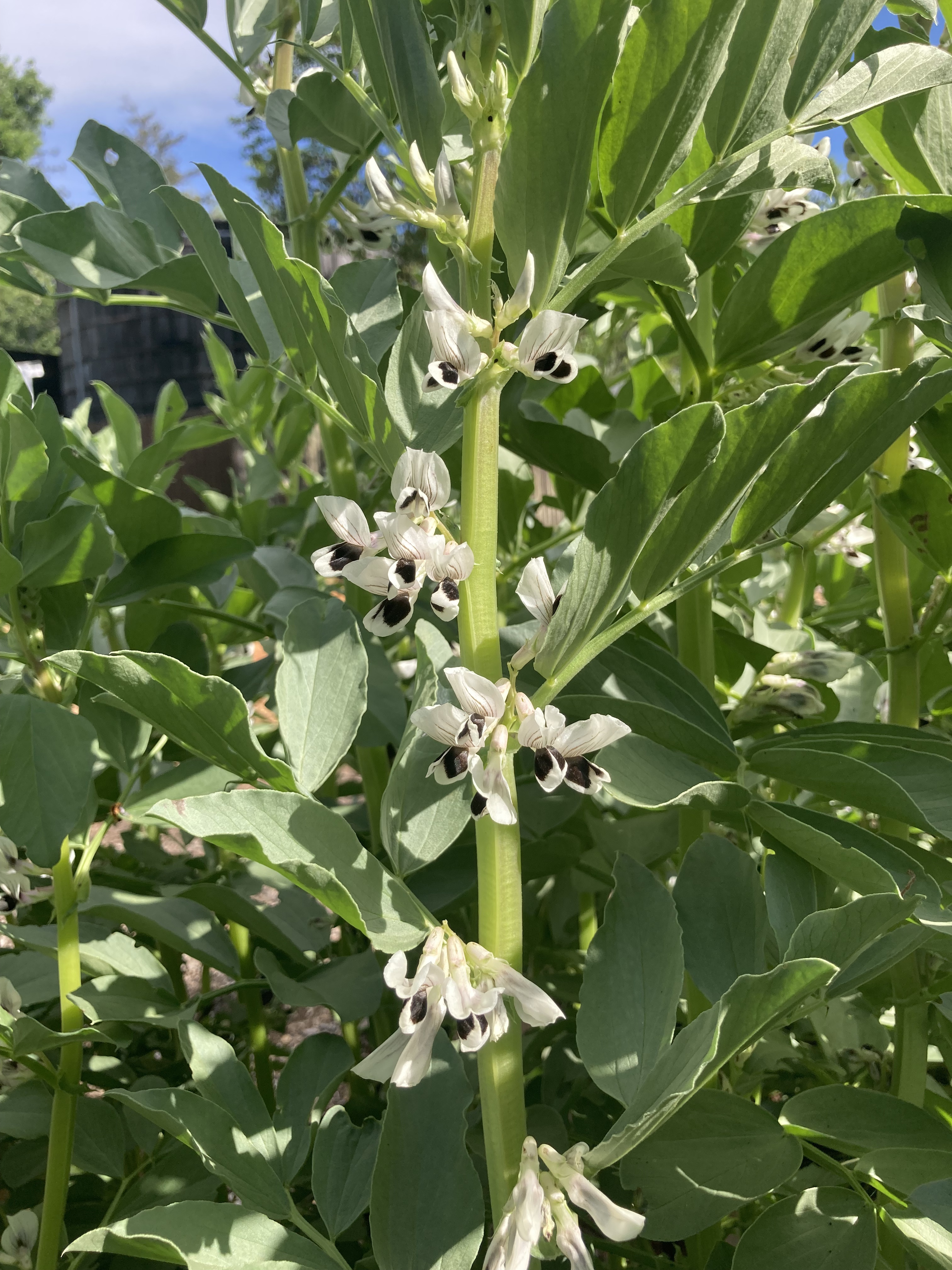
- Fava beans: ancient Israel, domesticated by Neolithic farmers.
- Kale: eastern Mediterranean.
- Lettuce: the Caucus.
- Mangos: from the Hindo-Berma region over 5,000 years ago, reaching from eastern India and southern China across Southeast Asia.
- Olive: Asia Minor.
- Onion: North America, also Iran and west Pakistan, Central Asia.
- Peas: native to Turkey and also the Middle East in the area around Iraq.
- Spinach: Mediterranean.
- Strawberries: Europe, Asia, North and South America.
- Watermelon: southern Africa.
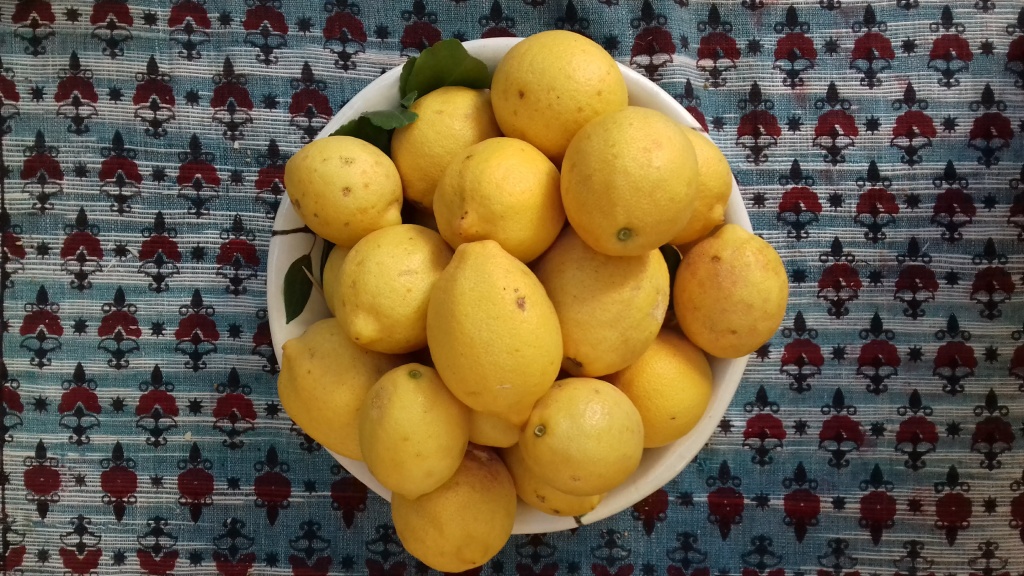
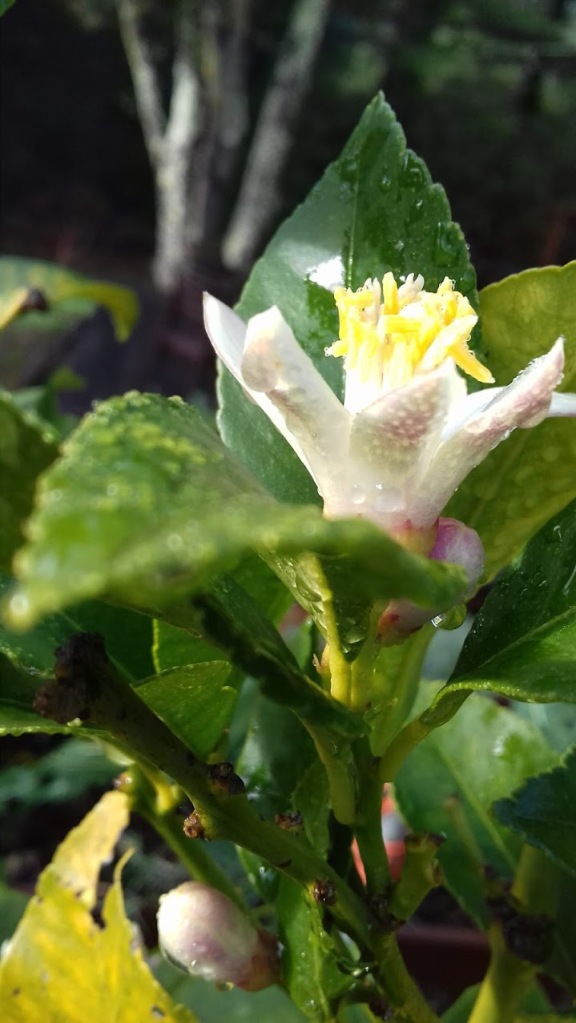
While dining on foods from our gardens and grocery stores, we taste the world. Foods family members frequently cook for us to eat create associations to what we call home, a place that feels familiar and known, yet we’re often eating foods that came to us through time from across the world and from cultures very different from our own. Vegetables and fruits we typically grow in our gardens or buy at our grocery stores have histories. Drinking a summer lemonade on my front porch, I’m not simply tasting lemons. I’m also tasting the product of the fruit’s transformations via its long journey from the lemon’s ancient ancestorial origins on the Indian subcontinent. Ancient citruses hybridized with citron, a wild citrus, and a bitter orange to form lemons, and made their way to China, later the Middle East and Turkey, then to Europe, before Christopher Columbus carried them to the island of Hispaniola in 1493. Lemons grow best in warm climates and India is currently the world’s top producer of lemons, followed by Mexico and China.
Science Daily reports that studies describe that eating 30 or more diverse types of vegetables, fruit, and grains each week significantly helps our physical and mental health. We learn from each other and benefit from the exchange of knowledge across cultures and time. Welcoming diversity into our lives enables us to thrive.
The fruits and vegetables that have entered our lives because of cultural exchange is but one example of how we all benefit from what has been shared through time across cultures. The compass was invented by Chinese, Scottish bacteriologist Alexander Fleming discovered penicillin. In Poland, Marie Curie discovered polonium and radium. Her experiments with these allow us to use x-rays today. Born in Hungary and naturalized as an Argentinian citizen László József Biró created the ballpoint pen. From a Mexican yam, Luis Miramontes of Mexico City derived norethisterone, the main ingredient used in birth control pills. Mary Anderson of New York City invented the windshield wiper and George Crum invented the potato chip. In South Africa Allan Cormack invented the CT scan machine. Mark Lidwill, an Australian doctor, and physicist Edgar Booth developed the first artificial pacemaker. Ajay Bhatt, born in Baroda, India, and his team invented the USB port. Our lives are changed and enhanced by the hands and minds of people from across time and cultures.
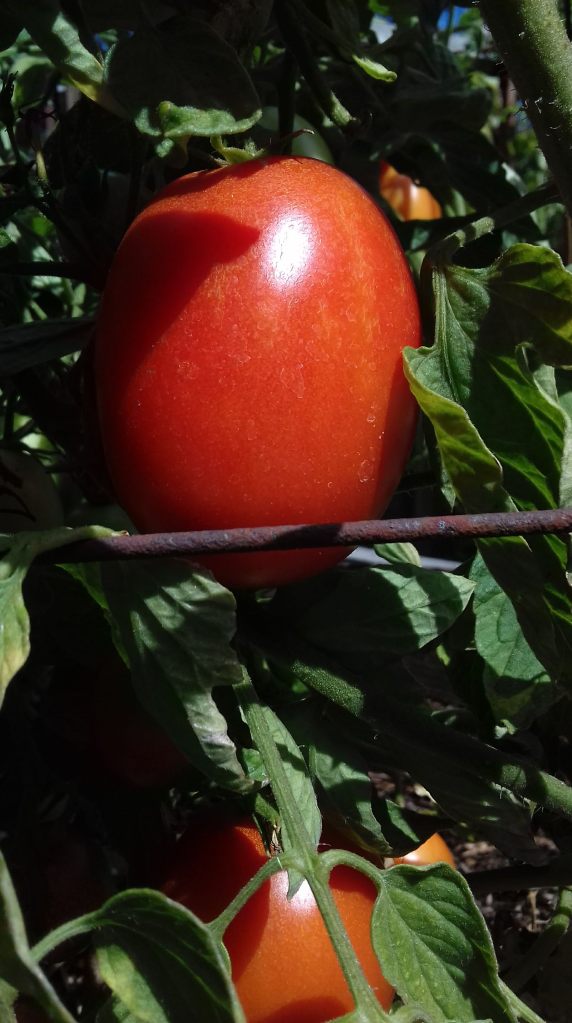
In the spirit of sharing foods that reach back through time, I offer you this family recipe for pesto, together with its companion vignette. These are part of the electronic cookbook I made together with my husband Michael as a companion to my book A Space Between. Basil has been cultivated for at least 5,000 years and is native to India, though it is commonly associated with Italian food. Next time you taste basil, or perhaps a favorite fruit or vegetable of your own, may the flavor pique your curiosity about that food’s origin, how it traveled through time through the effort of many cultures and people you will never know, yet who made it possible for you to enjoy it. You might also choose to read A Space Between while sipping a glass of lemonade and a plate of fresh tomatoes, a fruit from the Americas that changed Italian cuisine.
HOMEMADE PESTO
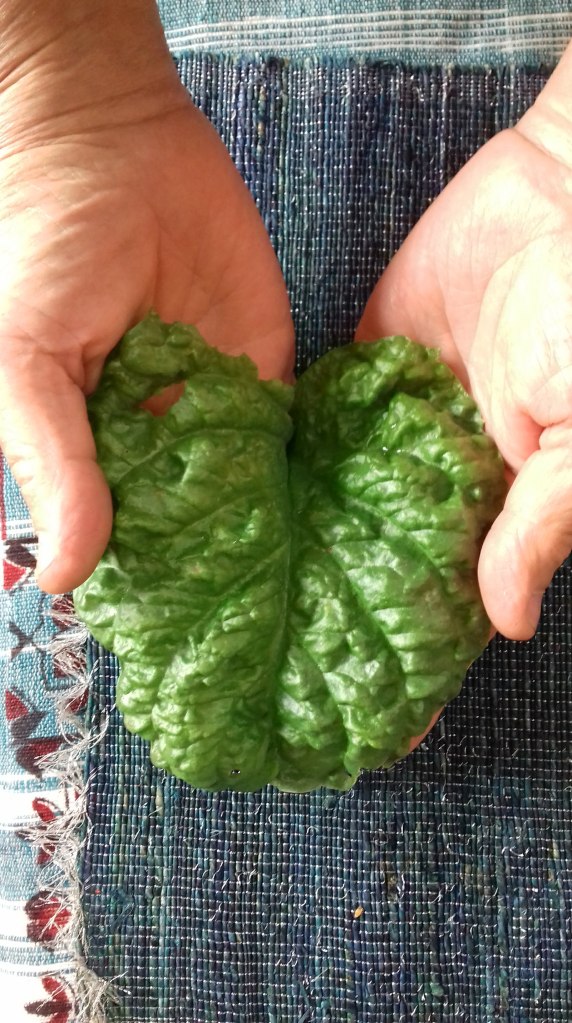
lettuce basil 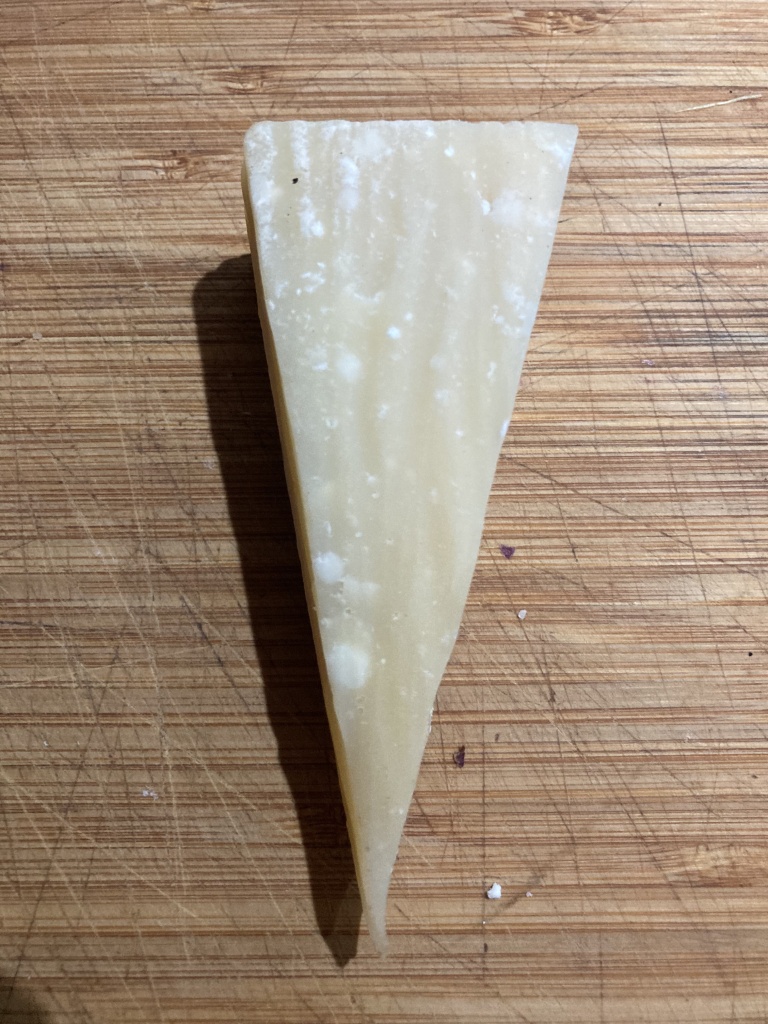
parmesan cheese 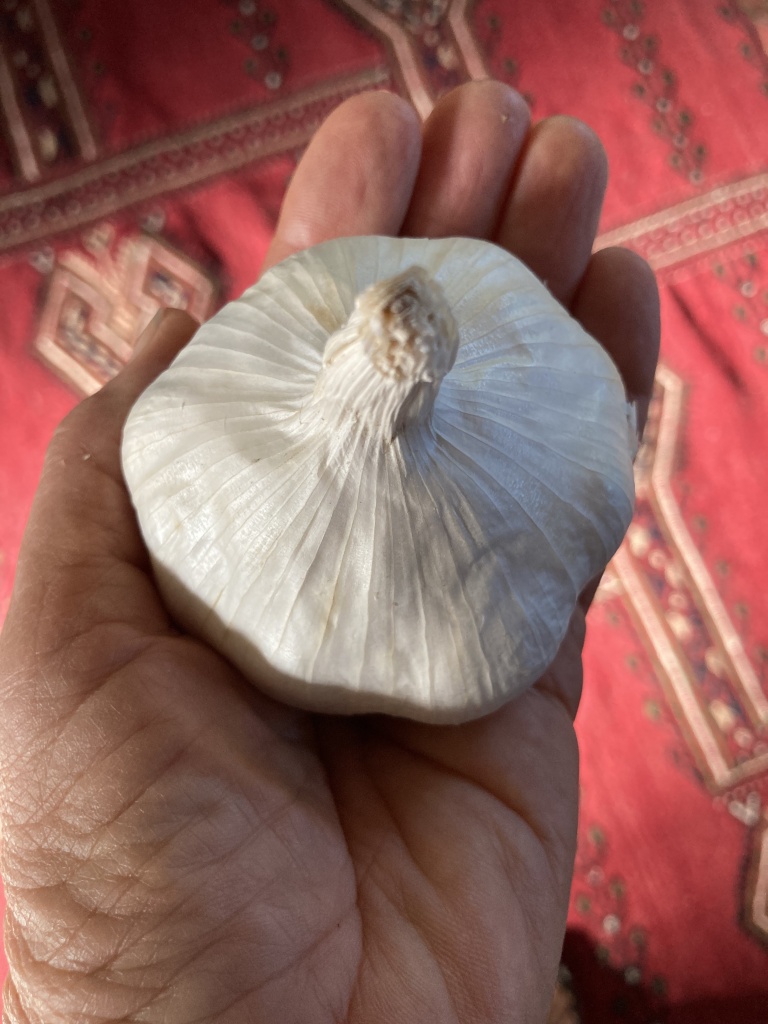
garlic 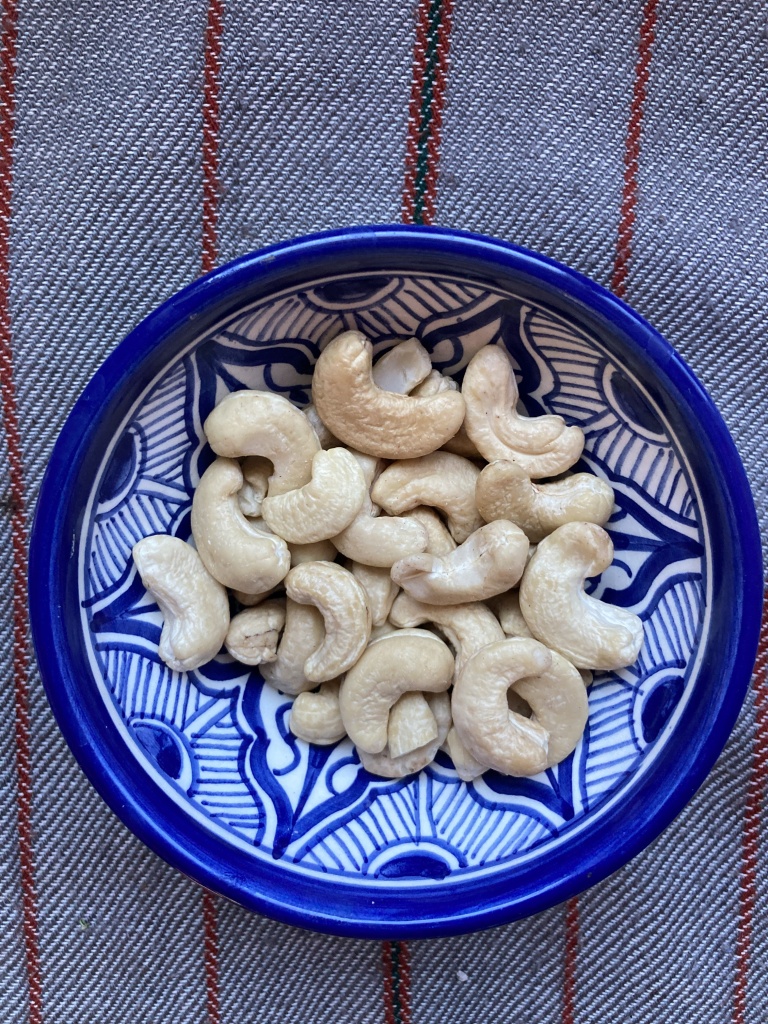
cashews 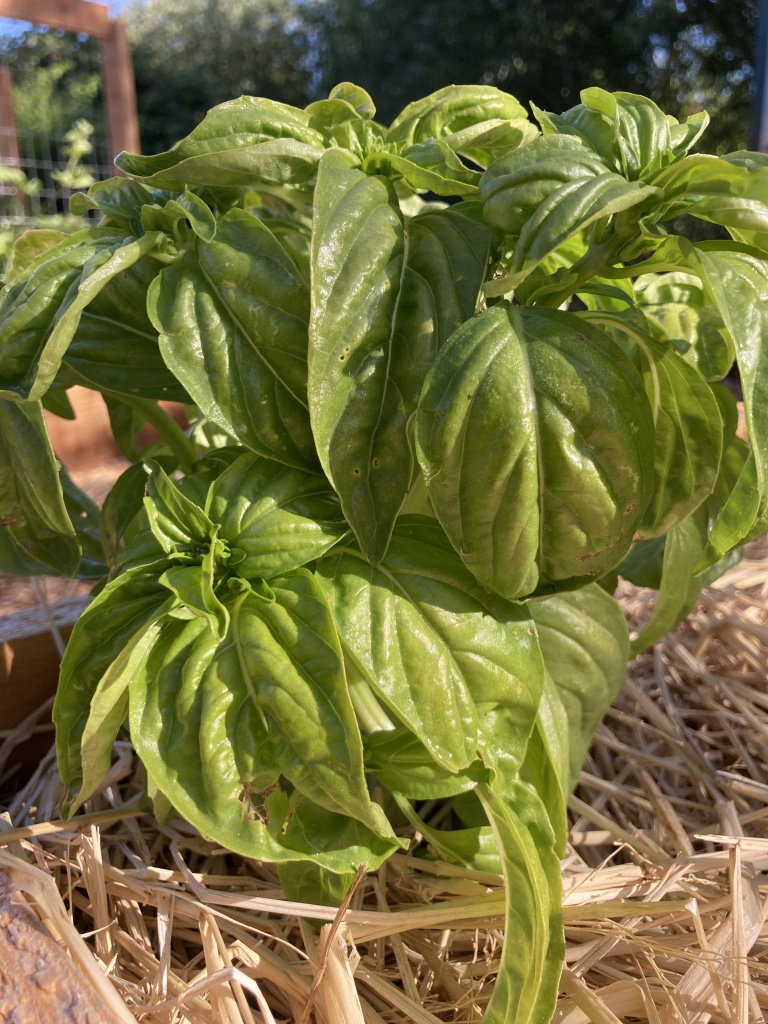
lettuce basil
As a child, Gianni liked to pick basil for Luisa when she asked because he knew it meant she’d be making pesto. With wire basket in hand while dodging the ducks in the backyard he’d search beneath the basil leaves where he’d sometimes find an iridescent green frog or spy a lizard he could pet with a strand of dry grass. After handing his mother his basket of basil, Gianni watched, as pestle in hand, his mother crushed the leaves in a slow, circular motion around the mortar’s rim. When she’d finished adding the ingredients for the pesto, his mother let Gianni wipe the mortar with his fingers and he’d lick the creamy green from his hand.
As a grown man, after Liza and the children left and he was living alone, Gianni preferred recipes using a blender, as he liked preparing simple foods, and he decided he should try making pesto.
Watching the ingredients swirl inside the blender and inhaling the bright aroma, he was carried back to the memory of his mother’s firm hands at the mortar and pestle. Turning the image over in his mind, he scraped the pesto into a bowl. He knew he couldn’t make pesto the way his mother did. Neither could he turn back time to the world he lived in before so many losses pressed against his heart. But he could make his own pesto his own way now, create a smooth paste of the ingredients.
Adding a bit more salt to the mix, he spread it over his pasta for dinner, sat at the table by his news clippings of missing children, and thought about his grandsons, Zenzo and Marcello—how he might need to grow a garden again and send them out into the yard searching for lizards and frogs.
Ingredients:
- 5 to 6 cups of basil (approximately two large bunches)
- 3/4 to 1 cup Parmigiano-Reggiano
- ½ to ¾ cups of your choice of either pine nuts, cashews, walnuts or a mixture
- ½ to ¾ cup olive oil depending on your preference of thinness
- 2 cloves garlic
- ¼ teaspoon salt or add more or less to taste
- Directions:
- Put the basil in a mixing bowl.
- Add a cup of grated Parmigiano-Reggiano into the bowl.
- Fill a food processor with basil and pulse it to finely chop it. Repeat. Put this into the bowl.
- Using about a cup of nuts and two garlic cloves together until finely chopped. Put this into the bowl also.
- Put everything back into the food processor and pulse to blend. Add salt to taste.
- Drizzle in olive oil slowly to achieve desired consistency while the food processor is pulsing. Scrape down the sides of the food processor as necessary.
- You can play with proportions of all ingredients for creamier or drier results and to balance flavors to your preference.



 Anna Citrino---Poetry, Place, Pilgrimage