Uncategorized

Imagining Beyond The Days of Winter

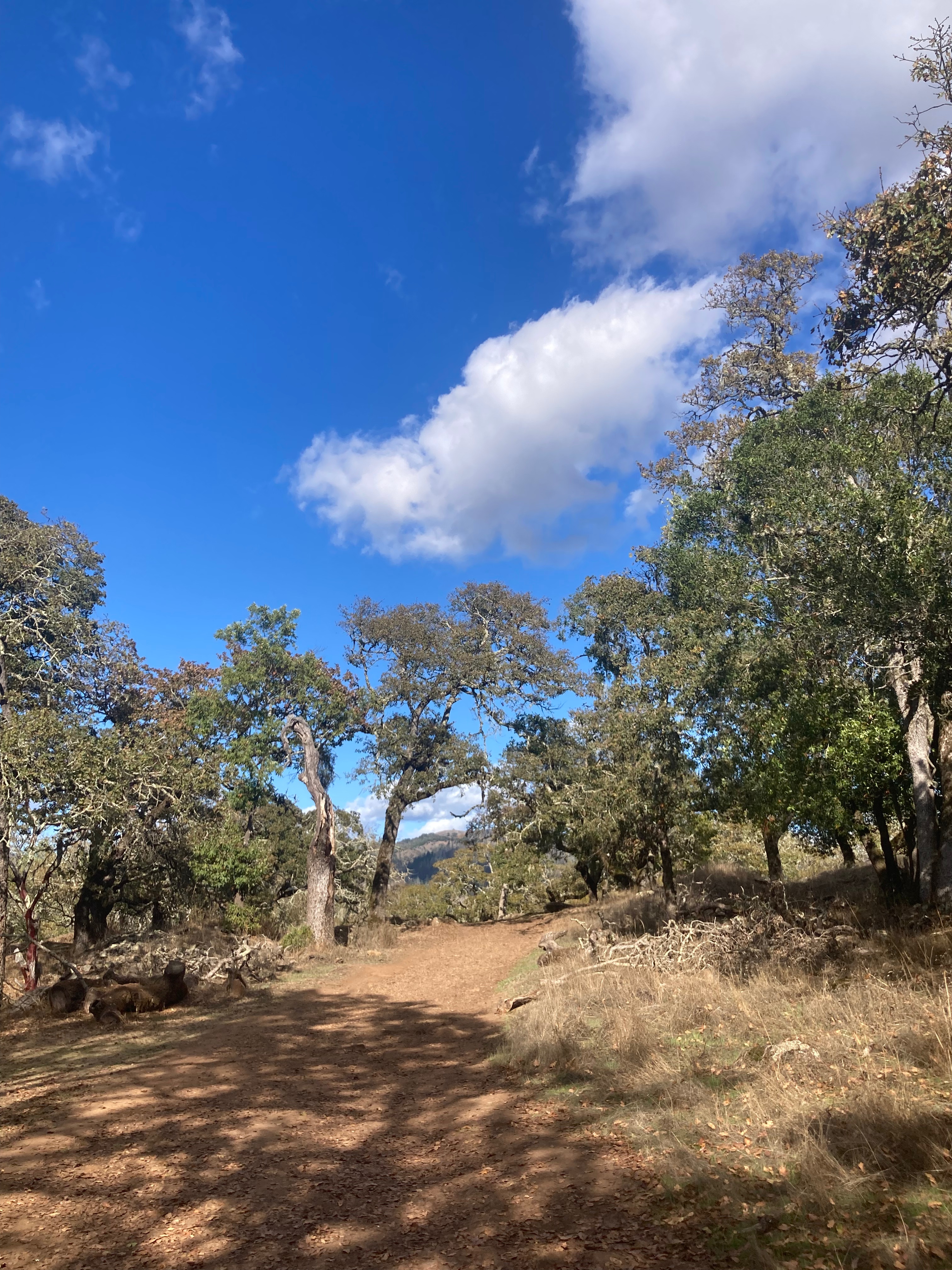
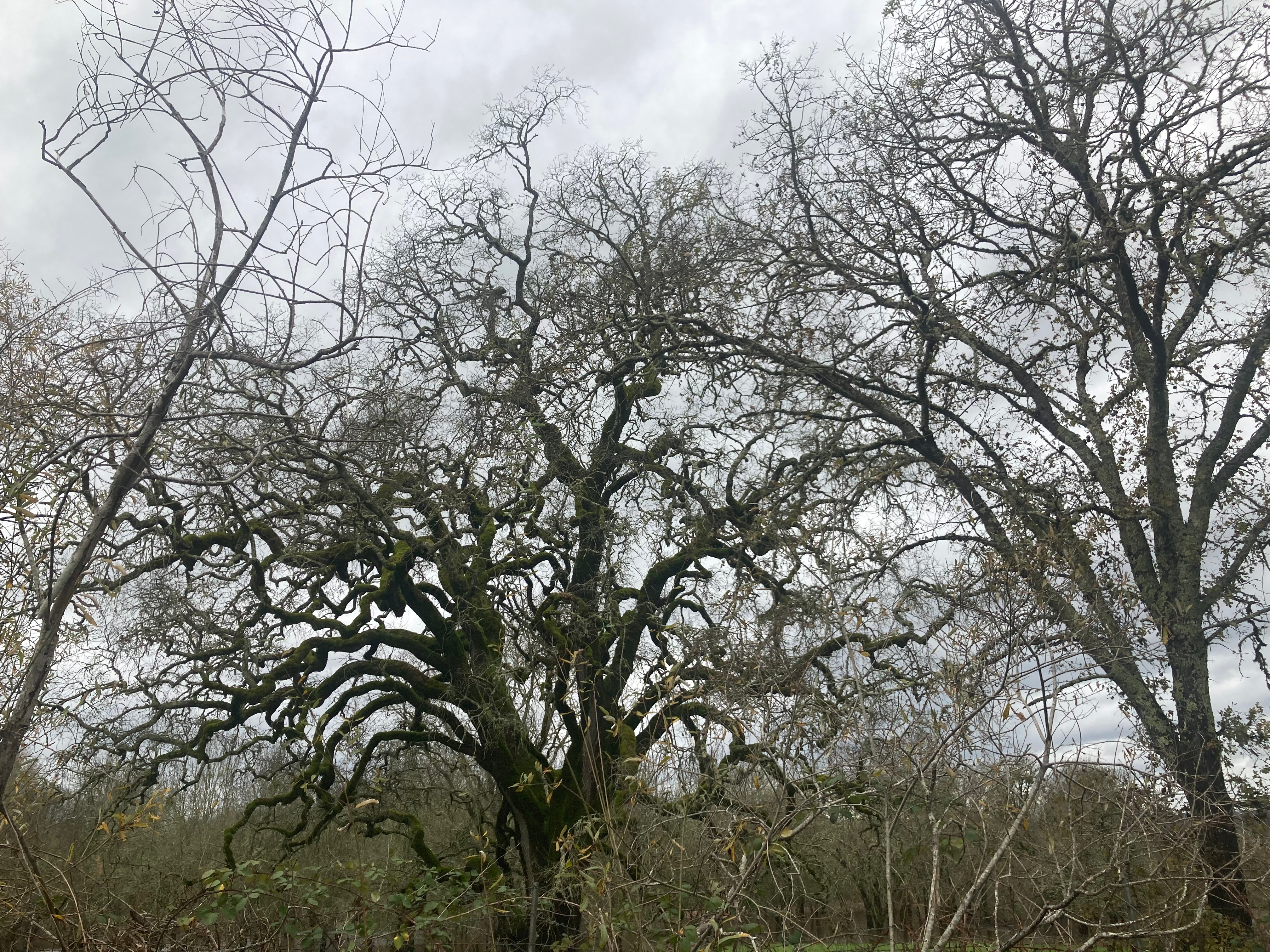
We’re in the midst of January, spring’s burst of buds and flowers are some way off, but when I went for a walk in the late afternoon alongside oaks bathed in yellow light and looked out across fields lit with a fluorescent green glow as if spread with peridot jewel, I couldn’t help but think about resurrection. Yes, it’s cold and the willows’ branches are bare. My backyard garden is bare now too—the peach, sour cherry, fig and apple all stand bereft of leaves. It’s winter. The layers of leaves have fallen away and we see the exposed structure of things. The dying back is necessary. But harbored beneath the soil and inside the roots and trunks of trees life is at work beneath surface of what looks dead, rebuilding what it needs to recreate spring. 

Culturally speaking, the US is living through a harsh winter. There’s a lot of cold. The leaves have fallen away exposing a structure previously covered over. We see behind the curtain. In the streets of the US today, as Minnesota’s governor Tim Walz has described, Immigration and Customs Enforcement (ICE) agents have gone door to door asking neighbors to tell which of their neighbors are immigrants and minorities. ICE agents have deported people without due process of law, have grabbed people, stuffed them in cars and taken them away, shot innocent people dead, wounded others. People in government positions mislead the public regarding events that occur and attempt to control others through intimidation, violence and fear. The media has likened ICE’s tactics to the Nazi gestapo in WW2. The Nazis, however, as Sarah Al-Arshani’s article in Business Insider learned from racist thought and tactics used in the America’s Jim Crow south. “Some Americans,” writes Al-Arshani, “including ones as prominent as Henry Ford, Helen Keller, and Alexander Graham Bell, began championing eugenics — a pseudoscientific ideology arguing that genetically “inferior” people should be sterilized to prevent offspring with undesirable traits…Historians said the eugenics preached in the US gave Nazis a blueprint of sorts.” Today, the US is looking and experiencing directly a resurfacing of perspectives left over from the country’s past that were never fully transformed into the country’s ideals of liberty and justice for all.
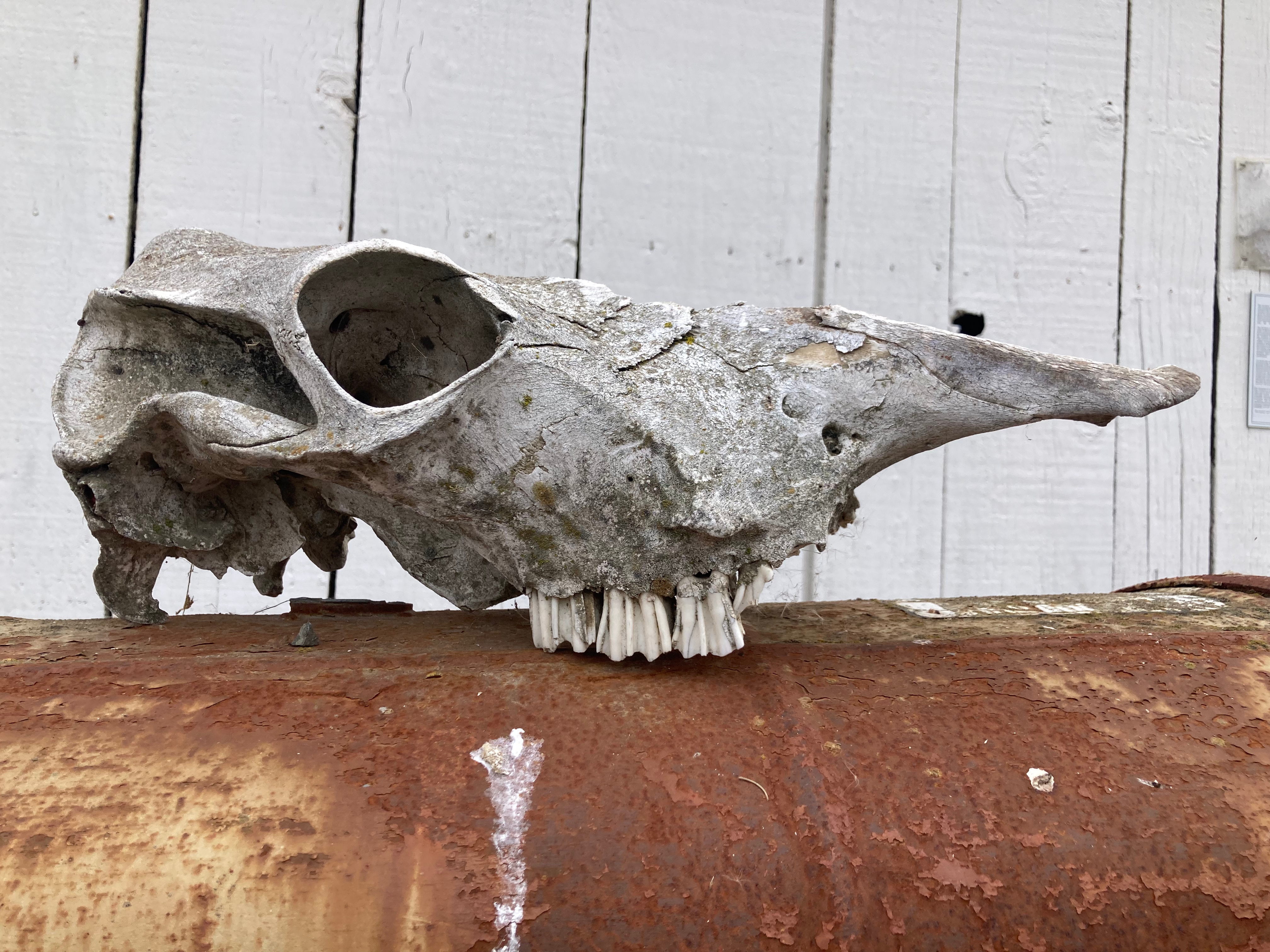
All growing things need tending. It’s important for our interior lives as well as the systems and structures we’ve created. This time of living through days of minimal light and meager foliage have me thinking how death and life are closely entwined, and how what looks like death can also be the beginning of a new life in the making.

A short time ago I attended an evening with vocal activist Melanie DeMore and the Joyful Noise choir leader Benjamin Mertz, musicians steeped in the tradition of African American spirituals. From the concert’s first moment DeMore brought the entire audience of several hundred people together in song, the whole place hummed with a life-filled felt presence. A sense of peace fell over the room. Something deeply restorative was at work in the music, as if collectively we had simultaneously come home to ourselves. Spirituals like “Wayfaring Stranger” and “Balm in Gilead” arose from the lives of people long oppressed who found a way to keep going despite grinding circumstances that otherwise might drive them to despair. The songs embody a sense of perseverance and determined focus to and be free, to rise up out of the quagmire of an environment that wanted to press them down, and to instead embrace the fire of hope for a new and better life. As the words in the spiritual sung by the Golden Gospel Singers “Oh Freedom!” state, “Oh, freedom, Oh, freedom / Oh freedom over me / And before I’d be a slave / I’d be buried in my grave / And go home to my Lord and be free.” Belief in an afterlife a world beyond the current bleak one is a hope that allows one’s spirit to press on in an austere world where comfort and ease are difficult to come by. That afterlife can be right here on earth in a new world we create together where each person has dignity and the world we live in actively works to support our wellbeing.
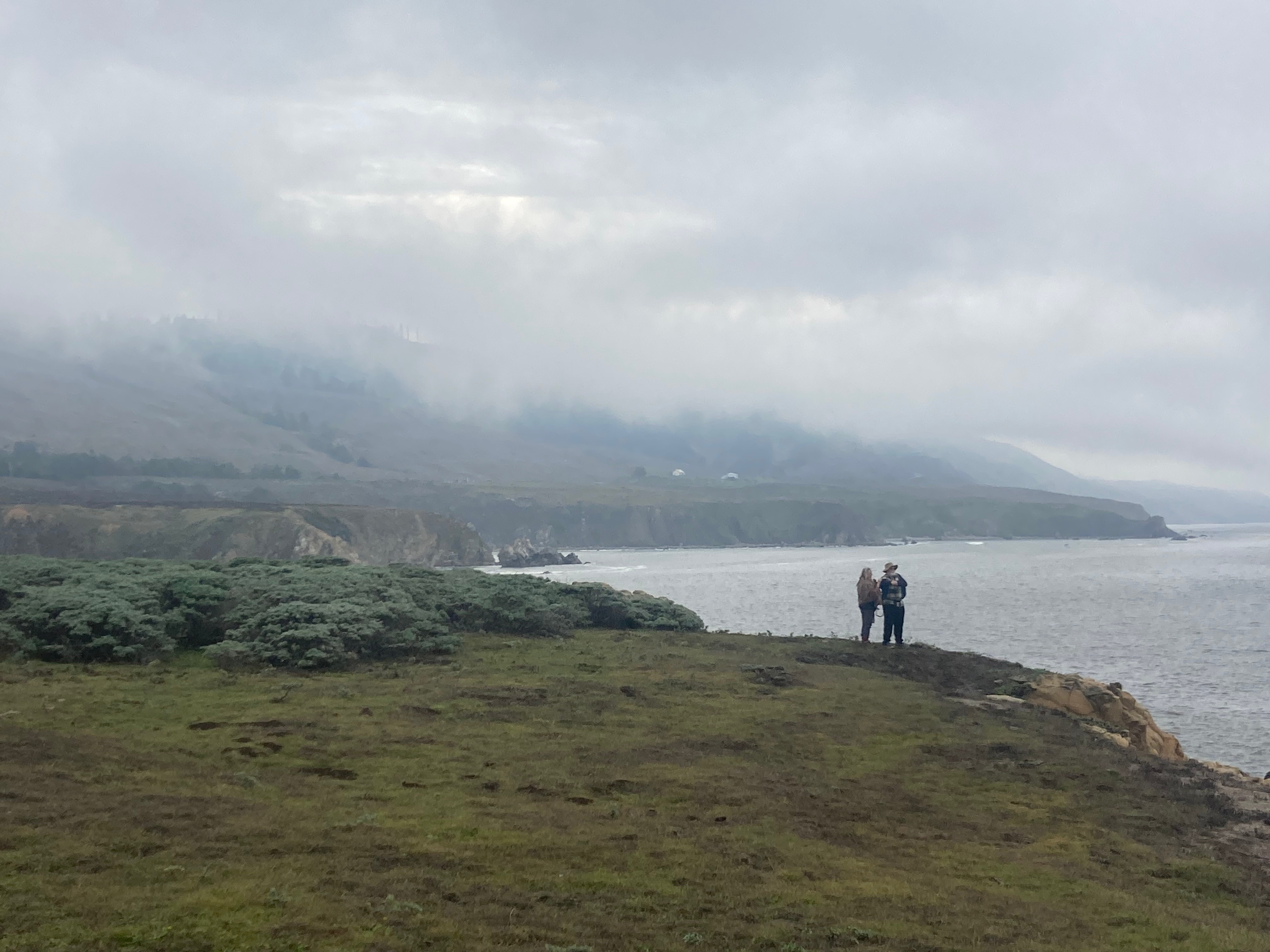
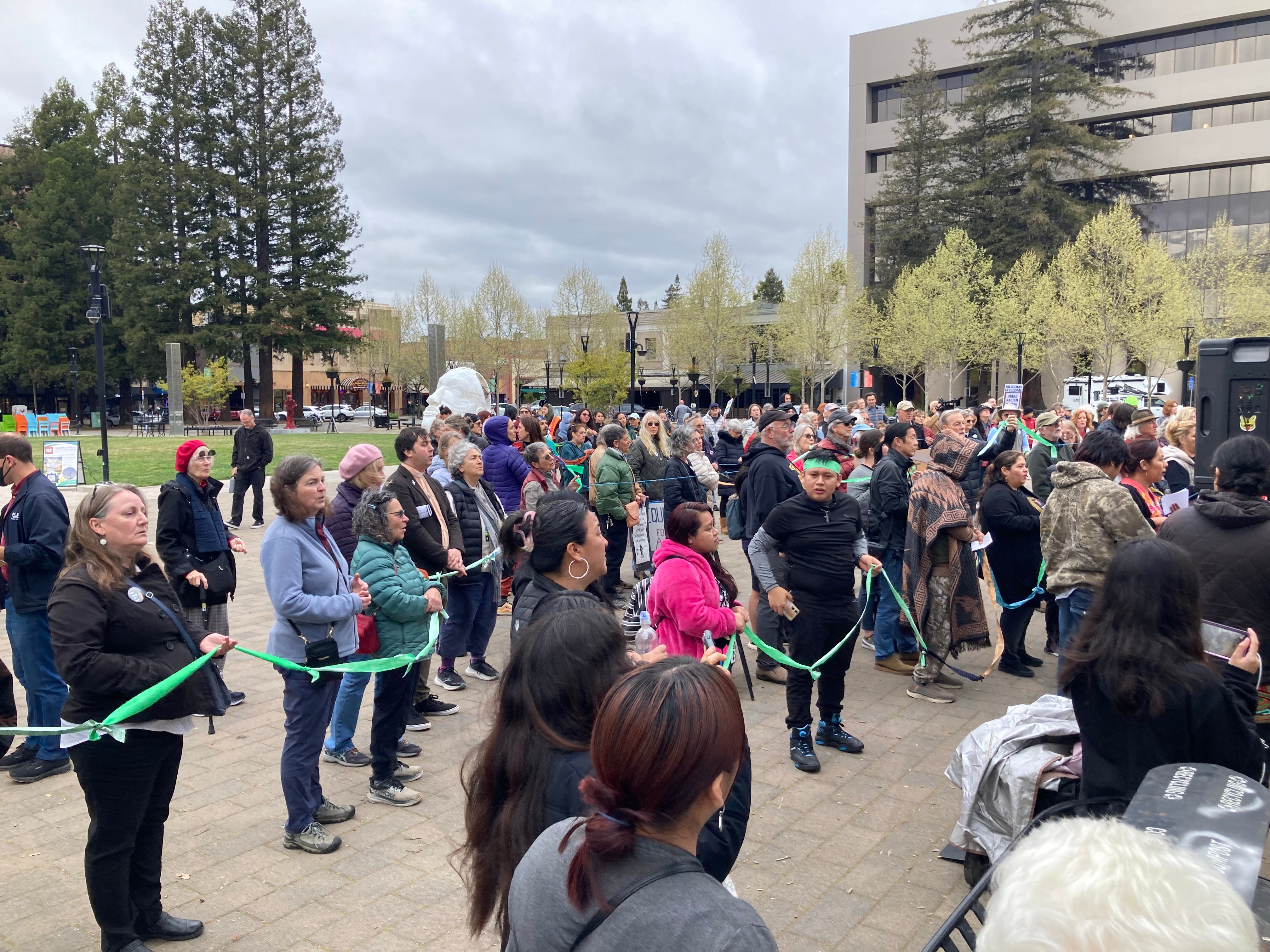
Winter’s cold months are the time to trim the grape and berry vines and thin the fruit trees’ branches so when spring arrives the plants get more light and can better hold the weight of the fruit that’s to come. What builds community, enables people to thrive, nurtures their spirit? What nurtures life-giving resources? In winter we can see more clearly where we might trim back the branches preventing us from viewing each other heart to soul. In the midst of winter, we can sing of resurrection, dream of what it would take to allow people to reconnect human to human. We can stand together with others in protest of ICE’s violence, share a dinner with new neighbors, vote for those in the next election that support our constitution and stand by the rule of law. There is life beyond the death we’ve seen. Now is the time to proclaim resurrection.

Continuously learning from our experiences, we are all students of life. The school I worked at in New Delhi, India holds the following statements as the community’s focus:
–nurturing the intellectual, physical, social, and emotional development of each student
–fostering each student’s potential to achieve and to make a difference.
–developing a service ethic and practice.
–protecting nature and the environment.
–improving student learning through research, reflection, and innovation.
–practicing transparent and collaborative decision-making while maintaining effective governance.

Aiming to live together by making the above statements foundational to our actions goes a long way toward enabling everyone in a community feel they belong and have something valuable to offer each other. They are values good to hold through all seasons and beyond days of formal schooling.
In the poem “Barn Dance With The Family” in my book Stories We Didn’t Tell, family members attend a barn dance. Day to day, they are quiet people focused on their labors. They haul hay, fix fences, do laundry, cook for ranchers, milk sheep. No matter the weather or physical challenges, sore muscles, arthritic joints or exhaustion, with resolve they carry out their tasks. But when there’s a barn dance, they show up for joy and for each other. As Avery, a character in the book who loves to dance describes at the end poem’s end,

The bass keeps rhythm as guitars strum in harmony 
while the mouth harp whines and moans
and spoons keep beat. Banjo players’ fingers
fly like bird wings and I soar, my feet 
slipping back and forth across the floor. 

A fiddler’s bow races up the scale, transports 
the crowd, spinning and sliding into a world 
of dizzy motion. The guitarist strums out 
“We Shall Rise.” Humming along, I find
an empty bench to stretch out on for a rest,
“On that resurrection morning when death’s 
prison bars are broken, we shall rise,”
the last words I hear before drifting off to sleep.  

Dancing, singing, gardening, taking time to share life and joy with those around us to build community–these, too, are resurrection activities. Dreaming and imagining are important. During the year’s dark days when hope for a different world seems far away, consider these words from Alberto Rios’s poem  “We Are of a Tribe” to keep your hope of our resurrection into new life together alive,

We plant seeds in the ground
And dreams in the sky,

Hoping that, someday, the roots of one
Will meet the upstretched limbs of the other.

It has not happened yet.
We share the sky, all of us, the whole world:

Together, we are a tribe of eyes that look upward,
Even as we stand on uncertain ground.

The sky is our common home, the place we all live.
There we are in the world together.

The dream of sky requires no passport.
Blue will not be fenced. Blue will not be a crime.

Friends from my days of working there at the school in New Delhi, India recorded “We Shall Rise,” for me. I’m including it here.

“On that resurrection morning when death’s prison bars are broken, we shall rise.” Let’s set our vision on the world we wish to see.

Uncategorized

This Day We Are Living–An Experiment in Noticing

Sonnet 73, That Time of Year When Thou Mayst in Me Behold

That time of year thou mayst in me behold
When yellow leaves, or none, or few, do hang
Upon those boughs which shake against the cold,
Bare ruin’d choirs, where late the sweet birds sang.
In me thou see’st the twilight of such day
As after sunset fadeth in the west,
Which by and by black night doth take away,
Death’s second self, that seals up all in rest.
In me thou see’st the glowing of such fire
That on the ashes of his youth doth lie,
As the death-bed whereon it must expire,
Consum’d with that which it was nourish’d by.
This thou perceiv’st, which makes thy love more strong,
To love that well which thou must leave ere long.

—–

It’s late spring in Delhi, which means the leaves are falling from the trees. Yellow leaves, and gold gather on the streets, pile on curbsides in drifts. The flowers that the city plants in the parks so that that were in full bloom in February and early March, are now growing spindly as stalks lean into each other, heads droop, and their bodies begin to turn to seed. The seeds are their gift for the future, the brown, withered looking things that hold the future generosities of spring. After the six or eight weeks of flowers, fall arrives. Then the months of monsoon–the floods of rain. That’s the season we’re in now, the season between seasons–between the dry and the wet.

When I was attending what was then called Bethel College in St. Paul, MN, my poetry teacher read Shakespeare’s 73 sonnet to us, and asked us to go out and look at the fall leaves–the fiery Dutch elms that grow in profusion throughout the city’s streets, and that crowd along the Mississippi’s river banks. Leave your books, she suggested, and go out and notice them before they are gone. They don’t last long.

A native of southern California, I knew what it felt like to live through the Twin Cities long months of winter’s color deprivation and cold that followed September’s autumn.  For the most part, it seemed to me that Minnesotans loved their snowy winters. I had  heard various people I met there describe how they looked forward to winters–the snowshoeing and cross country skiing, the briskness in the air. But coming from the land of sun, where winters didn’t usually require much more than a light jacket and shoes that covered the toes, that anticipatory attitude was difficult for me to understand. I hadn’t learned to ski or skate, and for me getting bound up in sweaters and mittens, hats, thick socks any time you went out wasn’t something I looked forward to. Change is interesting, but I truly missed the freedom of wandering outside for a stroll, run, or bike ride. So, I followed my teacher’s suggestion, and went out to walk through trees on campus, and visited other campuses along Snelling Ave. whose campuses were thick with trees. I went down by the Mississippi as she suggested. It was glorious–all that color shining in the myriad leaves. All that sugar burning inside them as temperatures turned. The whole world a flame. As my teacher said, the trees were all the more beautiful, for knowing what would come next.

And what came next was winter. Dark branches silhouetted against white for months. Beautiful things often have a way of piercing the heart, of opening us–the last yellow leaf falling from a tree, rainbow color glistening from a spider’s web, the way clouds roll in low over the ocean at sunset. As Dana Jennings says in her NY Times article “Scratching a Muse’s Ears”, about Mary Oliver’s poetry book, Dog Songs, says, there are tears inside of things. Because we know this, it can make our heart ache when we see something beautiful. We’ve all eaten from the tree that lets us know we are not living in the garden anymore–but we know what it looks like, that last leaf falling from the tree before winter, and how it feels to watch it fall, joining the fire floating down the river or resting on the forest floor before it turns to dust.

So, all of you who have sat at your desk all day, I encourage you. Get up, leave your books or your office, you papers and your e-mail, and go outside and notice this day. Find what there is to love in this day, before you have to leave it. Notice life. What is it you are living?

THE TABLES TURNED 
William Wordsworth

Up! up! my Friend, and quit your books;
Or surely you’ll grow double:
Up! up! my Friend, and clear your looks;
Why all this toil and trouble?

The sun above the mountain’s head,
A freshening lustre mellow
Through all the long green fields has spread,
His first sweet evening yellow.

Books! ’tis a dull and endless strife:
Come, hear the woodland linnet,
How sweet his music! on my life,
There’s more of wisdom in it.

And hark! how blithe the throstle sings!
He, too, is no mean preacher:
Come forth into the light of things,
Let Nature be your teacher.

She has a world of ready wealth,
Our minds and hearts to bless—
Spontaneous wisdom breathed by health,
Truth breathed by cheerfulness.

One impulse from a vernal wood
May teach you more of man,
Of moral evil and of good,
Than all the sages can.

Sweet is the lore which Nature brings;
Our meddling intellect
Mis-shapes the beauteous forms of things:—
We murder to dissect.

Enough of Science and of Art;
Close up those barren leaves;
Come forth, and bring with you a heart
That watches and receives.

___

Okay, so I took my own advice and got up and went out for a walk. I didn’t have a wood to walk in, so I took a walk around the block where I live. The wisps of clouds turning from pink to salmon against a pale turquoise sky–the kind of sky that is rare in Delhi.

It was a short walk around a city block. The first quarter of the block I couldn’t stop staring up in amazement. The second quarter of the block, I grew aware of the traffic noise as it hustled by.  As I turned the corner, I noticed a billboard that read “Platinum Living” with a sleek, blond-haired woman wearing an elegant low cut black gown and a long strand of pearls leaning back against a comfortable couch. I glanced down at the pair of abandoned black slippers at my feet on the sidewalk and wondered who this ad was aimed at speaking to in a city where a quarter of its population is below the poverty line, 30% live in slums, and in a country where the World Bank estimates that 21% of the deaths in India are related to unsafe water.  As I continued to walk, the acrid smell of burning leaves permeated the air, scratched at my throat, and made me cough. (Sadly, too many things here seem to makes me cough.) By the time I turned the last corner and entered my apartment door again, the sky’s color had drained away.

Wordsworth’s poem admonishes us to go out into nature with a listening heart, one that watches and receives. That is definitely the heart I stepped out of the door with, and is the one I want to hold on to. I live in a city, though. It’s not the same as standing at the ocean’s edge or walking amidst the redwoods. What was I expecting, anyway? In truth, I was just expecting to enjoy the early evening coolness and to take in the color-brushed clouds. I just happened to get the other experiences in addition because they are a part of this environment. The walk makes me wonder, though, can experiencing beauty motivate us to protect it, nurture it? Or are we so used to the traffic, the billboards, the burning leaves and discarded shoes, to the poor living in substandard housing, that we give up on beauty, that we forget to notice those gestures of grace nature gives us even in the city from time to time–those rare moments of clear sky and color-streaked clouds that open our eyes, move us out of our routines, the moments that call us to step out of our brokenness into the possibility of another way of being?

On the other hand, maybe its that very poverty and brokenness around me that encourages me to notice the way the sky sometimes opens into a canvas of shinning color, as it did this evening. Either way, I need those moments of open sky and color. They carry me through winters. The winters I’m talking about don’t always necessarily always come with snow and cold. They can look like a multitude of cities flung across this world, or any place where we are too busy to notice or take care of what nurtures us.