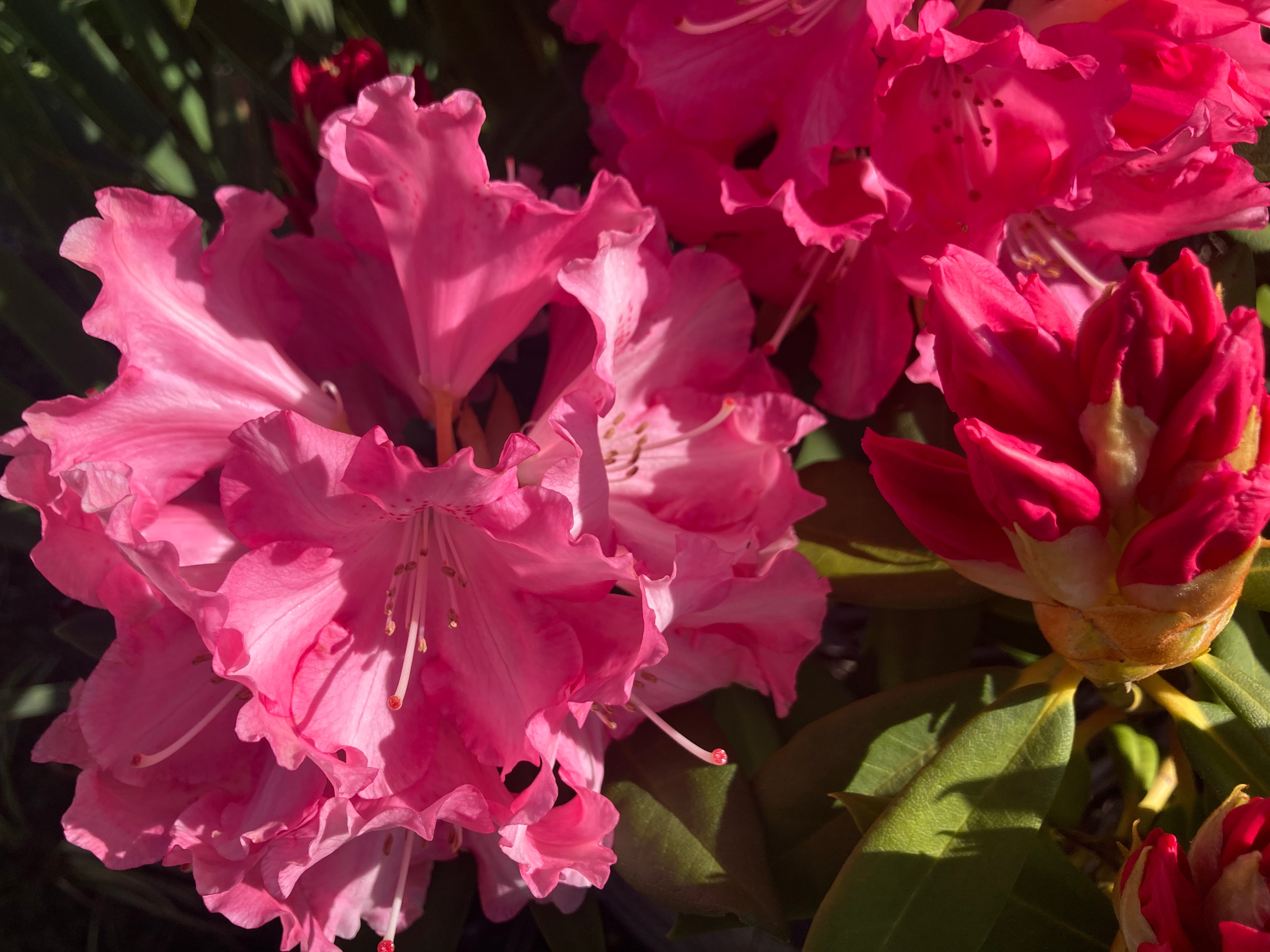
“Listen to your life. See it for the fathomless mystery that it is. In the boredom and pain of it no less than in the excitement and gladness: touch, taste, smell your way to the holy and hidden heart of it because in the last analysis all moments are key moments, and life itself is grace.“–Frederick Buechner
National Poetry Month has ended, but I’m continuing to consider the work of creating poems that speak from my life the way the pink rhododendron in the photo above speaks from its life. I’ve loved poetry since childhood when I discovered Robert Louis Stevenson’s poetry in a book on our home’s bookshelf. I loved the way his poem, “The Swing,” expressed so well my experience of the world when rocking back and forth on a swing. In grade seven A. E. Houseman’s “Loviest of Trees” opened a whole new world to me in his description of a cherry tree. I don’t think I’d ever seen a cherry tree up to that point in my life, but I loved poem’s fabulous image of a tree hung with blossoms like snow. I didn’t live in a place where it snowed but the description created in me a picture of how wondrous that would be to behold. The summer of my seventh grade year my family lived in Monterey, California. As it was nearby, we went to the seaside often. I’d sit on the cliffs above the shore for long periods of time, mesmerized by the waves’ endless movement. About this time, I discovered John Masefield’s poem, “Sea Fever,”
I must go down to the seas again, to the lonely sea and the sky
And all I ask is a tall ship and a star to steer her by;
And the wheel’s kick and the wind’s song and the white sail’s shaking,
And a grey mist on the sea’s face, and a grey dawn breaking.
The sound of the words and rhythm in the lines stirred in me a longing for adventure and a love for the ocean, made the idea of heading out across the sea on a boat feel utterly compelling. The first poem I remember writing was about the sea.
Poetry connects the inner world with the outer one, encourages us look at the world closely, and to find words for what is difficult to name. E.E. Cummings wrote, “feeling is “first.” Poetry makes space for the heart and humanizes us. My father wrote poems that sometimes told stories. As a child, they showed me the power of words to touch the heart. Some of my father’s poems made me laugh, like the one called “Heebeegeebees” that described what he went through when as a boy he convinced his mom he was sick so he could stay home from school. Other of his poems were heartbreaking, like the one he wrote about a having to send to the market a lamb he’d raised, comparing that to the young men who were sent off to war. These poems helped me to experience poetry as a way to hold life in both its pain and beauty, as Buechner writes about, to enter into life and touch it in its difficulty, wonder, and mystery.
Writing poetry is to nurture the garden of one’s own life experiences. Poetry stands between the concrete world of the senses and the world of the spirit, feet in both places at the same time. Poet Peggy Robles Alvarado says, poetry is a “catalyst for gracefully stretching, rather than breaking in the face of unexpected changes. It is a portal to new ways of seeing and being, a way to celebrate yourself into existence.” Every poem I write I view as a kind of practice. To write poems is to step inside myself and listen deeply, opening the inner self that uses words while reaching for the life hidden within. It is to rest in alert attentiveness, and wait to be led by a voice that says “Notice this. Now write.” In the Radiance Sutras, a translation and contemporary rendering of the Vijnana Bhairava Tantra, an ancient Kashmiri text translated by Lorin Roche, I read words that describe what writing poetry is like for me.
All around you in every moment the world is offering a feast for your senses
Songs are playing, tasty food on the table, fragrances in the air…
You who long for the union
Attend this banquet with loving focus.
Honor the power of speech
and with every breath
bless the life that surrounds you.
How we use words is important. They can heal or harm, and have power to change a life as well as a world. Words that are honest and true, that are given from a heart that is open, strengthen us. In a world that is torn, poetry is a kind of invisible thread that in naming and shaping experience with words, helps reweave experience into a new cloth we can wear that allows us walk out into the world with new presence, and keep going.
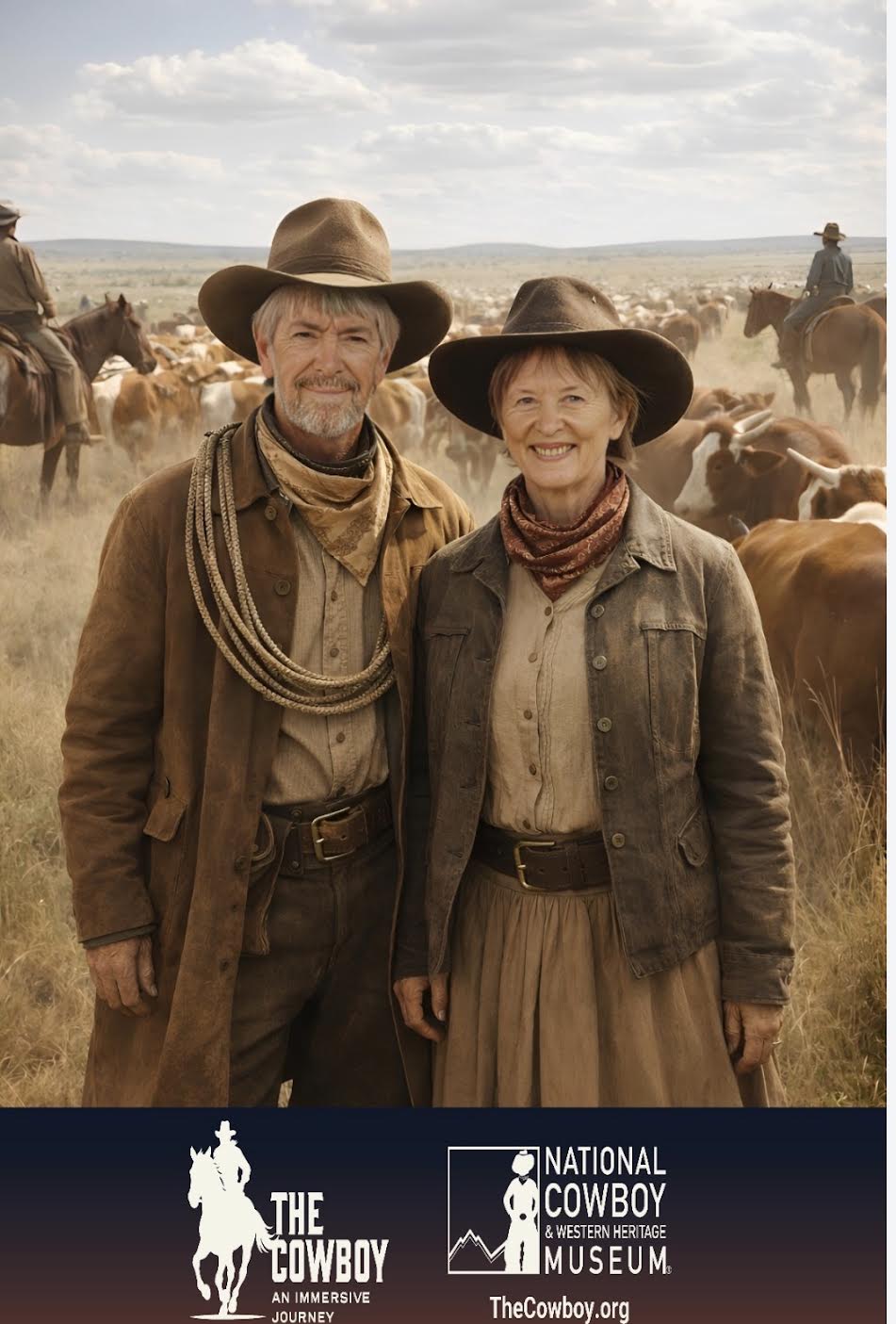
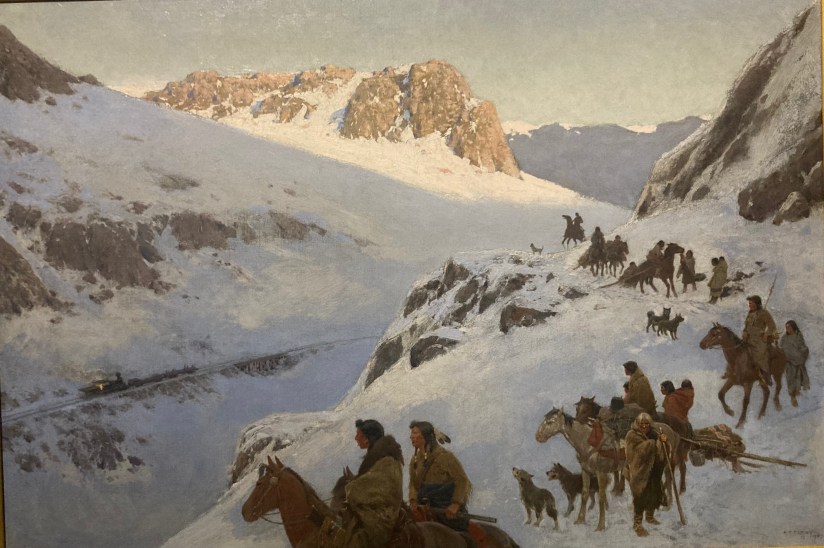
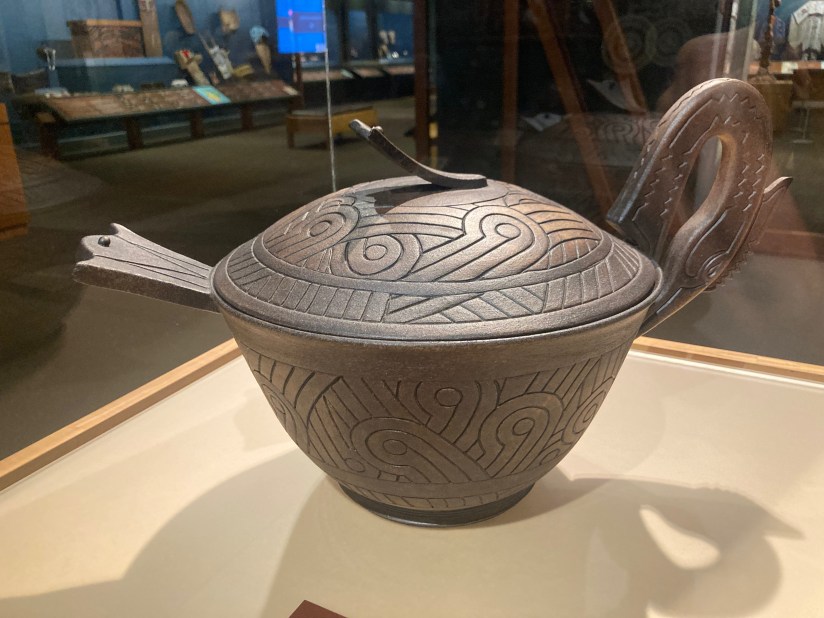
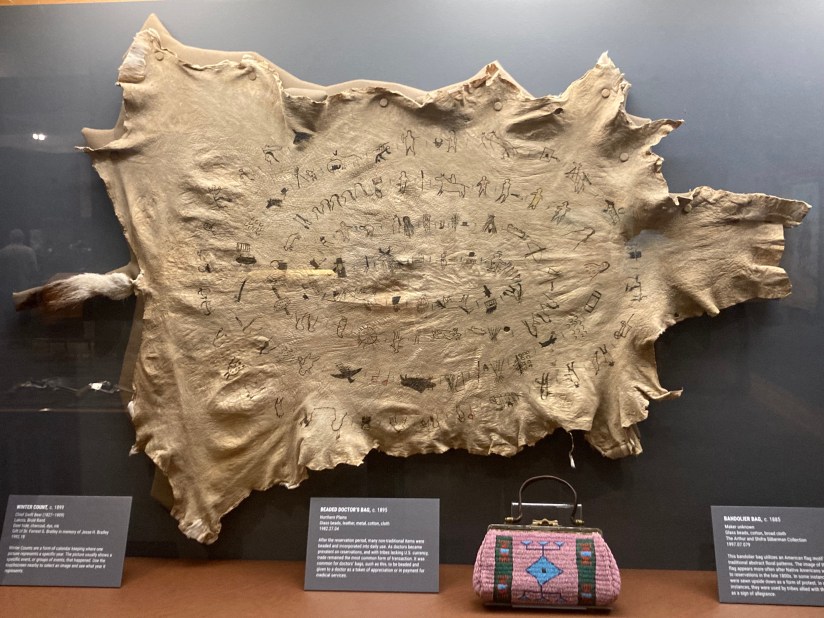
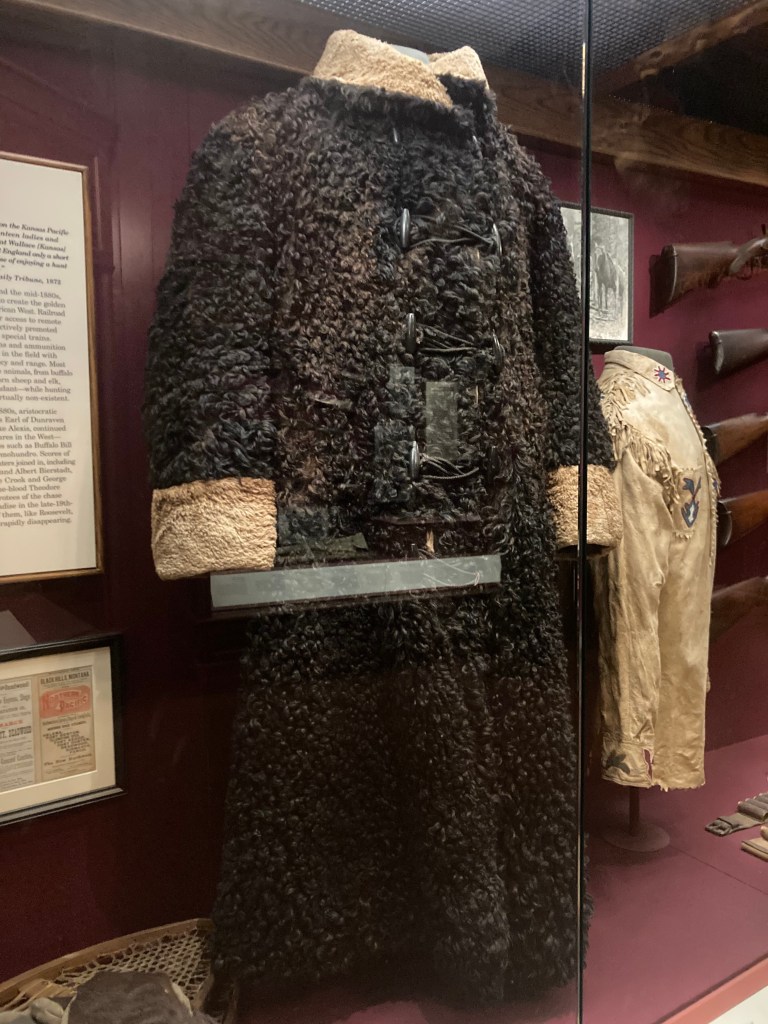
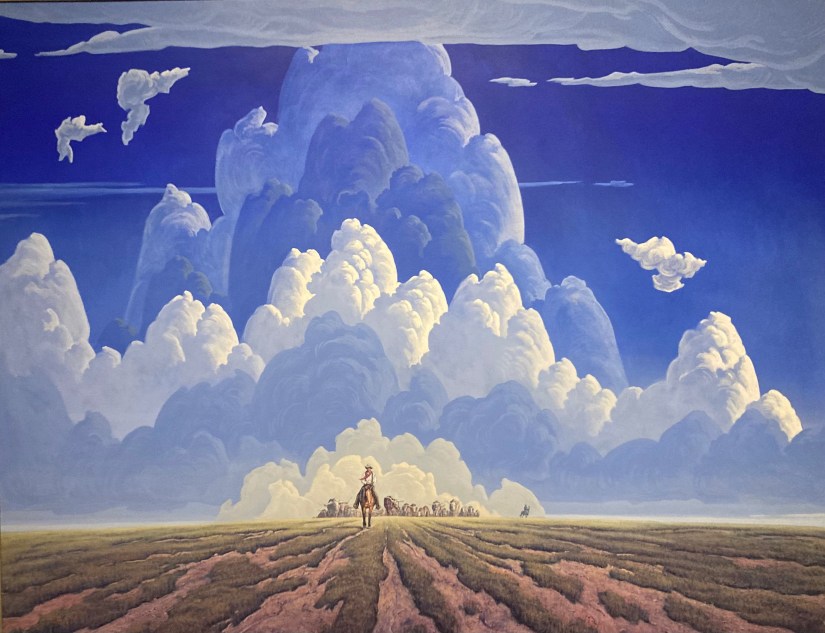
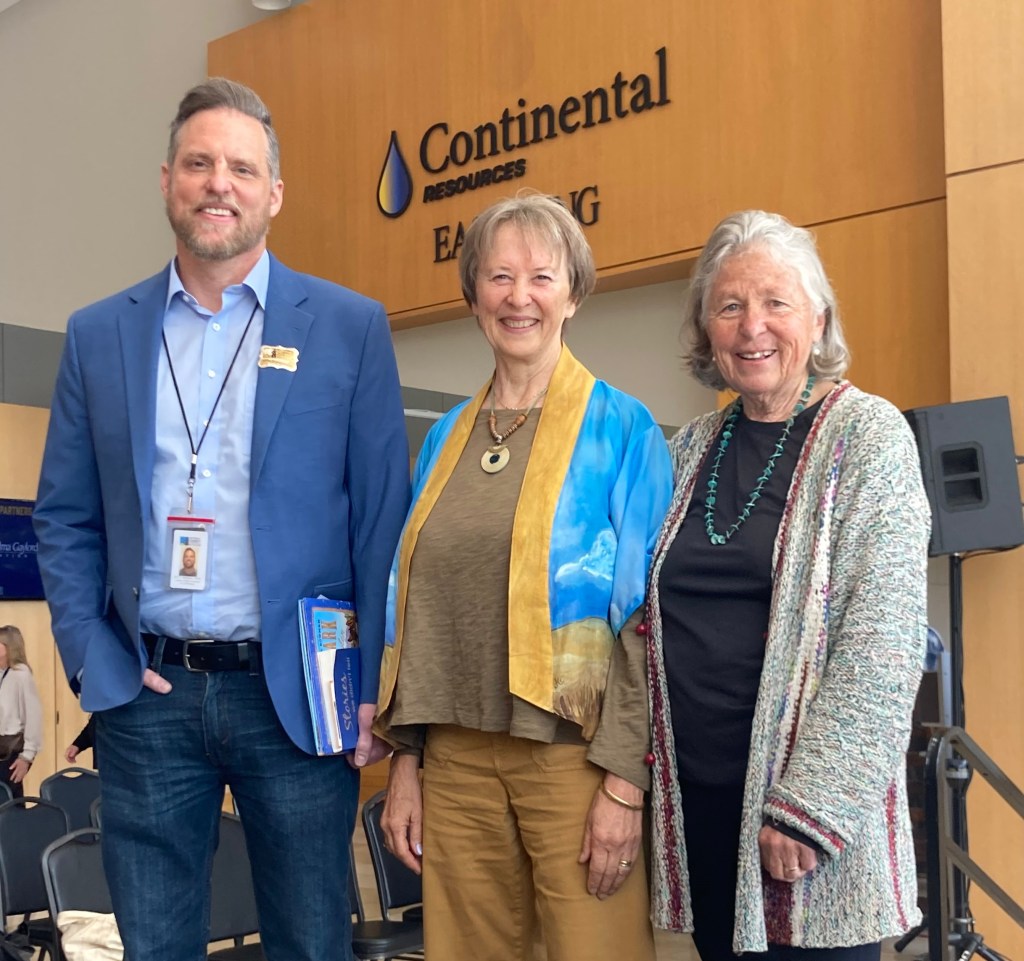
A few weekends ago, I was at the National Cowboy and Western Heritage Museum in Oklahoma City to participate in events related to receiving the Western Heritage Award for Stories We Didn’t Tell (the fourth one I’ve received for the book.) While visiting the Museum, I was received with generous and genuine welcome by the event organizers and other employees. It’s clear that those working at the museum love their work and love sharing the histories of the West the museum holds in its abundant artifacts of sculpture, paintings, ceramics, and other items representing both the people indigenous to the area and those who came later as settlers. You can see a few of the museum’s items here:
We need beauty to help us through difficult times. There’s plenty of hardship in this world. I want to make something meaningful with my life that reflects in my writing so I can give something of beauty and value to others. A couple of days ago someone wrote to tell me how she doesn’t normally read poetry but when reading Stories We Didn’t Tell, she “savored the words,” feeling they were carefully chosen. Another of my readers wrote a while back to say, “The first time I began to hear Adah’s voice in the prairie wind, see her laundry blow in the same wind, see her in her blue dress twirling in her own wind, feel the same wind on her skin in her garden, taste the salt of her silent tears, smell the earth twirling in her prairie dust devils, touch her hands in the water of her wash tub, feel the same hands make dough for pie lattice, or stitch a quilt with her sister…When my immersion into Adah ignited every sense into her world, I knew I loved her!…You created a masterpiece and heroine for not just pioneer women to be remembered, but for all women to be acknowledged who continue to create worlds for those whom we love! For women who can make adversity the driving strength to build even more courage to continue! Thank you for bringing Adah to the world.”
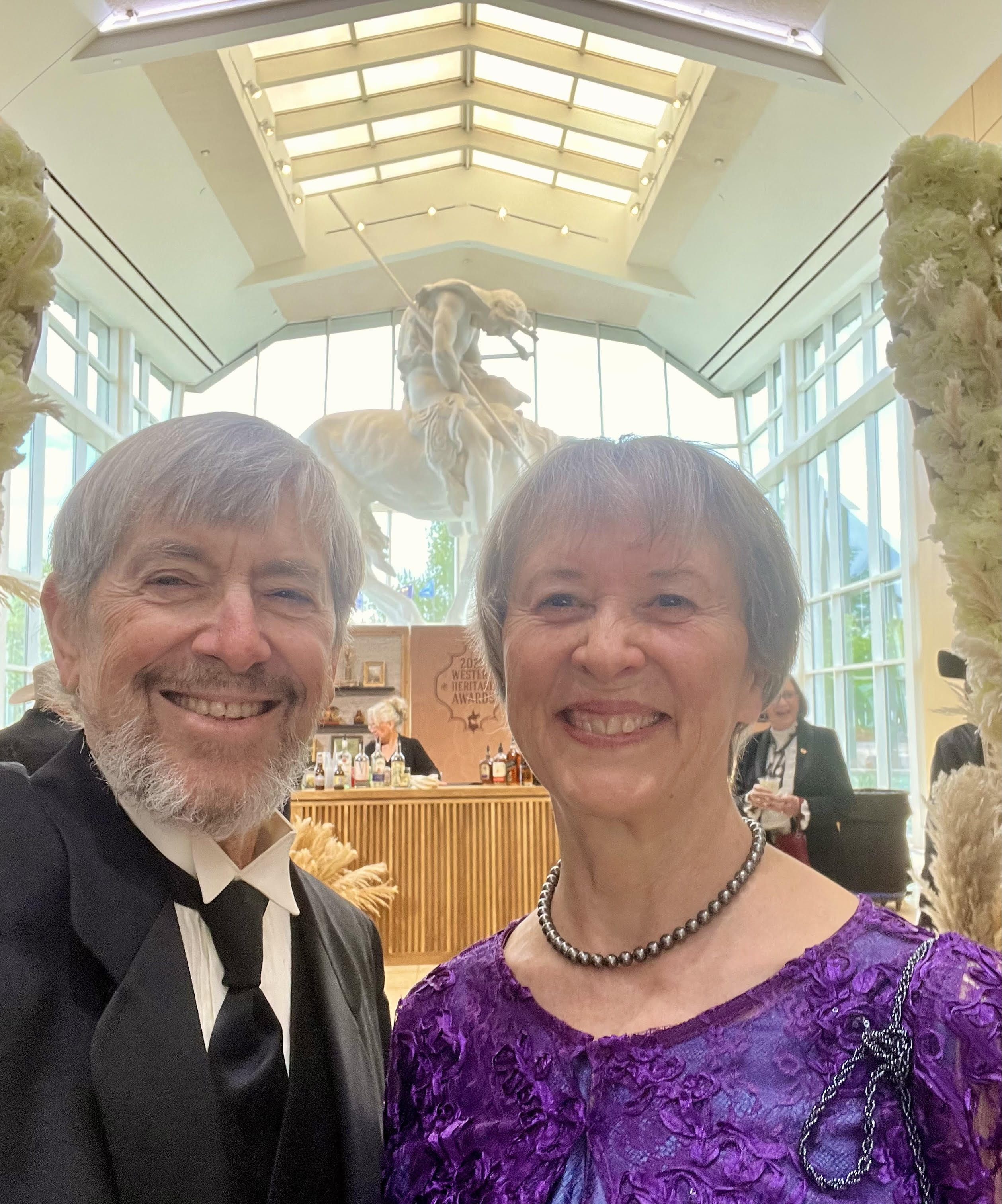
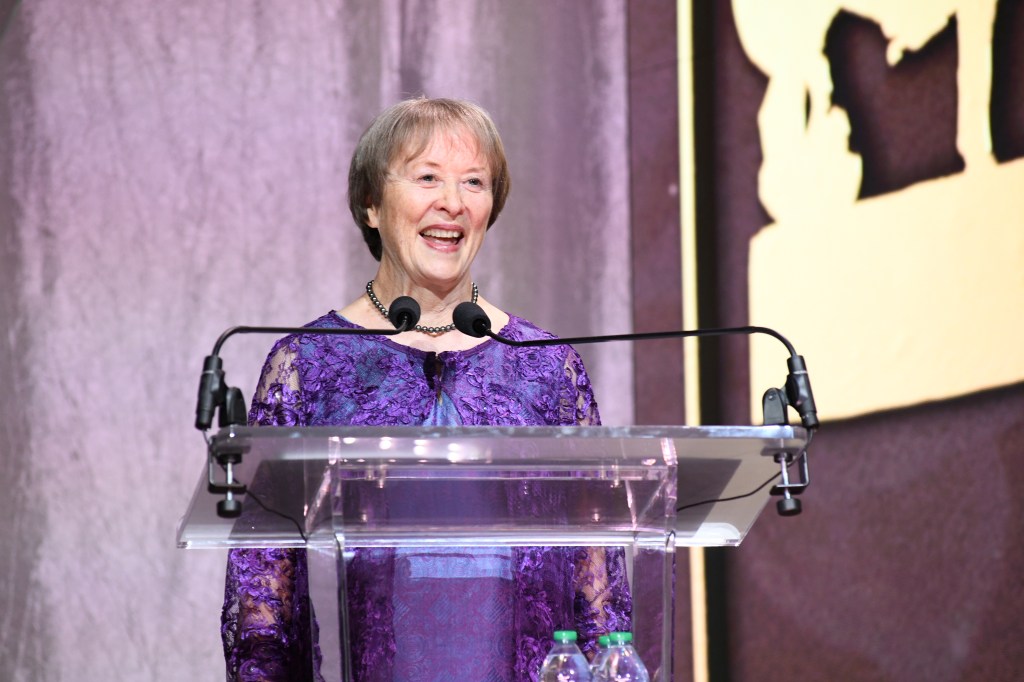
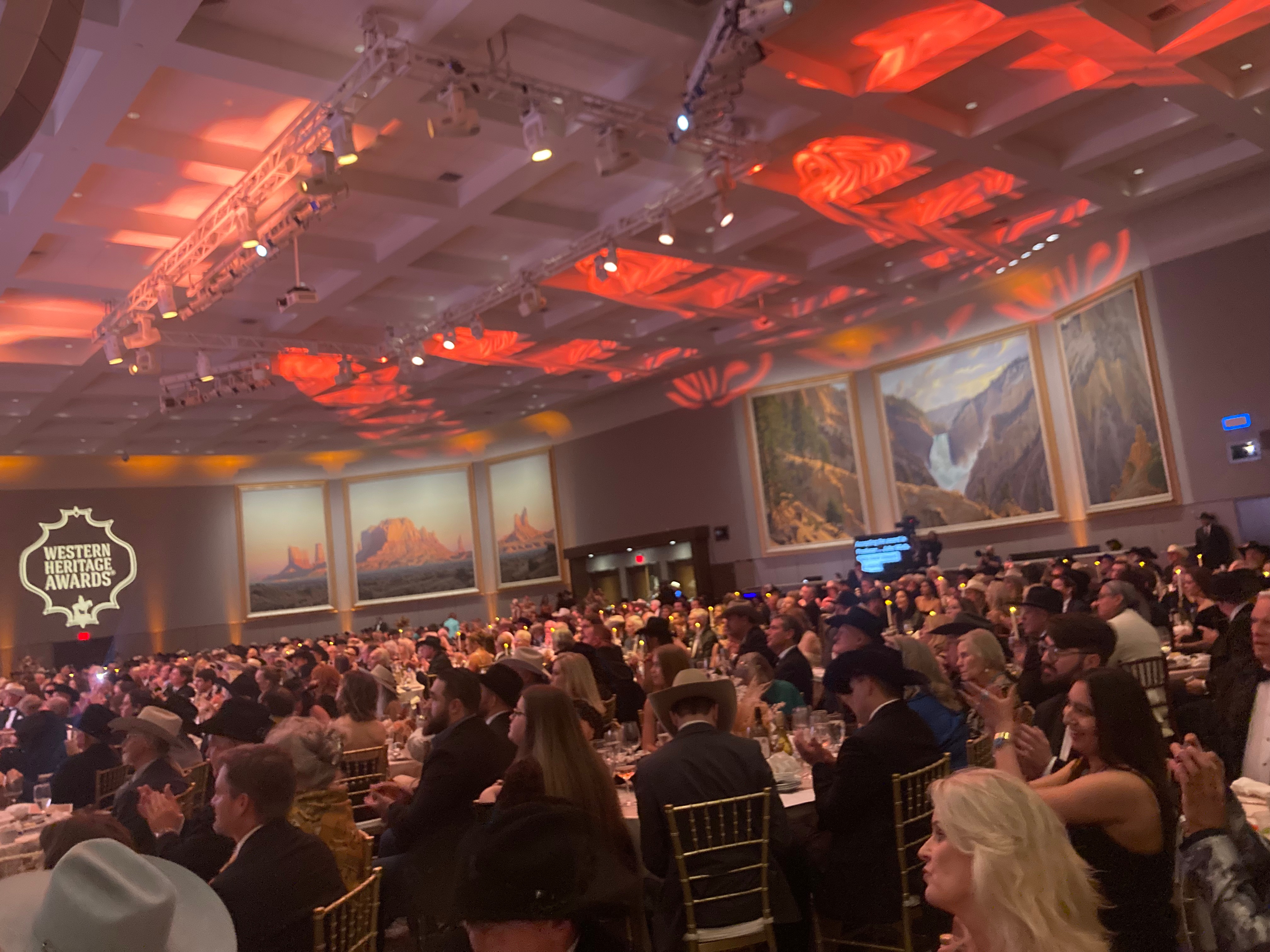
The characters in Stories We Didn’t Tell persevered through difficult times and found ways to endure and transform. When writing the book, I focused on telling the story. Upon publication, my publisher encouraged me to apply for awards. I had no idea I’d be invited to speak on an author panel discussing poetry and story with the amazing writer and wonderful person of Nancy Bo Flood or that I’d be standing in front of an audience some estimated to be somewhere between 800 and 1,000 people to give an acceptance speech as a recipient of a Western Heritage Award.
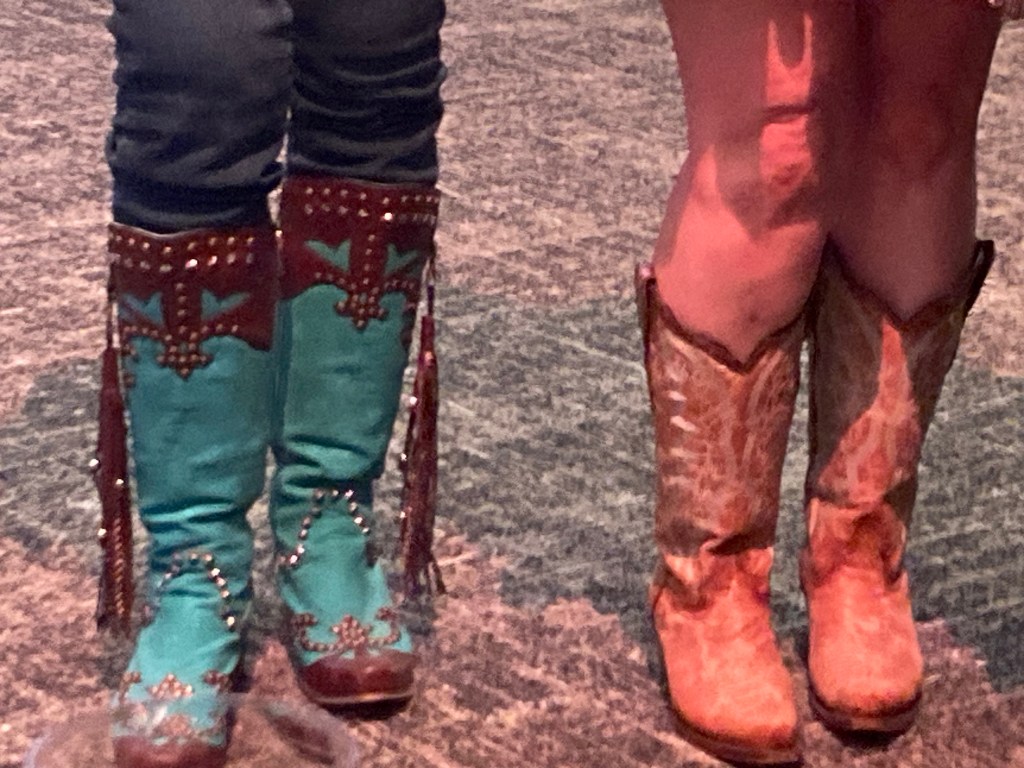
It was new for me to be in the room on the Friday evening event before the award ceremony where the majority of men wore Stetson hats and the most of the women wore elaborately tooled leather cowboy boots. The Museum is an amazing place with a large representation of artifacts from both Native people of the West as well as items representing early settlers and a current exhibit about the development of Route 66. The weekend at the Western Heritage Museum is not an experience I will forget. From teachers to friends, family members, students, fellow writers, colleagues, and the many places in the world I’ve walked, as well as the challenges, griefs and sorrows I’ve encountered–all I have experienced has worked toward helping me be able to write. The life of everyday people and our commonplace experiences all touch a deeper place of being. I wanted to lift these up in the book, and to show how the thread of life that runs from those before us touches our lives now, though we may be unaware of it.
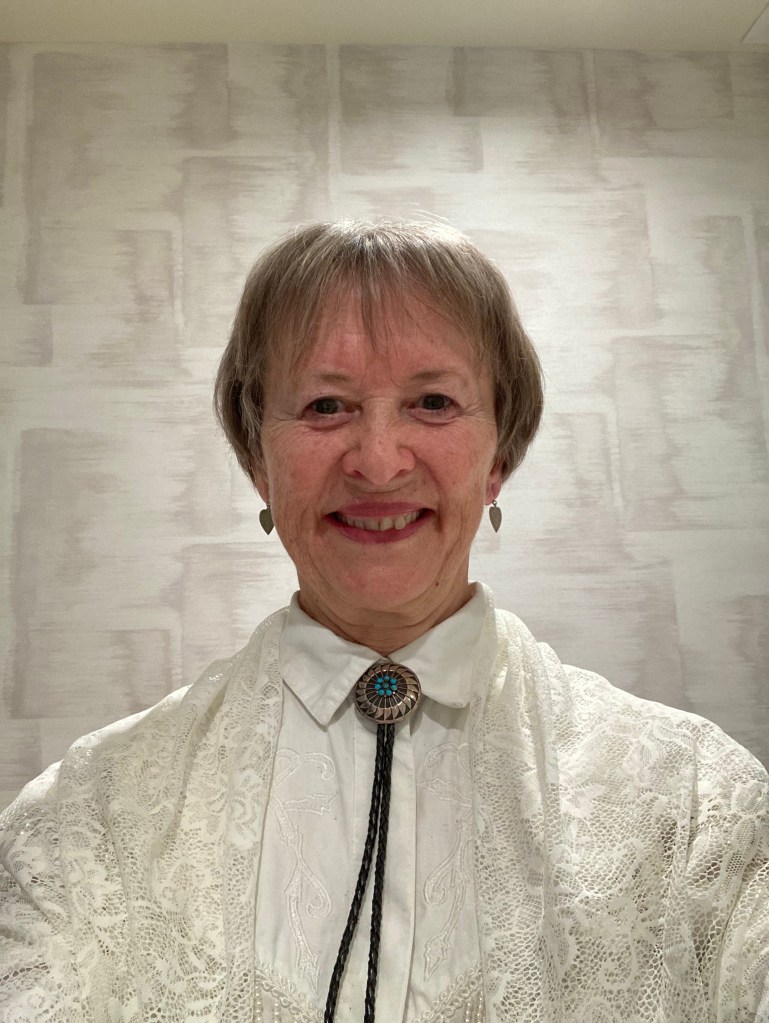
For more than two and a half decades I lived and worked abroad as a teacher in different countries, entering into each world with the aim to learn from the various cultures what they had to teach me. It was an amazing life. I’m grateful for the experiences and the way they expanded my understanding of the world’s abundant ways of seeing and being, and how the cultures and land we live on works to shape us. When I finished my last year of teaching, I determined to write the story of my ancestors and I’ve done it, along with two other books, A Space Between, Buoyant, and a chapbook (To Find a River) as well.
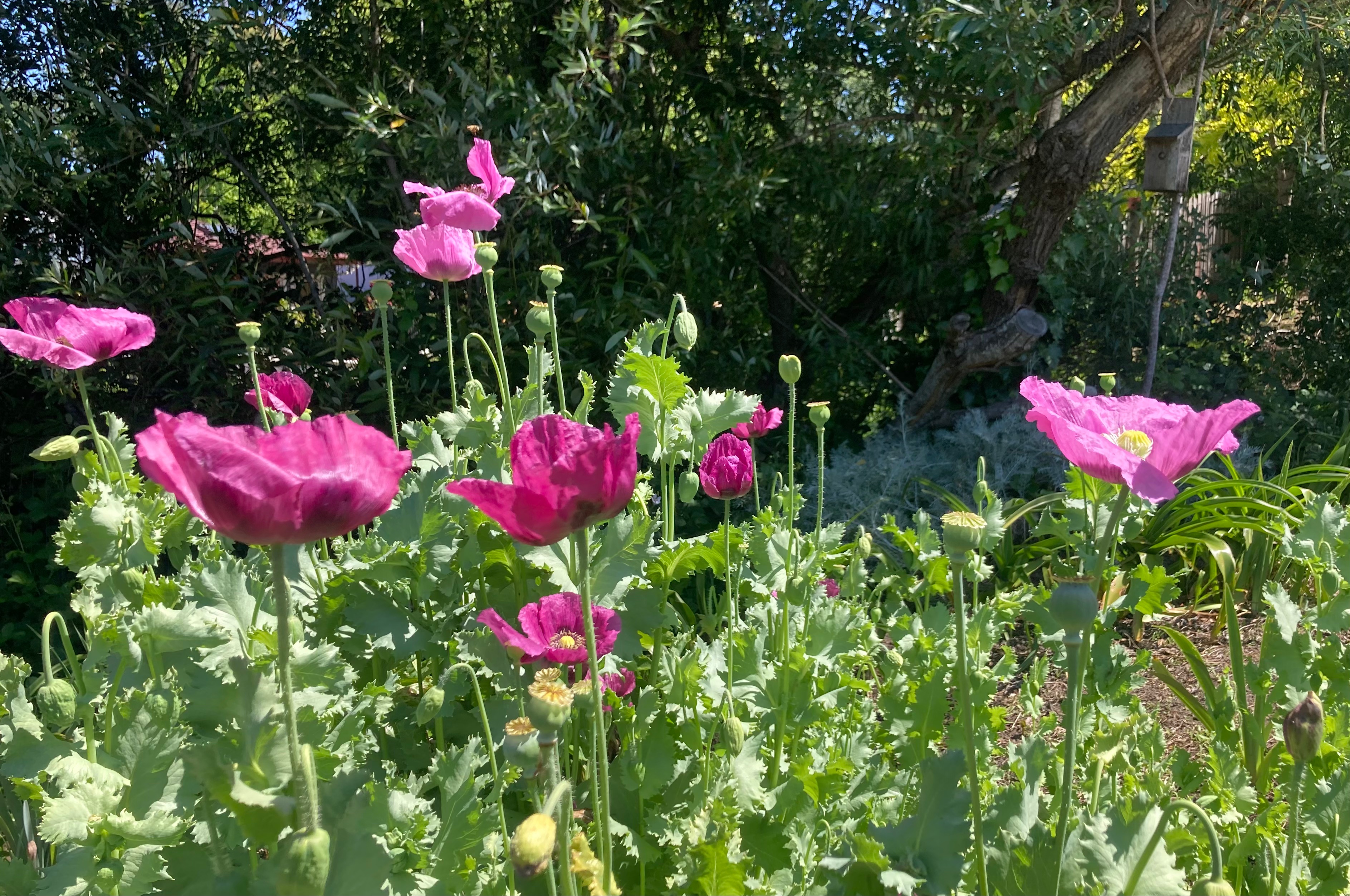
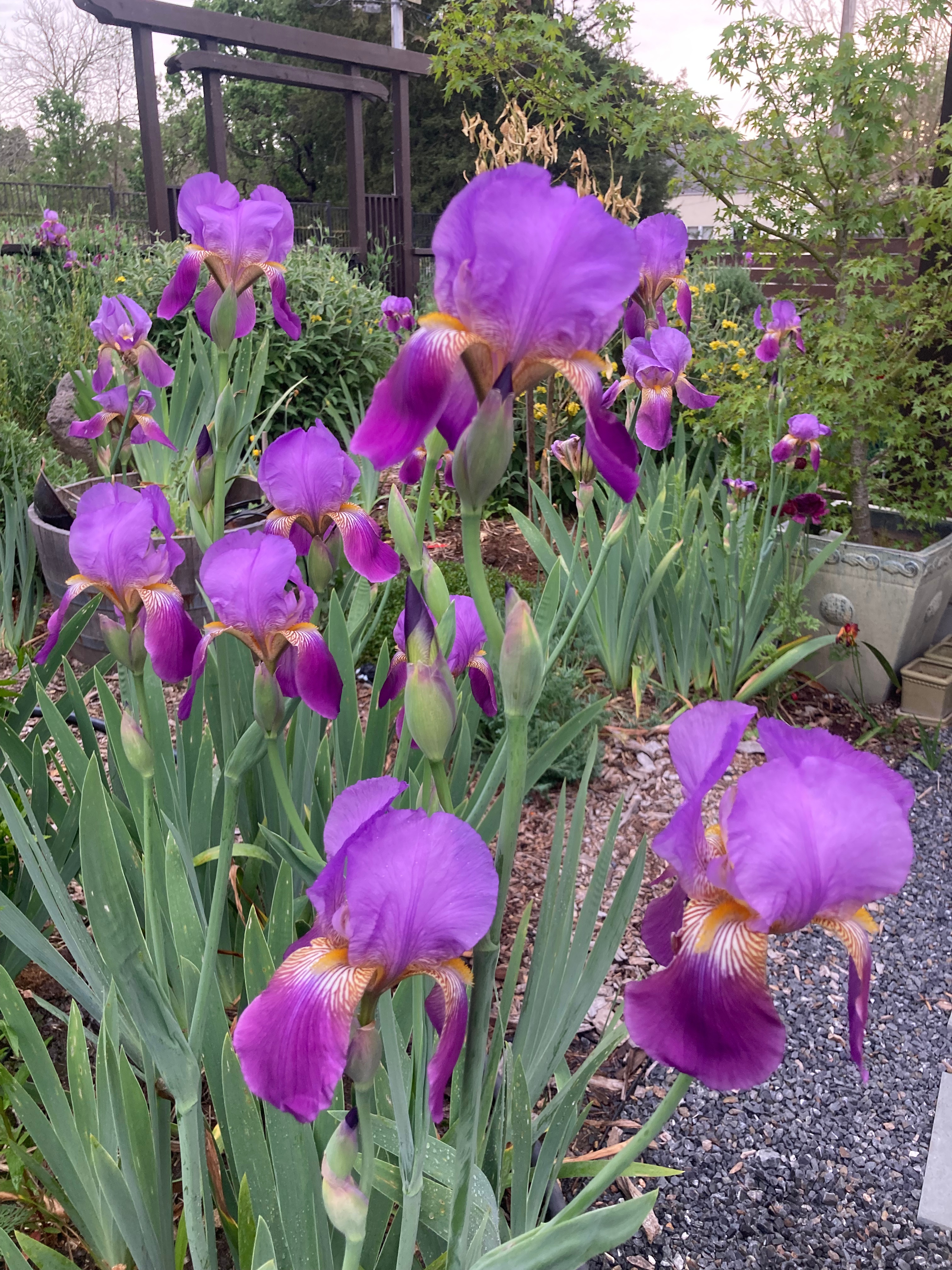
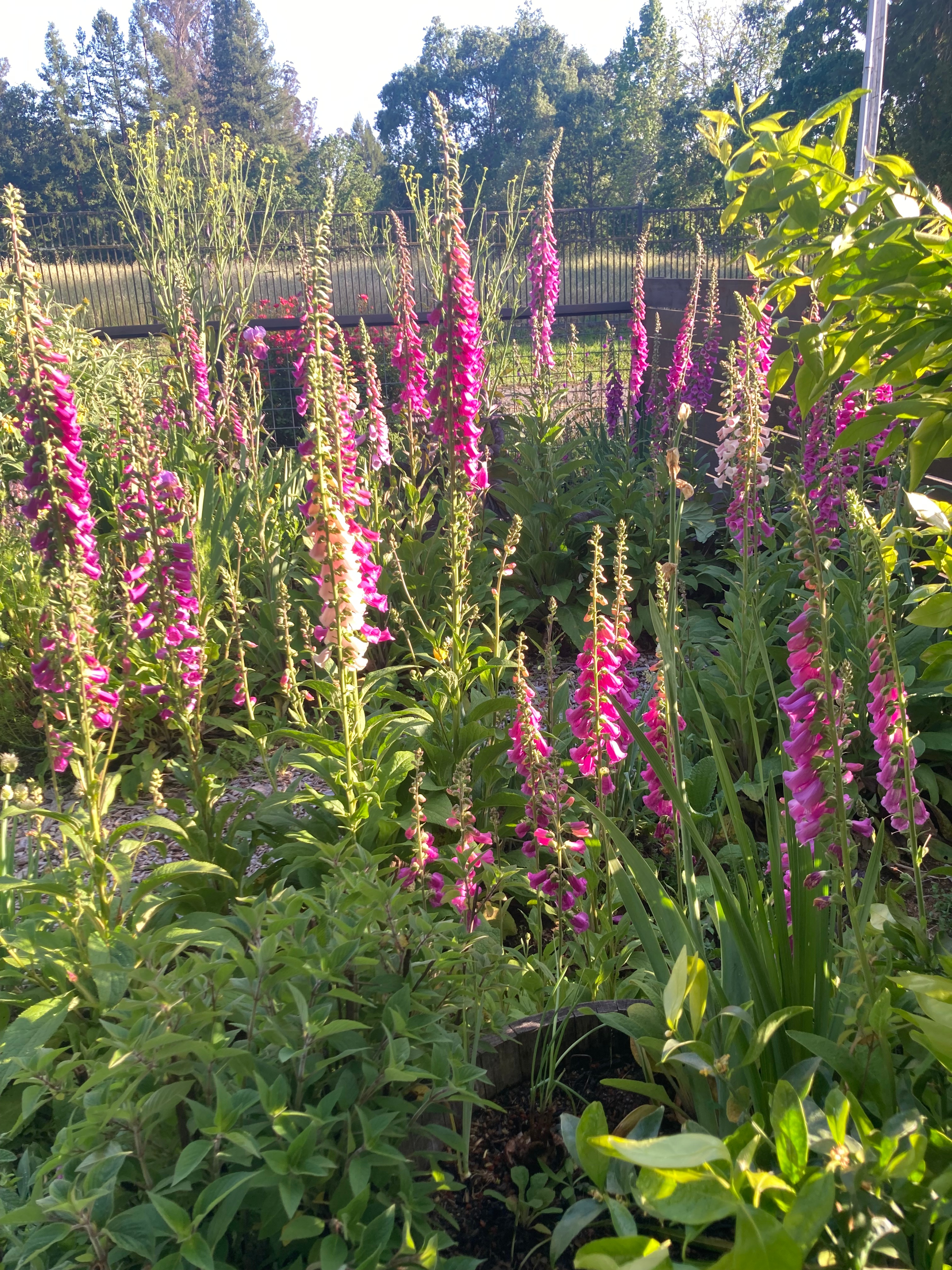
Now that I’m living again in my home country, I’m enjoying learning about my own culture in more depth, and nurturing the land where I have my home. Together with my husband, I’m growing a garden with flowers, vegetable, and fruits. We enjoy giving from its abundance to neighbors and friends. Digging into the soil, observing plants’ behavior, nurturing their growth, paying attention to what they need to bear blossoms, fruit, or make seeds is different work than teaching, but the effort is rewarding.
Every paradise has its weeds as well as creatures that want to eat what has taken many hours of sweat, sore muscles and generous effort to grow. Paradise doesn’t come easily. Writing, too, is labor. But as with gardening, there’s deep satisfaction in the act of doing it. To receive awards for the effort is an unexpected gift that feels like grace. As Stuart Kestenbaum writes in his poem, “Holding the Light,”
In our imperfect world
we are meant to repair
and stitch together
what beauty there is, stitch it
with compassion and wire.
See how everything
we have made gathers
the light inside itself
and overflows? A blessing.