
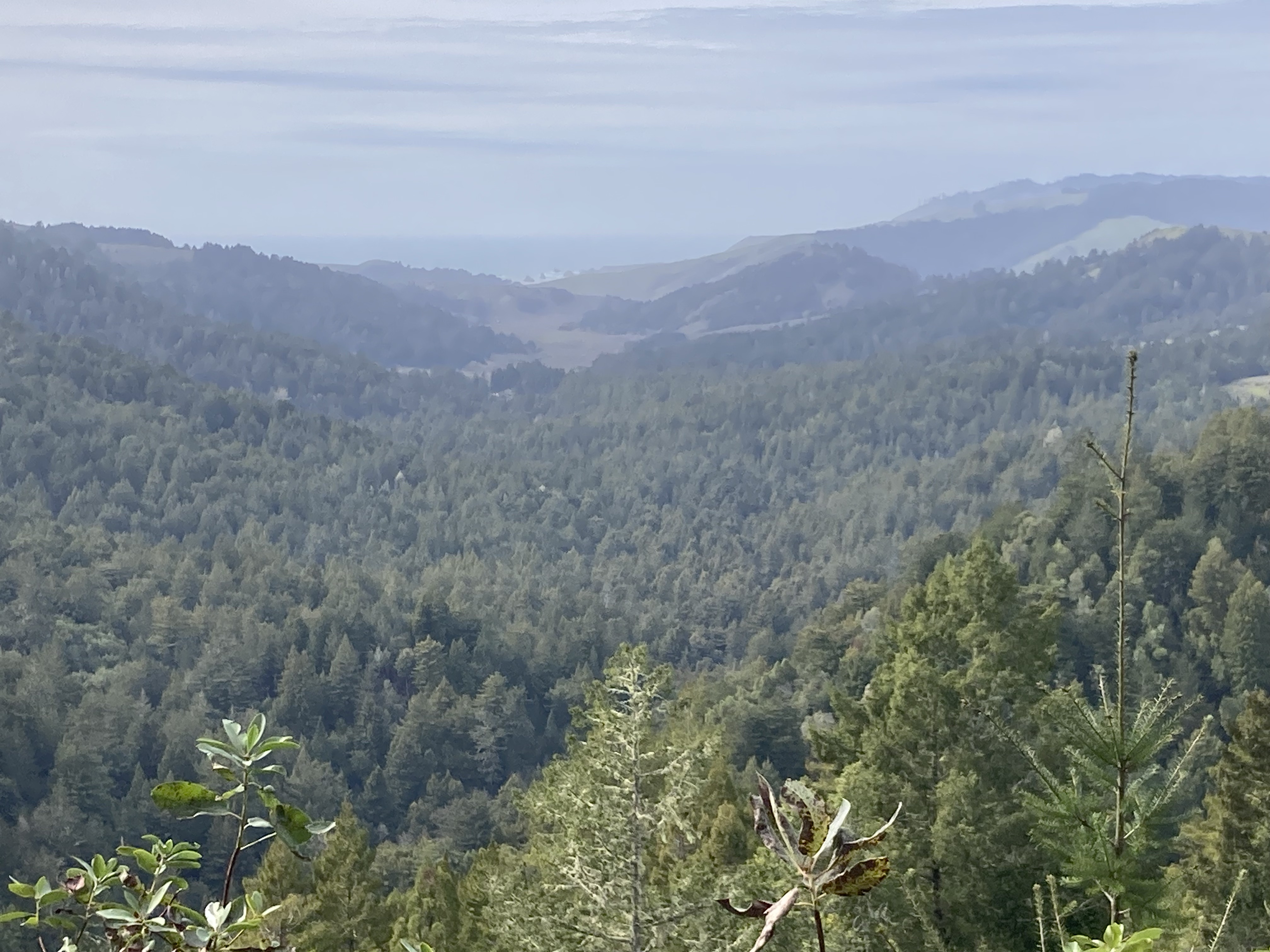
So many voices are clamoring for attention these days. I’ve felt the need to go into my garden pull weeds all day, go out on long walks and long bike rides to be in the green world, the world that is growing, generous and lifting from heavy earth in wondrous color and life. Recently, I attended an online poetry reading with Shanti Arts. At the end of the reading one person asked. “What are people taking from poetry or going to poetry for in the environment…we’re living in. What can poetry do for us?” One of the central values of reading poetry for me at this time is the reminder that there’s a larger world than the circles of fear that want to take hold in the mind. Life that has been waiting for months and months is pushing up from the earth. There is pain, oppression, loss, grief, yes, so much grief in this world. Let them be acknowledged and known. But notice also green life is there pushing through into the light of day. Earth’s continuous effort is to sustain life. Including ours.


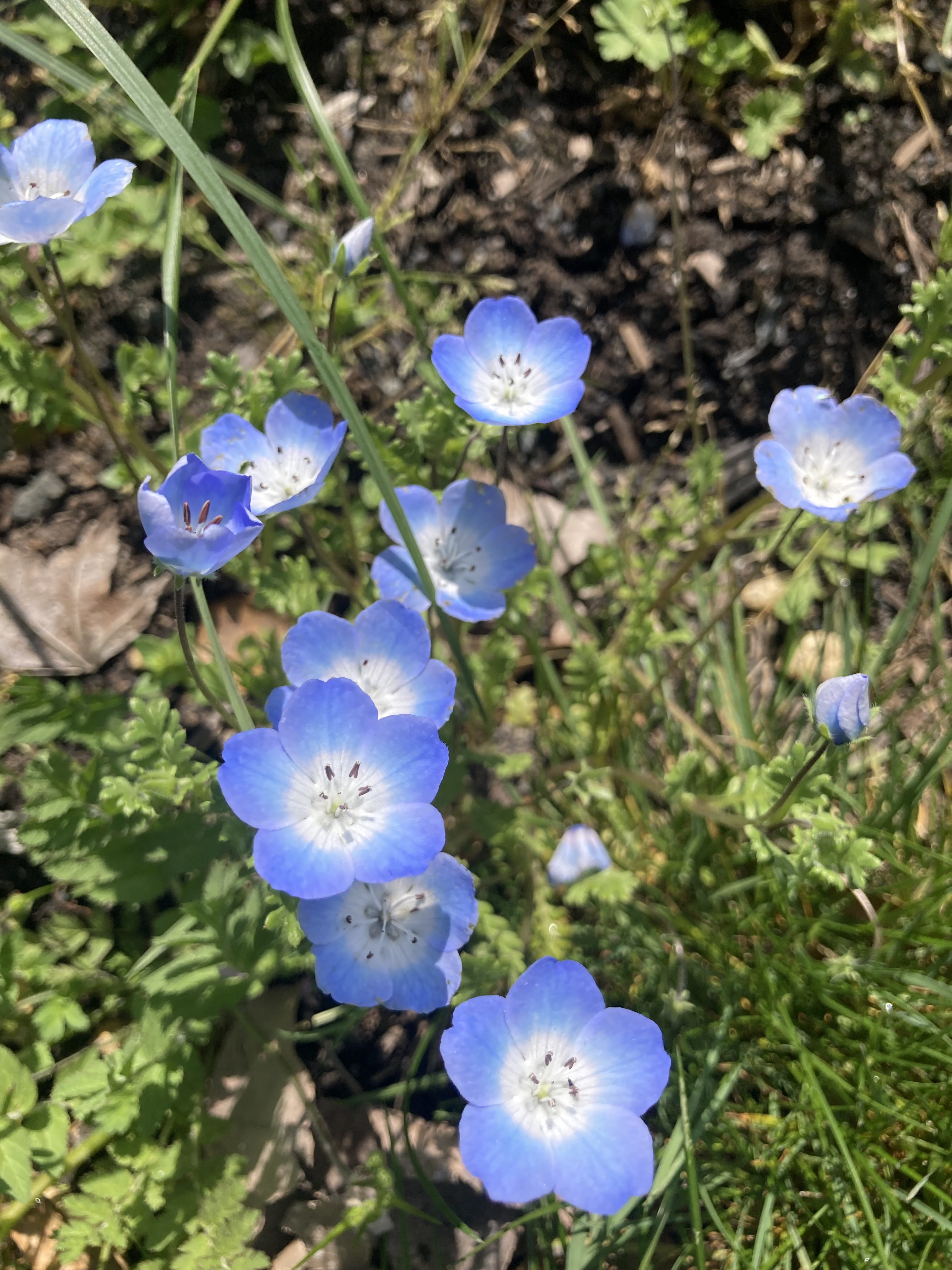
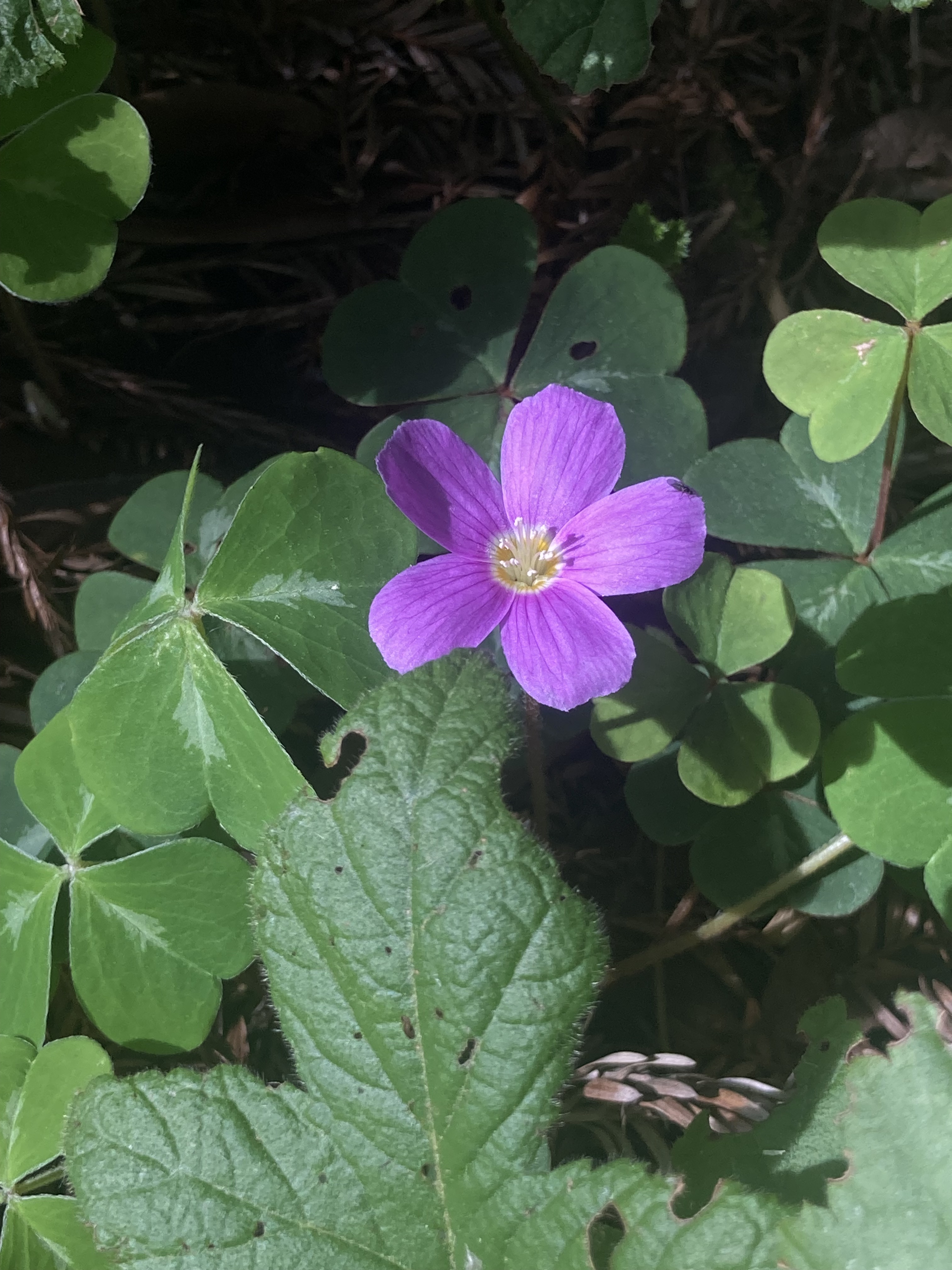

I like to go walking most any time. But when my heart feels heavy, I especially appreciate getting out for a hike in the hills. I need to be in the natural world to remind myself that the experience of being alive, and life itself is larger than the things that work to remove the structures that enable the world’s flourishing. Looking out across the ocean or gazing up into the sky, I can literally see the universe is vast. My understanding will always be limited. We may have maps of the world’s geographic landscape but there are worlds within worlds we don’t understand.
A number of years ago when visiting St. Petersburg, Russia, I remember a Russian man at a restaurant we were eating at ask where my husband and I were from. When we said “The U.S.,” he told us, “You can go where you want. You have no idea what it’s like to not have that freedom.” He was right. To some extent I could imagine the limitation of movement, but the emotional and psychological impact of that is an entirely different thing. Choosing to stay in a particular place versus knowing you’re not allowed to move beyond an authority’s set boundary is different.
Back in the mid 90’s I was speaking with a student’s mother in the hallway at a school in Kuwait where I was teaching at the time. The family had came to Kuwait from Bosnia and Herzegovina to escape the war that was going on there. My students were collecting oral histories and traditional tales from family and community members from the cultures the students were connected to and sharing them with Inuit students in Alaska and high schoolers in Sandy, Utah. I don’t now remember what my student’s mother and I were specifically speaking of, but suddenly the mother choked-up and said, “You have no idea what it’s like in my country right now, what is going on there, what is happening.”
She was right. I didn’t know. The Bosnian War “was characterised by bitter fighting, indiscriminate shelling of cities and towns, ethnic cleansing, and systematic mass rape,” I read in Wikipedia. “The massacre of over 8,000 Bosniak males by Serb forces in Srebrenica is the only incident in Europe to have been recognized as a genocide since World War II.”

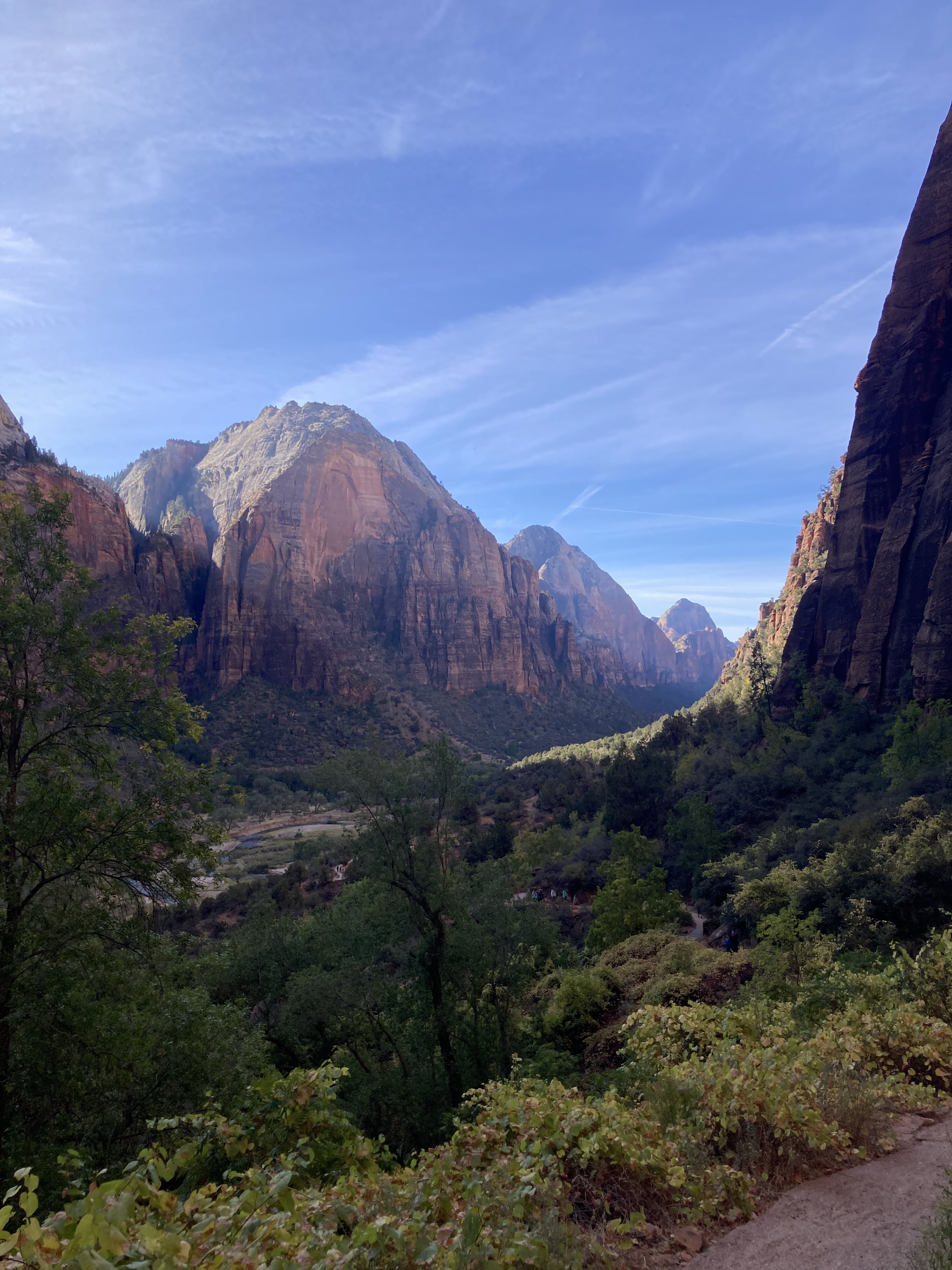
photo courtesy of CFaZe

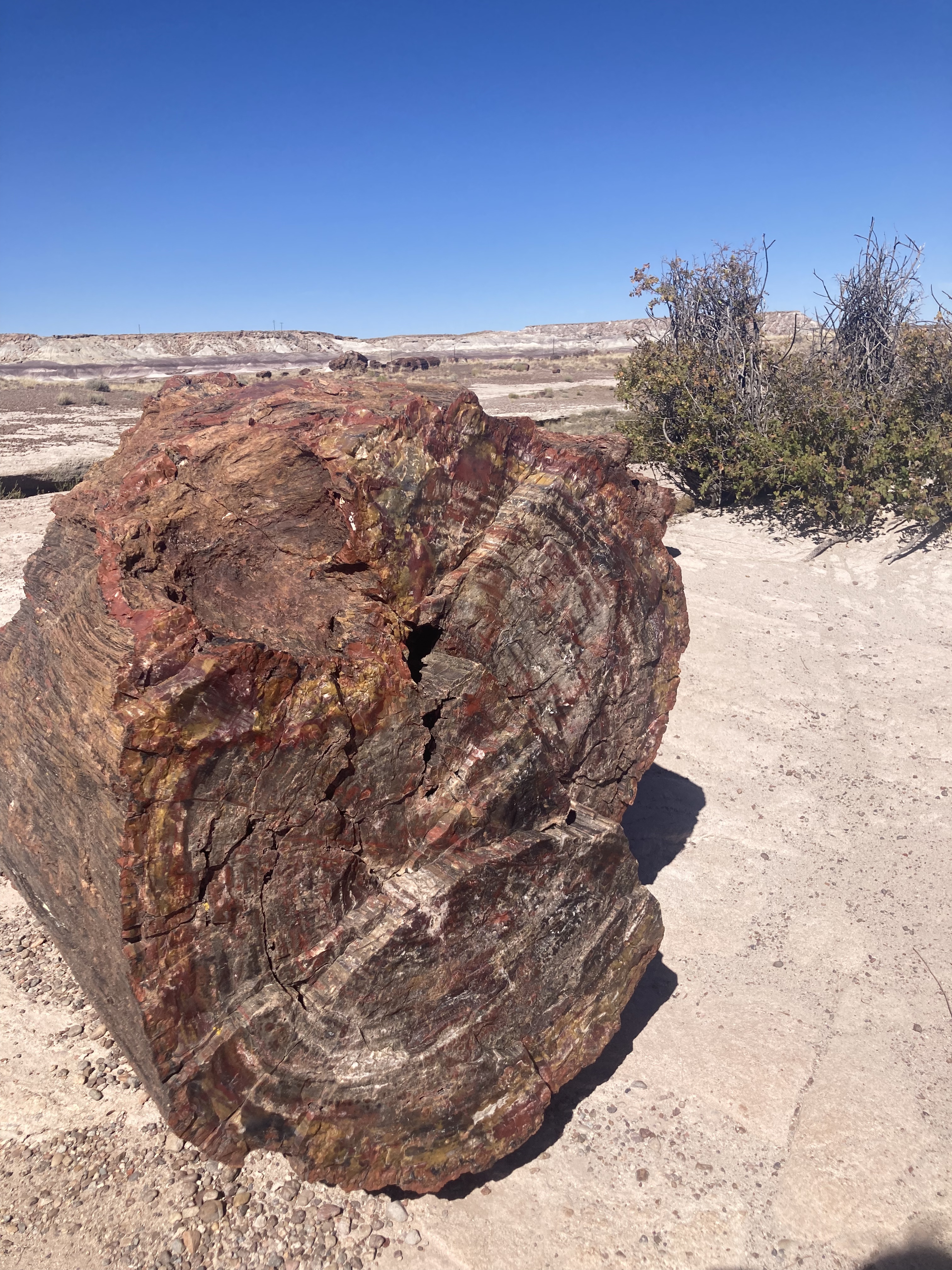
photo courtesy of CFaZe

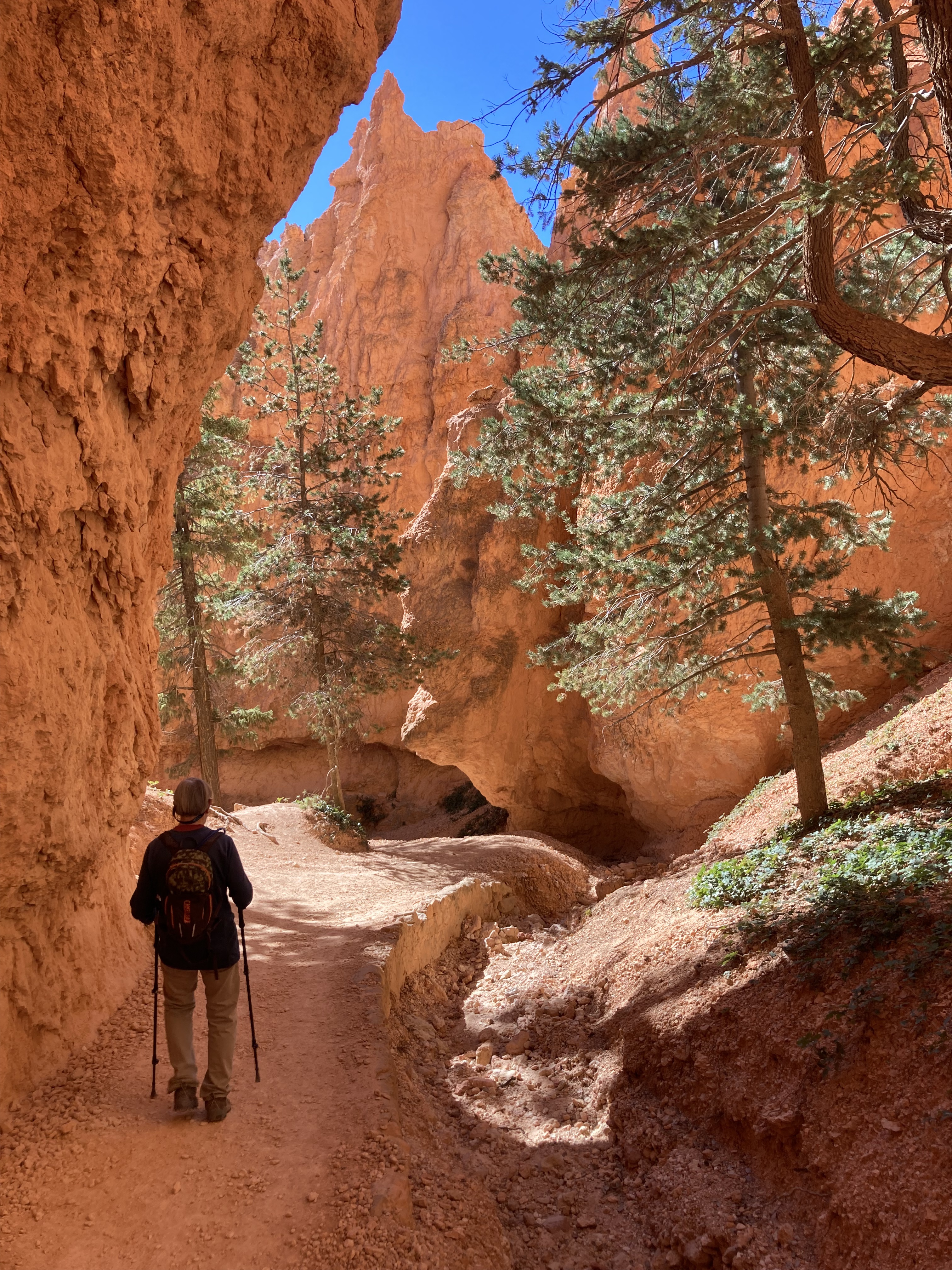
photo courtesy of CFaZe

“Estimates suggest over 100,000 people were killed during the war. Over 2.2 million people were displaced, making it, at the time, the most violent conflict in Europe since the end of World War II. In addition, an estimated 12,000–50,000 women were raped, mainly carried out by Serb forces, with most of the victims being Bosniak women.” (source: Wikipedia) How could a person find the strength to speak of such atrocities or to ever absorb the emotional trauma and horror behind those statistics?
When I think of the conversation with my former student’s mother as I consider the growing ways people in my country are now being dehumanized and deprived of rights, the fear people around me express for their sense of safety, it’s extremely sobering. What seeds and sun inside our collective social structures need to be watered and nurtured so we can clearly see and care about each other’s humanity, build on common values, and begin to trust, respect and appreciate each other more?
It feels particularly important to find ways to enter the quiet spaces within us so we can consciously, purposefully listen to not only the truth our own inner voice wants to tell us, but to the voices of with those we interact with. We need to listen for the words and the life that wants to come forward underneath what is spoken and aim to hear and see the humanity in each person we interact with. I’m reminded of Sherman Alexie’s recent poem, “Bad Back” (March 16, 2025, Rattle) where he writes,
I know, as a writer and an Indian
and an Indian writer that I am
expected to offer advice. But
I have nothing but this consolation:
Everything you’re feeling now
is what I’ve always felt
as a reservation-raised Indian.
What is currently happening in the US with the disrespect for the rule of law, the mistreatment of fellow humans, the reckless unconcern for the abuses of the natural world–our forests, oceans, natural habitats, and our very air is a reflection of the stories we hold about the world inherited from the past. The stories we carry with us affect the way we treat each other and the way we treat the earth. The two are connected. Every country has their histories to confront. Transformation is a continuous process. We all benefit from allowing ourselves to grow into new ways of thinking and being. Alexie ends his poem “Bad Back” saying, “I’m going to press / my bad back against the earth / and wait for everybody’s rebirth.” Rebirth is, indeed, what we need right now.
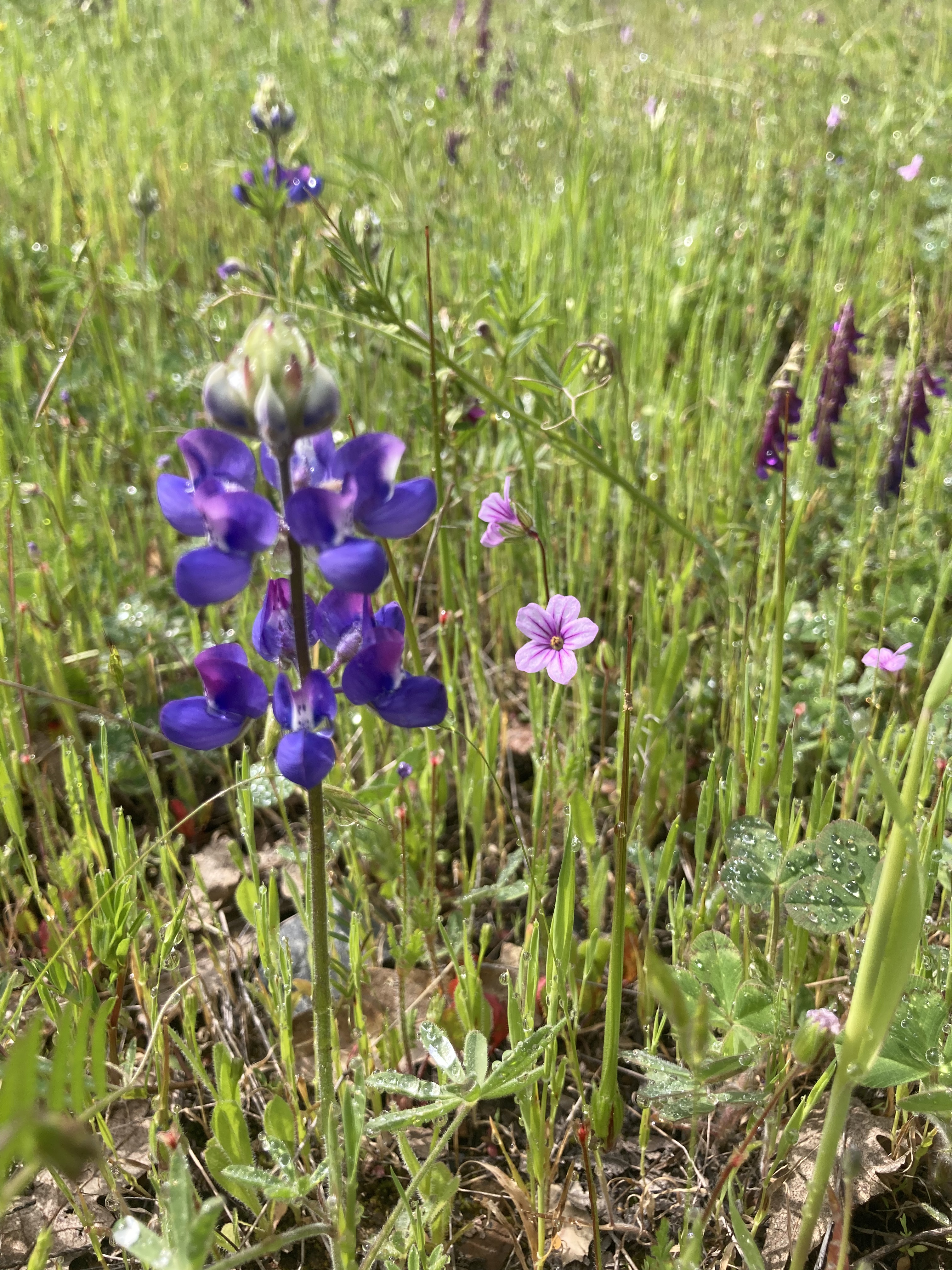


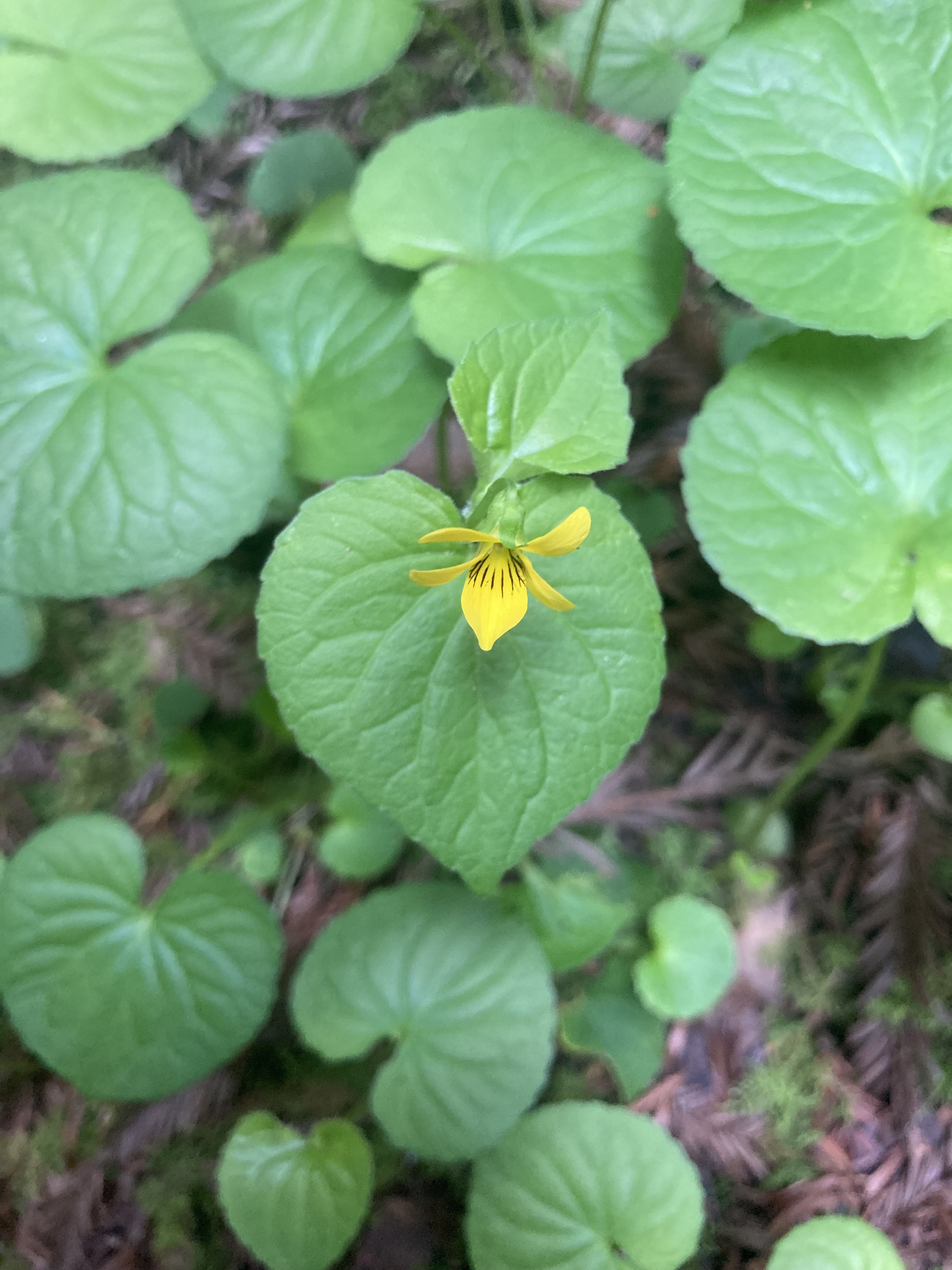
The stories we hold ripple through our actions and way of speaking. If we listen beneath the chatter in the daily news and the chatter in our minds, what new story and new life wants to come forth? We can purposefully pursue to renew our minds and actions. Pascha, Passover, Ramadan, Easter. These ancient traditions remind us there is life beyond slavery, and that we can be renewed. We have the opportunity to teach ourselves what it’s like for others to go without basic necessities such as food and clean water. In doing so, we can water seeds of empathy and grow toward deeper recognition of all people’s need for social justice.
We’re not meant to stay on the very same path we were born onto. Just as the earth renews itself and the cells of our bodies renew, we too are meant to transform our minds, renew our stories. What better time than spring to start? I appreciate the way Billy Collins emphasizes this willful act of spring renewal in his poem, “Today.”
Today
If ever there were a spring day so perfect,
so uplifted by a warm intermittent breeze
that it made you want to throw
open all the windows in the house
and unlatch the door to the canary’s cage,
indeed, rip the little door from its jamb,
a day when the cool brick paths
and the garden bursting with peonies
seemed so etched in sunlight
that you felt like taking
a hammer to the glass paperweight
on the living room end table,
releasing the inhabitants
from their snow-covered cottage
so they could walk out,
holding hands and squinting
into this larger dome of blue and white,
well, today is just that kind of day.
Source: Poetry (April 2000)
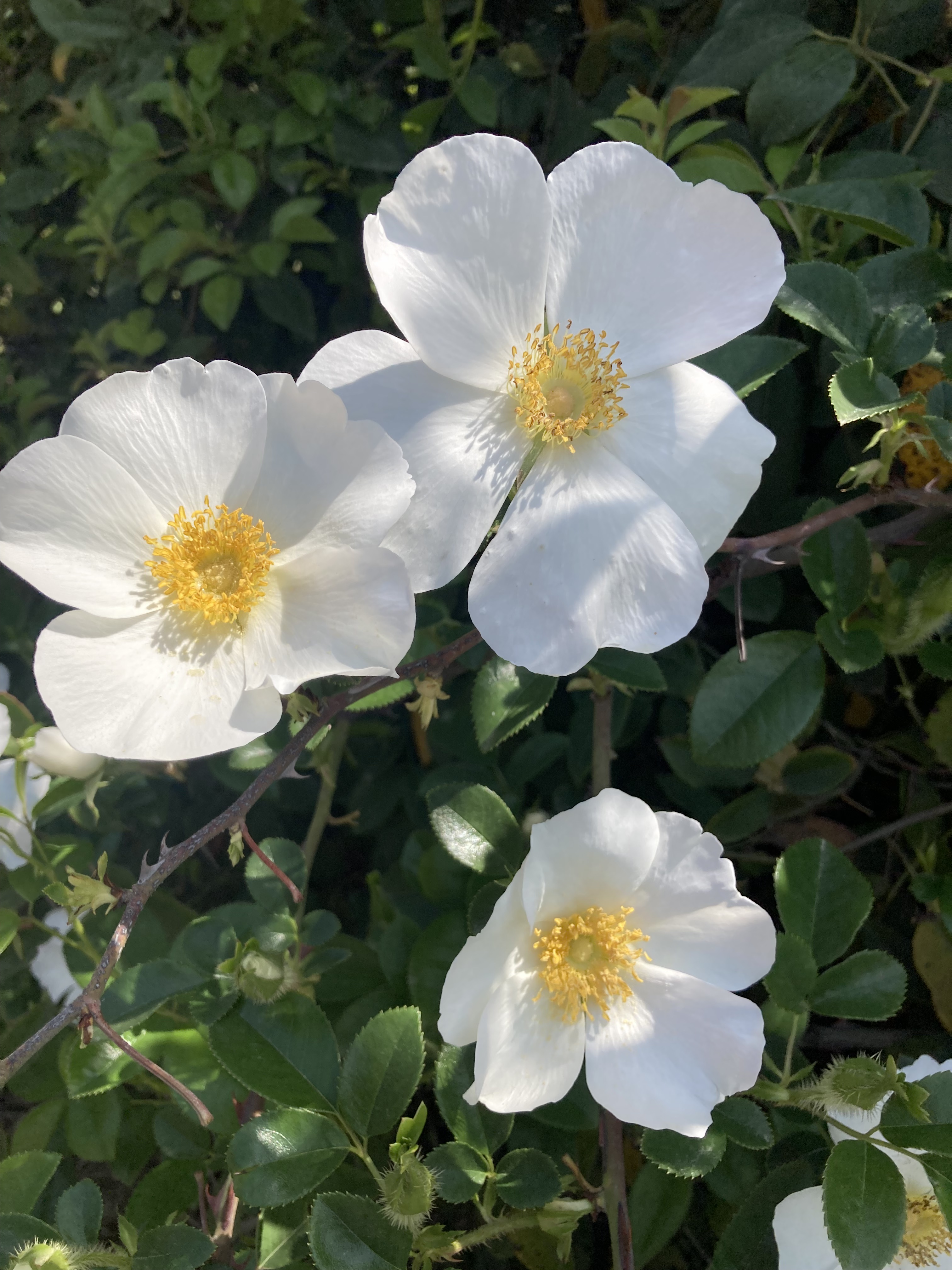


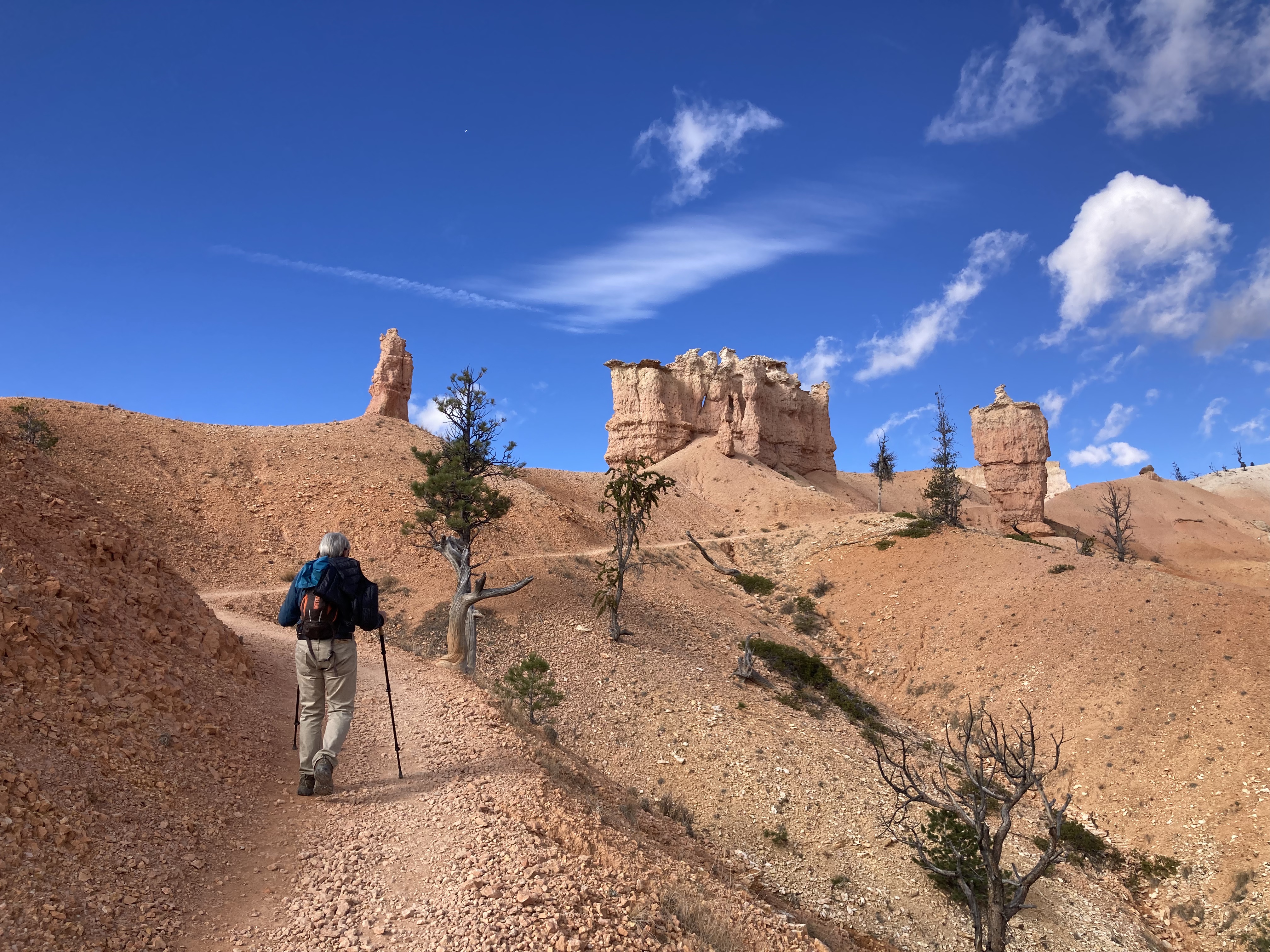
Spring is calling you outside. The earth reaches out to renews you! Check out the ways! If you can, go for a walk, a swim, or a bike ride.
If you can’t do any of those things, find someone whose hand you can hold while staring up into the forever sky. In the midst of despair life is there, present, waiting to give itself to us. We can turn toward it at any time.





 Anna Citrino---Poetry, Place, Pilgrimage