
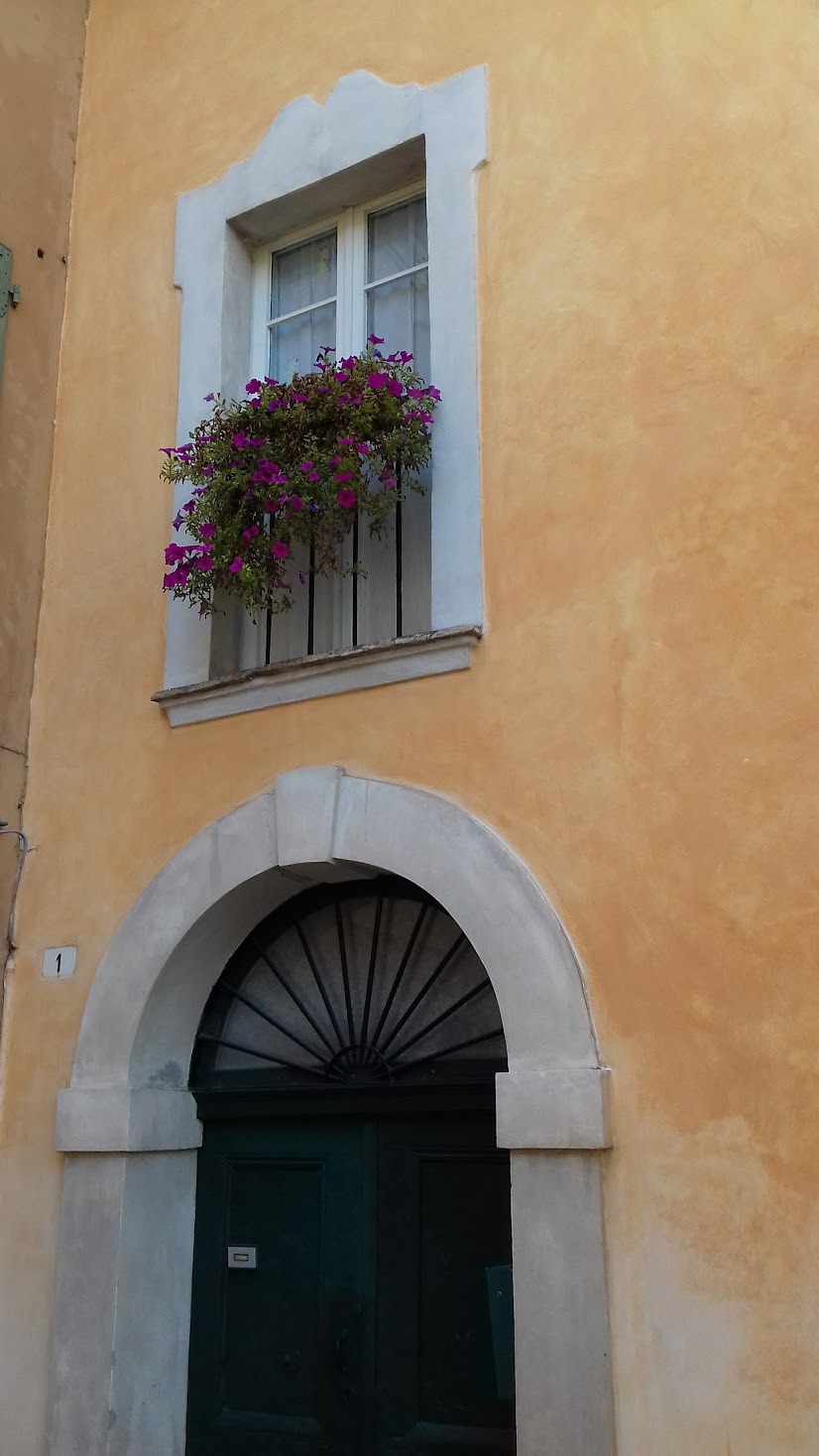


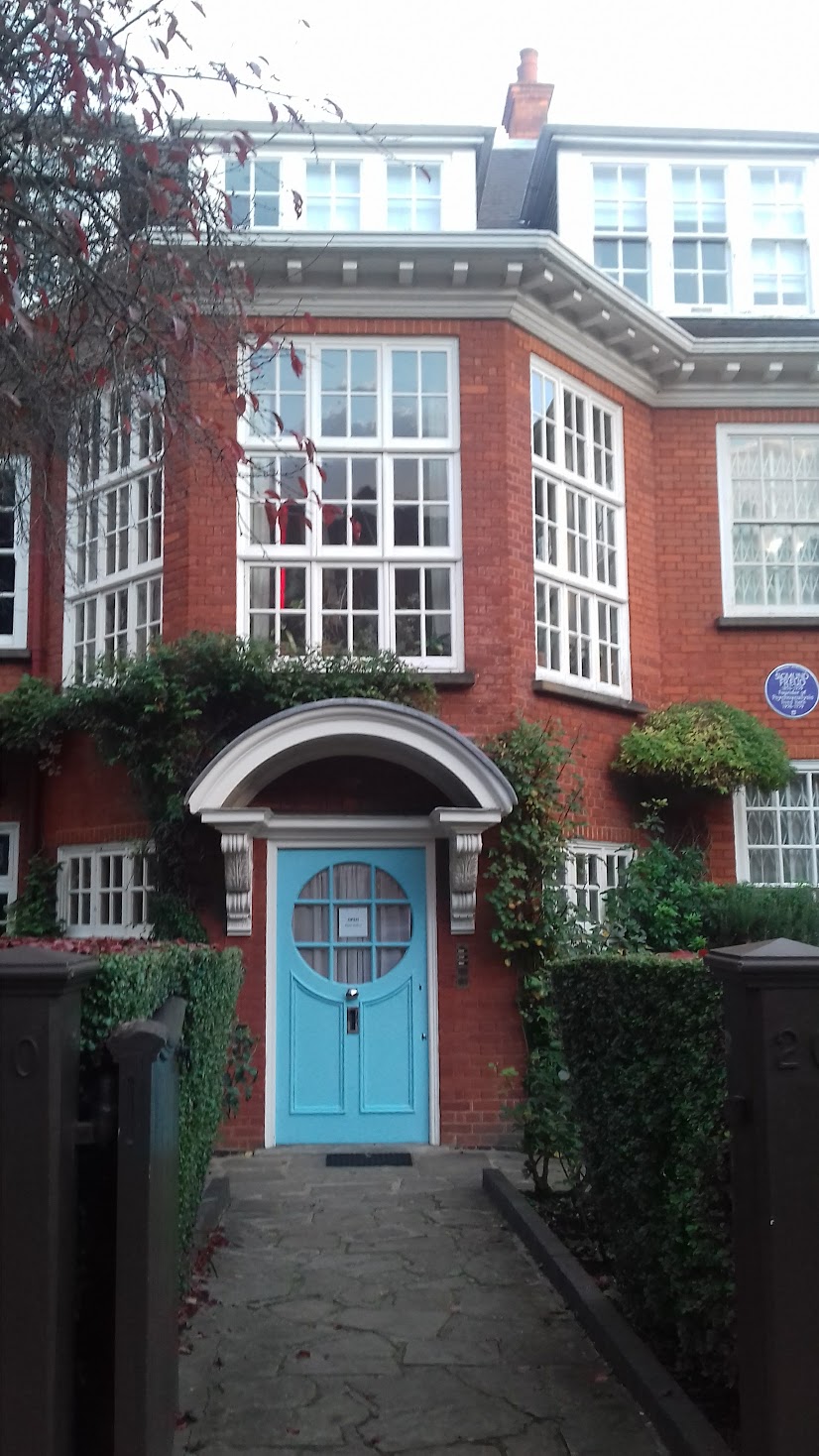
There are so many thresholds
to step through on a given day.
May you choose the doorways
that lead to kindness and peace,
speaking only when you can say
the most loving thing. Face each
fear, doubt, and wish for your life
to be other than it is right now
from “Blessing for a New Year“ — James Crews
We’ve all passed through a lot of doorways over the years. Some doors are inviting like those in the photos above that suggest something comfortable or beautiful that might wait behind them. Other doors are invisible, or nearly so, and you might not realize until later that you’ve actually entered a different space. I recognize I’ve passed through one of those invisible doors now, along with many others. I’m trying to recognize and orient myself to the room I’m standing in and what I am to do there. James Crews’ lines in the above poem ask me to face each fear, doubt, and the wish for my life to be other than it is. How might I embrace the challenges on the other side of doors I’ve walked through in the past with rooms that still haunt me, as well as the various doors I sense I’m standing in front of currently, not liking the sounds I hear emerging from behind them? How do I enter all doors carrying kindness, being peace?
Some people don’t have a choice regarding the door they’re walking through. For some their home has burned to the ground and the door they thought they’d be walking through is no longer there. For some their home was flooded and the door pulled off its hinges as the house filled with water. Someone right now is walking through the door of learning they have a terminal disease or that their partner does. For some their door disappeared in an instant when the place they called home was bombed. Some people are walking back home after living in exile hoping there is a door to find.

Fear shuts down the brain and closes people off from each other. What we need more of as things fall apart is to purposely choose a way to respond to fear with a boldness of heart and open spirit. We need this response so that we can react to challenges calmly and wisely, and so that our communities will be ones characterized by kindness and care. How might we envision activities in our neighborhoods such as sharing tools or skills, creating community gardens, movie nights, book groups, neighborhood gatherings, or other activities to nurture people’s feelings of belonging, trust, and sense of responsibility toward each other’s well being? And how might we offer care to the natural world and gratitude for the expansive gift it is?
Too long American culture has led us to think that we have to struggle against others to “make it,” that “self-reliance” is what we need to get us through hard times. But as storyteller and scholar Michael Meade suggests, the rugged individual should by now more appropriately be called the “ragged individual.” Humans aren’t meant to solve everything on their own. People are meant to live in community offering support and help to each other as we move through life.
Many cultures throughout the world still value community as central to their way of life. In South Africa, people hold the concept of Ubuntu, “I am because we are.” East Asian cultures carry the sense of responsibility toward family as well as the larger community. The same is true in Latin cultures. In Italian and Mexican towns, for example, people come out in evenings to take a walk around the plaza and greet each other. In India, family members often live near each other or in the same household providing assistance to each other in various ways.

Though change is difficult, we can become each other’s support. As stone sculptors like Zimbabwe’s Dominic Benhura understand, with vision, skill and focused effort, hardened stone can be sculpted into solid expressions of joy as seen in “Swing Me Mama” and Benhura’s many other sculptures. Bernini’s sculpture Apollo and Daphne in Rome’s Galleria Borghese demonstrates how even painful, fearful, and sorrowful moments aren’t necessarily bereft of beauty. Often they are part of each other. Effort to create the sense of a supportive village in our neighborhoods isn’t impossible. Intentional communities around the world are doing it. “You got to put one foot in front of the other and lead with love,” sings Melanie DeMoore. “Don’t give up hope, you’re not alone.”
In ending his poem, “Blessing for a New Year,“ Crew writes about emptying your life of the things that clutter it.
learn how
to empty it all out, let in only
what frees you this new year,
what keeps the heart clear.”
Our thoughts can sometimes be a kind of prison that traps us in fear and worry. But we can be people of peace by choosing to respond differently to fear. In “A Community of the Spirit” the Persian poet Rumi writes, “Why do you stay in prison when the door is so wide open? Move outside the tangle of fear-thinking. Live in silence. Flow down and down in always widening rings of being.” Stepping through the door of fear, and allowing silence to surface, allows us to touch again the source of our own presence and of life that is much bigger than our losses or anxiety. A wider community of being is there for us to connect to when we turn to it.



 Anna Citrino---Poetry, Place, Pilgrimage