pilgrimage, Uncategorized, Walking

Walking in Wonder

I would like to step out of my heart 
and go walking beneath the enormous sky
–from “Lament,” Rainer Maria Rilke
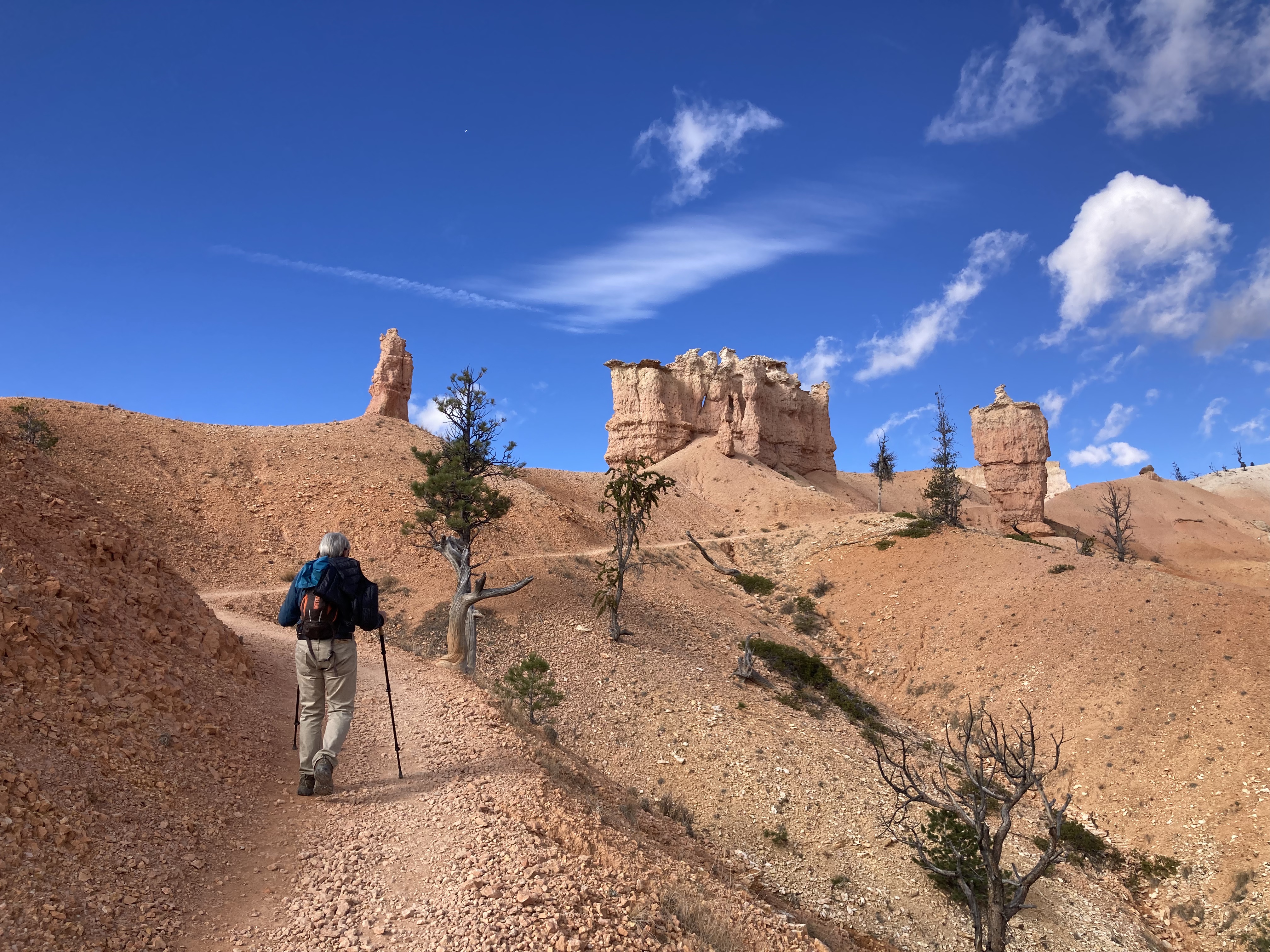
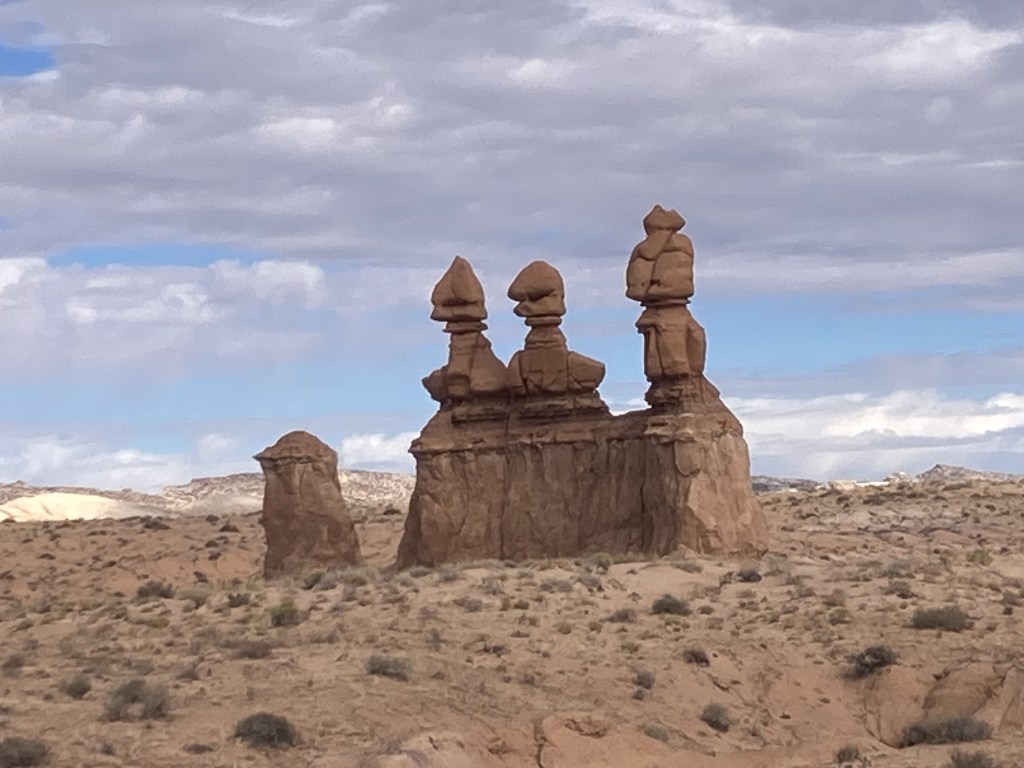
Today amidst an atmospheric river and rain’s downpour I’m welcoming the beginning of my life’s new decade. Earlier this month, I traveled in the US Southwest immersing myself in the landscape’s rugged expansiveness, its openness and astonishing beauty. From the Valley of Fire, to Zion National Park, Bryce Canyon to Capitol Reef, and from Goblin Valley to Antelope Canyon, over and over the land astounded me with its astonishing presence and elemental grandeur. Every turn of a path brought amazement. “I could point my camera in any direction, it wouldn’t matter. You can’t take a bad photo here,” remarked one man I met on the path at Bryce Canyon as he turned his camera this way and that. “How true that was, and how many thousand times did I say, “This is incredible!”

Bryce Canyon, Utah, USA

The desert is simply itself. It makes sense why in earlier times, people went to the desert for solitude. Indigenous people, Buddhist monks, and the Desert Mothers and Desert Fathers all sought out the desert as a place for reflection, meditation, and transformation. As Ryan Kuja writes in his article, “Desert Spirituality—‘The Place of Great Undoing,” “Metaphorically, the desert is a place of testing and transformation, of being divested of empire and ego.” Desertscapes are enormous reservoirs of silence. After walking for a time on various desert trails, I realized no words could ever adequately describe the land’s vast topography, its sweeping spaciousness, and the dramatic rise of its sheer rock faces. I simply fell silent. 

Perhaps silence is the best way to walk through such landscape. Just put one foot in front of the other, let the walking shaking lose the mind’s rambling thoughts and obsessions. Allow the earth to seep up through the feet. Absorb the quiet and subtle shifts of air, and let the earth envelop you in its stillness.

Walking the desert lands, my body recognized why it is the earth is a sacred gift, the miracle it is to be alive and witness its wonder. Great islands of cloud floated above through cerulean skies as I walked over swirling layers of colored sandstone and alongside sedimentary layers of stone and earth formed through many millennia—the earth visually telling me its story of persistent transformation and endurance.

“Landscape is sacramental, to be read as a text,” writes Seamus Heaney. At Zion National Park the sandstone cliffs rise to formidable heights, thousands of feet up with sheer faces that catch morning’s sunrise blush and late afternoon’s glow. The name Zion alludes to the Biblical Zion, a hill in Jerusalem, or Jerusalem itself–a place described as a city of refuge, and by many a holy place. When walking through the park’s canyons and climbing Zion’s hills I felt distinctly aware I was traversing holy ground.
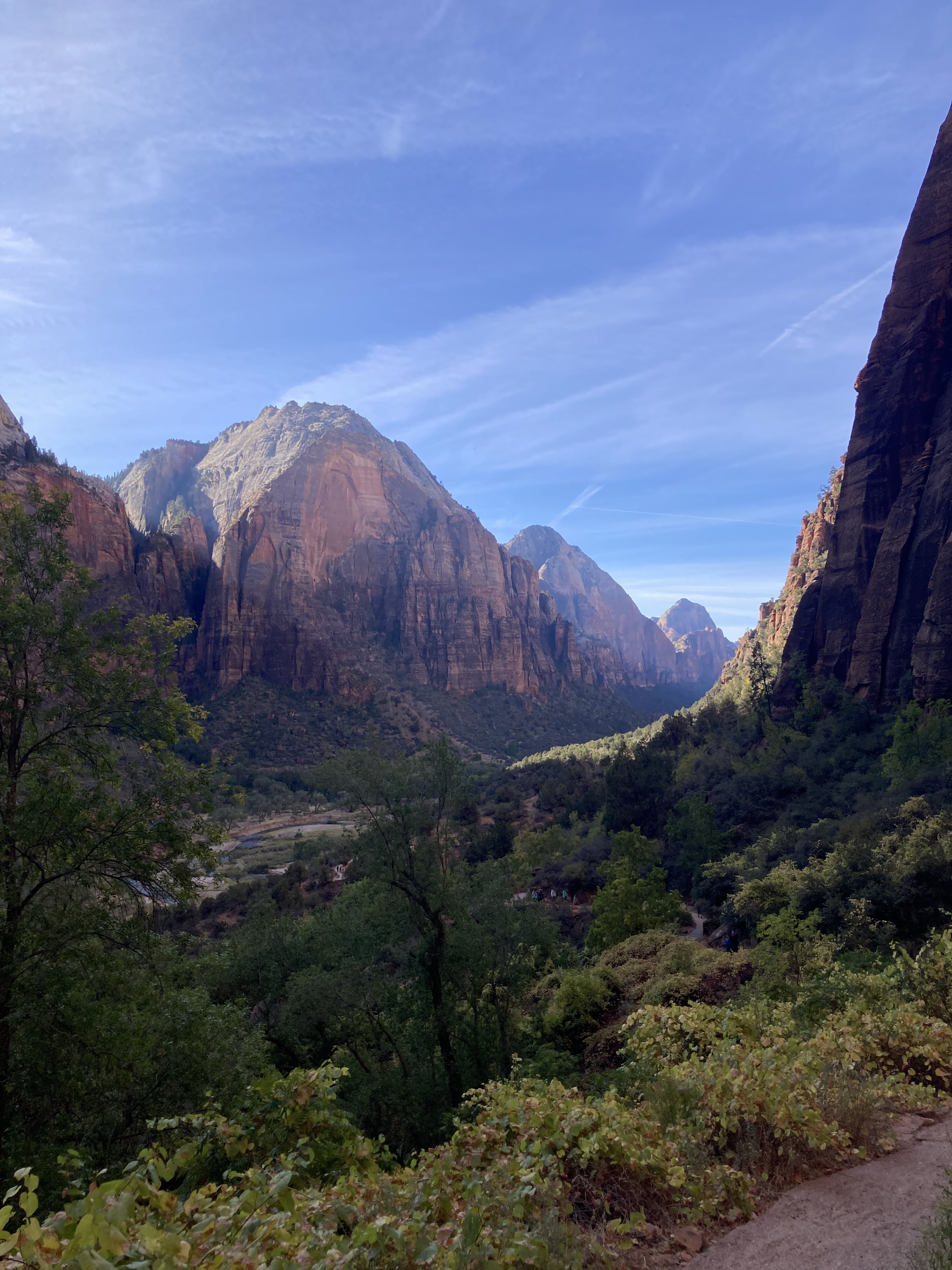
from the Scout Lookout path at Zion National Park, Utah, US

To spend time wandering through the desert’s expansive and pervasive openness is to become aware of one’s smallness and to enter a space of humility and awe. The desert is a good teacher. I noticed people everywhere walking with a sense of expectancy, ready to give a greeting or say a few friendly words, faces open. People were there purposely to find wonder and experience awe. As Abraham Joshua Heschel writes, “The beginning of our happiness lies in the understanding that life without wonder is not worth living.”

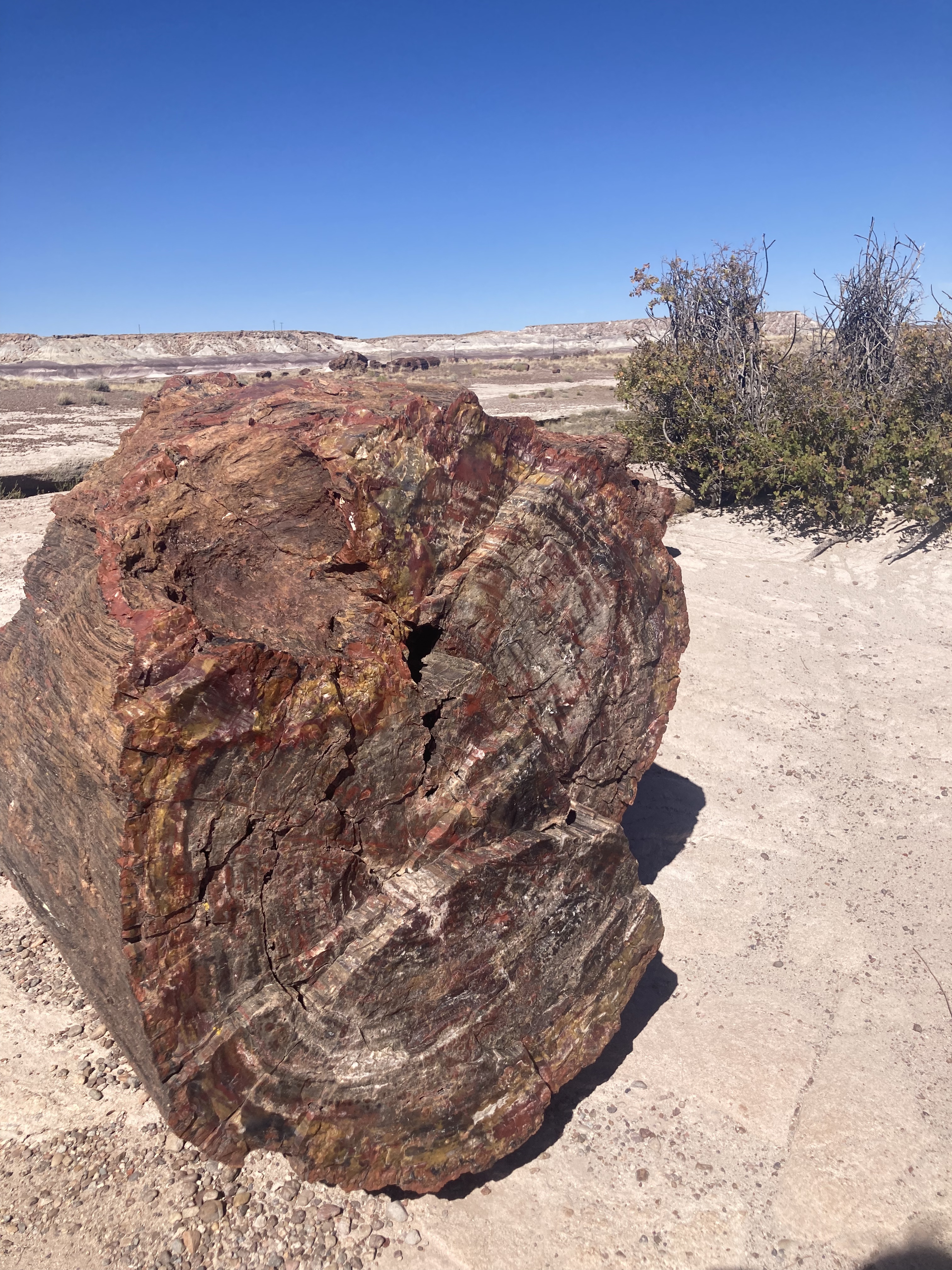
Looking ahead to the challenges the next decade might bring, or that any decade might bring in anyone’s life for that matter, the desert seems a solid place to go to contemplate one’s purpose and focus. Sitting in a swirl of uplifted sandstone looking across the miles of open earth to distant mountains, I became aware how the land abides by its own principles. The petrified trees in Arizona’s Petrified Forest were once located in a forest just above the equator before Earth’s tectonic plates gradually moved them over a multitude of millennia to where they now sit at 35 degrees north of the equator. Amazingly, the trees turned to stone even before T-Rex walked the earth. Earth erodes, changes and evolves according to rhythms billions of years old. Wind blows. Rain falls. The environment will forever continue to respond and change according to the steadfastness of its internal rules.
Earth is a wondrous place and it’s a phenomenal time to be alive. In  the past decade, I lived on three different continents and witnessed amazing diversity in cultures, climates and geography. I don’t know where the current decade will take me, but I can count on the Earth continuing to function on the natural principles that have been there since its foundation. At Antelope Canyon, Arizona, a sacred site for Navajo people, I watched people emerging from the narrow crack in the ground thinking how it seemed as if was a kind of birth. I want to think of this birthday as a birth into a new era of life. I know there’s a lot I still want to learn about the world I live in, how to live in it better, and how to give back to people in a way that reflects their unique beauty and radiance. 

Antelope Canyon

In his poem, “Being a Person,” William Stafford writes,
Be a person here. Stand by the river, invoke
the owls. Invoke winter, then spring.
Let any season that wants to come here make its own
call. 

Life brings unexpected challenges and aging generally takes a great deal of bravery and courage. I notice these qualities in those I know who are in their eighth and ninth decades. They often demonstrate these qualities in their determination to carry out every day tasks such as putting on their clothes when the shoulder joint doesn’t function without great pain, or when going swimming every day year round at 93 years old in order to maintain strength when it’s difficult to hold one’s body up, or when a grandmother daily walks around with an oxygen concentrator so she can continue to spend time with her grandchildren, as well as myriad other examples of fortitude, patience, and resolve the elderly possess.

It’s not a given that suffering must lead to a diminishment of one’s awareness of awe, wonder, or beauty. I respect people like 95 year old Dot Fisher Smith who continues to open to awe and the miracle of being alive, not “ceasing from exploration,” to use T. S. Elliot’s words, even as she knows her physical mobility is diminishing. “I have something to give,” she says in this short film, To Be in Awe, “my light, something ineffable that I don’t know…We’re here to experience the wonder of being in a body.” I wish to live this way into the uncertain decades before me, wish to give gratitude for the mystery and wonder of being alive.

Looking toward Zion National Park, Utah

Stafford ends his poem, “Being a Person” saying,

How you stand here is important. How you
listen for the next things to happen. How you breathe.

I want to say thank you to my parents, family, teachers, friends, collogues, former students, animal friends. Thank you to the earth I stand on, the garden I work to nurture, and to the many places I have visited and passed through. It’s not just Southwestern US that is phenomenal. Earth is phenomenal. Everything is in its own way incredible.
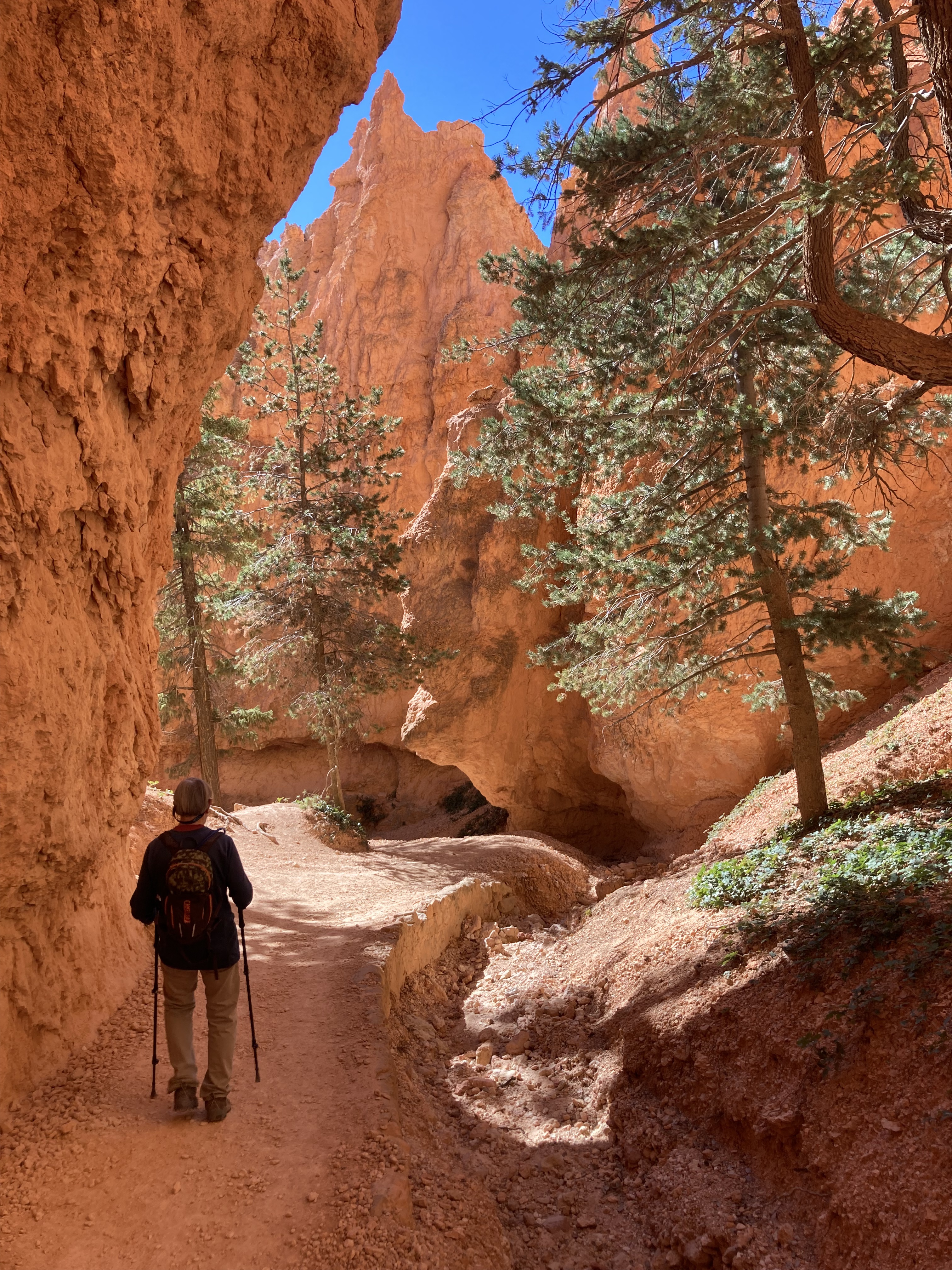
Navajo Loop, Bryce Canyon, Utah

…There is so much beauty
left to see in this world. And I became what I am now to see it.

Timothy Donnelly from his poem, “The Light.”

Geography, poetry, spirtuality, Uncategorized

In a World of Sorrow and Immeasurable Beauty

“Everything is beautiful and I am so sad.
This is how the heart makes a duet of
wonder and grief.”

— Mark Nepo, from his poem, “Adrift”

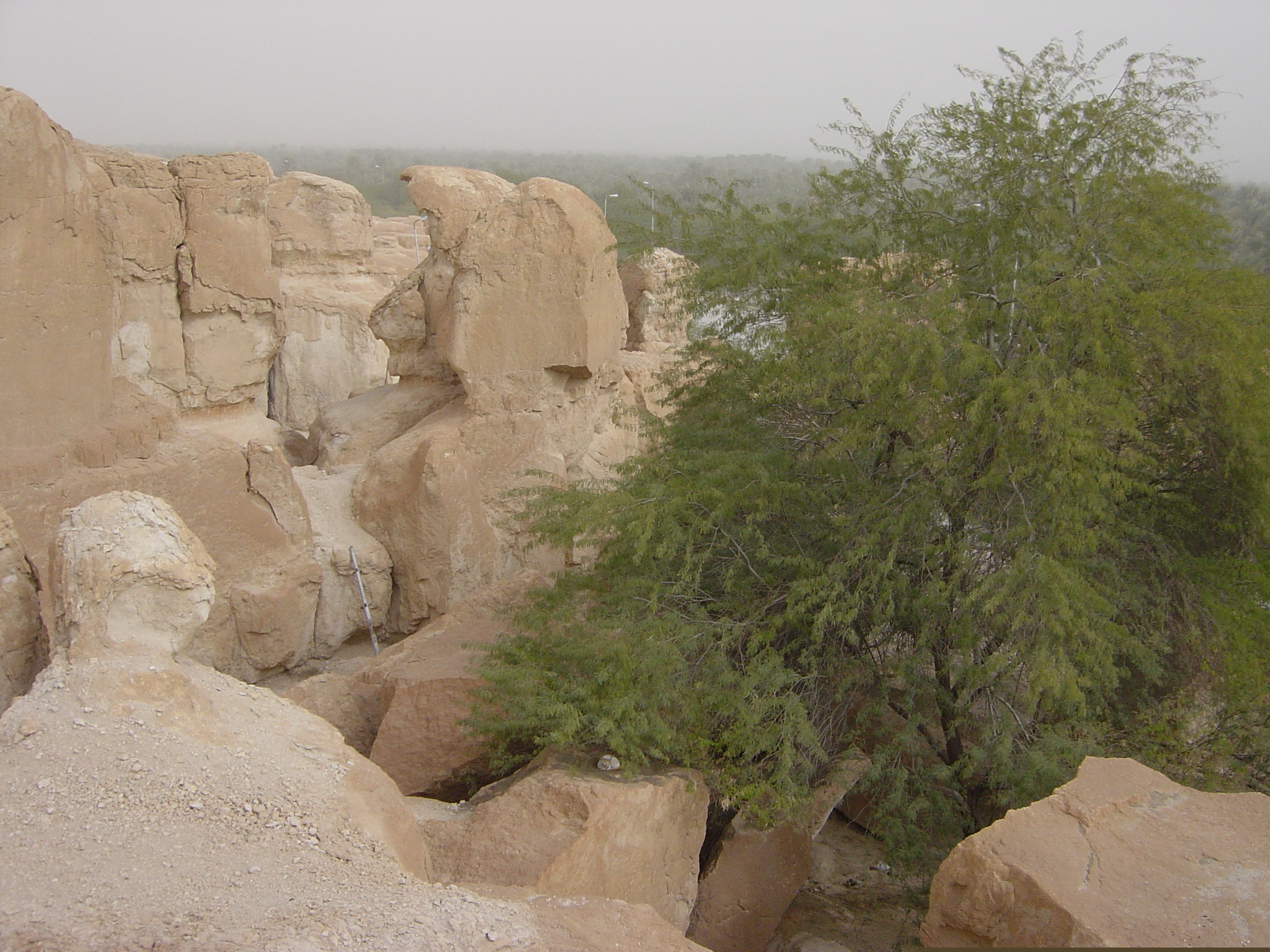
Saudi Arabia is a country of amazing geological interest and the Al Qarah Caves in eastern Saudi Arabia near Hofuf are one of Saudi Arabia’s extraordinary sites. A series of narrow passages, the caves were created through the geological process of erosion in the clay, silt, and limestone earth forming a series of “very deep and narrow joint-controlled fissures.” (The Jabal Al Qarah Caves of the Hofuf Area, Northeastern Saudi Arabia: A geological investigation.)

Deserts are important. While deserts seem to be bare, treeless places and can feel like a bleak wilderness, it’s from deserts that some of humankind’s important cultures such as ancient Egypt rose. Thirteen of the fifteen types of minerals on our planet are found in deserts. Plants and and animals found in deserts have developed ways to adapt the harsh conditions and still thrive. (More of desert’s amazing qualities described here.) From deserts came innovations such as irrigation helping to nurture and sustain life across the globe. In a world where things seem increasingly bleak, and where metaphorically speaking it feels we’re heading into the depths of a desolate land without water or shade, perhaps it’s a good time to contemplate the desert.

At some point in our lives most of us come to a place where the world turns arid, lonely and vulnerable. You sense you’re in a wilderness by yourself where the path you once followed has disappeared and you recognize you need some further kind of internal strength to keep going. Barbara Brown Taylor details this wilderness experience in her talk on subsistence spirituality with these words, “In the beginning, you weep. Because all the familiar landmarks are gone, because you don’t know where you are. Because the only food left in your backpack is disgusting. And the little bit of water in your canteen has turned green. You’re hungry, you’re tired, you’re lost, you’re alone, it’s getting dark. And even if the sky is clear enough for stars tonight, you don’t know how to read them. You always meant to, but you never learned. So now what? If you’re a pray-er, you pray. If you’re not a pray-er, you pray. What else can you do once you’ve come to the end of what you can do for yourself? It’s time to find out what faith means out beyond the boundaries of where you were warned not to go.”

When there are no answers, when you’re waiting and waiting for a change in circumstances that never comes, how do we make the waiting bearable? Some wait their entire lives struggling to sustain themselves with adequate food, shelter, and clothing. Though they may be resourceful and diligent, some never obtain opportunities that allow them to develop the abilities they have to the full extent of their longing. Though kind or honest, some people aren’t treated with respect. When coming to the end of our resources of what we know to do, how do we continue? How do we allow our suffering to transform us into people of deeper wisdom and heart rather than fall into a pit of despair or gradually grow bitter?

In his poem “Adrift,” Mark Nepo writes,
In the very center, under it all,
what we have that no one can take
away and all that we’ve lost face each other.
It is there that I’m adrift, feeling punctured
by a holiness that exists inside everything.
I am so sad and everything is beautiful.

While none of us likely wants more suffering or grief, when adrift between seeing all we have and and all we’ve lost, as Nepo points out in his poem, that is when we feel the puncture of the inseparability of wonder and grief that somehow makes us aware of the sacred. It’s this insight that can be the catalyst for internal change that enables us to find a way to live alongside the unbearable.

Saudi desert near Hofuf

Saudi Arabia may be a desert country but it also holds one of the world’s major sources of energy: oil. Organic life from previous times transformed under pressure and with heat has become a source of energy. that which has died transforms into new life. Though a place of interest and beauty, nevertheless, pressure and erosion created the caves at Al Qarah. All life is in a process of ongoing transformation.

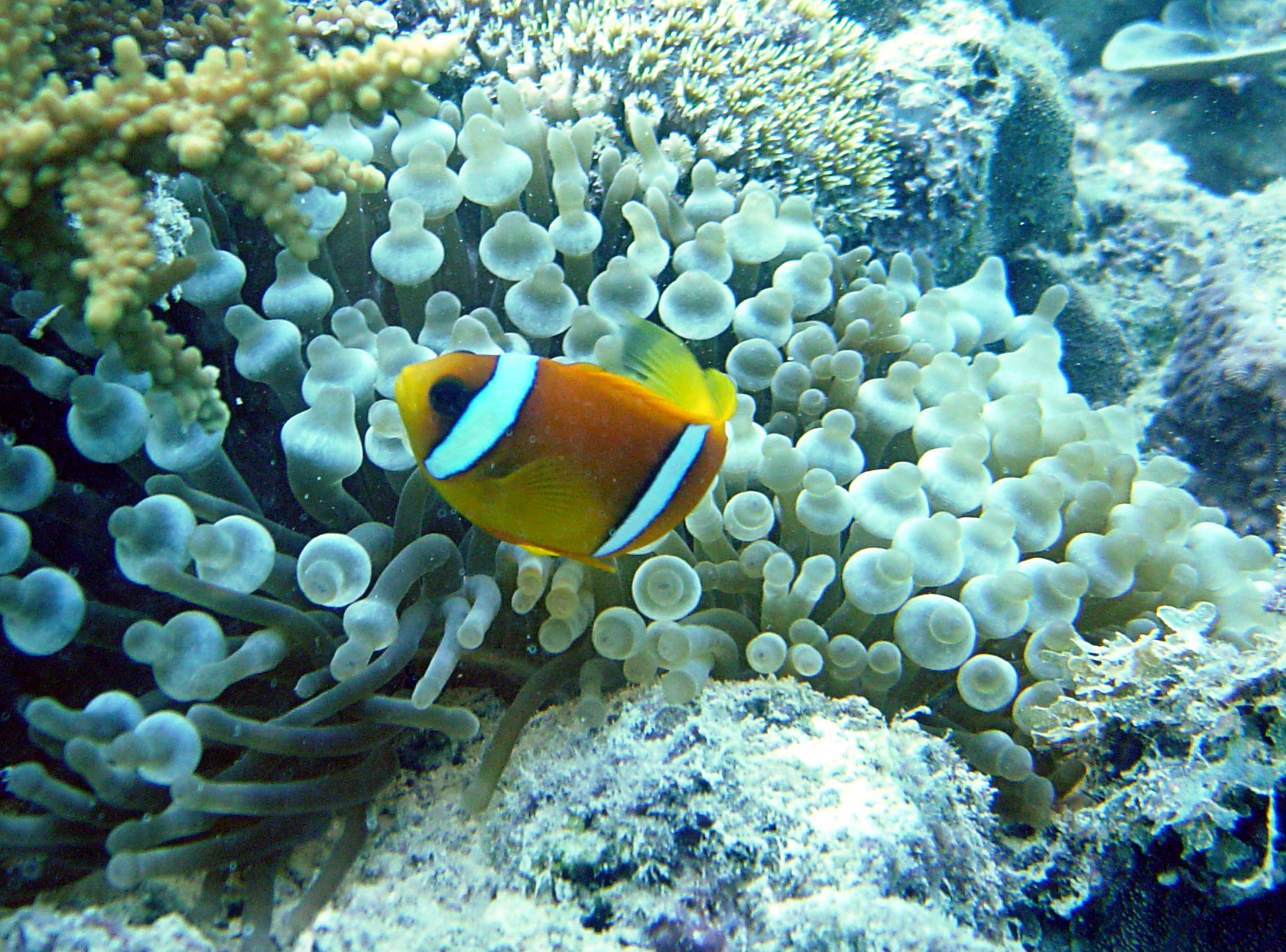
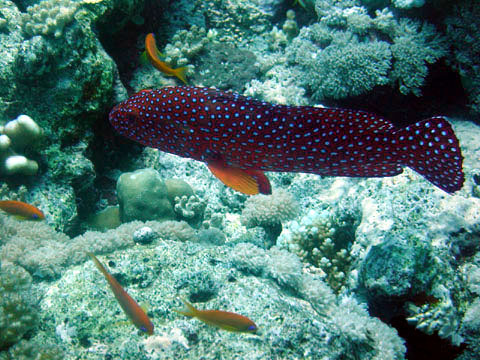
In the nature, we can experience the inseparability of life and death, how the dying of one life form engenders the birth of another. John Muir wrote “Thousands of tired, nerve-shaken, over-civilized people are beginning to find out that going to the mountains is going home; that wildness is a necessity; and that mountain parks and reservations are useful not only as fountains of timber and irrigating rivers, but as fountains of life.” The oceans, as well as the mountains, are also a fountain of life, and spending time there is transforming. Saudi Arabia borders the Red Sea, one of the most phenomenal areas to scuba dive in the world, as it is where two continental plates, the African and the Arabian, have pulled apart creating an enormous and extremely deep rift. Inside this Red Sea rift over 1000 species of fish and 150 species of coral can be found–beauty and life thrives.

Blue coral, Red Sea

When I consider the processes of the natural world, I wonder about how I might view the cultural rifts and political erosions in a similar way–a process of deconstruction and reconstruction that are occurring simultaneously–a dying while living. The intersection of these seeming opposites is a place where new awareness and possibilities can arise.

In creative acts people take elements and combine them in ways generating change. Alternatively, as Muir suggests, when we spend time in the natural world, it acts on us and we are changed. We physically sense ourselves held inside a greater reality, a greater wholeness. As Kabir Helminski writes in “Beauty as a Way of Life,” “When the spiritual imagination awakens, the world is transformed. It is the same world, but seen differently.”

In specifically thinking about the challenges women have faced through history and continue to face, I offer this poem from my new book, Buoyant.

In Praise of Women Divers

This is for the woman who took her children 
to the Red Sea to paddle through water their father
had never touched, though he grew up beside it
every day looking into its face.

This is for the woman who became a divemaster
though told it was dangerous and she’d be seen
in a wetsuit, how she led other women underwater
though it was illegal, teaching them the ways of fish,
discovering together another world, finding 
every day is a good day to dive.

This is for the women who wore abayas
atop their wetsuits as if they were merely
onlookers while meeting the Coast Guard,
and the men on the boat the only divers.

This is for the friend who stood on the boat deck
wearing her snorkel and mask, black robe
flapping with wind, smilingly determined to explore
what lay beneath the sea’s sun-smoothed surface— 
all of us others planning to join her. 

This is for the women who broke the law 
by choosing to dive, who probed shipwrecks 
and gazed at their gaps, who entered through holes
blasted into steel holds—how vessels once so strong
no water could enter, are now broken open, sunken,
propellers forever halted, going nowhere.

This is in celebration of the women who saw wrecks
in water clear as windows, the happiness engendered when
something so big, so seemingly sturdy, in its destruction
became a place of beauty decorated with soft corals, animated
with angel and broom-tailed filefish sweeping through.

For those of us wandering in a wilderness, Barbara Brown Taylor leaves us with these words. “So I don’t know what your wilderness is all about. But you do…What you gain though, is the rewilding of your soul. Because the desert is the spiritual wildness protection program, open to anyone willing to leave the pavement and be emptied right out, making room for God knows what is coming next.” In the midst of our desert wandering, we can pause and ask ourselves how we can open into what’s coming next, how we can allow for a reef to form from the sunken vessels in our lives.

Puffer fish, hard corals and giant clam, Red Sea

(If you’re interested in getting the book, Buoyant, send me a message, and I will see that you get a copy. Check here for more information about the book.)