This is for the woman who took her children to the Red Sea to paddle through water their father had never touched, though he grew up beside it every day looking into its face.
This is for the woman who became a divemaster though told it was dangerous and she’d be seen in a wetsuit, how she led other women underwater though it was illegal, teaching them the ways of fish, discovering together another world, finding every day is a good day to dive.
This is for the women who wore abayas atop their wetsuits as if they were merely onlookers while meeting the Coast Guard, and the men on the boat the only divers.
This is for the friend who stood on the boat deck wearing her snorkel and mask, black robe flapping with wind, smilingly determined to explore what lay beneath the sea’s sun-smoothed surface— all of us others planning to join her.
This is for the women who broke the law by choosing to dive, who probed shipwrecks and gazed at their gaps, who entered through holes blasted into steel holds—how vessels once so strong no water could enter, are now broken open, sunken, propellers forever halted, going nowhere.
This is in celebration of the women who saw wrecks in water clear as windows, the happiness engendered when something so big, so seemingly sturdy, in its destruction became a place of beauty decorated with soft corals, animated with angel and broom-tailed filefish sweeping through.
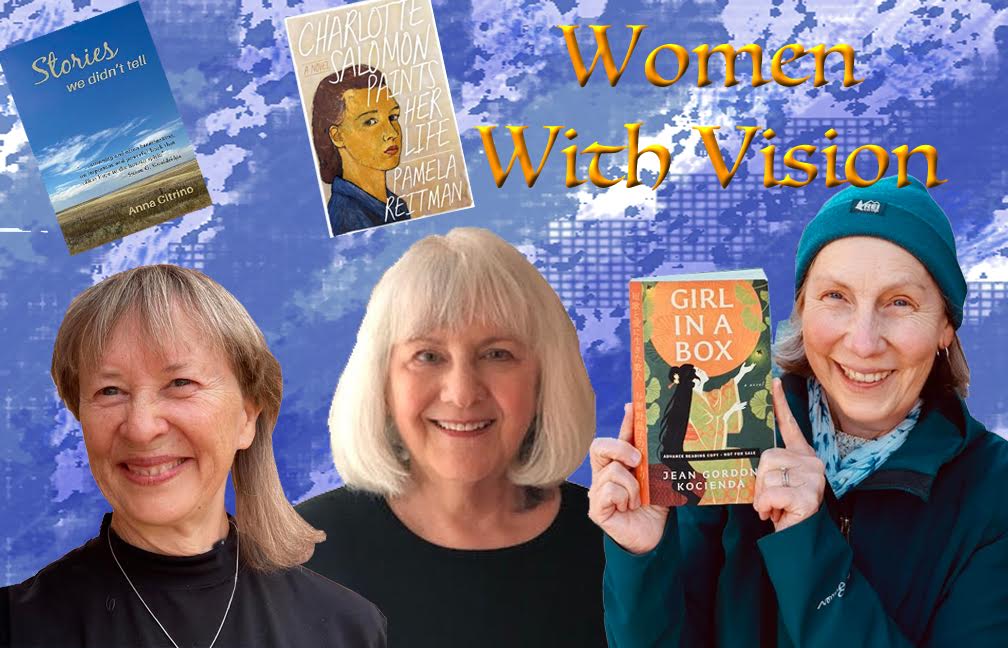
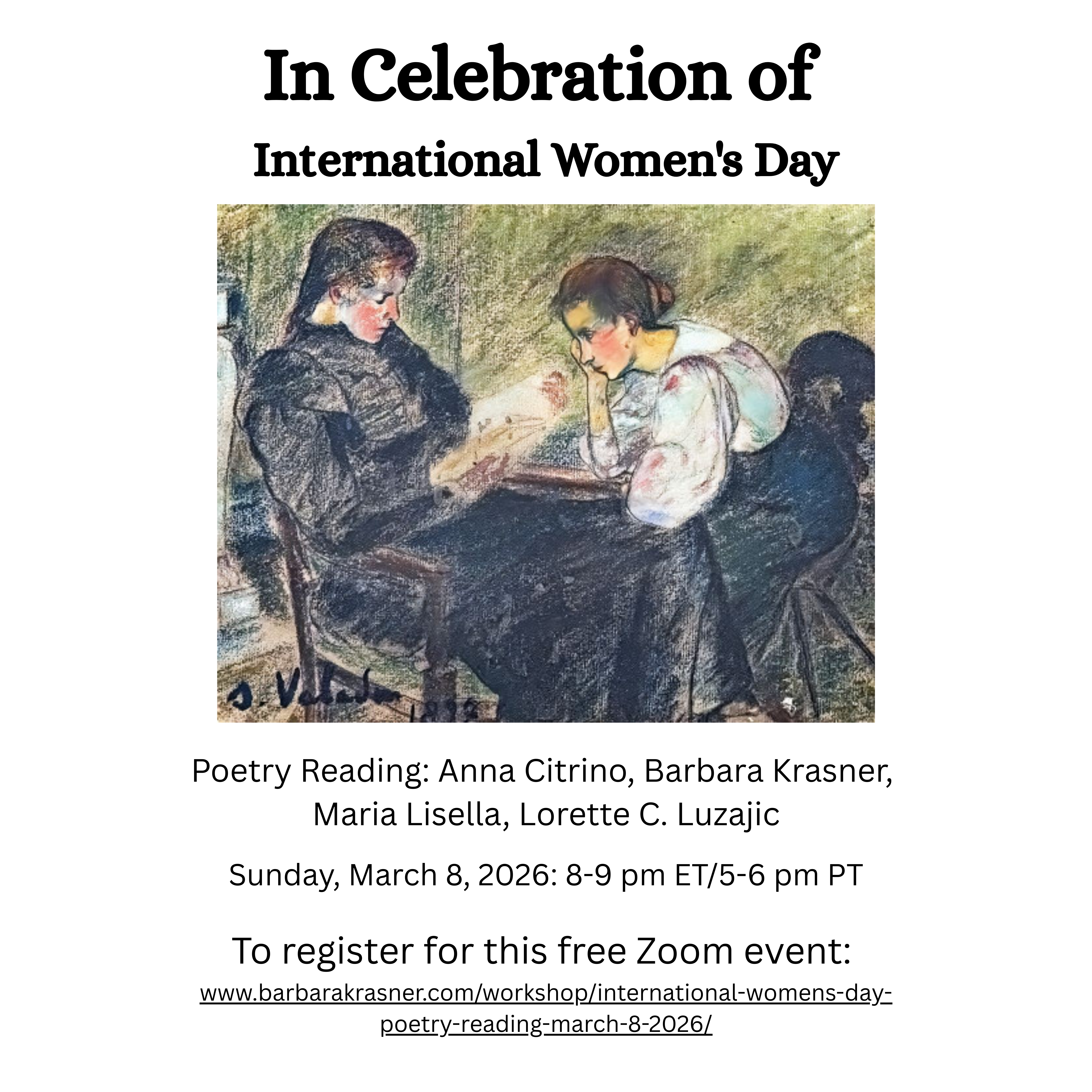
It’s Women’s History Month. I will be reading with authors, Jean Gordon Kocienda, and Pamela Reitman and Elaine Rock, lifting the voices of women from cultures across the world, celebrating them with readings of poetry, nonfiction, and story.
Come share a meal March 26 at 5:00 pm at the Aqus Cafe in Petaluma, Sonoma County, CA and listen to a few stories of some amazing women.
I hope you can join me to hear women’s stories through the voices of these writers in March. If you have a problem with the above link, try using this
And a poem from Stories We Didn’t Tell
MY MOTHER’S HANDS
Chugwater, Wyoming, 1923 Adella, age 66
Fingers curled, knuckles swollen with arthritis, her head encircled by lamplight, I see my mother bent over her hands, embroidering flowers on tablecloths, then rubbing at the pain, though there was little she had to relieve the aching tenderness that came from work she did all day for years as she milked and mended, hauled water, and lugged hay.
Despite the hurt, she kept her hands moving, shaping and reshaping her world, not deterred by the pain, handing on what she could to me.
When young, I didn’t comprehend her aches— how age alters a woman. Old now, I notice joints that ache when moved, the hidden places worn enough for tenderness to emerge.
When Jasper died, the life I lived died too. Married now to Joel, a blacksmith, I’ve entered a different world. Things break, and Joel remakes and fixes them. Taking damaged saws and wagon wheels, worn out horseshoes, ruined tools, he heats the metal from dark carnelian to opal white, and then strikes the steel over and over, sparks flying as he reshapes with his hammer. Form renewed, he quenches it with water. Restoration can be brutal.
I’m not a blacksmith but know something about hammers. I’ve given birth nine times, had two children and a husband die, known drought, hunger and ongoing uncertainty—so many unanticipated ways things wear down before they fall apart.
It’s true, Joel drinks. Some may say that’s a fault, but I’ve given him my hand in marriage, worn as it is. He knows about broken things and tenderness.
Hearts and habits stiff as iron can be melted, renewed when there’s someone who knows how to mend them.
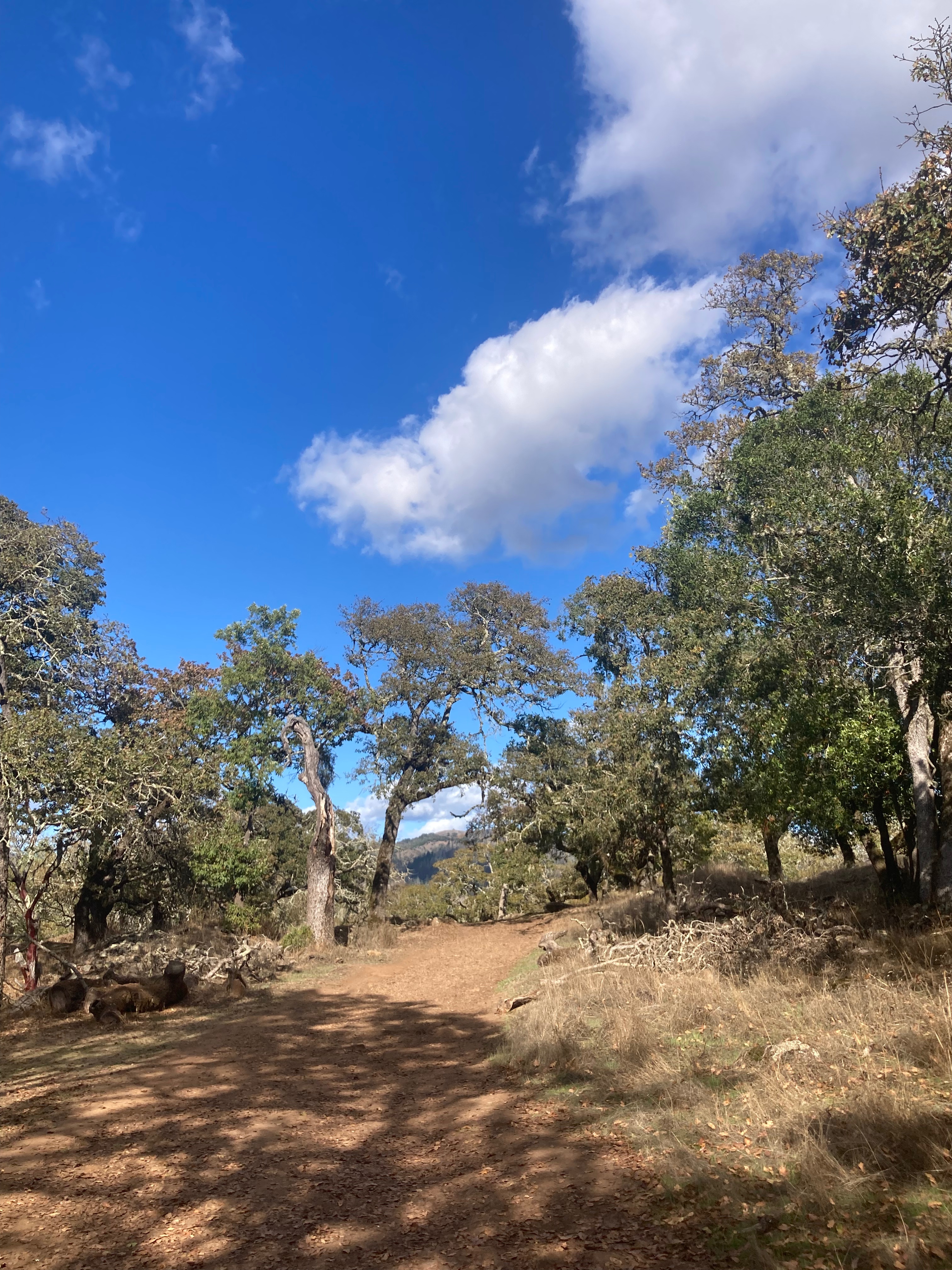
We’re in the midst of January, spring’s burst of buds and flowers are some way off, but when I went for a walk in the late afternoon alongside oaks bathed in yellow light and looked out across fields lit with a fluorescent green glow as if spread with peridot jewel, I couldn’t help but think about resurrection. Yes, it’s cold and the willows’ branches are bare. My backyard garden is bare now too—the peach, sour cherry, fig and apple all stand bereft of leaves. It’s winter. The layers of leaves have fallen away and we see the exposed structure of things. The dying back is necessary. But harbored beneath the soil and inside the roots and trunks of trees life is at work beneath surface of what looks dead, rebuilding what it needs to recreate spring.
Culturally speaking, the US is living through a harsh winter. There’s a lot of cold. The leaves have fallen away exposing a structure previously covered over. We see behind the curtain. In the streets of the US today, as Minnesota’s governor Tim Walz has described, Immigration and Customs Enforcement (ICE) agents have gone door to door asking neighbors to tell which of their neighbors are immigrants and minorities. ICE agents have deported people without due process of law, have grabbed people, stuffed them in cars and taken them away, shot innocent people dead, wounded others. People in government positions mislead the public regarding events that occur and attempt to control others through intimidation, violence and fear. The media has likened ICE’s tactics to the Nazi gestapo in WW2. The Nazis, however, as Sarah Al-Arshani’s article in Business Insider learned from racist thought and tactics used in the America’s Jim Crow south. “Some Americans,” writes Al-Arshani, “including ones as prominent as Henry Ford, Helen Keller, and Alexander Graham Bell, began championing eugenics — a pseudoscientific ideology arguing that genetically “inferior” people should be sterilized to prevent offspring with undesirable traits…Historians said the eugenics preached in the US gave Nazis a blueprint of sorts.” Today, the US is looking and experiencing directly a resurfacing of perspectives left over from the country’s past that were never fully transformed into the country’s ideals of liberty and justice for all.
All growing things need tending. It’s important for our interior lives as well as the systems and structures we’ve created. This time of living through days of minimal light and meager foliage have me thinking how death and life are closely entwined, and how what looks like death can also be the beginning of a new life in the making.
A short time ago I attended an evening with vocal activist Melanie DeMore and the Joyful Noise choir leader Benjamin Mertz, musicians steeped in the tradition of African American spirituals. From the concert’s first moment DeMore brought the entire audience of several hundred people together in song, the whole place hummed with a life-filled felt presence. A sense of peace fell over the room. Something deeply restorative was at work in the music, as if collectively we had simultaneously come home to ourselves. Spirituals like “Wayfaring Stranger” and “Balm in Gilead” arose from the lives of people long oppressed who found a way to keep going despite grinding circumstances that otherwise might drive them to despair. The songs embody a sense of perseverance and determined focus to and be free, to rise up out of the quagmire of an environment that wanted to press them down, and to instead embrace the fire of hope for a new and better life. As the words in the spiritual sung by the Golden Gospel Singers “Oh Freedom!” state, “Oh, freedom, Oh, freedom / Oh freedom over me / And before I’d be a slave / I’d be buried in my grave / And go home to my Lord and be free.” Belief in an afterlife a world beyond the current bleak one is a hope that allows one’s spirit to press on in an austere world where comfort and ease are difficult to come by. That afterlife can be right here on earth in a new world we create together where each person has dignity and the world we live in actively works to support our wellbeing.
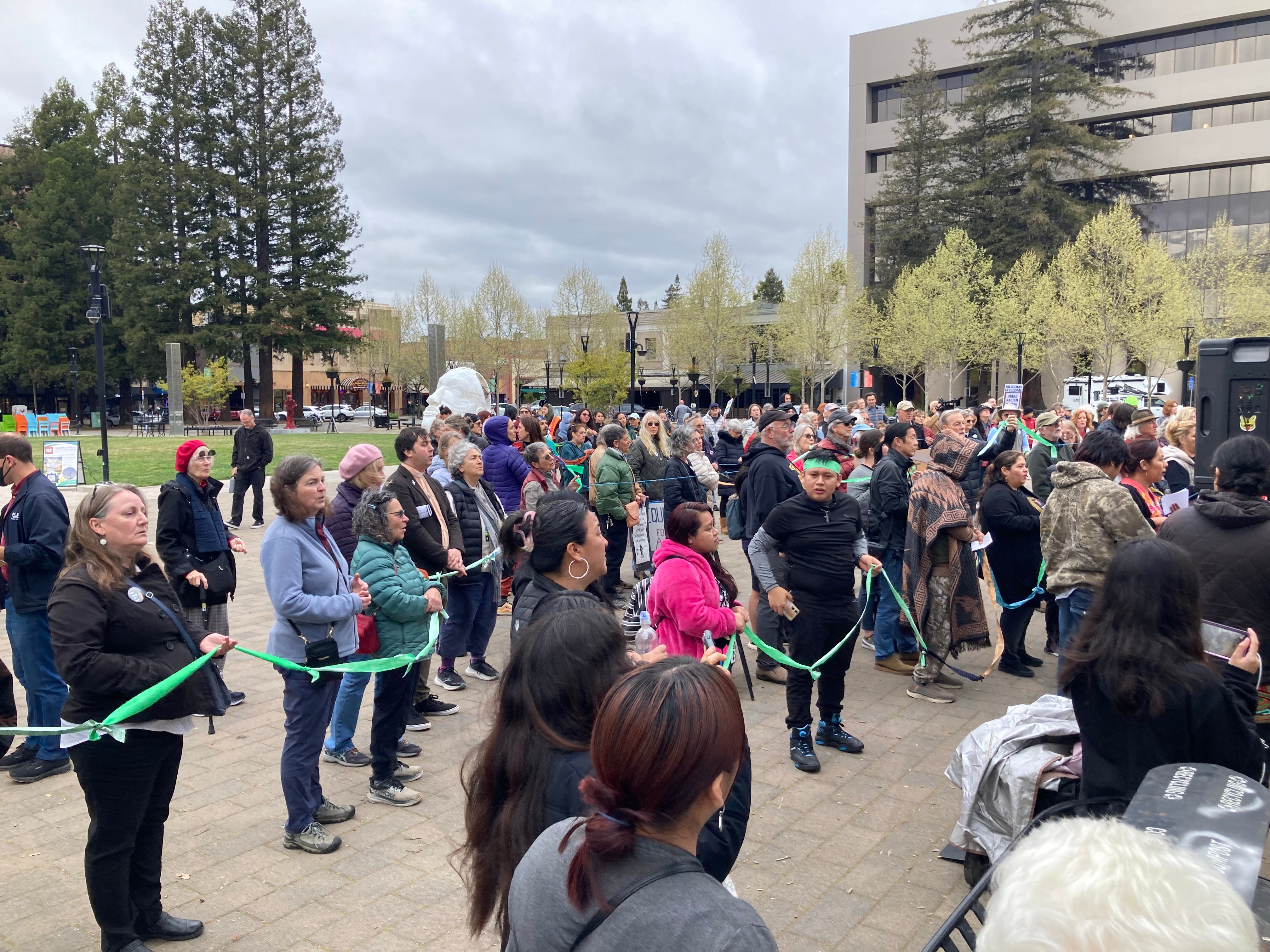
Winter’s cold months are the time to trim the grape and berry vines and thin the fruit trees’ branches so when spring arrives the plants get more light and can better hold the weight of the fruit that’s to come. What builds community, enables people to thrive, nurtures their spirit? What nurtures life-giving resources? In winter we can see more clearly where we might trim back the branches preventing us from viewing each other heart to soul. In the midst of winter, we can sing of resurrection, dream of what it would take to allow people to reconnect human to human. We can stand together with others in protest of ICE’s violence, share a dinner with new neighbors, vote for those in the next election that support our constitution and stand by the rule of law. There is life beyond the death we’ve seen. Now is the time to proclaim resurrection.
Continuously learning from our experiences, we are all students of life. The school I worked at in New Delhi, India holds the following statements as the community’s focus: –nurturing the intellectual, physical, social, and emotional development of each student –fostering each student’s potential to achieve and to make a difference. –developing a service ethic and practice. –protecting nature and the environment. –improving student learning through research, reflection, and innovation. –practicing transparent and collaborative decision-making while maintaining effective governance.
Aiming to live together by making the above statements foundational to our actions goes a long way toward enabling everyone in a community feel they belong and have something valuable to offer each other. They are values good to hold through all seasons and beyond days of formal schooling.
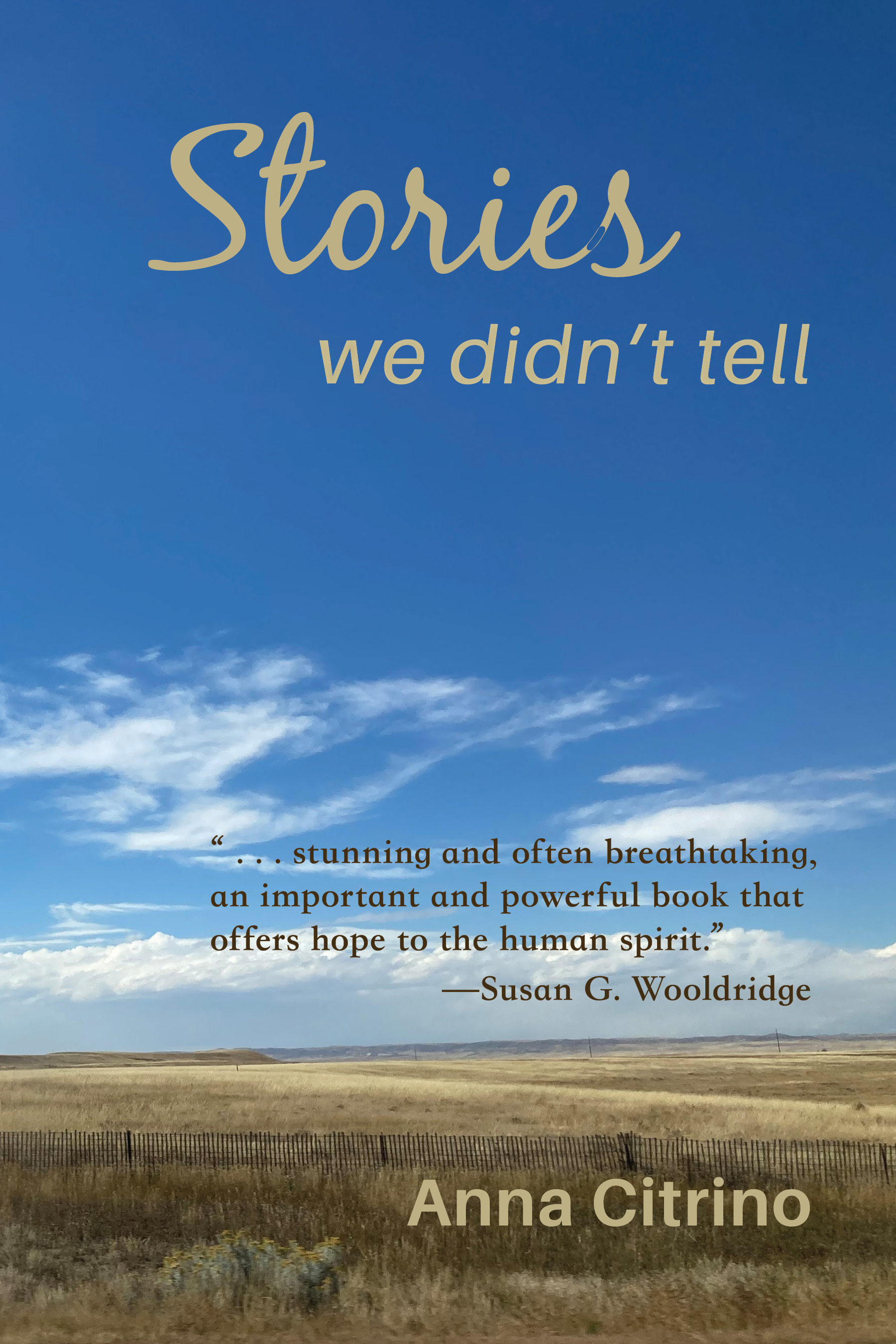
In the poem “Barn Dance With The Family” in my book Stories We Didn’t Tell, family members attend a barn dance. Day to day, they are quiet people focused on their labors. They haul hay, fix fences, do laundry, cook for ranchers, milk sheep. No matter the weather or physical challenges, sore muscles, arthritic joints or exhaustion, with resolve they carry out their tasks. But when there’s a barn dance, they show up for joy and for each other. As Avery, a character in the book who loves to dance describes at the end poem’s end,
The bass keeps rhythm as guitars strum in harmony while the mouth harp whines and moans and spoons keep beat. Banjo players’ fingers fly like bird wings and I soar, my feet slipping back and forth across the floor.
A fiddler’s bow races up the scale, transports the crowd, spinning and sliding into a world of dizzy motion. The guitarist strums out “We Shall Rise.” Humming along, I find an empty bench to stretch out on for a rest, “On that resurrection morning when death’s prison bars are broken, we shall rise,” the last words I hear before drifting off to sleep.
Dancing, singing, gardening, taking time to share life and joy with those around us to build community–these, too, are resurrection activities. Dreaming and imagining are important. During the year’s dark days when hope for a different world seems far away, consider these words from Alberto Rios’s poem “We Are of a Tribe” to keep your hope of our resurrection into new life together alive,
We plant seeds in the ground And dreams in the sky,
Hoping that, someday, the roots of one Will meet the upstretched limbs of the other.
It has not happened yet. We share the sky, all of us, the whole world:
Together, we are a tribe of eyes that look upward, Even as we stand on uncertain ground.
…
The sky is our common home, the place we all live. There we are in the world together.
The dream of sky requires no passport. Blue will not be fenced. Blue will not be a crime.
…
Friends from my days of working there at the school in New Delhi, India recorded “We Shall Rise,” for me. I’m including it here.
“On that resurrection morning when death’s prison bars are broken, we shall rise.” Let’s set our vision on the world we wish to see.
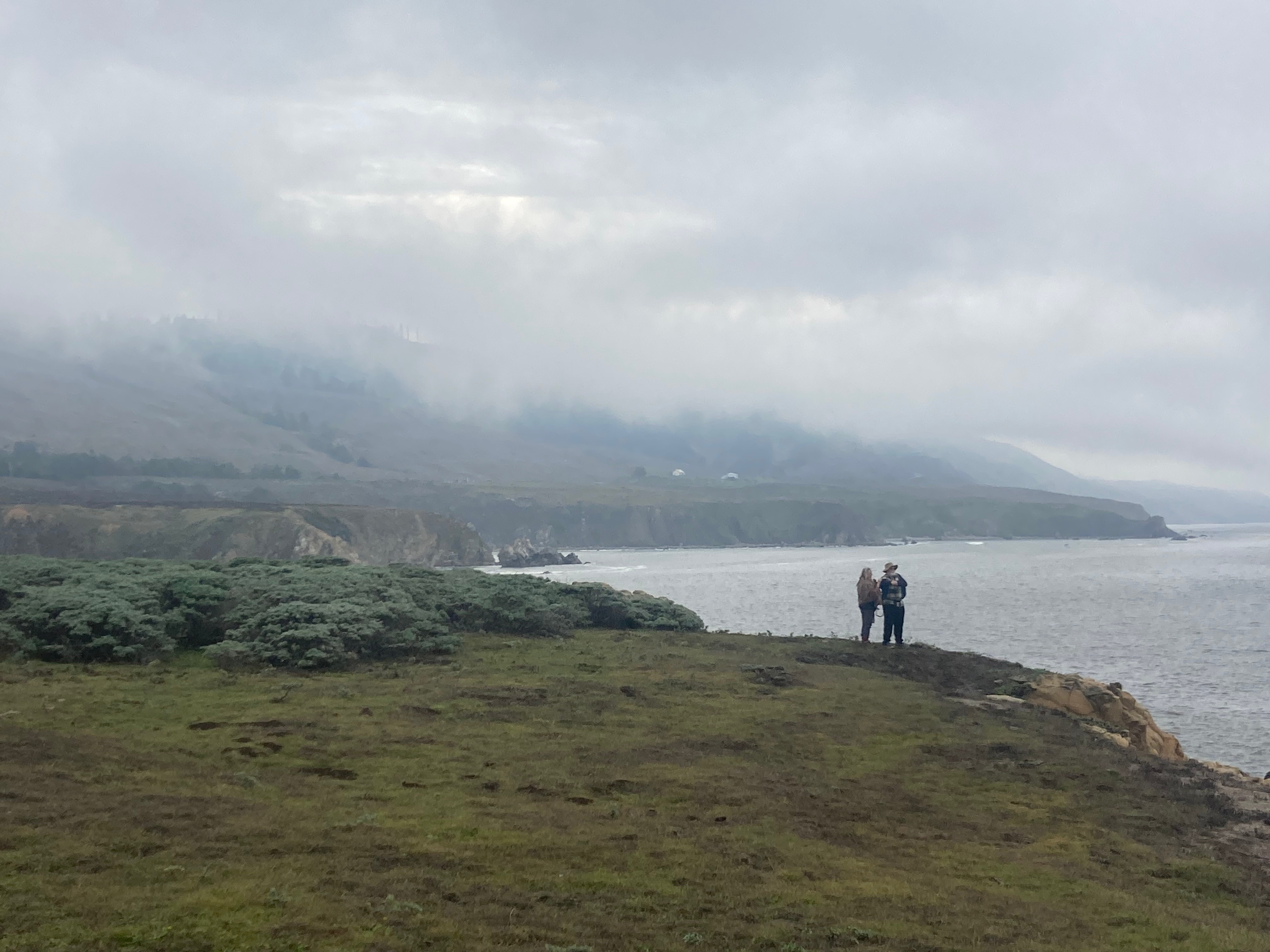
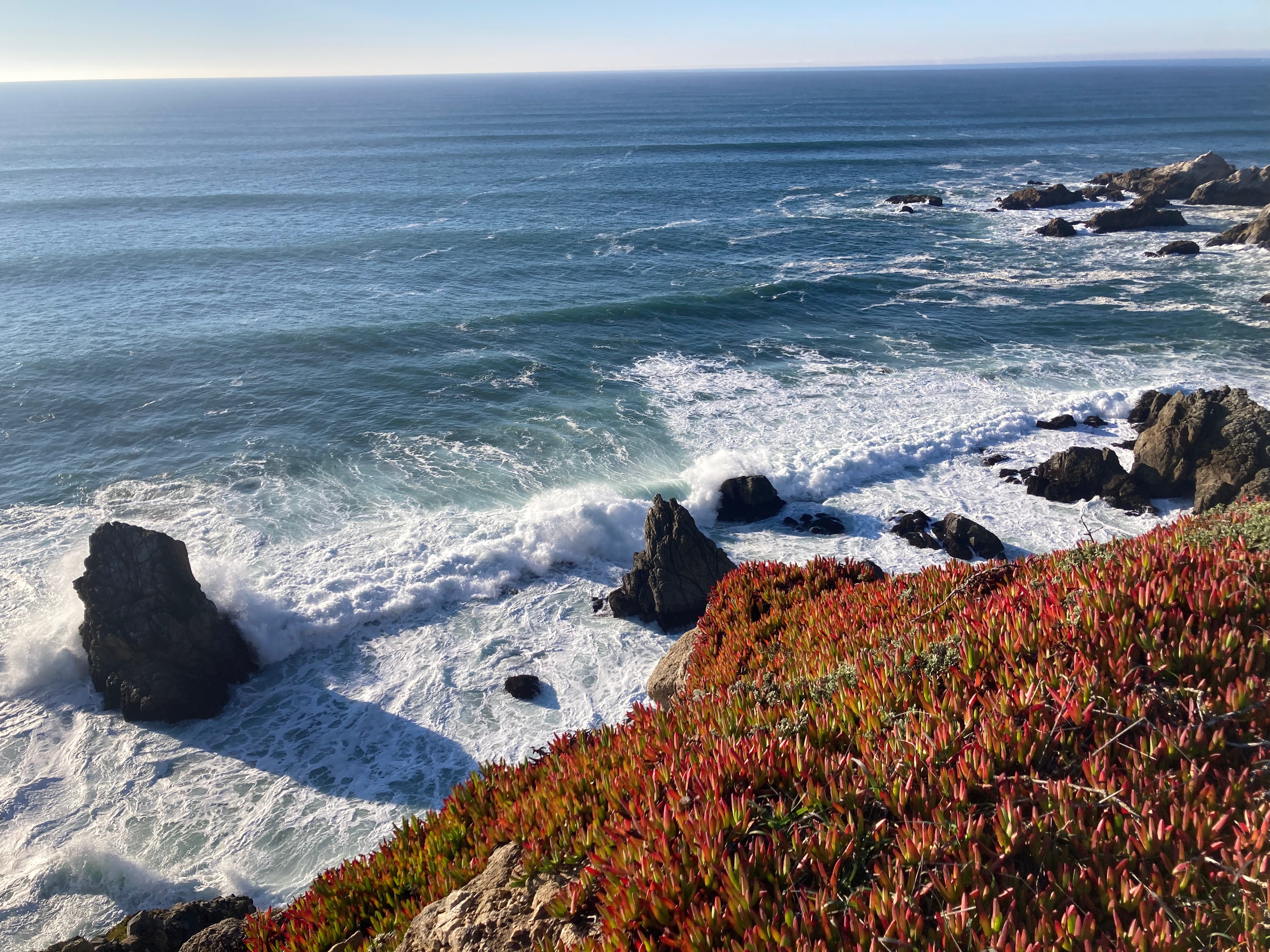
Today I was out wandering the coastal path along Bodega Bay here in Sonoma County. The sky was as blue as dream, the light clear as cut glass. My eyes stretched across the bay about 35 miles to the Point Reyes headlands while above me sea gulls careened through the air in drifts of white. I always look forward to visiting Bodega Bay to walk along the cliffs. It’s the landscape that convinced me I could move away from Santa Cruz County. Here in Sonoma County I could still be near sea and trees and beauty. My soul would be well.
Perhaps you, too, have landscapes that have spoken to you or fed your soul. I remember standing years ago on the red earth outside of Wheatland, Wyoming. I climbed up on a piece of red sandstone and looked far across dry horizontal landscape to the distant horizon. Not a person or building in sight. Dark clouds hovered above and it began to rain. Thick drops splatted hard against the stone and earth. Everything around me felt absolutely elemental. I thought of my mother whose hair was red like the earth around me, and how durable a person’s body and spirit would have to be to hold up in such an environment, how resilient. Standing there on that land I understood my mother in a way I had never had before.
When people settled the West in America, they plowed up about half of its native grasses, approximately 5.2 million acres in the Great Plains and effectively destroyed the soil, leading to the Dust Bowl. Our interactions as Emmanuel Vaughan-Lee states in his talk, “Enraptured with Earth,” “…union is the state in which the world really functions.” People in the past may not have understood the land they were living on, how it needed to be treated and whether or not it was capable of providing people with the nurturance and productivity settlers of the era sought. In our day, however, we have an abundance of information to help us understand what creates a healthy relationship with the environment. We know now that time spent in nature can improve our physical and mental health, as well as our thinking, creativity. This is encouraging and affirming news for human well-being.
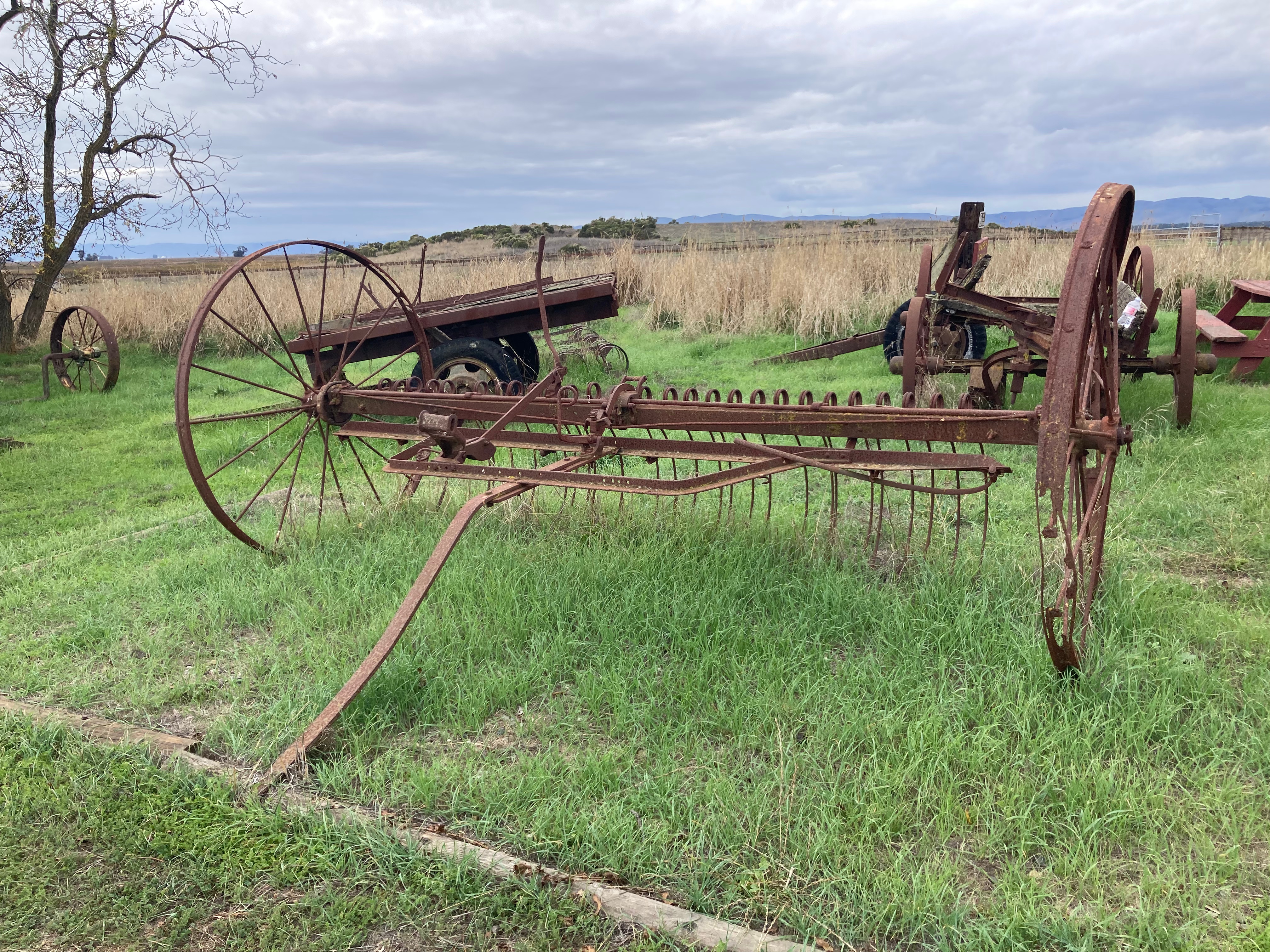
For the character Adah inStories We Didn’t Tellthe land is a steady friend that helps her endure through difficulties and trauma.
During Drought Beaver Creek, Weston, Wyoming Adah, 1908 (age 19)
Earth crackled underfoot, hot winds peeled the skin, crops shriveled and collapsed, banks floundered, farmers sold their livestock.
Some lost their farms, others their homes. Then, on the brink of famine at the end of a decade of drought, I was born.
The ghosts of the world that came before and what was coming next rose from the soil to the fever-weary air.
Parched earth’s despair eventually passed, but a new drought arrived when I got pregnant. Barely past childhood, I was living in one world,
then woke to realize I was living in another.
Arid wind evaporated my life, withered thoughts of any restful future.
Heat exhausts. Lack of water alters the mind. We need rain, streams, lakes. We need rivers’ soft arms to hold us.
I understood little about anything. Except thirst.
So, I went to the fields and meadows, days and months walking alone through wave-thick grass, green and gold pastures under gentle skies strewn with clouds. Flowing forth as if a spring, crested penstemon and desert buckbean grew out of cracks in rocks.
Shadows shifting and lifting in crests across the prairie, I journeyed into fields, the earth’s wordless voice entering slowly through my feet and eyes, seeping through the silence, whispering within the perseverance of its expansive presence that I was more than the hurt and harm I felt, larger than what had happened to me, and that like the earth, I, too, would find a way to endure.
I wish for you a relationship with the natural world that allows you to absorb through your eyes, or skin, or to feel beneath your feet the earth’s expansive presence. Even if your connection is simply attentively noticing the color of leaves through your morning window, the architecture of a tree’s branches in your neighborhood, or the weight of your cat resting on your lap, spend some time with the natural world. As you listen attentively over time to that connection, you’ll find how without words it speaks to you and works to support you, assists in allowing hurts or harms you may have experienced or are experiencing now to move through you. Like Adah, I hope you will find in that connection what you need to endure.
This coming Tuesday, 16 December, I’ll be giving a reading from Stories We Didn’t Tellon Zoom in connection with North Bay Poetics. I invite you to attend. The time listed below is Pacific Time.
(You can find the poem above, “During Drought” in Stories We Didn’t Tell, published by Shanti Arts.)
“History is not to shame you. It’s not to guilt you. It’s a part of what makes us who we are. The good, the bad, the ugly. Our nation is like a family—we have stuff that nobody wants to talk about, nobody wants to deal with. But the problem is as long as we keep burying it or try to take it out of the public conversation and take it out of the public square, then we can never heal.” —Dr. Wylin D. Wilson.
When I read Wilson’s above statement I couldn’t help but think about its connection to the stories my ancestors held but didn’t want to talk about either because it was too painful, they didn’t have the words to describe their experience, because there was no available container to safely hold such experiences, or a variety of other possible reasons. While I imagine what my ancestors may have wanted to say about their experiences in Stories We Didn’t Tell, I didn’t write the book without concern for how readers might receive the words. As Ursula K. LaGuin has stated, “Writers know words are their way towards truth and freedom, and so they use them with care, with thought, with fear, with delight. By using words well they strengthen their souls… And their words make the souls of their readers stronger, brighter, deeper.” Many of the stories in my new book are difficult ones. My hope is that through imagining ancestors’ voices, buried stories can be heard and a healing occur.
There are truths about life we wouldn’t know without the imagination ignited through books and through writing. Reading and writing are portals where we can enter into other worlds to commune with people and places we might not know otherwise, ways of thinking, being and living we’d find difficult to understand if we’d not taken that journey as a reader or writer. Imaginatively stepping into the circumstances of my characters’ lives in my book and the historical circumstances they lived in allowed me to understand with greater depth the kinds of challenges my ancestors faced and especially how certain social structures functioned in oppressive ways for women in the past century. Walter Brueggemann writes, “You can’t make nice with injustice. This requires fierce, brave confrontation–which is difficult for those taught to be nice.” I was taught to be nice. But I want to live in ways that enable both myself and those I interact with to live into greater wholeness. I’m realizing that sometimes growing into greater wholeness means recognizing when it’s the right time to be brave, and when the situation requires me, to be fierce.
One of the reviewers for my book wrote thatStories We Didn’t Tell“is full of characters who are brave, resilient, and flawed.” I appreciate that comment because aren’t we all flawed? I hope for the book to honor both people’s struggles as well as strengthen readers who might identify with the challenges characters in the book face. In exploring the book’s themes, I’ve sensed my own need to be brave in facing up to some of the things I became aware of in my country’s history and in the past of those who came before me.
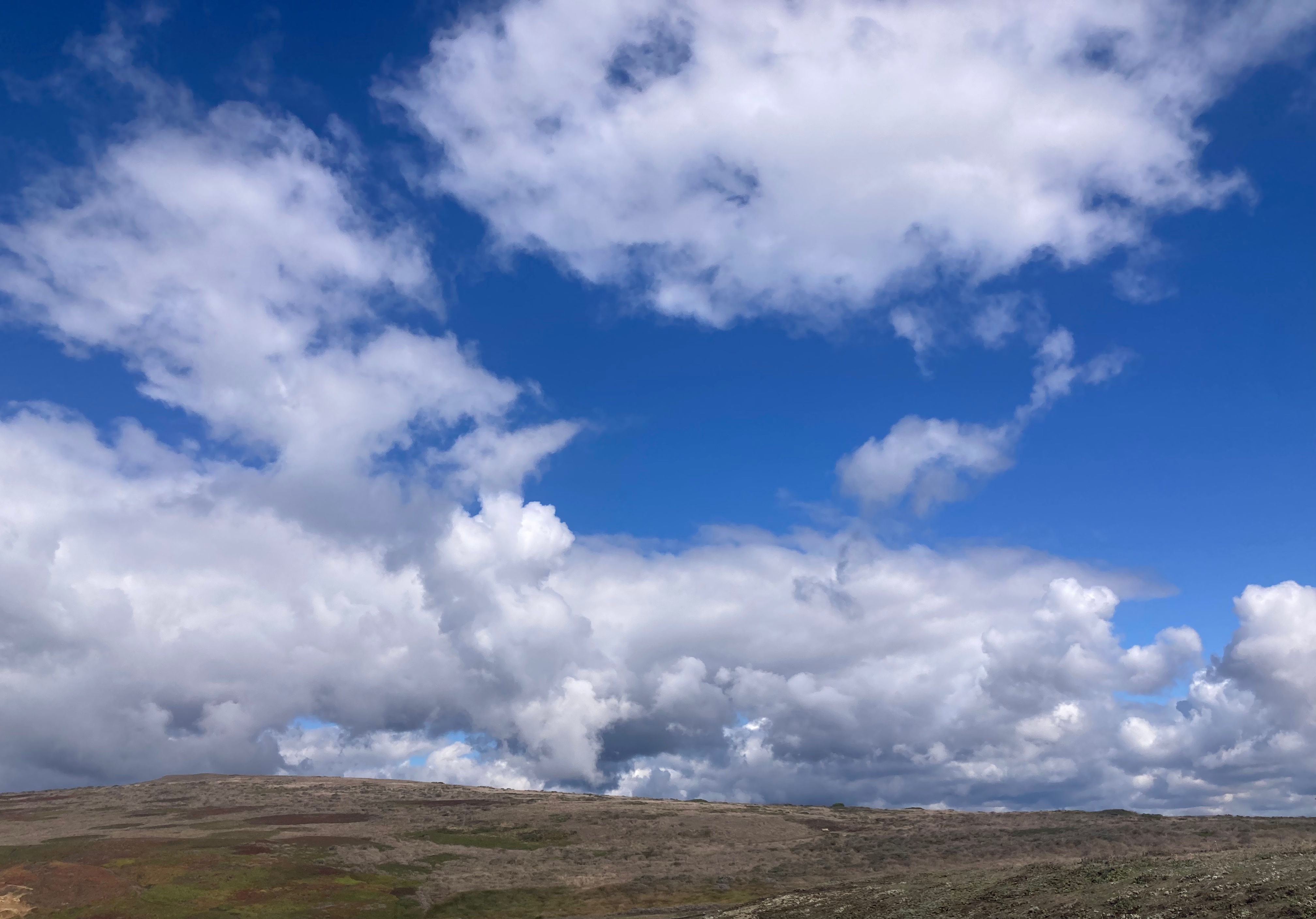
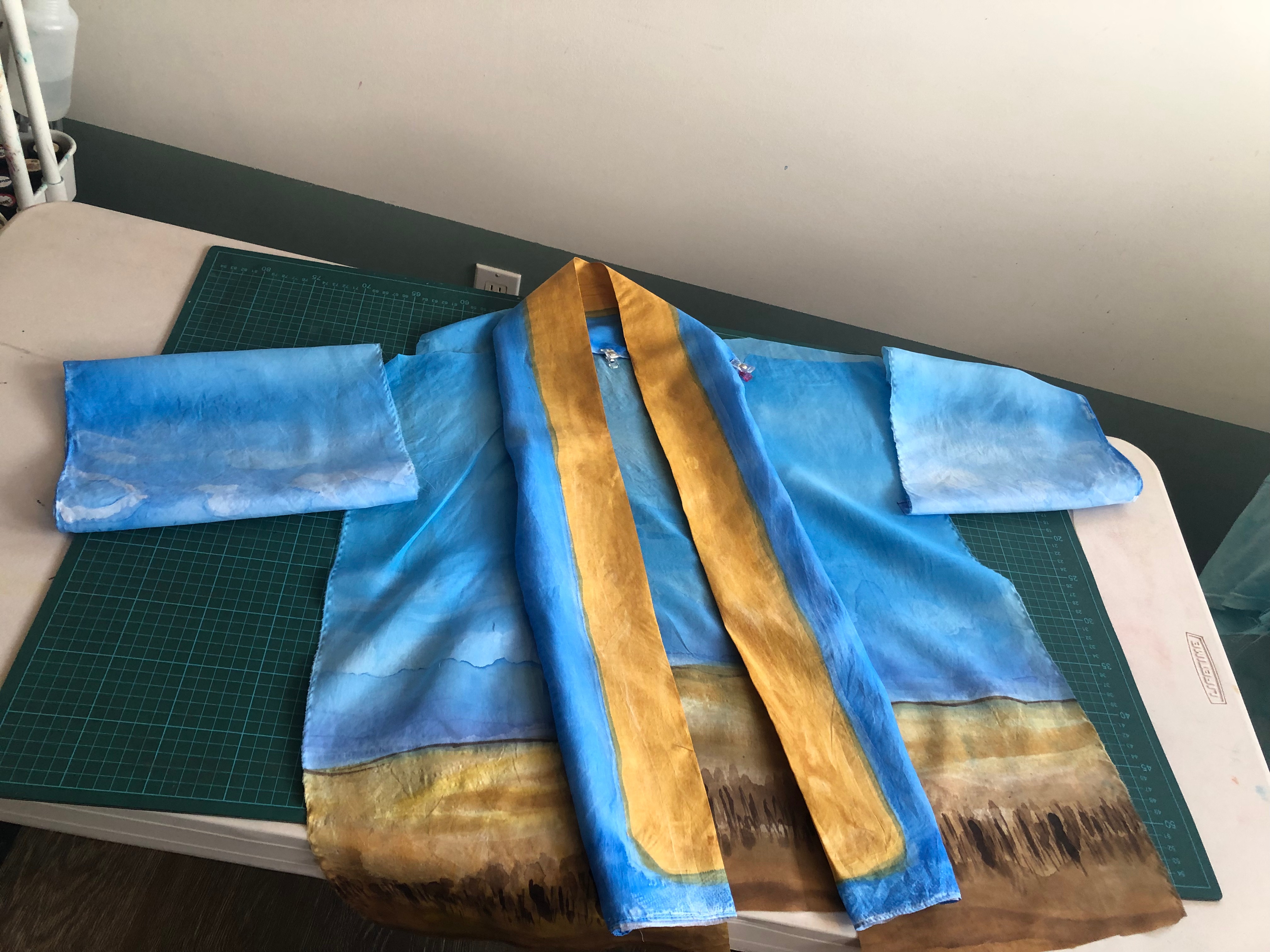
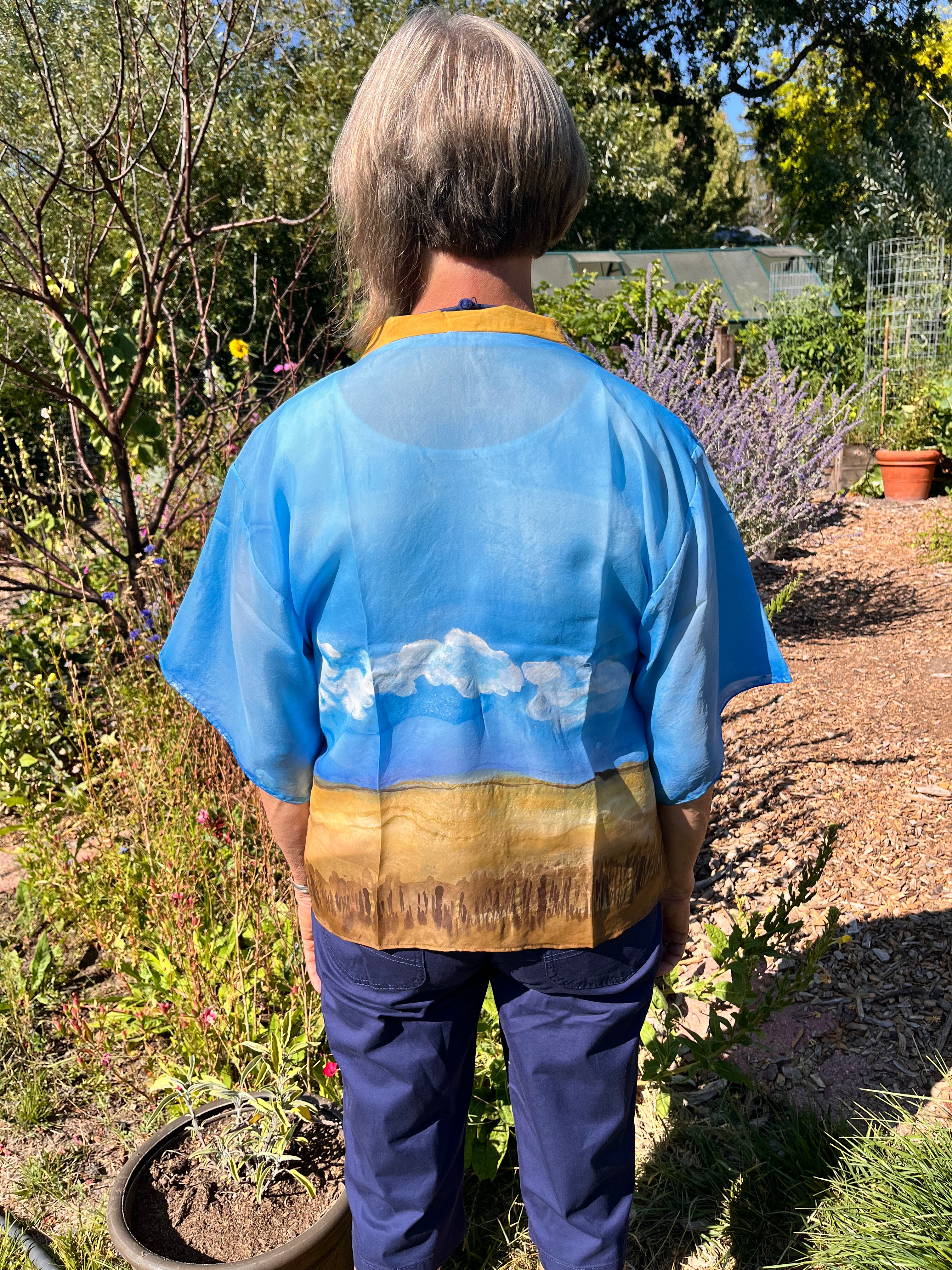
Writing a book requires serious and sustained effort. Birthing it into the world asks for an entirely different set of skills. Like my book’s character, Adah, who asked her sister to sew her a dress that ended up changing her life, I asked my friend Ann Pervinkler, of AnnsSilksofHawaii, if she would sew a kimono-type top for me and paint my book cover on it. Enfolded in an image of the book’s landscape, and enveloped in the silk of her friendship and care, I believed I could summon what I needed to introduce the book to audiences and give it the opportunity to speak.
“My art is a combo of skill, silk painting fun, and letting go. I’ve been sewing since childhood. Fiber arts since 1970,” Ann tells me. Below is her process for the kimono she made for me.
I’ve wanted to write the story contained in Stories We Didn’t Tell for decades. What an enormous gift of generosity it is to have a friend’s help in the effort to step more fully into my own becoming. Opening the package Ann sent the kimono in, I pulled away layer by layer the delicate tissue she’d wrapped it in, saw her husband’s colorful photo of a spring tree she’d enclosed with it, and lifted it’s cloud-like essence. What beauty her hands had made!
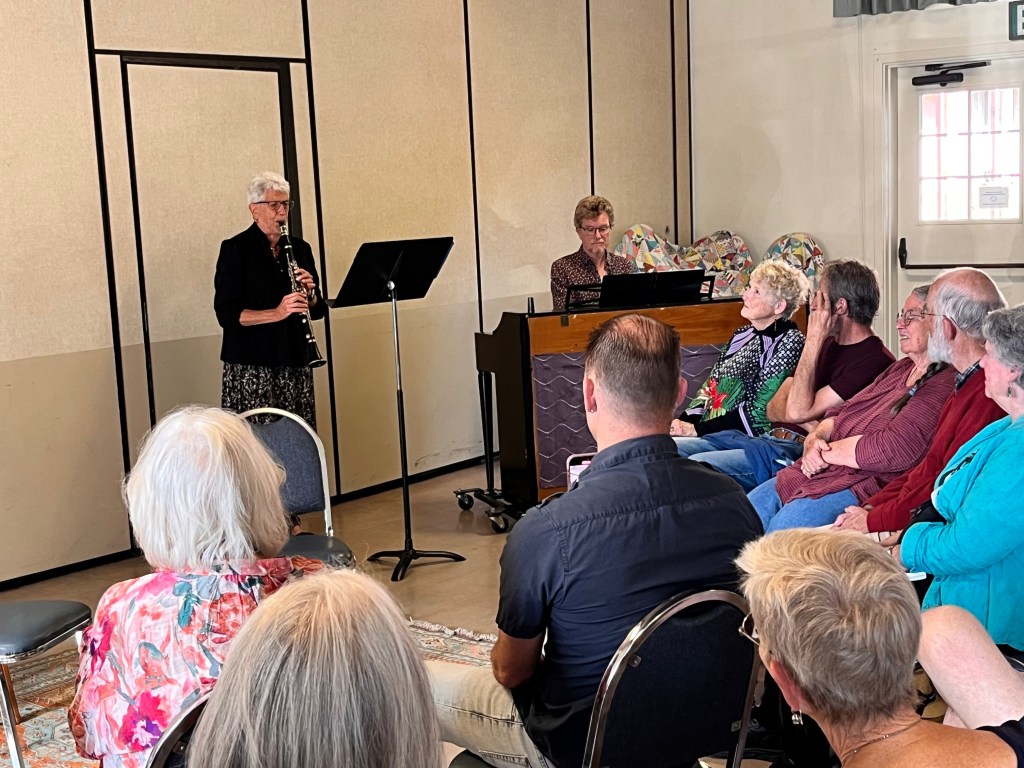
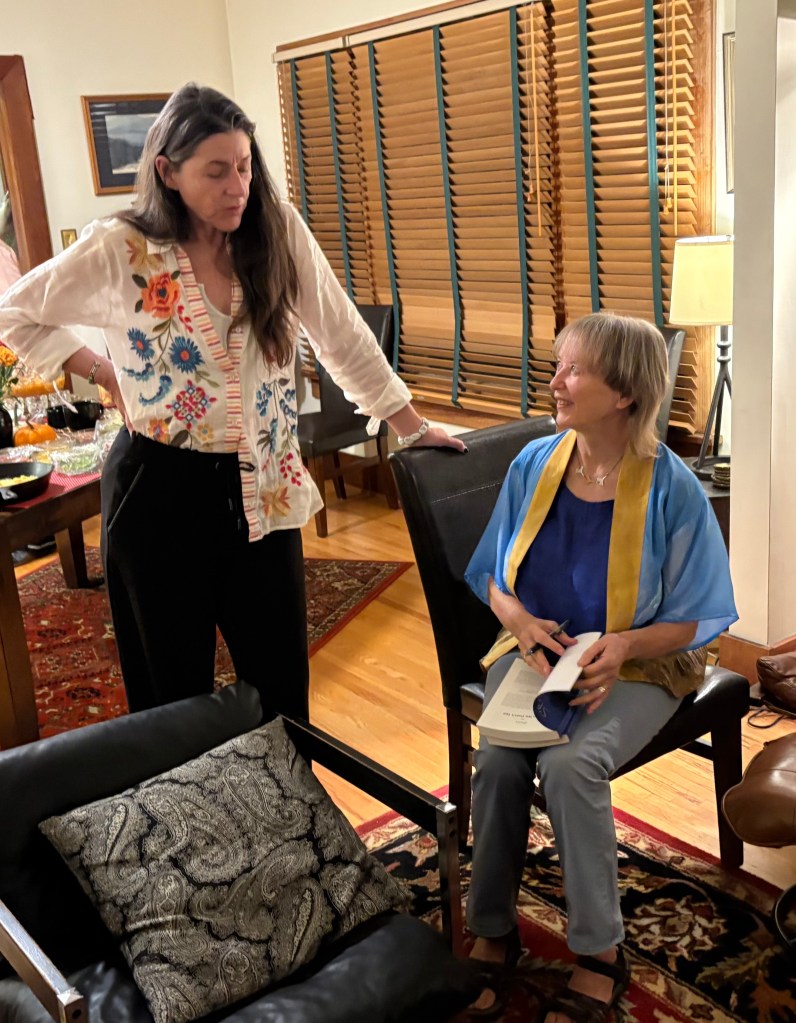
I wore the kimono for my book launch in Sebastopol, California, as well as to the reading I had a few days later in Fort Collins, Colorado, and felt wrapped in the support of not only of my friend Ann, but so many others on my writing journey. From my husband Michael’s many hours of listening to my poems in their draft form, to those who read portions of the manuscript, friends playing music at the book’s launch, and my friends the Fraziers generously opening their home and inviting friends over for a reading, my publisher’s belief in the manuscript at Shanti Arts Publishing in Brunswick, Maine, as well as my many teachers, publishers, fellow writers and readers over the years, and countless other people’s supportive efforts on my behalf, it’s very clear to me that though I might have my name on the cover, the book is but a thread in a long fabric of people’s nurturing effort and attention to my life that has allowed this book to become a reality. Ann’s generous gift to me of the kimono is a symbol of all those who have stood by me and affirmed me through the years in my effort to find a few well-considered words to say something that might add to the good of people’s lives. Thank you to all of you who take the time to read what I write.
We are meant to transform. Our flawed and incomplete selves can learn from those who bravely stepped toward creating a different future. Because we’ve lived through experiences of hurt, have known harm, been pushed aside, or discredited, because we know grief and loss, we can recognize in someone else the bravery it takes to step beyond boundaries we’ve been given or assigned ourselves to. This is what happens when my character Adah learns about the news in the town she came from in the following poem from Stories We Didn’t Tell.
LISTENING LONG AND FAR Mesa, Arizona, 1957 Adah, age 68
I was doing laundry, scrubbing stains from last night’s napkins when Litton came in with news from Arkansas, “Governor Orval Faubus surrounded Little Rock’s Central High School with the National Guard.” Litton opened the paper and read, “Soldiers, armed with rifles and carbines, turned back nine Negro students.”
I put down the napkins and took up the paper showing Elizabeth Eckford in her crisp, clean clothes walking away from the crowd that pushed her along, and the girl behind her with the scrunched-up vinegar face, bared teeth, and lips curled into a snarl. That girl’s warped face pierced me.
I looked up from the paper to gaze through the window remembering cactus’ sharp spines, how I once accidentally backed into one and it took a pair of pliers to remove its barb.
The steadfast set of Elizabeth’s face is what sticks with me most, the small furrow in her brow above her dark glasses, her head tilted slightly down, watching where she’s going.
I don’t know Elizabeth’s story, but recognize the look of a woman silently holding herself together beneath what can’t be said.
It’s not just today’s angry crowd that girl suffers from. She’s moving into history’s windstorm when trying to enter that school— a cyclone, a hurricane, a blowing over of the million little rocks men mortared together and are used to standing on.
People can demand control, bring out their armed guards, their tractors and chemicals, make the world we live in a giant factory, can process people through a convoluted system. They can storm and shout, show up as vigilante crowds with their curses, guns and rope.
But people like Elizabeth don’t do things solely to keep their days happy. They do things because beneath a desert’s angry heat and the rigid rock weight of hard-hearted rules, life begs to break through and rise from dry soil with the surprise of color from land believed to be barren.
How she’s able to walk through the crowd’s mass of churning ire, I don’t know, except that her vision must be as expansive as the sky, clear as the water that streamed from the rock Moses struck to slake the thirst of multitudes.
I’ve traveled into the desert here outside Mesa where I now live, sat on a slab of sandstone and listened long and far to the land’s deep silence.
The sky’s expansive blue settles over me. A wordless voice drifts down gentle as a feather— says Earth is borderless belongs to itself. Holds everyone.
I’m old, worn as a sandstone slab. Don’t have Elizabeth’s courage to walk through doors I’ve never entered, but ache for the strength of a spring desert flower to stand like Elizabeth, the open petals of her humanity set on absorbing the warmth of the day’s full sun.
I hope you’ll read Stories We Didn’t Tell and that in its pages you’ll discover more of how you want to step into the day’s full sun of your own story.
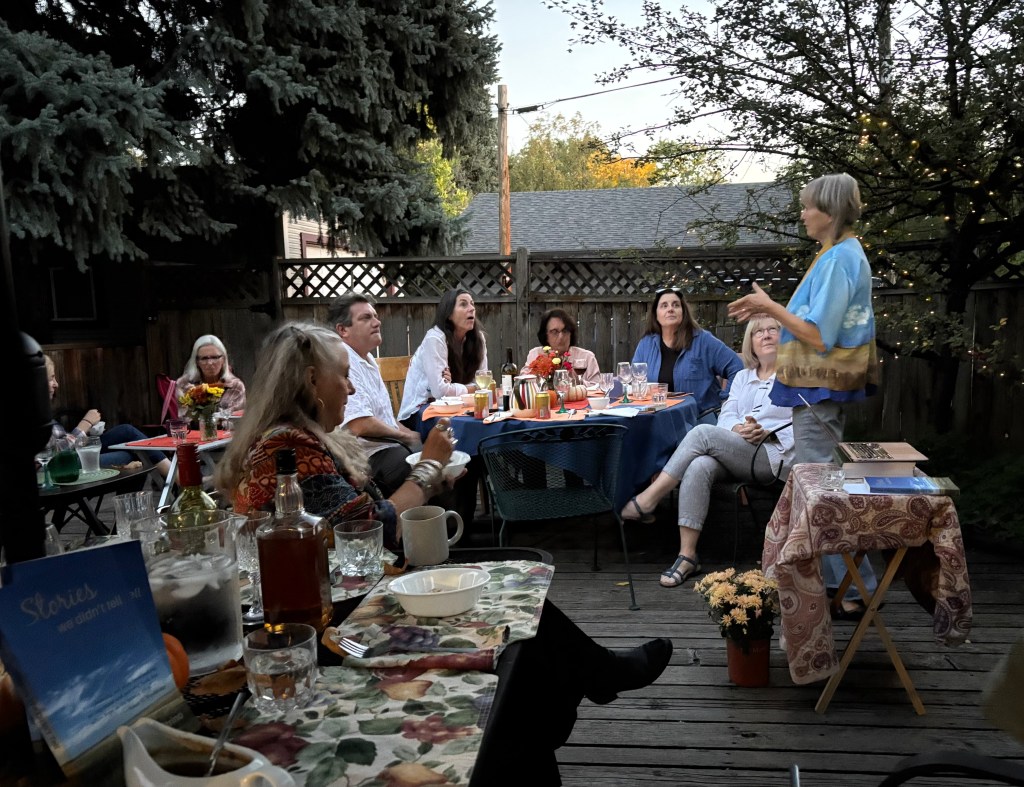
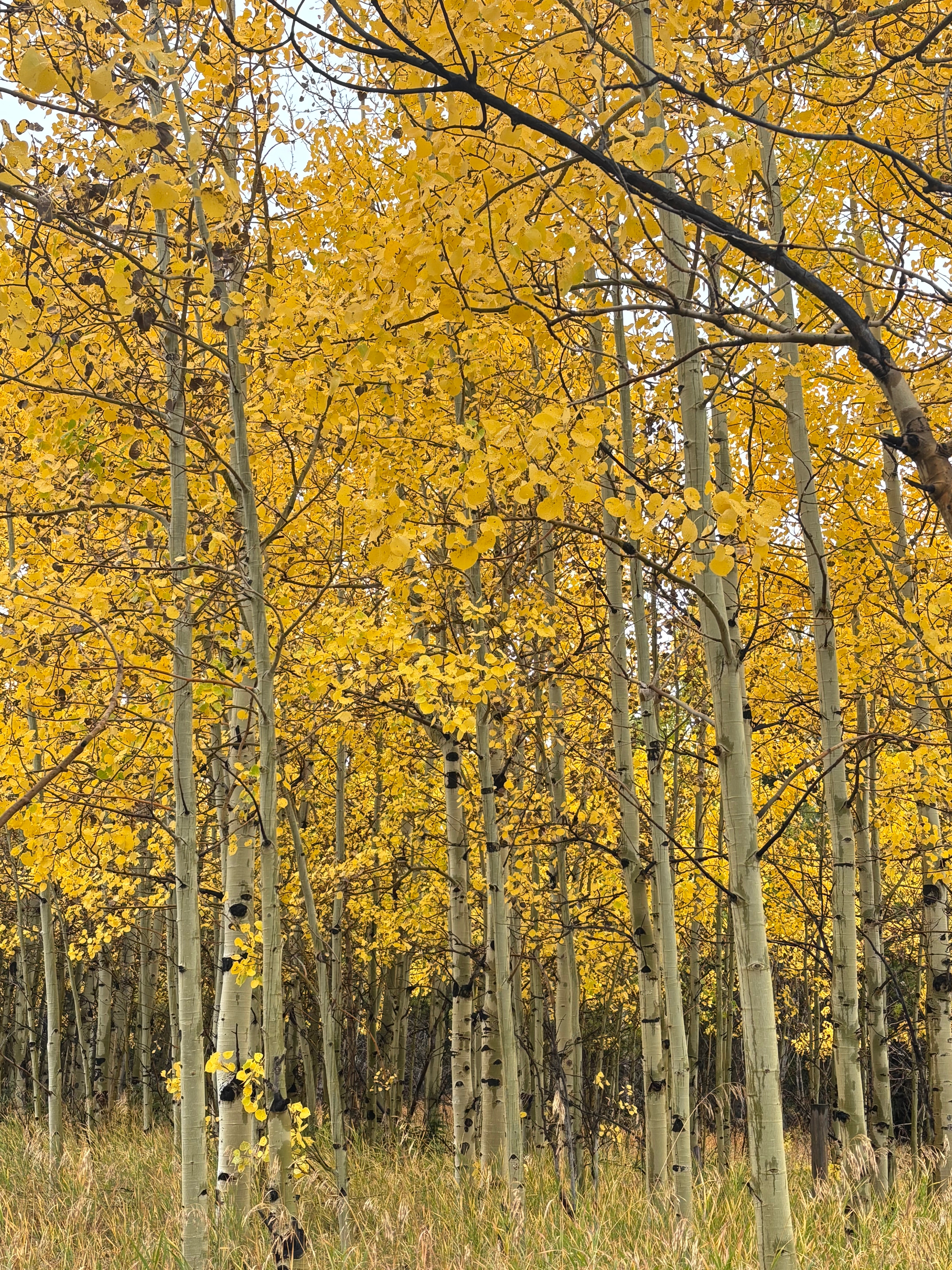
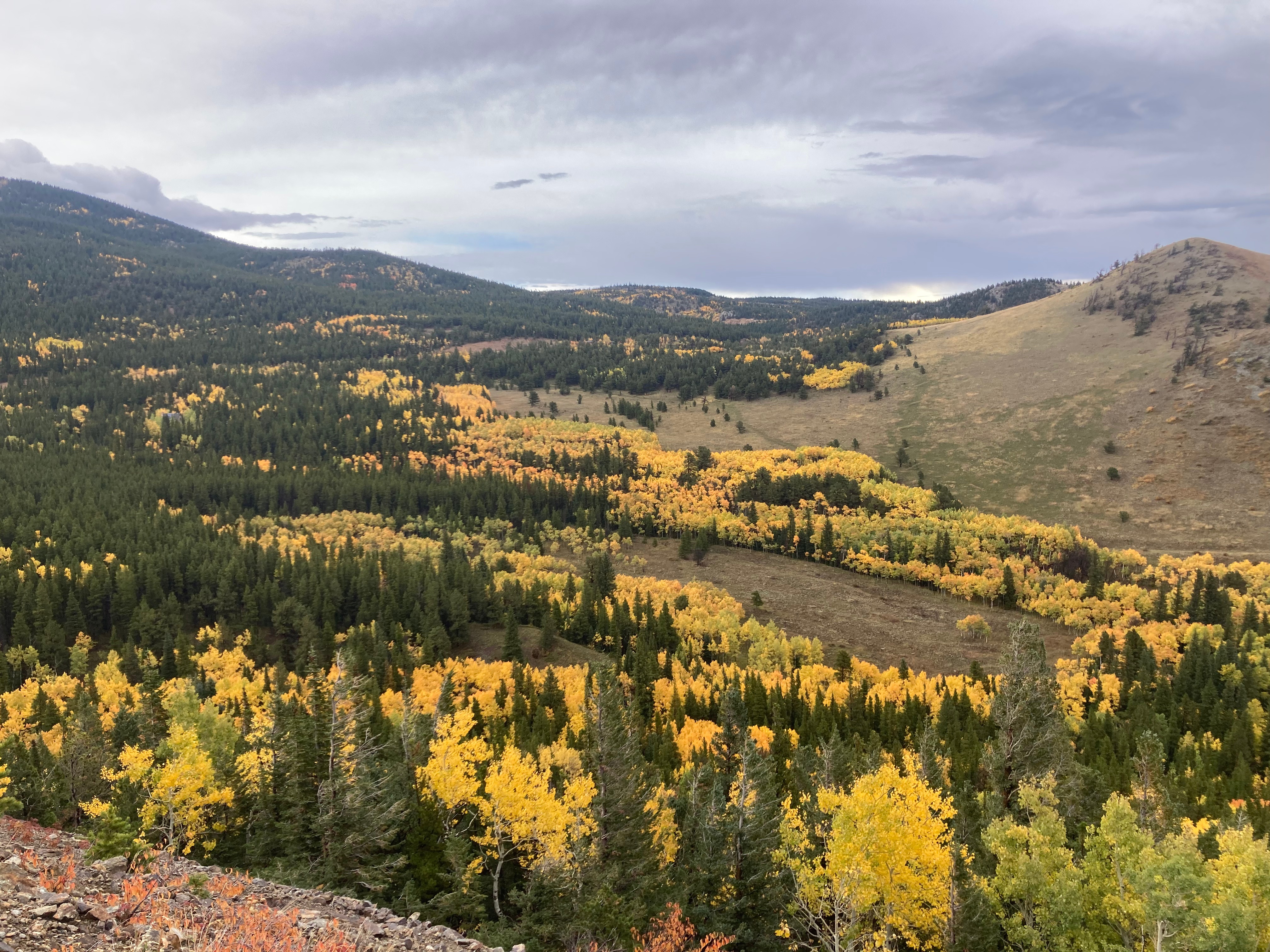
Recently, I visited Colorado where I gave a reading in friends’ backyard from my recently published book, Stories We Didn’t Tell. Leaving Denver’s airport, my friend drove me through the mountains where we viewed the aspen quilting the hillsides in gold between patches of green. Walking amongst the aspen, I felt I was wandering inside the glittering gold of a Klimt painting. Such astonishment of color! What life autumn brings. Clouds filled the sky as we drove and lighting let loose its ecstatic bolts of electricity, but the hills overflowed with vibrant yellow, leaves fluttering and swiveling in the brisk air. What a gift to be alive.
I’m grateful to live near trees. As I write, I look across an empty field. At the far end rests a line of redwoods. My great aunt, the central character in my new book, was raised on the prairies with its ocean of grass. Like her, I didn’t grow up with trees, but am grateful for their presence. Daily, they add beauty to my life. Landscapes shape our way of seeing the world. A walk in the woods can literally affect our sense of happiness, health, and wellbeing.
September 29 would have been my great aunt’s 135 birthday. Here’s a piece from Stories We Didn’t Tell in honor of her.
THE TREES North Little Rock, Arkansas, 1946 Adah, age 57
A short time ago this town held four thousand German prisoners of war. Things are calmer now, thankfully, so this morning Litton and I drove around Little Rock to explore Autumn.
Sweet gums at the capitol dressed themselves in topaz and copper. Maples on riverbanks huddled together beneath red and amber blankets. Up north, oaks wore suits of rust.
The cold that brings these gifts of color is a sign the trees soon will lose all they hold. Seems I should feel sorrow standing beneath their branches, knowing their loss grows daily, but the War is over, and it’s my birthday. Mostly, I feel embraced.
I’m a woman of the prairies and open skies. When I speak, my accent tells the story: I’m an outsider here. Sugar maples, hickory, dogwood, and gum— trees in general are foreign to me. My history is from a different world, one made of grass.
Life here has comforts I enjoy. Same as for others who live nearby, Litton and I have electricity, indoor toilets, heat, a toaster, refrigerator, and a radio. Now and then, though, I take off my shoes, walk barefoot to remember what it feels like.
Every place has something important it wants to tell us. In spring, Little Rock’s magnolias lift their flowers like cups to gather the afternoon’s blue, and redbuds grow blossoms on their trunks. In fall we ride roads curling through trees aflame with brilliant color. Still, sometimes I wish to hear the fields of prairie grass sigh when the wind moves through. I long for its voice whispering in my ear.
Arkansas isn’t my forever home, but likely I’ll miss people’s accents, sweet tea, and the city’s abundant trees when I leave.
All of us in the family, including Mama, Father, their parents and great grandparents too—everyone left the land they were born on, and I have too. Don’t know if I’ll ever return to Nebraska or will want to. For now, I carry my home with me, choose the parts to keep.
Today I stood beside the river in the afternoon’s gold light, opened my arms to a maple’s leafy blaze, and made my birthday wish: to be like these trees— the way they allow their beauty to burn and burn and yet don’t die, even after losing all that allowed them to live into their fullness, even as every colorful leaf drifts down to earth.
May this autumn season bring you beauty, a deep sense of wellbeing, and an awareness life’s fullness meeting you as you savor color wherever you meet it.
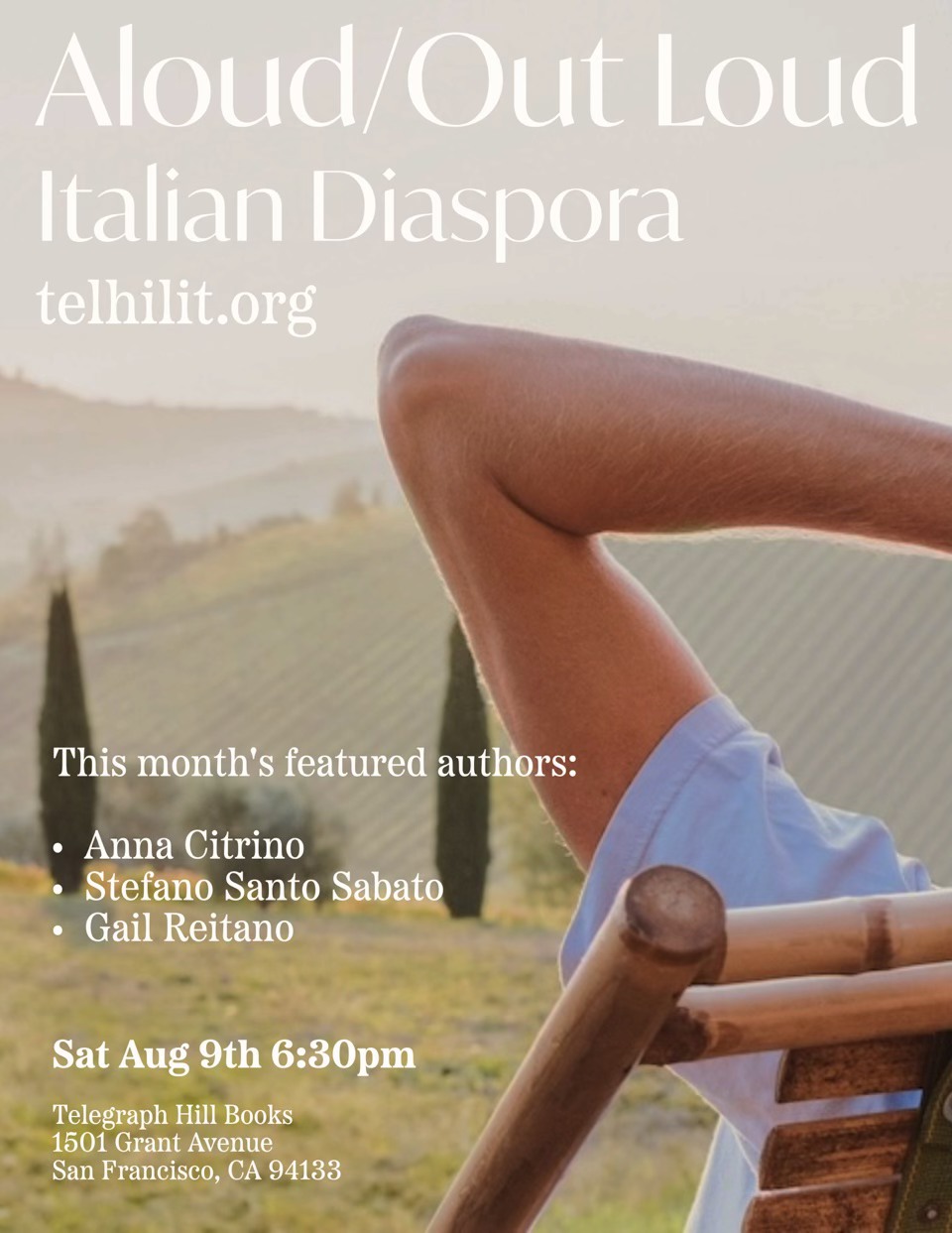
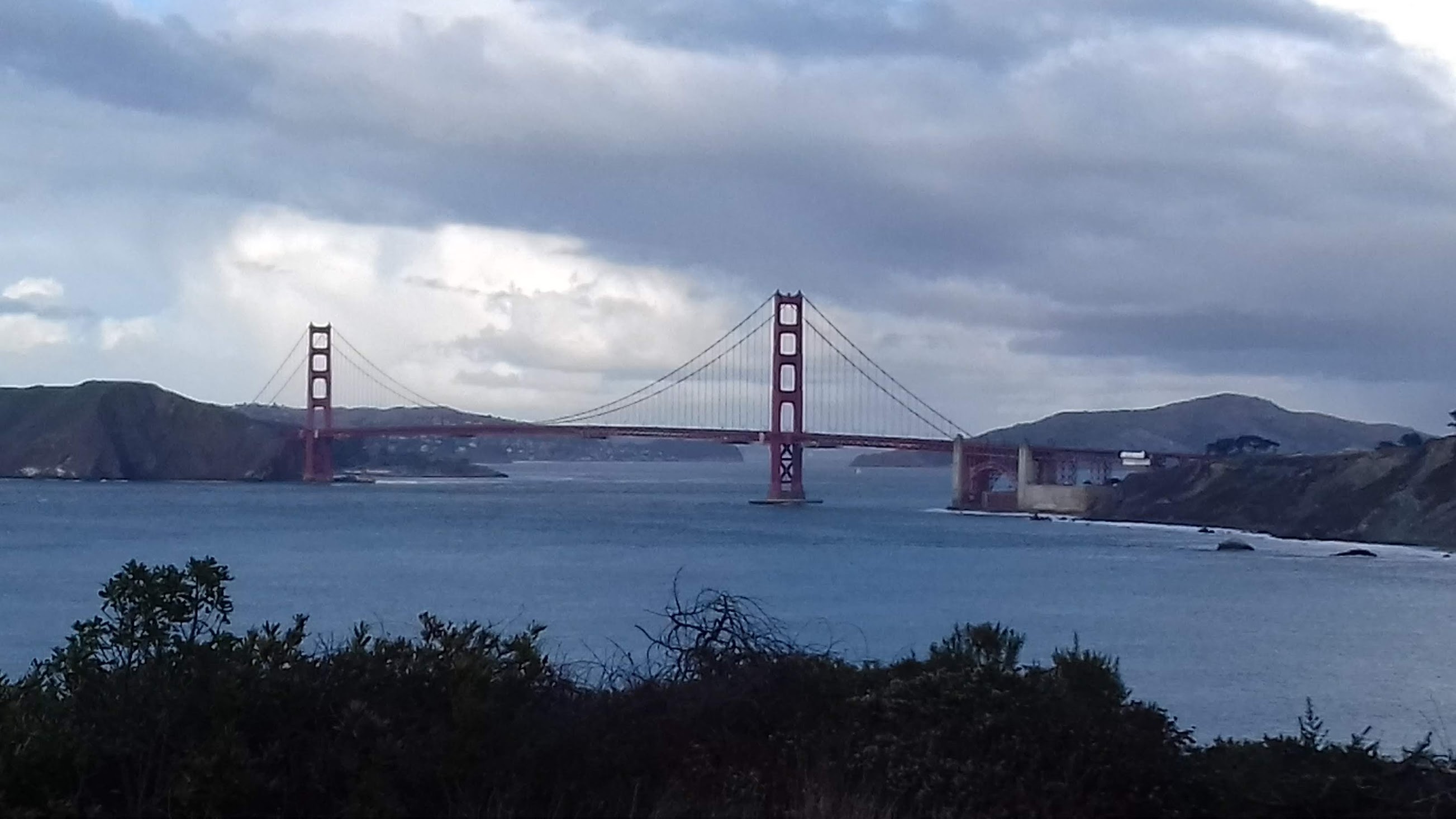
Making a home while living between worlds can fulfill dreams. It can also cost you your life. Enter San Francisco’s turn of the century world through the eyes of an immigrant Italian family as they cope with complex challenges to their traditional way of life during a time of speakeasies, government corruption, natural disaster, the opening of the Golden Gate, and neighbors being sent to internment camps. For those of you in the San Francisco Bay Area, I will be reading poems from A Space Between, a story in narrative poetry showing an Italian family’s decision to leave Calabria and move to the US, and their challenges after their arrival. If you live in the San Francisco Bay area, I hope you can attend.
As a bit of background, the late 1800’s and early 1900’s was an era of populist politics and political bosses were a central part of the political setting. People from widely diverse backgrounds were living together without shared sense of community, common history or articulated shared beliefs and values. Political bosses rose in urban settings such as San Francisco. They manipulated voting, and were not opposed to using bribes or violence, and used people’s tight connection to their national origins to their own advantage to gain wealth and power. People flocked to the San Francisco after gold was discovered in 1848. Before the earthquake and fire of 1906, San Francisco was the center of industry on the West Coast and also one of the largest centers of population.
The hardships and challenges immigrants faced in the world they entered a century ago is similar to those people are facing today as the poem from A Space Between below illustrates.
GAETANO’S VIEW OF PROTECTION
With five bambini and a wife to care for, I’ve cut more than corners to own my barber shops. I saved for years
to bring Luisa from Calabria. Worked hard after the quake when people needed an extra hand to help rebuild. This city
is home now. I don’t need any papers to become American, didn’t want to crouch in a trench during the War to prove it.
Luisa, the children, they needed me more than the government. I’ve got friends, attend mass.
I don’t want to pay any protection people. The men keep coming by asking for their dues. Sure, I’m Italian,
and every Italian doing business owes them. You can’t stand alone, but those guys are crooks—gun running loan sharks,
gambling on the money they take from me to run their business. They’re the ones I need protection from.
When Schmitz was mayor, boss Ruef demanded bribes from businesses. Now that Ruef is in jail and Rolph is mayor, the new crime kings,
the McDonough brothers, run the police department with bribes. The bosses crave their cut.
“One way or another, you’ll pay,” my cousin Amadeo reminds me. “It may be America, but earthquakes come. Storms.
You need protection.” It might be prohibition, but San Francisco isn’t dry. Irish, German, genovese or calabrese, for us, alcohol
isn’t evil. Back in 1906, Italians helped put out the Great Fire with the wine they’d made in their basements.
The government disregards its own rules, though. Prisons fill with those who drink while gangsters gain
from politicians who want their alcohol. Politicians’ power— it’s a big show. They buy people like objects, play them
for what they can get or get away with. Mayor Rolph invents stories for the press, makes money
from the prostitution house he owns. I’ve given what I’ve had to to keep the business going.
My second shop on Market Street is doing well. The bosses don’t like it. I pay the rent,
but they want more. Prohibition has made them greedy. Things aren’t simple.
I don’t need to be handed a Mano Nera letter from the Black Hand to feel the threat of harm.
I don’t fit with the Irish, can’t compete with the bail bond king, McDonnough, his police and politician friends.
I’m not blind. Winds rising off the ocean can turn. Gangsters might chase me down, wait for me
in some hidden hole, but I’m creating a future for my children. Call me a hard-headed
testa dura calabrese, but isn’t this America? I came to work. Let me do it.
Life is hard. In Italy, our firstborn fell from a chair and died.
Every healthy man suffers. Food, family, home. I’m not asking more than this for the work I do.
I’m a barber. I know what to cut and where. Let me have what’s mine.
I stuff today’s earnings in my pocket, shut the shop, step into the damp and dark. It’s December 5,
St. Nicholas eve. Nicholas, he knew about protection. He was a real Godfather. He dropped those sacks of gold
down the chimney for that family so the parents wouldn’t have to sell their children into slavery.
I’ll stop at the Shamrock Saloon like I was asked, have a drink. Got to keep friends on every side.
Southern Italian immigrants were skeptical of government because they had often been overlooked or mistreated by the various countries and governments that had occupied the land that had little consideration for its inhabitants. This past history encouraged a generalized distrust of government authority, leading to Gaetano’s reasoning of not needing to go through the paperwork to become an American citizen. People who came to the US at the turn of the last century weren’t required to become US citizens to live and work here. It wasn’t until 1978 that an amendment to the Immigration and Nationality Act of 1952 that it was unlawful to leave or enter the United States without a passport.
Leaving one’s country to move to a place you’ve never seen and enter a life with an uncertain future is a hugely difficult decision in any time period, including today. Immigrants from the past century helped build the America we live in today, despite the difficulties they faced.
Public concern and fears of the previous century about immigrants hasn’t gone away, however. On July 1, the US Senate passed a bill that increases the Immigration and Customs Enforcement’s budget threefold, a 265 percent annual budget increase, “the largest investment in detention and deportation in U.S. history,” according to the American Immigration Council, even though “In 2022, people without a documented status paid an estimated $25.7 billion in Social Security taxes. And a 2013 report by the Social Security actuaries concluded that earnings from immigrants without a documented status have a net positive effect on the Social Security trust fund, finding that they contributed a net $12 billion into the Social Security trust fund in 2010.”
US immigration policy has not had a major update for current social and economic realities since 1990. The immigration system we function under today in the US was never built for asylum. Instead of addressing the need to update the system, the U.S. Refugee Admissions Program has been suspended, and asylum seekers are being turned away. Additionally, backlogged cases can take years to move through the system, in part because there aren’t enough people working on the cases. The current US immigration system needs adequate funding so it can process people’s paperwork at the border in a timely manner and prevent delays in obtaining a visa.
Italian immigrants made significant contributions to the US in service, agriculture, construction and fishing industries. They cut stones for many of San Francisco’s buildings and laid the cobblestones the city’s streets. You may recognize some of Italian American’s other contributions: Actors/film producers: Frank Capra, Jimmy Durante, Rudolph Valentino. Artists: Attilio Piccirilli, with his five brothers: carved the Lincoln Memorial, Roger Morigi & Vincent Palumbo: carved the sculptures at the Washington National Cathedral. Joseph Barbera, cartoon artist. Inventor: Frank Zamboni—ice resurfacer. Singers: Enrico Caruso, Luisa Tettrazzini, Mario Lanza, Perry Como, Tony Bennett, Connie Francis, Frank Sinatra composer Henry Mancini, Nick La Rocca first jazz recording. Sports: Joe DiMaggio: baseball player, Rocky Marciano, boxer, Mario Andretti, car racing. Government: Angelo Rossi, Samuel Alioto. Workers: Carlo Tresca, labor organizer, Rose Bonavita: “Rosie the Riviter” Writers: Lawrence Ferlinghetti, Maria Mazziotti Gillan, Diane DiPrima. Businesses: Amadeo Giannini: founded Bank of Italy–became the Bank of America, Barnes & Noble,Chef Boyardee (Ettore Boiardi), Ghirardelli chocolate, Gallo, Italian Swiss Colony, Jacuzzi, RobertMondavi vineyards, Tropicana.
Like citizens of any particular country, immigrants want to provide for themselves and their families, but they also significantly benefit the places they live. When looking through just the economic lens, immigrants today contribute billions to the US economy. According to the American Immigration Council, “In 2023, immigrant households paid over $167 billion in rent in the housing market, and held over $6.6 trillion in housing wealth” among other significant contributions. As in the previous century, immigrants’ skills, cultural gifts, and offerings add exponentially to American cultural richness and life as well. (You can read more about the impact of immigration on the US and the many other ways immigrants benefit the US here.)
Years ago, I attended the Flight of the Mind writing workshop at a retreat center on the McKenzie River outside of Eugene, Oregon where Lucille Clifton was my workshop leader. Her statement of how poetry humanizes us has come back to me many times over the years. Now, as much as ever, we need to embrace those thoughts, practices, and actions that humanize us and bring us to a recognition of our mutual interdependence on each other.
None of us has all the skills or time needed to completely provide for even our basic physical needs of water, food, clothing, shelter and transportation. We need each other. My hope is that when reading A Space Between people will gain greater insight into the challenges immigrants face, that the book will open hearts and minds to see themselves in their neighbor’s faces.
Overview of San Francisco
In his statement about the book, Nicholas Samaras wrote, “A Space Between” is a massive, ambitious effort of epic proportions that rewards with its interweavings of history, consequence, heritage and legacy. How heartening it is to witness in these poems the resonance through generations of immigration and sacrifice to provide for living, surviving, prospering. As the author smartly observes in her tight oxymoron, “Light hauls its weight from stone to stone,” it is refreshing to see forward in appreciation by looking back into the past that never leaves us.”
If you live in the San Francisco Bay Area, I hope you will come to the August 9 reading at 6:30 pm at Telegraph Hill Books, 1501 Grant Avenue, San Francisco, CA. Register online here to reserve your space. If you can’t make it to the reading, I hope you will read the book.
“Imagination is more important than knowledge. For knowledge is limited to all we now know and understand, while imagination embraces the entire world, and all there ever will be to know and understand.”—Albert Einstein
Fascinated by their colors, shapes and textures, my attraction to the mineral world began as a child. My family lived in a house where the driveway’s earth contained an abundance of mica. I loved its sparkle, the glints of light shining up from the ground and found it wondrous. “It’s fools gold my older siblings informed me,” as if to explain away its marvel. But I went on finding it magical. Real gold, wouldn’t have made it more fantastic. In my five year old eyes, the glints in the sand were marvel enough as they were.
Throughout my life I’ve loved looking for stones that call to me to notice them. I scanned the landscape for rock crystals in the Saudi desert, searched the ground for amethyst in Thunder Bay, Canada, and hunted for rose quartz on my grandmother’s property in South Dakota’s Black Hills. The gift of rock salt from Colombia and pebbles from the beach in the town in Calabria, Italy where family ancestors were born, these are precious treasures connected to a larger story reaching far back through time.
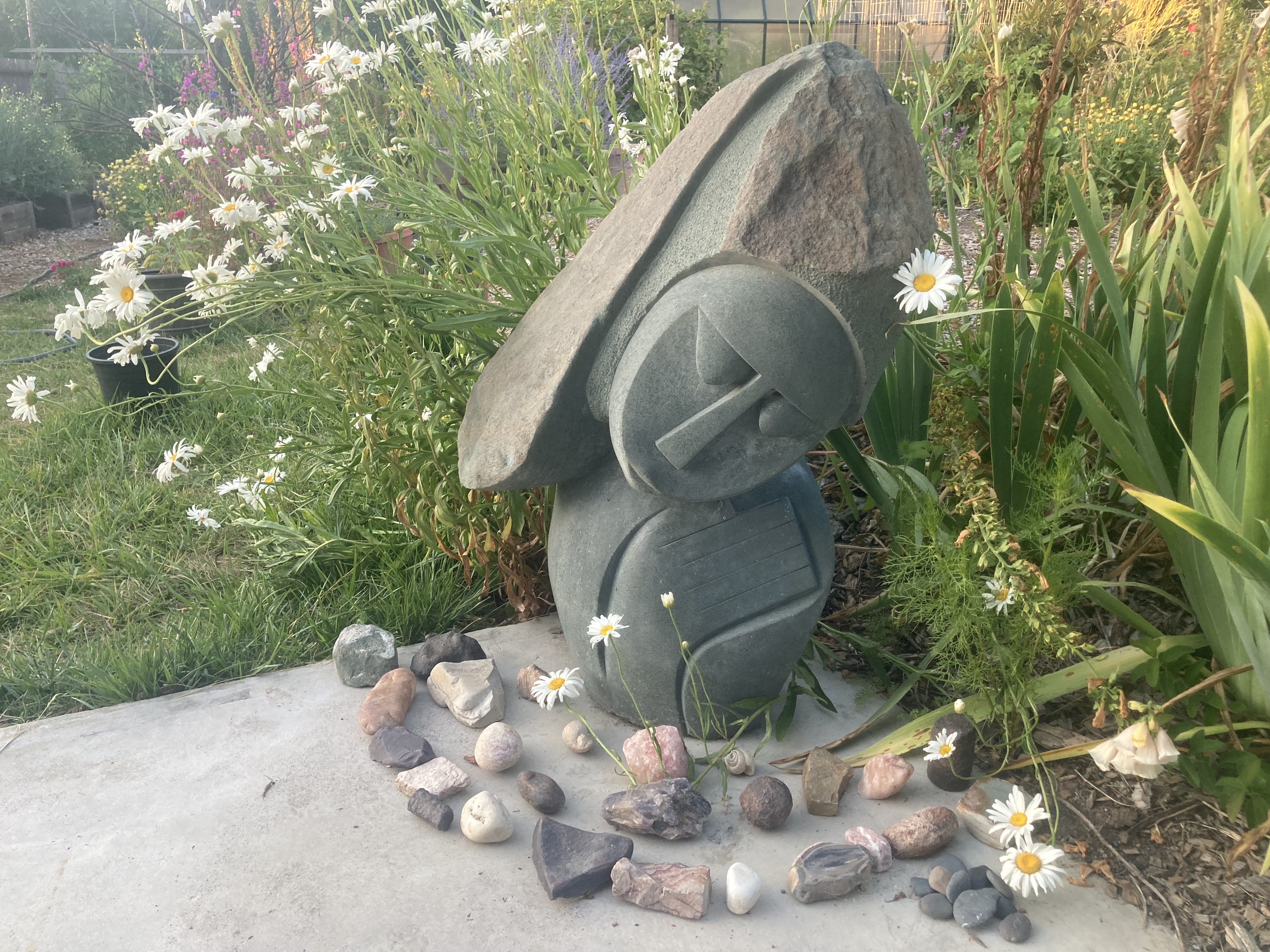
The beginning of my childhood rock collection
Living amidst the world’s current disruptions, fear expanding in explosions like July fourth fireworks from news headlines, recently I’ve been thinking again about rock hunting and the quiet pursuit of the beauty’s solid expressions that have been forming and residing in the earth since its foundation.
Foundational writings in historical US documents has promoted the idea of pursuing happiness, felicity achieved by independent effort and the belief in “pulling one’s self up by the bootstraps,” as the saying goes. Happiness for some is food on the table, water to drink and bathe in, clothes to wear, and heat when the day is cold, and the rent paid. For others the pursuit of happiness includes the comforts of fine dining, vacation time in far off places, brand name clothing and the newest gadgets and the ceaseless busy pursuit to pay for it all. People have different definitions and expectations for happiness.
Meanwhile, amidst the endless chase to live happily, U.S. institutions that provided public good such as schools, consumer protection agencies, and emergency assistance programs, are being dismantled. The world U.S. citizens once lived in is crumbling. Chunks of stability and support people once counted on are falling away. What’s needed now for the long term social good and happiness is something far greater than fine food at a restaurant or a week or two holiday. We need a new way of being together that promotes the flourishing of all lives. Whether we want to or not, it’s important now to swim across the river of change we’re in the midst of, and to imagine into being the different shore we want waiting there to receive us.
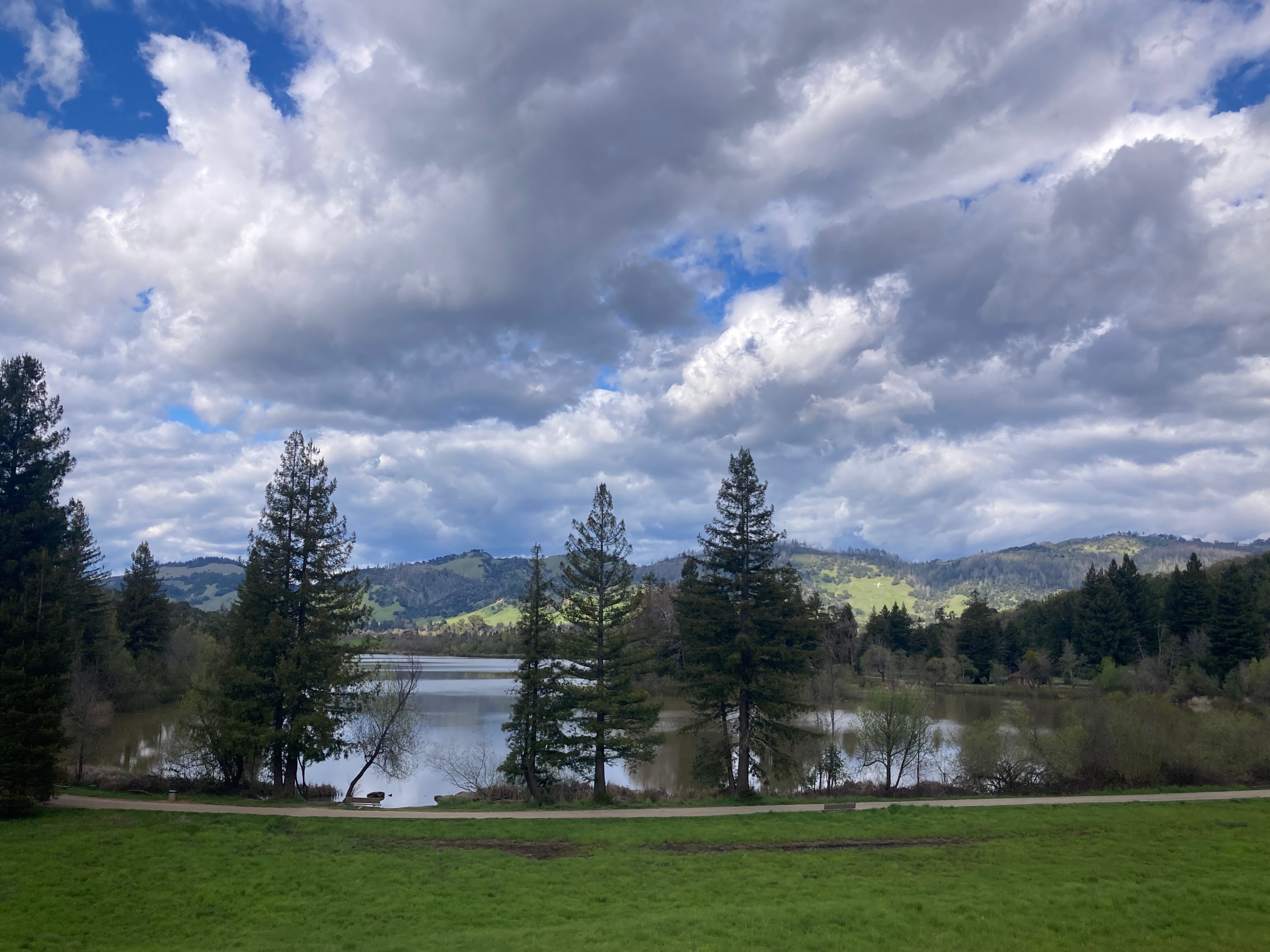
Spring Lake, Santa Rosa
Imagining that other shore, the quality of its shape, texture is important. What does it look like to reconcile our nation’s inherited past with a vision of one where reparations are made for injustices and the common person doesn’t have to live in fear of not being able to sustain their own lives. How would we live differently if we consciously saw the natural world as wondrous, not just when gazing at a waterfall or a super bloom of wildflowers in spring, but as a daily foundational awareness as we went about our everyday lives?
To imagine that world, what it means for us personally to embody the world we want to live into it, it’s valuable to step away from cultural mandates that encourage us to be continuously productive and to do something different. In my book Stories We Didn’t Tell coming out later this year with Shanti Arts, the character Avery goes rock hunting in the Wyoming outback with his brother Leith. The ending portion of the poem reads:
After miles of flatland and shrubs, we climb
from the car to inhale the earth’s rich scent. The ground stuffed with stones like chips in a cookie, buckets in hand, we comb the earth looking for agates’ lacy plumes, snail-shaped fossils, red jasper, and petrified wood.
No specific purpose needed when rock hunting. No timeline or agenda to fulfill, just walking the land with the possibility of reaching into the soil to find something formed several million years before we touched it— something solid, beautiful and unrelated to any need for productivity.
Productivity isn’t the measure of life. As Mary Oliver writes, “Listen, are you breathing just a little, and calling it a life?” Finding moments in our day and our week where we disengage from productivity, where we wander out into the desert, forest, lake shore, or prairie without a particular goal is important. It restores us, brings us back to our bodies and our connection to the life that both births and sustains us.
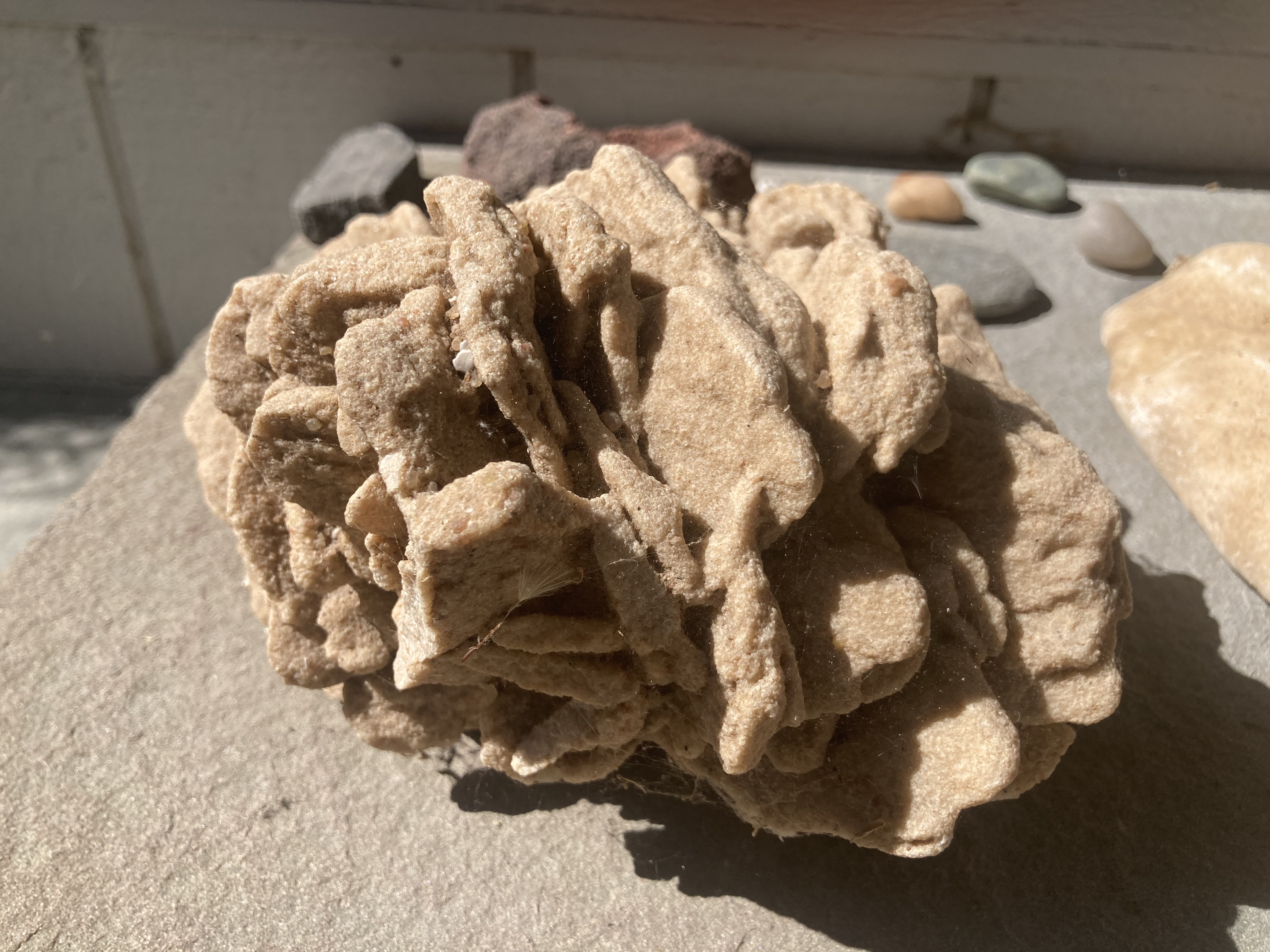
from top left to right: rose quartz, Colombian rock salt, amethyst, pudding stone, gypsum rose
Rocks and stone are both solid and the physical result of great change. They are, so to speak, the physical embodiment of the earth’s imagining. Like rocks, we are people of this earth. Maybe it’s time to go out rock hunting to find the rock you can carry in your pocket as a reminder of solidity amidst change. As Byrd Baylor writes in her children’s book, Everybody Needs a Rock. You want to be able to look your rock right in the eye and chose a rock that fits comfortably in your hand.
Quiet spaces, such as one might find while rock hunting are valuable to our inner lives. I hope you find a place where you might see the wind turn the leaves of trees, watch the ocean waves’ ceaseless motion, sit and savor the flavor of fresh peach, or just plain sit and stare off into space. Wherever it is you can sense your life is part of the earth’s great body, let that place hold you. Be present with it.
Imagination takes time to form. It might take time to hear what it has to say, like it takes time for a stone to form. Listen for what rises there.
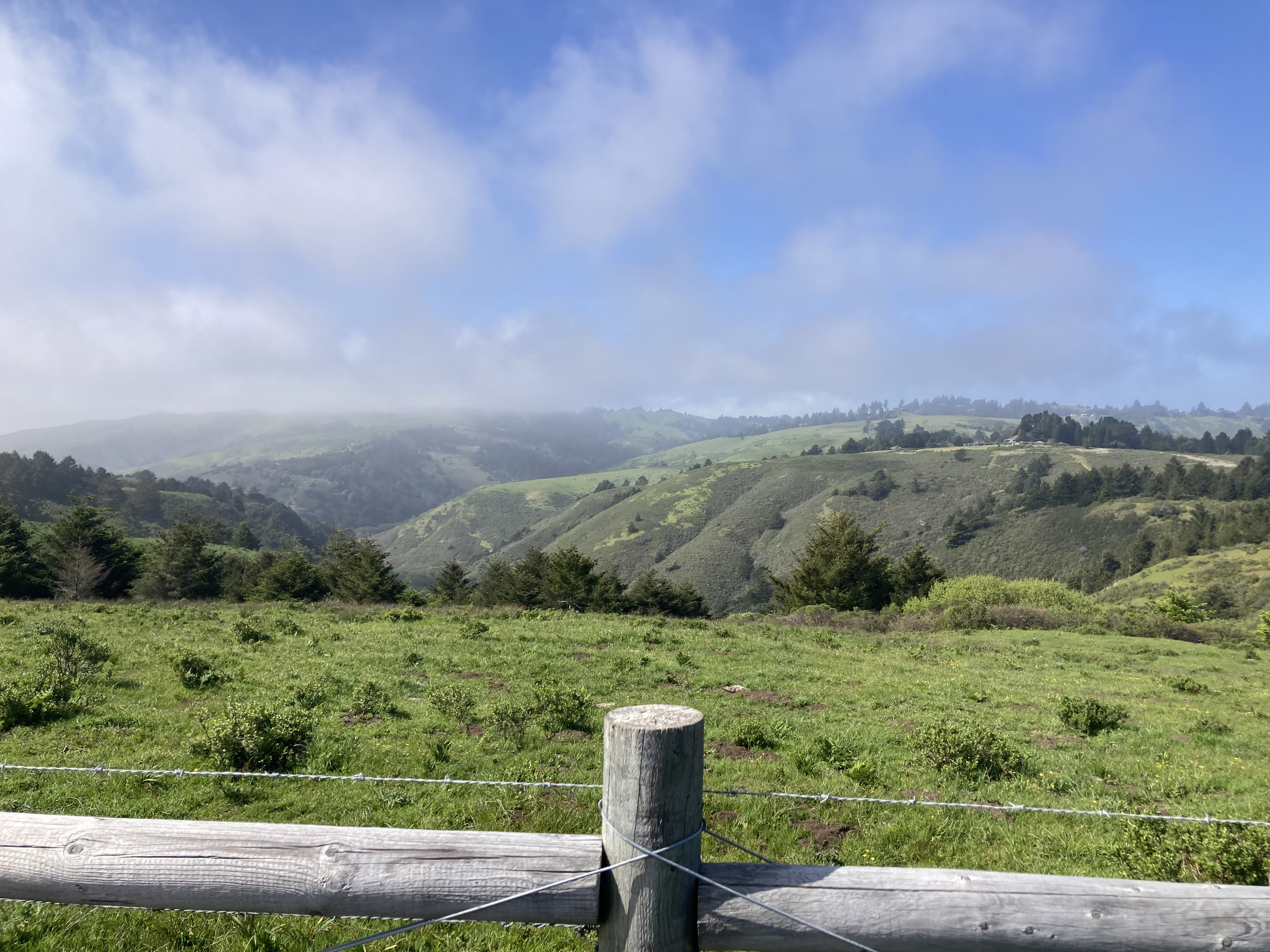
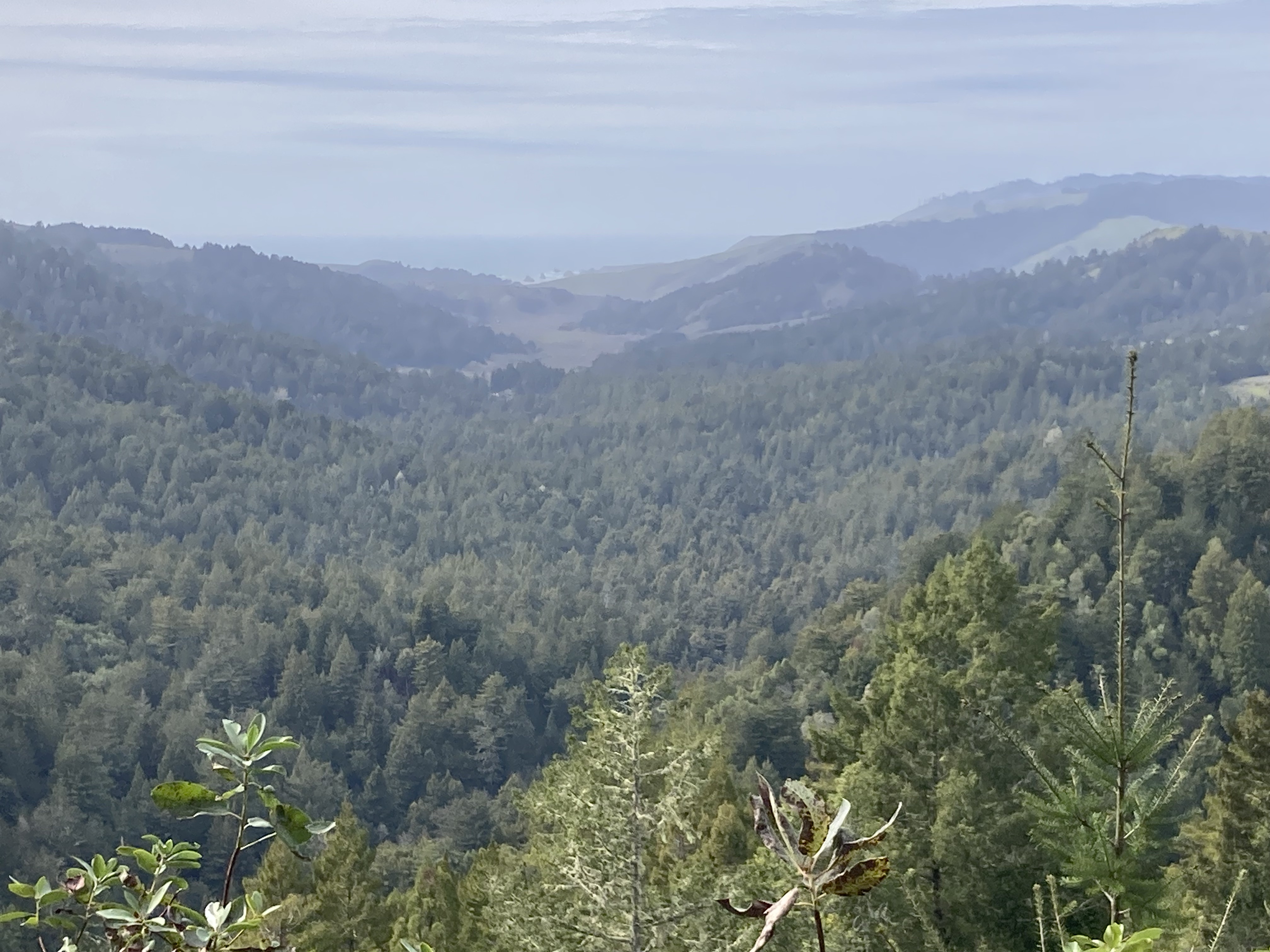
Overlook of Pomo Canyon, Sonoma County, California
So many voices are clamoring for attention these days. I’ve felt the need to go into my garden pull weeds all day, go out on long walks and long bike rides to be in the green world, the world that is growing, generous and lifting from heavy earth in wondrous color and life. Recently, I attended an online poetry reading with Shanti Arts. At the end of the reading one person asked. “What are people taking from poetry or going to poetry for in the environment…we’re living in. What can poetry do for us?” One of the central values of reading poetry for me at this time is the reminder that there’s a larger world than the circles of fear that want to take hold in the mind. Life that has been waiting for months and months is pushing up from the earth. There is pain, oppression, loss, grief, yes, so much grief in this world. Let them be acknowledged and known. But notice also green life is there pushing through into the light of day. Earth’s continuous effort is to sustain life. Including ours.
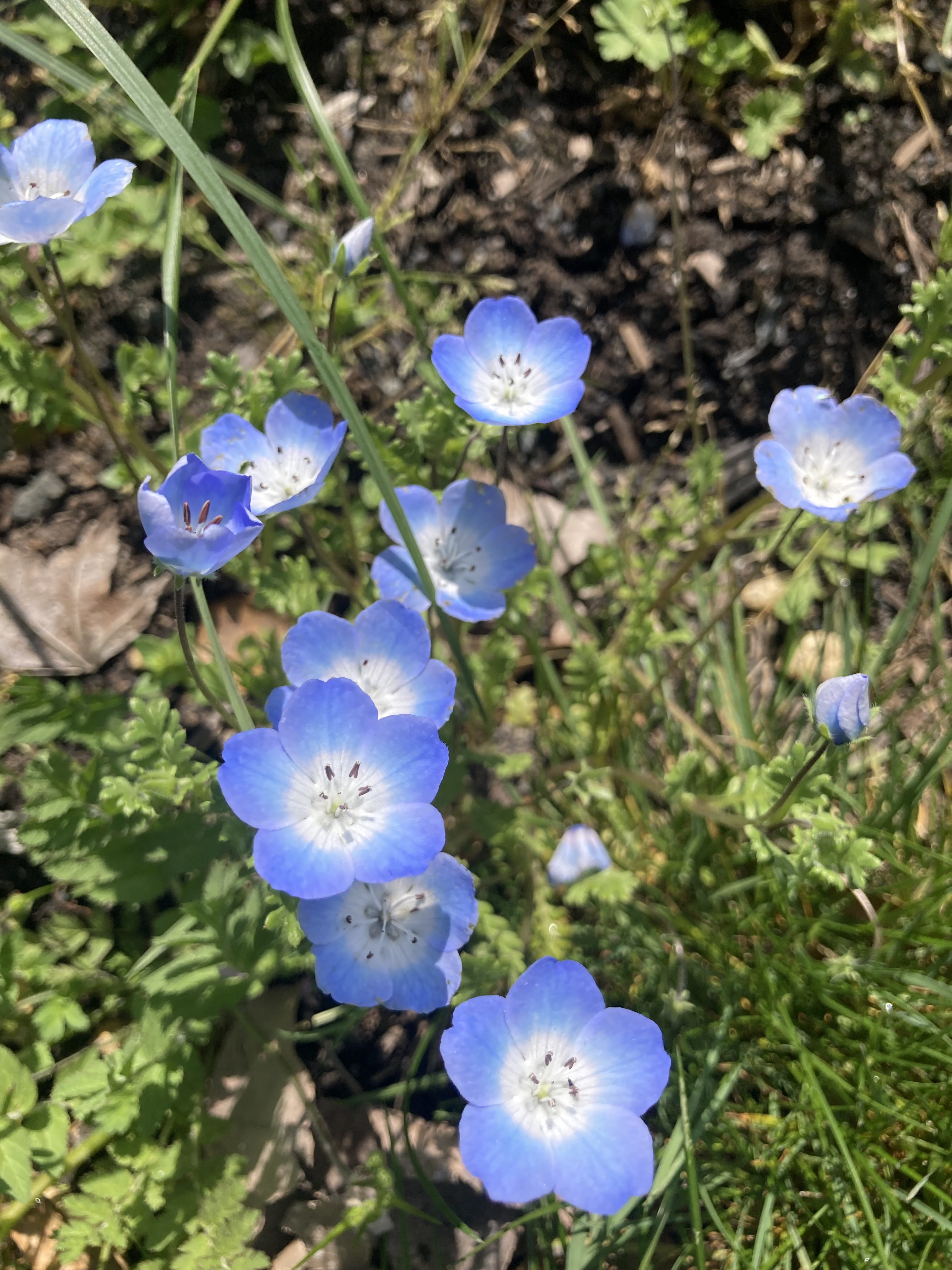
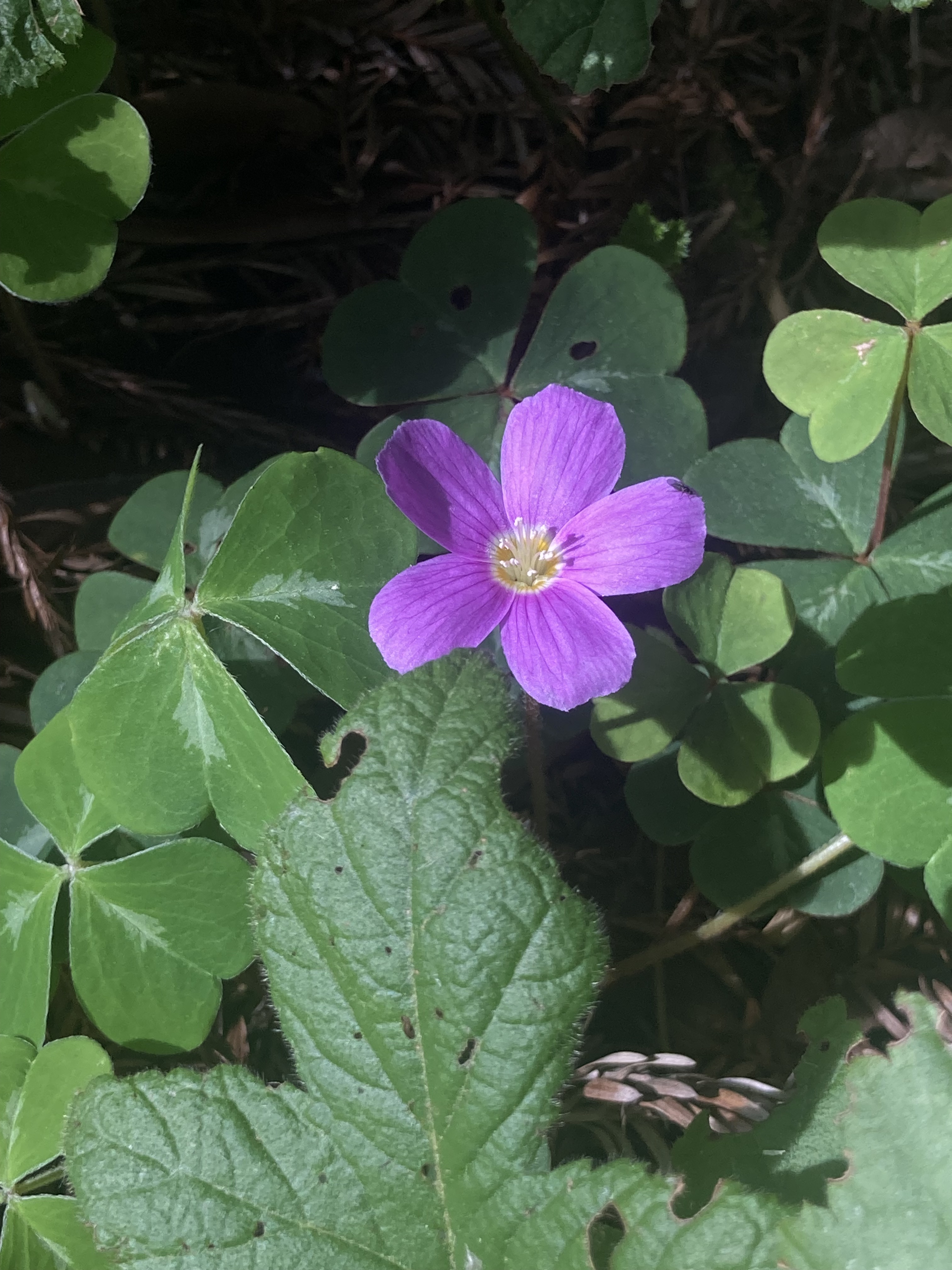
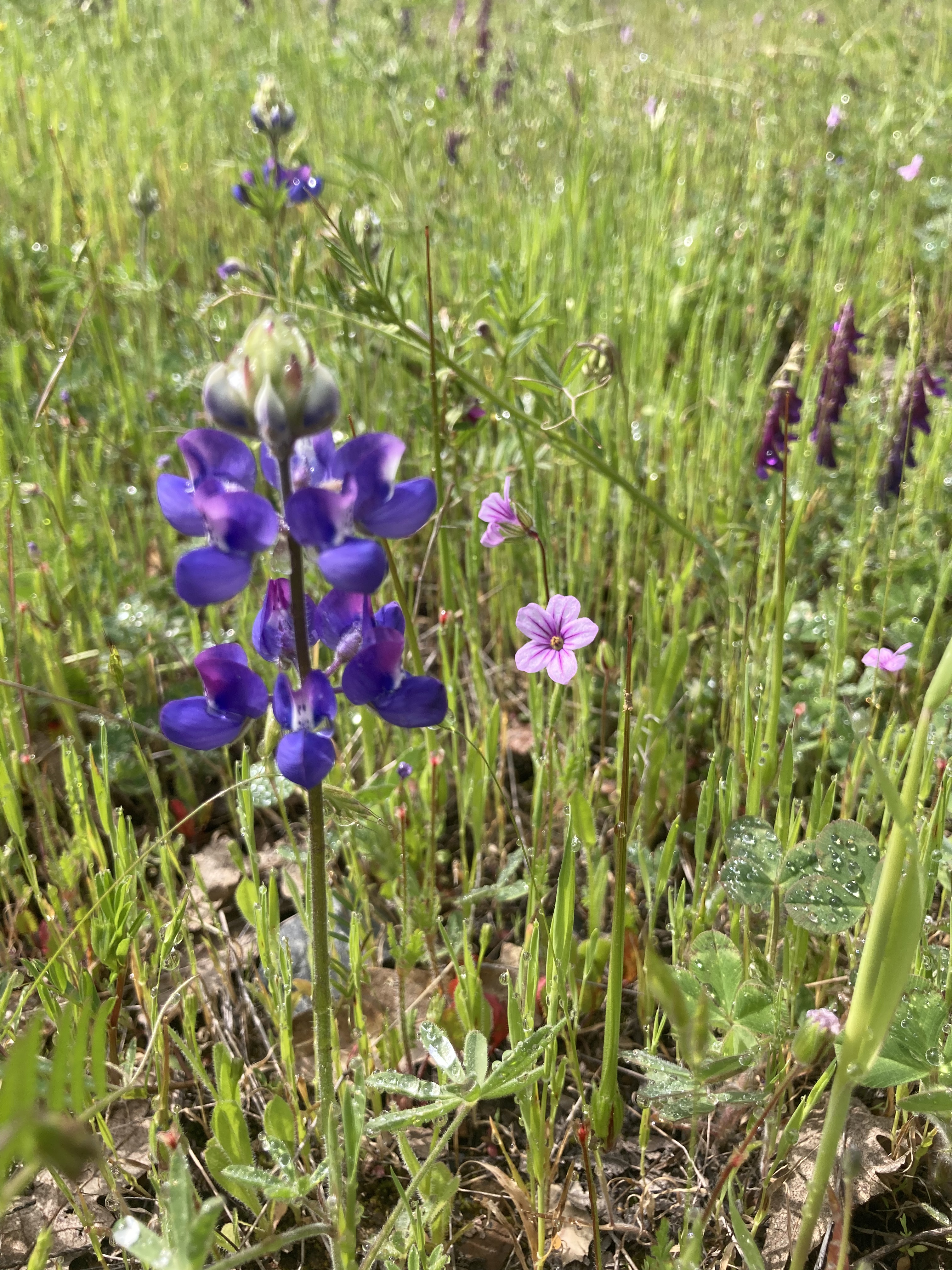
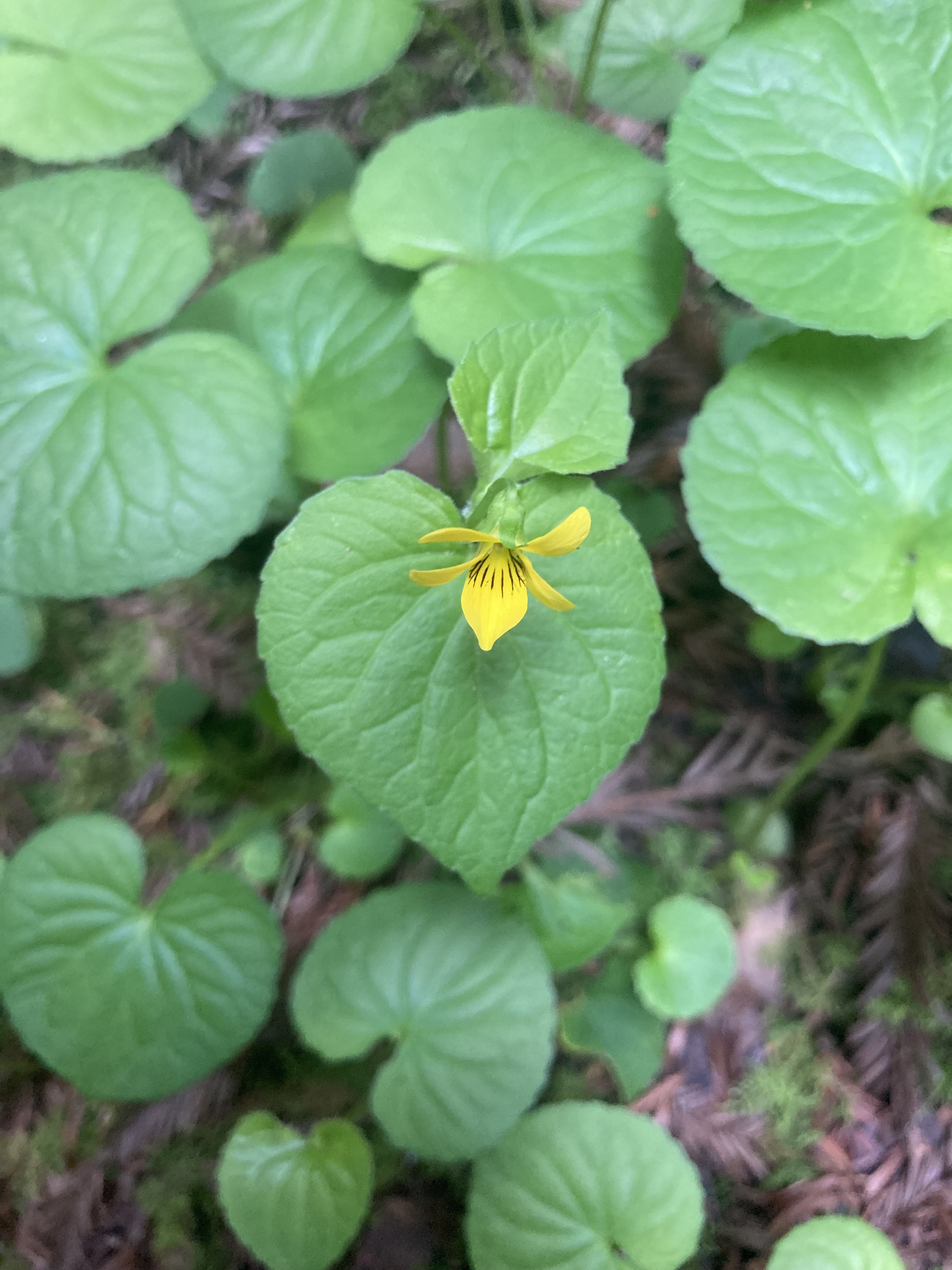
Blue-eyed grassSuncupsBaby Blue EyesRedwood sorrel Douglas iris
I like to go walking most any time. But when my heart feels heavy, I especially appreciate getting out for a hike in the hills. I need to be in the natural world to remind myself that the experience of being alive, and life itself is larger than the things that work to remove the structures that enable the world’s flourishing. Looking out across the ocean or gazing up into the sky, I can literally see the universe is vast. My understanding will always be limited. We may have maps of the world’s geographic landscape but there are worlds within worlds we don’t understand.
A number of years ago when visiting St. Petersburg, Russia, I remember a Russian man at a restaurant we were eating at ask where my husband and I were from. When we said “The U.S.,” he told us, “You can go where you want. You have no idea what it’s like to not have that freedom.” He was right. To some extent I could imagine the limitation of movement, but the emotional and psychological impact of that is an entirely different thing. Choosing to stay in a particular place versus knowing you’re not allowed to move beyond an authority’s set boundary is different.
Back in the mid 90’s I was speaking with a student’s mother in the hallway at a school in Kuwait where I was teaching at the time. The family had came to Kuwait from Bosnia and Herzegovina to escape the war that was going on there. My students were collecting oral histories and traditional tales from family and community members from the cultures the students were connected to and sharing them with Inuit students in Alaska and high schoolers in Sandy, Utah. I don’t now remember what my student’s mother and I were specifically speaking of, but suddenly the mother choked-up and said, “You have no idea what it’s like in my country right now, what is going on there, what is happening.”
She was right. I didn’t know. The Bosnian War “was characterised by bitter fighting, indiscriminate shelling of cities and towns, ethnic cleansing, and systematic mass rape,” I read in Wikipedia. “The massacre of over 8,000 Bosniak males by Serb forces in Srebrenica is the only incident in Europe to have been recognized as a genocide since World War II.”
Sarajevo, photo courtesy of CFaZeSarajevo, photo courtesy of CFaZeSarajevo, photo courtesy of CFaZeSarajevo, photo courtesy CFaZe
“Estimates suggest over 100,000 people were killed during the war. Over 2.2 million people were displaced, making it, at the time, the most violent conflict in Europe since the end of World War II. In addition, an estimated 12,000–50,000 women were raped, mainly carried out by Serb forces, with most of the victims being Bosniak women.” (source: Wikipedia) How could a person find the strength to speak of such atrocities or to ever absorb the emotional trauma and horror behind those statistics?
When I think of the conversation with my former student’s mother as I consider the growing ways people in my country are now being dehumanized and deprived of rights, the fear people around me express for their sense of safety, it’s extremely sobering. What seeds and sun inside our collective social structures need to be watered and nurtured so we can clearly see and care about each other’s humanity, build on common values, and begin to trust, respect and appreciate each other more?
It feels particularly important to find ways to enter the quiet spaces within us so we can consciously, purposefully listen to not only the truth our own inner voice wants to tell us, but to the voices of with those we interact with. We need to listen for the words and the life that wants to come forward underneath what is spoken and aim to hear and see the humanity in each person we interact with. I’m reminded of Sherman Alexie’s recent poem, “Bad Back” (March 16, 2025, Rattle) where he writes,
I know, as a writer and an Indian and an Indian writer that I am
expected to offer advice. But I have nothing but this consolation: Everything you’re feeling now
is what I’ve always felt as a reservation-raised Indian.
What is currently happening in the US with the disrespect for the rule of law, the mistreatment of fellow humans, the reckless unconcern for the abuses of the natural world–our forests, oceans, natural habitats, and our very air is a reflection of the stories we hold about the world inherited from the past. The stories we carry with us affect the way we treat each other and the way we treat the earth. The two are connected. Every country has their histories to confront. Transformation is a continuous process. We all benefit from allowing ourselves to grow into new ways of thinking and being. Alexie ends his poem “Bad Back” saying, “I’m going to press / my bad back against the earth / and wait for everybody’s rebirth.” Rebirth is, indeed, what we need right now.
The stories we hold ripple through our actions and way of speaking. If we listen beneath the chatter in the daily news and the chatter in our minds, what new story and new life wants to come forth? We can purposefully pursue to renew our minds and actions. Pascha, Passover, Ramadan, Easter. These ancient traditions remind us there is life beyond slavery, and that we can be renewed. We have the opportunity to teach ourselves what it’s like for others to go without basic necessities such as food and clean water. In doing so, we can water seeds of empathy and grow toward deeper recognition of all people’s need for social justice.
We’re not meant to stay on the very same path we were born onto. Just as the earth renews itself and the cells of our bodies renew, we too are meant to transform our minds, renew our stories. What better time than spring to start? I appreciate the way Billy Collins emphasizes this willful act of spring renewal in his poem, “Today.”
If ever there were a spring day so perfect, so uplifted by a warm intermittent breeze
that it made you want to throw open all the windows in the house
and unlatch the door to the canary’s cage, indeed, rip the little door from its jamb,
a day when the cool brick paths and the garden bursting with peonies
seemed so etched in sunlight that you felt like taking
a hammer to the glass paperweight on the living room end table,
releasing the inhabitants from their snow-covered cottage
so they could walk out, holding hands and squinting
into this larger dome of blue and white, well, today is just that kind of day.
Source: Poetry (April 2000)
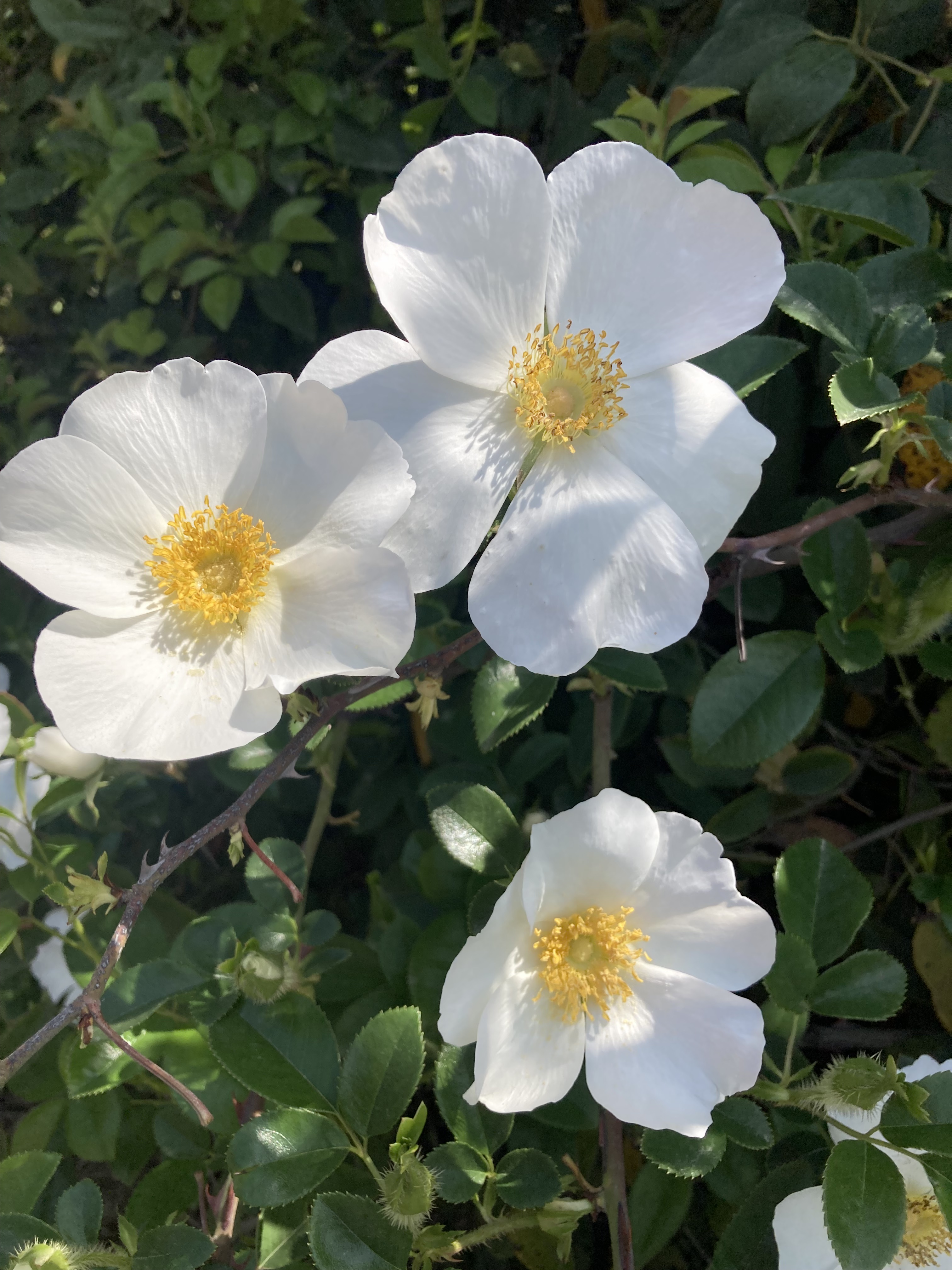
Wild roseWild hyacinthShooting startrillium
Spring is calling you outside. The earth reaches out to renews you! Check out the ways! If you can, go for a walk, a swim, or a bike ride.
If you can’t do any of those things, find someone whose hand you can hold while staring up into the forever sky. In the midst of despair life is there, present, waiting to give itself to us. We can turn toward it at any time.
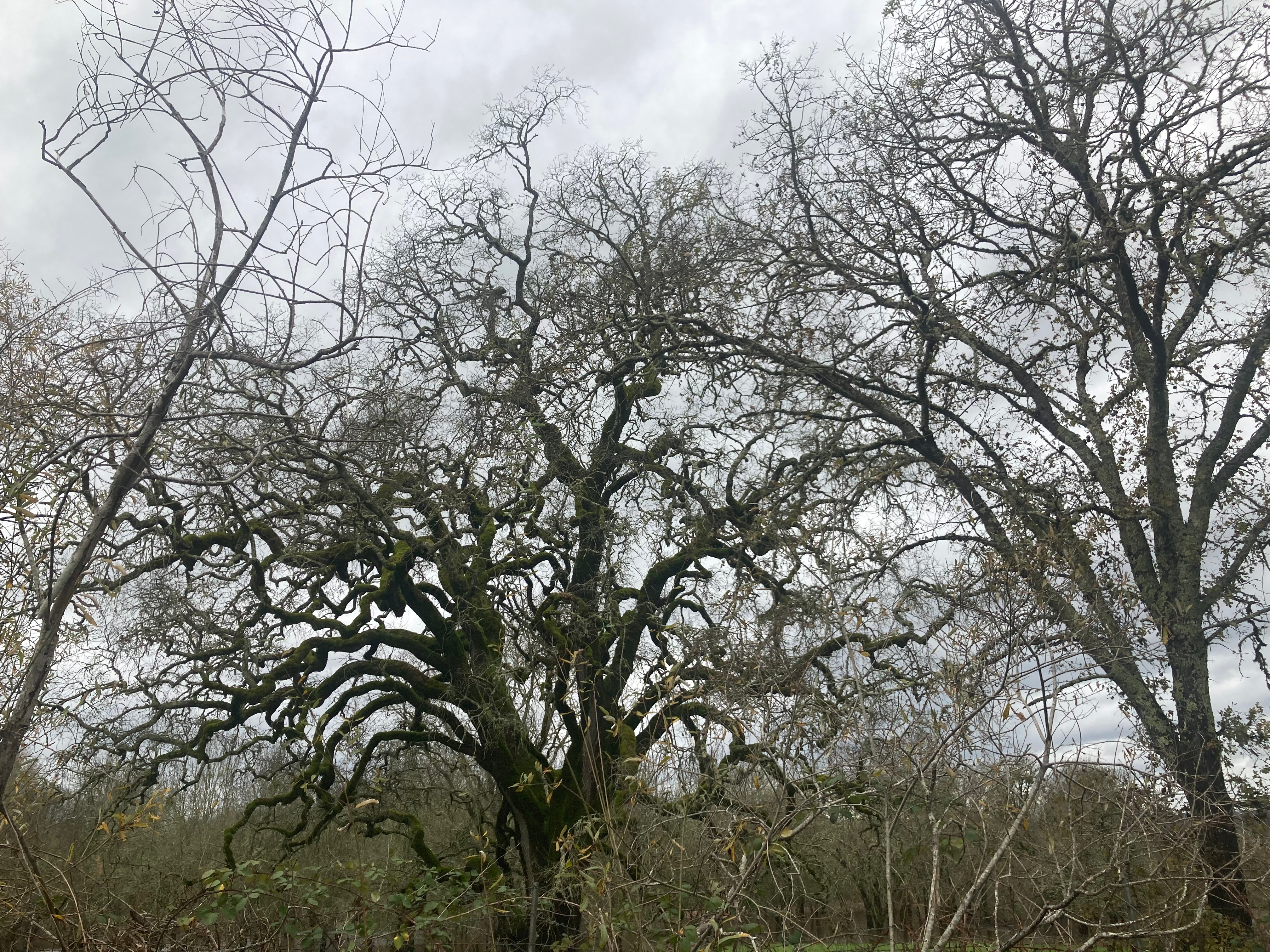
I went for a brisk walk in the wind today before the rain began. Branches twisting and turning wildly, I wondered if the redwood tree in a neighbor’s yard would continue to hold fast to its roots. Palm trees flailed their long limbs. Grasses bended and waved. Here and there, lichen covered branches that fell from the oaks above lay along the path. Gray light covered the sky. No sun in sight, and everything was astir. Though the morning news was bleak, walking in such air felt utterly invigorating, and made me consciously aware of the aliveness of everything around me.
The flood of current changes in the US have consequences for neighboring countries and countries throughout the world. Many have lost their jobs, and many others have died as a consequence of the current government administration’s activities. The natural world is suffering as well. It’s ugly and utterly heartbreaking. What can be said that doesn’t further emphasize the devastation and add to the information stress? What might bring insight or release?
Reflecting on these questions, Barry Lopez‘s essay, “Drought,” found in his book River Notescame to mind. Lopez tells the story of during a time of severe drought where a man dreams of a large fish that had fed himself too much and grew too large to escape the pool as the river receded around it. The river is slowly dying and the large fish stuck a shrinking pool in the river is dying as a consequence. The man wakes from his dream, goes to the spot in the river the dream depicted, and rescues the fish. The man doesn’t know if the river will return to life or if the drought will continue and cause the river will go completely dry. But he believes his relationship to the river is important and that responding to the dying fish’s needs is necessary.
“There’s power to dying,” writes Lopez, “and it should be done with grace.” After releasing the fish, the remaining larger stream of water in the river, because it was the most beautiful thing he could offer the river, the man does a dance like that of long-legged birds on the river’s shore. “A person cannot be afraid of being foolish. For everything, every gesture is sacred.” Though the dance seems an absurd, irrational act, he does it anyway. Doing something selfless, perhaps even silly so that we remember how to live is important.
Gradually, the river returns to fullness. Reporters talk about the change, offer factual information about the river’s return, and people carry on their former way of living. But the dance the man did by the river sticks in the mind and changes the way we see not only the river but our way of living. When so many things we may have cherished and held dear are dying, Lopez reminds us of the importance of recognizing our relationship to the world around us. “Everyone has to learn how to die, that song, that dance, alone and in time. … To stick your hands in the river is to feel the cords that bind the earth together in one piece,” writes Lopez. Despite our ignoring the natural world’s ongoing generosity, despite differences in culture, values or beliefs we hold, we share this world together.
When we feel we’re going through a severe drought, when everything around us feels as if it is falling apart or appears in decline, it’s important to pay attention to dreams that call us to remember our connection to what brings life and to respond. When we see ourselves in a connected living relationship with the world, we respond to the world differently. The world is no longer an object to be used solely for utilitarian purposes.
Relationships are reciprocal. We take care of what we love and listen to those we love so that we can respond with care. How might I listen to the quality of my relationship with the world? Following Lopez’s narrative as an example, what beautiful thing might I offer the life around me today that will help me recognize my relationship to all that is and my responsibility toward it, even though it might seem silly? Making an offering, to the lives that sustain us might come in the form of a dance, a flower, a letter, a song, art, or a variety of other possibilities. It might feel awkward or silly, but such an offering is a way to remind ourselves that we’re in relationship with a world wider than our human effort, and that the choices we make ripple out to affect everyone, including the more than human world.
May my mind come alive today To the invisible geography That invites me to new frontiers, To break the dead shell of yesterdays, To risk being disturbed and changed.
May I have the courage today To live the life that I would love, To postpone my dream no longer But do at last what I came here for And waste my heart on fear no more.
In the midst of storms where winter feels it will never end, I wish for you to listen to the dreams of your heart, to go out on walks, to sit outside, or somewhere where you can simply stare at the sky, and listen for how you might respond with some gesture toward what is dying that you’ve long loved. Let us have the courage to risk being disturbed and changed, so that in the words of O’Donohue “we waste our hearts on fear no more.”
You can listen to a moving recording of Lopez reading his piece, “Drought” with David Darling playing the cello in the background here.



























 Anna Citrino---Poetry, Place, Pilgrimage