Uncategorized

An Inheritance of Open Space

Instructions for Having a Soul”

Take it out in the rain sometimes. 
It has vast, invisible wings that gather dirt 
and need rinsing. 
When it tries to kill you 
that is because you’ve forgotten 
to let it look into someone’s eyes 
for longer than a minute. 
It needs that the way a bee needs nectar 
in the early morning dew. 
Every so often, take it on a journey. 

an excerpt from—Joseph Fasano

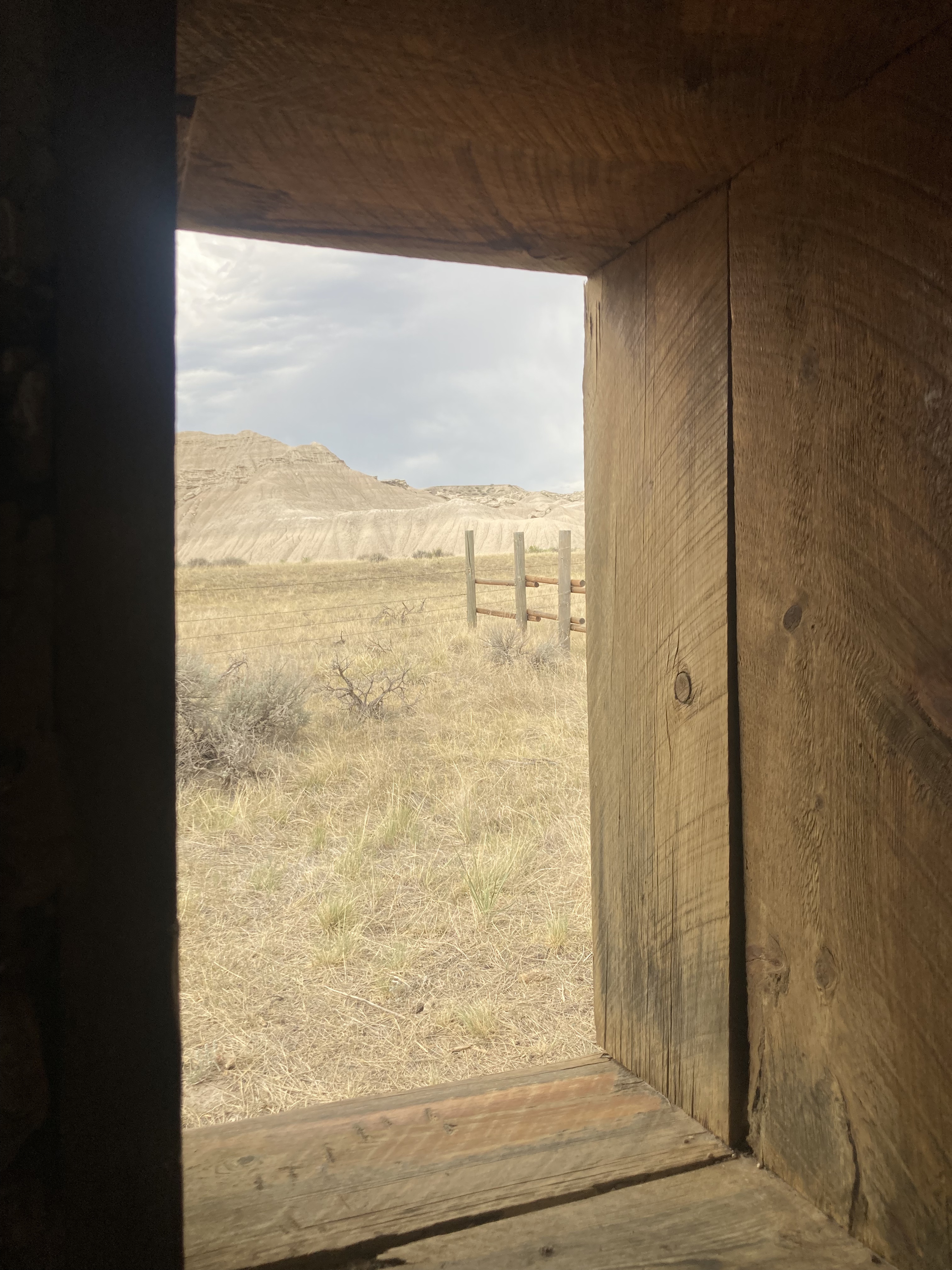
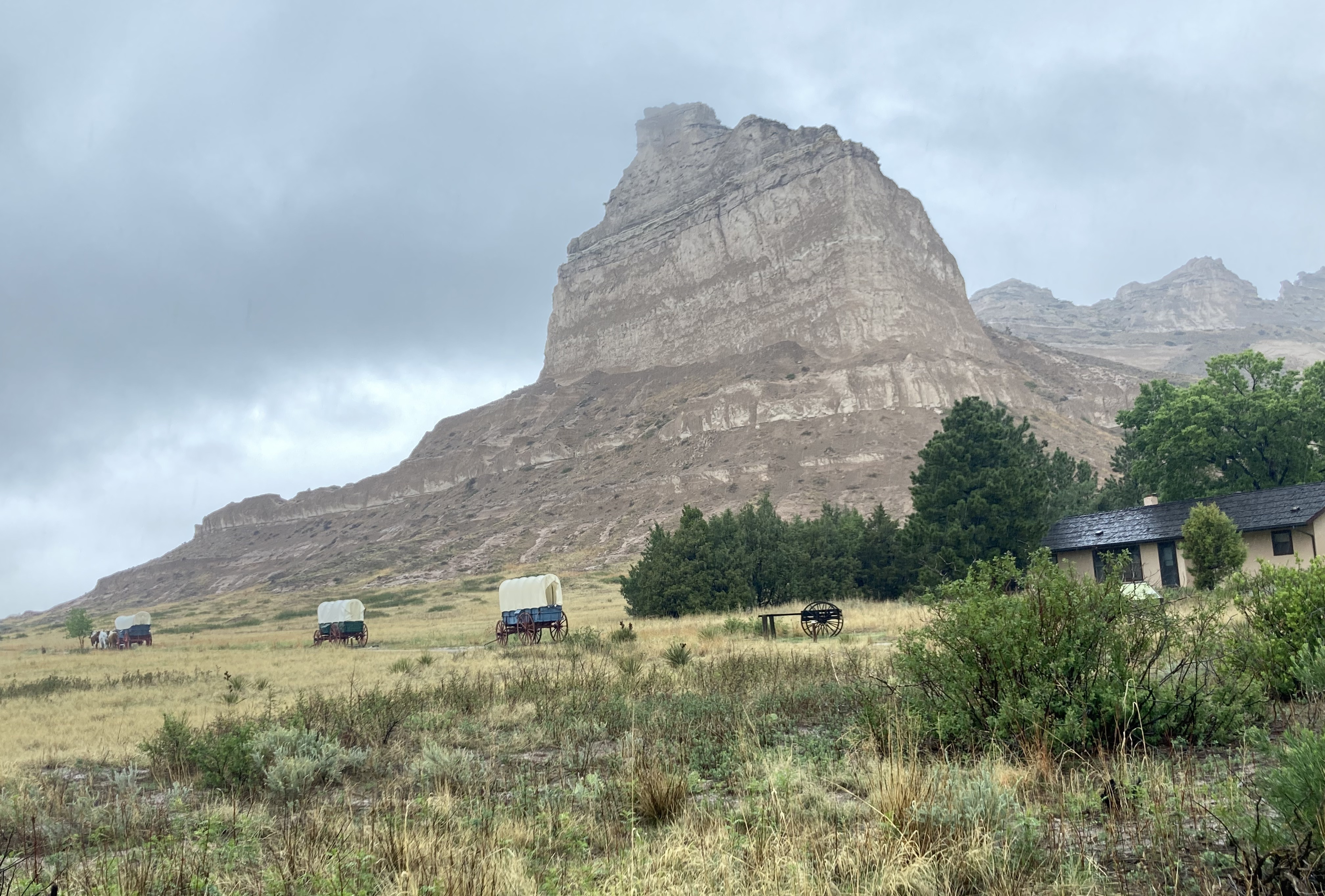
This past June I took a trip to visit the place my grandparents and great grandparents lived and worked. Though I never lived there, Nebraska, Wyoming, and South Dakota are central to my heritage. It’d been years since I’d visited these states. I wanted to place my feet on that earth once more, and sense how it felt. After writing Stories We Didn’t Tell, I wanted reimagine the lives of my ancestors who made their way through an era of extreme change during their lives while once again walking the land they walked. I wanted to stand on that land, breathe its air, and let my eyes gather the landscape into my soul. I wanted to deepen my awareness about what it means to inhabit such a place, and it to inhabit me.

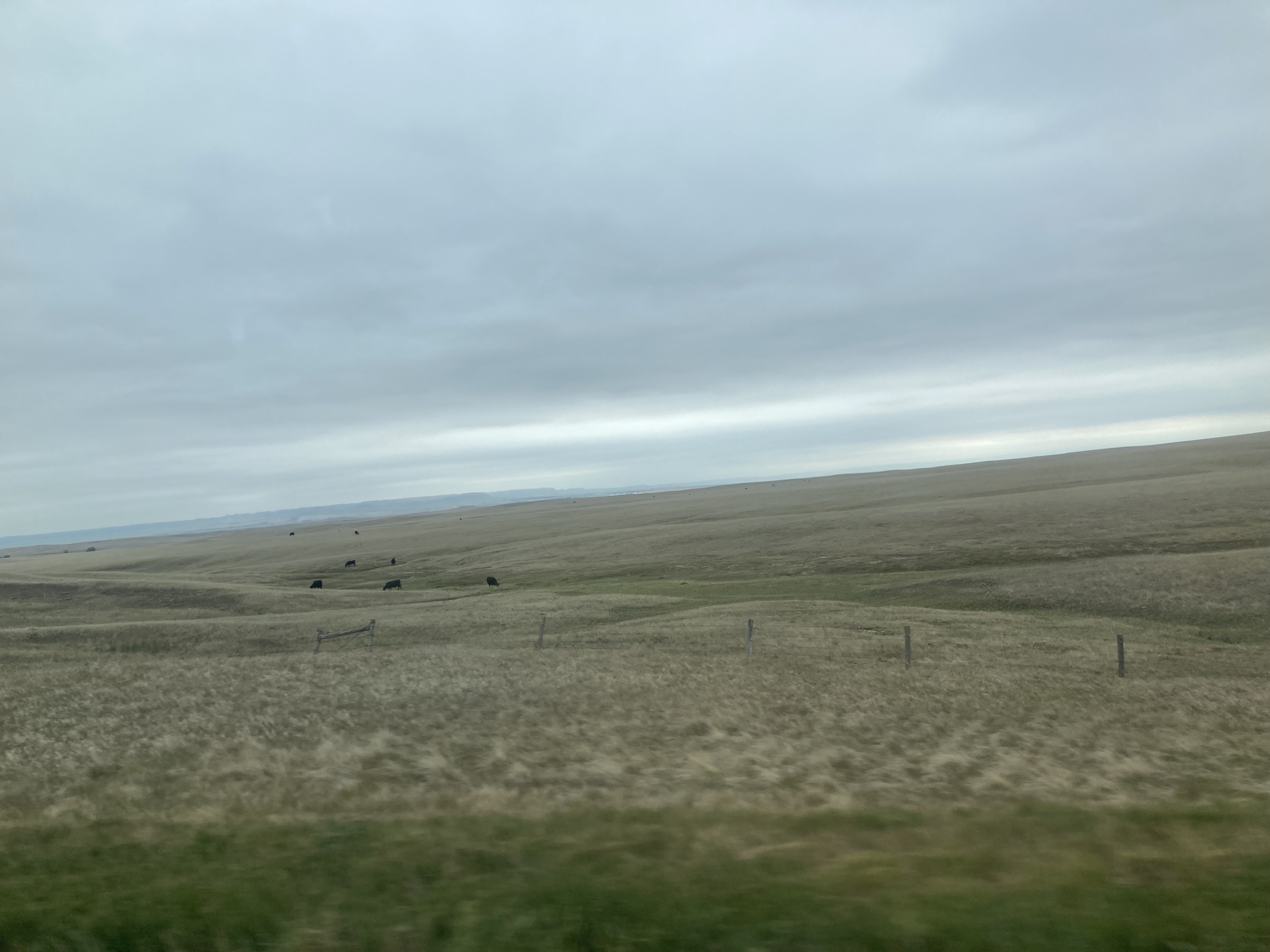
When driving from Hot Springs, South Dakota to visit Fort Robinson outside of Crawford, Nebraska, we stopped the car and got out to take in the Oglala Grasslands, a vast expanse of prairie expanding in every direction. Clouds hung low. Wind whispered through the grass, quivered wild flowers’ purple tips. As I stood listening, absorbing the scene, I imagined my great grandparents walking and working the land. There’s a kind of voice in the voicelessness of the grasslands that speaks of time, endurance, and the strength of perseverance through all kinds of weather and change. The land’s silence fell into me like a pebble dropped into a deep well. Even now, if I go back to that moment in my mind, I feel the ripple effect of standing on that ground in all its solidness, a profound, ancient quiet reaching into my bones, wrapping me in it like a shawl.

Born into an era where many people were small farmers living in remote landscapes with no running water or electricity, life changed for my ancestors with the arrival of telephones, then the radio, and later the automobile with the subsequent development of highways. My grandparents survived the Great Depression, observed the airplane’s invention, and the arrival and departure of two world wars. Small farms and ranches mostly became a thing of the past as the country turned to the use of pesticides, big machinery, and industrial farming. My ancestors experienced the emergence of television, witnessed the moon landing, the rise of women’s rights and civil rights, and the emergence of environmental awareness. Combined together, these changes fundamentally and dramatically altered the way we live and function as a society.

My grandparents and great grandparents’ lives and the communities they were a part of, along with everyone else’s ancestors, helped shape who we became as a nation. Learning more of a place’s history can give us a clearer picture of what in our culture may have been invisible or hidden in shadow so we can make better choices that will affect our future. We don’t live individual lives isolated from the past or from the actions of people across our neighborhoods, cities, country or the world. The way we respond to events and the choices we make or fail to make today in connection with those events shapes our lives now and in the future.

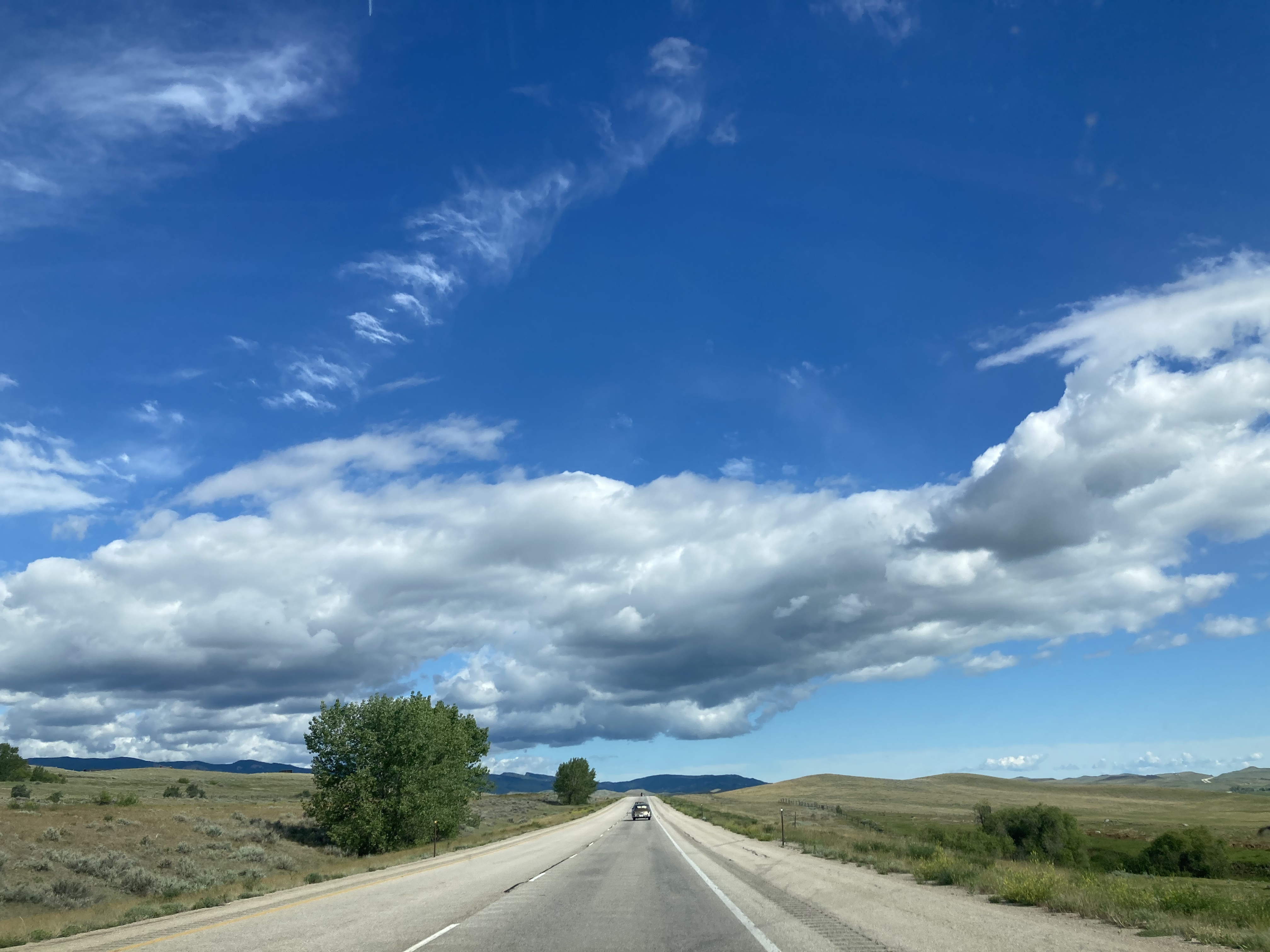
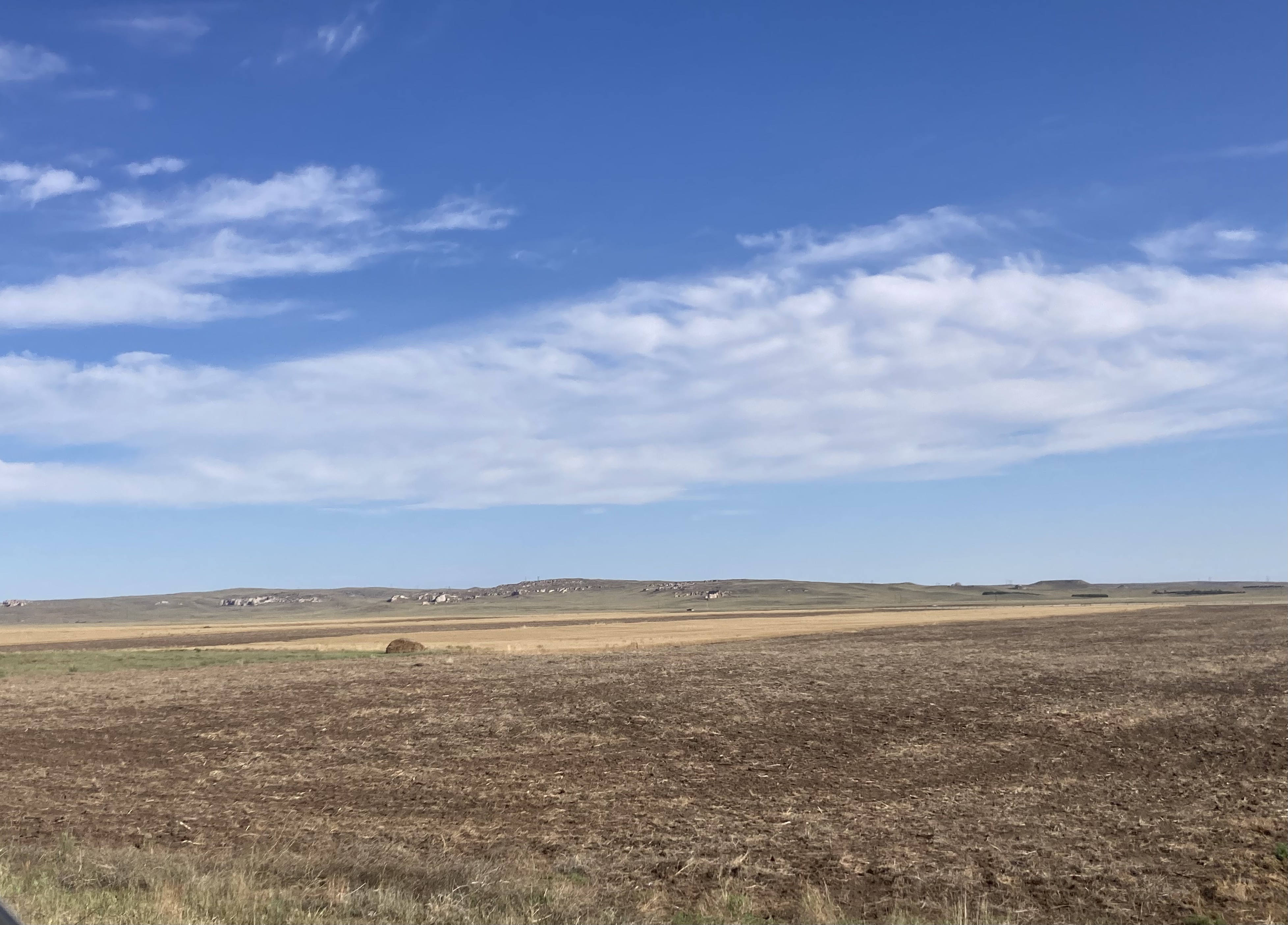
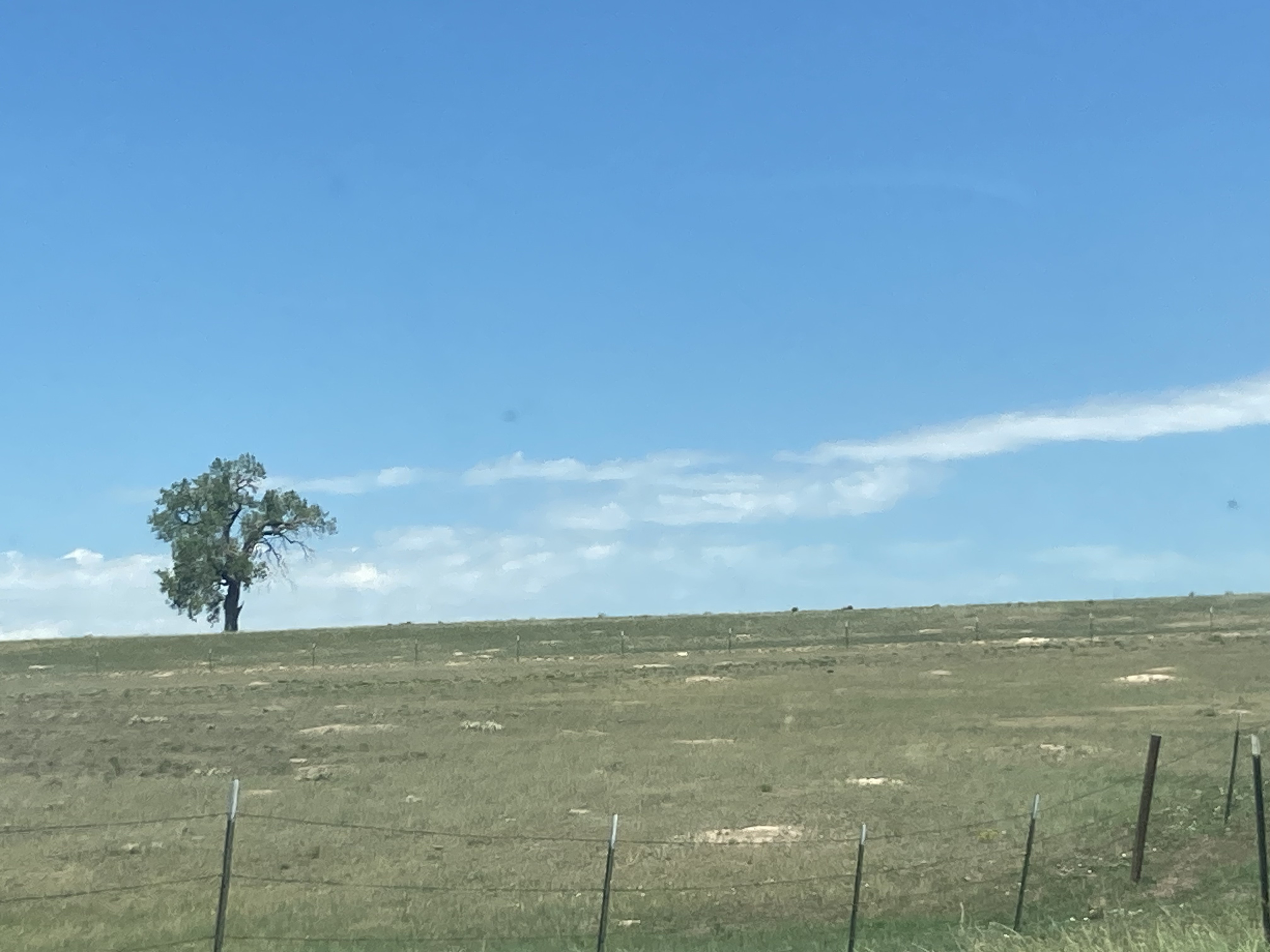
landscape outside Chugwater, Wyoming

I lived outside of my home country for more than two and a half decades. Each culture taught me different ways of seeing the world that arose out of their history, traditions, and interaction with the land the people inhabited. Returning to the US, I realized there’s a lot to learn about my country’s history that I was unaware of earlier. Writing both Stories We Didn’t Tell and A Space Between helped me see a fuller and more detailed picture of my cultural roots, heritage, and my country’s history. One book that has been especially helpful for me to understand current dynamics and tensions in the US is Colin Woodard’s American Nations: A History of the Eleven Rival Regional Cultures of North America. (You can see a map of the different cultural nations inside of the US map here and hear Woodard talk about some of the main points in his new book on this topic here.) The various values and characteristics of the nations people had previously lived in who first came to what we now call the North American continent, continue to affect us today, explains Woodard. One current example of this tension are those organizations in the US that work to preserve and protect forests such as American Forests, The Conservation Fund, The Nature Conservancy and the National Forest Foundation. “Recognizing “enoughness” is a radical act in an economy that is always urging us to consume more,” writes Robin Wall Kimmerer in her book, Serviceberry: Abundance and Reciprocity in the Natural World. “When an economic system actively destroys what we love, isn’t it time for a different system?” A different perspective, however, is taken by the current US administration, (influenced by values prevalent in the area Woodard calls Tidewater and the Deep South.) This month the US president’s administration proposed opening nearly 45 million acres of national forest land across 37 states to commercial logging, mining, and road construction.

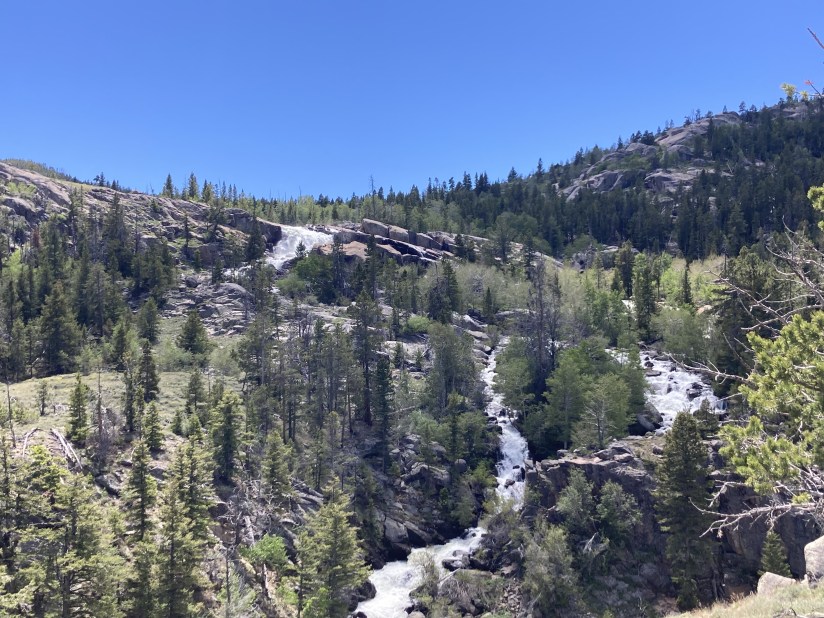
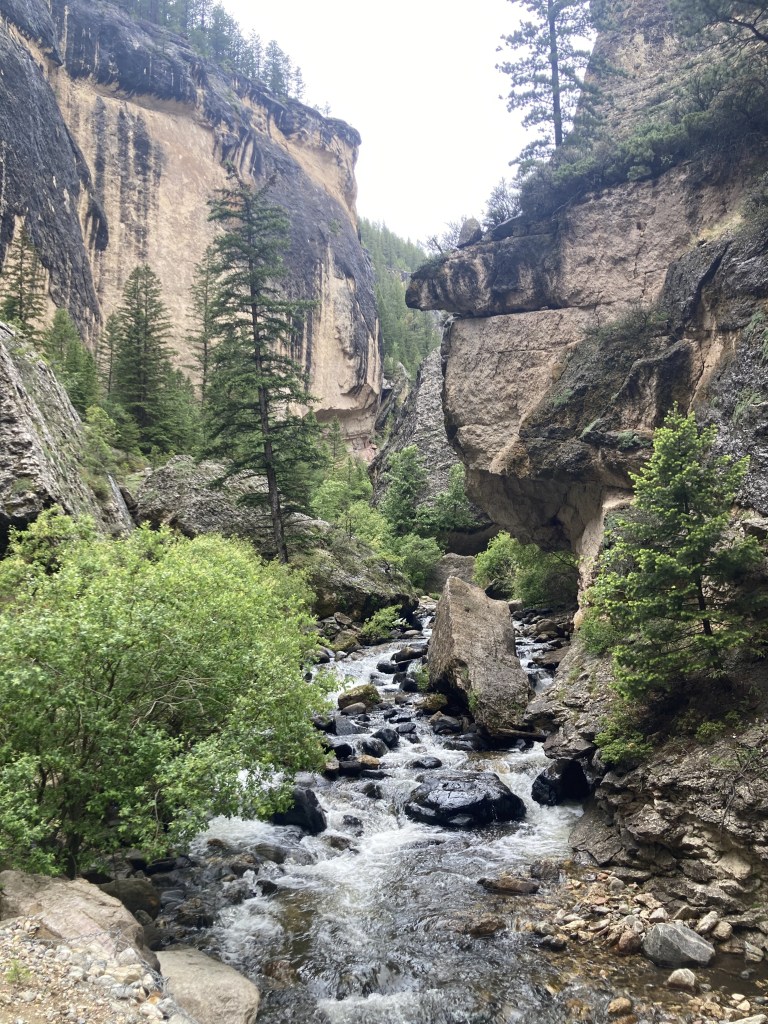
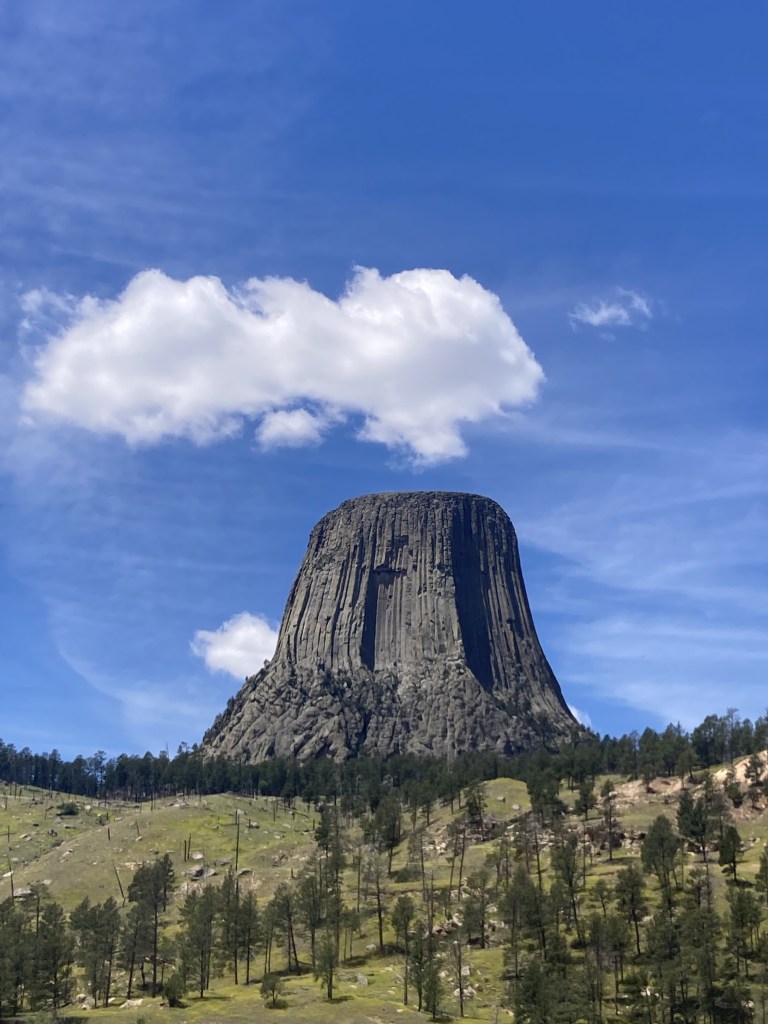
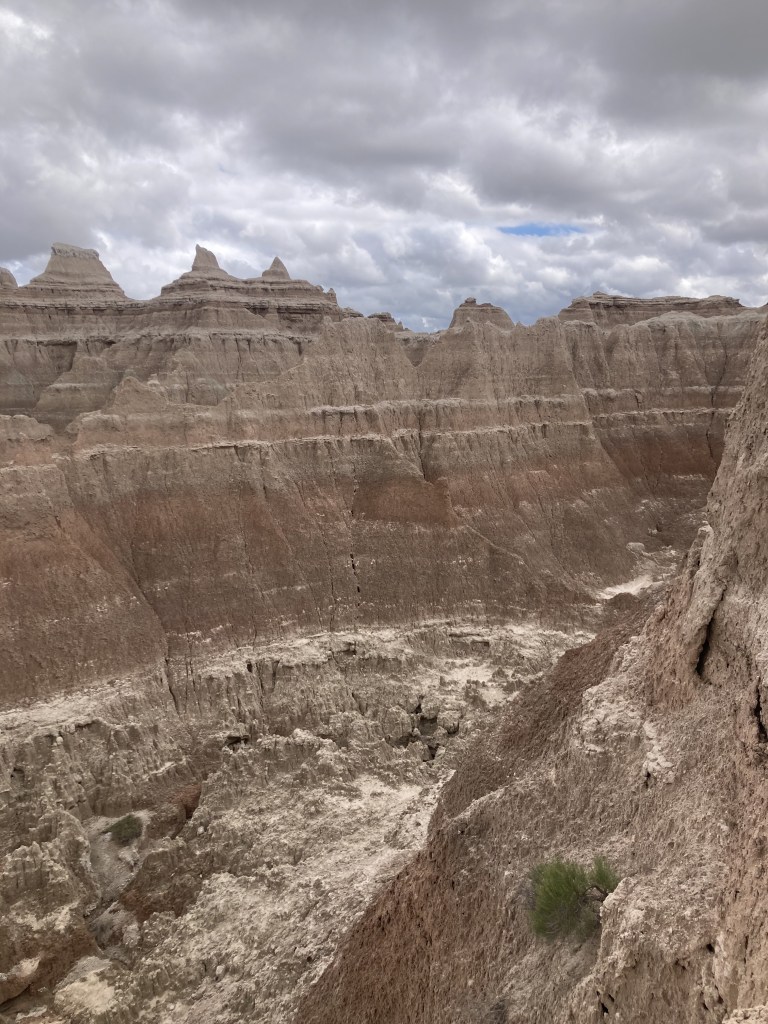
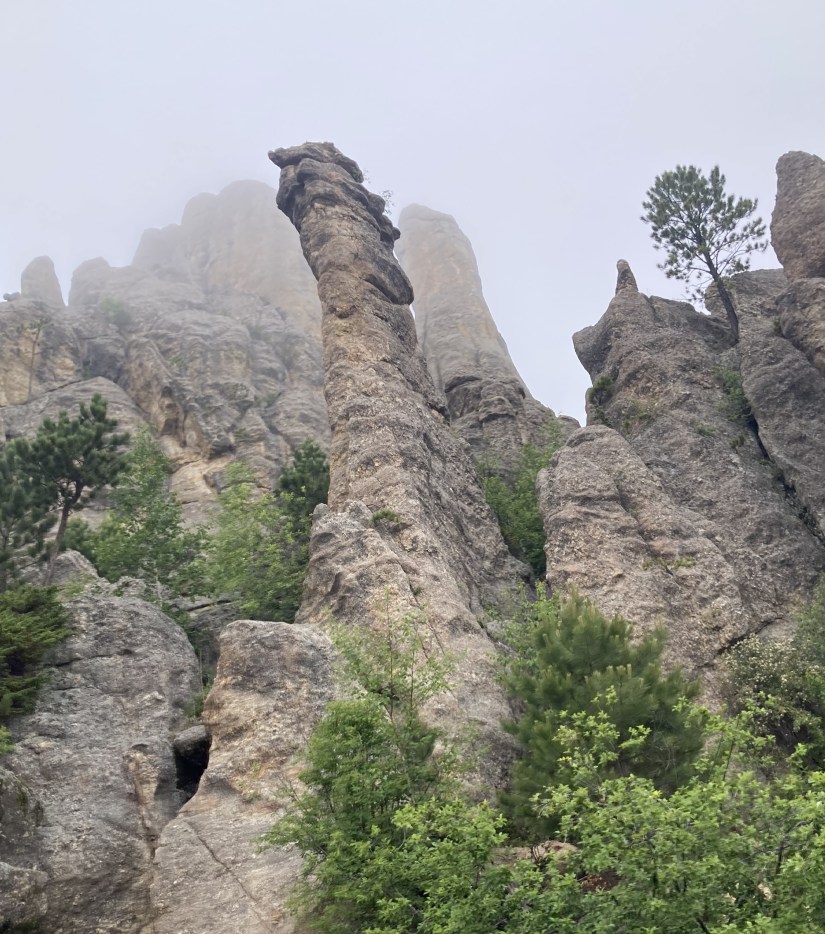
Why must the natural beauty of open spaces offer constantly be pushed aside in the name of business and development? Hiking through Sinks Canyon and Crazy Woman Canyon, visiting Devils Tower in Wyoming, driving around the area of the Badlands and through the Needles Highway in South Dakota, would be enough, it seems, to encourage us to answer Kimmerer’s question with a resounding yes, we need a different system, a different way of thinking. These areas are sacred places full of beauty. The entire area evoked in me a continuing sense of awe, the kind I’ve felt when staring up at the night sky sensing my small place in the cosmos. Open landscapes nourish us and help us regain our souls.

In a recent conversation with Bebo Franklin, author of The Harbinger of Elemdale about about the creative process of authoring a book Franklin writes, “The deeper I went into creating characters and understanding why they might behave as they did, the harder it became to reduce people to simply good, bad, broken, etc. They became much more complicated.” Writers create worlds in their books that help us look at the worlds we live in more closely. We might not be authors, but we’re living the stories we write with our lives. We’re flawed people trying to create the story we want to live in together, a life we want to inhabit as well as pass on. Wherever you live and whoever you are, we’re part of the creative process of life on this planet. Our character manifests itself in the place we live and the history we create. What we do ripples out through time to touch the world around us both now and in the future.

We can choose to be intentional about the transformation we bring about within ourselves and the world. We can make a practice of taking time to purposefully notice the natural world and its contribution to our lives. Go into your back yard and spend time with your favorite flower, stroll through a city park listening for birds, drive, bike or walk in some open space your heart calls you to and let that place speak to you. Try one of these fifty seasonal meditations from Emergence Magazine. “What if our metrics for well-being included birdsong, the crescendo of crickets on a summer evening, and neighbors calling to each other across the road?” writes Robin Wall Kimmerer. That’s the kind of world I want to live in.

Uncategorized

Invitation to a Reading

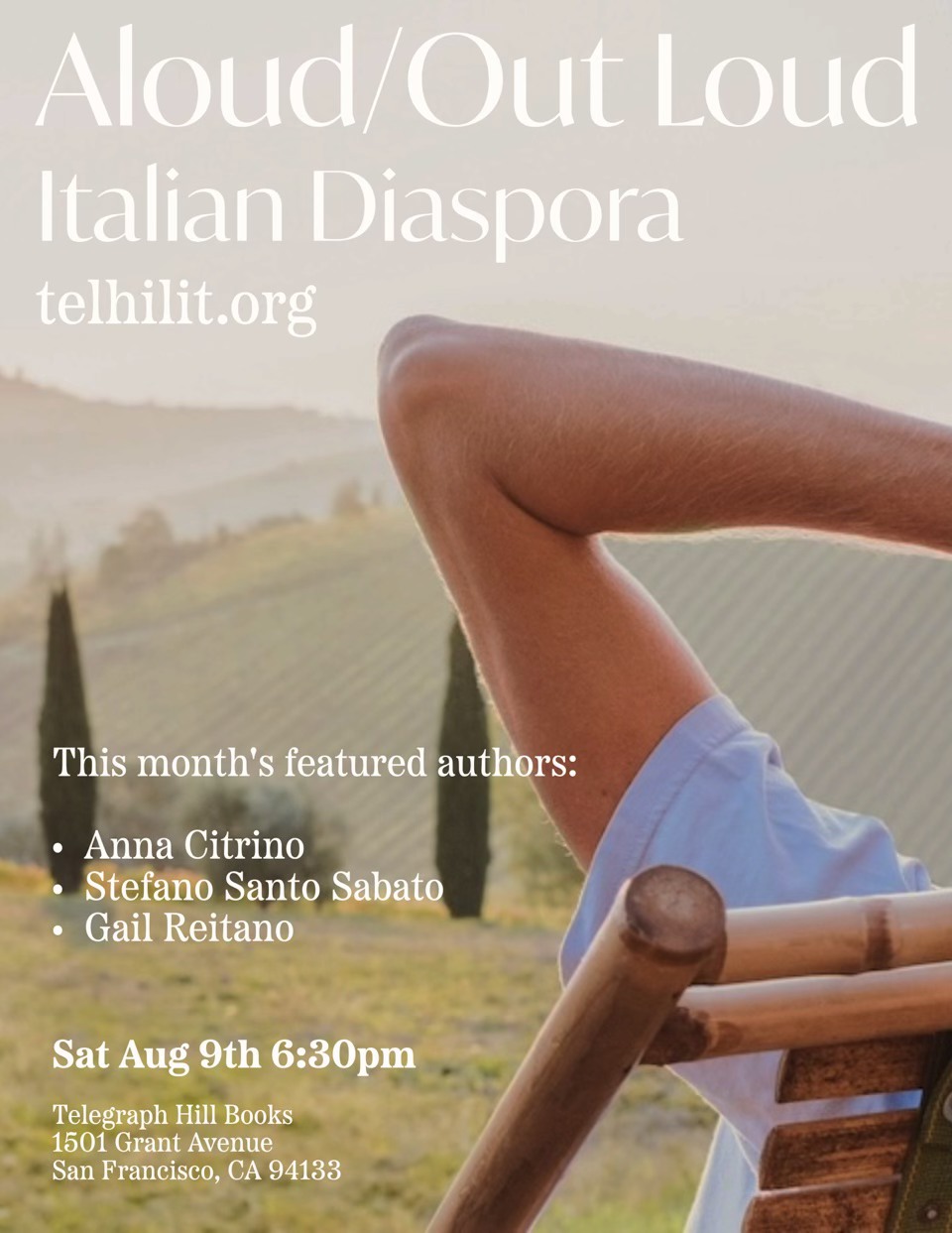
 Making a home while living between worlds can fulfill dreams. It can also cost you your life. Enter San Francisco’s turn of the century world through the eyes of an immigrant Italian family as they cope with complex challenges to their traditional way of life during a time of speakeasies, government corruption, natural disaster, the opening of the Golden Gate, and neighbors being sent to internment camps. For those of you in the San Francisco Bay Area, I will be reading poems from A Space Between, a story in narrative poetry showing an Italian family’s decision to leave Calabria and move to the US, and their challenges after their arrival. If you live in the San Francisco Bay area, I hope you can attend.

As a bit of background, the late 1800’s and early 1900’s was an era of populist politics and political bosses were a central part of the political setting. People from widely diverse backgrounds were living together without shared sense of community, common history or articulated shared beliefs and values. Political bosses rose in urban settings such as San Francisco. They manipulated voting, and were not opposed to using bribes or violence, and used people’s tight connection to their national origins to their own advantage to gain wealth and power. People flocked to the San Francisco after gold was discovered in 1848. Before the earthquake and fire of 1906, San Francisco was the center of industry on the West Coast and also one of the largest centers of population.

The hardships and challenges immigrants faced in the world they entered a century ago is similar to those people are facing today as the poem from A Space Between below illustrates.

GAETANO’S VIEW OF PROTECTION

With five bambini and a wife to care for, I’ve cut more
than corners to own my barber shops. I saved for years

to bring Luisa from Calabria. Worked hard after the quake
when people needed an extra hand to help rebuild. This city

is home now. I don’t need any papers to become American,
didn’t want to crouch in a trench during the War to prove it.

Luisa, the children, they needed me more
than the government. I’ve got friends, attend mass.

I don’t want to pay any protection people. The men
keep coming by asking for their dues. Sure, I’m Italian,

and every Italian doing business owes them. You can’t stand
alone, but those guys are crooks—gun running loan sharks,

gambling on the money they take from me to run their business.
They’re the ones I need protection from.

When Schmitz was mayor, boss Ruef demanded bribes from businesses.
Now that Ruef is in jail and Rolph is mayor, the new crime kings,

the McDonough brothers, run the police department with bribes.
The bosses crave their cut.

“One way or another, you’ll pay,” my cousin Amadeo reminds me.
“It may be America, but earthquakes come. Storms.

You need protection.” It might be prohibition, but San Francisco
isn’t dry. Irish, German, genovese or calabrese, for us, alcohol

isn’t evil. Back in 1906, Italians helped put out the Great Fire
with the wine they’d made in their basements.

The government disregards its own rules, though.
Prisons fill with those who drink while gangsters gain

from politicians who want their alcohol. Politicians’ power—
it’s a big show. They buy people like objects, play them

for what they can get or get away with.
Mayor Rolph invents stories for the press, makes money

from the prostitution house he owns.
I’ve given what I’ve had to to keep the business going.

My second shop on Market Street is doing well.
The bosses don’t like it. I pay the rent,

but they want more. Prohibition has made them
greedy. Things aren’t simple.

I don’t need to be handed a Mano Nera letter
from the Black Hand to feel the threat of harm.

I don’t fit with the Irish, can’t compete with the bail bond king,
McDonnough, his police and politician friends.

I’m not blind. Winds rising off the ocean can turn.
Gangsters might chase me down, wait for me

in some hidden hole, but I’m creating a future
for my children. Call me a hard-headed

testa dura calabrese, but isn’t this America?
I came to work. Let me do it.

Life is hard.
In Italy, our firstborn fell from a chair and died.

Every healthy man suffers. Food, family, home.
I’m not asking more than this for the work I do.

I’m a barber. I know what to cut and where.
Let me have what’s mine.

I stuff today’s earnings in my pocket, shut the shop,
step into the damp and dark. It’s December 5,

St. Nicholas eve. Nicholas, he knew about protection.
He was a real Godfather. He dropped those sacks of gold

down the chimney for that family so the parents
wouldn’t have to sell their children into slavery.

I’ll stop at the Shamrock Saloon like I was asked,
have a drink. Got to keep friends on every side.

(originally published in A Space Between by Bordighera Press.)

Southern Italian immigrants were skeptical of government because they had often been overlooked or mistreated by the various countries and governments that had occupied the land that had little consideration for its inhabitants. This past history encouraged a generalized distrust of government authority, leading to Gaetano’s reasoning of not needing to go through the paperwork to become an American citizen. People who came to the US at the turn of the last century weren’t required to become US citizens to live and work here. It wasn’t until 1978 that an amendment to the Immigration and Nationality Act of 1952 that it was unlawful to leave or enter the United States without a passport.

Leaving one’s country to move to a place you’ve never seen and enter a life with an uncertain future is a hugely difficult decision in any time period, including today. Immigrants from the past century helped build the America we live in today, despite the difficulties they faced.

Public concern and fears of the previous century about immigrants hasn’t gone away, however. On July 1, the US Senate passed a bill that increases the Immigration and Customs Enforcement’s budget threefold, a 265 percent annual budget increase, “the largest investment in detention and deportation in U.S. history,” according to the American Immigration Council, even though “In 2022, people without a documented status paid an estimated $25.7 billion in Social Security taxes. And a 2013 report by the Social Security actuaries concluded that earnings from immigrants without a documented status have a net positive effect on the Social Security trust fund, finding that they contributed a net $12 billion into the Social Security trust fund in 2010.”

US immigration policy has not had a major update for current social and economic realities since 1990. The immigration system we function under today in the US was never built for asylum. Instead of addressing the need to update the system, the U.S. Refugee Admissions Program has been suspended, and asylum seekers are being turned away. Additionally, backlogged cases can take years to move through the system, in part because there aren’t enough people working on the cases. The current US immigration system needs adequate funding so it can process people’s paperwork at the border in a timely manner and prevent delays in obtaining a visa.

Italian immigrants made significant contributions to the US in service, agriculture, construction and fishing industries. They cut stones for many of San Francisco’s buildings and laid the cobblestones the city’s streets. You may recognize some of Italian American’s other contributions: Actors/film producers: Frank Capra, Jimmy Durante, Rudolph Valentino. Artists: Attilio Piccirilli, with his five brothers: carved the Lincoln Memorial, Roger Morigi & Vincent Palumbo: carved the sculptures at the Washington National Cathedral. Joseph Barbera, cartoon artist. Inventor: Frank Zamboni—ice resurfacer. Singers: Enrico Caruso, Luisa Tettrazzini, Mario Lanza, Perry Como, Tony Bennett, Connie Francis, Frank Sinatra composer Henry Mancini, Nick La Rocca first jazz recording. Sports: Joe DiMaggio: baseball player, Rocky Marciano, boxer, Mario Andretti, car racing. Government: Angelo Rossi, Samuel Alioto. Workers: Carlo Tresca, labor organizer, Rose Bonavita: “Rosie the Riviter” Writers: Lawrence Ferlinghetti, Maria Mazziotti Gillan, Diane DiPrima. Businesses: Amadeo Giannini: founded Bank of Italy–became the Bank of America, Barnes & Noble, Chef Boyardee (Ettore Boiardi), Ghirardelli chocolate, Gallo, Italian Swiss Colony, Jacuzzi,  Robert Mondavi vineyards, Tropicana.

Like citizens of any particular country, immigrants want to provide for themselves and their families, but they also significantly benefit the places they live. When looking through just the economic lens, immigrants today contribute billions to the US economy. According to the American Immigration Council, “In 2023, immigrant households paid over $167 billion in rent in the housing market, and held over $6.6 trillion in housing wealth” among other significant contributions. As in the previous century, immigrants’ skills, cultural gifts, and offerings add exponentially to American cultural richness and life as well. (You can read more about the impact of immigration on the US and the many other ways immigrants benefit the US here.)

Years ago, I attended the Flight of the Mind writing workshop at a retreat center on the McKenzie River outside of Eugene, Oregon where Lucille Clifton was my workshop leader. Her statement of how poetry humanizes us has come back to me many times over the years. Now, as much as ever, we need to embrace those thoughts, practices, and actions that humanize us and bring us to a recognition of our mutual interdependence on each other.

None of us has all the skills or time needed to completely provide for even our basic physical needs of water, food, clothing, shelter and transportation. We need each other. My hope is that when reading A Space Between people will gain greater insight into the challenges immigrants face, that the book will open hearts and minds to see themselves in their neighbor’s faces.

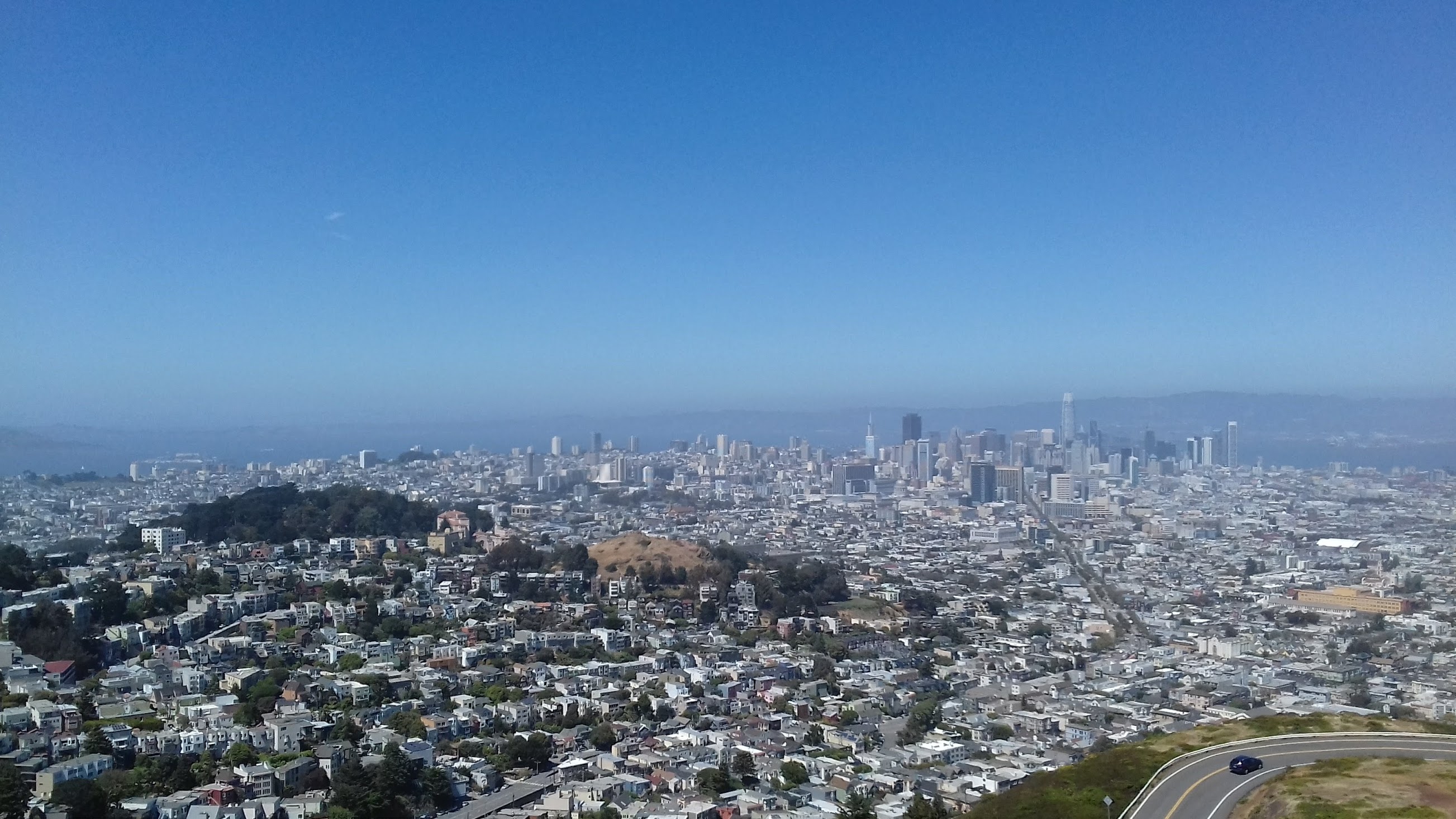
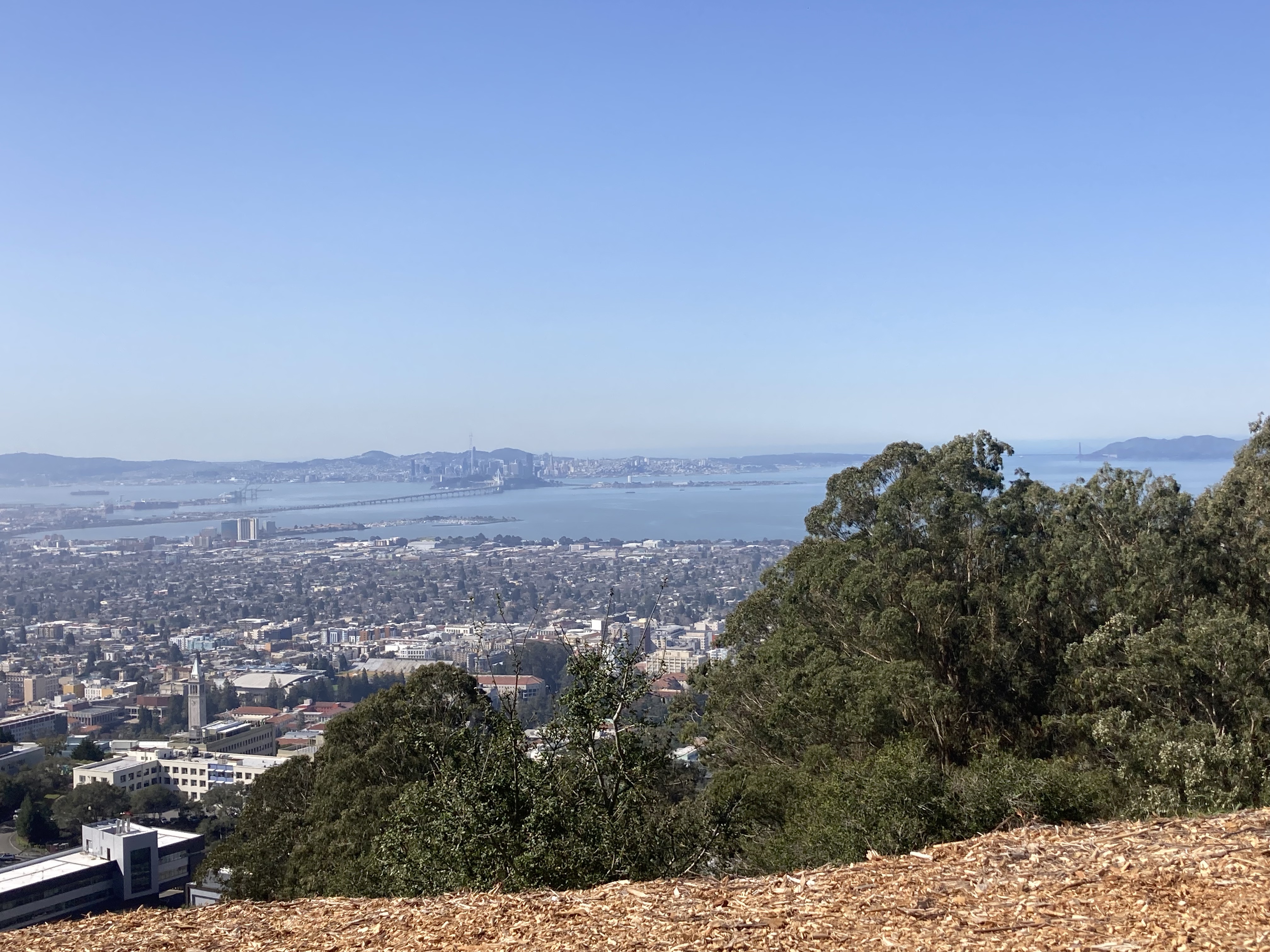
Overview of San Francisco

In his statement about the book, Nicholas Samaras wrote, “A Space Between” is a massive, ambitious effort of epic proportions that rewards with its interweavings of history, consequence, heritage and legacy. How heartening it is to witness in these poems the resonance through generations of immigration and sacrifice to provide for living, surviving, prospering. As the author smartly observes in her tight oxymoron, “Light hauls its weight from stone to stone,” it is refreshing to see forward in appreciation by looking back into the past that never leaves us.”

If you live in the San Francisco Bay Area, I hope you will come to the August 9 reading at 6:30 pm at Telegraph Hill Books, 1501 Grant Avenue, San Francisco, CA. Register online here to reserve your space. If you can’t make it to the reading, I hope you will read the book.

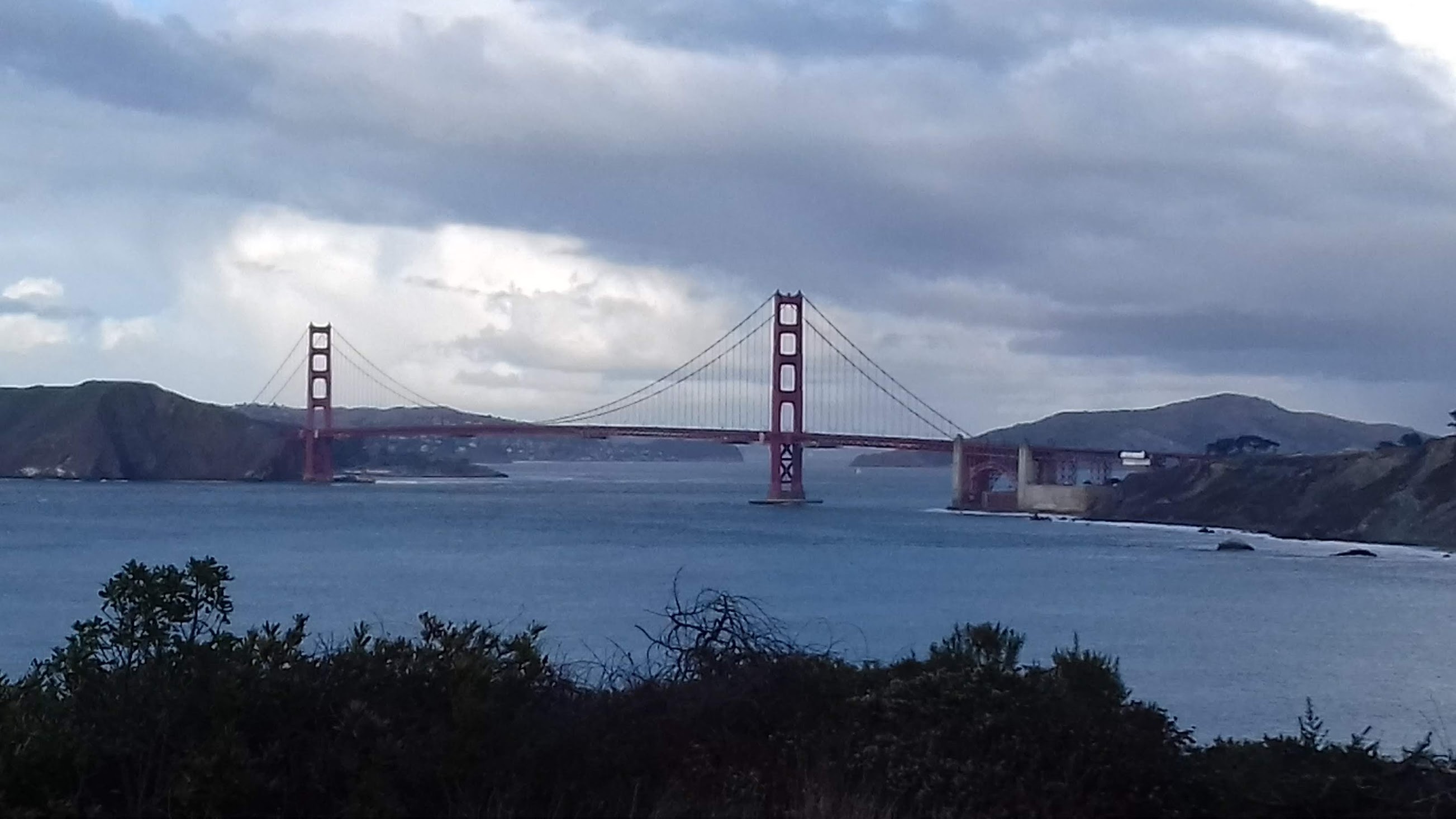
Golden Gate Bridge, San Francisco
Uncategorized

Worlds We Carry With Us

“…she knew her memory was failing and she said to me, ‘I can’t forget them. If 
I do, there will be no one left to remember that they ever existed.’” –Anne Berest, The Postcard

Moving back to the United States after living abroad in six different countries for over two and a half decades, I now want to get a better understanding of the country I live in and the land I live on. Something I’ve noticed in adjusting to living in different cultures and in visiting countries occupied by various other cultures over long periods of time is that people who have left one region of the world for another carry the world they came from with them. 

Great Basin, Nevada, US

When early settlers from the East Coast came to the western states, they learned that the land there had different needs and requirements. The soil and climate were different. More land was needed to achieve the amount of food production desired. The world one arrives at after a move is not the one that is left behind. It takes time to understand and adjust to a world not your own and cultures that function with different organizational structures, have different ways of seeing and follow different rules. The environment in one area isn’t the same those in other areas, and the needs aren’t always understood when moving to a new area.

When I moved to Sonoma County two years ago, I encountered a part of American history I was formerly unaware of–that portions of the county were formerly a Russian colony. Years ago, I visited Sitka, Alaska, and learned of its history as a Russian settlement. Called Novo-Arkhangel’sk by the Russian colonists, Sitka came into existence for the purpose of expanding Russia’s fur trade in the area. (Read more about the history here.) What I didn’t know when visiting Sitka, was that Russia had also set up a colony on native people’s lands north of San Francisco in the early years of the 1800s. Because of the cold climate, it was difficult to keep Russian colonies in the northwest adequately supplied with provisions. As a result, the Russians sought a settlement further south on the American continent’s western coast.

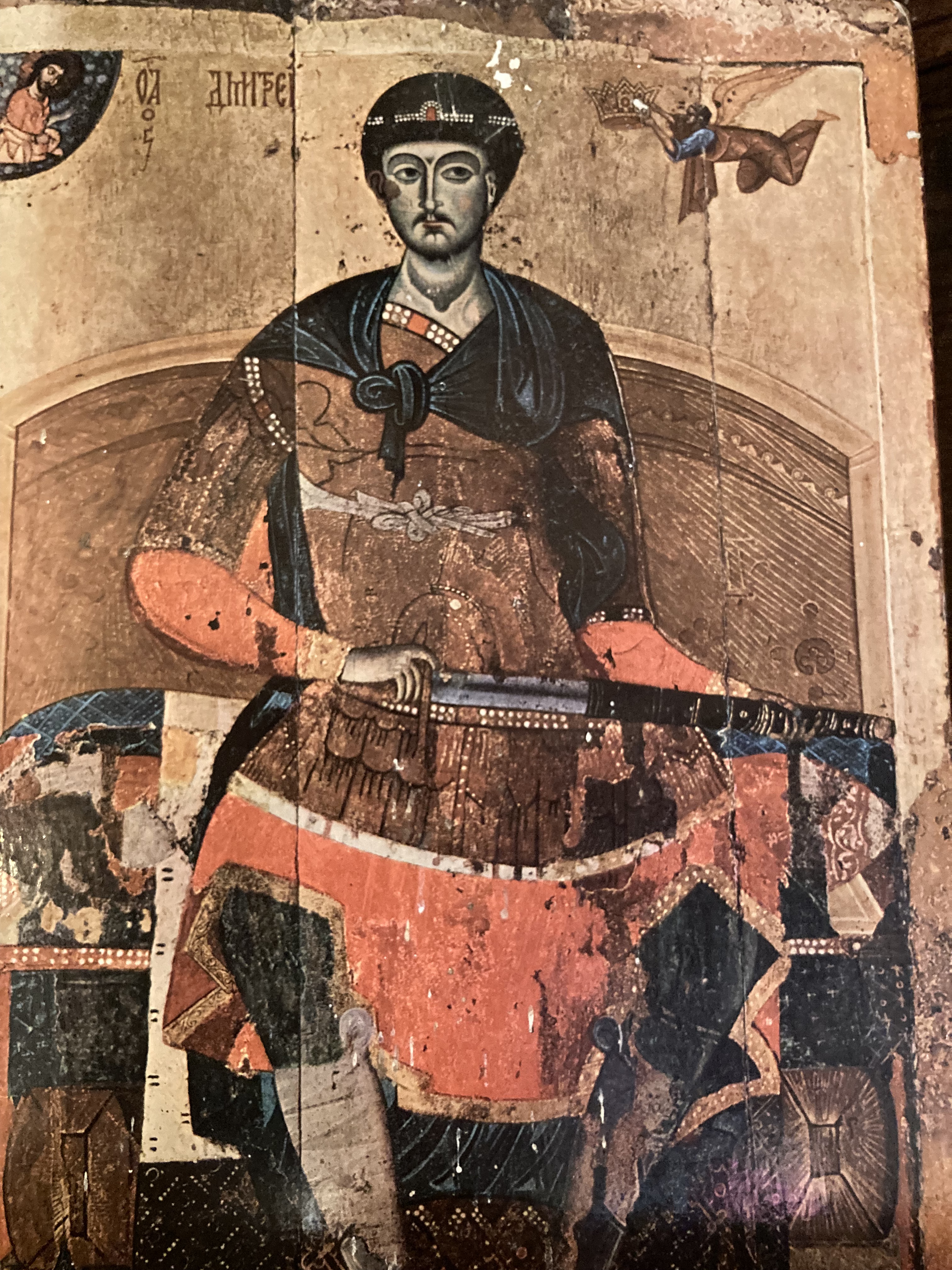
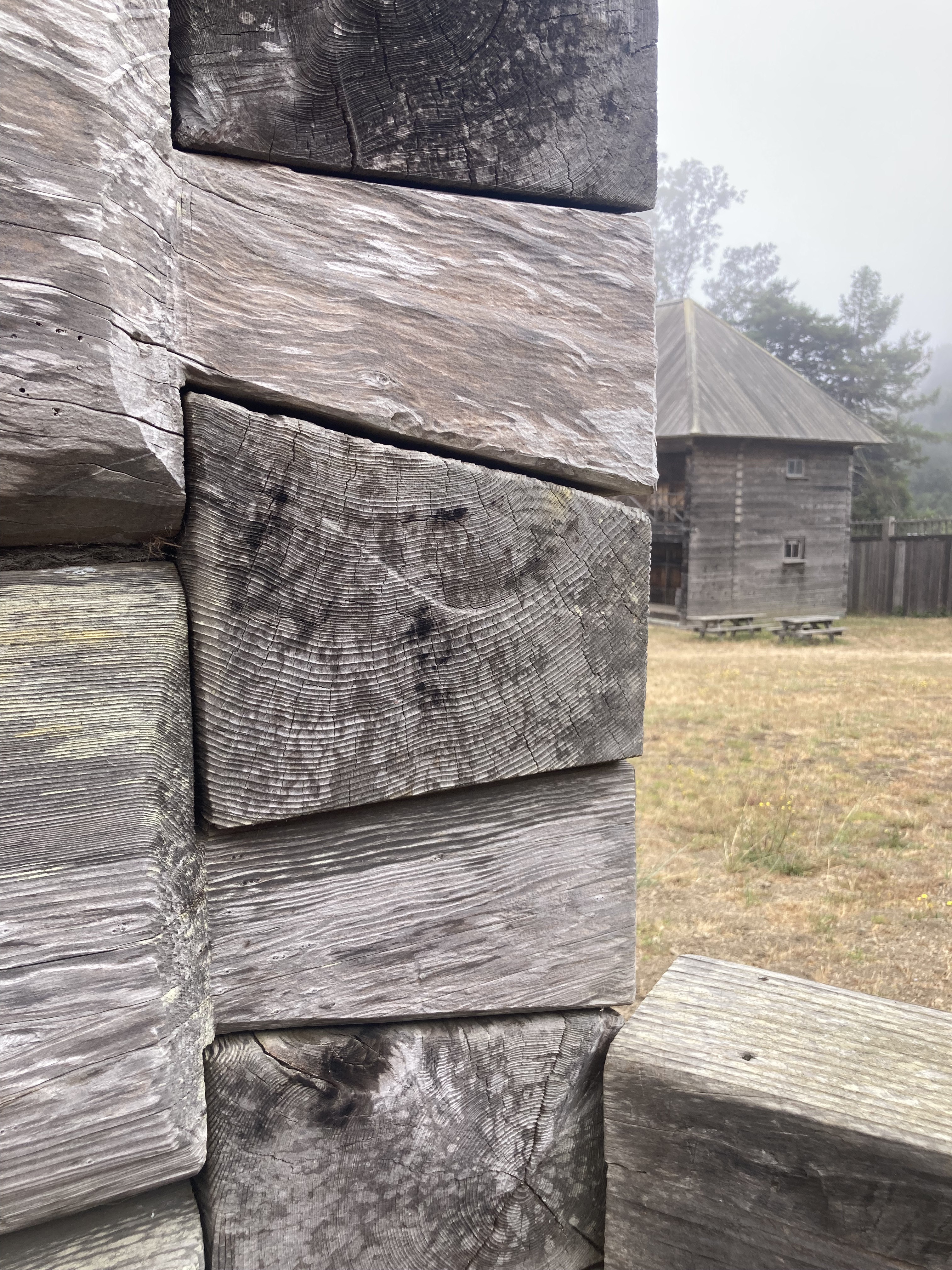
Russians used Bodega Bay’s outer waters as a harbor and renamed it Rumiantsev Bay, and built a fort further north on the Sonoma Coast using building styles similar to those in Sitka and in Siberia. The stockade, blockhouses, and log buildings were completed on August 30, 1812. Cannons were placed in the stockade and blockhouses and the flag of the Russian-American Company was raised. Known now as Fort Ross, its name likely coming from the fort’s connection with Russia, Rossiia, being an alternative from of the word Russia, and Ross a shortening of Rossia, is now a California State Park.

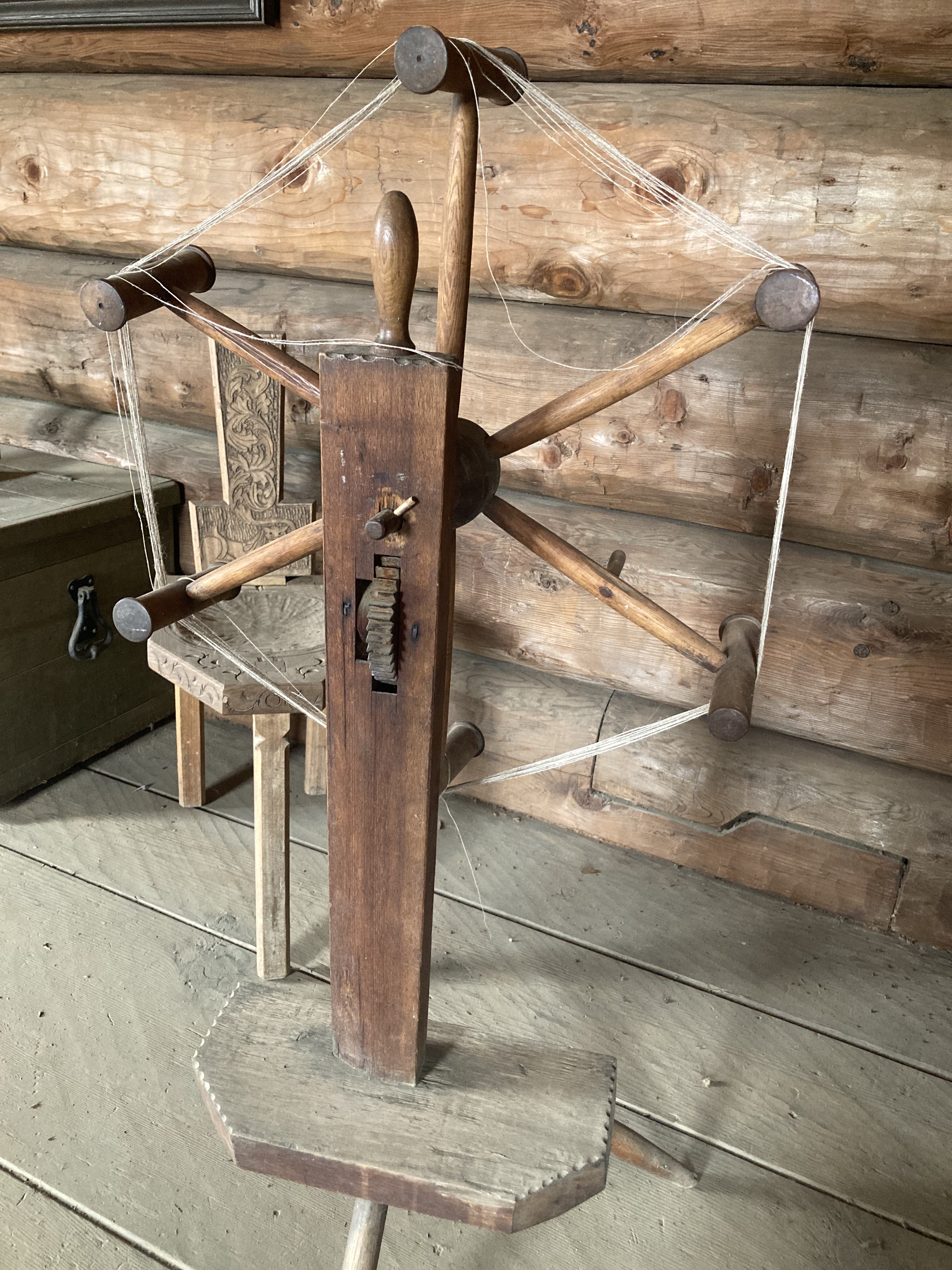
Craftsmen at the fort made barrels, plows, and built ships and boats. People at the fort gardened and raised cattle. A chapel was built at the fort in the Orthodox style where weddings, baptisms, burials, prayer and other religious practices were held. The fort’s inhabitants carried out experiments in farming. Grape stock was brought from Peru and peach trees from Monterey, as well as apples, cherries, pear, wheat, corn, beans, and tobacco–all of these crops and activities familiar to their own culture.

According to the Sonoma Index Tribune, Russians brought Gravenstein apples to the Fort Ross area. Later, in 1850s, the apples were brought to the area around Graton in Sonoma County. More orchards were planted in the area, and apple production was a central agricultural product in the area, giving Sebastopol a nation-wide reputation for its apples.

The architectural forms the Russians’ buildings took and the way they were made are unique to their culture as well. They didn’t use the structural methods of the people native to the lands they were occupying. Additionally, the Russians hunted for otter along the coast until their presence was exhausted, leading to the collapse of the Russian colony.

Though stories of the Russian colony on the US western coast is one we may be unfamiliar with, it nevertheless helped to make the world we walk around in. There can be a variety of reasons for our not knowing the stories of the land we inhabit. The people who came before us may have endured such hardship that it was too painful to tell the stories, alternatively, sometimes shame surrounds how the land we live on was acquired and people don’t want to tell the story or create an alternative story or simply keep silent about the story, as Louise Dunlap suggests in her book Inherited SilenceOther people are so caught up in their own daily story that they haven’t considered the story of the land they live on. Nevertheless, as Berest writes in The Postcard, “I carry within me, inscribed in the very cells of my body, the memory.”

Author Dale M. Kushner, in her blog post, “The Things We Carry: How Our Ancestors’ Traumas May Influence Who We Are,” explains how research findings in the field of behavioral epigenetics, “have documented that trauma can affect the expression or suppression of certain genes, not only for the person involved but also for succeeding generations,” as can experiences of familial shame, guilt, despair, rage, hopelessness, evidence suggests,” says Kushner, but she goes on to explain how Jungian psychologist James Hollis suggests we “look to our imaginations as a portal to healing,” to the “arts of ceremony and ritual, and to our in-dwelling creative spirits that remain alive no matter what terrible thing has happened to us.”

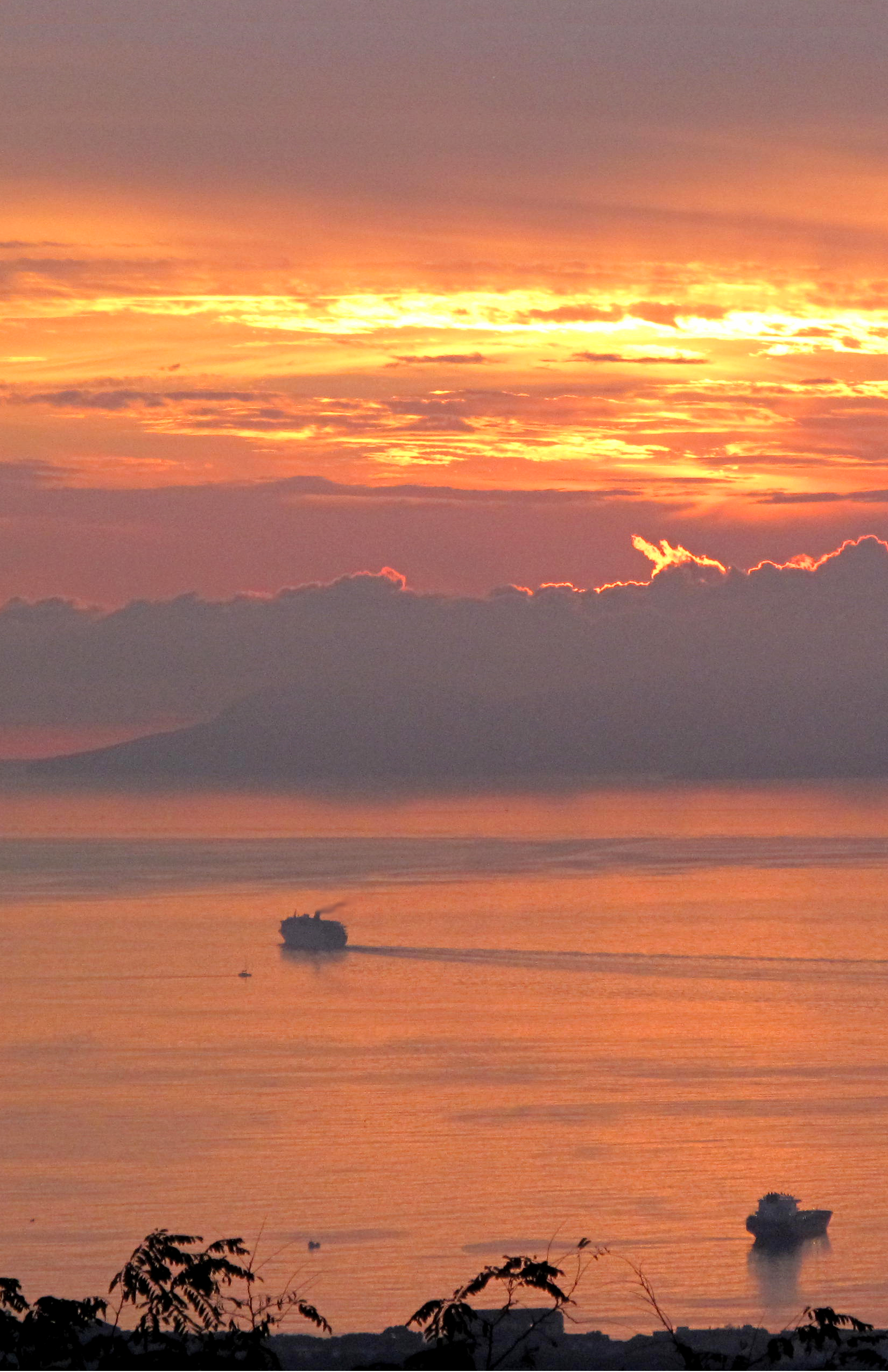
Sunset looking toward Fresno, California

Alberto Rios in his poem “A House Called Tomorrow” writes

When you as a child learned to speak,
It’s not that you didn’t know words—

It’s that, from the centuries, you knew so many,
And it’s hard to choose the words that will be your own.

From those centuries we human beings bring with us
The simple solutions and songs,

The river bridges and star charts and song harmonies
All in service to a simple idea:

That we can make a house called tomorrow.
What we bring, finally, into the new day, every day,

Is ourselves. And that’s all we need
To start. That’s everything we require to keep going. 

It’s important to consider what we bring to the communities we interact with so that we co-create the kind of world we want to exist. Though it’s not humanly possible to know every culture’s perspective, we can be aware that our way of seeing is but one way and that there are others that may be more fitting. As Rios says, what we bring into the new day, every day is ourselves and that is what we need to start and to keep going. We don’t live separate lives. Many cultures and ways of seeing and acting form our world. We each participate in making the world we inhabit as well as the one those after us will live in.

The natural world is one of generosity and community. Trees, for example, give shade to anyone who walk beneath them. Rivers give water to all who drink from them without withholding. Charles Eisenstein states in his article, “The Relationship Between Gifts and Community: on the Daily Good website offers a beautiful way we can begin to create community and a more generous world. “Community is woven from gifts,” Eisenstein states, and suggests creating gift circles where people gather to express their needs, share with each other something they would like to give, and then later gather to give gratitude for what was given. As Rios points out in his poem, “we can make a house called tomorrow.” That tomorrow begins with becoming gifts to each other and recognizing the gifts that abound everywhere in the around us.

Park in Telluride, Colorado, US
community, place, trees, Uncategorized

Our Many Homes

When researching for my book A Space Between, I learned histories, geographies, and perspectives I was previously unaware of. Though born an American citizen, there are many histories I am unaware of even in my own place of birth. Locations we inhabit today are the crossroads of many histories and people. As Italo Calvino showed in his book, Invisible Cities, the place we live contains many worlds.

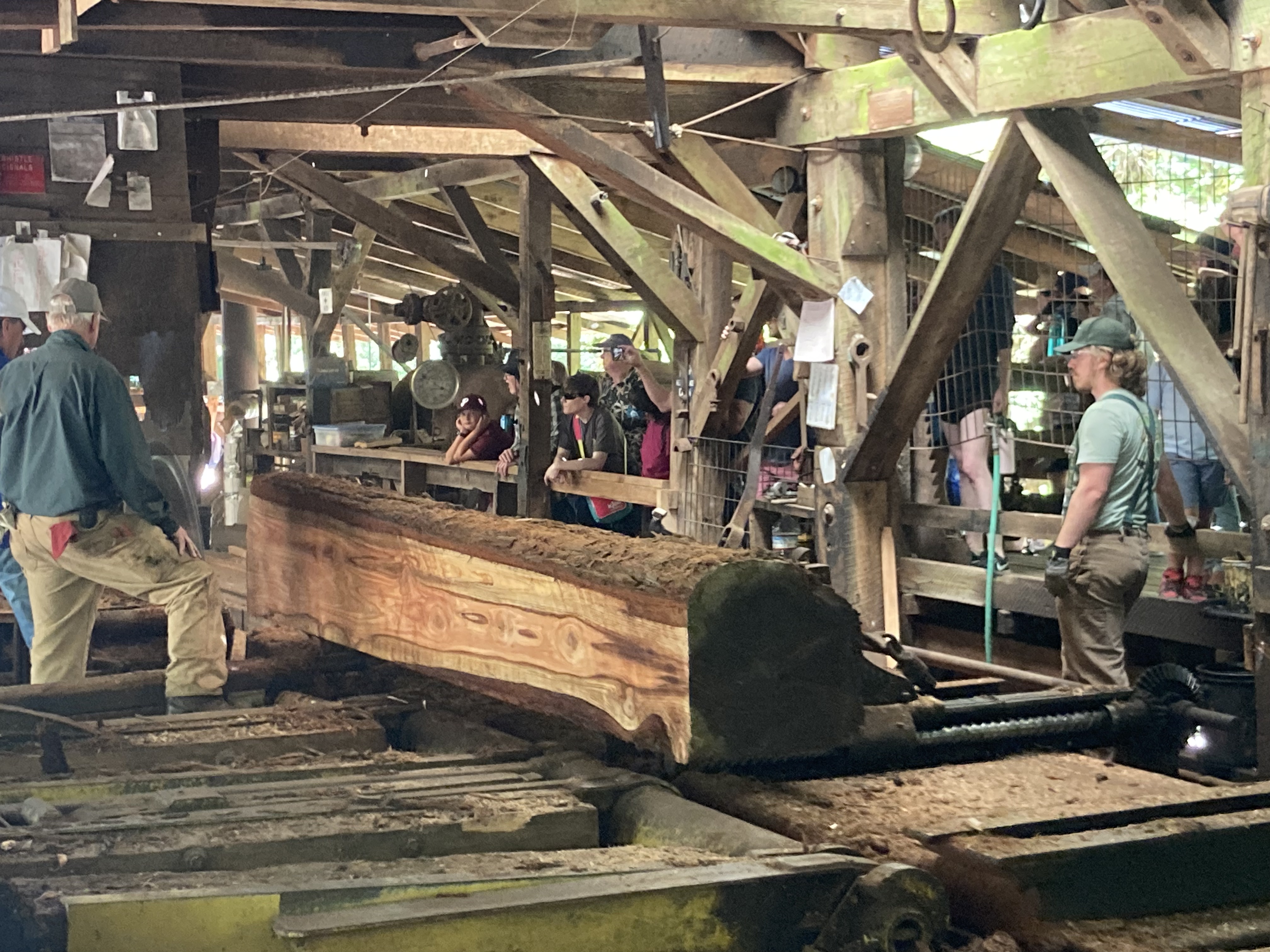
Recently, I visited Sturgeon’s Mill in Sonoma County where I observed the mill, in operation a only few days a year, that cut redwoods that provided the lumber for rebuilding houses after the 1906 San Francisco earthquake and subsequent great fire where over 3,000 people died and 80% of the city was destroyed. To date, that quake remains the deadliest in US history. According to Redwood Ed: A Guide To The Coast Redwoods For Learners and Teachers, in 1905 85-90% of the redwood forests were not yet logged. (You can view several astonishing historical photos of loggers cutting redwoods on this site when scrolling down.) The mill is steam powered, and still operates four weekends a year run by a group of volunteers.

A visit to Sturgeon’s Mill allows observers a glimpse of how redwood was processed into lumber used for building during the era before and after the 1906 San Francisco quake and fire. Old-growth redwood forests store at least three times more carbon above ground than any other forest on earth,” says Altea George. When traveling through San Francisco’s neighborhoods today, however, the disappearance of much of California’s redwoods in the effort to rebuild the city after the quake isn’t something we often think about.

Though the value of preserving forests is better understood now than it was in the last century, following WW2 between 1945 and 1948, sawmills around the Bay Area more than tripled. A further housing boom in the 1960s added to the demand for redwood and fir lumber. “Today over 95% of the original redwood forest area has been logged at least once.”

Redwood stump at Armstrong Woods State Park, California

Our homes today are the result of ideas and products from many origins we’re often not conscious of. As Kamala Harris has stated, “You exist in the context of all in which you live and what came before you.” Wherever we go, we carry our histories with us. Our ancestors’ histories and modes of thinking have shaped our lives and way of being in the world. Those living in California’s wider Bay Area still inhabit many houses constructed with redwood taken from forests after the 1906 quake. The quake led to changes in the way commercial buildings are made. Previous to the quake, concrete buildings were thought ugly. Because concrete is an inflexible material, people didn’t want to use it in an earthquake zone. One building that didn’t fall during the quake, the Bekins building , was made of steel reinforced concrete. This observation led to a change in building codes in 1908 influencing the way urban structures are built in cities today.

A California native, I grew up on a hillside strewn with granite boulders and covered with yellow grass. Evenings, I listened to cricket throb and coyotes calling across the valley. Soundscape ecologist Bernie Krause tells us, “Every soundscape that springs from a wild habitat generates its own unique signature, one that contains incredible amounts of information.” Not only does the built environment help us understand where we are, the land itself speaks in a way that helps us recognize where we are, and I’ve loved the way the land I was born on has sung its shape into my heart. 

I’ve also stood on a red rock resting outside the small town of Wheatland, Wyoming where my mother was born, the plain stretching far into the distance, and sensed its solid presence rise through my feet. Outside Chugwater, Wyoming where my great grandparents and great aunts and uncles lived and worked, I’ve stood in a field between the thick grassy strands of wheat and felt its welcome, touching vicariously the land of my origin though I’ve never lived there. 

Driving down roadways, we move with the traffic’s flow, all those around us carrying their own histories and stories. Whitman wrote, “(I am large, I contain multitudes.)” We don’t have to have lived in a place to sense a connection to it. Many homes coexist in us. There’s the home of our native tongue, the home of our way of seeing and thinking, and the home of particular clothes we wear that allow us to feel relaxed. There’s the home of foods that comfort us such as spaghetti, or tom kha gai soup, the home of routines with morning tea or coffee, for example, and the home of habits we follow such as reading the morning news, sitting for a morning meditation, or taking an evening stroll. 

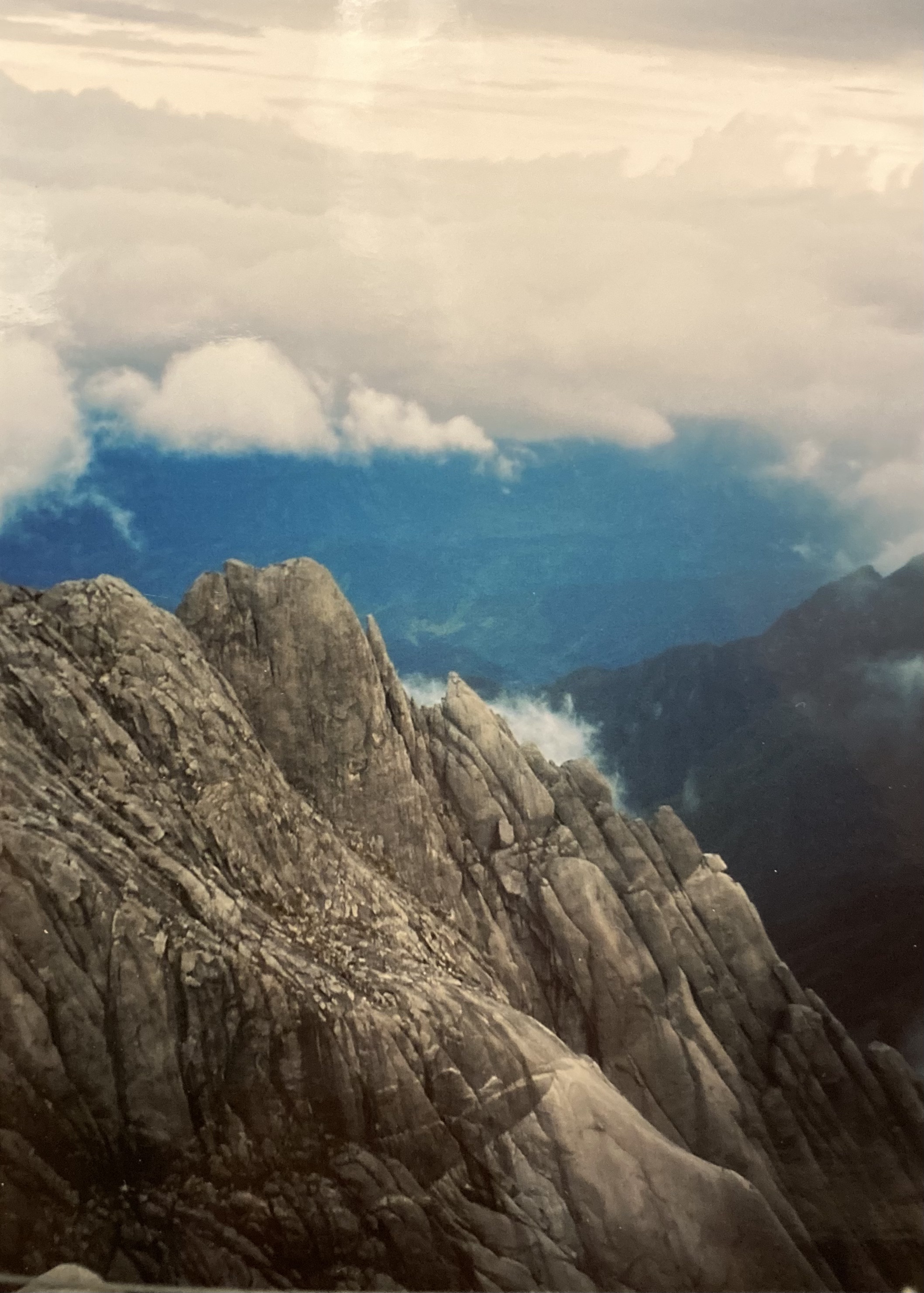
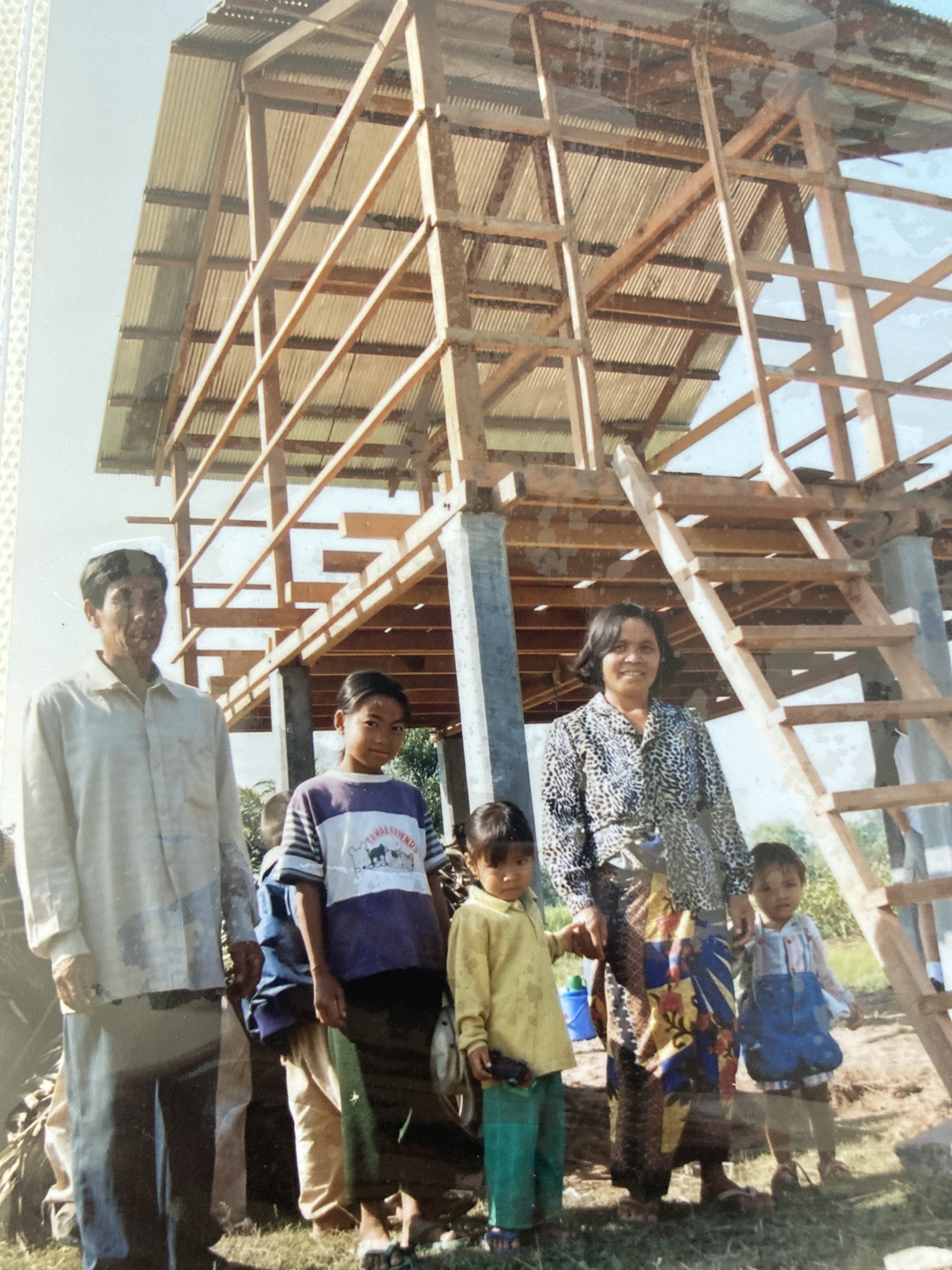
We rely on resources from around the world to create homes we live in. What is the value of knowing the history and origins of our way of life that have come together to create a place we call home? I’ve lived in six different countries outside of the US. Each one has left its imprint and came to feel like a kind of home. We can move across the world, to live in or visit a place that has entirely different protocols for how to eat food or negotiate and still can find connections to those around us, to the city, or the natural world. In Vietnam I’ve stood with hundreds of others in Tien Son Cave who lifted their arms with hands outstretched hoping drops of sacred water. In Saudi I’ve shared iftar after Maghrib prayer, and have stood in an empty lot with students in Kuwait, waiting to be cleared after a bomb threat. I’ve worked with fellow divers and a Cambodian family to build house, celebrated the Mid-Autumn Lantern Festival with friends in Singapore, and endured torrential rains in the forests on Mt. Kinabalu. I’ve attended weddings in New Delhi, and funerals in the US. I’ve ridden calmly to my destination with thousands of strangers on subways in London and St. Petersburg, been swept along by undersea currents near Palau. I’ve walked through Columbia’s Catedral de Sal de Zipaquirá carved by miners beginning in the fifth century BC, and have stood on the African continent’s southernmost edge and thought of the many ships that sailed past its windy coast whose voyages changed the shape of history. Each experience and countless others have helped me understand that though I was born in a particular place, my actions are part of a greater stream of life. All that has come before me as well as the variety of ways people interact with the world shape what I experience at any one point in time. What we call home is a collective making. Each of us are part of a greater whole. As Whitman writes in Leaves of Grass, “Past and present and future are not disjointed but joined.” Each of us is a continuation of the past, an embodiment of the present. We hold the future in the way we pass on our thoughts and carryout our actions and intentions.

William Stafford, in his poem, “Being a Person,” writes,

Be a person here. Stand by the river, invoke
the owls. Invoke winter, then spring.
Let any season that wants to come here make its own
call. After that sound goes away, wait.
A slow bubble rises through the earth
and begins to include sky, stars, all space,
even the outracing, expanding thought.
Come back and hear the little sound again.
Suddenly this dream you are having matches
everyone’s dream, and the result is the world.
If a different call came there wouldn’t be any
world, or you, or the river, or the owls calling.
How you stand here is important. How you
listen for the next things to happen. How you breathe.

Though we are born into a particular place in time and way of thinking, we benefit from expanding our awareness of the worlds and people that create the place we call home. We can renew our lives through choosing to be hospitable to new ideas and ways of being, even seemingly foreign ones. Here’s a few possibilities: Ask relatives about the stories of their lives and the experiences that shaped them. Try taking a new route home or tasting a new food. Listen to a type of music you’re not familiar with. Practice a few phrases in a language you don’t know. Visit an art gallery and read about how that art connects to the thinking of a particular era. Read about the history of your city. Find out the names of plants on your street, which are native to your area and which aren’t. Learn the story of a bridge or building in your area. Have a conversation with someone of a different background, age, or ability level from you. Listen to what they tell you about their lives. Look for new insights and connections. There are many ways to renew and expand our experience of home and to be at home with those around us.

Every day we make use of ideas or rely on inventions passed on to us from elsewhere and previous times. The wheel, the battery, and the telephone–we rely on myriad things that weren’t part of our original human home. Languages borrow words from other languages when there’s no equivalent in one’s own language. For example, the Turkish language has borrowed the word asansör  from the French ascenceur (elevator in English) and the Japanese language has borrowed arubaito アルバイトfrom the German word for part-time job arbeit. None of us are the product of a single, unified story. Embracing new words, ideas, and even worlds can enable us to thrive and grow whole.

Lumber mills like Sturgeon’s here in Sonoma County that cut the redwoods that rebuilt San Francisco after the 1906 quake changed California’s environment. Ancient redwood forests once occupied 2 million acres. After visiting redwoods near Eureka, California, John Reid in his opinion article “Thinking Long-Term: Why We Should Bring Back Redwood Forests” published on the Yale School of the Environment‘s website writes, “The beginning of the old growth is like a threshold between beauty and magic. The giants make time visible. Which makes me think a thousand years forward. If an entire landscape of this should exist in the year 3023, students of our culture may be tempted to conclude that, in our time, forests were sacred.” We share the world together with our neighbors as well as those across the world. What are your dreams for the kind of home you want to inhabit? Most of us would like to live in a world that is both beautiful and kind. As Stafford says, “this dream you are having matches/ everyone’s dream, and the result is the world…/ How you stand here is important…How you breathe.”