Uncategorized

Gifts of Diaspora and an Invitation

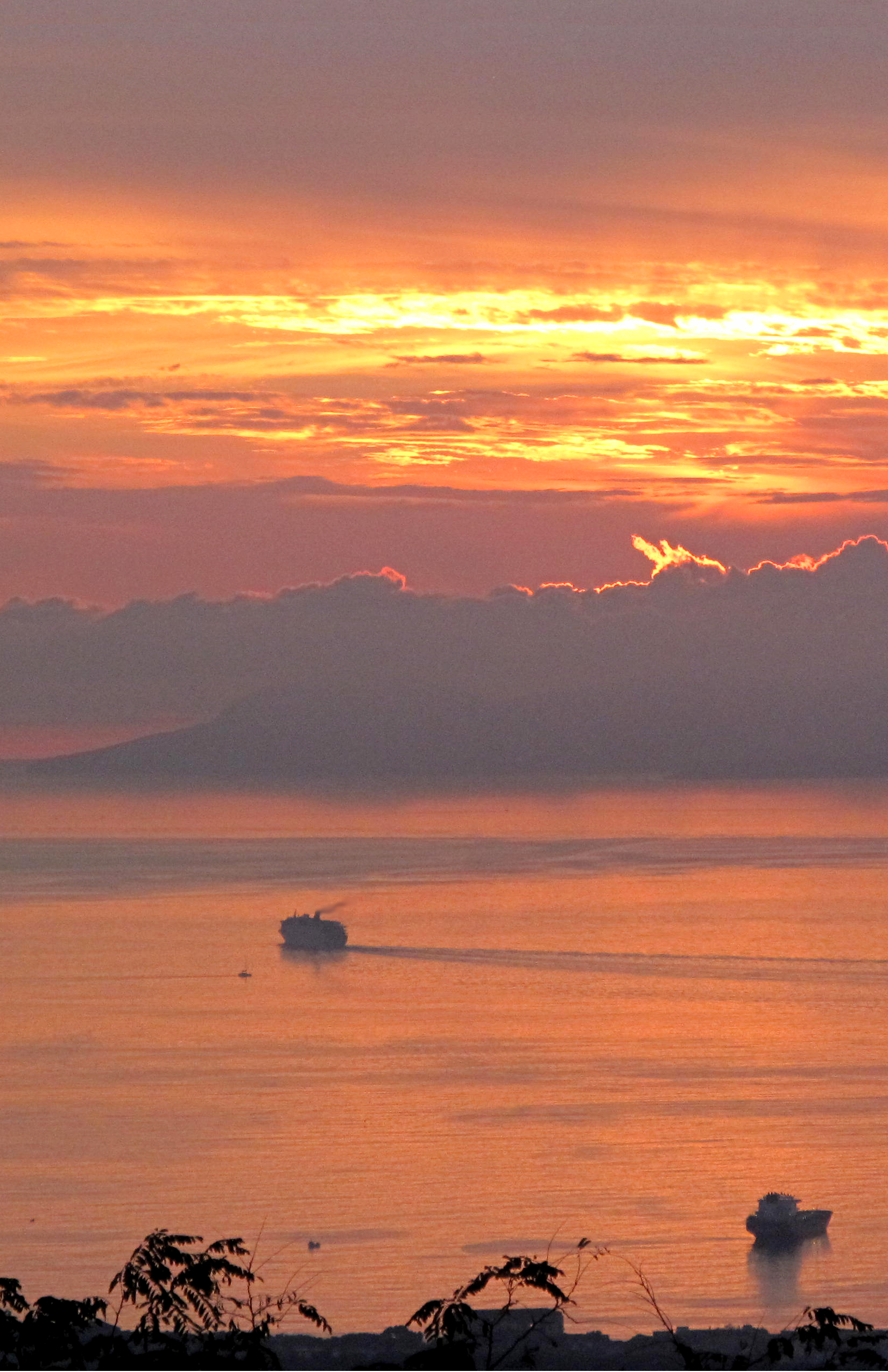
Overlooking Naples Bay, Italy. This is the scene that inspired the first poem in my book, A Space Between about Italian family members’ immigration to the United States and their effort to create a life there.
"We’ve made a life here together, Gaetano and I,
loss, and hope, wound together in a garment of fog
that rolls in from across the Pacific. I walk through
my neighborhood, a thimble full of narrow streets—
a world no bigger than before but strange. Chinese,
Germans, Spaniards, Greeks, we are loose threads
dangling beneath this country’s clattering loom
of tongues, pale faces and pale ways, trying to see
how we might find our way into its fabric."

-- Anna Citrino, from "Making a Life," A Space Between


Some of my family members immigrated to the US more than a century ago, others of them over two centuries ago. Upon arrival they encountered people from other nations, each with their unique ways of seeing and living in the world. Immigrants' efforts to make a life in the US worked to shape the fabric of the life we have today. "An awful lot of brilliant minds blossomed in alien soil. That is especially true of the U.S., where foreign-born residents account for only 13% of the population but hold nearly a third of all patents and a quarter of all Nobel Prizes awarded to Americans," writes Eric Weiner in the Wall Street Journal. Italians brought the zucchini, broccoli, pizza, and spaghetti to American diets. They also helped build subway tunnels and laid the stone for streets in San Francisco. Germans brought the idea of kindergarten, physical education in public schools, and Christmas trees as part of our December traditions. Jewish immigrant Jonas Salk developed the first safe and effective polio vaccine. Other Jewish immigrants brought Broadway musicals to the US, and writers like Emma Lazarus created the poem found on the Statue of Liberty. Immigrants' contributions have added to our lives in significant ways. Diaspora can be a gift.
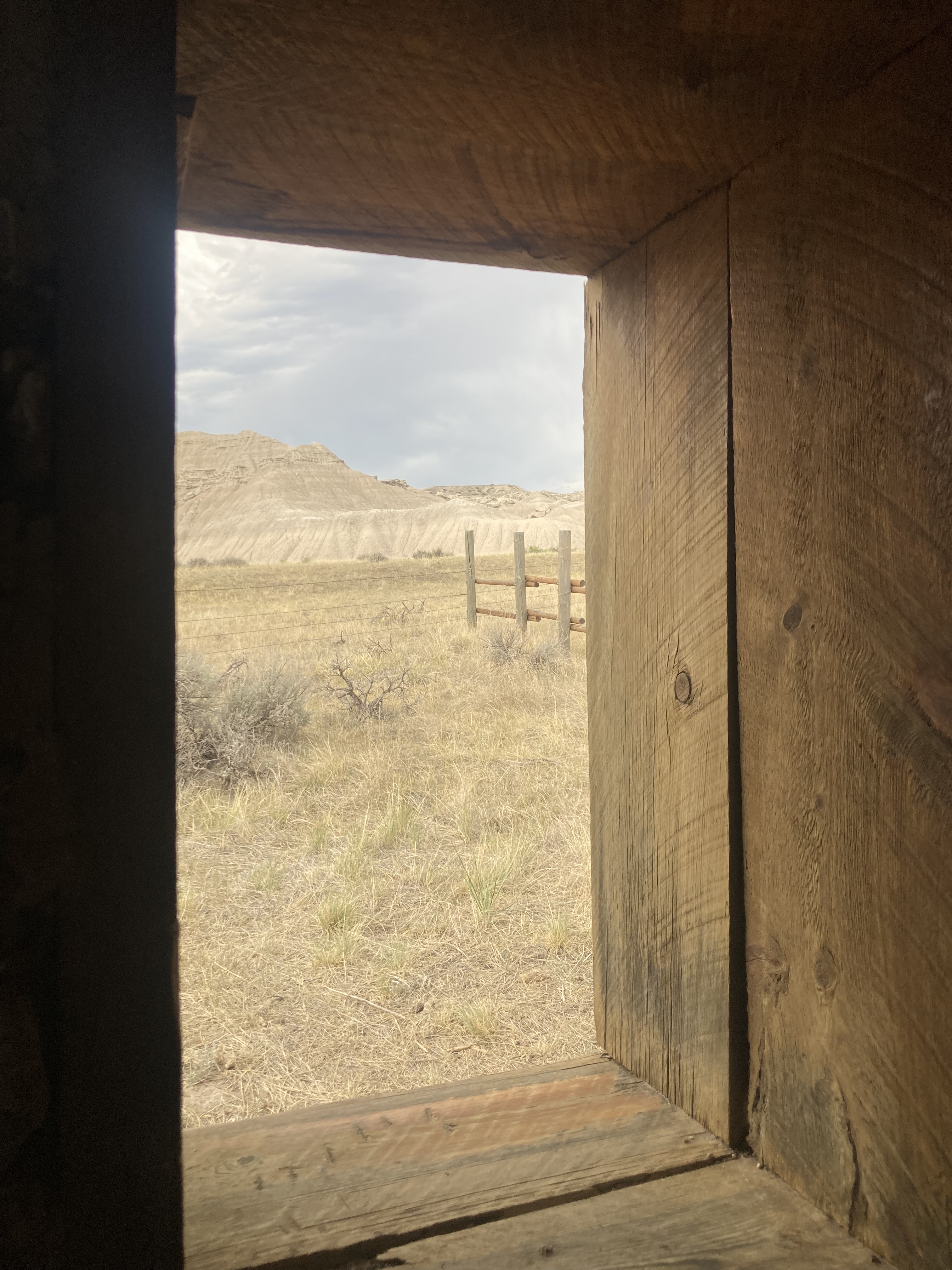
At Toadstool Geological Park, Nebraska near where my great grandparents homesteaded

When considering the many ways immigrants have contributed to American life, Mark Twain’s remark, “Travel is fatal to prejudice, bigotry, and narrow-mindedness, and many of our people need it sorely on these accounts. Broad, wholesome, charitable views of men and things cannot be acquired by vegetating in one little corner of the earth all one’s lifetime,” comes to mind. Nowadays many people travel but it seems there’s still quite a bit of prejudice and narrow-mindedness in the world. Factors other than visiting a country seem necessary in order for our way perspectives to change regarding those who are different from us.

Creativity researcher Adam Galinsky, of Columbia Business School in New York City, studies how cross-cultural connections affect people’s creativity. “Interestingly, travel abroad has no effect on creativity,” says Galinsky in Psychology Today‘s article “Are Immigrants More Creative?” “But the people who had lived in another country scored higher on a creativity test. Plus, the people who’d lived overseas longer scored higher.” Long term exposure to different cultures requires adjustment to new ways of thinking and living alongside the need to negotiate between two languages. The more extensive and layered one’s connections to another culture, the more creativity tends to emerge. Not only does long term exposure to and interaction with people different from ourselves allow us to be more creative, it can also assist moving people beyond their prejudices in order to live together more peaceably. Researchers Bai Xuechunzi and Susan Fiske found that “people living in places with more diversity experienced a stronger sense of commonality than those living in less diverse places…’“If nothing terrible happens, if you don’t have a civil war or a demagogue for a leader who exacerbates tensions, people get used to each other,”’ Fiske says. ‘“It doesn’t mean that you love everybody or get to know them well. But you do see them as similar to you, and that’s reason for optimism.”’

Today many people move from region to region in their homeland or sometimes move to different countries for work. Each of the six countries I’ve lived in has left an imprint on me. Living in regions other than where we grew up, we learn new ways to shape our lives. We create new relationships and remake ourselves in each new location. Recently, I came across Oleg Chirita’s, Head of Global Initiatives at The International Centre for Migration Policy Development, statement about diaspora, “I only gradually started to label myself as diaspora, it definitely didn’t happen overnight, but was part of my self-identity building process, a journey that many of us go through wittingly or unwittingly. I believe that the journey of migration is connected to the human condition; it implies that we carry so many identities with us that we acquire through our lifetimes. I am persuaded that migration is a powerful transformative experience that molds our personalities by adding a new layer of identity and creating new values, composed of a blend of values that we bring with us and the new values that we pick up in the new societies where we are living…Diaspora is how we feel connected. It is about our sense of belonging and affinities: it is about our bond with our homeland. It’s about hearts, minds and emotions and – above all – about identity.” Since reading Chitra’s statement, I keep thinking about his idea of labeling one’s self as diaspora. It makes sense to me. Because I lived abroad for many years, I carry in me a sense that I live in multiple worlds and occupy a kind of in-between place that allows me to sense I’m simultaneously at home in myself yet also in a world where I’m a stranger.
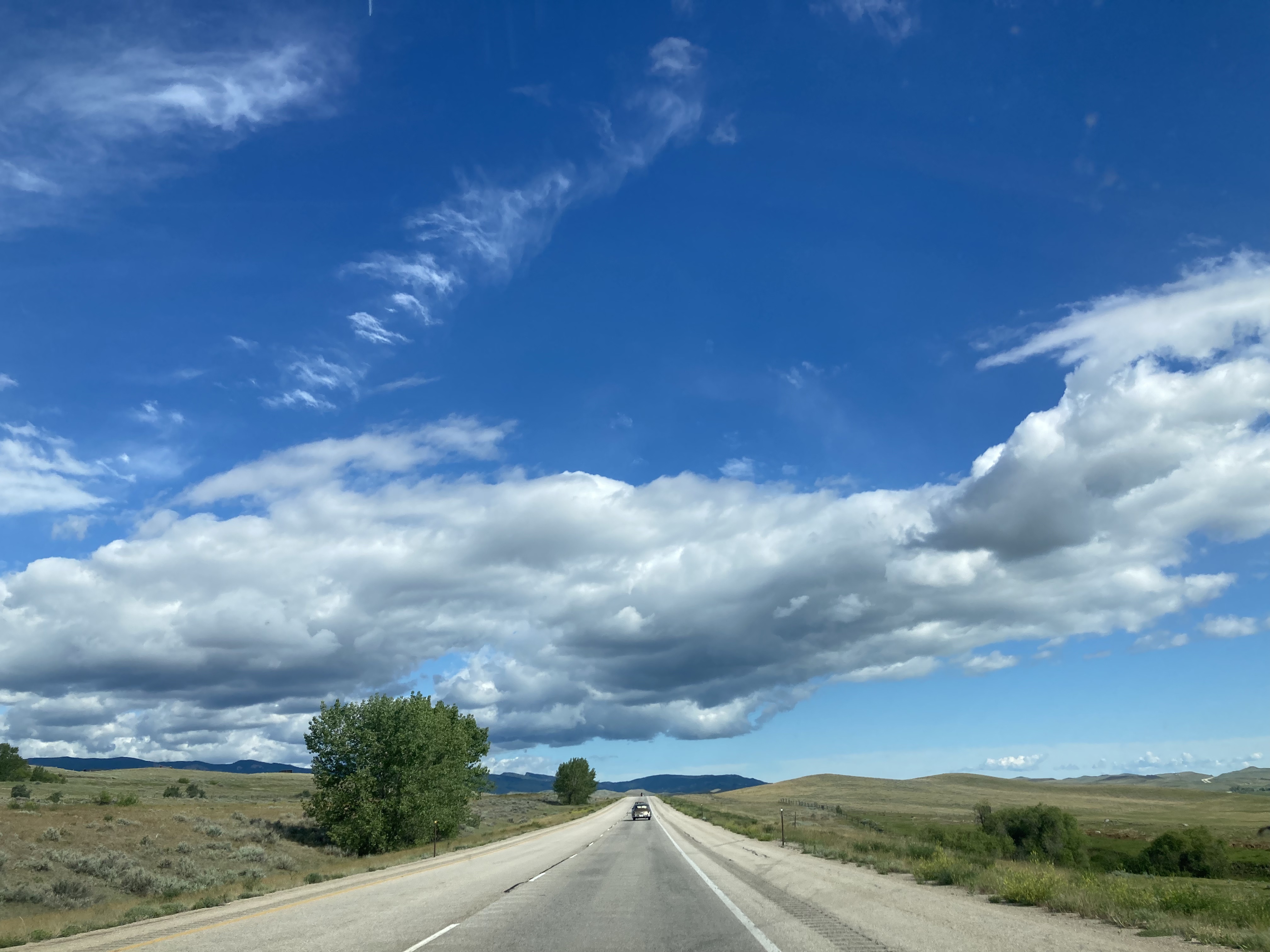
On the road visiting locations of my family heritage in the US

We are connected to each other because of diaspora. Unless you are a person of indigenous heritage, if you’re an American citizen, your ancestors moved to the North American continent from locations across the world carrying their cultural perspectives with them. Immigrants’ children didn’t necessarily marry someone from their own cultural background. As a result, many in the US embody multiple cultural backgrounds and heritages that have woven themselves into our everyday lives. We literally embody diaspora. We carry in ourselves the imprint of multiple cultures in both words that have entered our language and tools we use that come from other cultures. People and cultures grow and develop through interaction with each other. Denim, the fabric jeans are made from, for example, came from Nîmes, France. The first electric batteries was invented by an Italian physicist Alessandro Volta, and decaf coffee was created by German coffee merchant, Ludwig Roselius in 1905. (See further examples here.) Though these items came from other cultures, we’ve adopted them so fully that they are part of our everyday lives.

Reflecting on family stories and the journeys people took to become who they were or are today can help us see connections through time, other locations, and histories to gain new understanding and respect for the challenges people went through in the effort to create their lives and offer what they felt was meaningful to the world. Next May 12-22-2027 I’ll be leading a creative nonfiction writing workshop in Cetraro, Calabria, Italy in conjunction with Chapman College’s Ferrucci Institute for Italian Experience and Research in collaboration with the University of Calabria. In writing about our family histories and stories we have the opportunity to see more of our interconnections with the world at large. Coming together in a place outside our everyday world together with others focused on writing about their heritage is an opportunity to listen to each other’s histories and to open dialog together that creates new insights.

If you’d like to explore your cultural heritage and write about your family’s diaspora story, perhaps you’d like to join the workshop. In a supportive environment, we’ll write about immigrant voices, connections to the natural world and the land, experiences of travel, and more. See more details about the workshop and how to apply here. Take a look! We’ll visit locations in Calabria and have time away to reflect.

We have a lot we can learn from each other. I’d love to write and reflect on diaspora and our family stories together with you.
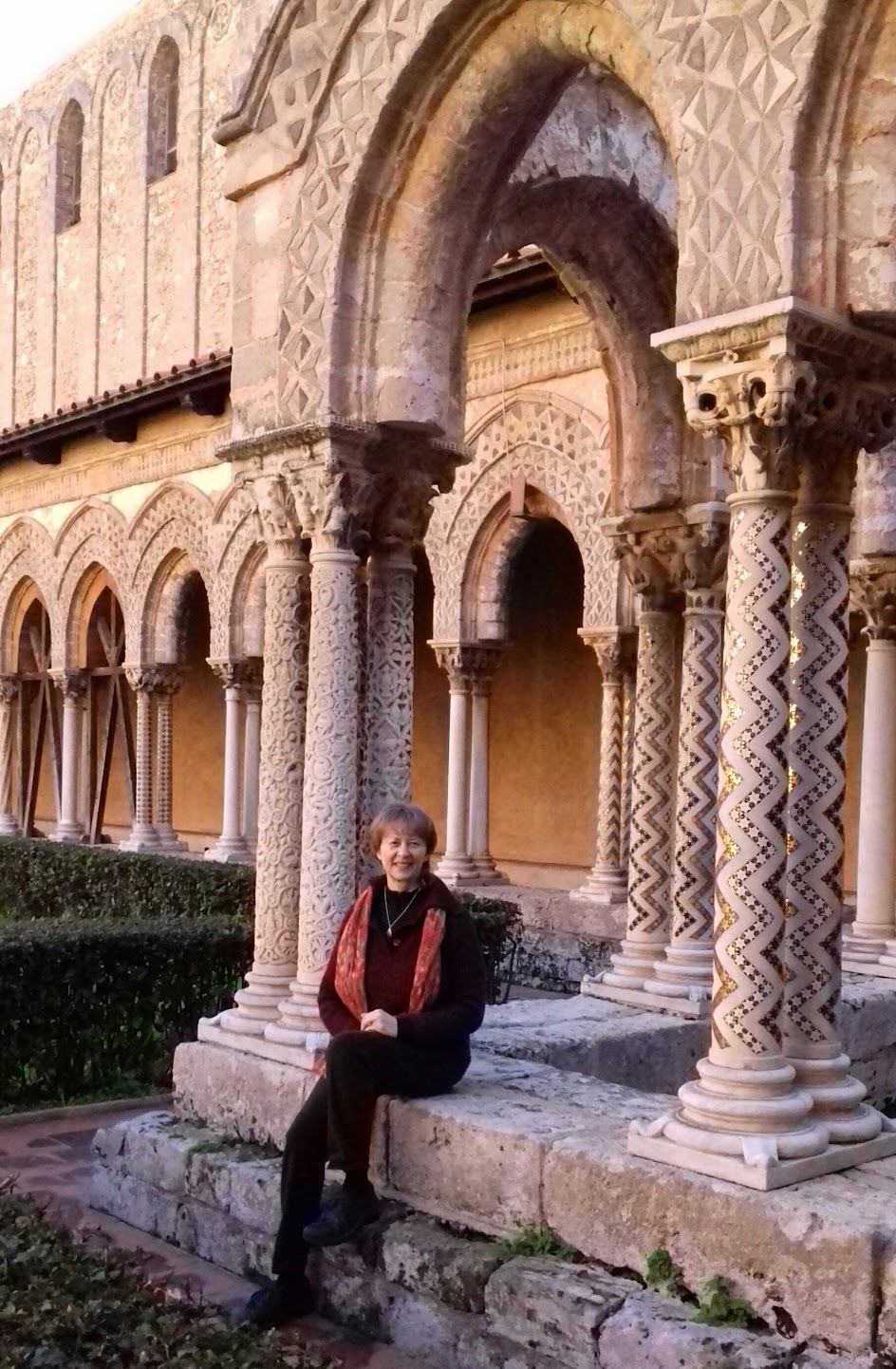
From my visit to Monreale, Sicily
Uncategorized

An Inheritance of Open Space

“Instructions for Having a Soul”

Take it out in the rain sometimes. 
It has vast, invisible wings that gather dirt 
and need rinsing. 
When it tries to kill you 
that is because you’ve forgotten 
to let it look into someone’s eyes 
for longer than a minute. 
It needs that the way a bee needs nectar 
in the early morning dew. 
Every so often, take it on a journey. 

an excerpt from—Joseph Fasano

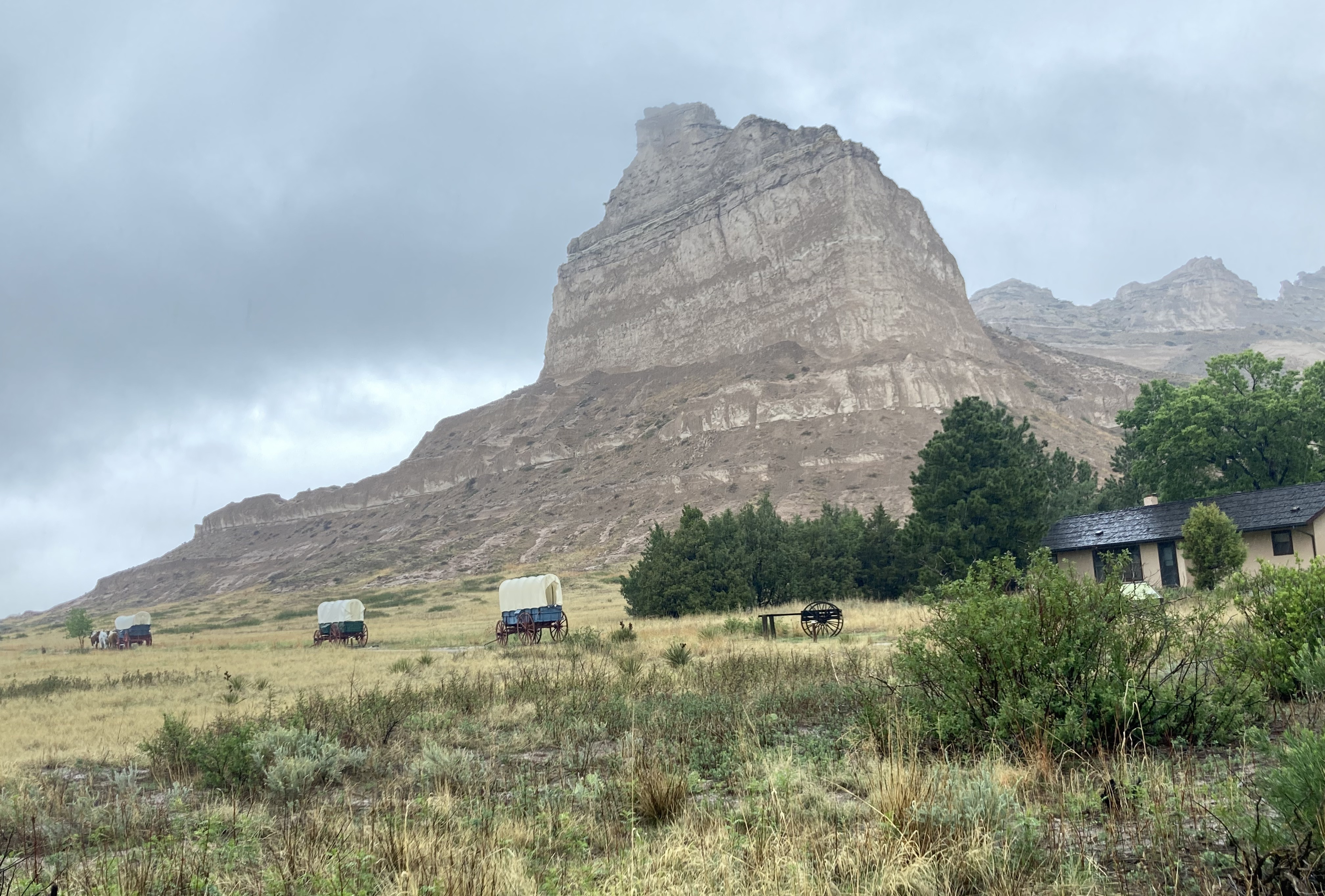
This past June I took a trip to visit the place my grandparents and great grandparents lived and worked. Though I never lived there, Nebraska, Wyoming, and South Dakota are central to my heritage. It’d been years since I’d visited these states. I wanted to place my feet on that earth once more, and sense how it felt. After writing Stories We Didn’t Tell, I wanted reimagine the lives of my ancestors who made their way through an era of extreme change during their lives while once again walking the land they walked. I wanted to stand on that land, breathe its air, and let my eyes gather the landscape into my soul. I wanted to deepen my awareness about what it means to inhabit such a place, and it to inhabit me.

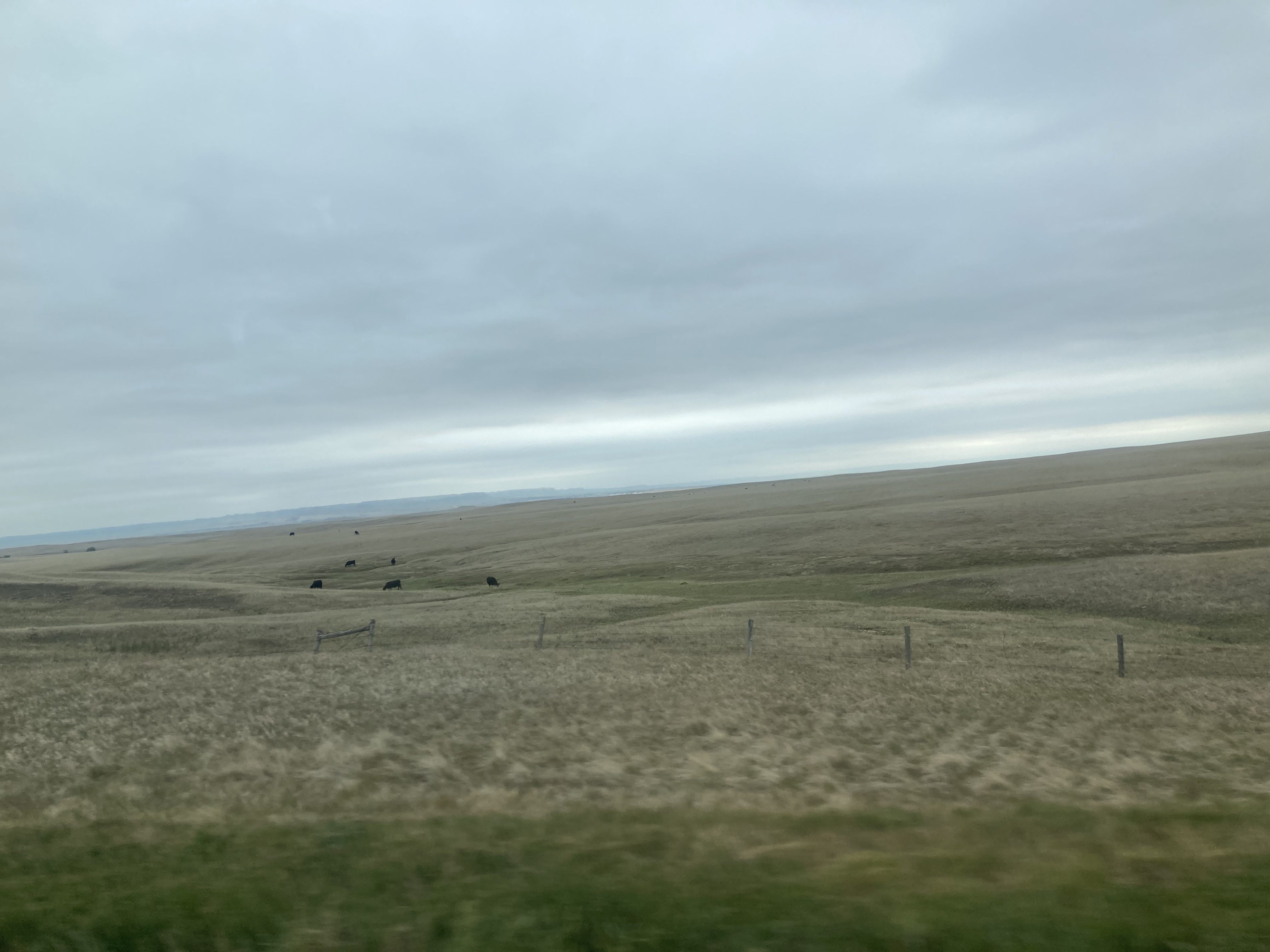
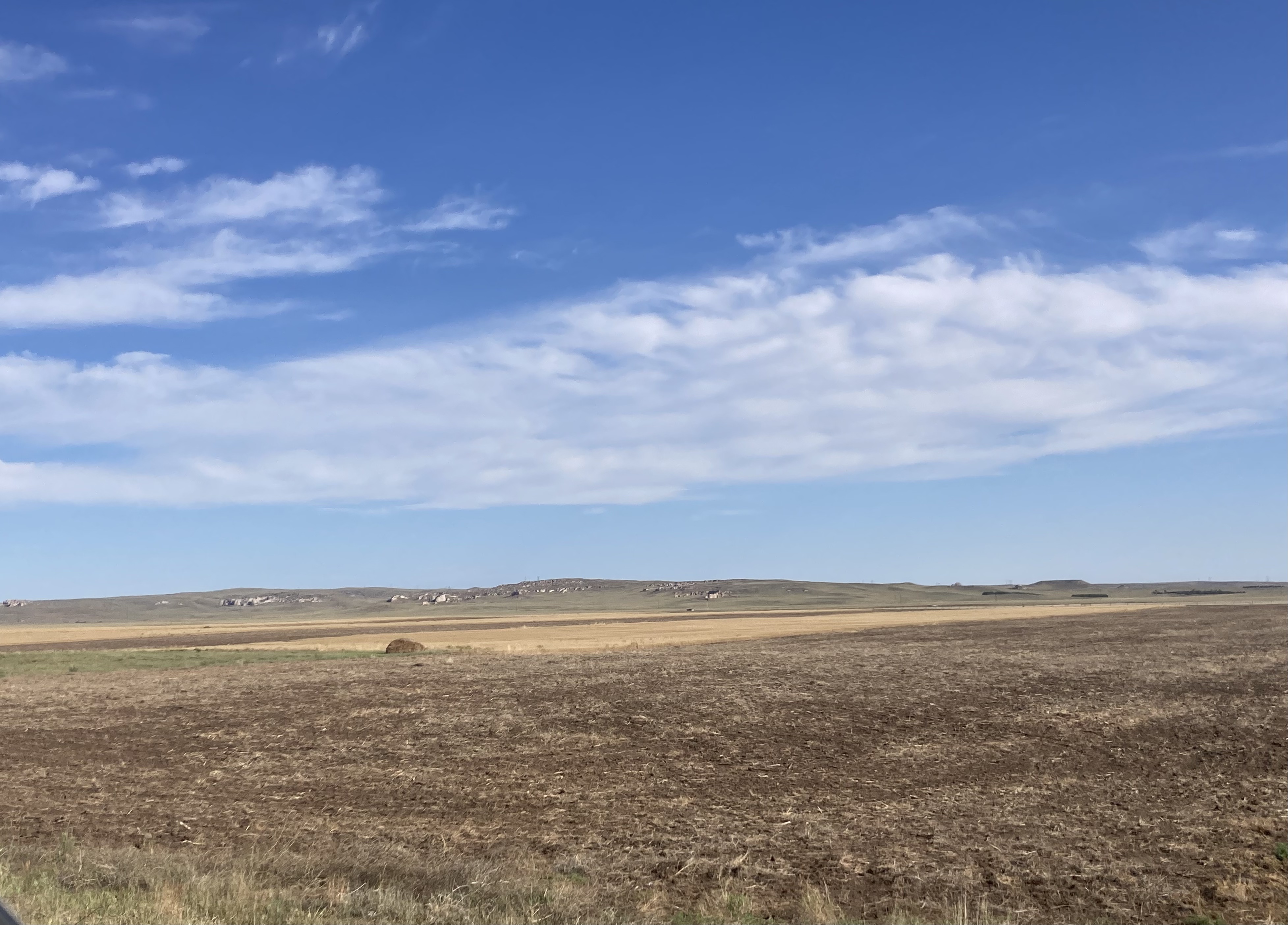
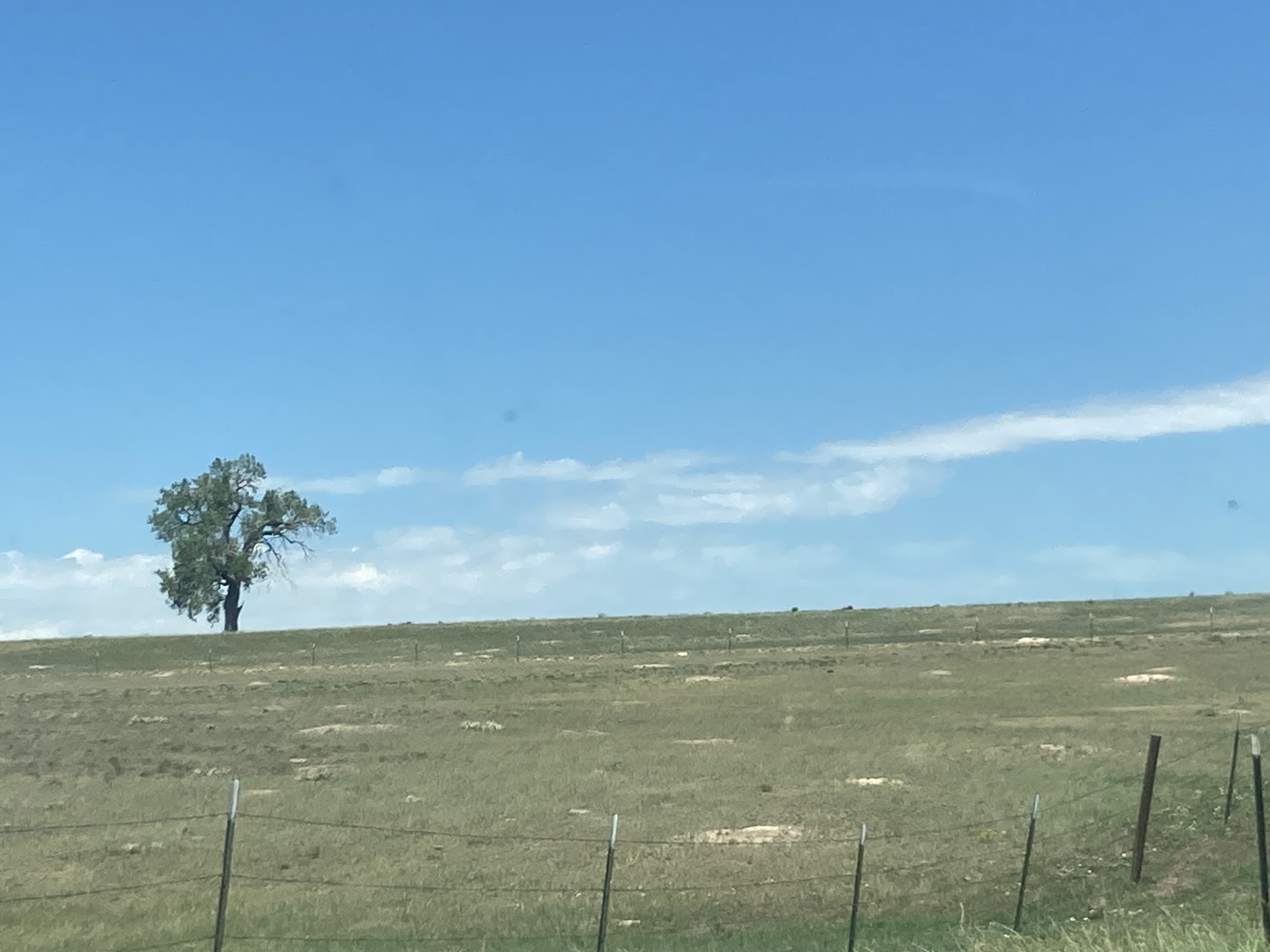
When driving from Hot Springs, South Dakota to visit Fort Robinson outside of Crawford, Nebraska, we stopped the car and got out to take in the Oglala Grasslands, a vast expanse of prairie expanding in every direction. Clouds hung low. Wind whispered through the grass, quivered wild flowers’ purple tips. As I stood listening, absorbing the scene, I imagined my great grandparents walking and working the land. There’s a kind of voice in the voicelessness of the grasslands that speaks of time, endurance, and the strength of perseverance through all kinds of weather and change. The land’s silence fell into me like a pebble dropped into a deep well. Even now, if I go back to that moment in my mind, I feel the ripple effect of standing on that ground in all its solidness, a profound, ancient quiet reaching into my bones, wrapping me in it like a shawl.

Born into an era where many people were small farmers living in remote landscapes with no running water or electricity, life changed for my ancestors with the arrival of telephones, then the radio, and later the automobile with the subsequent development of highways. My grandparents survived the Great Depression, observed the airplane’s invention, and the arrival and departure of two world wars. Small farms and ranches mostly became a thing of the past as the country turned to the use of pesticides, big machinery, and industrial farming. My ancestors experienced the emergence of television, witnessed the moon landing, the rise of women’s rights and civil rights, and the emergence of environmental awareness. Combined together, these changes fundamentally and dramatically altered the way we live and function as a society.

My grandparents and great grandparents’ lives and the communities they were a part of, along with everyone else’s ancestors, helped shape who we became as a nation. Learning more of a place’s history can give us a clearer picture of what in our culture may have been invisible or hidden in shadow so we can make better choices that will affect our future. We don’t live individual lives isolated from the past or from the actions of people across our neighborhoods, cities, country or the world. The way we respond to events and the choices we make or fail to make today in connection with those events shapes our lives now and in the future.

landscape outside Chugwater, Wyoming

I lived outside of my home country for more than two and a half decades. Each culture taught me different ways of seeing the world that arose out of their history, traditions, and interaction with the land the people inhabited. Returning to the US, I realized there’s a lot to learn about my country’s history that I was unaware of earlier. Writing both Stories We Didn’t Tell and A Space Between helped me see a fuller and more detailed picture of my cultural roots, heritage, and my country’s history. One book that has been especially helpful for me to understand current dynamics and tensions in the US is Colin Woodard’s American Nations: A History of the Eleven Rival Regional Cultures of North America. (You can see a map of the different cultural nations inside of the US map here and hear Woodard talk about some of the main points in his new book on this topic here.) The various values and characteristics of the nations people had previously lived in who first came to what we now call the North American continent, continue to affect us today, explains Woodard. One current example of this tension are those organizations in the US that work to preserve and protect forests such as American Forests, The Conservation Fund, The Nature Conservancy and the National Forest Foundation. “Recognizing “enoughness” is a radical act in an economy that is always urging us to consume more,” writes Robin Wall Kimmerer in her book, Serviceberry: Abundance and Reciprocity in the Natural World. “When an economic system actively destroys what we love, isn’t it time for a different system?” A different perspective, however, is taken by the current US administration, (influenced by values prevalent in the area Woodard calls Tidewater and the Deep South.) This month the US president’s administration proposed opening nearly 45 million acres of national forest land across 37 states to commercial logging, mining, and road construction.

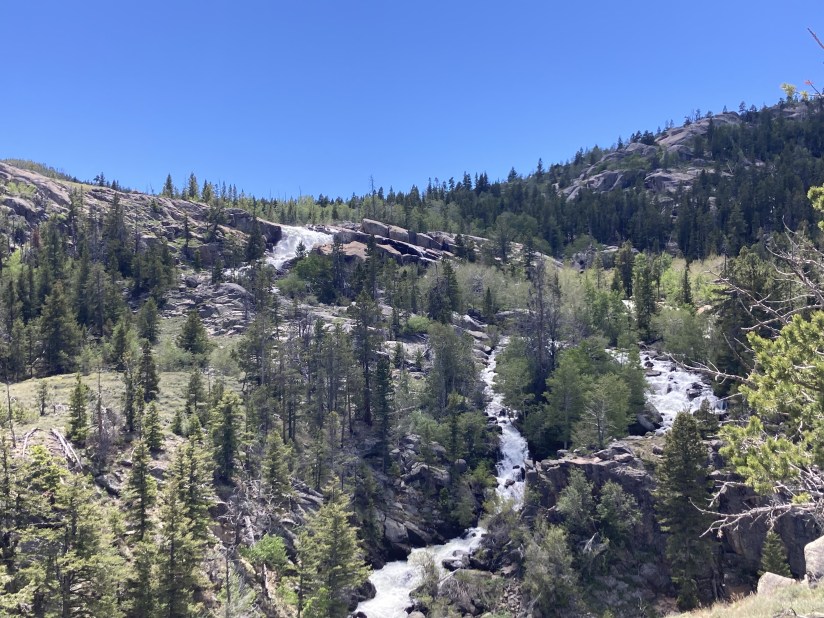
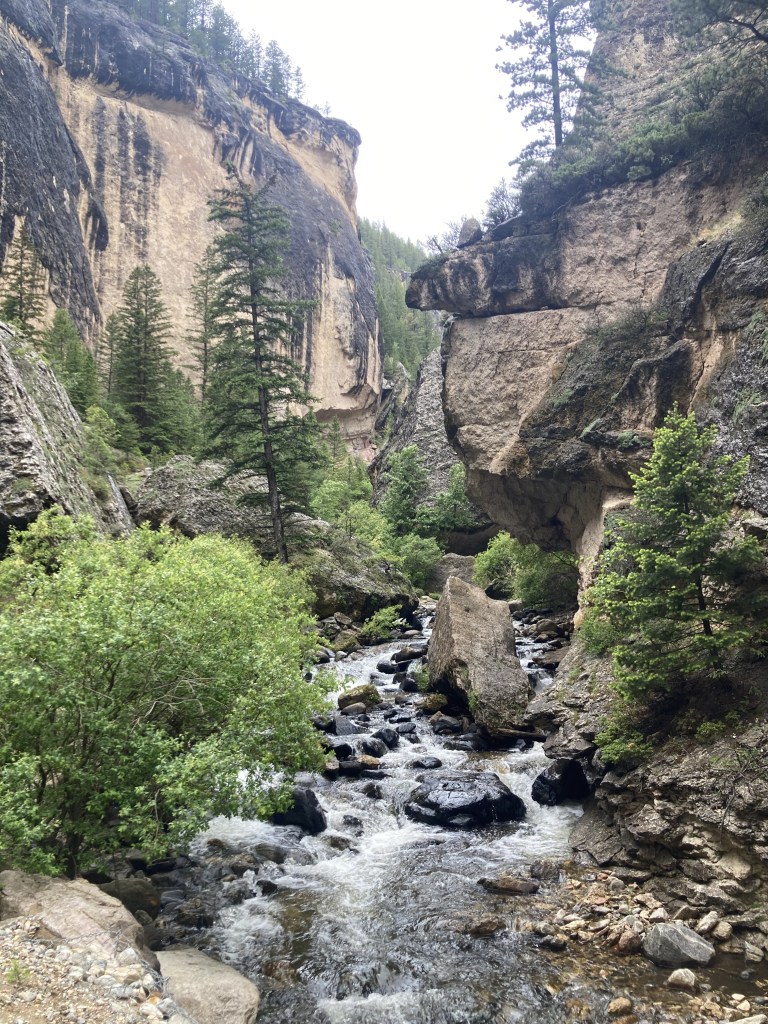
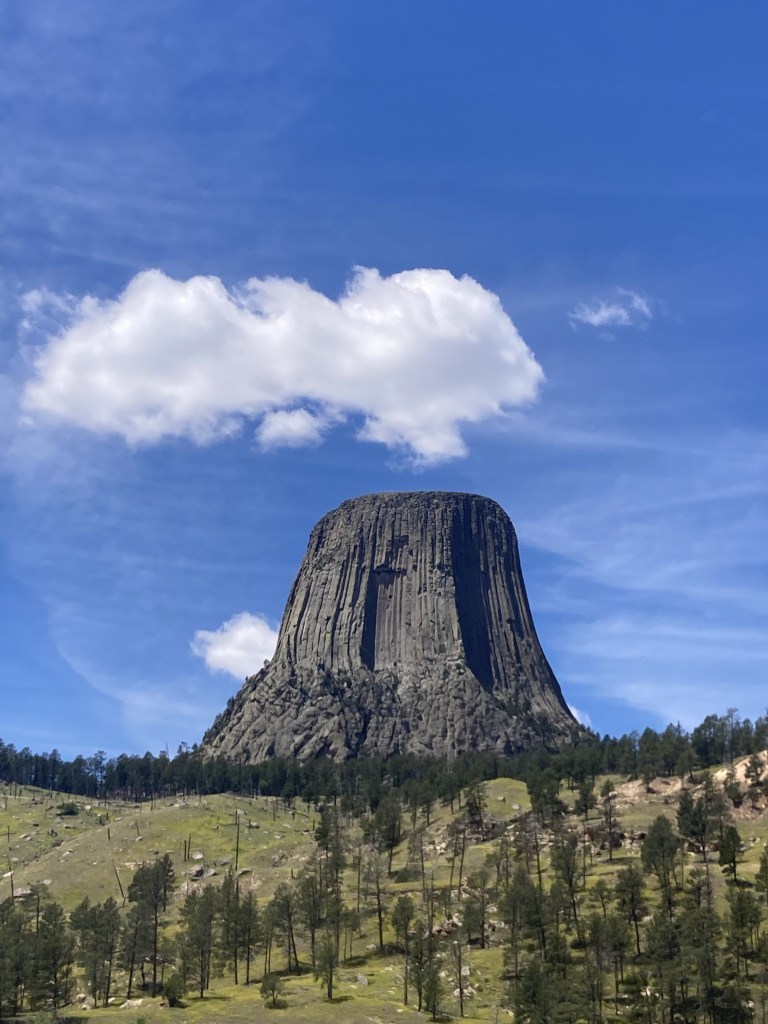
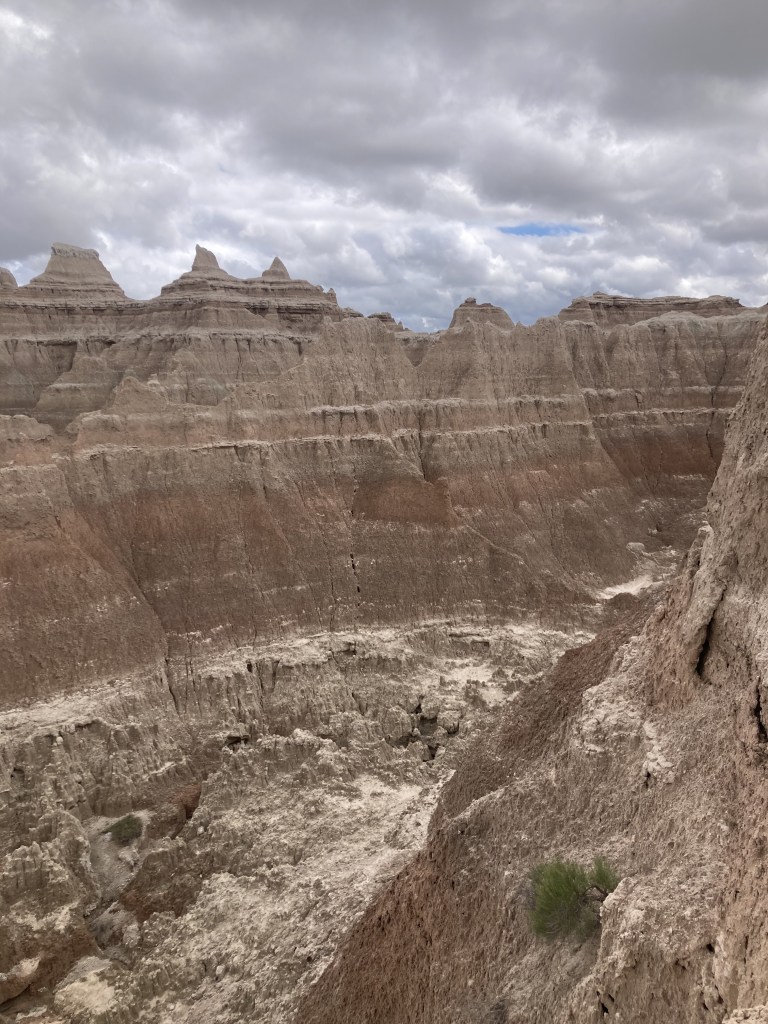
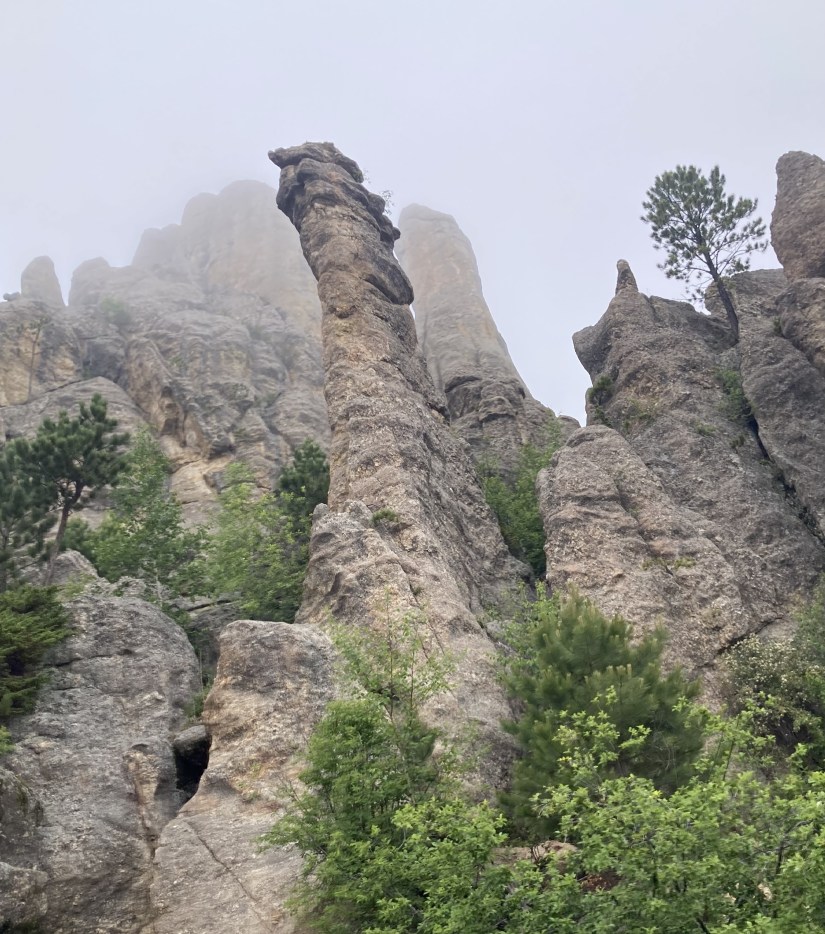
Why must the natural beauty of open spaces offer constantly be pushed aside in the name of business and development? Hiking through Sinks Canyon and Crazy Woman Canyon, visiting Devils Tower in Wyoming, driving around the area of the Badlands and through the Needles Highway in South Dakota, would be enough, it seems, to encourage us to answer Kimmerer’s question with a resounding yes, we need a different system, a different way of thinking. These areas are sacred places full of beauty. The entire area evoked in me a continuing sense of awe, the kind I’ve felt when staring up at the night sky sensing my small place in the cosmos. Open landscapes nourish us and help us regain our souls.

In a recent conversation with Bebo Franklin, author of The Harbinger of Elemdale about about the creative process of authoring a book Franklin writes, “The deeper I went into creating characters and understanding why they might behave as they did, the harder it became to reduce people to simply good, bad, broken, etc. They became much more complicated.” Writers create worlds in their books that help us look at the worlds we live in more closely. We might not be authors, but we’re living the stories we write with our lives. We’re flawed people trying to create the story we want to live in together, a life we want to inhabit as well as pass on. Wherever you live and whoever you are, we’re part of the creative process of life on this planet. Our character manifests itself in the place we live and the history we create. What we do ripples out through time to touch the world around us both now and in the future.

We can choose to be intentional about the transformation we bring about within ourselves and the world. We can make a practice of taking time to purposefully notice the natural world and its contribution to our lives. Go into your back yard and spend time with your favorite flower, stroll through a city park listening for birds, drive, bike or walk in some open space your heart calls you to and let that place speak to you. Try one of these fifty seasonal meditations from Emergence Magazine. “What if our metrics for well-being included birdsong, the crescendo of crickets on a summer evening, and neighbors calling to each other across the road?” writes Robin Wall Kimmerer. That’s the kind of world I want to live in.