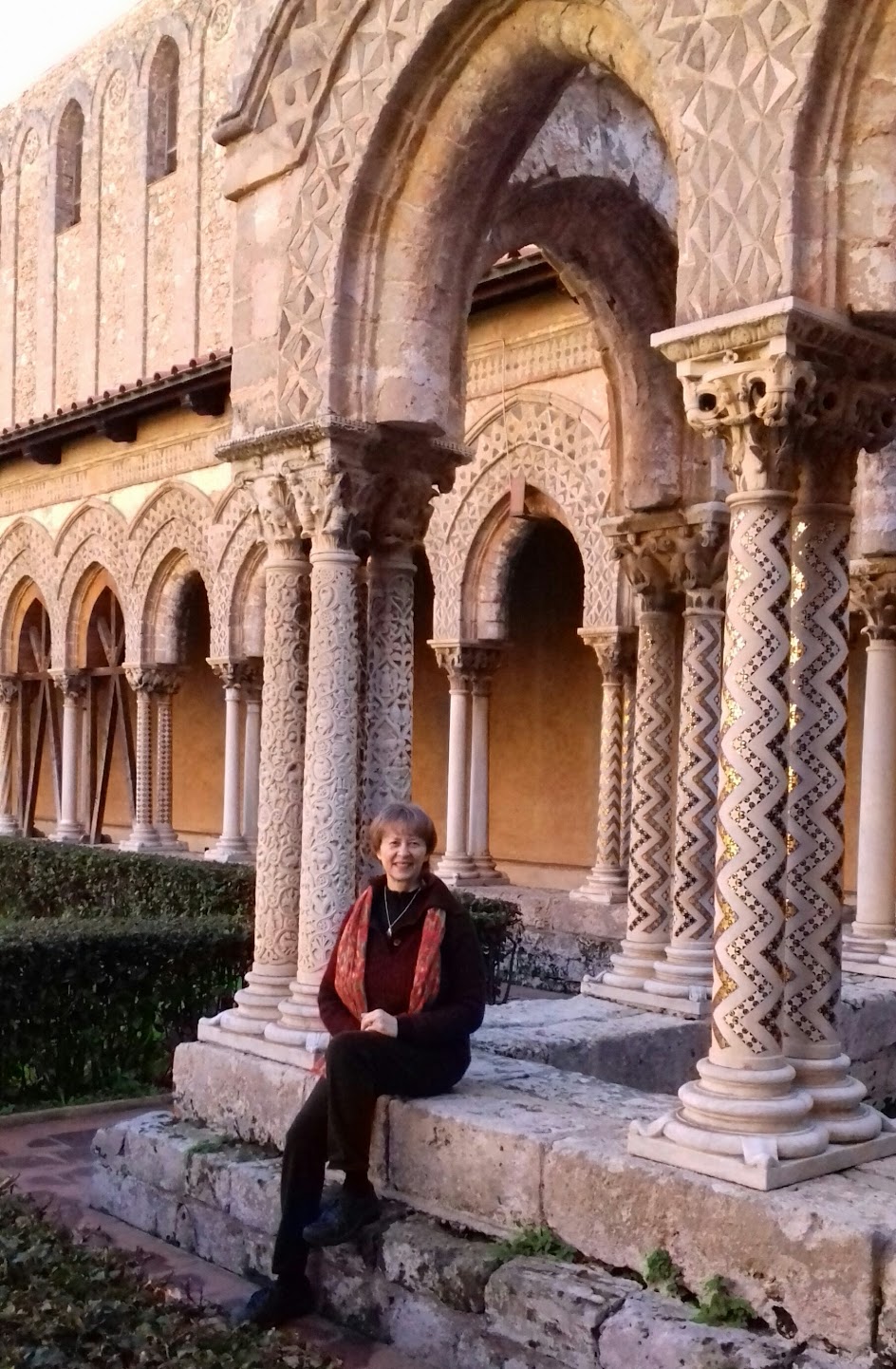
"We’ve made a life here together, Gaetano and I,
loss, and hope, wound together in a garment of fog
that rolls in from across the Pacific. I walk through
my neighborhood, a thimble full of narrow streets—
a world no bigger than before but strange. Chinese,
Germans, Spaniards, Greeks, we are loose threads
dangling beneath this country’s clattering loom
of tongues, pale faces and pale ways, trying to see
how we might find our way into its fabric."

-- Anna Citrino, from "Making a Life," A Space Between


Some of my family members immigrated to the US more than a century ago, others of them over two centuries ago. Upon arrival they encountered people from other nations, each with their unique ways of seeing and living in the world. Immigrants' efforts to make a life in the US worked to shape the fabric of the life we have today. "An awful lot of brilliant minds blossomed in alien soil. That is especially true of the U.S., where foreign-born residents account for only 13% of the population but hold nearly a third of all patents and a quarter of all Nobel Prizes awarded to Americans," writes Eric Weiner in the Wall Street Journal. Italians brought the zucchini, broccoli, pizza, and spaghetti to American diets. They also helped build subway tunnels and laid the stone for streets in San Francisco. Germans brought the idea of kindergarten, physical education in public schools, and Christmas trees as part of our December traditions. Jewish immigrant Jonas Salk developed the first safe and effective polio vaccine. Other Jewish immigrants brought Broadway musicals to the US, and writers like Emma Lazarus created the poem found on the Statue of Liberty. Immigrants' contributions have added to our lives in significant ways. Diaspora can be a gift.
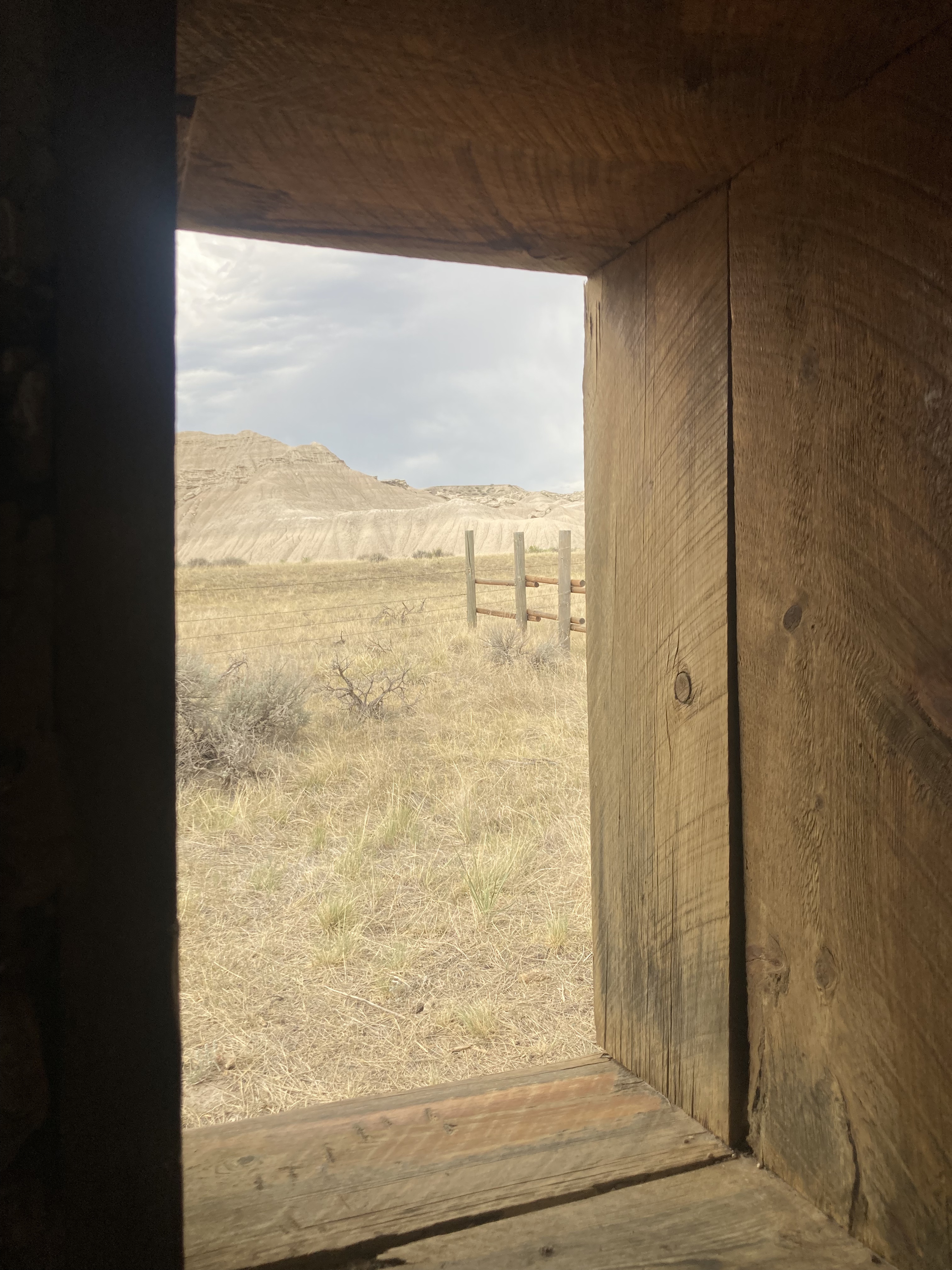
When considering the many ways immigrants have contributed to American life, Mark Twain’s remark, “Travel is fatal to prejudice, bigotry, and narrow-mindedness, and many of our people need it sorely on these accounts. Broad, wholesome, charitable views of men and things cannot be acquired by vegetating in one little corner of the earth all one’s lifetime,” comes to mind. Nowadays many people travel but it seems there’s still quite a bit of prejudice and narrow-mindedness in the world. Factors other than visiting a country seem necessary in order for our way perspectives to change regarding those who are different from us.
Creativity researcher Adam Galinsky, of Columbia Business School in New York City, studies how cross-cultural connections affect people’s creativity. “Interestingly, travel abroad has no effect on creativity,” says Galinsky in Psychology Today‘s article “Are Immigrants More Creative?” “But the people who had lived in another country scored higher on a creativity test. Plus, the people who’d lived overseas longer scored higher.” Long term exposure to different cultures requires adjustment to new ways of thinking and living alongside the need to negotiate between two languages. The more extensive and layered one’s connections to another culture, the more creativity tends to emerge. Not only does long term exposure to and interaction with people different from ourselves allow us to be more creative, it can also assist moving people beyond their prejudices in order to live together more peaceably. Researchers Bai Xuechunzi and Susan Fiske found that “people living in places with more diversity experienced a stronger sense of commonality than those living in less diverse places…’“If nothing terrible happens, if you don’t have a civil war or a demagogue for a leader who exacerbates tensions, people get used to each other,”’ Fiske says. ‘“It doesn’t mean that you love everybody or get to know them well. But you do see them as similar to you, and that’s reason for optimism.”’
Today many people move from region to region in their homeland or sometimes move to different countries for work. Each of the six countries I’ve lived in has left an imprint on me. Living in regions other than where we grew up, we learn new ways to shape our lives. We create new relationships and remake ourselves in each new location. Recently, I came across Oleg Chirita’s, Head of Global Initiatives at The International Centre for Migration Policy Development, statement about diaspora, “I only gradually started to label myself as diaspora, it definitely didn’t happen overnight, but was part of my self-identity building process, a journey that many of us go through wittingly or unwittingly. I believe that the journey of migration is connected to the human condition; it implies that we carry so many identities with us that we acquire through our lifetimes. I am persuaded that migration is a powerful transformative experience that molds our personalities by adding a new layer of identity and creating new values, composed of a blend of values that we bring with us and the new values that we pick up in the new societies where we are living…Diaspora is how we feel connected. It is about our sense of belonging and affinities: it is about our bond with our homeland. It’s about hearts, minds and emotions and – above all – about identity.” Since reading Chitra’s statement, I keep thinking about his idea of labeling one’s self as diaspora. It makes sense to me. Because I lived abroad for many years, I carry in me a sense that I live in multiple worlds and occupy a kind of in-between place that allows me to sense I’m simultaneously at home in myself yet also in a world where I’m a stranger.
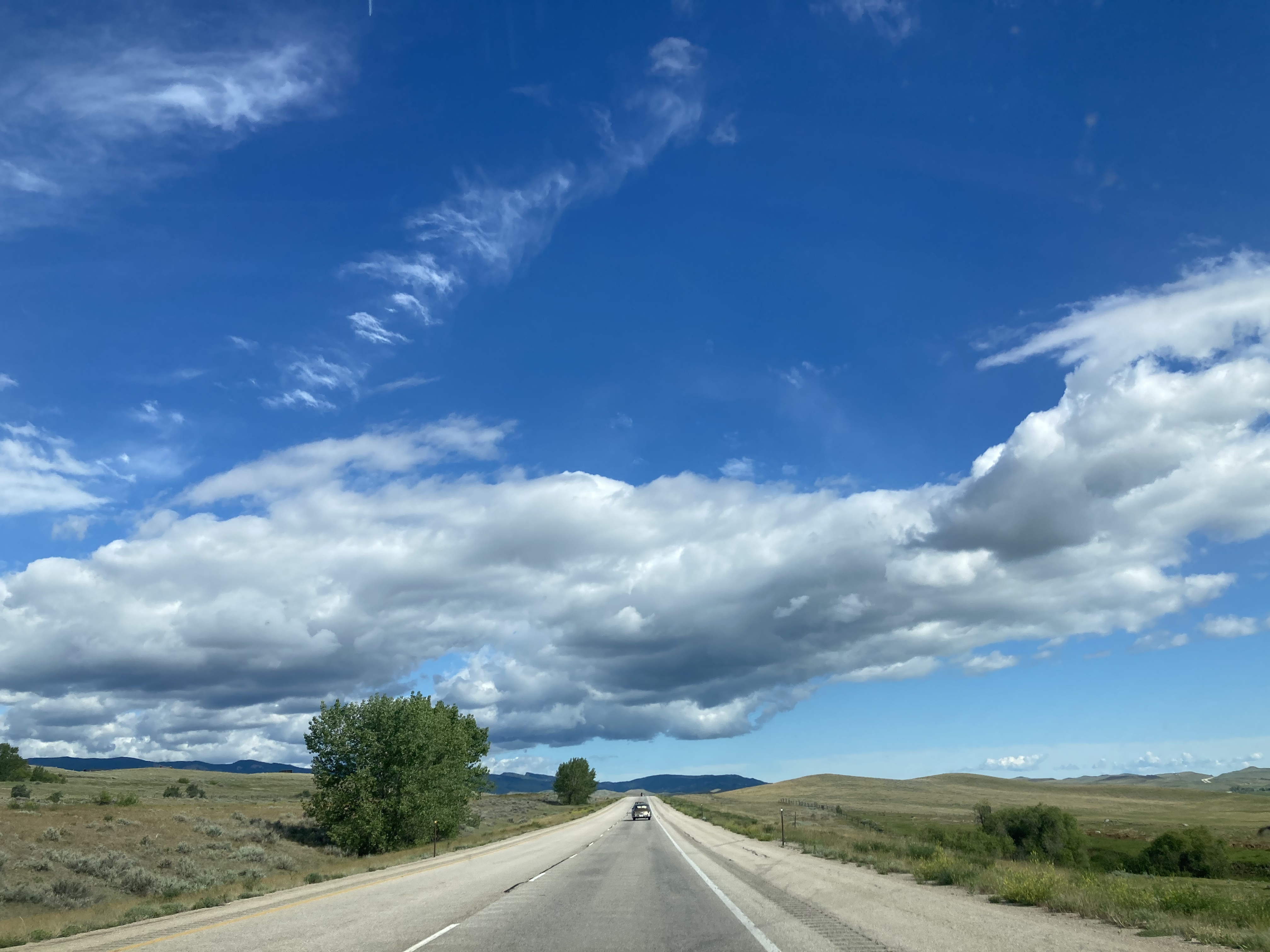
We are connected to each other because of diaspora. Unless you are a person of indigenous heritage, if you’re an American citizen, your ancestors moved to the North American continent from locations across the world carrying their cultural perspectives with them. Immigrants’ children didn’t necessarily marry someone from their own cultural background. As a result, many in the US embody multiple cultural backgrounds and heritages that have woven themselves into our everyday lives. We literally embody diaspora. We carry in ourselves the imprint of multiple cultures in both words that have entered our language and tools we use that come from other cultures. People and cultures grow and develop through interaction with each other. Denim, the fabric jeans are made from, for example, came from Nîmes, France. The first electric batteries was invented by an Italian physicist Alessandro Volta, and decaf coffee was created by German coffee merchant, Ludwig Roselius in 1905. (See further examples here.) Though these items came from other cultures, we’ve adopted them so fully that they are part of our everyday lives.
Reflecting on family stories and the journeys people took to become who they were or are today can help us see connections through time, other locations, and histories to gain new understanding and respect for the challenges people went through in the effort to create their lives and offer what they felt was meaningful to the world. Next May 12-22-2027 I’ll be leading a creative nonfiction writing workshop in Cetraro, Calabria, Italy in conjunction with Chapman College’s Ferrucci Institute for Italian Experience and Research in collaboration with the University of Calabria. In writing about our family histories and stories we have the opportunity to see more of our interconnections with the world at large. Coming together in a place outside our everyday world together with others focused on writing about their heritage is an opportunity to listen to each other’s histories and to open dialog together that creates new insights.
If you’d like to explore your cultural heritage and write about your family’s diaspora story, perhaps you’d like to join the workshop. In a supportive environment, we’ll write about immigrant voices, connections to the natural world and the land, experiences of travel, and more. See more details about the workshop and how to apply here. Take a look! We’ll visit locations in Calabria and have time away to reflect.
We have a lot we can learn from each other. I’d love to write and reflect on diaspora and our family stories together with you.