
“It’s the impermanence of life that gives us perspective. As we come into contact with life’s precious nature, we also come to appreciate its preciousness. Then we don’t want to waste a minute. We want to enter our lives fully and use them in a responsible way. “ –Frank Ostaseski, from The Five Invitations, What Death Can Teach Us About Living Fully
I wanted to visit Banff National Park in the Canadian Rockies ever since I first glimpsed photos of it several decades ago. My husband and I had planned to travel there a year from now to celebrate a significant anniversary, but then we thought, why wait? People dear to us have died recently, others have grown seriously ill. Things in the world are precarious, why put off a long held dream, we decided. So, we gathered our bags, got in the car and went.
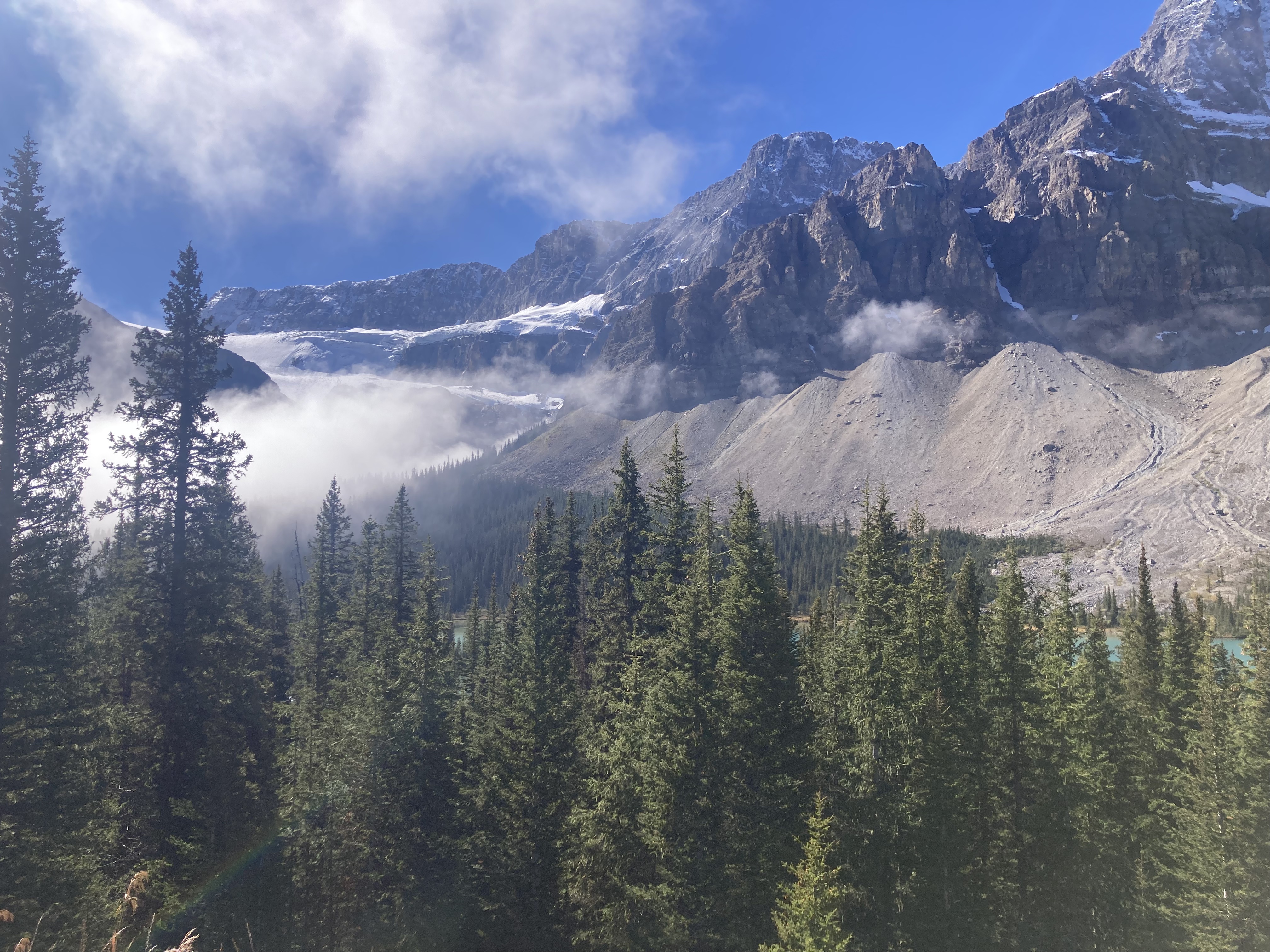
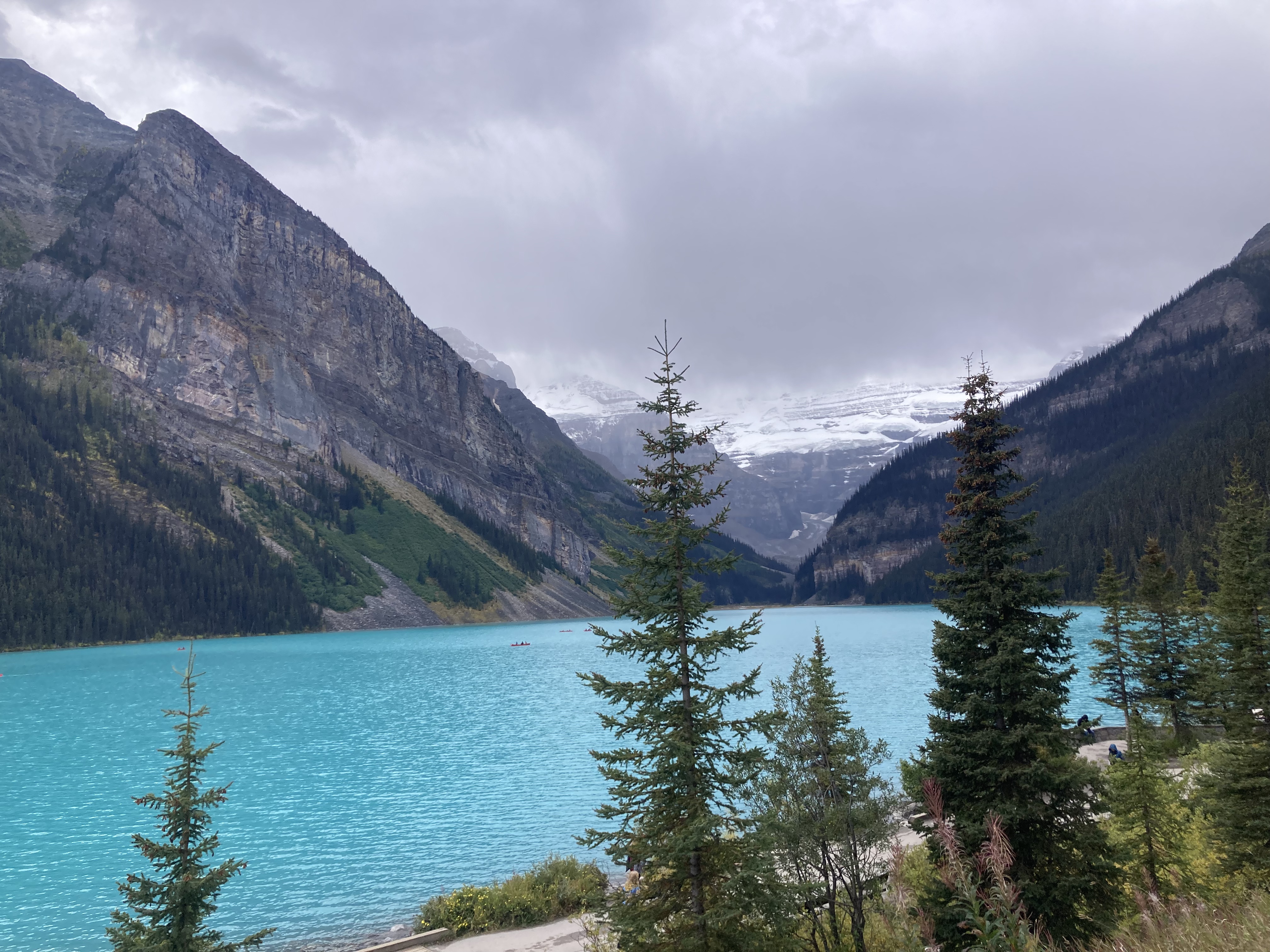
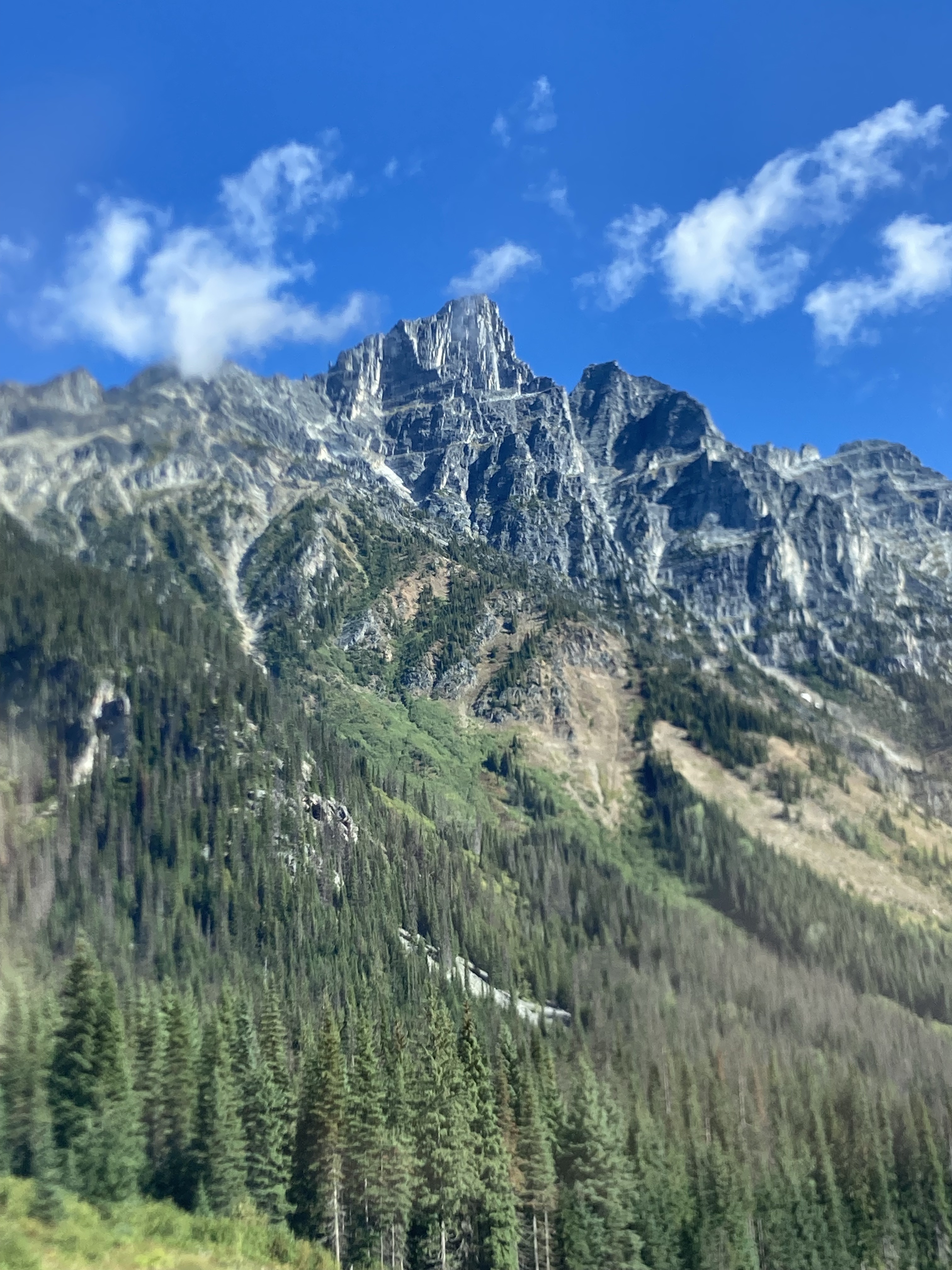
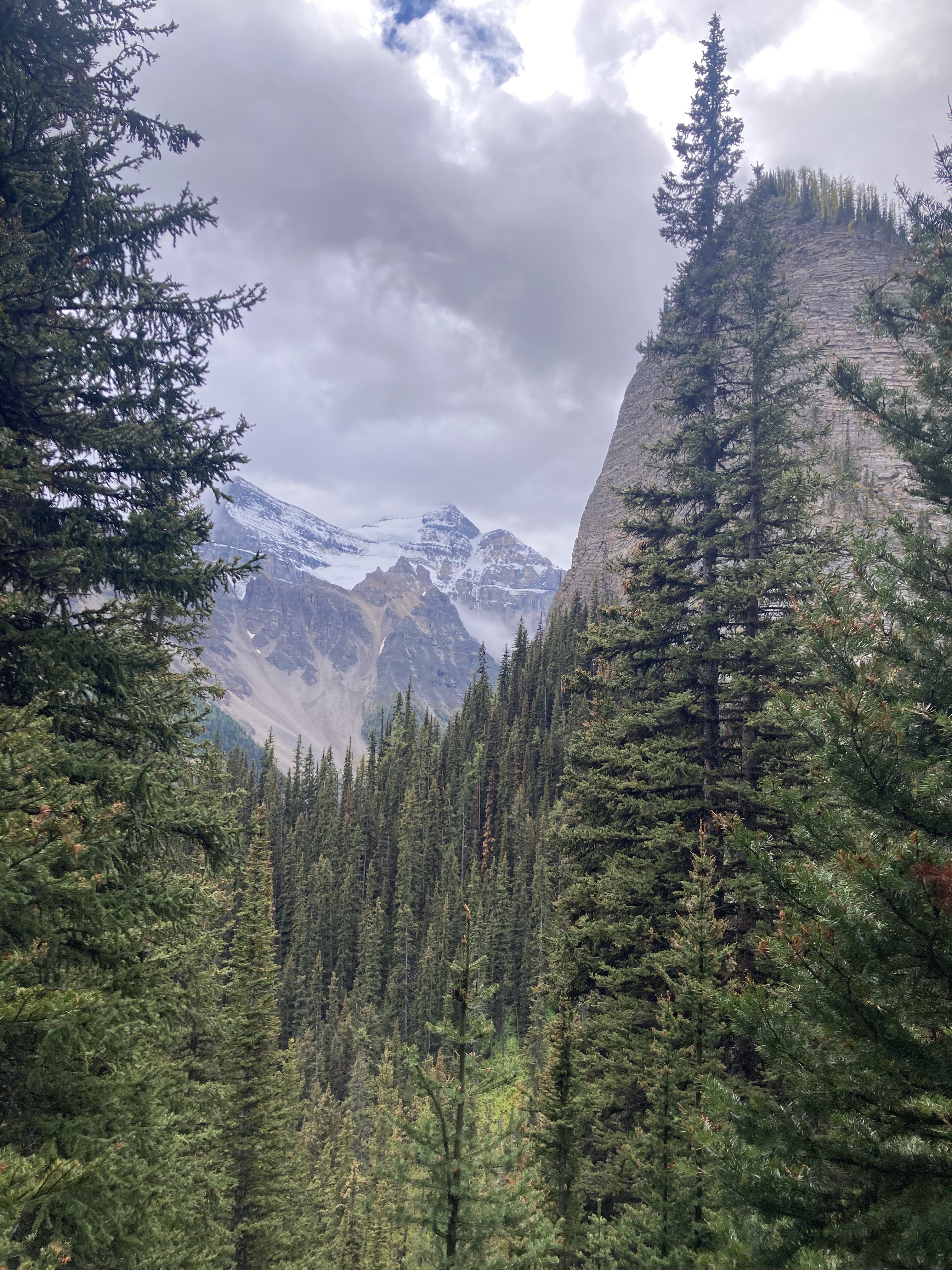
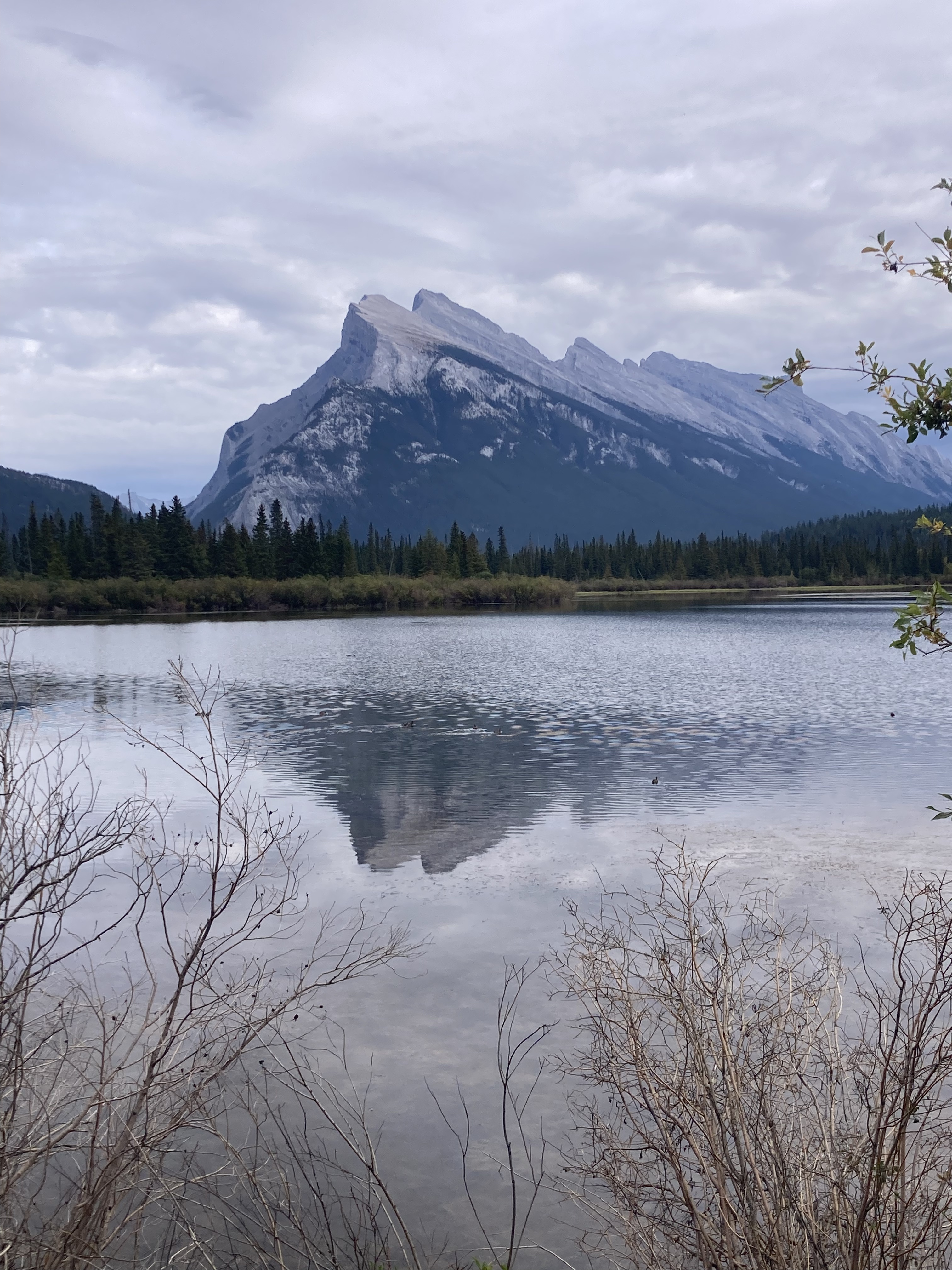
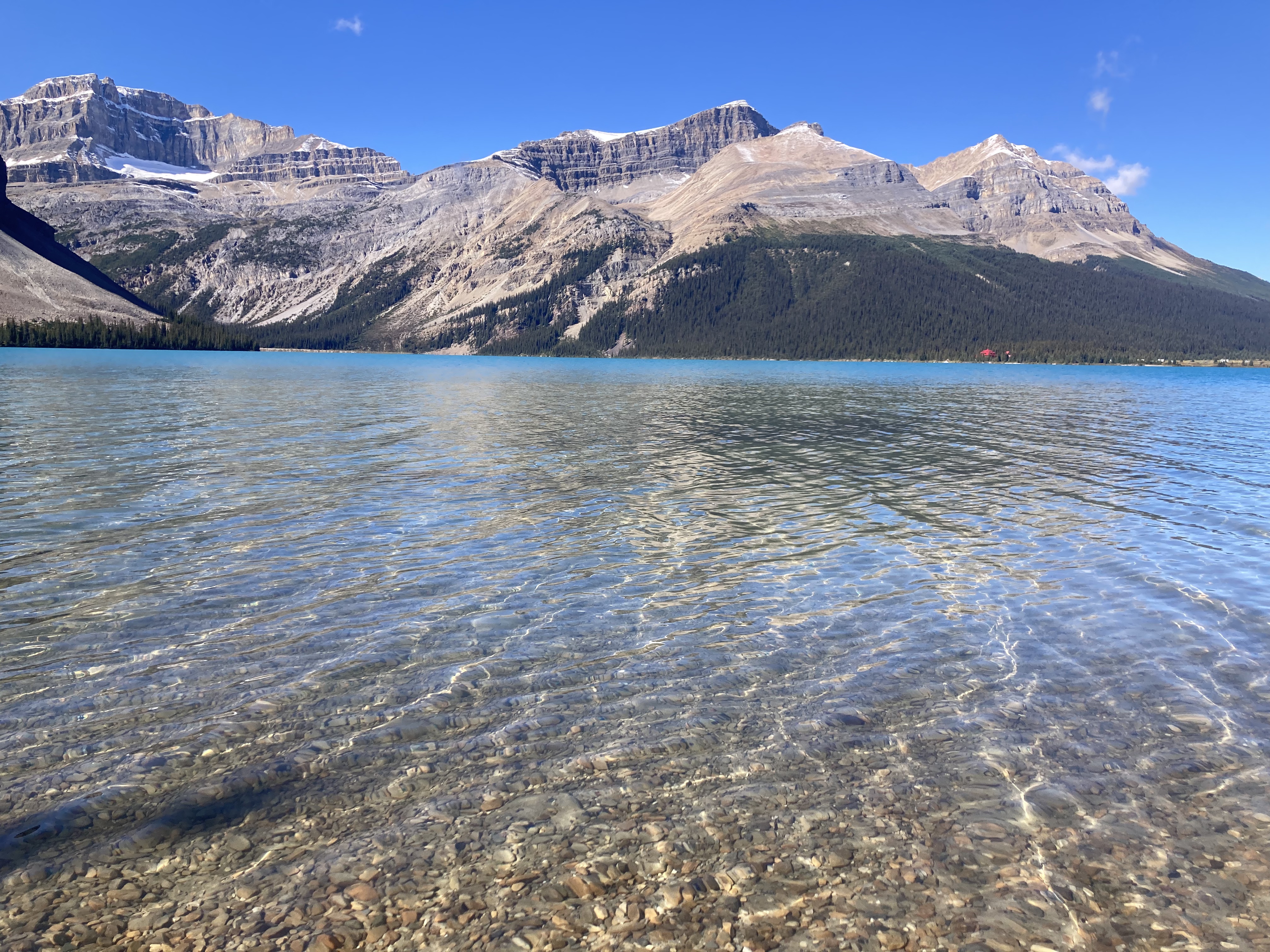
Banff, and the Canadian Rockies as a whole, contain all the magnificence I imagined they might and more. Mile after mile, hour after hour, we drove through mountains, their sheer faces rising abruptly from the valley floor as flat surfaced rectangles and near perfect triangular forms. To create the mountains in Banff, over 100 million years ago, suggests research out of the University of Alberta, “the North American continent was dragged westward during the closure of an ocean basin off the west coast and collided with a microcontinent.” For millions upon millions of years these mountains have been pushing upward through oppressive weight. Glaciers scraped across the mountains’ stony surfaces, cut through rock to form valleys, carved peaks, and fed lakes. Giant slabs of rock folded and bent. A determined force, the Rocky Mountains still continue to rise.
Decades before my visit to Banff, I visited Glacier National Park on the US side of the Rocky Mountains. Traveling through the park I saw enormous granite peaks topped with snow, waterfalls cascading over rocky roadside cliffs, and a scooped out valley of verdant green. Standing inside this landscape was the most moving experience I’d had in nature and being there felt I was beholding the sacred. Upon returning home after that trip, I hoped for it to be possible for everyone I knew to find a way to travel the Going-to-the-Sun-Road in Glacier National Park’s so they could experience for themselves the wonder of its existence. It seemed to me that such a trip would be a life changing experience, and that they would ever after feel motivated to hold the whole of the wild world in their hearts in reverence for its astounding untamed presence.
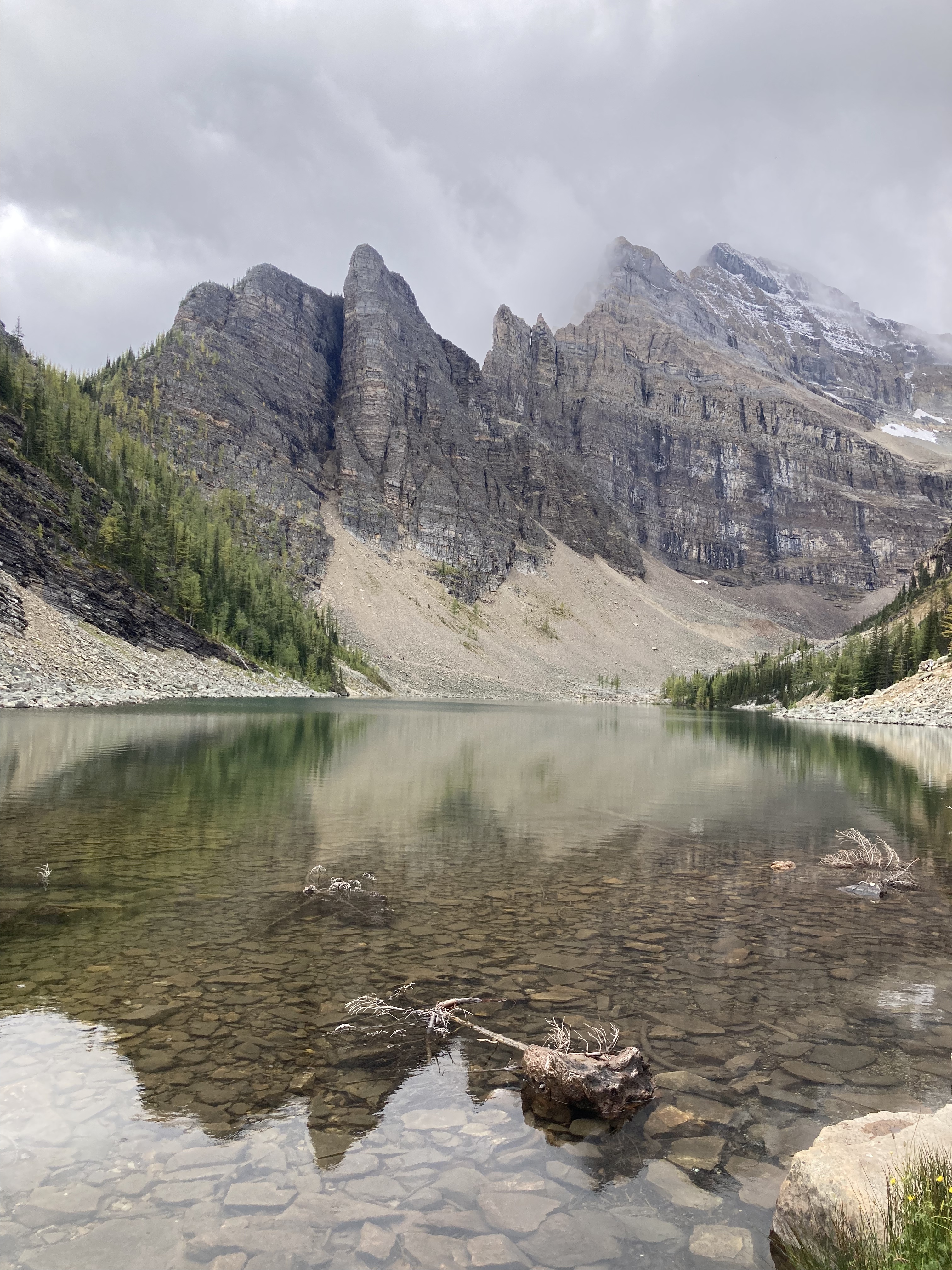
“Without such radical otherness,” writes David Abram in Emergence Magazine, “there’s no magic.” Travel displaces us. Because we are no longer in our habitual place we step inside another reality, so to speak. Currently, the majority of the world’s population lives in an urban environment (see the UN data here.) To experience places such as Banff and nearby Canmore is to be confronted with a “radical otherness” unlike the everyday life for most people where we don’t sense a connection to nature even though we’re literally made of earth and it is what sustains our lives. The crowd of people from across the world, both extremely young and very old visiting Banff, that I saw hiking the trails at Johnston Canyon and up to Lake Agnes, gave witness to people’s thirst for connection to the natural world’s beauty and the value of connecting to the world beyond the built environments they live in.
Entering unfamiliar environments encourages us to ask questions about our assumptions and through our own experience and observation, nudges us to recognize the innumerable ways of being that life presents and holds. Exploring locations rich with natural beauty such as Banff allows us to see our place in the world anew and encourages us to reflect on our responsibility to each other and the world around us. “It is a revolutionary act to keep looking for beauty,” says dancer/choreographer and teacher Myosho Ginny Mathews.
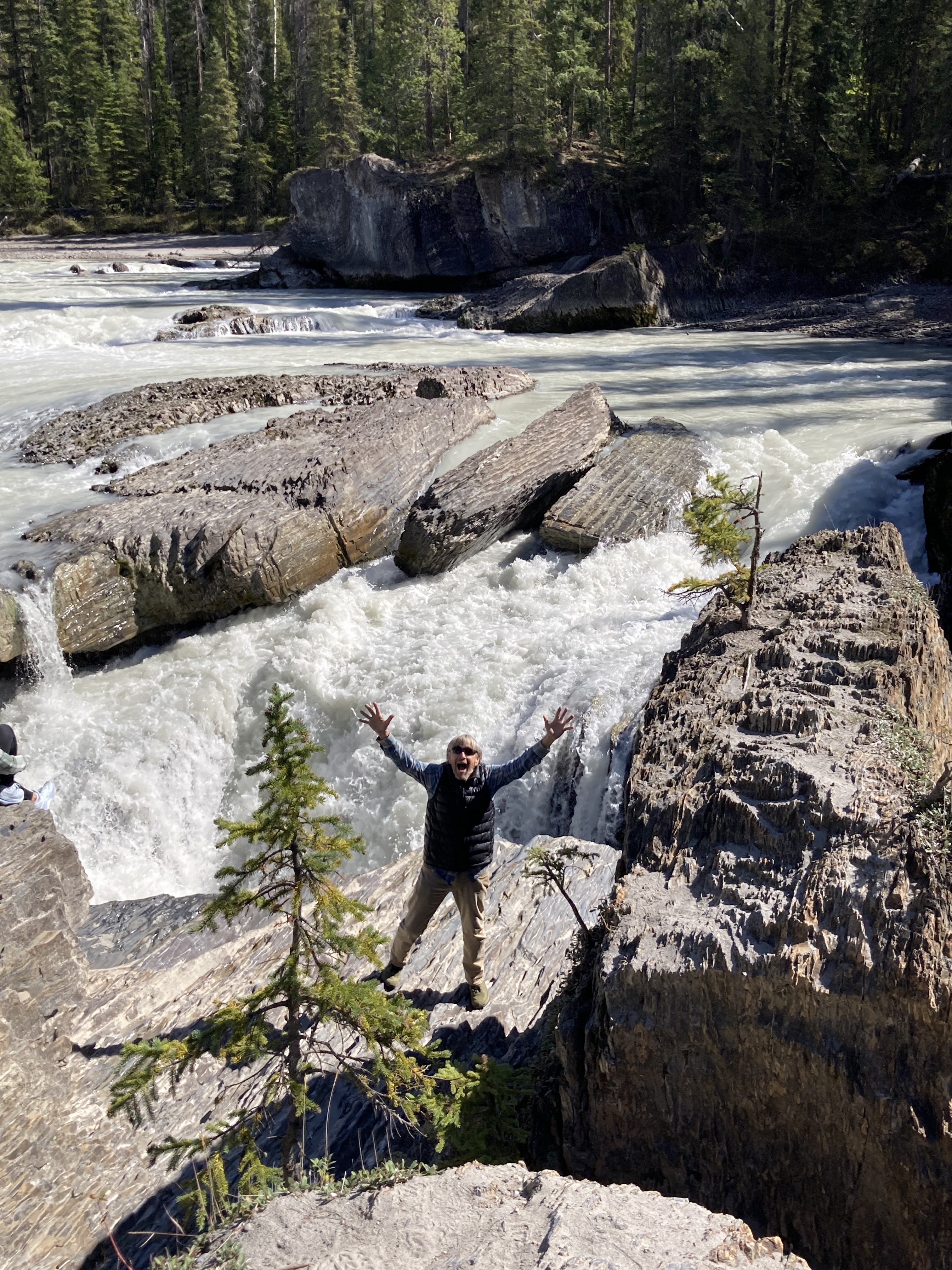
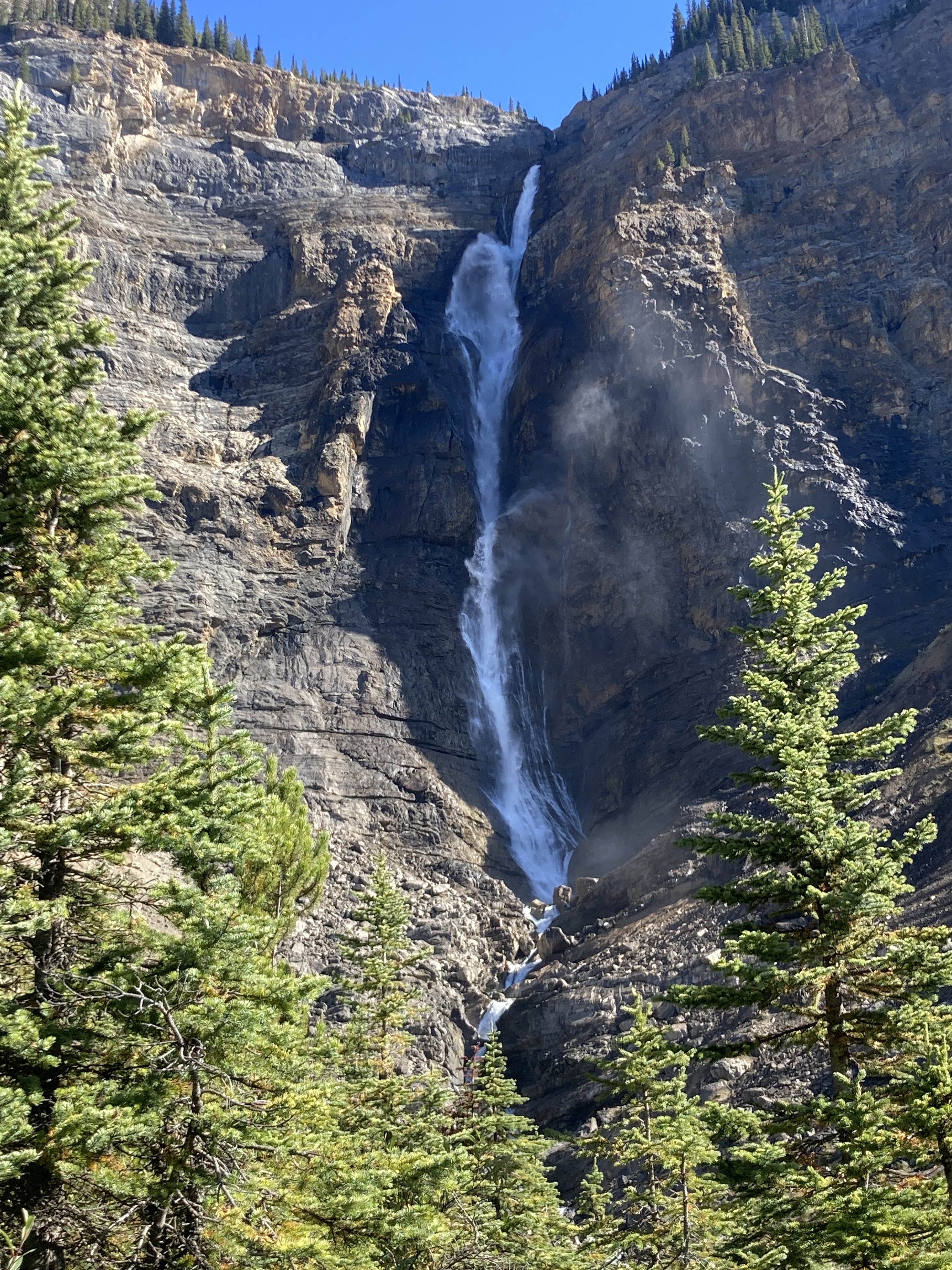
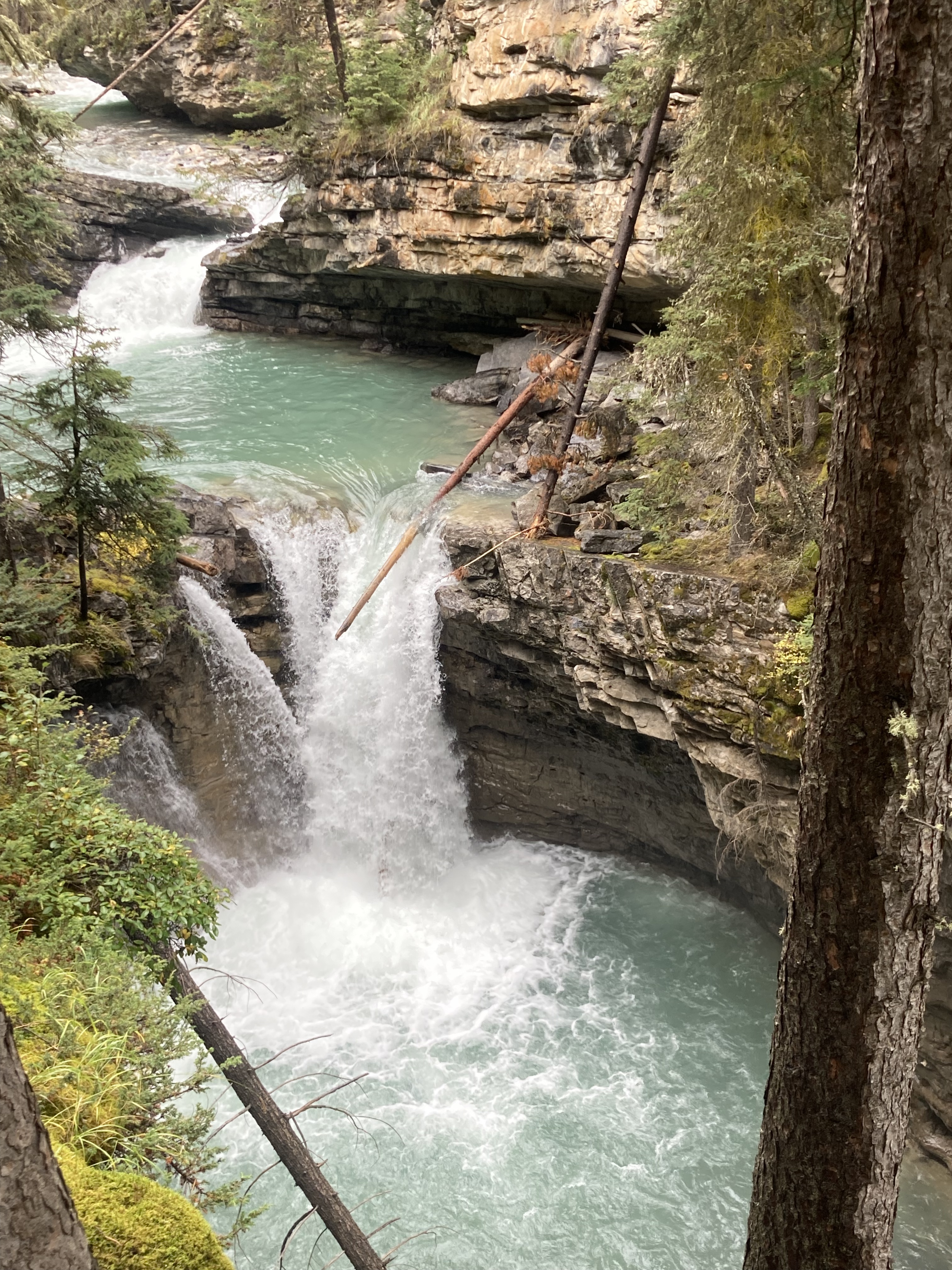
The scale of the world around me at Banff, its valleys densely packed with trillions upon trillions of trees, is vast and beyond adequate definition. The earth sweeps upward into jagged shards, mountains with edges so thin that from a distance they look like torn paper. Their stony edges pierce the sky but their bodies are swaddled in soft shawls of mists that later dissolve into cloaks of sun. Waters tumble from the blue sky atop the stony wall at Takkakawa Fall’s and rivers carve canyons–work that takes millennia.
St. Francis began his contemplative journey with the words “Who are you Lord? And who am I?” Awed and humbled by Banff’s landscape, I sensed one doesn’t have to follow any religion whatsoever to entertain the questions about the meaning of human existence when confronted with such a place. Who am I in the midst of the myriad of all that is, and what is my connection to who and what came before me? These are questions I think of often in different contexts, and that I thought of in particular while writing Stories We Didn’t Tell, as well as my previous books, A Space Between, about a family of Italian immigrants to the US, and Buoyant, a book of poems about life beneath the surface of the sea based on my experiences while scuba diving, each book exploring a different world.
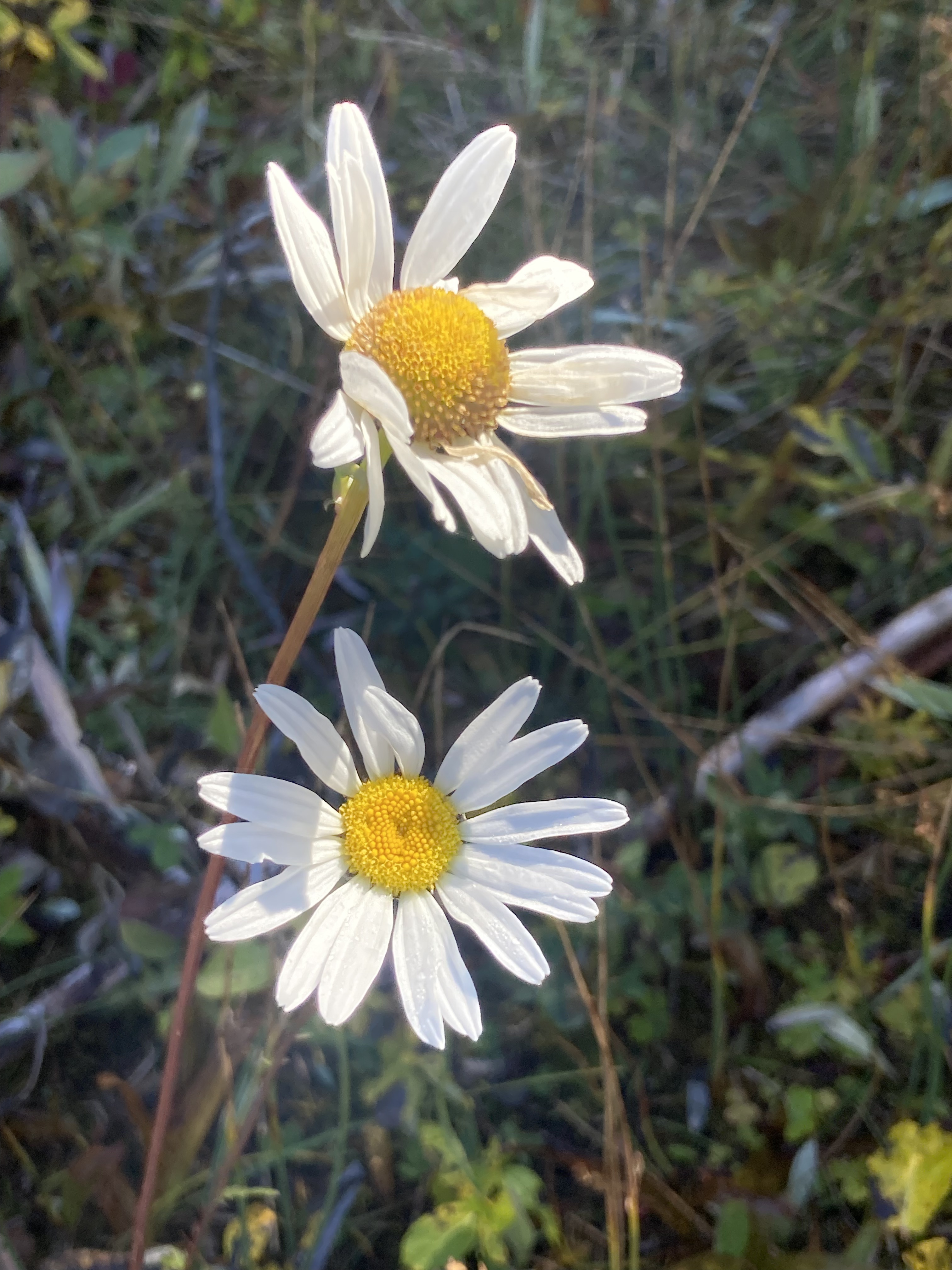
International tourism has increased dramatically over the decades. (See a graph depicting this here.) Oliver Wendell Holmes says, “A mind that is stretched by a new experience can never go back to its old dimensions.” I wonder about this statement though. Maybe for some people travel is seeking out good food and a nice hotel with a beautiful backdrop. Not everyone seeks out new worlds or hopes to be changed by what they experience. It could be that some people are confronted with a different vision of the world when traveling but when returning home, the greater pull of habitual patterns and ways of thinking where they live keep people from changing practiced behaviors and beliefs. Gustav Flaubert wrote, “Travel makes one modest. You see what a tiny place you occupy in the world.” I want this to be true for people today so that we gain a greater respect for ways of living, thinking and being in the world that aren’t our own. Lasting change is typically a slow process, however, taking place over long periods of time. To be changed in this way is to be willing to repeatedly occupy a space of uncertainty and disorientation, to be open to being humbled.
My visit to Banff allowed me to see mountains as metaphor for how to live as we age or go through hardship in their continuous, persistent presence despite the weather and mineral weight they’re lifting even as parts of them fall away in skirts of scree. Henry Miller says, “One’s destination is never a place, but a new way of seeing things.” In deed, my visit to Banff has renewed my gratitude for life and the land I live on. I’m more consciously aware of my small and vulnerable human existence and want to live more purposefully in a state of ongoing opening and renewal. These days I sense life’s impermanence more acutely and feel the precious nature of my relationships with others and of each day. In comparison to the life of a mountain, my death is not that far into the distance. I want to live into the fullness of my being and to grow better at giving to the life of those around me. I know I need help from others to do that.
How might the world be different if people believed nurturing and preserving Earth’s natural beauty was essential to humanities’ well being? The Diné (Navajo) people of America’s Southwest speak of following the beauty way–meaning life lived with the commitment to seek goodness, walked in alignment with the natural world, and traveled in community with others. “The beauty way path requires determination and discernment. You can’t do it by yourself. You need a relationship with the holy people or your deity,” says Diné medicine man Wally Brown. “Opposition will occur and one needs to be able to recognize what is good and to intentionally live in alignment with it. You need to develop the skills that help you find your way… It has its complications and is trying, but you have your rewards of joy, confidence, and peace.” Valuing beauty from the Diné perspective, then, isn’t merely about appreciating nature’s beauty. It’s about becoming people of beautiful spirit. This would include nurturing beauty in both the world around you as well as within. This is difficult when living or working beside those who don’t have the skills to live in harmony with the world around them or who don’t wish to learn those skills. I need help from others to walk this path when things are challenging.
Mountains or waterfalls aren’t the only things that can teach a person to value and respect life’s beauty and wonder. A seed growing into a melon, a cloud’s shadow drifting across the yard, a cat who choses to befriend you–small things can bring immense awareness of and gratitude for life’s beauty. Sometimes even commonplace things can create a sense of awe when we give them full attention. The trip to Banff has affirmed this for me: existence is phenomenal. The trip has also made me reflect on how I might both purposefully notice and strengthen my connections with others and to the life around me. To be in good relationship with both the human and more than human the world is important. I want to learn more of how to walk the beauty way.
Remember, writes Joy Harjo in her poem, “Remember.”
Remember the earth whose skin you are:
red earth, black earth, yellow earth, white earth
brown earth, we are earth.
Remember the plants, trees, animal life who all have their
tribes, their families, their histories, too. Talk to them,
listen to them. They are alive poems.
Remember the wind. Remember her voice. She knows the
origin of this universe.
Remember you are all people and all people
are you.
Remember you are this universe and this
universe is you.
Remember all is in motion, is growing, is you.
Remember language comes from this.
Remember the dance language is, that life is.
Remember.
Whatever your days ahead bring and wherever you are, I hope you continue to seek beauty and walk in its way. As Myosho Ginny Mathews says, to do so is revolutionary.


