
“…she knew her memory was failing and she said to me, ‘I can’t forget them. If
I do, there will be no one left to remember that they ever existed.’” –Anne Berest, The Postcard
Moving back to the United States after living abroad in six different countries for over two and a half decades, I now want to get a better understanding of the country I live in and the land I live on. Something I’ve noticed in adjusting to living in different cultures and in visiting countries occupied by various other cultures over long periods of time is that people who have left one region of the world for another carry the world they came from with them.

When early settlers from the East Coast came to the western states, they learned that the land there had different needs and requirements. The soil and climate were different. More land was needed to achieve the amount of food production desired. The world one arrives at after a move is not the one that is left behind. It takes time to understand and adjust to a world not your own and cultures that function with different organizational structures, have different ways of seeing and follow different rules. The environment in one area isn’t the same those in other areas, and the needs aren’t always understood when moving to a new area.
When I moved to Sonoma County two years ago, I encountered a part of American history I was formerly unaware of–that portions of the county were formerly a Russian colony. Years ago, I visited Sitka, Alaska, and learned of its history as a Russian settlement. Called Novo-Arkhangel’sk by the Russian colonists, Sitka came into existence for the purpose of expanding Russia’s fur trade in the area. (Read more about the history here.) What I didn’t know when visiting Sitka, was that Russia had also set up a colony on native people’s lands north of San Francisco in the early years of the 1800s. Because of the cold climate, it was difficult to keep Russian colonies in the northwest adequately supplied with provisions. As a result, the Russians sought a settlement further south on the American continent’s western coast.
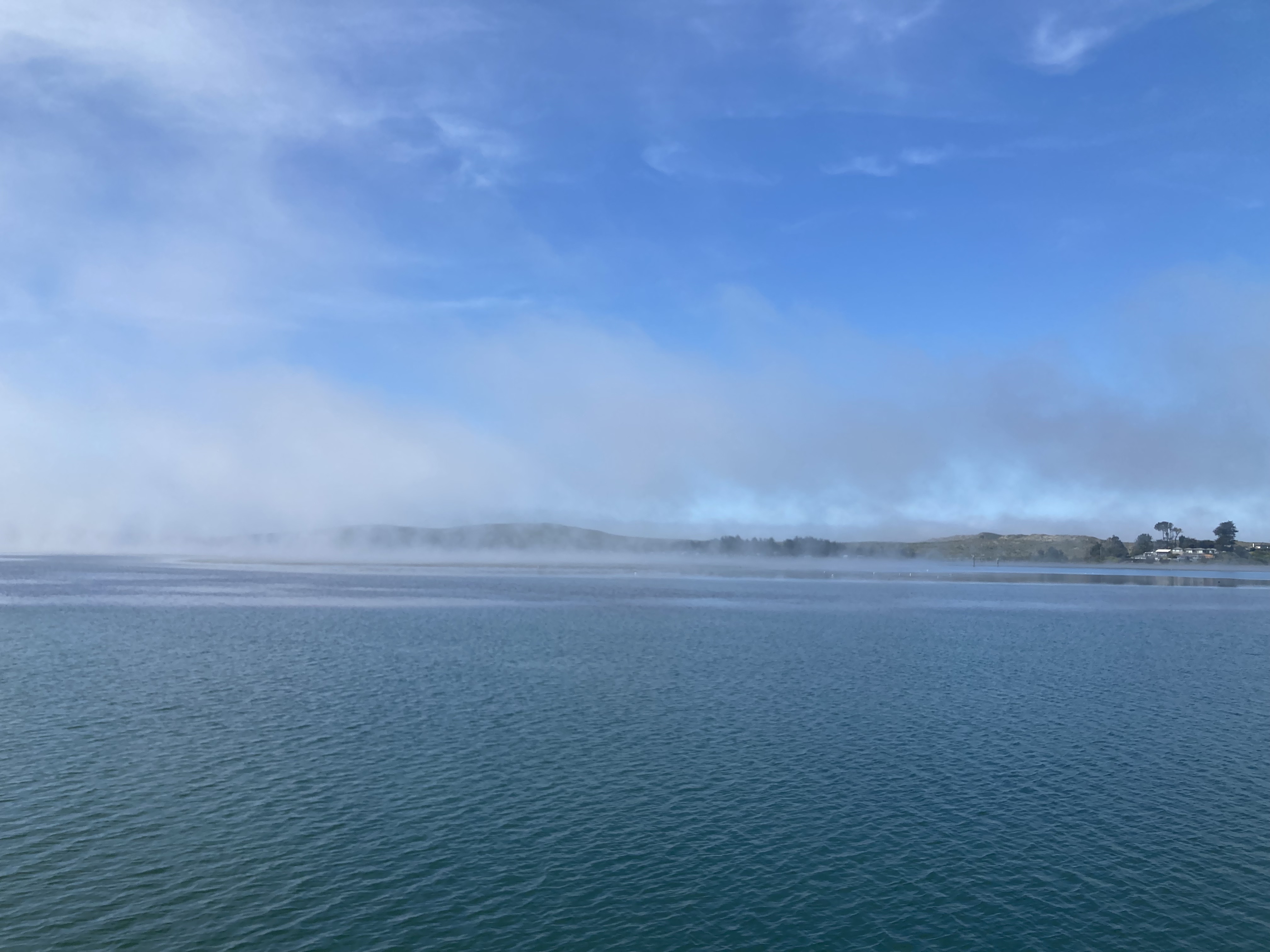
Russians used Bodega Bay’s outer waters as a harbor and renamed it Rumiantsev Bay, and built a fort further north on the Sonoma Coast using building styles similar to those in Sitka and in Siberia. The stockade, blockhouses, and log buildings were completed on August 30, 1812. Cannons were placed in the stockade and blockhouses and the flag of the Russian-American Company was raised. Known now as Fort Ross, its name likely coming from the fort’s connection with Russia, Rossiia, being an alternative from of the word Russia, and Ross a shortening of Rossia, is now a California State Park.
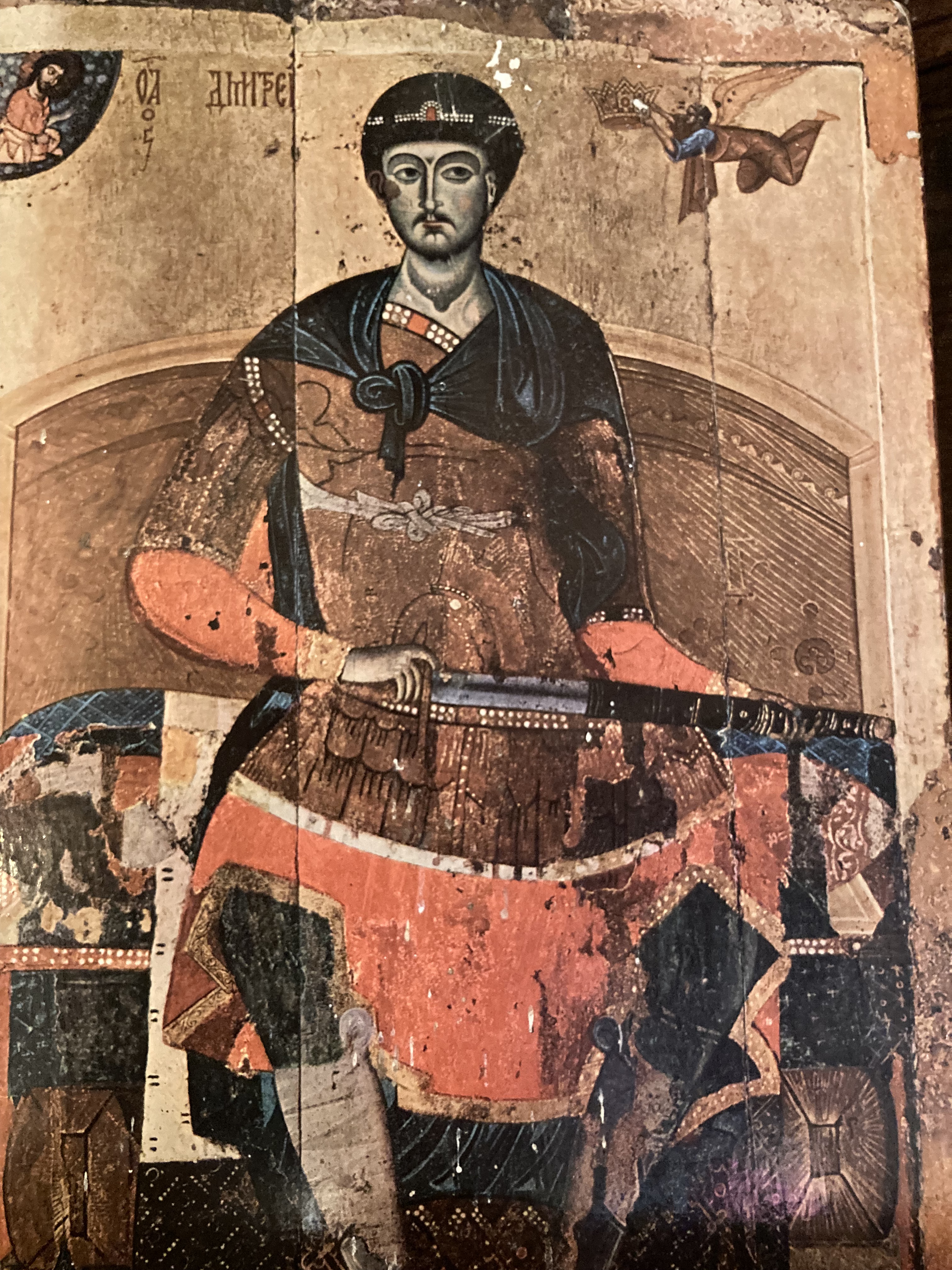
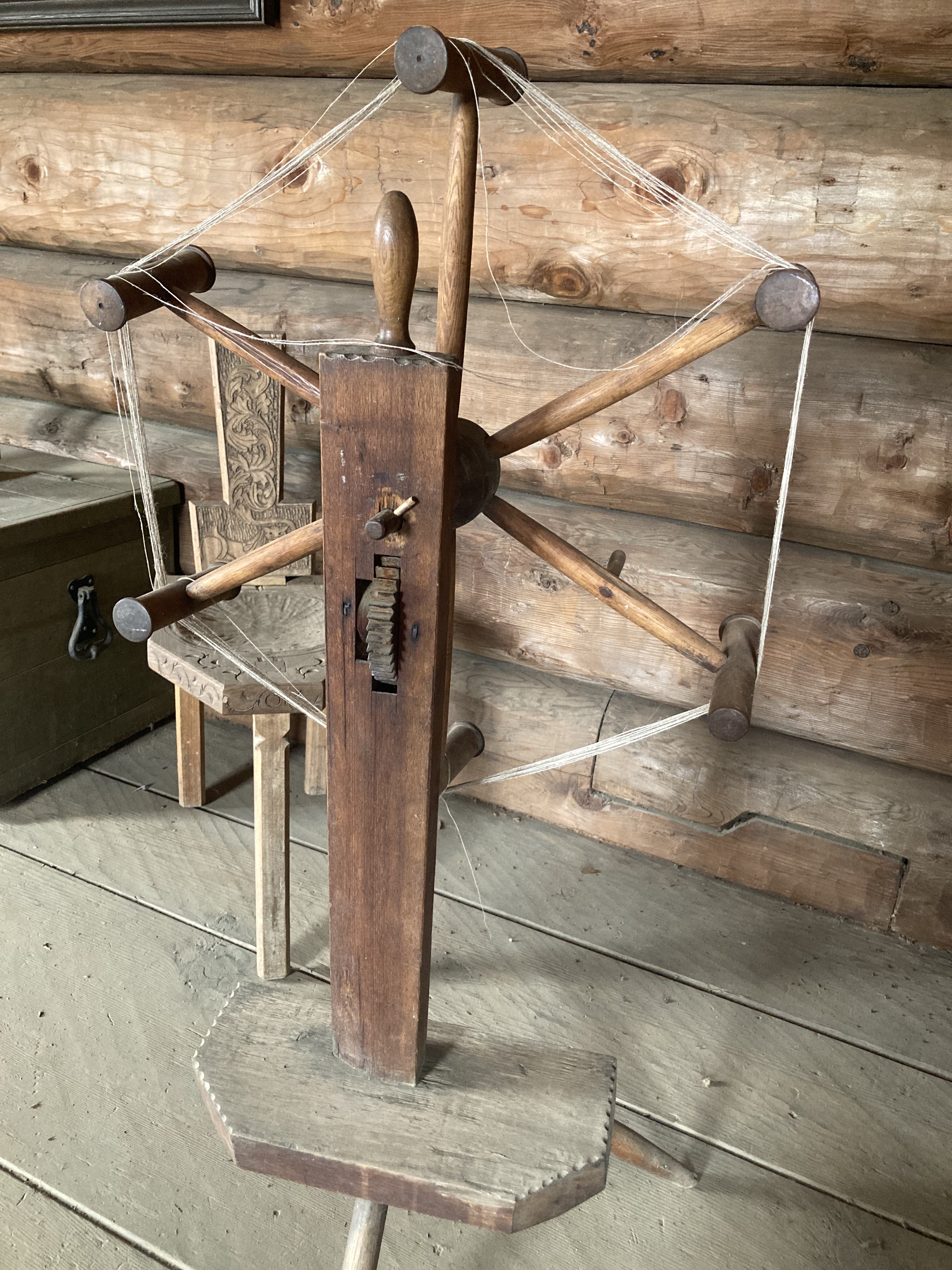
Craftsmen at the fort made barrels, plows, and built ships and boats. People at the fort gardened and raised cattle. A chapel was built at the fort in the Orthodox style where weddings, baptisms, burials, prayer and other religious practices were held. The fort’s inhabitants carried out experiments in farming. Grape stock was brought from Peru and peach trees from Monterey, as well as apples, cherries, pear, wheat, corn, beans, and tobacco–all of these crops and activities familiar to their own culture.
According to the Sonoma Index Tribune, Russians brought Gravenstein apples to the Fort Ross area. Later, in 1850s, the apples were brought to the area around Graton in Sonoma County. More orchards were planted in the area, and apple production was a central agricultural product in the area, giving Sebastopol a nation-wide reputation for its apples.
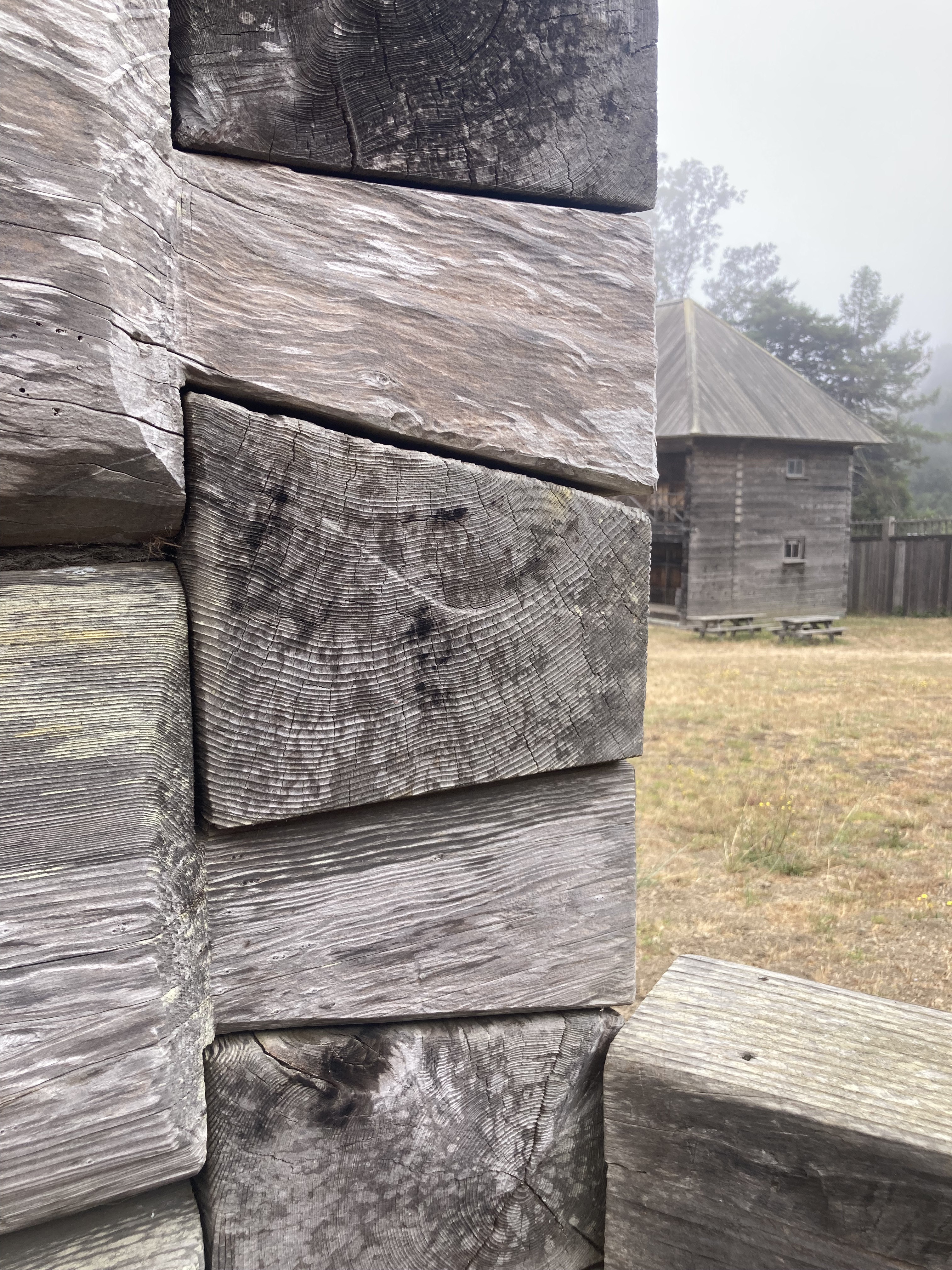
The architectural forms the Russians’ buildings took and the way they were made are unique to their culture as well. They didn’t use the structural methods of the people native to the lands they were occupying. Additionally, the Russians hunted for otter along the coast until their presence was exhausted, leading to the collapse of the Russian colony.




Though stories of the Russian colony on the US western coast is one we may be unfamiliar with, it nevertheless helped to make the world we walk around in. There can be a variety of reasons for our not knowing the stories of the land we inhabit. The people who came before us may have endured such hardship that it was too painful to tell the stories, alternatively, sometimes shame surrounds how the land we live on was acquired and people don’t want to tell the story or create an alternative story or simply keep silent about the story, as Louise Dunlap suggests in her book Inherited Silence. Other people are so caught up in their own daily story that they haven’t considered the story of the land they live on. Nevertheless, as Berest writes in The Postcard, “I carry within me, inscribed in the very cells of my body, the memory.”
Author Dale M. Kushner, in her blog post, “The Things We Carry: How Our Ancestors’ Traumas May Influence Who We Are,” explains how research findings in the field of behavioral epigenetics, “have documented that trauma can affect the expression or suppression of certain genes, not only for the person involved but also for succeeding generations,” as can experiences of familial shame, guilt, despair, rage, hopelessness, evidence suggests,” says Kushner, but she goes on to explain how Jungian psychologist James Hollis suggests we “look to our imaginations as a portal to healing,” to the “arts of ceremony and ritual, and to our in-dwelling creative spirits that remain alive no matter what terrible thing has happened to us.”

Alberto Rios in his poem “A House Called Tomorrow” writes
When you as a child learned to speak,
It’s not that you didn’t know words—
It’s that, from the centuries, you knew so many,
And it’s hard to choose the words that will be your own.
From those centuries we human beings bring with us
The simple solutions and songs,
The river bridges and star charts and song harmonies
All in service to a simple idea:
That we can make a house called tomorrow.
What we bring, finally, into the new day, every day,
Is ourselves. And that’s all we need
To start. That’s everything we require to keep going.
It’s important to consider what we bring to the communities we interact with so that we co-create the kind of world we want to exist. Though it’s not humanly possible to know every culture’s perspective, we can be aware that our way of seeing is but one way and that there are others that may be more fitting. As Rios says, what we bring into the new day, every day is ourselves and that is what we need to start and to keep going. We don’t live separate lives. Many cultures and ways of seeing and acting form our world. We each participate in making the world we inhabit as well as the one those after us will live in.
The natural world is one of generosity and community. Trees, for example, give shade to anyone who walk beneath them. Rivers give water to all who drink from them without withholding. Charles Eisenstein states in his article, “The Relationship Between Gifts and Community: on the Daily Good website offers a beautiful way we can begin to create community and a more generous world. “Community is woven from gifts,” Eisenstein states, and suggests creating gift circles where people gather to express their needs, share with each other something they would like to give, and then later gather to give gratitude for what was given. As Rios points out in his poem, “we can make a house called tomorrow.” That tomorrow begins with becoming gifts to each other and recognizing the gifts that abound everywhere in the around us.

 Anna Citrino---Poetry, Place, Pilgrimage