Nature, poetry, Uncategorized

A Way to Endure

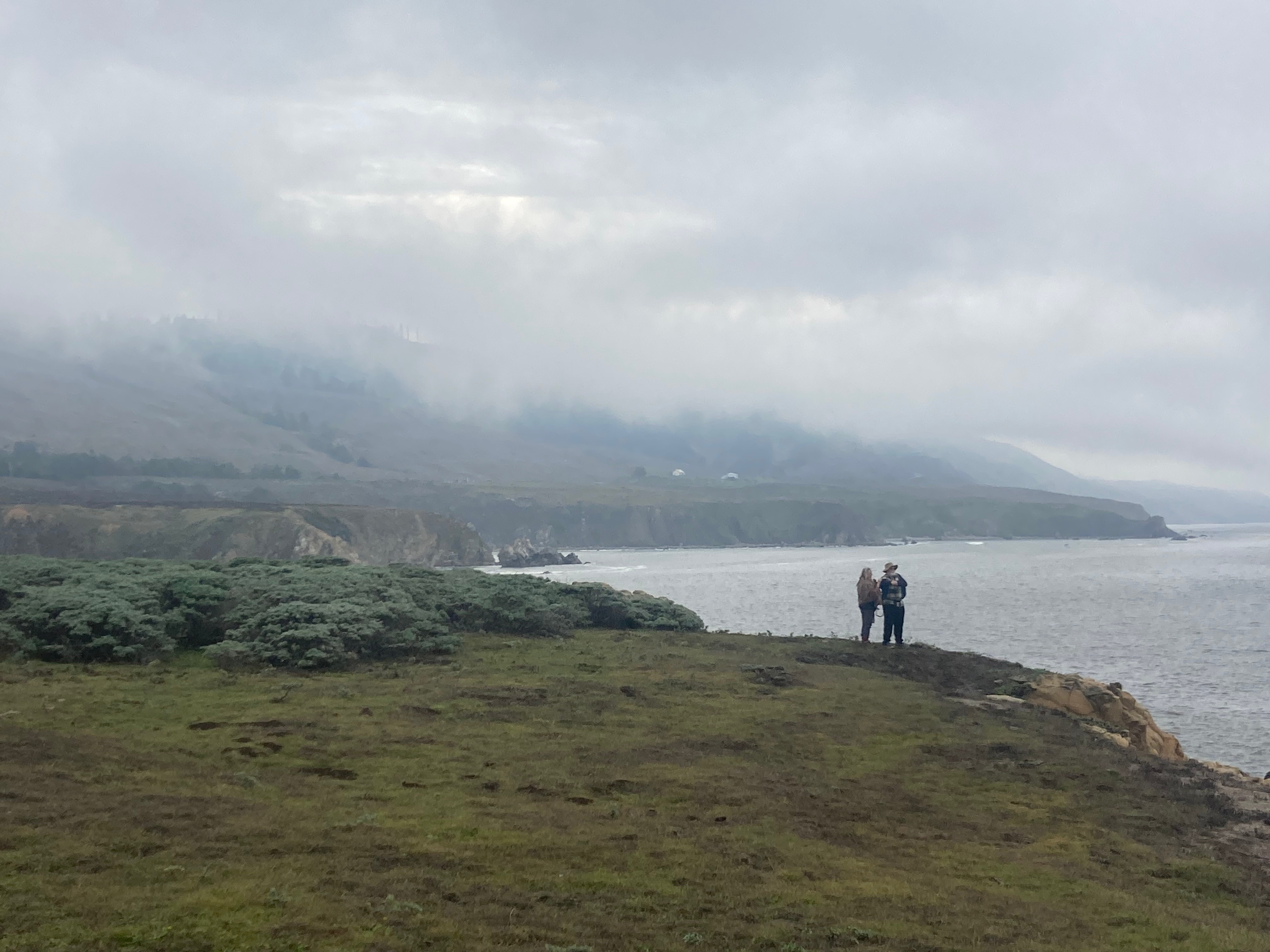
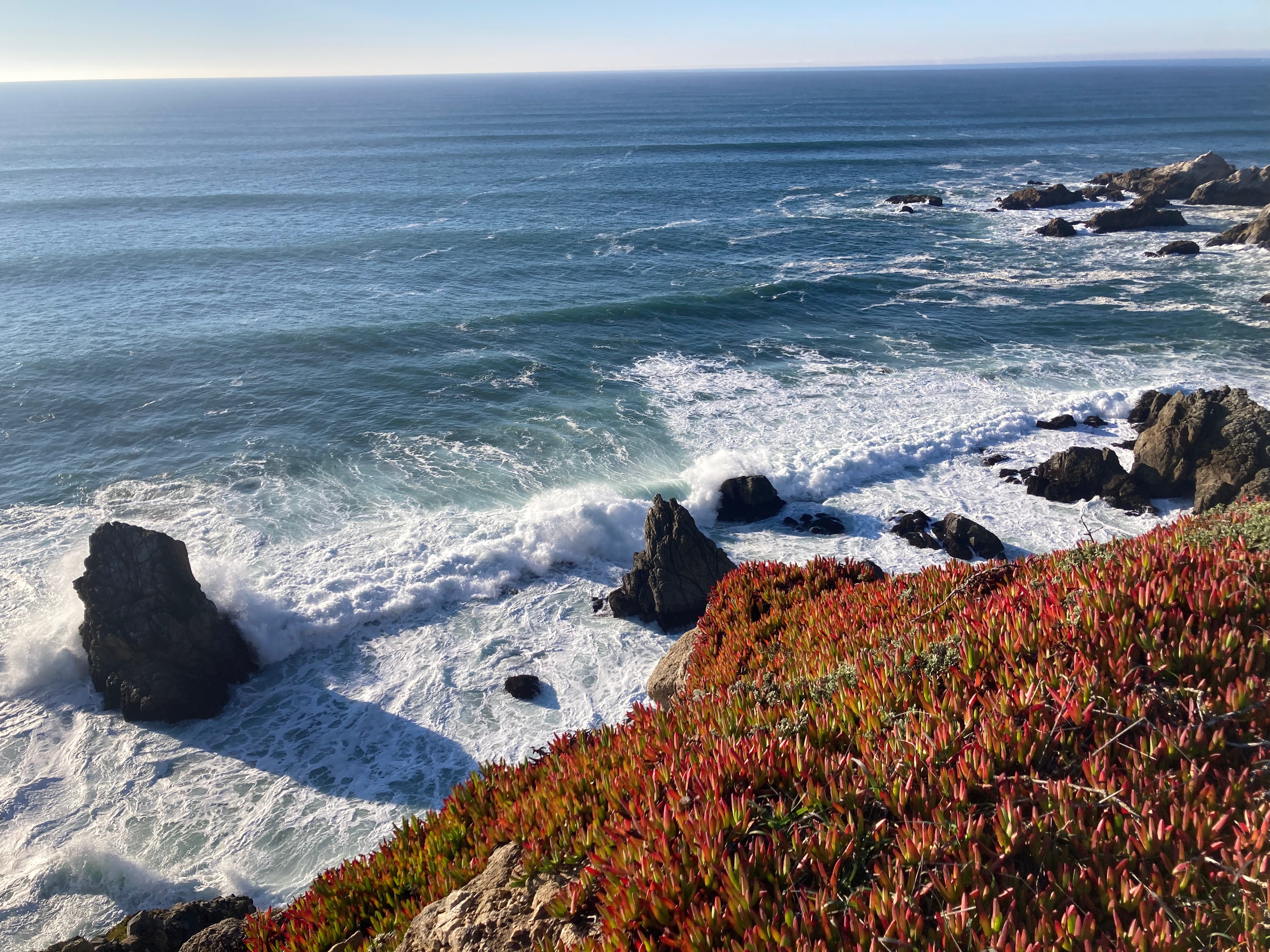
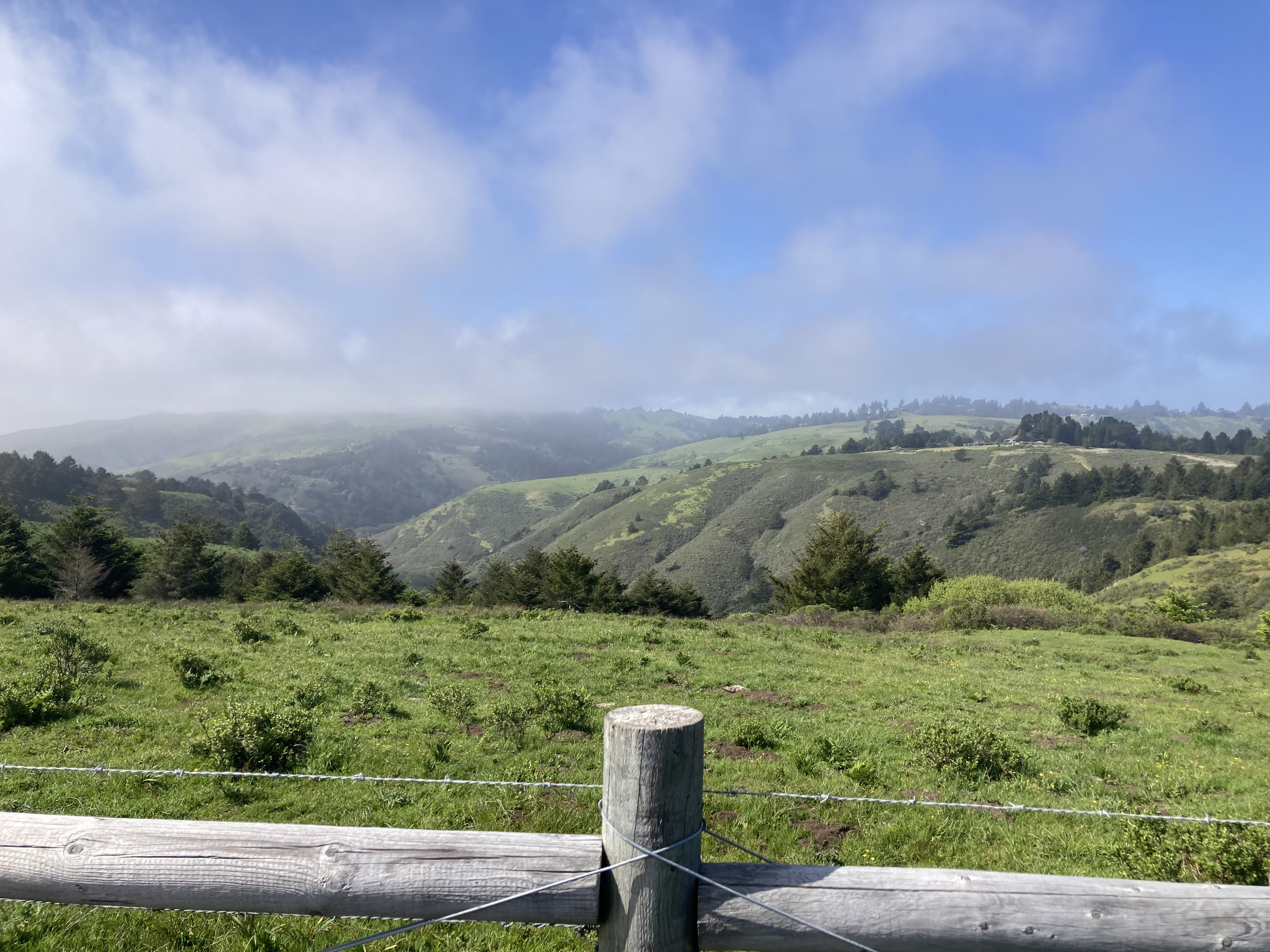
Today I was out wandering the coastal path along Bodega Bay here in Sonoma County. The sky was as blue as dream, the light clear as cut glass. My eyes stretched across the bay about 35 miles to the Point Reyes headlands while above me sea gulls careened through the air in drifts of white. I always look forward to visiting Bodega Bay to walk along the cliffs. It’s the landscape that convinced me I could move away from Santa Cruz County. Here in Sonoma County I could still be near sea and trees and beauty. My soul would be well. 

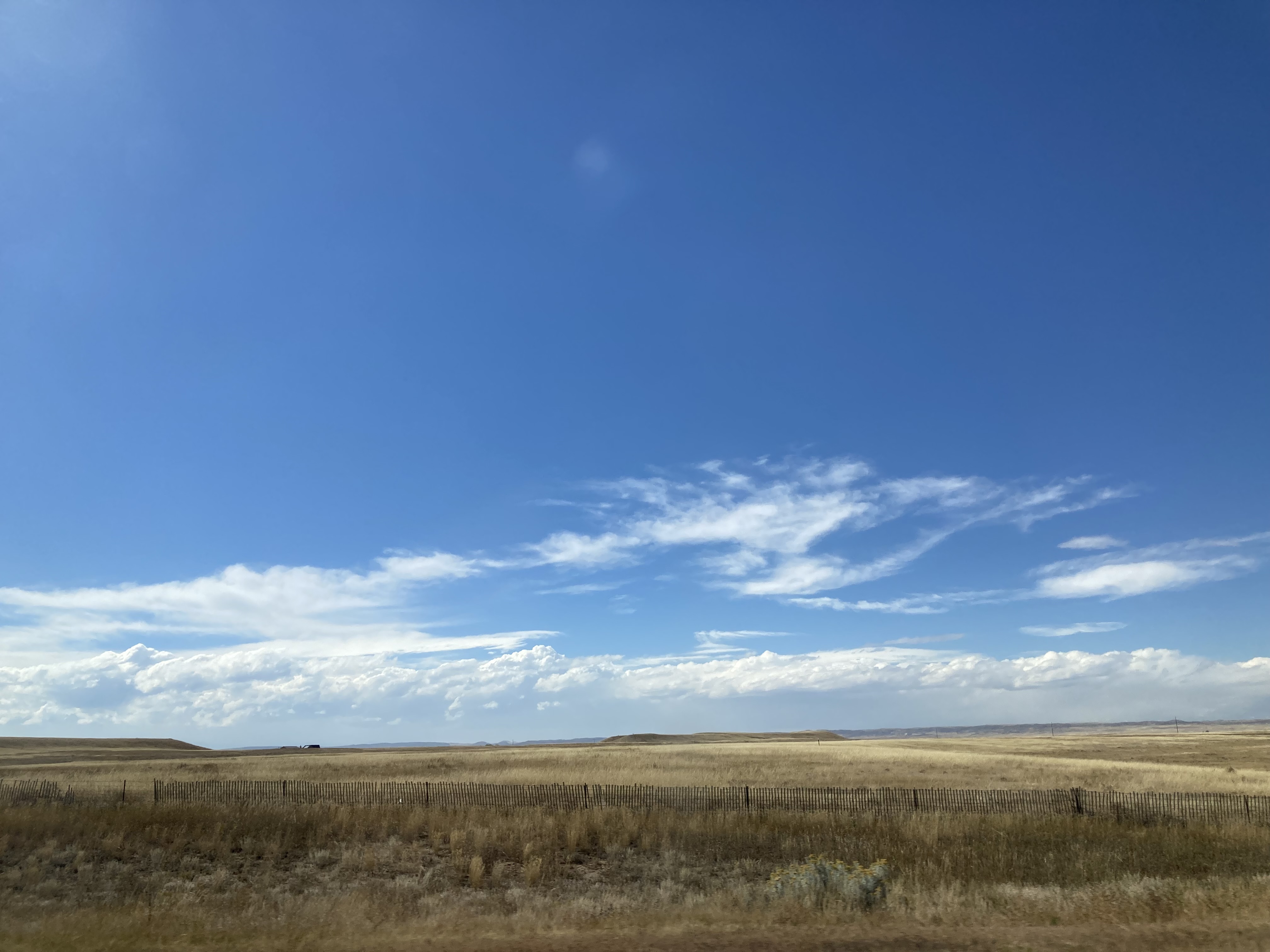
Perhaps you, too, have landscapes that have spoken to you or fed your soul. I remember standing years ago on the red earth outside of Wheatland, Wyoming. I climbed up on a piece of red sandstone and looked far across dry horizontal landscape to the distant horizon. Not a person or building in sight. Dark clouds hovered above and it began to rain. Thick drops splatted hard against the stone and earth. Everything around me felt absolutely elemental. I thought of my mother whose hair was red like the earth around me, and how durable a person’s body and spirit would have to be to hold up in such an environment, how resilient. Standing there on that land I understood my mother in a way I had never had before. 

The land can teach us things when we listen attentively. Recently, I learned that researchers have noticed that birdsong seems to reduce stress-related hormones in the tree. Additionally, recent studies hypothesize that birdsong “acts as a natural “sonic bloom,” providing acoustic stimulation that enhances plant physiology.” Just as we affect the natural world, the natural world affects us. 

When people settled the West in America, they plowed up about half of its native grasses, approximately 5.2 million acres in the Great Plains and effectively destroyed the soil, leading to the Dust Bowl. Our interactions as Emmanuel Vaughan-Lee states in his talk, “Enraptured with Earth,” “…union is the state in which the world really functions.” People in the past may not have understood the land they were living on, how it needed to be treated and whether or not it was capable of providing people with the nurturance and productivity settlers of the era sought. In our day, however, we have an abundance of information to help us understand what creates a healthy relationship with the environment. We know now that time spent in nature can improve our physical and mental health, as well as our thinking, creativity. This is encouraging and affirming news for human well-being.

For the character Adah in Stories We Didn’t Tell the land is a steady friend that helps her endure through difficulties and trauma.

During Drought
Beaver Creek, Weston, Wyoming
Adah, 1908
(age 19)

Earth crackled underfoot, hot winds 
peeled the skin, crops shriveled 
and collapsed, banks floundered, 
farmers sold their livestock.

Some lost their farms, others their homes. 
Then, on the brink of famine at the end 
of a decade of drought, 
I was born. 

The ghosts of the world that came before 
and what was coming next
rose from the soil to the fever-weary air. 

Parched earth’s despair eventually passed, 
but a new drought arrived when I got pregnant. 
Barely past childhood, 
I was living in one world, 

then woke to realize 
I was living in another. 

Arid wind evaporated my life, 
withered thoughts of any restful future. 

Heat exhausts. 
Lack of water alters the mind. 
We need rain, streams, lakes. 
We need rivers’ soft arms to hold us. 

I understood little about anything.
Except thirst. 

So, I went to the fields and meadows, 
days and months walking alone
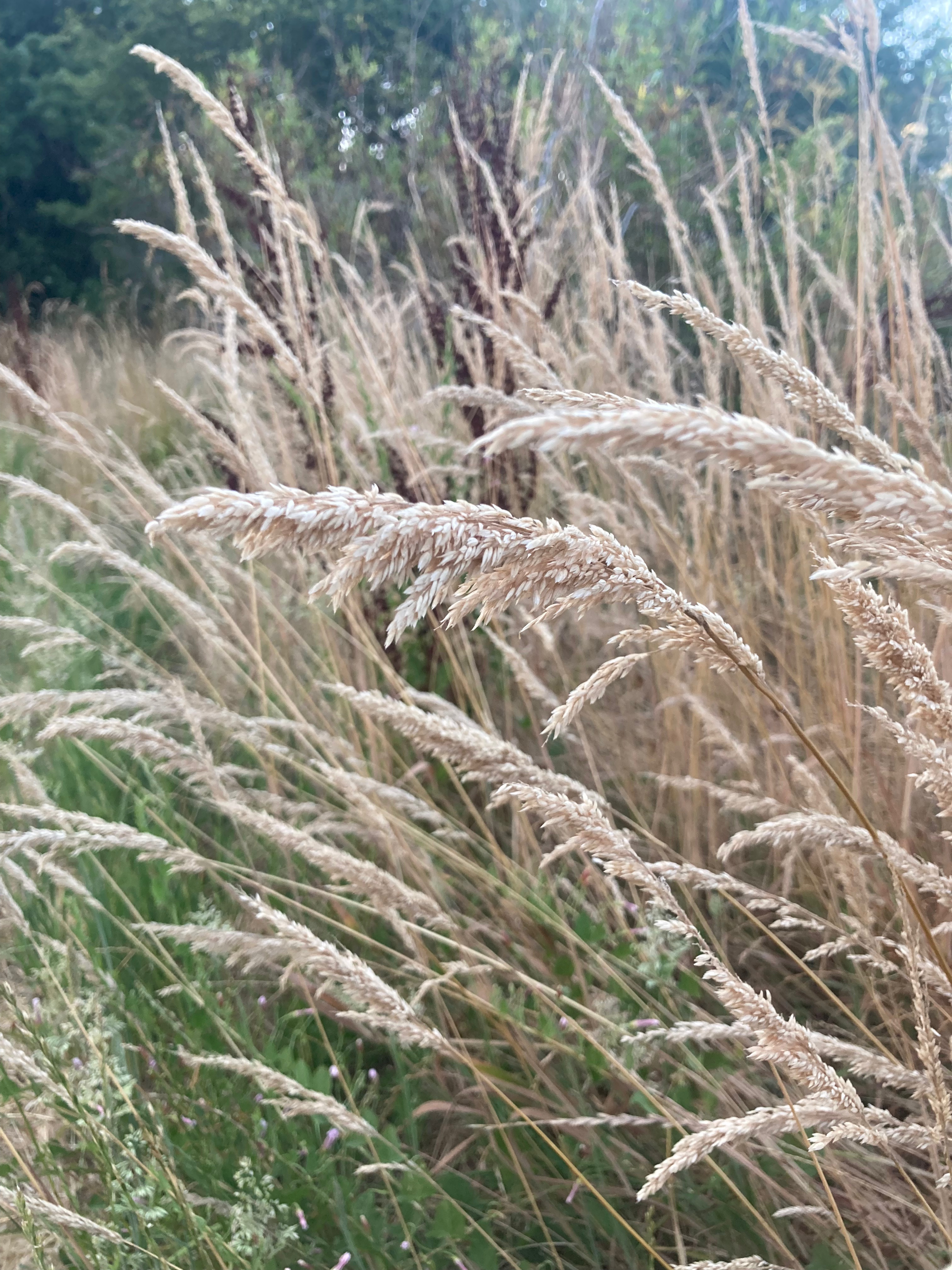
through wave-thick grass, green and gold pastures
under gentle skies strewn with clouds. 
Flowing forth as if a spring, crested penstemon 
and desert buckbean grew out of cracks in rocks. 

Shadows shifting and lifting in crests across the prairie, 
I journeyed into fields, the earth’s wordless voice 
entering slowly through my feet and eyes, 
seeping through the silence, whispering within 
the perseverance of its expansive presence 
that I was more than the hurt and harm I felt, 
larger than what had happened to me, 
and that like the earth, I, too, 
would find a way to endure. 

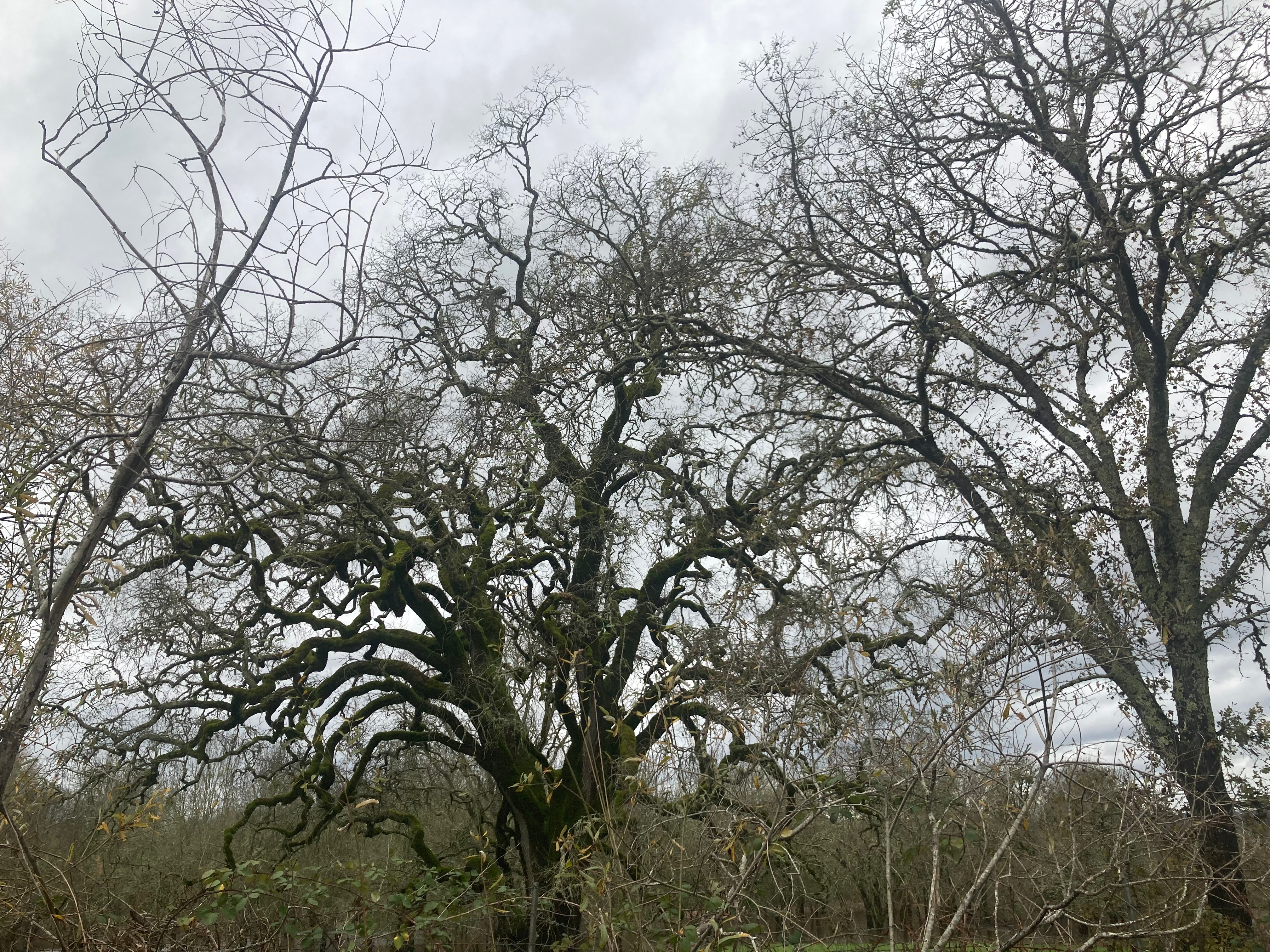
I wish for you a relationship with the natural world that allows you to absorb through your eyes, or skin, or to feel beneath your feet the earth’s expansive presence. Even if your connection is simply attentively noticing the color of leaves through your morning window, the architecture of a tree’s branches in your neighborhood, or the weight of your cat resting on your lap, spend some time with the natural world. As you listen attentively over time to that connection, you’ll find how without words it speaks to you and works to support you, assists in allowing hurts or harms you may have experienced or are experiencing now to move through you. Like Adah, I hope you will find in that connection what you need to endure.

This coming Tuesday, 16 December, I’ll be giving a reading from Stories We Didn’t Tell on Zoom in connection with North Bay Poetics. I invite you to attend. The time listed below is Pacific Time.

(You can find the poem above, “During Drought” in Stories We Didn’t Tell, published by Shanti Arts.)

Uncategorized

Among The Trees

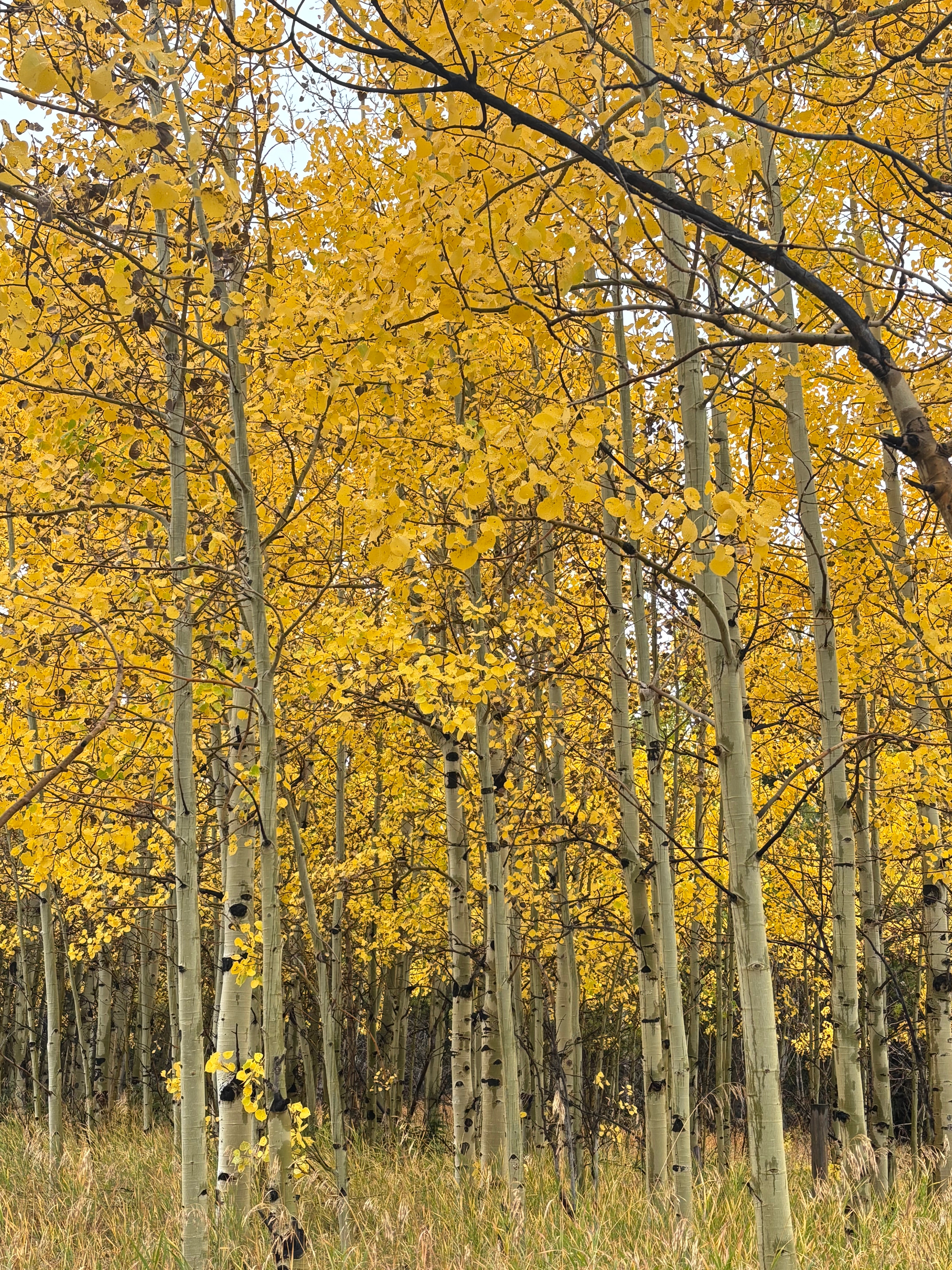
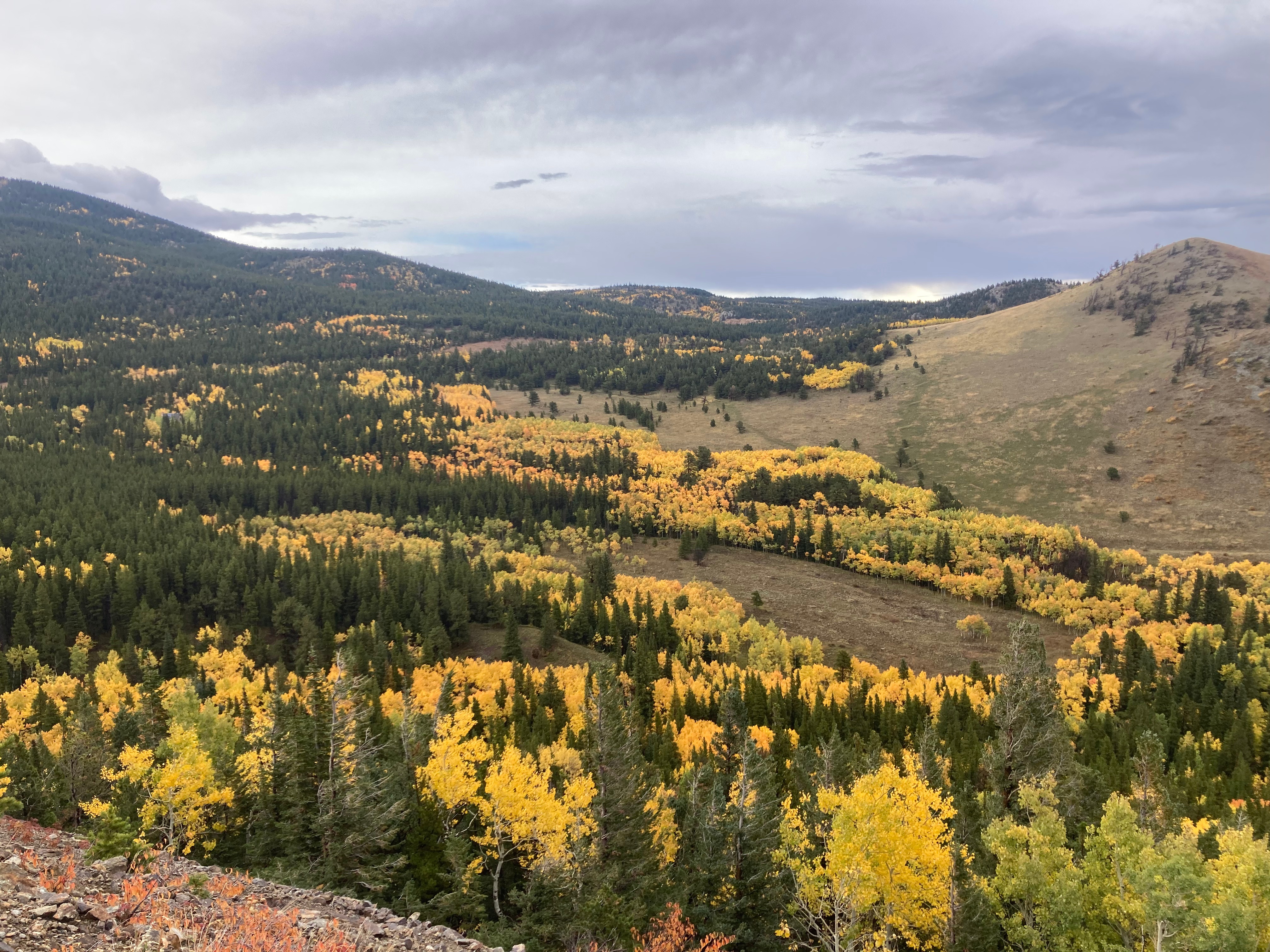
Recently, I visited Colorado where I gave a reading in friends’ backyard from my recently published book, Stories We Didn’t Tell. Leaving Denver’s airport, my friend drove me through the mountains where we viewed the aspen quilting the hillsides in gold between patches of green. Walking amongst the aspen, I felt I was wandering inside the glittering gold of a Klimt painting. Such astonishment of color! What life autumn brings. Clouds filled the sky as we drove and lighting let loose its ecstatic bolts of electricity, but the hills overflowed with vibrant yellow, leaves fluttering and swiveling in the brisk air. What a gift to be alive.

I’m grateful to live near trees. As I write, I look across an empty field. At the far end rests a line of redwoods. My great aunt, the central character in my new book, was raised on the prairies with its ocean of grass. Like her, I didn’t grow up with trees, but am grateful for their presence. Daily, they add beauty to my life. Landscapes shape our way of seeing the world. A walk in the woods can literally affect our sense of happiness, health, and wellbeing.

September 29 would have been my great aunt’s 135 birthday. Here’s a piece from Stories We Didn’t Tell in honor of her.

THE TREES
North Little Rock, Arkansas,
1946 Adah, age 57

A short time ago this town held four thousand
German prisoners of war. Things are calmer now,
thankfully, so this morning Litton and I
drove around Little Rock to explore Autumn.

Sweet gums at the capitol dressed themselves
in topaz and copper. Maples on riverbanks
huddled together beneath red and amber blankets.
Up north, oaks wore suits of rust.

The cold that brings these gifts of color is a sign
the trees soon will lose all they hold.
Seems I should feel sorrow standing beneath
their branches, knowing their loss grows daily,
but the War is over, and it’s my birthday.
Mostly, I feel embraced.

I’m a woman of the prairies and open skies.
When I speak, my accent tells the story:
I’m an outsider here.
Sugar maples, hickory, dogwood, and gum—
trees in general are foreign to me.
My history is from a different world, one made of grass.

Life here has comforts I enjoy.
Same as for others who live nearby,
Litton and I have electricity, indoor toilets,
heat, a toaster, refrigerator, and a radio.
Now and then, though, I take off my shoes,
walk barefoot to remember what it feels like.

Every place has something important it wants to tell us.
In spring, Little Rock’s magnolias lift
their flowers like cups to gather the afternoon’s
blue, and redbuds grow blossoms on their trunks.
In fall we ride roads curling through trees aflame
with brilliant color. Still, sometimes I wish
to hear the fields of prairie grass sigh
when the wind moves through.
I long for its voice
whispering in my ear.

Arkansas isn’t my forever home, but likely
I’ll miss people’s accents, sweet tea,
and the city’s abundant trees when I leave.

All of us in the family, including Mama, Father,
their parents and great grandparents too—everyone
left the land they were born on, and I have too.
Don’t know if I’ll ever return to Nebraska
or will want to.
For now, I carry my home with me,
choose the parts to keep.

Today I stood beside the river
in the afternoon’s gold light, opened
my arms to a maple’s leafy blaze,
and made my birthday wish:
to be like these trees—
the way they allow their beauty to burn
and burn and yet don’t die, even after
losing all that allowed them
to live into their fullness,
even as every colorful leaf
drifts down to earth.

May this autumn season bring you beauty, a deep sense of wellbeing, and an awareness life’s fullness meeting you as you savor color wherever you meet it.

Uncategorized

The Extraordinary Lives of Ordinary People

Stories shape our lives, yet sometimes people hold their stories inside and never tell them, perhaps because they are too painful, they fear might bring shame, or words simply can’t be found to tell them. Sometimes the dominant culture we live in doesn’t allow certain stories to be told or heard. When we hear them at last, those stories can be transformative.

Born in California, I had little contact with relatives living where my parents were born and raised on the Great Plains and in South Dakota. Curious about my origins, I wrote to relatives and traveled to interview them. Those interviews, together with further research of US history deepened my understanding of what it means to be a descendant of settlers, as well as the difficult social expectations and restrictions women of my ancestor’s era confronted as they worked to create lives they wanted to live. My new book, Stories We Didn’t Tell, released in September is the result of this research. Told in the voices of a family living on the Great Plains, Stories We Didn’t Tell begins when the US wars with Wyoming and Nebraska’s Native people have ended and concludes in the mid 1980s. 

Spanning an era of extraordinary change, people on the Great Plains played a significant role in creating the America we live in today. Told in interconnected narrative poems, Stories We Didn’t Tell explores stories that reside inside and beneath the surface of our country’s history. The book opens during a time when women were expected to be wives and mothers and where the working world held few options for women. Farm women were to be mothers and housewives, President Theodore Roosevelt told the public in 1907, “whose prime function it is to bear and rear a sufficient number of healthy children.” While not suffragettes or feminists, the book’s female characters are perseverant and resilient as they seek to create the lives they want within the constraints of the time they live in.

“A masterful book with sweeping scope and depth, Stories expresses the courage, daring and despair of Americans settling the west. The themes in this book are as relevant today as ever. I can’t imagine a more wide-ranging history of western expansion with its undercurrents and repercussions… Stories is an important and powerful book that offers hope to the human spirit.” —Susan G. Wooldridge, author of poemcrazy: freeing your life with words.

Join me to celebrate the publication of my new book, Stories We Didn’t Tell, Saturday 27 September, at 1000 Gravenstein Hwy N, Sebastopol, CA 95472 Fellowship Hall 3:30 to 5:30 for readings from the book, music, food, and book signing.

Living on what was previously called the Great American Desert, Adah’s family of homesteaders and ranchers seek to eke out a life on the Great Plains amidst the effects droughts, economic depression, two World Wars the mechanization of farming, and the forging of modern America. Confronting the many challenges, Adah, seeks to define a life for herself larger than the confining one she was born into.

Books will be available beginning September 2 on the Shanti Arts website as well as other common locations for finding books.

Uncategorized

Returning to Solid Earth 

“Imagination is more important than knowledge. For knowledge is limited to all we now know and understand, while imagination embraces the entire world, and all there ever will be to know and understand.”—Albert Einstein

Fascinated by their colors, shapes and textures, my attraction to the mineral world began as a child. My family lived in a house where the driveway’s earth contained an abundance of mica. I loved its sparkle, the glints of light shining up from the ground and found it wondrous. “It’s fools gold my older siblings informed me,” as if to explain away its marvel. But I went on finding it magical. Real gold, wouldn’t have made it more fantastic. In my five year old eyes, the glints in the sand were marvel enough as they were. 

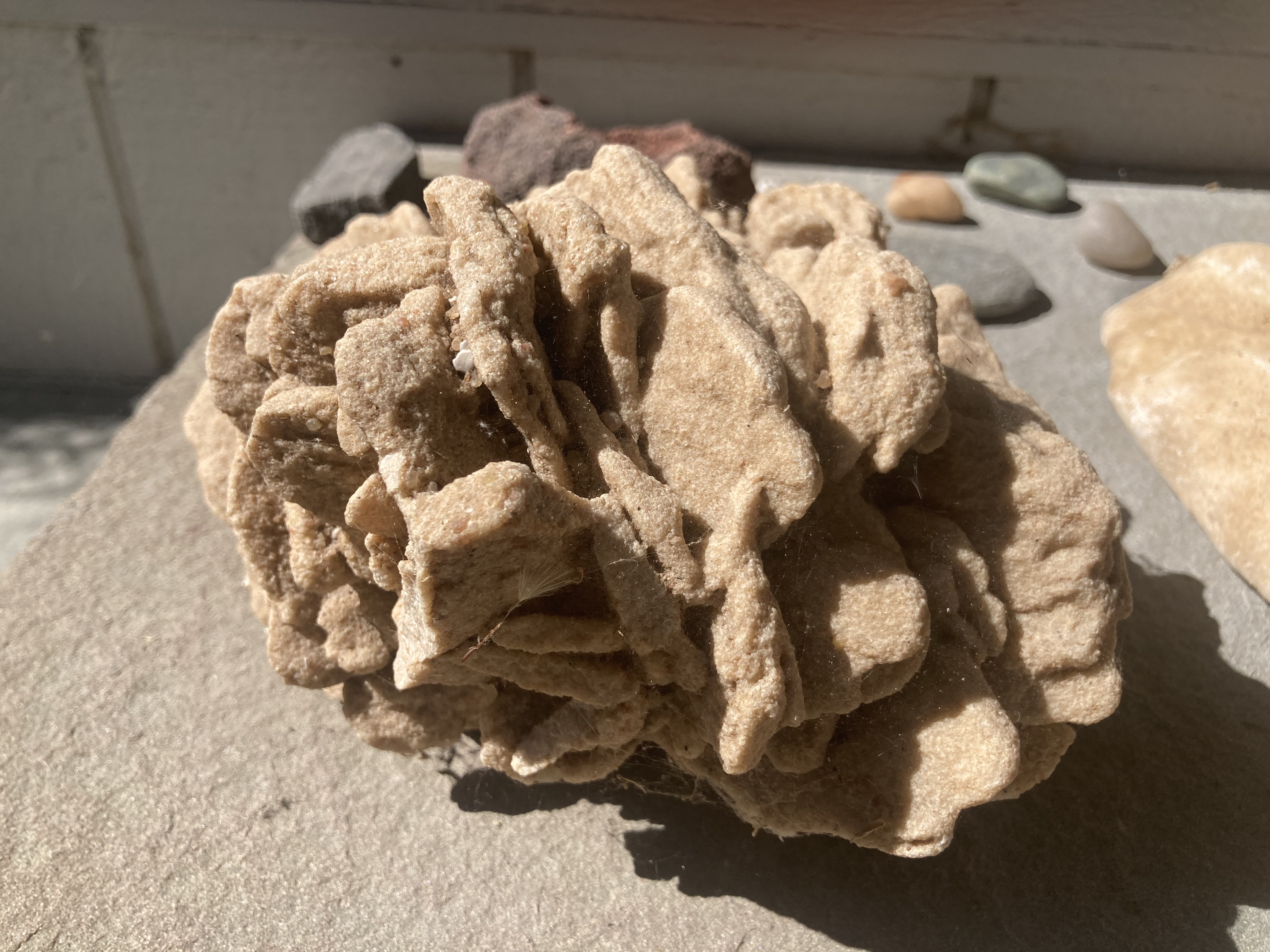
Throughout my life I’ve loved looking for stones that call to me to notice them. I scanned the landscape for rock crystals in the Saudi desert, searched the ground for amethyst in Thunder Bay, Canada, and hunted for rose quartz on my grandmother’s property in South Dakota’s Black Hills. The gift of rock salt from Colombia and pebbles from the beach in the town in Calabria, Italy where family ancestors were born, these are precious treasures connected to a larger story reaching far back through time. 

The beginning of my childhood rock collection

Living amidst the world’s current disruptions, fear expanding in explosions like July fourth fireworks from news headlines, recently I’ve been thinking again about rock hunting and the quiet pursuit of the beauty’s solid expressions that have been forming and residing in the earth since its foundation. 

Foundational writings in historical US documents has promoted the idea of pursuing happiness, felicity achieved by independent effort and the belief in “pulling one’s self up by the bootstraps,” as the saying goes. Happiness for some is food on the table, water to drink and bathe in, clothes to wear, and heat when the day is cold, and the rent paid. For others the pursuit of happiness includes the comforts of fine dining, vacation time in far off places, brand name clothing and the newest gadgets and the ceaseless busy pursuit to pay for it all. People have different definitions and expectations for happiness.

Meanwhile, amidst the endless chase to live happily, U.S. institutions that provided public good such as schools, consumer protection agencies, and emergency assistance programs, are being dismantled. The world U.S. citizens once lived in is crumbling. Chunks of stability and support people once counted on are falling away. What’s needed now for the long term social good and happiness is something far greater than fine food at a restaurant or a week or two holiday. We need a new way of being together that promotes the flourishing of all lives. Whether we want to or not, it’s important now to swim across the river of change we’re in the midst of, and to imagine into being the different shore we want waiting there to receive us. 

Spring Lake, Santa Rosa

Imagining that other shore, the quality of its shape, texture is important. What does it look like to reconcile our nation’s inherited past with a vision of one where reparations are made for injustices and the common person doesn’t have to live in fear of not being able to sustain their own lives. How would we live differently if we consciously saw the natural world as wondrous, not just when gazing at a waterfall or a  super bloom of wildflowers in spring, but as a daily foundational awareness as we went about our everyday lives? 

To imagine that world, what it means for us personally to embody the world we want to live into it, it’s valuable to step away from cultural mandates that encourage us to be continuously productive and to do something different. In my book Stories We Didn’t Tell coming out later this year with Shanti Arts, the character Avery goes rock hunting in the Wyoming outback with his brother Leith. The ending portion of the poem reads:

After miles of flatland and shrubs, we climb

from the car to inhale the earth’s rich scent.
The ground stuffed with stones like chips
in a cookie, buckets in hand, we comb the earth
looking for agates’ lacy plumes, snail-shaped
fossils, red jasper, and petrified wood.

No specific purpose needed when rock hunting.
No timeline or agenda to fulfill, just walking
the land with the possibility of reaching
into the soil to find something formed
several million years before we touched it—
something solid, beautiful
and unrelated to any need
for productivity.

Productivity isn’t the measure of life. As Mary Oliver writes, “Listen, are you breathing just a little, and calling it a life?” Finding moments in our day and our week where we disengage from productivity, where we wander out into the desert, forest, lake shore, or prairie without a particular goal is important. It restores us, brings us back to our bodies and our connection to the life that both births and sustains us. 

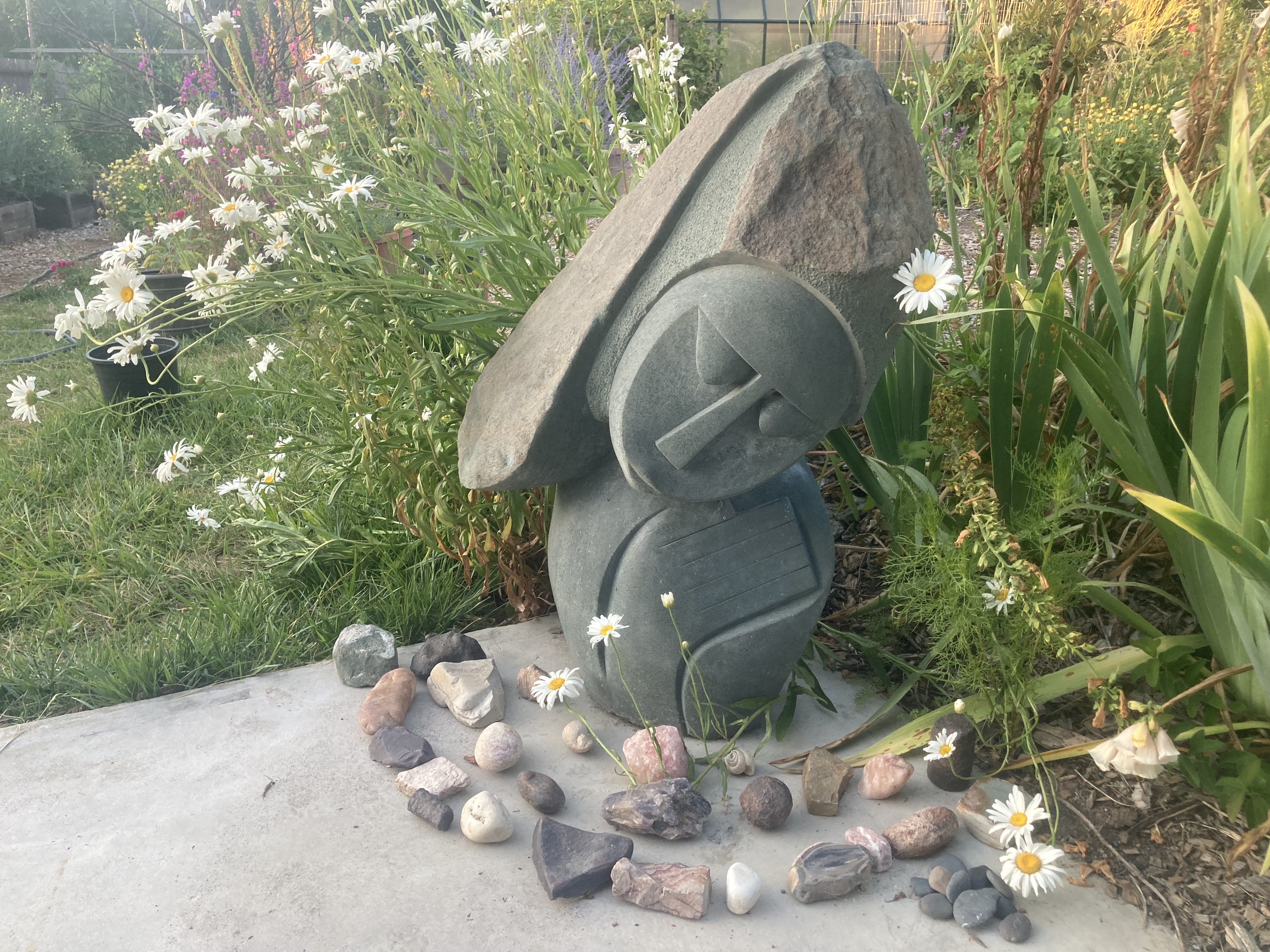
Rocks and stone are both solid and the physical result of great change. They are, so to speak, the physical embodiment of the earth’s imagining. Like rocks, we are people of this earth. Maybe it’s time to go out rock hunting to find the rock you can carry in your pocket as a reminder of solidity amidst change. As Byrd Baylor writes in her children’s book, Everybody Needs a Rock. You want to be able to look your rock right in the eye and chose a rock that fits comfortably in your hand. 

Quiet spaces, such as one might find while rock hunting are valuable to our inner lives. I hope you find a place where you might see the wind turn the leaves of trees, watch the ocean waves’ ceaseless motion, sit and savor the flavor of fresh peach, or just plain sit and stare off into space. Wherever it is you can sense your life is part of the earth’s great body, let that place hold you. Be present with it. 

Imagination takes time to form. It might take time to hear what it has to say, like it takes time for a stone to form. Listen for what rises there.