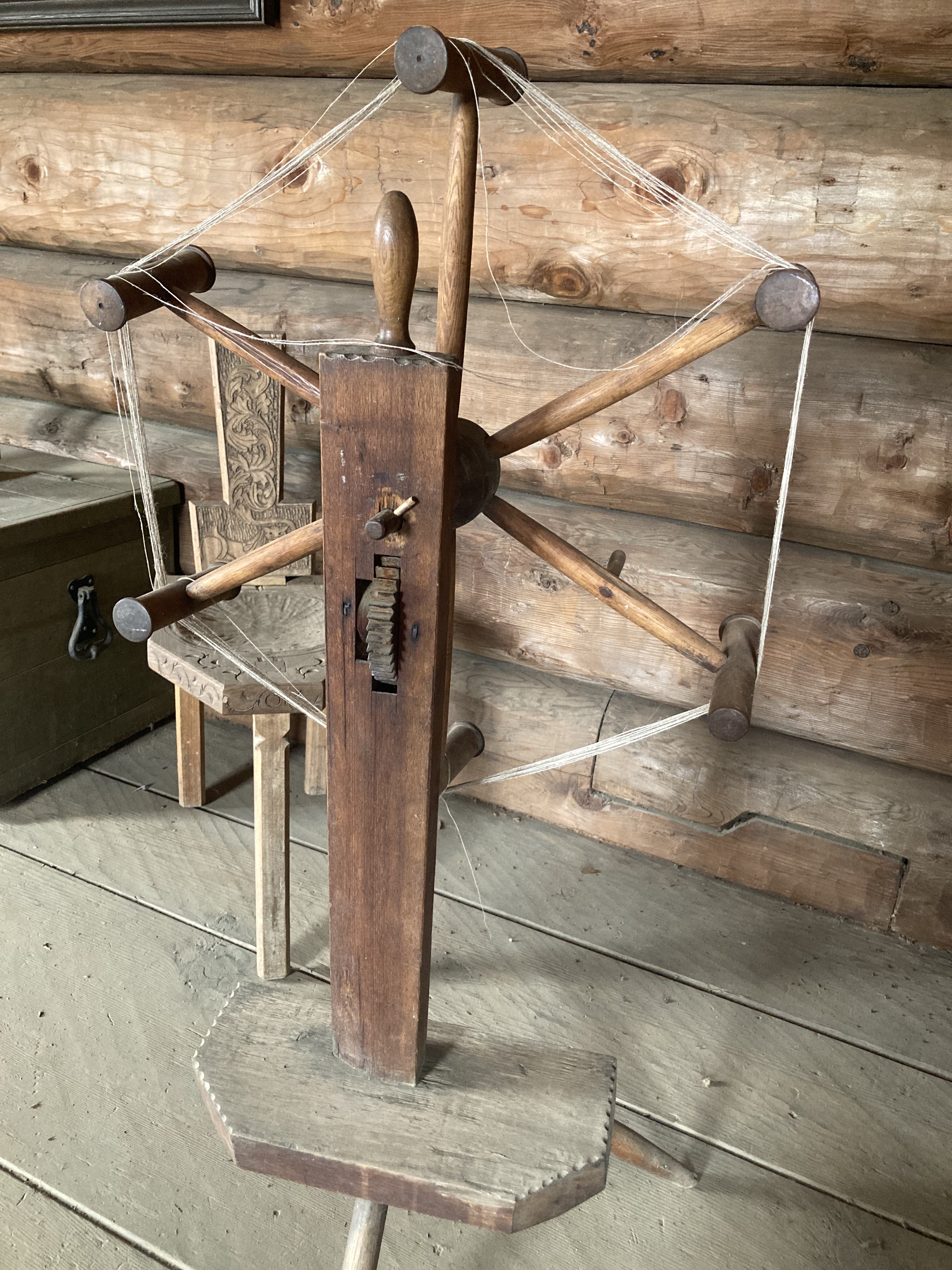
Uncategorized

Doorways to Community


There are so many thresholds
to step through on a given day.
May you choose the doorways
that lead to kindness and peace,
speaking only when you can say
the most loving thing. Face each
fear, doubt, and wish for your life
to be other than it is right now

from “Blessing for a New Year — James Crews

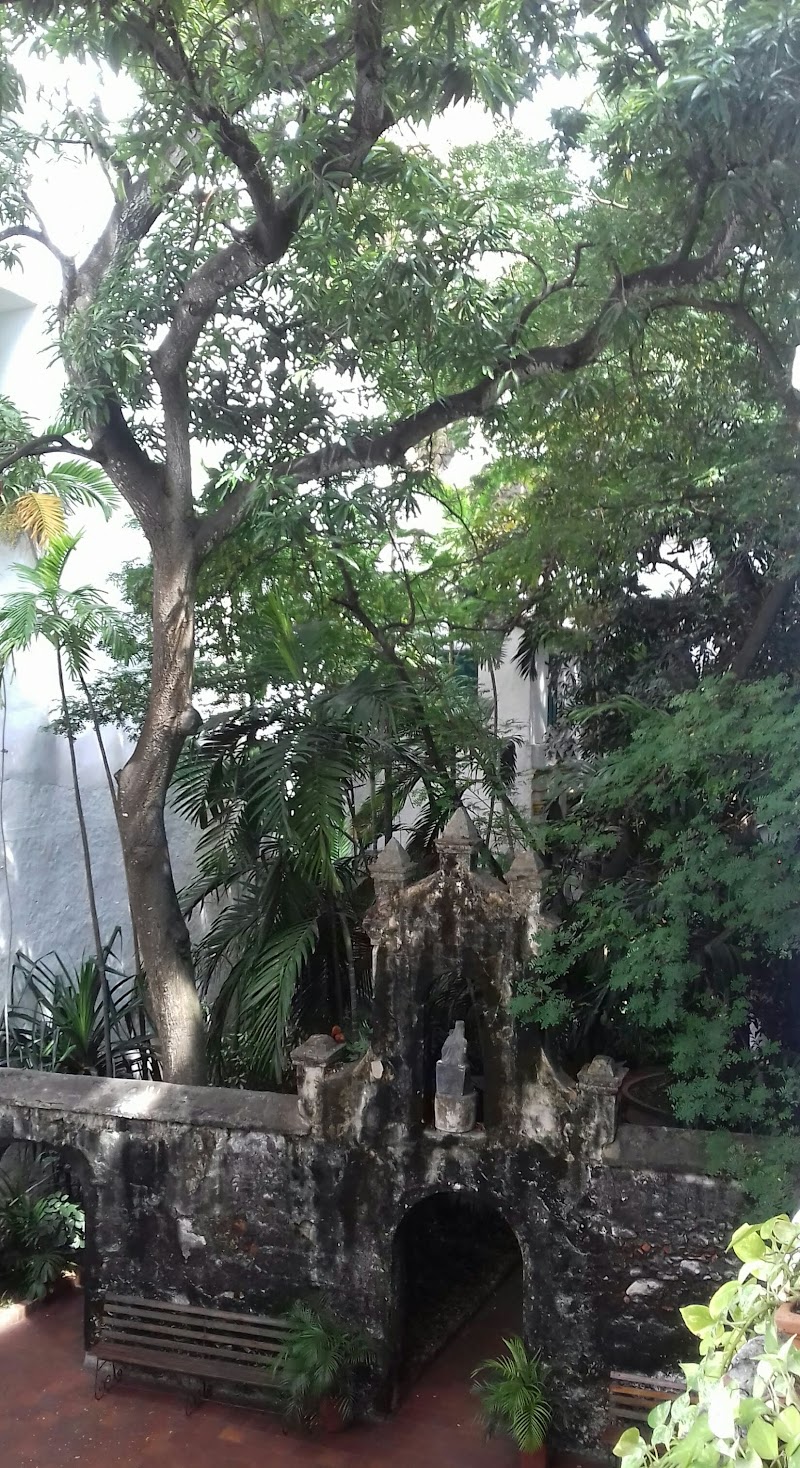
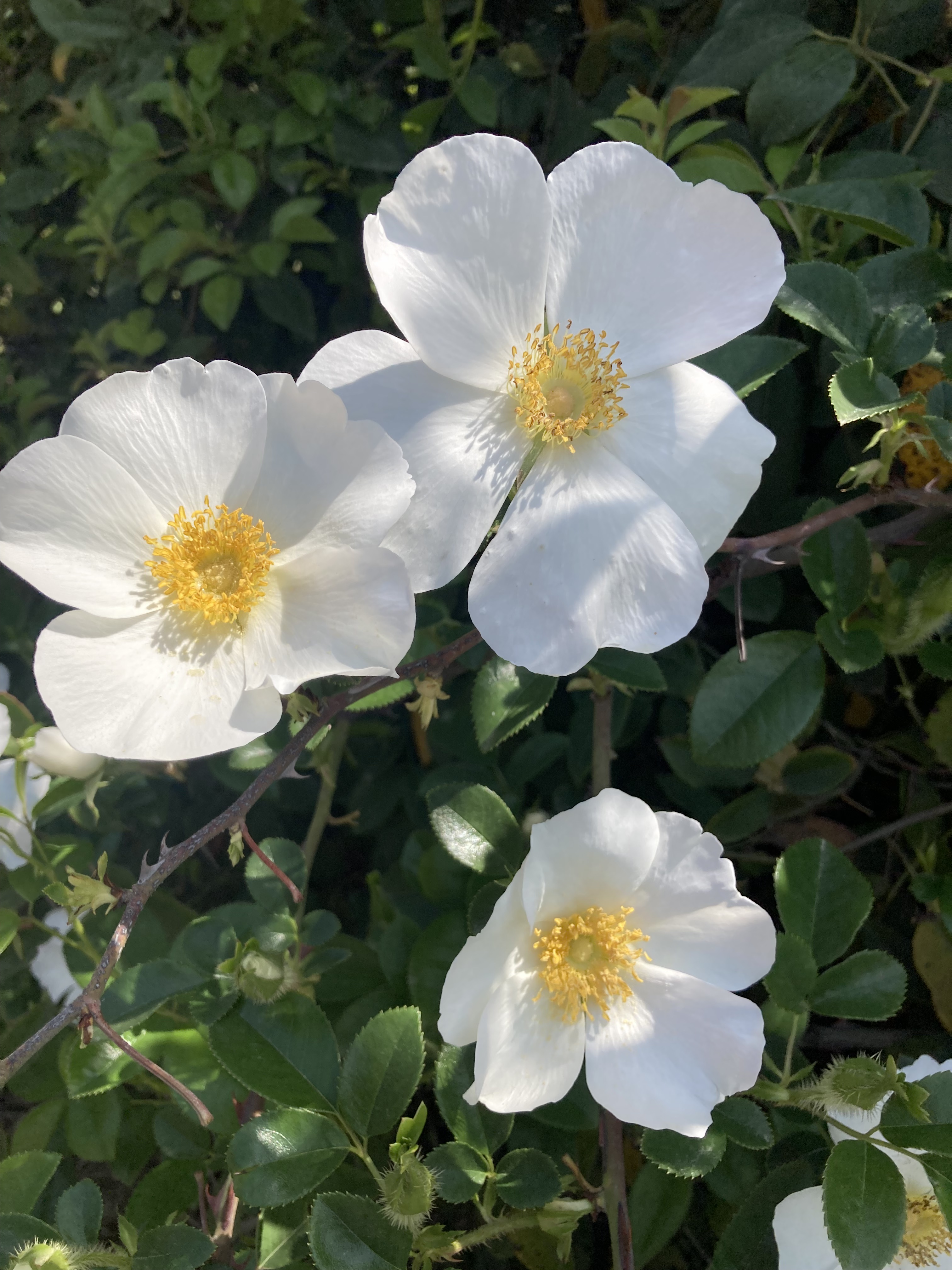
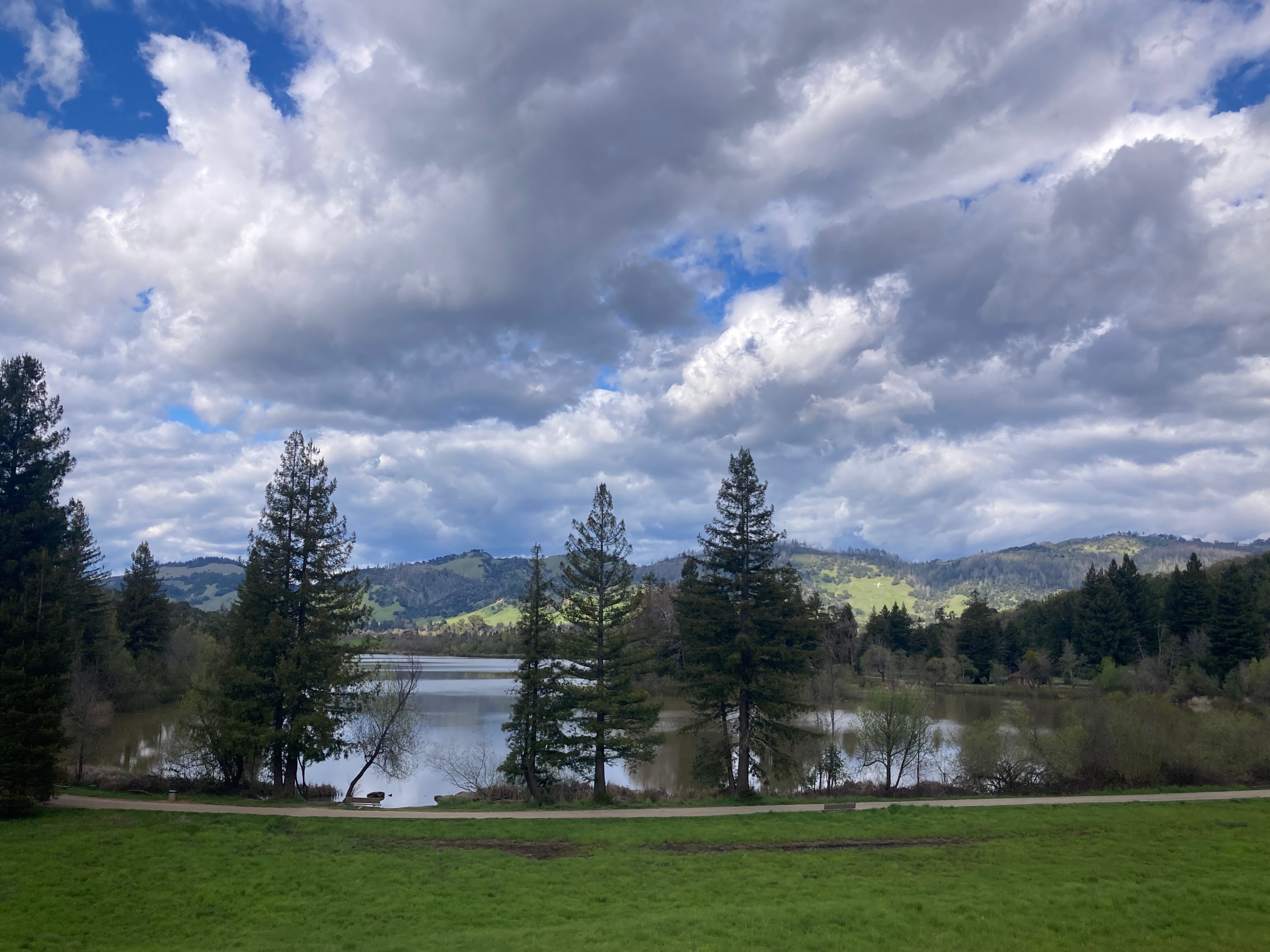
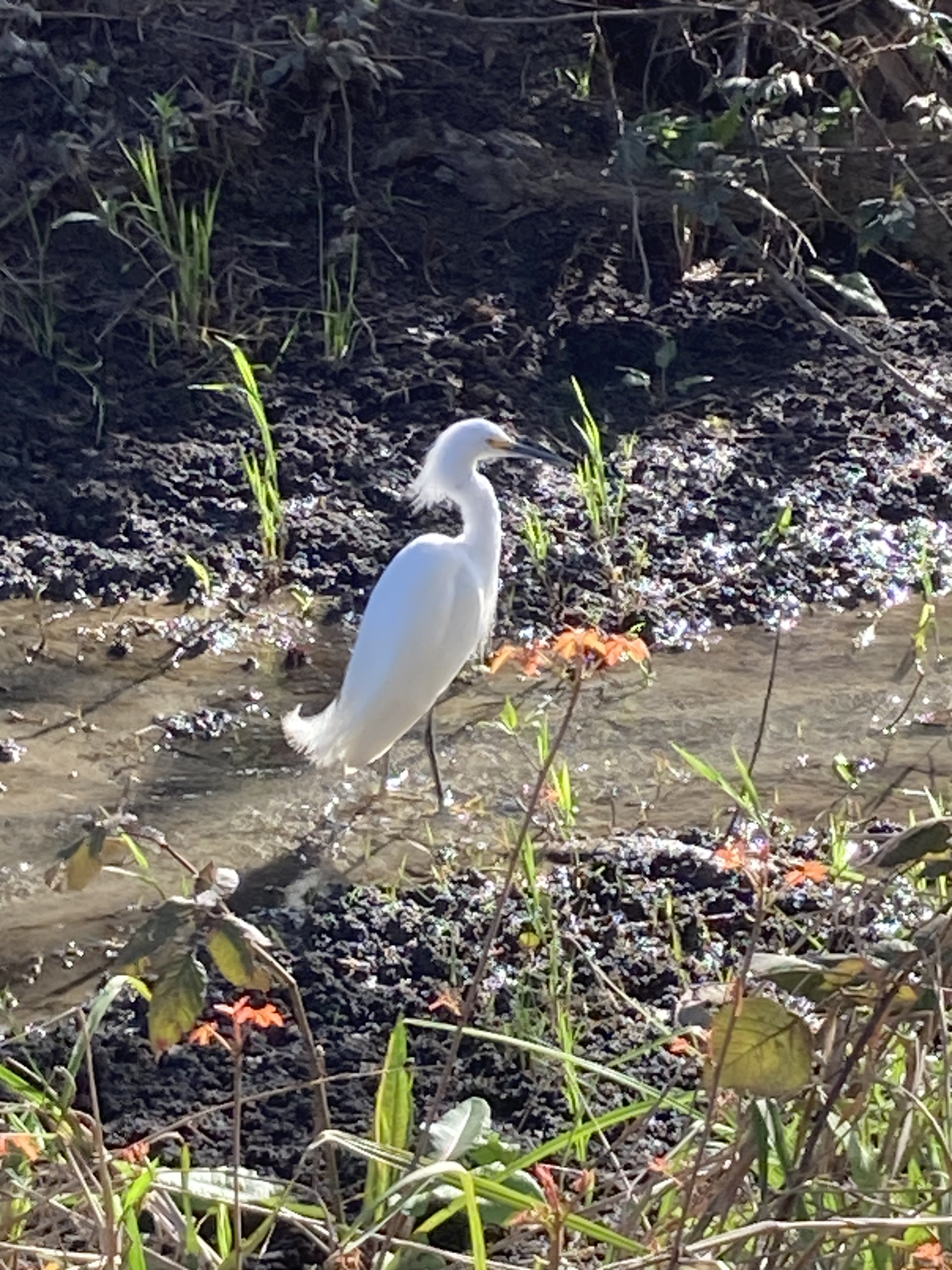
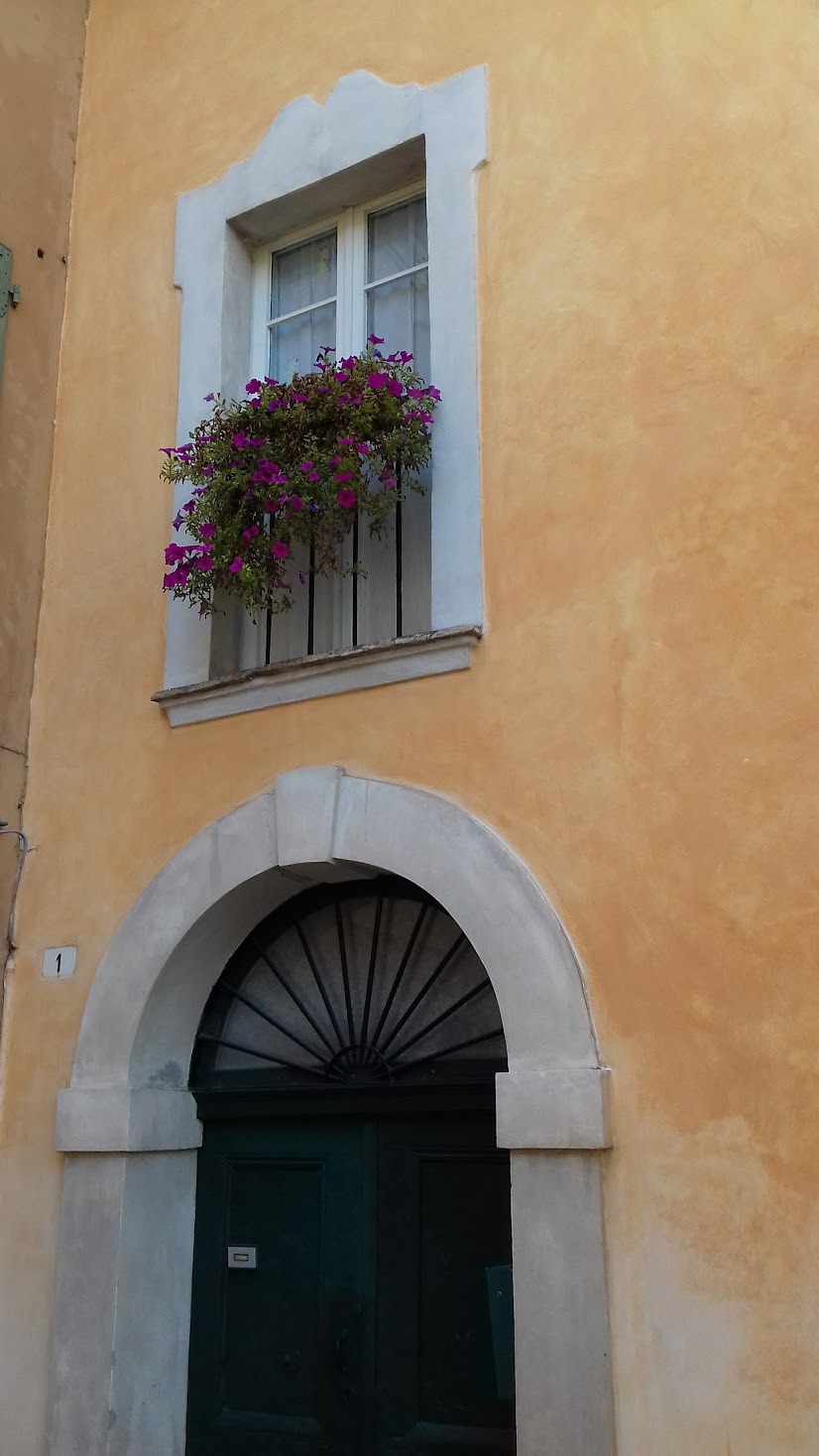
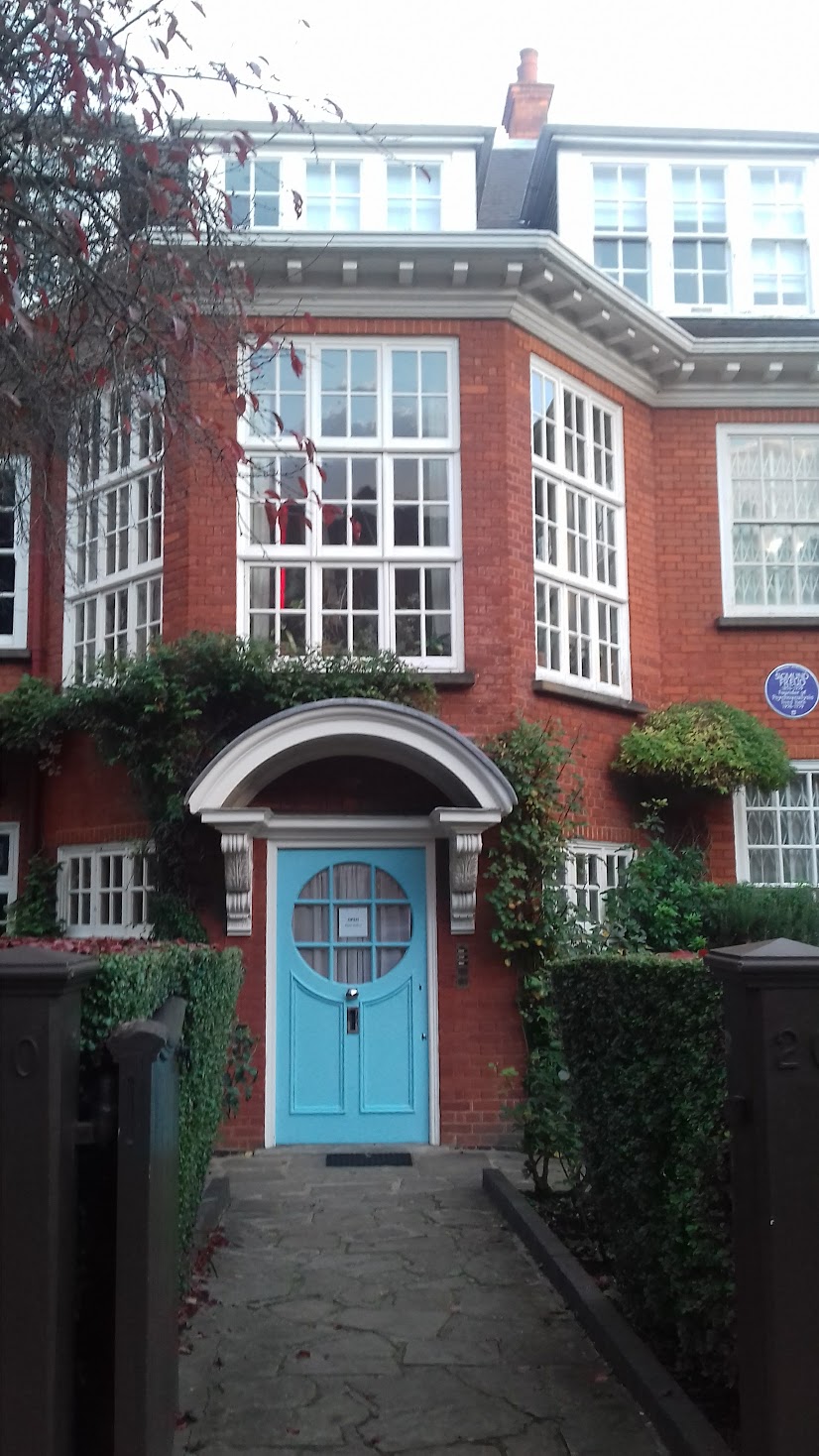
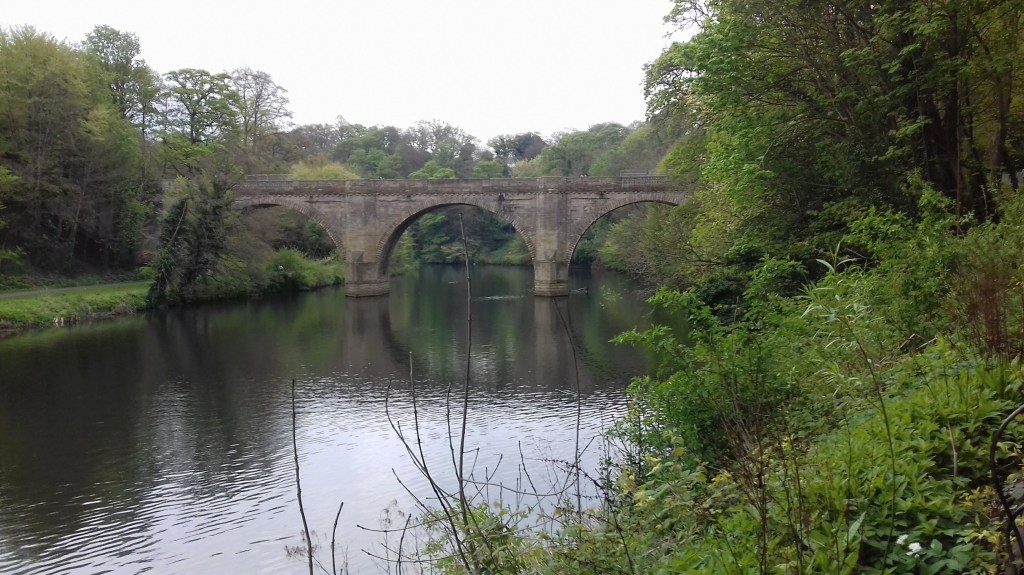
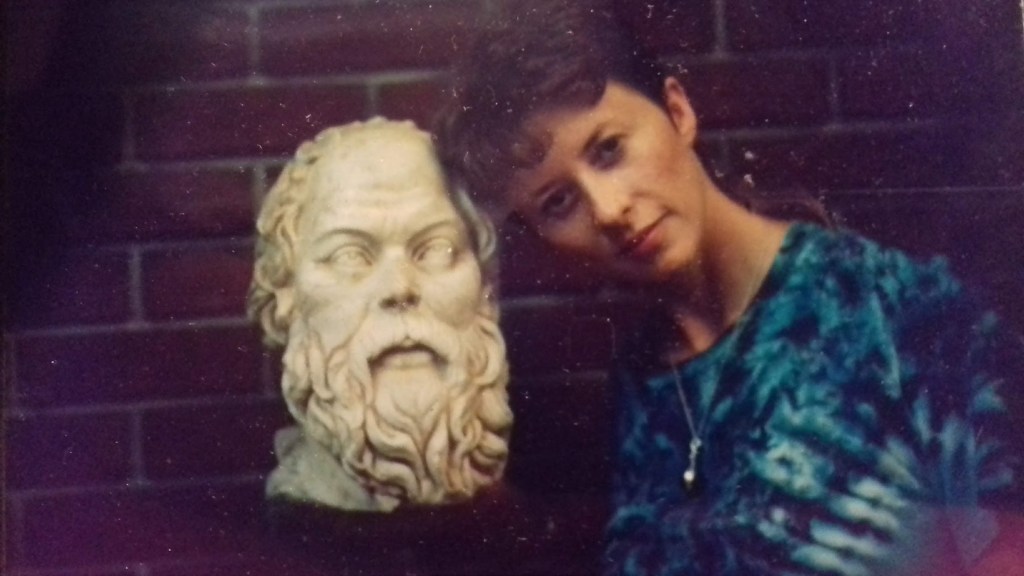
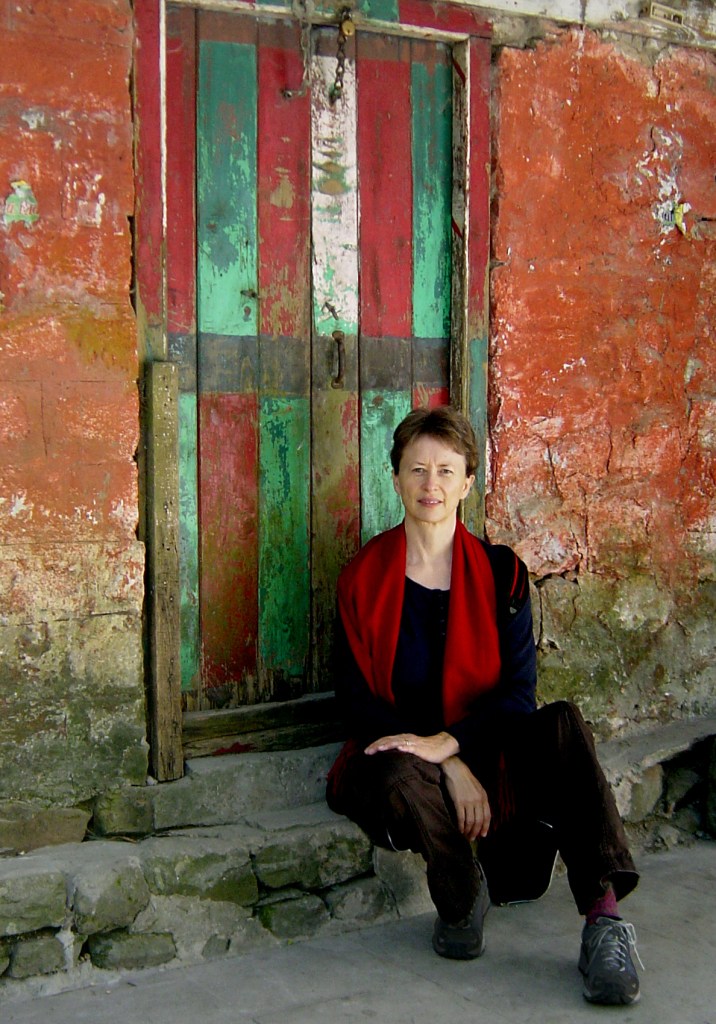
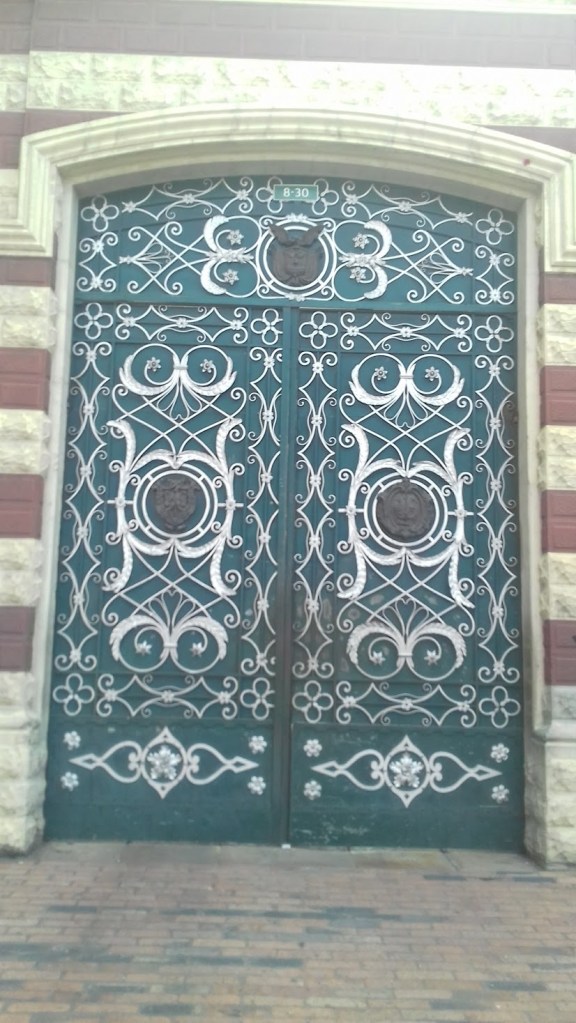
We’ve all passed through a lot of doorways over the years. Some doors are inviting like those in the photos above that suggest something comfortable or beautiful that might wait behind them. Other doors are invisible, or nearly so, and you might not realize until later that you’ve actually entered a different space. I recognize I’ve passed through one of those invisible doors now, along with many others. I’m trying to recognize and orient myself to the room I’m standing in and what I am to do there. James Crews’ lines in the above poem ask me to face each fear, doubt, and the wish for my life to be other than it is. How might I embrace the challenges on the other side of doors I’ve walked through in the past with rooms that still haunt me, as well as the various doors I sense I’m standing in front of currently, not liking the sounds I hear emerging from behind them? How do I enter all doors carrying kindness, being peace?

Some people don’t have a choice regarding the door they’re walking through. For some their home has burned to the ground and the door they thought they’d be walking through is no longer there. For some their home was flooded and the door pulled off its hinges as the house filled with water. Someone right now is walking through the door of learning they have a terminal disease or that their partner does. For some their door disappeared in an instant when the place they called home was bombed. Some people are walking back home after living in exile hoping there is a door to find.

Fear shuts down the brain and closes people off from each other. What we need more of as things fall apart is to purposely choose a way to respond to fear with a boldness of heart and open spirit. We need this response so that we can react to challenges calmly and wisely, and so that our communities will be ones characterized by kindness and care. How might we envision activities in our neighborhoods such as sharing tools or skills, creating community gardens, movie nights, book groups, neighborhood gatherings, or other activities to nurture people’s feelings of belonging, trust, and sense of responsibility toward each other’s well being? And how might we offer care to the natural world and gratitude for the expansive gift it is?

Too long American culture has led us to think that we have to struggle against others to “make it,” that “self-reliance” is what we need to get us through hard times. But as storyteller and scholar Michael Meade suggests, the rugged individual should by now more appropriately be called the “ragged individual.” Humans aren’t meant to solve everything on their own. People are meant to live in community offering support and help to each other as we move through life.

Many cultures throughout the world still value community as central to their way of life. In South Africa, people hold the concept of Ubuntu, “I am because we are.” East Asian cultures carry the sense of responsibility toward family as well as the larger community. The same is true in Latin cultures. In Italian and Mexican towns, for example, people come out in evenings to take a walk around the plaza and greet each other. In India, family members often live near each other or in the same household providing assistance to each other in various ways.
Though change is difficult, we can become each other’s support. As stone sculptors like Zimbabwe’s Dominic Benhura understand, with vision, skill and focused effort, hardened stone can be sculpted into solid expressions of joy as seen in “Swing Me Mama” and Benhura’s many other sculptures. Bernini’s sculpture Apollo and Daphne in Rome’s Galleria Borghese demonstrates how even painful, fearful, and sorrowful moments aren’t necessarily bereft of beauty. Often they are part of each other. Effort to create the sense of a supportive village in our neighborhoods isn’t impossible. Intentional communities around the world are doing it. “You got to put one foot in front of the other and lead with love,” sings Melanie DeMoore. “Don’t give up hope, you’re not alone.”

In ending his poem, “Blessing for a New Year, Crew writes about emptying your life of the things that clutter it.
learn how
to empty it all out, let in only
what frees you this new year,
what keeps the heart clear.”

Our thoughts can sometimes be a kind of prison that traps us in fear and worry. But we can be people of peace by choosing to respond differently to fear. In “A Community of the Spirit” the Persian poet Rumi writes, “Why do you stay in prison when the door is so wide open? Move outside the tangle of fear-thinking. Live in silence. Flow down and down in always widening rings of being.” Stepping through the door of fear, and allowing silence to surface, allows us to touch again the source of our own presence and of life that is much bigger than our losses or anxiety. A wider community of being is there for us to connect to when we turn to it.

Uncategorized

Welcoming the Stranger

“Travel makes one modest. You see what a tiny place you occupy in the world.”
― Gustave Flaubert

Though I’ve lived in mega cities for decades, my family heritage is from small town rural America. I lived 25 miles from the ocean when growing up but my family rarely went there as my parents grew up in inland states where oceans and swimming in general, were foreign to their way of being in the world. My parents’ worlds were consumed with work and with keeping the family afloat. As a result, our family stayed at home and rarely went anywhere. Our big weekly event was the trip to the grocery store. We didn’t go camping or head out on a vacation to explore new areas. We didn’t go out to dinner. Our lives were simple and we accepted it.

Anna at home on her trike at 4 years old

But I had an uncle who retired early, traveled abroad, and who walked across England and rode a train across Russia. And I have a brother who worked in places like Germany, Brazil and Japan. These were worlds unknown to me, entirely different than the world I knew, and I was curious.

As a young adult I imagined that if I saved my money for years I might be able to travel abroad for a couple of weeks once in my life. I wanted to be more than a tourist though. I wanted to be able step inside another world the way one steps into a lake, let it soak into me and experience it in depth. 

Reading can take one into worlds while sitting in your living room chair. I moved half way across the country to live in a snowy environment that was foreign to me. After college, I went back to school again and took the courses to become an English teacher. I read what Anais Nin wrote about Morocco’s labyrinthine city of Fez, stepped inside the pages of Dickens’s London, traveled in my imagination to Paton’s South Africa in Cry the Beloved Country, and Cisnero’s Hispanic neighborhood of Chicago in House on Mango Street

Then I learned I could live and work abroad as a teacher. Using most of the money in the bank for airline tickets, my husband and I flew to Boston for interviews hoping to go anywhere at all in Latin America, as I wanted to learn Spanish. Instead, we got job offers in Turkey. We’d seen no photos of the campus, our housing, or of the city where we’d be living. We spoke no Turkish and the salary was minimal, but we accepted the employment opportunity and the adventure of our lives began. Living and working in Turkey opened the world for me, and was the start of twenty-six years of living and traveling abroad.

Sometimes people travel for adventure, work, to reconnect to family or attend an important event, other times to step away from a difficult environment or experience. In the Middle Ages the main reasons for travel were for trade, warfare, diplomacy, and religious pilgrimage. The Old Latin word for a pilgrim is “peregrine,” as in the peregrine falcon that takes a year to fly from the Arctic Circle to South America and back again. The word peregrine also means “foreigner.” Certainly, when traveling outside of your normal habitat, you are a foreigner in a world that functions in a variety of unique ways different from what’s familiar. The change of one world for another is what makes travel exciting though sometimes is also what can bring on what Paul Fussell in his 1988 essay “From Exploration to Travel to Tourism” identifies as travail. The etymology of the word traveler, is travail, one who struggles or labors, likely because travel in the Middle Ages when the word entered English from Old French, travel was extremely difficult. It’s often the travails of travel, missing a flight, getting trapped in an elevator when the electricity goes out, or getting lost while trying to get to a particular location, that make for the best travel stories. 

Barbara Brown Taylor in her book Holy Envy, writes quotes John Philipp Newell who tells how early Christians sometimes described pilgrimages as “’seeking the place of one’s resurrection,’” because such a journey meant dying to their old boundaries in order to find a new life out beyond the buoys.” In our own day a time widening our boundaries of understanding and compassion in order to gain new ways of and living with people different from ourselves could be extremely beneficial. Experiencing environments other than what we are familiar with often opens up new ways of seeing ourselves and new questions to live with and be curious about.

Living in India for nine years made me much more conscious of the extravagant privilege of having a home, water, warm clothes, and food to eat. Living in India humbled me. The experience raised for me persistent questions I don’t have adequate answers for and made me grapple with how to live in a world that holds so much despair, loneliness, and greed, yet at the same time offers such profound beauty and astonishing expression of tender human care and generosity. I may not have found the place beyond the buoys of my old life, but I am certainly changed, and far more aware of how challenging life can be for people, as well as how kind people can be in the midst of those challenges.

The medieval Irish monk, St. Brendan’s went on a pilgrimage in a l traditionally constructed leather boat, or a curragh. His venture is one of astounding courage. The boat was made of either a wooden frame or wattle covered with ox hides tanned in oak bark then softened with “grease” which was likely lanolin. The monks set up a mast and sail, then went searching for the legendary island of Paradise around the North Atlantic for seven years, reaching as far as Iceland and possibly beyond according to details written down in the Navigatio Sancti Brendani Abbatis. Cramped in tight quarters of the small boat with periods of intensely cold weather, gales, pack ice, uncertainty regarding food, and lacking modern communication or maps, the monks most certainly experienced the travail Fussell writes about. (You can read more about Tim Severin’s 1976 reenactment of a route along the outer Hebrides of Scotland then onward to Newfoundland here.) Travail forces us to notice our boundaries of comfort and to move beyond them. They require us to imagine a larger world, and to reach out for connection beyond what we already know.

Wiring in Old Delhi

“Before tourism, travel was conceived to be like study,” says Fussell, “and its fruits were considered to be the adornment of the mind and the formation of judgment. The traveler was a student of what he sought. One by-product of real travel was something that has virtually disappeared, the travel book as a record of inquiry and a report of the effect of the inquiry on the mind and imagination of the traveler.” Approaching travel as inquiry, allows one to enter into other cultures with a sense of openness to see what they might teach us. We can intentionally provoke our curiosity about places we want to travel to and arrive with questions about things we want to better understand from perspectives other than our own. Alternatively, the place we travel to encourages questions to arise. “Humility,” writes David Brooks, “is the awareness that there’s a lot you don’t know and that a lot of what you think you know is distorted or wrong.” Because we’re not in a familiar world when traveling, we rely on others more. Observing other people’s ways of doing things, we can be brought to an awareness that our way of seeing the world is but one way of viewing reality, and that there can be equally valid ways of responding to and interacting with life. Or at least become aware of how our own ideas might be limited or in need of revision.   
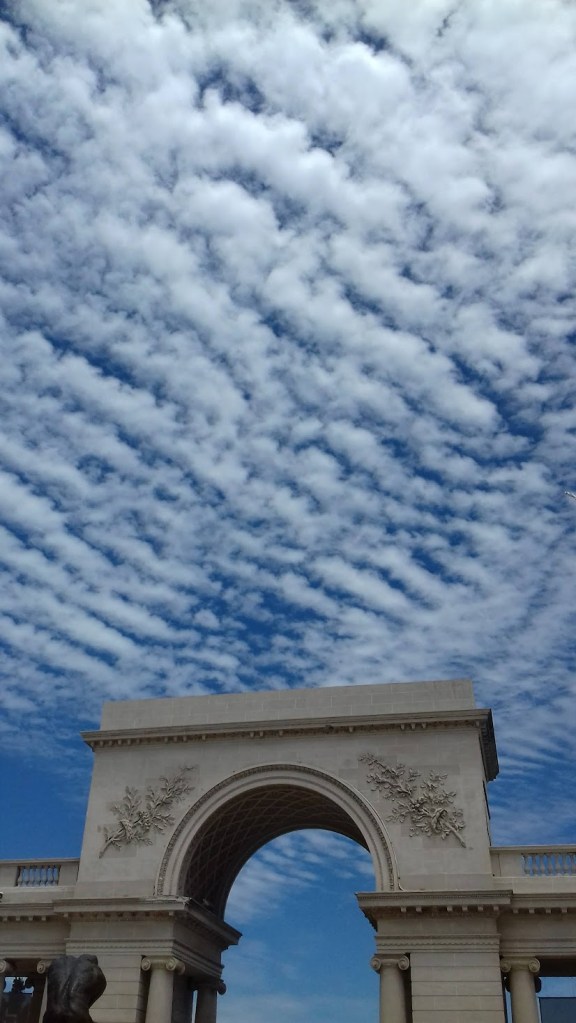
Letting go familiar territory to travel into unknown lands is not the same as being a tourist, according to Fussell. “Tourism soothes you by comfort and familiarity and shields you from the shocks of novelty and oddity. It confirms your prior view of the world instead of shaking it up. Tourism required that you see conventional things, and that you see them in a conventional way. Tourism can operate profitably only as a device of mass merchandizing, fulfilling the great modern rule of mediocrity and uniformity.” We live in a world of global interconnection and communication, relying on each other for resources and exchange of goods. In multicultural societies where people of different religions, languages, economic and social backgrounds rely on each other for basic societal functions, open communication and cooperative interaction–seeking to see others from the perspective of their own eyes and the world they live in seems essential. Aiming to reach beyond what is comfortable, and conventional is a worthy aspiration. What a benefit it could be for us to move beyond a tourist’s way of being in the world and instead invoke the spirit of a traveler, one who is willing to step inside their questions about worlds different from their own, willing to let our views of what we identify as the “other” open and be ruffled a bit, and the curtains of our unconscious or misguided conceptions pulled back so that we see each other more fully and discover how to befriend new understandings of worlds beyond our own and the people who inhabit them.

To gain a new perspective or open ourselves to new world we don’t necessarily need to get on an airplane or train. We can simply travel to a side of town we’re not familiar with, visit a place that’s different from one’s habitual territory such as a mosque, cathedral, or temple where people aren’t those you typically identify with. The idea is to put one’s feet into a world not one’s own, and to listen to and interact with people you don’t usually interact with—to intentionally invite in the stranger. There are whole worlds coexisting right around us, the world of plants and animals is one that we often don’t notice. “Earth teems with sights and textures, sounds and vibrations, smells and tastes, electric and magnetic fields. But every animal is enclosed within its own unique sensory bubble, perceiving but a tiny sliver of an immense world,” reads the introduction to science journalist Ed Young’s book, An Immense World. “…Because in order to understand our world we don’t need to travel to other places; we need to see through other eyes.”

Whether traveling to a foreign country or to a different part of our own city, moving beyond the borders of familiarity to encounter ways of thinking and interacting different from our own can help us to see ourselves more clearly, gain a vision for how we might discover our interconnectedness to other lives, and to discover an energy that helps us imagine a larger, more caring and inclusive world to participate in and nurture. This coming year, I want to expand my heart and vision further. I want to live in a world where I see the radiance in others I encounter, am a mirror of their brightness, where I my heart is open to a world that is full of wonders. As Rumi has written, “I wish I could show you when you are lonely or in darkness the astonishing light of your own being.” Here is my song for you in this liminal space between the ending of this year and the start of the next. Barbara McAfee

From Still Point Arts Quarterly, Winter 2024, Shanti Arts Press

pilgrimage, Uncategorized, Walking

Walking in Wonder

I would like to step out of my heart 
and go walking beneath the enormous sky
–from “Lament,” Rainer Maria Rilke

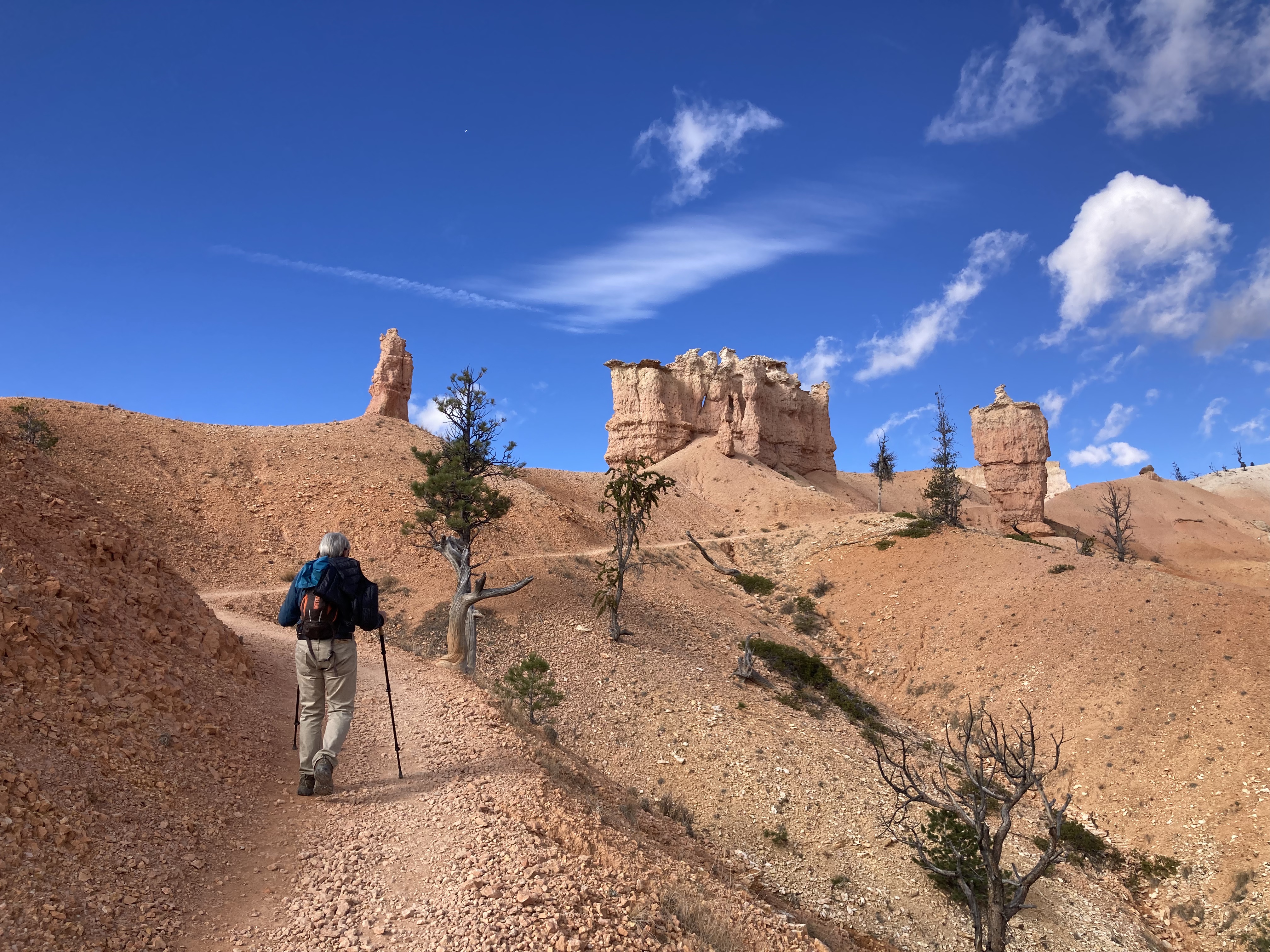
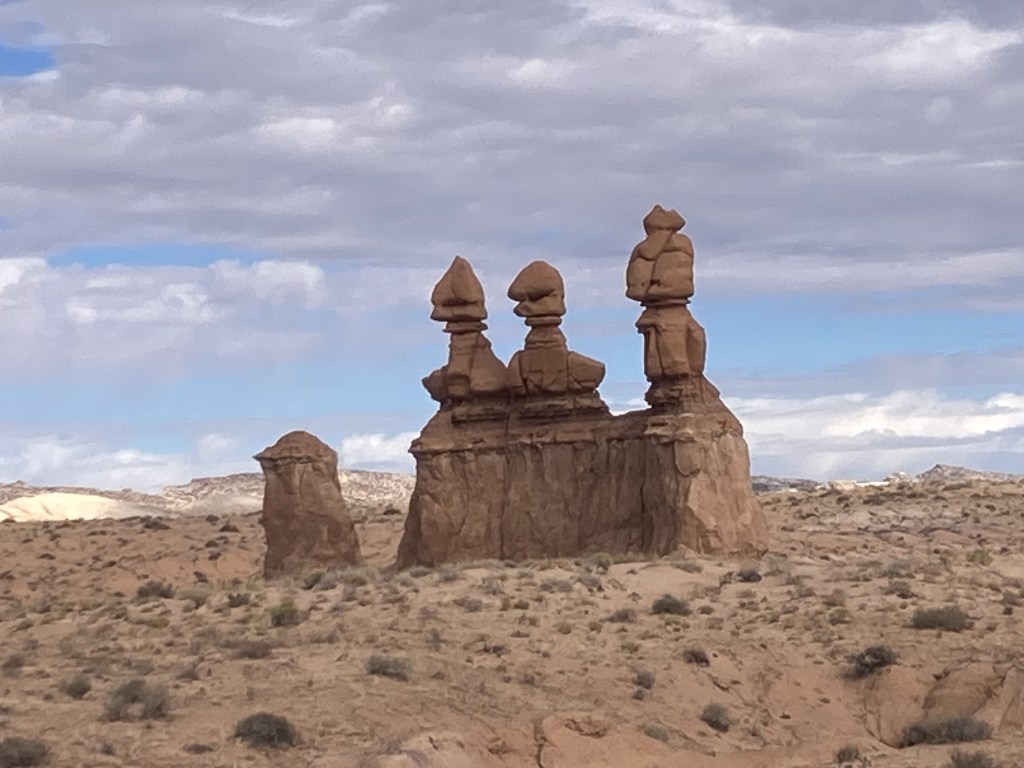
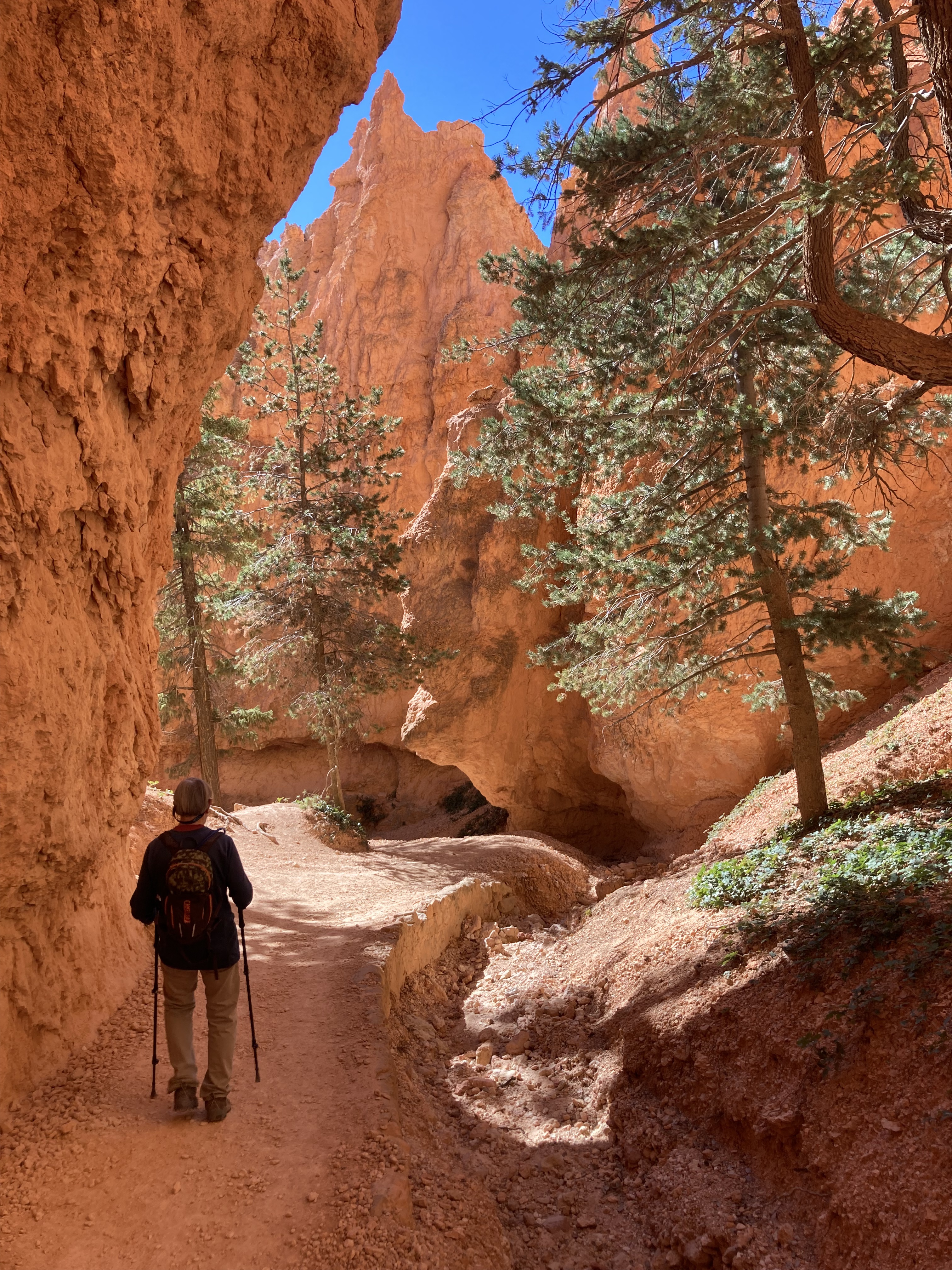
Today amidst an atmospheric river and rain’s downpour I’m welcoming the beginning of my life’s new decade. Earlier this month, I traveled in the US Southwest immersing myself in the landscape’s rugged expansiveness, its openness and astonishing beauty. From the Valley of Fire, to Zion National Park, Bryce Canyon to Capitol Reef, and from Goblin Valley to Antelope Canyon, over and over the land astounded me with its astonishing presence and elemental grandeur. Every turn of a path brought amazement. “I could point my camera in any direction, it wouldn’t matter. You can’t take a bad photo here,” remarked one man I met on the path at Bryce Canyon as he turned his camera this way and that. “How true that was, and how many thousand times did I say, “This is incredible!”

Bryce Canyon, Utah, USA

The desert is simply itself. It makes sense why in earlier times, people went to the desert for solitude. Indigenous people, Buddhist monks, and the Desert Mothers and Desert Fathers all sought out the desert as a place for reflection, meditation, and transformation. As Ryan Kuja writes in his article, “Desert Spirituality—‘The Place of Great Undoing,” “Metaphorically, the desert is a place of testing and transformation, of being divested of empire and ego.” Desertscapes are enormous reservoirs of silence. After walking for a time on various desert trails, I realized no words could ever adequately describe the land’s vast topography, its sweeping spaciousness, and the dramatic rise of its sheer rock faces. I simply fell silent. 

Perhaps silence is the best way to walk through such landscape. Just put one foot in front of the other, let the walking shaking lose the mind’s rambling thoughts and obsessions. Allow the earth to seep up through the feet. Absorb the quiet and subtle shifts of air, and let the earth envelop you in its stillness.

Walking the desert lands, my body recognized why it is the earth is a sacred gift, the miracle it is to be alive and witness its wonder. Great islands of cloud floated above through cerulean skies as I walked over swirling layers of colored sandstone and alongside sedimentary layers of stone and earth formed through many millennia—the earth visually telling me its story of persistent transformation and endurance.

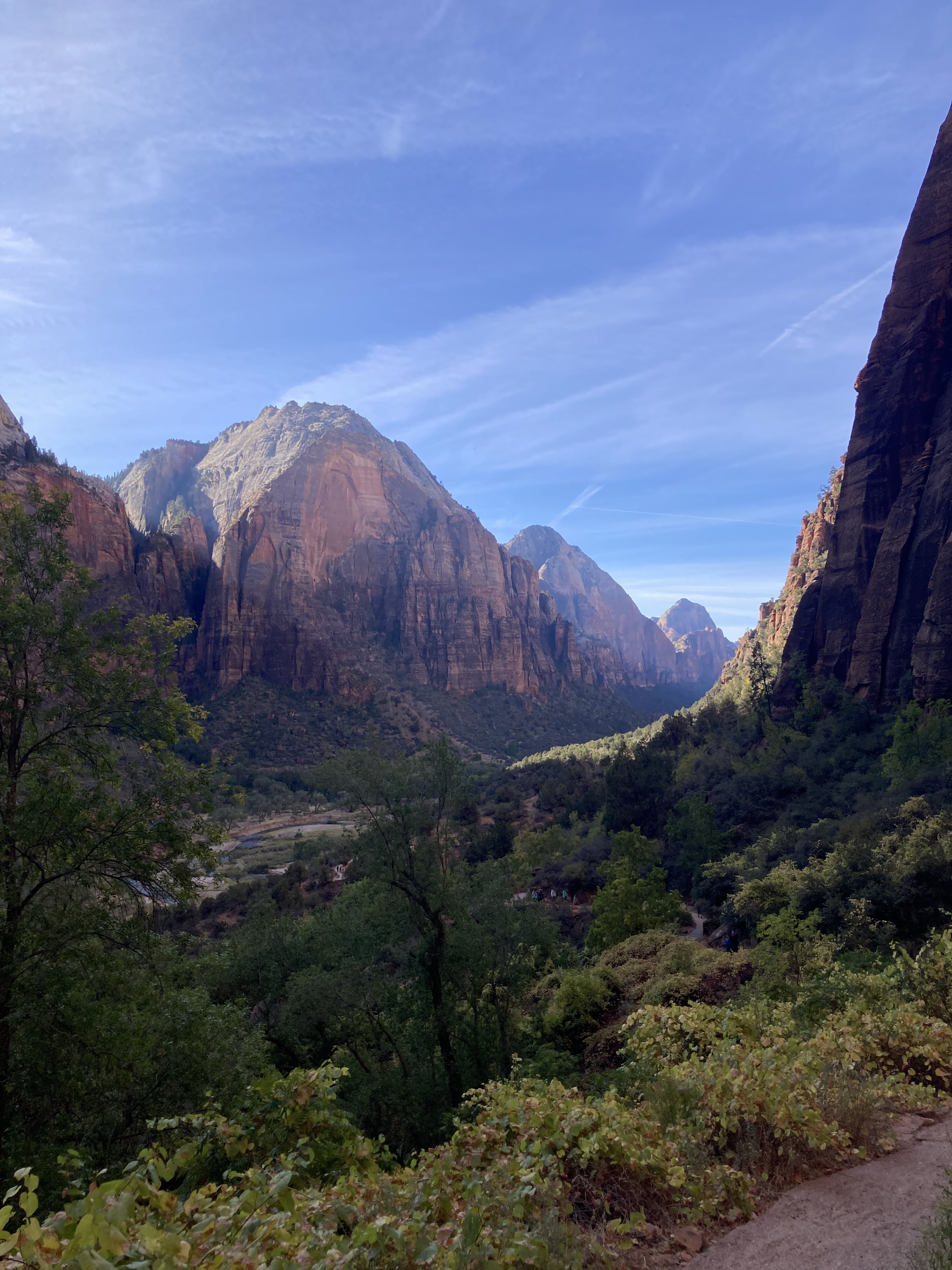
“Landscape is sacramental, to be read as a text,” writes Seamus Heaney. At Zion National Park the sandstone cliffs rise to formidable heights, thousands of feet up with sheer faces that catch morning’s sunrise blush and late afternoon’s glow. The name Zion alludes to the Biblical Zion, a hill in Jerusalem, or Jerusalem itself–a place described as a city of refuge, and by many a holy place. When walking through the park’s canyons and climbing Zion’s hills I felt distinctly aware I was traversing holy ground.

from the Scout Lookout path at Zion National Park, Utah, US

To spend time wandering through the desert’s expansive and pervasive openness is to become aware of one’s smallness and to enter a space of humility and awe. The desert is a good teacher. I noticed people everywhere walking with a sense of expectancy, ready to give a greeting or say a few friendly words, faces open. People were there purposely to find wonder and experience awe. As Abraham Joshua Heschel writes, “The beginning of our happiness lies in the understanding that life without wonder is not worth living.”

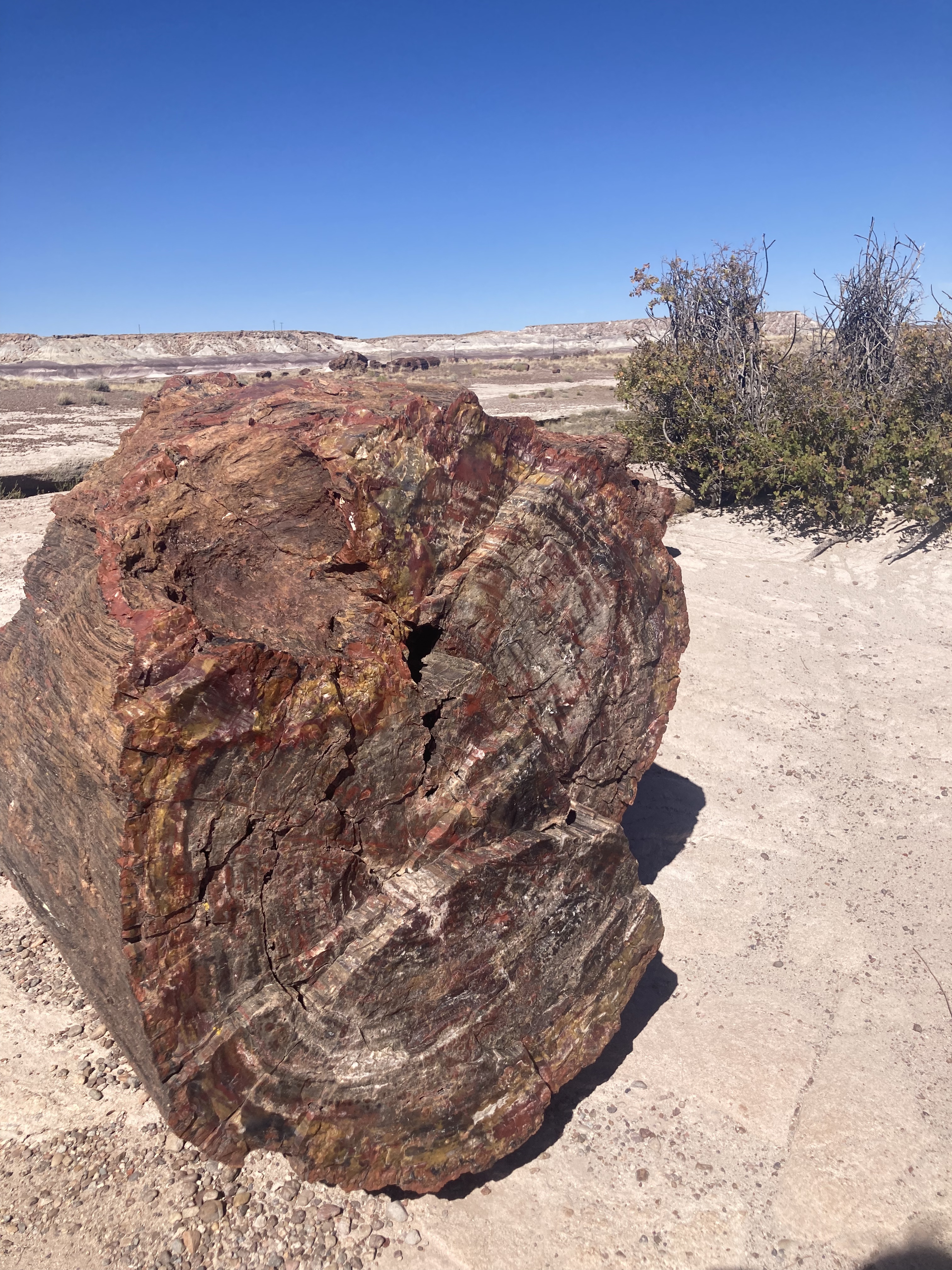
Looking ahead to the challenges the next decade might bring, or that any decade might bring in anyone’s life for that matter, the desert seems a solid place to go to contemplate one’s purpose and focus. Sitting in a swirl of uplifted sandstone looking across the miles of open earth to distant mountains, I became aware how the land abides by its own principles. The petrified trees in Arizona’s Petrified Forest were once located in a forest just above the equator before Earth’s tectonic plates gradually moved them over a multitude of millennia to where they now sit at 35 degrees north of the equator. Amazingly, the trees turned to stone even before T-Rex walked the earth. Earth erodes, changes and evolves according to rhythms billions of years old. Wind blows. Rain falls. The environment will forever continue to respond and change according to the steadfastness of its internal rules.

Earth is a wondrous place and it’s a phenomenal time to be alive. In  the past decade, I lived on three different continents and witnessed amazing diversity in cultures, climates and geography. I don’t know where the current decade will take me, but I can count on the Earth continuing to function on the natural principles that have been there since its foundation. At Antelope Canyon, Arizona, a sacred site for Navajo people, I watched people emerging from the narrow crack in the ground thinking how it seemed as if was a kind of birth. I want to think of this birthday as a birth into a new era of life. I know there’s a lot I still want to learn about the world I live in, how to live in it better, and how to give back to people in a way that reflects their unique beauty and radiance. 

Antelope Canyon

In his poem, “Being a Person,” William Stafford writes,
Be a person here. Stand by the river, invoke
the owls. Invoke winter, then spring.
Let any season that wants to come here make its own
call. 

Life brings unexpected challenges and aging generally takes a great deal of bravery and courage. I notice these qualities in those I know who are in their eighth and ninth decades. They often demonstrate these qualities in their determination to carry out every day tasks such as putting on their clothes when the shoulder joint doesn’t function without great pain, or when going swimming every day year round at 93 years old in order to maintain strength when it’s difficult to hold one’s body up, or when a grandmother daily walks around with an oxygen concentrator so she can continue to spend time with her grandchildren, as well as myriad other examples of fortitude, patience, and resolve the elderly possess.

It’s not a given that suffering must lead to a diminishment of one’s awareness of awe, wonder, or beauty. I respect people like 95 year old Dot Fisher Smith who continues to open to awe and the miracle of being alive, not “ceasing from exploration,” to use T. S. Elliot’s words, even as she knows her physical mobility is diminishing. “I have something to give,” she says in this short film, To Be in Awe, “my light, something ineffable that I don’t know…We’re here to experience the wonder of being in a body.” I wish to live this way into the uncertain decades before me, wish to give gratitude for the mystery and wonder of being alive.

Looking toward Zion National Park, Utah

Stafford ends his poem, “Being a Person” saying,

How you stand here is important. How you
listen for the next things to happen. How you breathe.

I want to say thank you to my parents, family, teachers, friends, collogues, former students, animal friends. Thank you to the earth I stand on, the garden I work to nurture, and to the many places I have visited and passed through. It’s not just Southwestern US that is phenomenal. Earth is phenomenal. Everything is in its own way incredible.

Navajo Loop, Bryce Canyon, Utah

…There is so much beauty
left to see in this world. And I became what I am now to see it.

Timothy Donnelly from his poem, “The Light.”

Uncategorized

Worlds We Carry With Us

“…she knew her memory was failing and she said to me, ‘I can’t forget them. If 
I do, there will be no one left to remember that they ever existed.’” –Anne Berest, The Postcard

Moving back to the United States after living abroad in six different countries for over two and a half decades, I now want to get a better understanding of the country I live in and the land I live on. Something I’ve noticed in adjusting to living in different cultures and in visiting countries occupied by various other cultures over long periods of time is that people who have left one region of the world for another carry the world they came from with them. 

Great Basin, Nevada, US

When early settlers from the East Coast came to the western states, they learned that the land there had different needs and requirements. The soil and climate were different. More land was needed to achieve the amount of food production desired. The world one arrives at after a move is not the one that is left behind. It takes time to understand and adjust to a world not your own and cultures that function with different organizational structures, have different ways of seeing and follow different rules. The environment in one area isn’t the same those in other areas, and the needs aren’t always understood when moving to a new area.

When I moved to Sonoma County two years ago, I encountered a part of American history I was formerly unaware of–that portions of the county were formerly a Russian colony. Years ago, I visited Sitka, Alaska, and learned of its history as a Russian settlement. Called Novo-Arkhangel’sk by the Russian colonists, Sitka came into existence for the purpose of expanding Russia’s fur trade in the area. (Read more about the history here.) What I didn’t know when visiting Sitka, was that Russia had also set up a colony on native people’s lands north of San Francisco in the early years of the 1800s. Because of the cold climate, it was difficult to keep Russian colonies in the northwest adequately supplied with provisions. As a result, the Russians sought a settlement further south on the American continent’s western coast.

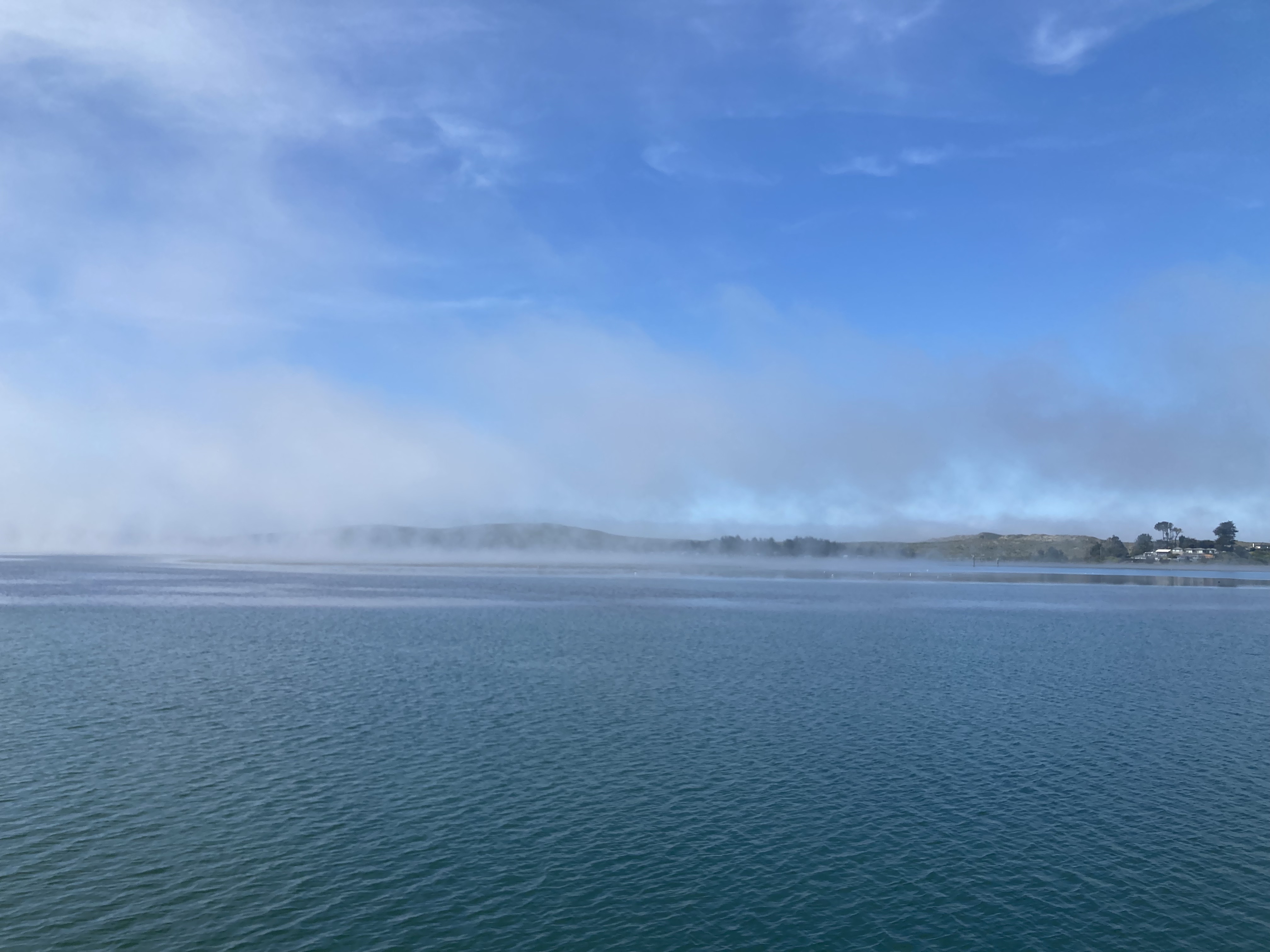
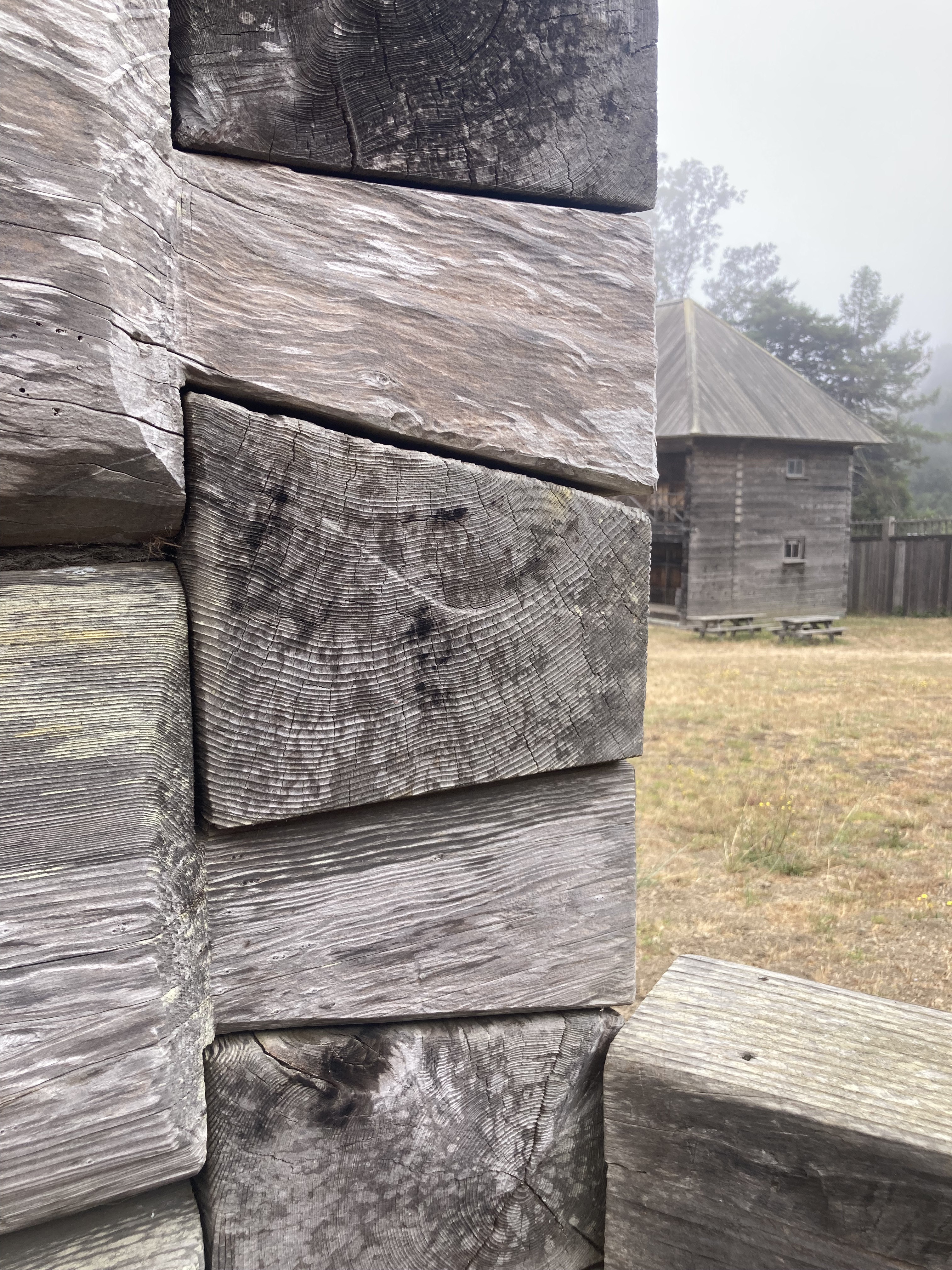
Russians used Bodega Bay’s outer waters as a harbor and renamed it Rumiantsev Bay, and built a fort further north on the Sonoma Coast using building styles similar to those in Sitka and in Siberia. The stockade, blockhouses, and log buildings were completed on August 30, 1812. Cannons were placed in the stockade and blockhouses and the flag of the Russian-American Company was raised. Known now as Fort Ross, its name likely coming from the fort’s connection with Russia, Rossiia, being an alternative from of the word Russia, and Ross a shortening of Rossia, is now a California State Park.

Craftsmen at the fort made barrels, plows, and built ships and boats. People at the fort gardened and raised cattle. A chapel was built at the fort in the Orthodox style where weddings, baptisms, burials, prayer and other religious practices were held. The fort’s inhabitants carried out experiments in farming. Grape stock was brought from Peru and peach trees from Monterey, as well as apples, cherries, pear, wheat, corn, beans, and tobacco–all of these crops and activities familiar to their own culture.

According to the Sonoma Index Tribune, Russians brought Gravenstein apples to the Fort Ross area. Later, in 1850s, the apples were brought to the area around Graton in Sonoma County. More orchards were planted in the area, and apple production was a central agricultural product in the area, giving Sebastopol a nation-wide reputation for its apples.

The architectural forms the Russians’ buildings took and the way they were made are unique to their culture as well. They didn’t use the structural methods of the people native to the lands they were occupying. Additionally, the Russians hunted for otter along the coast until their presence was exhausted, leading to the collapse of the Russian colony.

Though stories of the Russian colony on the US western coast is one we may be unfamiliar with, it nevertheless helped to make the world we walk around in. There can be a variety of reasons for our not knowing the stories of the land we inhabit. The people who came before us may have endured such hardship that it was too painful to tell the stories, alternatively, sometimes shame surrounds how the land we live on was acquired and people don’t want to tell the story or create an alternative story or simply keep silent about the story, as Louise Dunlap suggests in her book Inherited SilenceOther people are so caught up in their own daily story that they haven’t considered the story of the land they live on. Nevertheless, as Berest writes in The Postcard, “I carry within me, inscribed in the very cells of my body, the memory.”

Author Dale M. Kushner, in her blog post, “The Things We Carry: How Our Ancestors’ Traumas May Influence Who We Are,” explains how research findings in the field of behavioral epigenetics, “have documented that trauma can affect the expression or suppression of certain genes, not only for the person involved but also for succeeding generations,” as can experiences of familial shame, guilt, despair, rage, hopelessness, evidence suggests,” says Kushner, but she goes on to explain how Jungian psychologist James Hollis suggests we “look to our imaginations as a portal to healing,” to the “arts of ceremony and ritual, and to our in-dwelling creative spirits that remain alive no matter what terrible thing has happened to us.”

Sunset looking toward Fresno, California

Alberto Rios in his poem “A House Called Tomorrow” writes

When you as a child learned to speak,
It’s not that you didn’t know words—

It’s that, from the centuries, you knew so many,
And it’s hard to choose the words that will be your own.

From those centuries we human beings bring with us
The simple solutions and songs,

The river bridges and star charts and song harmonies
All in service to a simple idea:

That we can make a house called tomorrow.
What we bring, finally, into the new day, every day,

Is ourselves. And that’s all we need
To start. That’s everything we require to keep going. 

It’s important to consider what we bring to the communities we interact with so that we co-create the kind of world we want to exist. Though it’s not humanly possible to know every culture’s perspective, we can be aware that our way of seeing is but one way and that there are others that may be more fitting. As Rios says, what we bring into the new day, every day is ourselves and that is what we need to start and to keep going. We don’t live separate lives. Many cultures and ways of seeing and acting form our world. We each participate in making the world we inhabit as well as the one those after us will live in.

The natural world is one of generosity and community. Trees, for example, give shade to anyone who walk beneath them. Rivers give water to all who drink from them without withholding. Charles Eisenstein states in his article, “The Relationship Between Gifts and Community: on the Daily Good website offers a beautiful way we can begin to create community and a more generous world. “Community is woven from gifts,” Eisenstein states, and suggests creating gift circles where people gather to express their needs, share with each other something they would like to give, and then later gather to give gratitude for what was given. As Rios points out in his poem, “we can make a house called tomorrow.” That tomorrow begins with becoming gifts to each other and recognizing the gifts that abound everywhere in the around us.

Park in Telluride, Colorado, US
community, place, trees, Uncategorized

Our Many Homes

When researching for my book A Space Between, I learned histories, geographies, and perspectives I was previously unaware of. Though born an American citizen, there are many histories I am unaware of even in my own place of birth. Locations we inhabit today are the crossroads of many histories and people. As Italo Calvino showed in his book, Invisible Cities, the place we live contains many worlds.

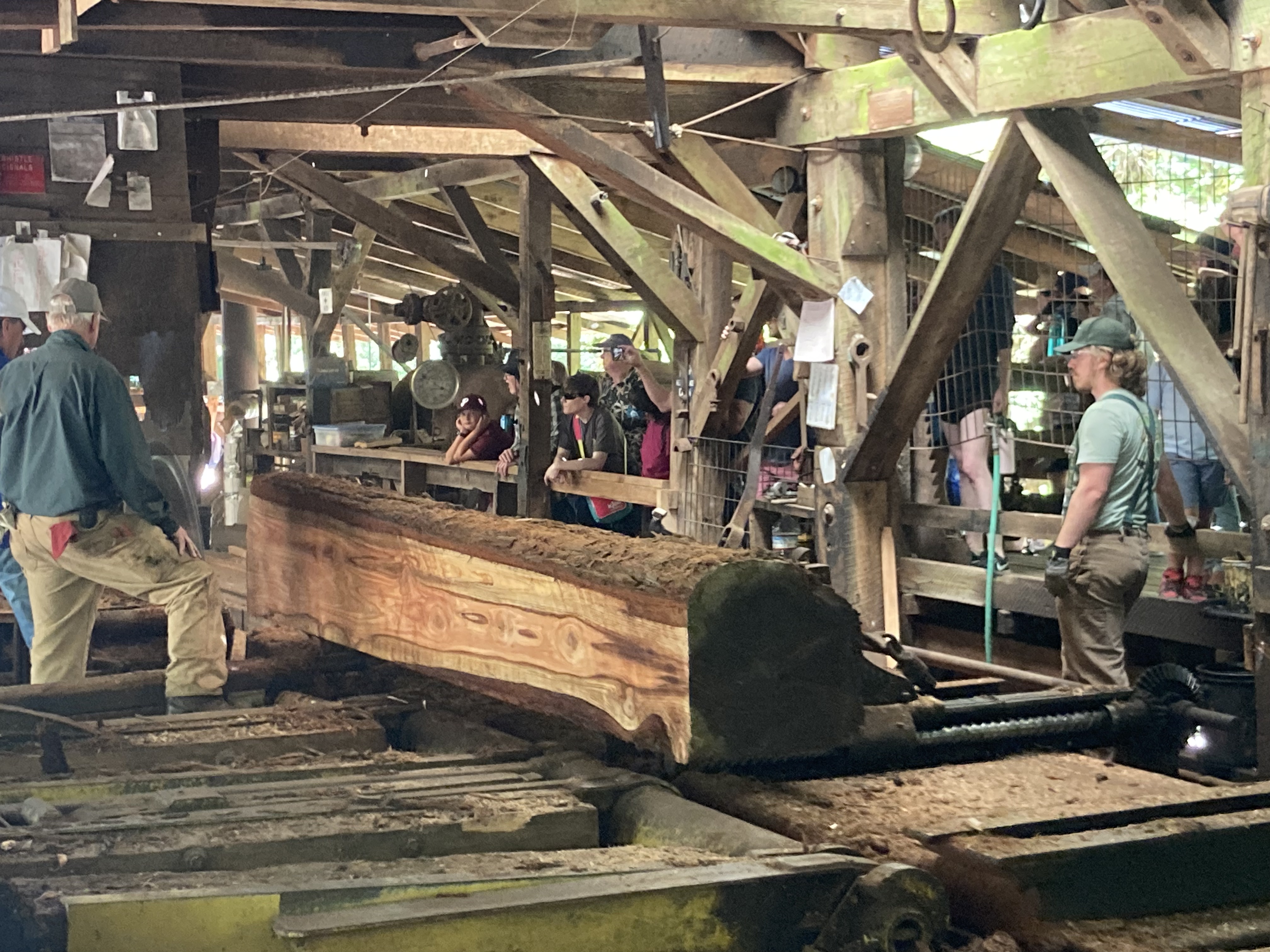
Recently, I visited Sturgeon’s Mill in Sonoma County where I observed the mill, in operation a only few days a year, that cut redwoods that provided the lumber for rebuilding houses after the 1906 San Francisco earthquake and subsequent great fire where over 3,000 people died and 80% of the city was destroyed. To date, that quake remains the deadliest in US history. According to Redwood Ed: A Guide To The Coast Redwoods For Learners and Teachers, in 1905 85-90% of the redwood forests were not yet logged. (You can view several astonishing historical photos of loggers cutting redwoods on this site when scrolling down.) The mill is steam powered, and still operates four weekends a year run by a group of volunteers.

A visit to Sturgeon’s Mill allows observers a glimpse of how redwood was processed into lumber used for building during the era before and after the 1906 San Francisco quake and fire. Old-growth redwood forests store at least three times more carbon above ground than any other forest on earth,” says Altea George. When traveling through San Francisco’s neighborhoods today, however, the disappearance of much of California’s redwoods in the effort to rebuild the city after the quake isn’t something we often think about.

Though the value of preserving forests is better understood now than it was in the last century, following WW2 between 1945 and 1948, sawmills around the Bay Area more than tripled. A further housing boom in the 1960s added to the demand for redwood and fir lumber. “Today over 95% of the original redwood forest area has been logged at least once.”

Redwood stump at Armstrong Woods State Park, California

Our homes today are the result of ideas and products from many origins we’re often not conscious of. As Kamala Harris has stated, “You exist in the context of all in which you live and what came before you.” Wherever we go, we carry our histories with us. Our ancestors’ histories and modes of thinking have shaped our lives and way of being in the world. Those living in California’s wider Bay Area still inhabit many houses constructed with redwood taken from forests after the 1906 quake. The quake led to changes in the way commercial buildings are made. Previous to the quake, concrete buildings were thought ugly. Because concrete is an inflexible material, people didn’t want to use it in an earthquake zone. One building that didn’t fall during the quake, the Bekins building , was made of steel reinforced concrete. This observation led to a change in building codes in 1908 influencing the way urban structures are built in cities today.

A California native, I grew up on a hillside strewn with granite boulders and covered with yellow grass. Evenings, I listened to cricket throb and coyotes calling across the valley. Soundscape ecologist Bernie Krause tells us, “Every soundscape that springs from a wild habitat generates its own unique signature, one that contains incredible amounts of information.” Not only does the built environment help us understand where we are, the land itself speaks in a way that helps us recognize where we are, and I’ve loved the way the land I was born on has sung its shape into my heart. 

I’ve also stood on a red rock resting outside the small town of Wheatland, Wyoming where my mother was born, the plain stretching far into the distance, and sensed its solid presence rise through my feet. Outside Chugwater, Wyoming where my great grandparents and great aunts and uncles lived and worked, I’ve stood in a field between the thick grassy strands of wheat and felt its welcome, touching vicariously the land of my origin though I’ve never lived there. 

Driving down roadways, we move with the traffic’s flow, all those around us carrying their own histories and stories. Whitman wrote, “(I am large, I contain multitudes.)” We don’t have to have lived in a place to sense a connection to it. Many homes coexist in us. There’s the home of our native tongue, the home of our way of seeing and thinking, and the home of particular clothes we wear that allow us to feel relaxed. There’s the home of foods that comfort us such as spaghetti, or tom kha gai soup, the home of routines with morning tea or coffee, for example, and the home of habits we follow such as reading the morning news, sitting for a morning meditation, or taking an evening stroll. 

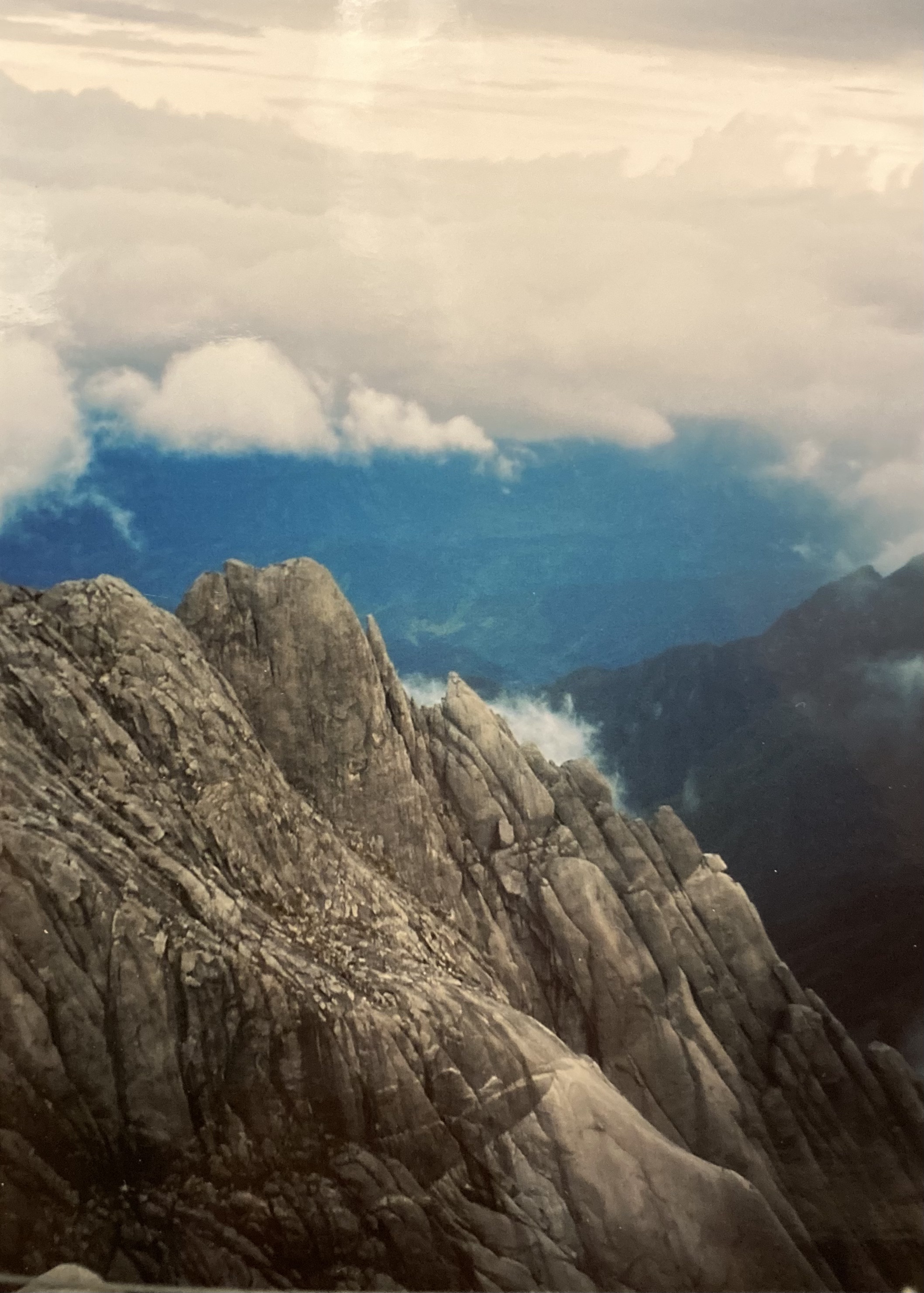
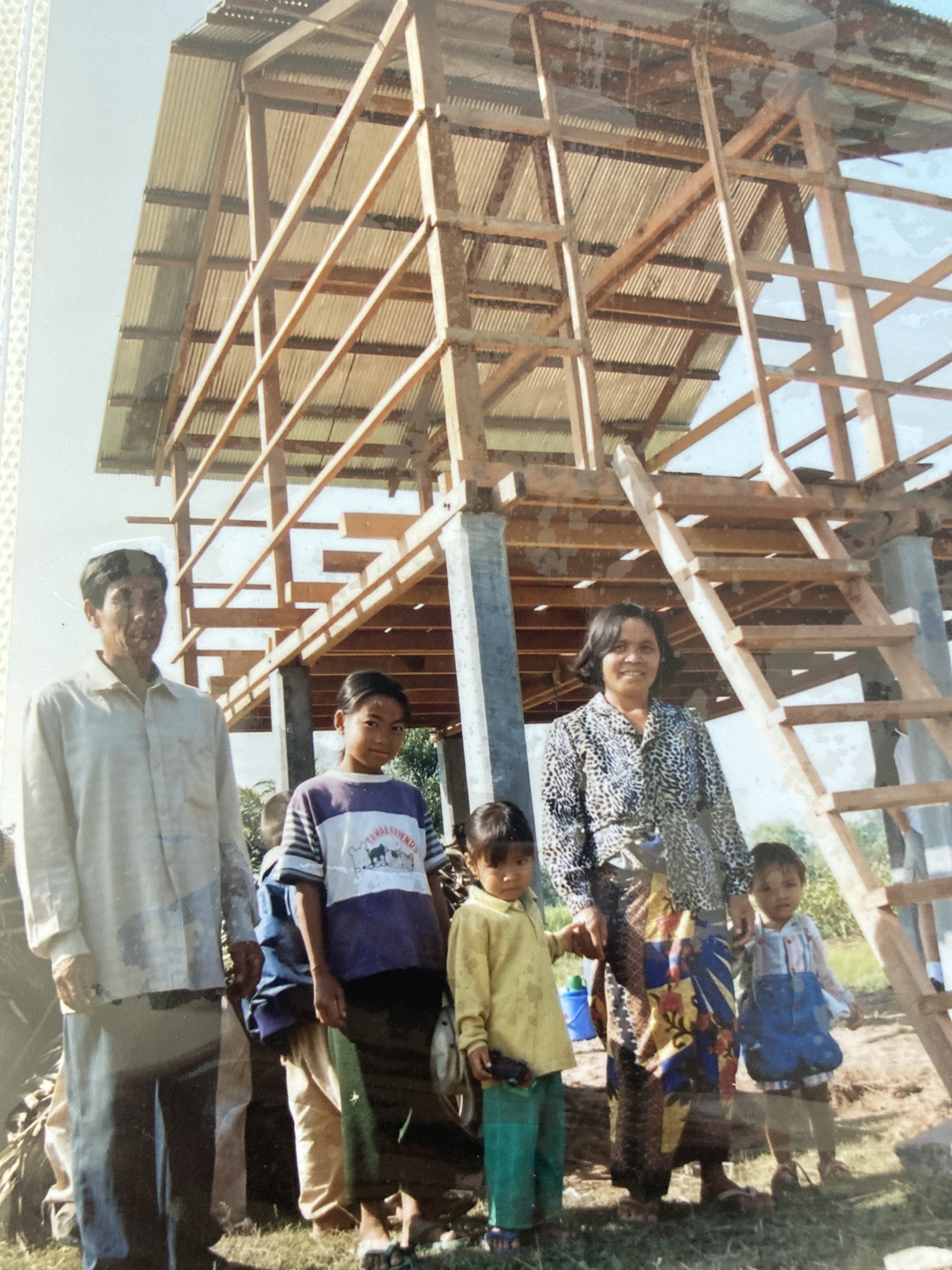
We rely on resources from around the world to create homes we live in. What is the value of knowing the history and origins of our way of life that have come together to create a place we call home? I’ve lived in six different countries outside of the US. Each one has left its imprint and came to feel like a kind of home. We can move across the world, to live in or visit a place that has entirely different protocols for how to eat food or negotiate and still can find connections to those around us, to the city, or the natural world. In Vietnam I’ve stood with hundreds of others in Tien Son Cave who lifted their arms with hands outstretched hoping drops of sacred water. In Saudi I’ve shared iftar after Maghrib prayer, and have stood in an empty lot with students in Kuwait, waiting to be cleared after a bomb threat. I’ve worked with fellow divers and a Cambodian family to build house, celebrated the Mid-Autumn Lantern Festival with friends in Singapore, and endured torrential rains in the forests on Mt. Kinabalu. I’ve attended weddings in New Delhi, and funerals in the US. I’ve ridden calmly to my destination with thousands of strangers on subways in London and St. Petersburg, been swept along by undersea currents near Palau. I’ve walked through Columbia’s Catedral de Sal de Zipaquirá carved by miners beginning in the fifth century BC, and have stood on the African continent’s southernmost edge and thought of the many ships that sailed past its windy coast whose voyages changed the shape of history. Each experience and countless others have helped me understand that though I was born in a particular place, my actions are part of a greater stream of life. All that has come before me as well as the variety of ways people interact with the world shape what I experience at any one point in time. What we call home is a collective making. Each of us are part of a greater whole. As Whitman writes in Leaves of Grass, “Past and present and future are not disjointed but joined.” Each of us is a continuation of the past, an embodiment of the present. We hold the future in the way we pass on our thoughts and carryout our actions and intentions.
William Stafford, in his poem, “Being a Person,” writes,

Be a person here. Stand by the river, invoke
the owls. Invoke winter, then spring.
Let any season that wants to come here make its own
call. After that sound goes away, wait.
A slow bubble rises through the earth
and begins to include sky, stars, all space,
even the outracing, expanding thought.
Come back and hear the little sound again.
Suddenly this dream you are having matches
everyone’s dream, and the result is the world.
If a different call came there wouldn’t be any
world, or you, or the river, or the owls calling.
How you stand here is important. How you
listen for the next things to happen. How you breathe.

Though we are born into a particular place in time and way of thinking, we benefit from expanding our awareness of the worlds and people that create the place we call home. We can renew our lives through choosing to be hospitable to new ideas and ways of being, even seemingly foreign ones. Here’s a few possibilities: Ask relatives about the stories of their lives and the experiences that shaped them. Try taking a new route home or tasting a new food. Listen to a type of music you’re not familiar with. Practice a few phrases in a language you don’t know. Visit an art gallery and read about how that art connects to the thinking of a particular era. Read about the history of your city. Find out the names of plants on your street, which are native to your area and which aren’t. Learn the story of a bridge or building in your area. Have a conversation with someone of a different background, age, or ability level from you. Listen to what they tell you about their lives. Look for new insights and connections. There are many ways to renew and expand our experience of home and to be at home with those around us.

Every day we make use of ideas or rely on inventions passed on to us from elsewhere and previous times. The wheel, the battery, and the telephone–we rely on myriad things that weren’t part of our original human home. Languages borrow words from other languages when there’s no equivalent in one’s own language. For example, the Turkish language has borrowed the word asansör  from the French ascenceur (elevator in English) and the Japanese language has borrowed arubaito アルバイトfrom the German word for part-time job arbeit. None of us are the product of a single, unified story. Embracing new words, ideas, and even worlds can enable us to thrive and grow whole.

Lumber mills like Sturgeon’s here in Sonoma County that cut the redwoods that rebuilt San Francisco after the 1906 quake changed California’s environment. Ancient redwood forests once occupied 2 million acres. After visiting redwoods near Eureka, California, John Reid in his opinion article “Thinking Long-Term: Why We Should Bring Back Redwood Forests” published on the Yale School of the Environment‘s website writes, “The beginning of the old growth is like a threshold between beauty and magic. The giants make time visible. Which makes me think a thousand years forward. If an entire landscape of this should exist in the year 3023, students of our culture may be tempted to conclude that, in our time, forests were sacred.” We share the world together with our neighbors as well as those across the world. What are your dreams for the kind of home you want to inhabit? Most of us would like to live in a world that is both beautiful and kind. As Stafford says, “this dream you are having matches/ everyone’s dream, and the result is the world…/ How you stand here is important…How you breathe.”

Uncategorized

Sweet and Cool

“Italians just want to welcome people by sharing what they have, however simple, in abundance. An Italian’s role in life is to feed people. A lot. We can’t help it.”  —Giorgio Locatelli, Made in Italy, Food and Stories

It’s the hot time of year in the northern hemisphere. I’ve been dreaming about granita, and thought it would be fun to share the granita al caffe recipe my husband and I invented. The recipe appears in the electronic cookbook we made as a companion for my book, A Space Between, after it was published in 2019. We took a year to create recipes for foods mentioned in A Space Between, then compiled the recipes in the cookbook along with vignettes I wrote for each recipe. I hope you enjoy the story and the granita.

GRANITA AL CAFFÉ

Relatives from Reggio once told how family members in Sicily brought snow from the mountains in early summer to make granita—lemon, almond, coffee—so many delicious flavors! Determined to surprise the family with a treat, Gaetano’s uncle Rafaello made a plan for bringing snow to Amantea for granita. Though it was several day’s journey to the Sila Mountains, sometimes Rafaello went there with his mule, Dolcecino who pulled Rafaello’s cart to collect wood for his father’s carpentry work. 

One early summer day Rafaello set out for an area in the mountains near Lorica. After collecting wood, he found an area with ample pockets of clean snow in a shady space sheltered under a stony overhang. Packing the snow in a bucket, he placed it in a wooden box, stuffing ferns, straw and snow between the bucket and the box walls for insulation. Then he began the journey home.

When he arrived a few days later in Amantea, the whole family—cousins, uncles and grandparents hustled to his house to gather around the box to see if the snow would still be waiting inside. When he lifted the lid, to everyone’s delight snow crystals peered back up at them, the perfect texture for granita. 

Aunt Terezina poured cold coffee left from breakfast into a container mixed with cream and some precious sugar over the snow and served it up in bowls as the citrine sun streamed through the open door. 

Years later, living alone in San Francisco, when Vincenzina offered him granita, Gaetano remembered his uncle’s joy when he opened the box, how the whole room felt buoyant that day as the family savored their first granita. Worries melted and someone pulled out a concertina and began to play. 

What brings happiness? Maybe it’s a long journey that at its end for a few moments fills everyone with sweetness.

Ingredients:

  • 4 cups strong coffee
  • ½ cup water
  • 6 squares dark chocolate (this is optional)
  • 1 cup fine sugar or powdered sugar (you can reduce this if you like)
  • 2 spoons for the whipped cream
  • 1 carton whipped cream
  • 1 or 2 teaspoons sugar
  • 1 teaspoon vanilla

Directions:

Make the strong coffee and pour the coffee into a large bowl.

Grate chocolate into the bowl while the coffee is hot.

Add fine sugar (or the powder sugar, whichever type sugar you chose) to the bowl while the coffee is still hot and allow it to melt. 

Allow the mixture to come to room temperature and cool completely.

Put the coffee in a sealable plastic freezer bags so it can lie flat in your freezer, allowing it to freeze quickly. Put in the freezer to freeze. While it’s freezing, keep crunching the bags, about once every half hour to keep frozen pieces smaller. 

Once the granita is frozen, process the granita in a food processor blending it to fine ice. 

Make half a carton of whipped cream with 1 or 2 spoons of sugar. Add a teaspoon of vanilla if you like. 

Put a layer of whipped cream in the bottom of each glass followed by a layer of the granita and top with another layer of whipped cream. Garnish as desired. We used half a pecan and a borage flower.

Eat slowly, thinking of the sweet things of life you treasure.

If you’ve not yet read A Space Between, here’s a couple of comments about the book taken from the Barnes and Noble site and GoodReads sites. The book is also available on Amazon.

“Beautifully and artfully written story of the heartbreaking immigrant experience. One could easily race through it in a day but I urge readers to slow down and savor Anna Citrino’s poetic wordsmithing. Sublime.”–Allison Pharis

“A massive, ambitious effort of epic proportions that rewards with its interweavings of history, consequence, heritage, and legacy. How heartening it is to witness in these poems the resonance through generations of immigration and sacrifice to provide for living, surviving, prospering. ” –Nicholas Samaras

A place by water with a cool breeze might be a superlative place to enjoy the book as well as the granita. Let me know you think!

Uncategorized

Savoring the Intersection of Worlds

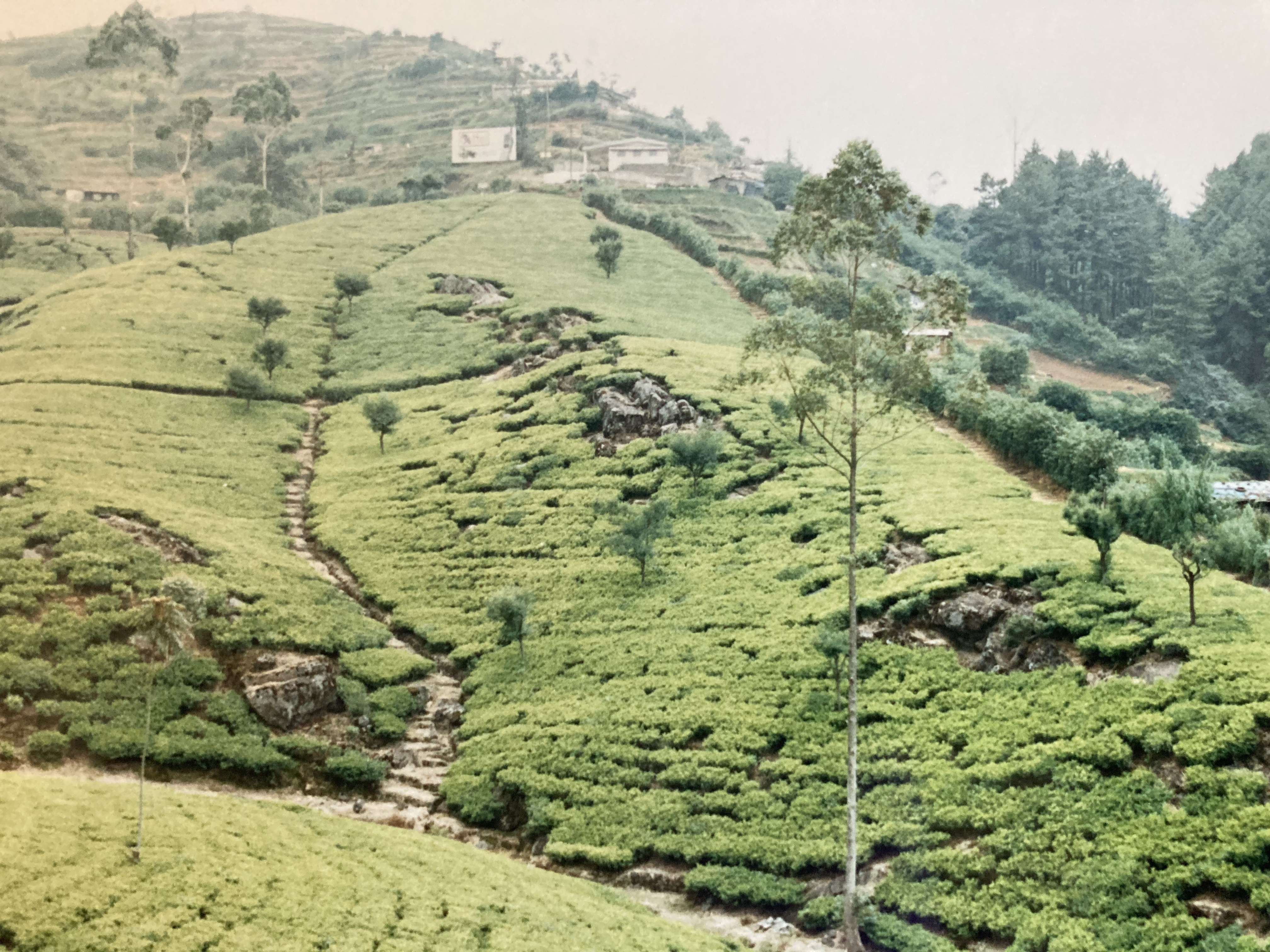
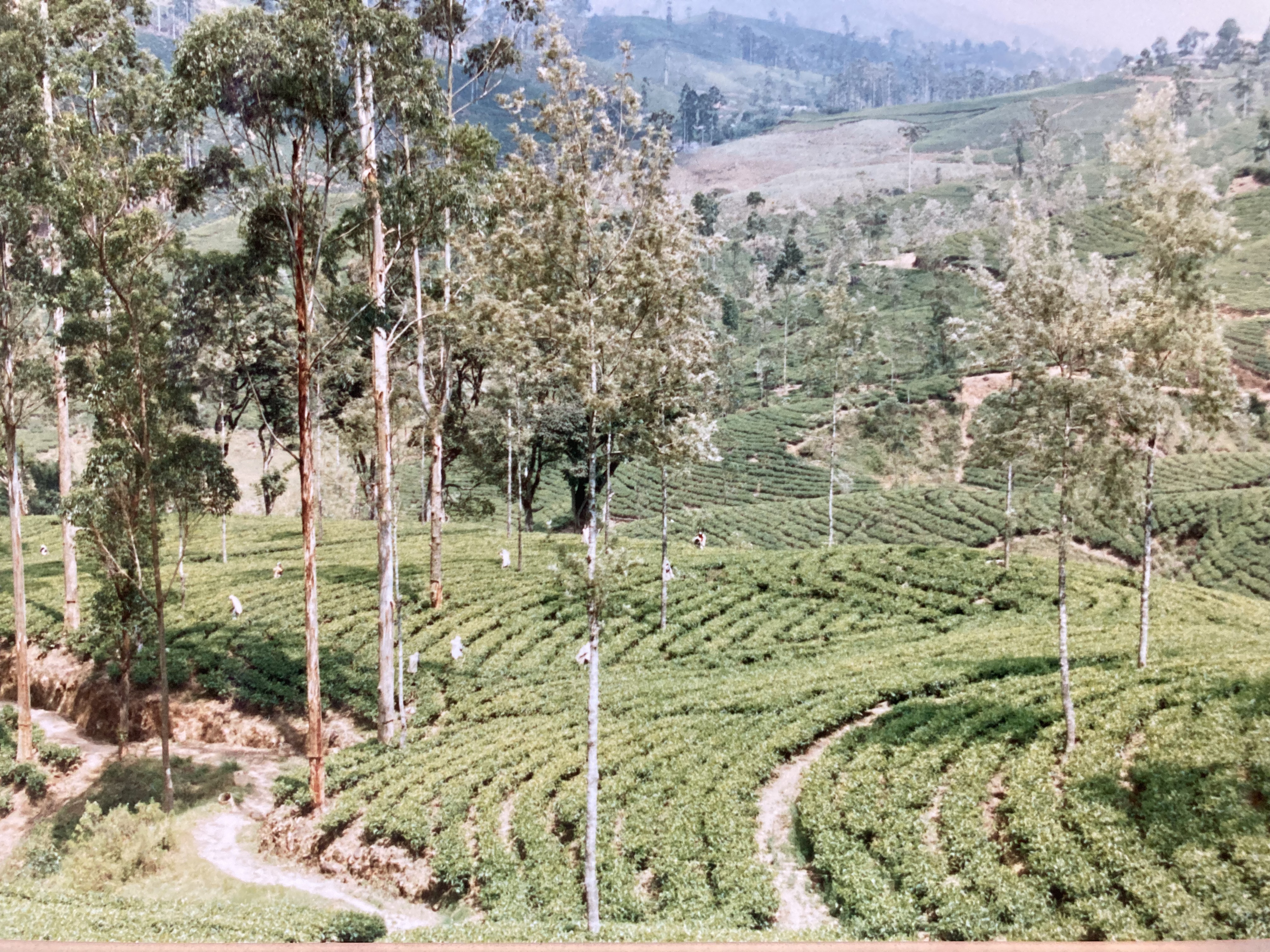
Hillsides of tea, Nurwara Eliya, Sri Lanka

W.S. Merwin, in his poem, “Drinking Tea in the Small Hours,” speaks of drinking green tea from Korea,
second pick from the foothills of summer
taste of distance and slight rustling of leaves

on old trees with names hard to remember
as I listen after heavy rain in the night
the taste is a hush from far away
at the very moment when I sip it

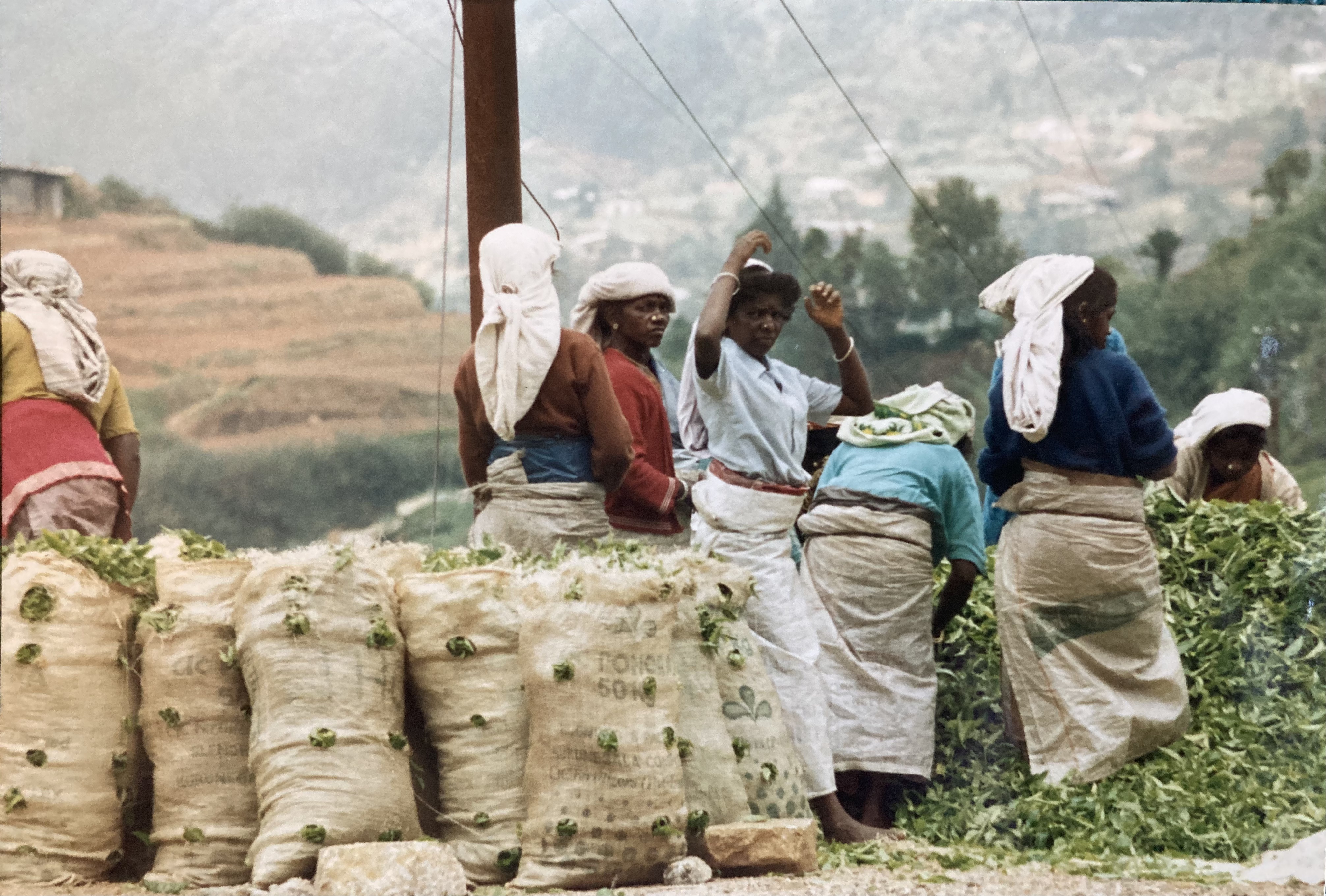
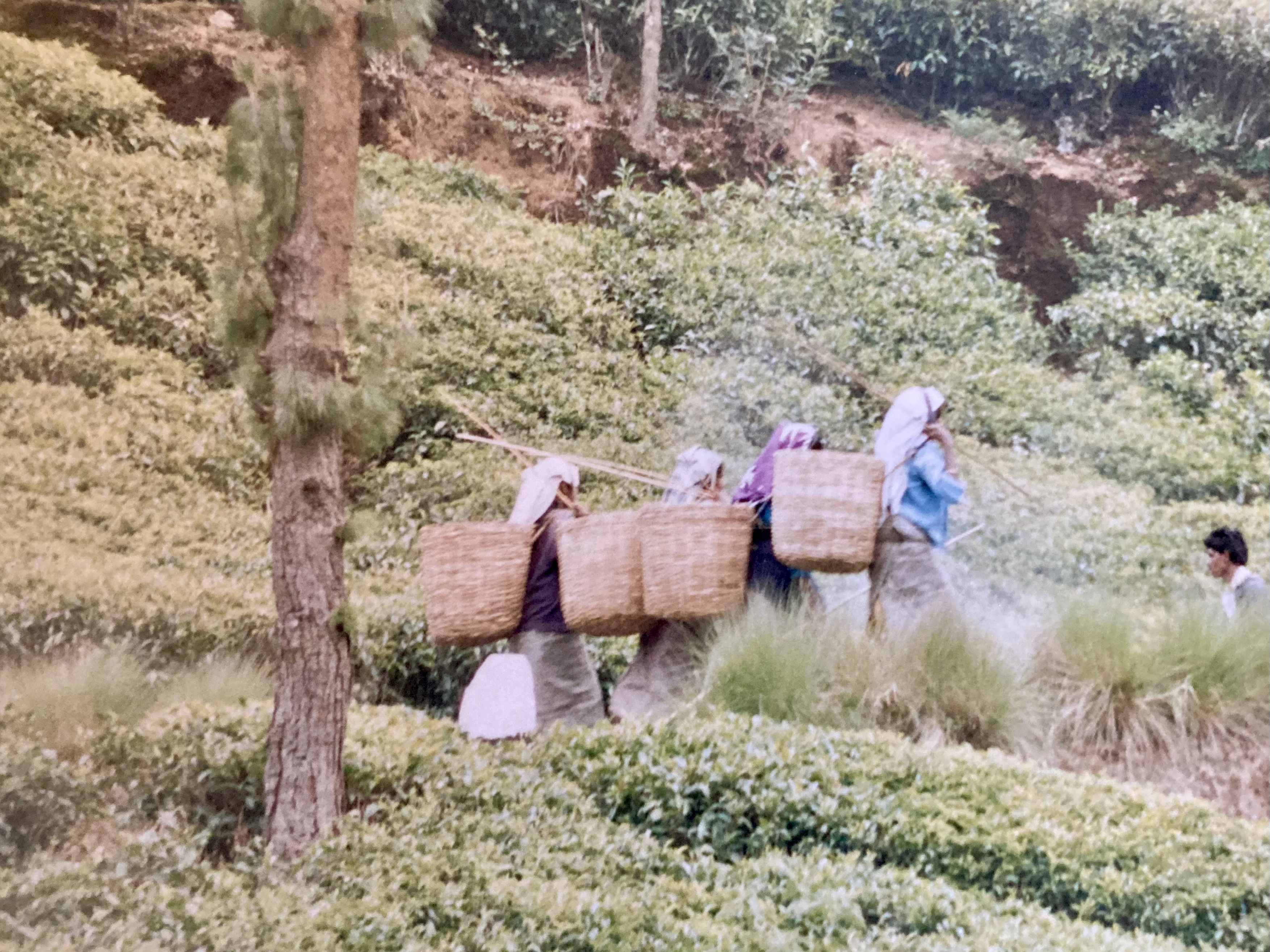
I read Merwin’s words, and recall my visit to the tea plantations in Nurwara Eliya, Sri Lanka in 1995–the green beauty of tea-covered hills, as well as the significant labor women extended day after day picking the tea, carrying on their backs the baskets weighted with tea leaves.

The world Merwin describes, however, is filled with calm. Sitting in morning’s quiet room, air thick with rain-scent, wind’s breath through ancient trees, he drinks in a distant world and season different from the one he inhabits. We, too, with the wide variety of vegetables and fruits available around the globe today likely taste worlds other than our own every day. From artichokes to zucchini, a majority of foods we eat have made a pilgrimage from great distances to become part of our lives. Even the common apple, often associated with American culture, actually has its origins in the Tian Shan mountains of Kazakhstan. Kazakhstan’s capital until 1997, Alma Ata, meant “full of apples.” 

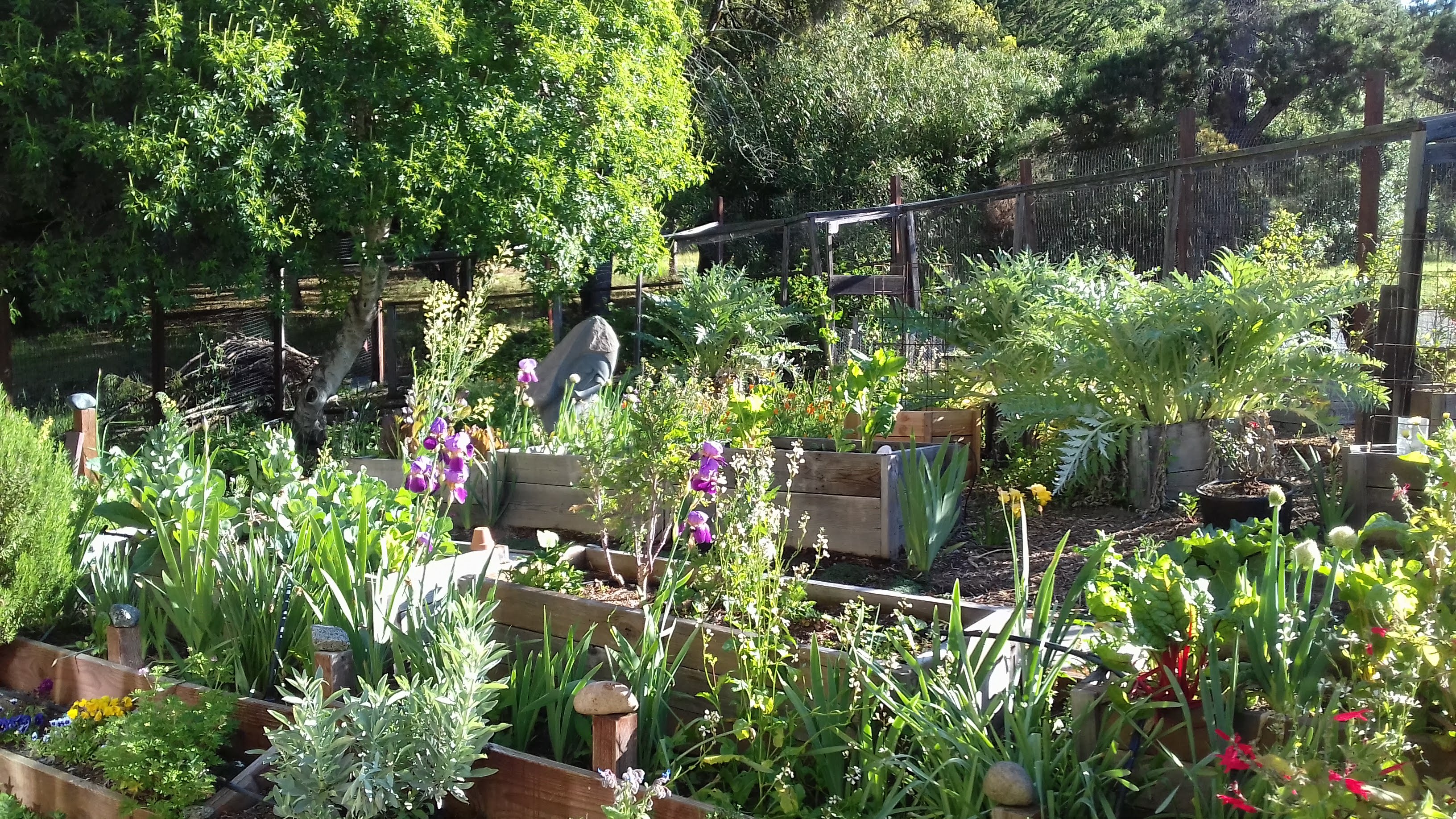
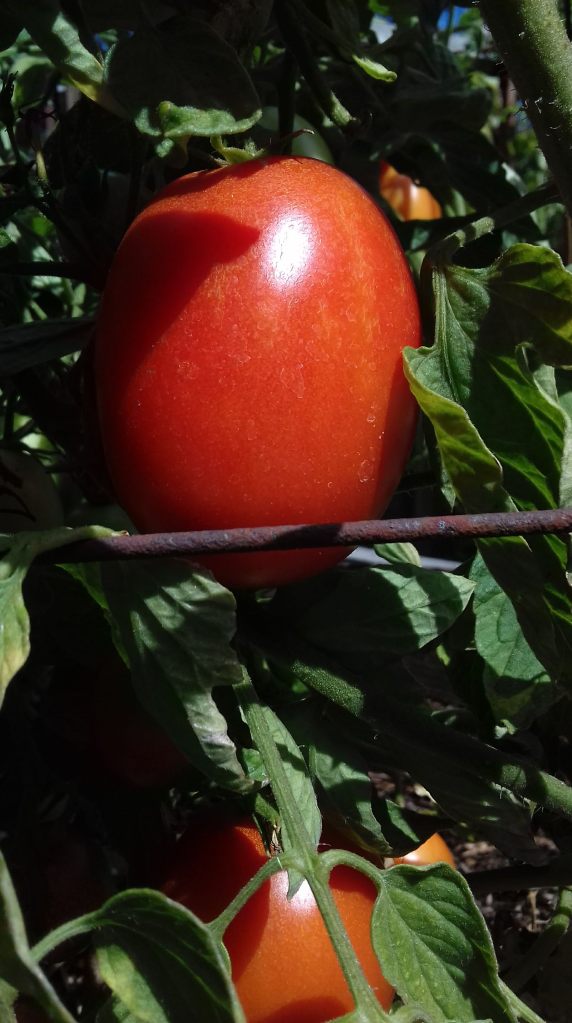
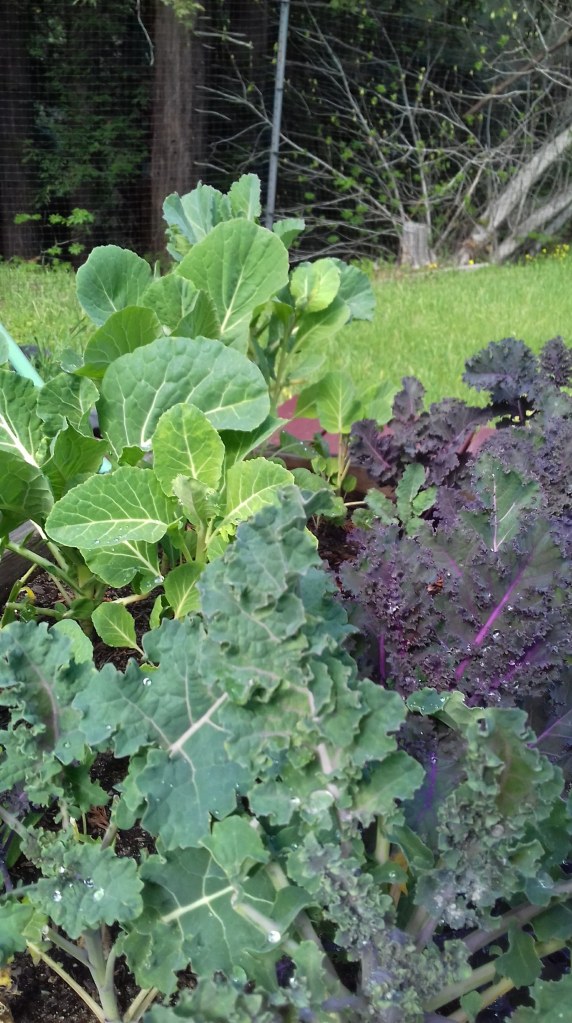
Working in my backyard garden watering and weeding recently, I wondered where did carrots, beans, kale, peas, and onion originate? What was their journey into our everyday lives? These foods have been with us for so long that we now think of them as part of our family’s weekly meal plan. It’s not just apples that have traveled great distances over time. The great bulk of our North American diets is from plants that came to us from elsewhere. Here are a few origins of common plants:

  • Artichoke: from North Africa and the central part of the Mediterranean. 
  • Asparagus: North Africa, Europe, and Asia.
  • Beans: from Asia, Europe, and the Americas.
  • Beets: India, the Mediterranean and the Atlantic European Coast.
  • Broccoli: is believed to have originated in Sicily and arrived in the US via Italian immigrants.
  • Carrots: Afghanistan, Iran, Uzbekistan. (Purple carrots were on temple walls in Egypt 2,000 BC.)
  • Fava beans: ancient Israel, domesticated by Neolithic farmers.
  • Kale: eastern Mediterranean.
  • Lettuce: the Caucus.
  • Mangos: from the Hindo-Berma region over 5,000 years ago, reaching from eastern India and southern China across Southeast Asia. 
  • Olive: Asia Minor.
  • Onion: North America, also Iran and west Pakistan, Central Asia.
  • Peas: native to Turkey and also the Middle East in the area around Iraq.
  • Spinach: Mediterranean.
  • Strawberries: Europe, Asia, North and South America.
  • Watermelon: southern Africa.
My Santa Cruz garden

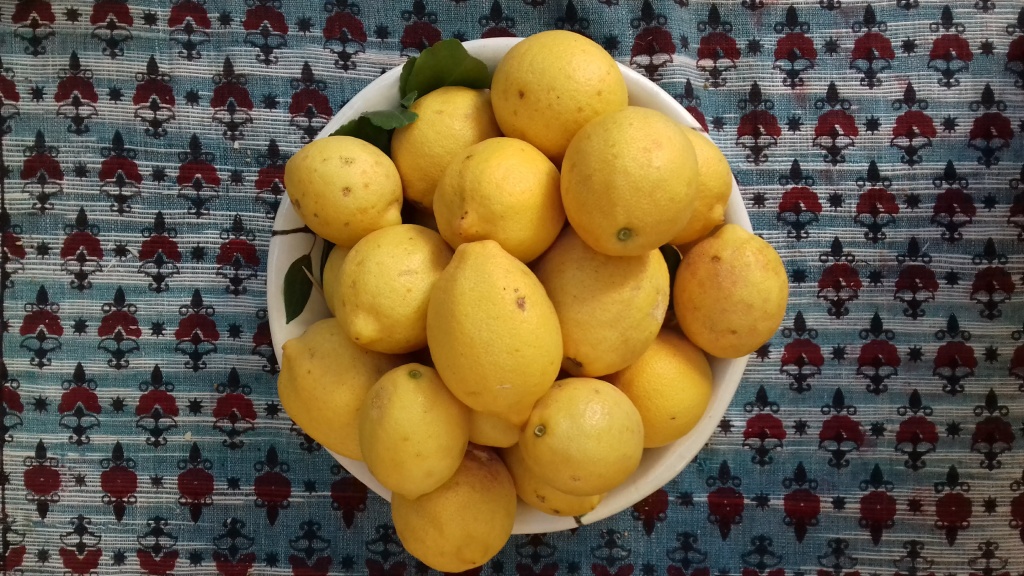
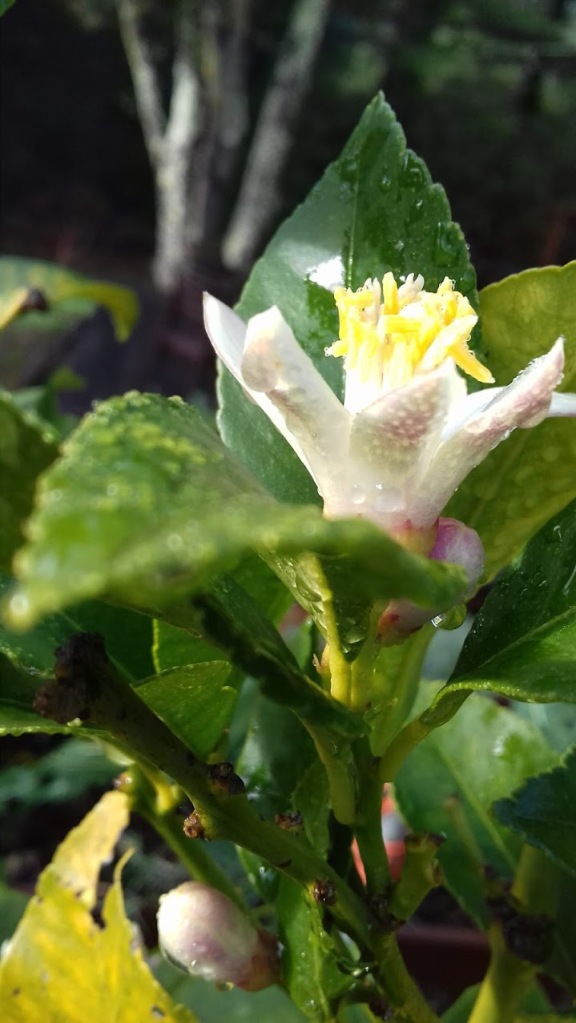
While dining on foods from our gardens and grocery stores, we taste the world. Foods family members frequently cook for us to eat create associations to what we call home, a place that feels familiar and known, yet we’re often eating foods that came to us through time from across the world and from cultures very different from our own. Vegetables and fruits we typically grow in our gardens or buy at our grocery stores have histories. Drinking a summer lemonade on my front porch, I’m not simply tasting lemons. I’m also tasting the product of the fruit’s transformations via its long journey from the lemon’s ancient ancestorial origins on the Indian subcontinent. Ancient citruses hybridized with citron, a wild citrus, and a bitter orange to form lemons, and made their way to China, later the Middle East and Turkey, then to Europe, before Christopher Columbus carried them to the island of Hispaniola in 1493. Lemons grow best in warm climates and India is currently the world’s top producer of lemons, followed by Mexico and China.

Science Daily reports that studies describe that eating 30 or more diverse types of vegetables, fruit, and grains each week significantly helps our physical and mental health. We learn from each other and benefit from the exchange of knowledge across cultures and time. Welcoming diversity into our lives enables us to thrive.

The fruits and vegetables that have entered our lives because of cultural exchange is but one example of how we all benefit from what has been shared through time across cultures. The compass was invented by Chinese, Scottish bacteriologist Alexander Fleming discovered penicillin. In Poland, Marie Curie discovered polonium and radium. Her experiments with these allow us to use x-rays today. Born in Hungary and naturalized as an Argentinian citizen László József Biró created the ballpoint pen. From a Mexican yam, Luis Miramontes of Mexico City derived norethisterone, the main ingredient used in birth control pills. Mary Anderson of New York City invented the windshield wiper and George Crum invented the potato chip. In South Africa Allan Cormack invented the CT scan machine. Mark Lidwill, an Australian doctor, and physicist Edgar Booth developed the first artificial pacemaker. Ajay Bhatt, born in Baroda, India, and his team invented the USB port. Our lives are changed and enhanced by the hands and minds of people from across time and cultures.

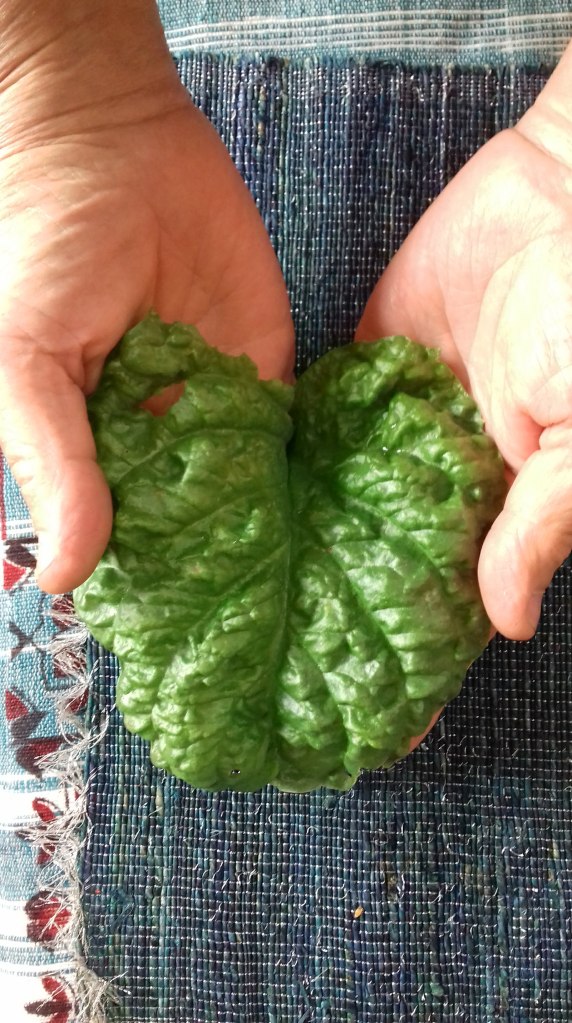
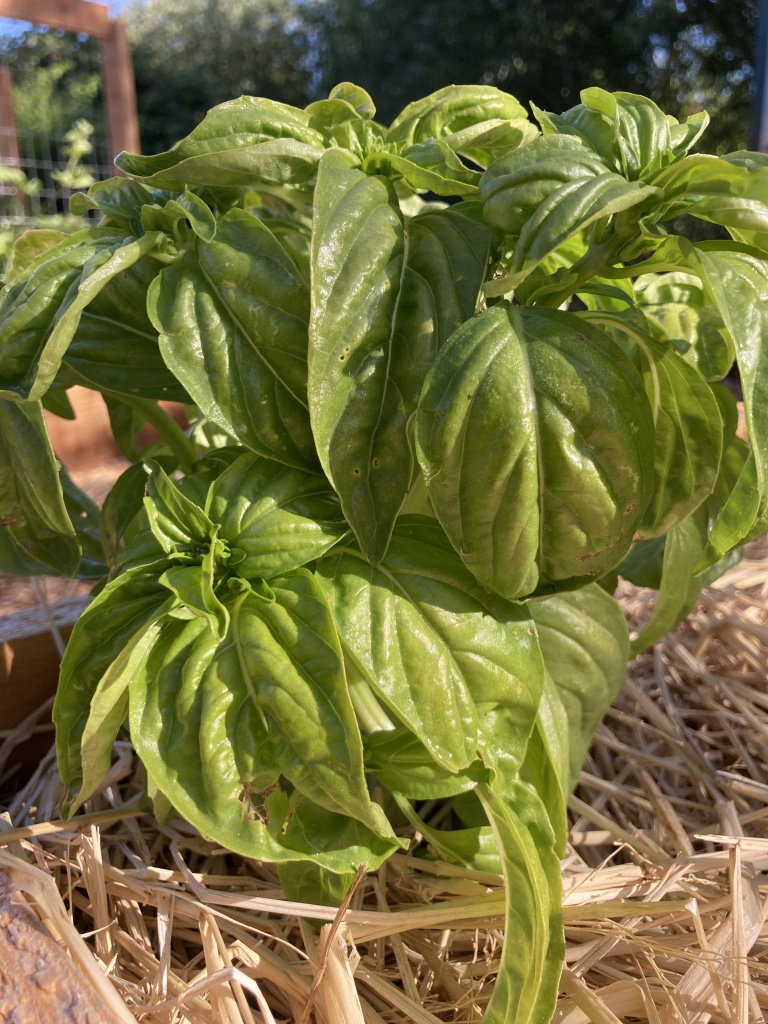
In the spirit of sharing foods that reach back through time, I offer you this family recipe for pesto, together with its companion vignette. These are part of the electronic cookbook I made together with my husband Michael as a companion to my book A Space Between. Basil has been cultivated for at least 5,000 years and is native to India, though it is commonly associated with Italian food. Next time you taste basil, or perhaps a favorite fruit or vegetable of your own, may the flavor pique your curiosity about that food’s origin, how it traveled through time through the effort of many cultures and people you will never know, yet who made it possible for you to enjoy it. You might also choose to read A Space Between while sipping a glass of lemonade and a plate of fresh tomatoes, a fruit from the Americas that changed Italian cuisine.

HOMEMADE PESTO

As a child, Gianni liked to pick basil for Luisa when she asked because he knew it meant she’d be making pesto. With wire basket in hand while dodging the ducks in the backyard he’d search beneath the basil leaves where he’d sometimes find an iridescent green frog or spy a lizard he could pet with a strand of dry grass. After handing his mother his basket of basil, Gianni watched, as pestle in hand, his mother crushed the leaves in a slow, circular motion around the mortar’s rim. When she’d finished adding the ingredients for the pesto, his mother let Gianni wipe the mortar with his fingers and he’d lick the creamy green from his hand. 

As a grown man, after Liza and the children left and he was living alone, Gianni preferred recipes using a blender, as he liked preparing simple foods, and he decided he should try making pesto. 

Watching the ingredients swirl inside the blender and inhaling the bright aroma, he was carried back to the memory of his mother’s firm hands at the mortar and pestle. Turning the image over in his mind, he scraped the pesto into a bowl. He knew he couldn’t make pesto the way his mother did. Neither could he turn back time to the world he lived in before so many losses pressed against his heart. But he could make his own pesto his own way now, create a smooth paste of the ingredients. 

Adding a bit more salt to the mix, he spread it over his pasta for dinner, sat at the table by his news clippings of missing children, and thought about his grandsons, Zenzo and Marcello—how he might need to grow a garden again and send them out into the yard searching for lizards and frogs.

Ingredients:

  • 5 to 6 cups of basil (approximately two large bunches) 
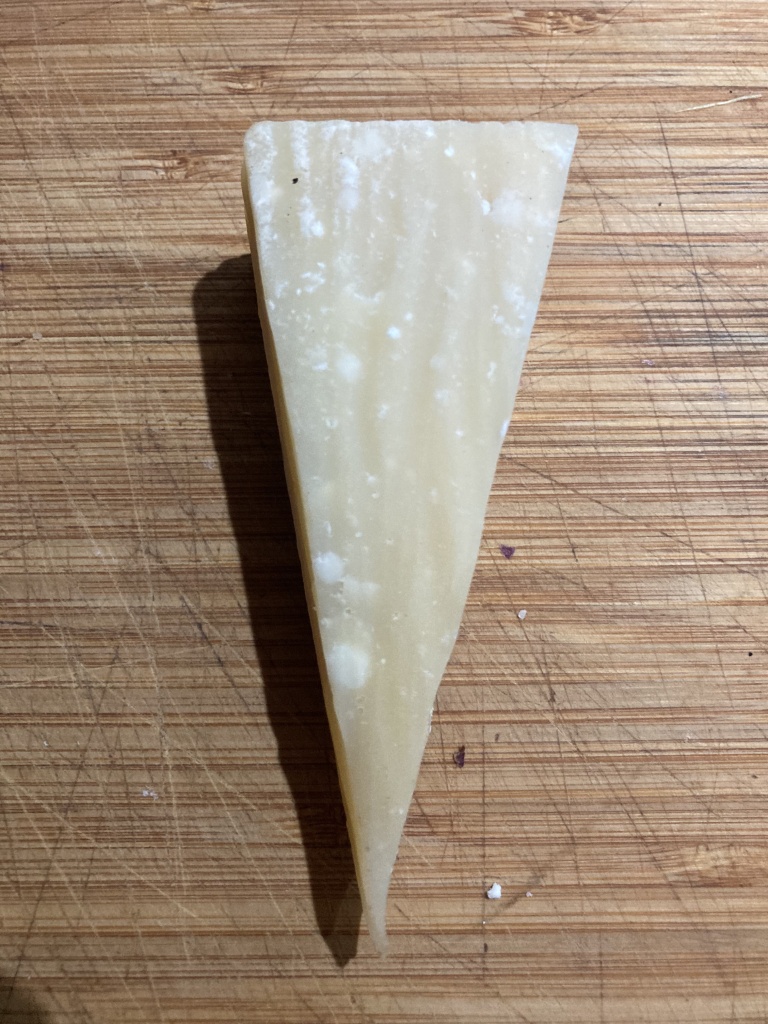
  • 3/4 to 1 cup Parmigiano-Reggiano
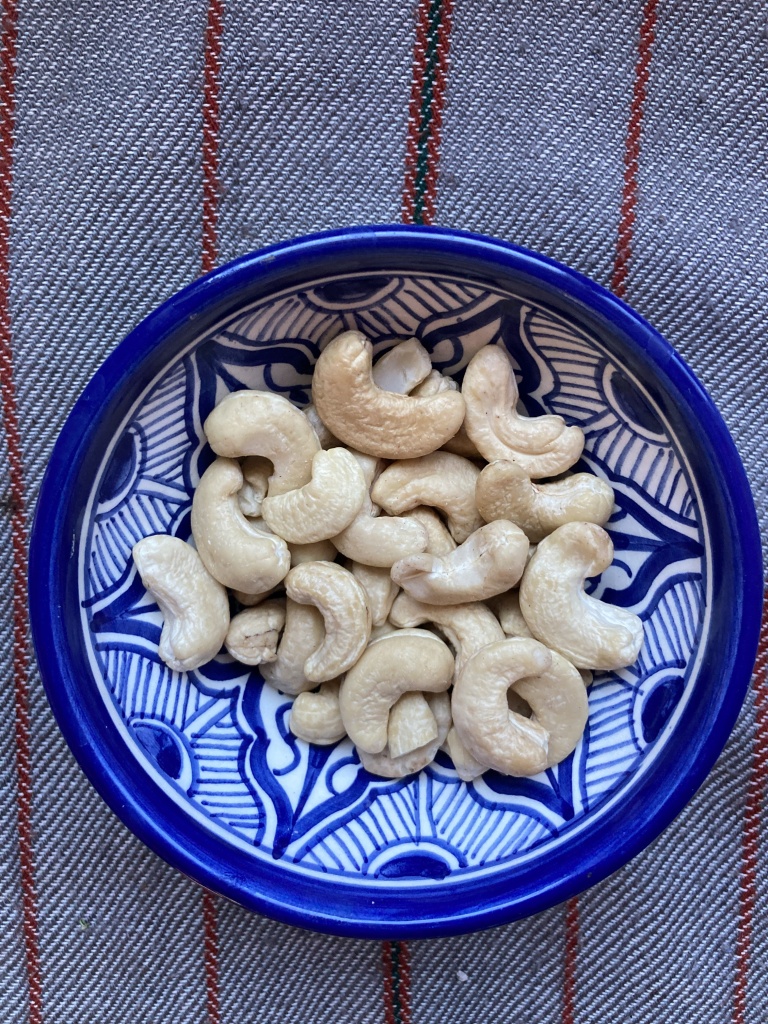
  • ½ to ¾ cups of your choice of either pine nuts, cashews, walnuts or a mixture
  • ½ to ¾ cup olive oil depending on your preference of thinness
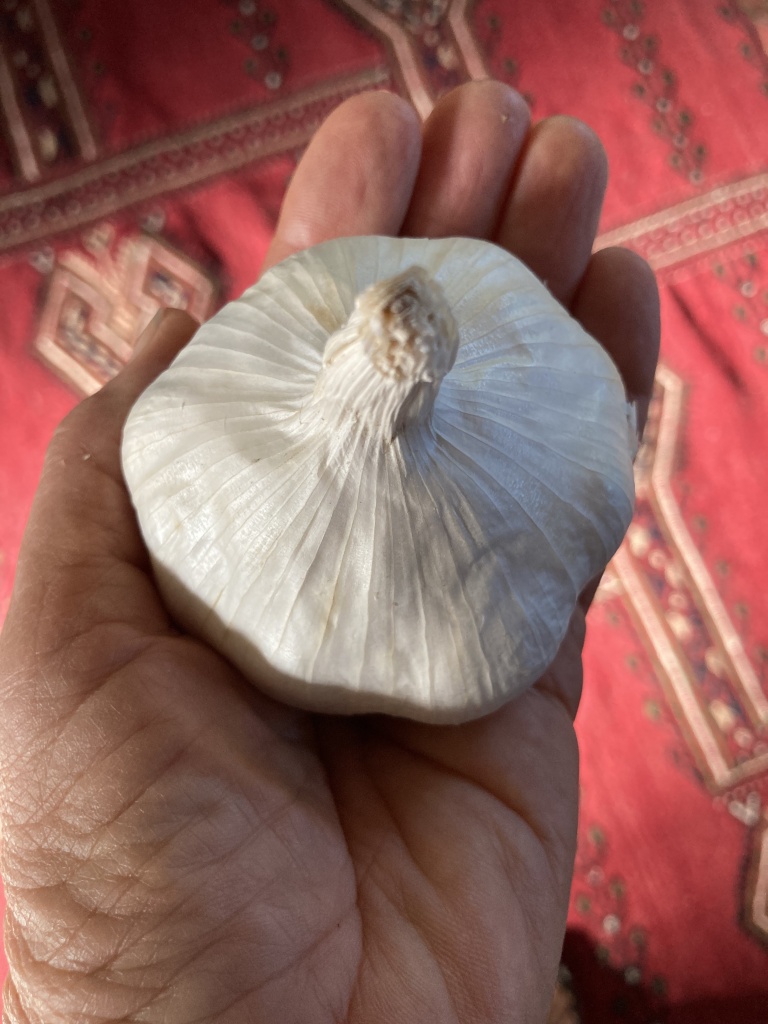
  • 2 cloves garlic
  • ¼ teaspoon salt or add more or less to taste 
  • Directions:
  • Put the basil in a mixing bowl.
  • Add a cup of grated Parmigiano-Reggiano into the bowl.
  • Fill a food processor with basil and pulse it to finely chop it. Repeat. Put this into the bowl.
  • Using about a cup of nuts and two garlic cloves together until finely chopped. Put this into the bowl also.
  • Put everything back into the food processor and pulse to blend. Add salt to taste.
  • Drizzle in olive oil slowly to achieve desired consistency while the food processor is pulsing. Scrape down the sides of the food processor as necessary.
  • You can play with proportions of all ingredients for creamier or drier results and to balance flavors to your preference.
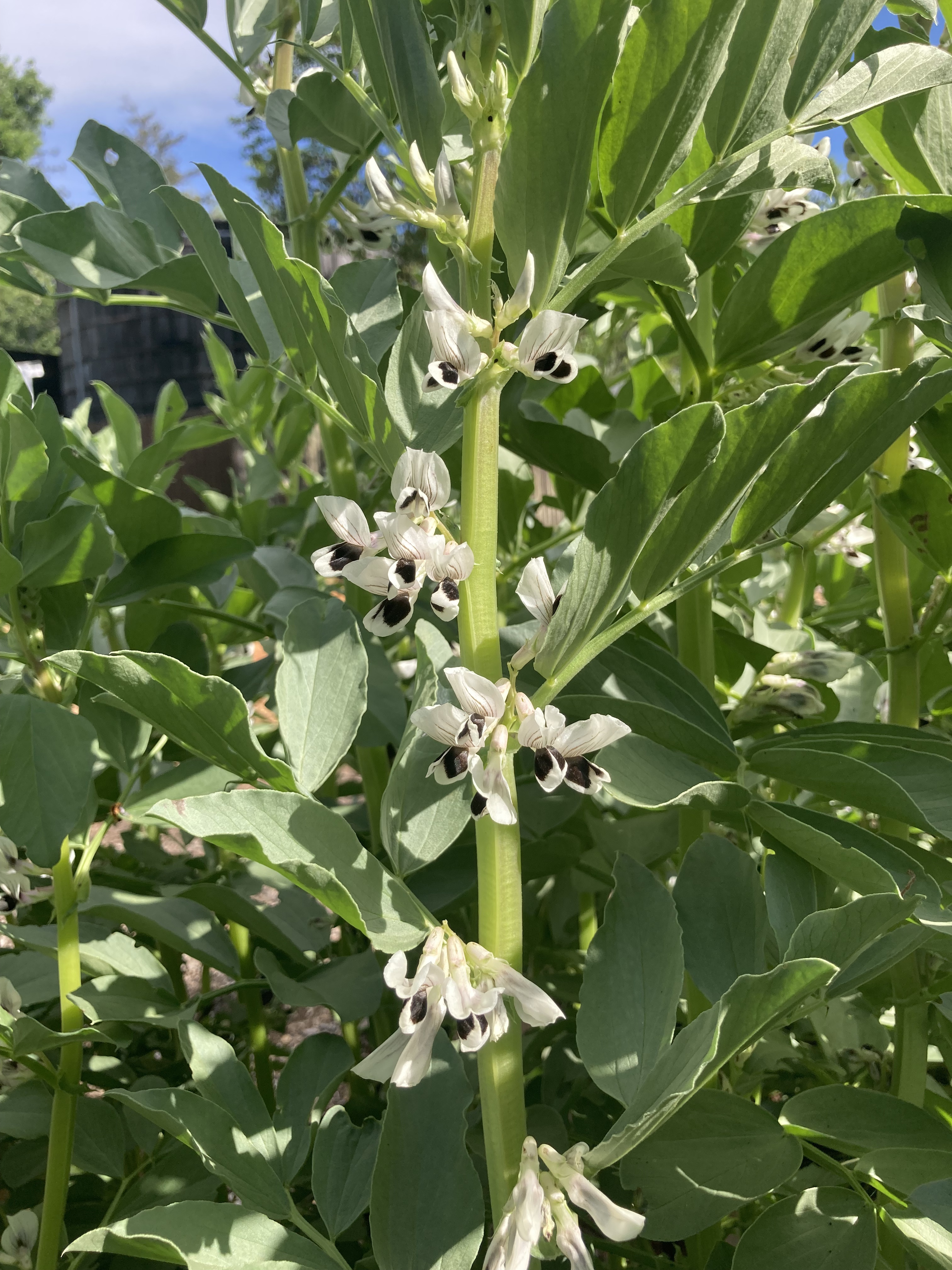
Fava beans in blossom in my garden
Beauty, poetry, Uncategorized

In Praise of the Ordinary

“Never once in my life did I ask God for success or wisdom or power or fame. I asked for wonder, and he gave it to me.” –Abraham Joshua Heschel

Spring has arrived in the Northern Hemisphere, the calendar says. It’s raining outside today but two days ago the world was full of sun and wildflowers. Walking in a field of wildflowers isn’t like walking in the Queen’s Garden at Regents Park, a world redolent with roses, stuffed with enormous, full blossoms filled with color, rich with light.

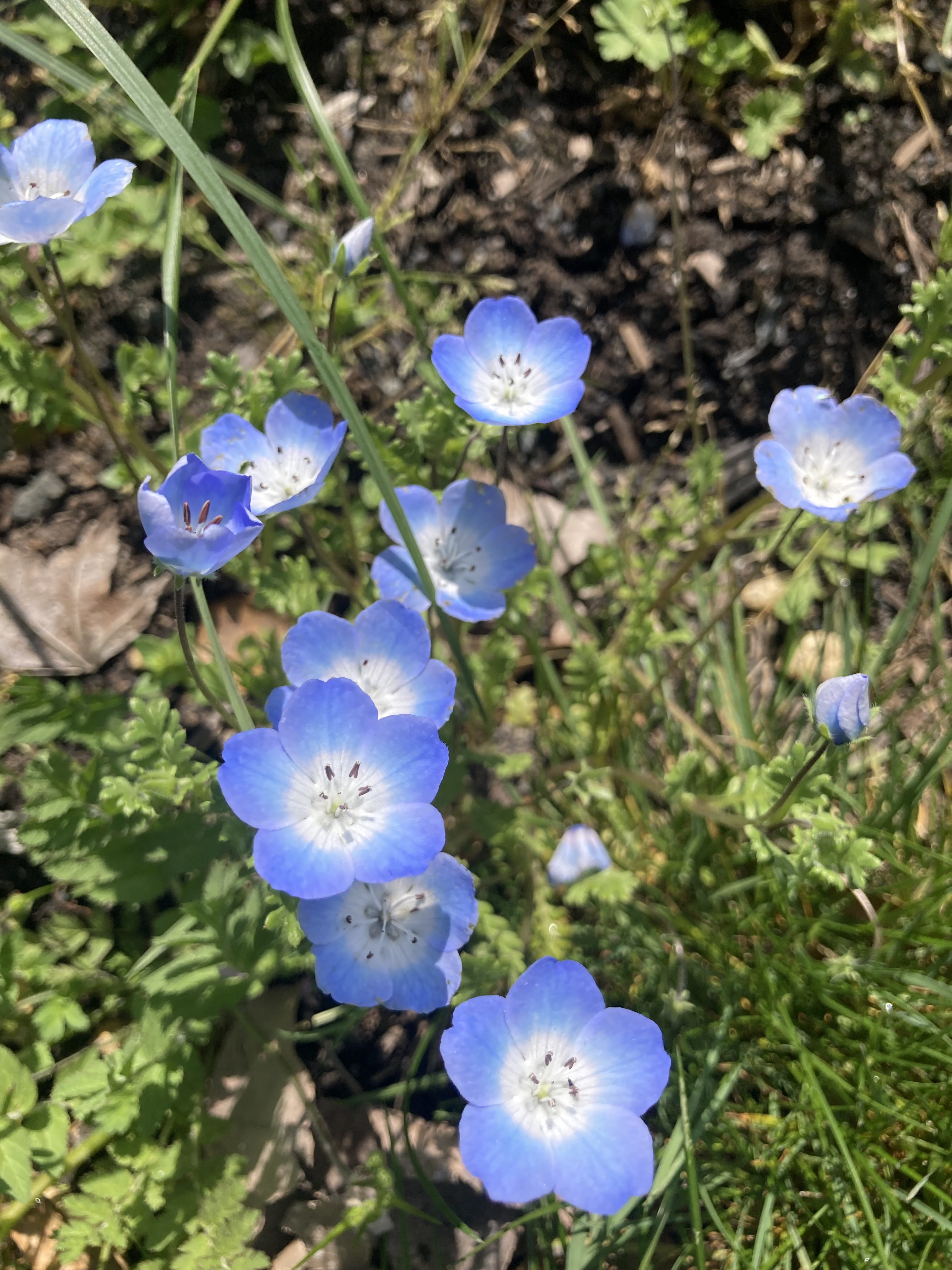
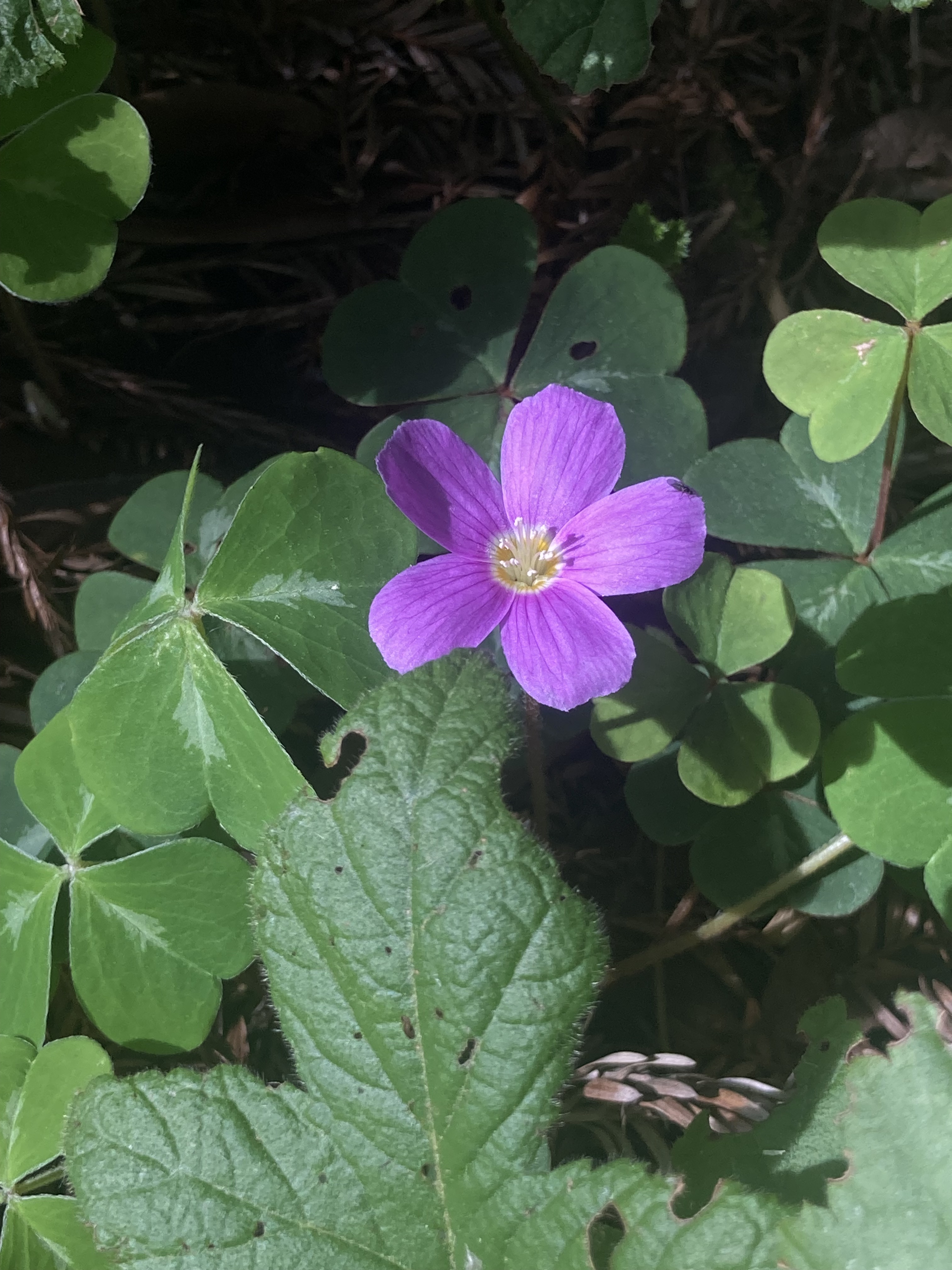
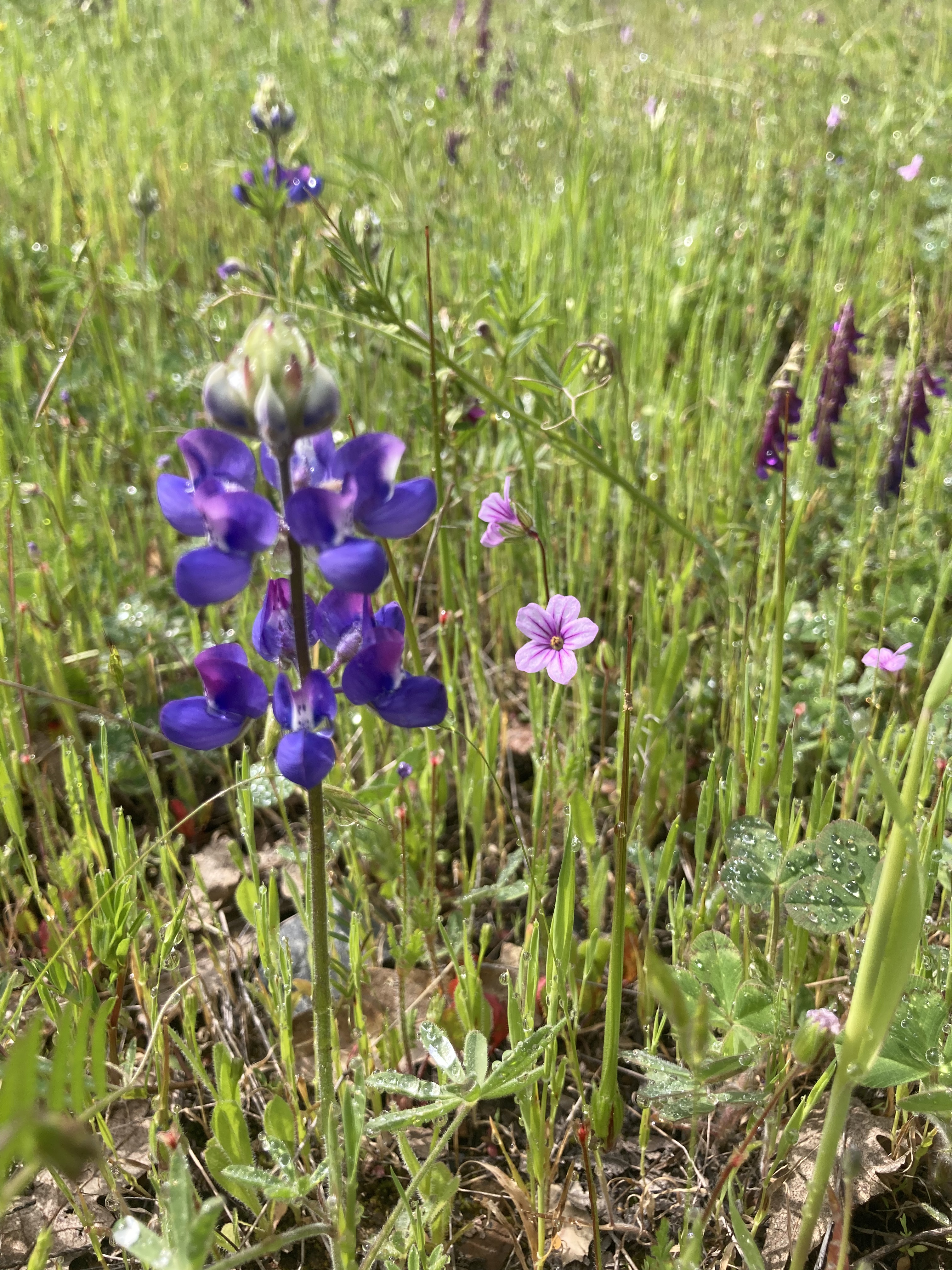
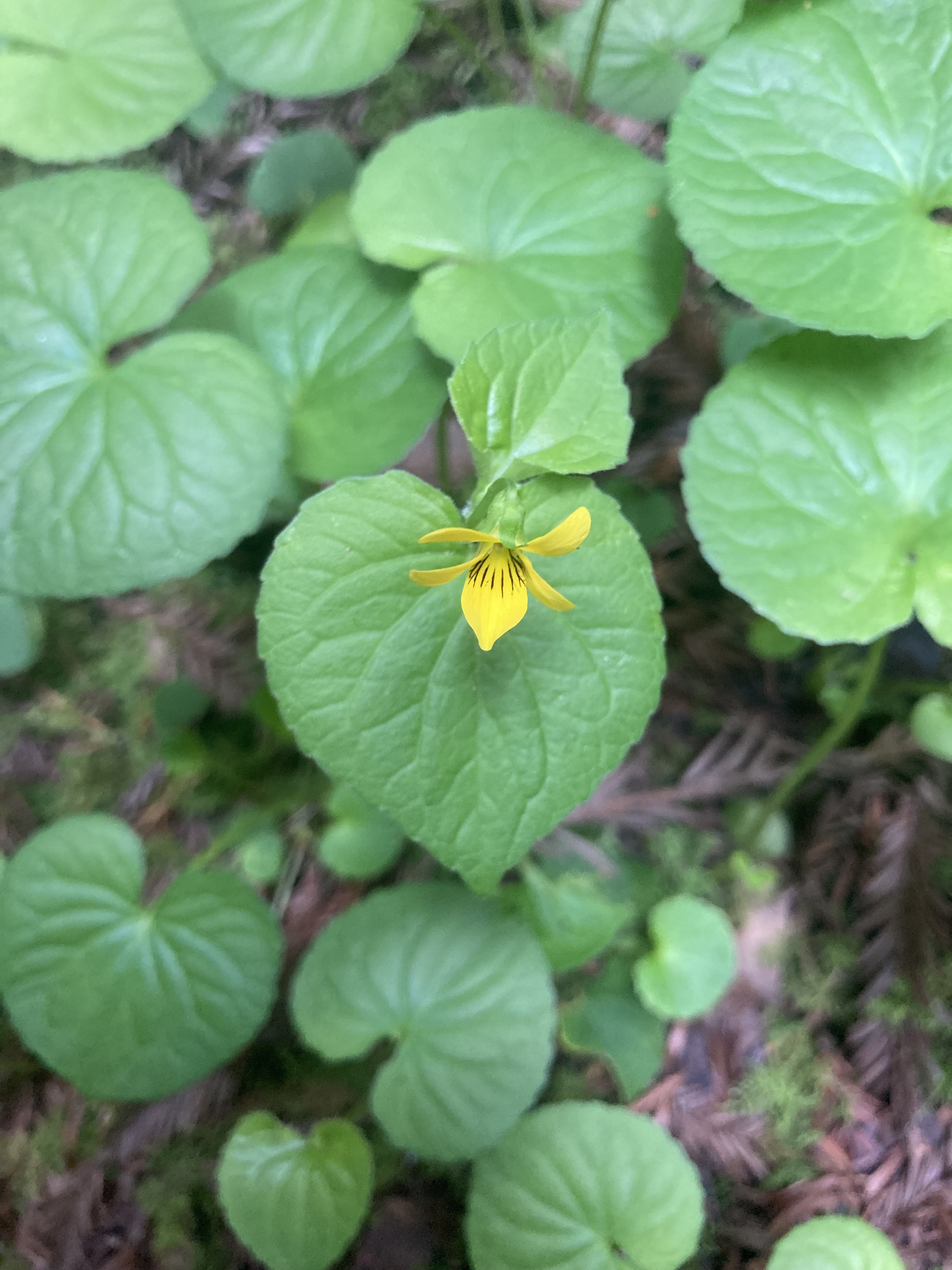
Wildflowers, on the other hand, are generally small, their forms simple. One might even call their appearance ordinary. But these ordinary flower folk spread across a hillside delight the heart. People long for their appearance, often travel miles to see them, and walk across hillsides for hours in hopes for a glimpse at their ordinary faces. Milkmaids, Douglas iris, buttercups, sun cups, shooting stars, though their forms are ordinary, come spring we long to greet them.

We long for the newness and color spring brings. We want to breathe it in, surround ourselves with swaths of landscape tinted with blossoms–the pale pink blush cherry trees wear, plum blossom’s gowns of white lace, and azalea’s soft pastels. We want to swim in rivers of bluebells, dance through fields of poppies’ brilliant red skirts swirled around their narrow stems. “Colours are the wounds of light,” said Blake. Indeed, as if smitten with Cupid’s dart, springs’ flowers can make us swoon. Though these spring blossoms are small, they can be myriad, their bodies singing in a great chorus their love of being alive, their wish to give more life. Wildflowers come to us of their own accord, not because of something we do. They are an unspoken embodiment of grace, a reminder of all the earth bestows on us, a love letter soaked through with color, wound with light, written in the language of pollen and petals.

There’s nothing a person can do to impress a wildflower, yet in the wonder of their ordinary forms their beauty repeatedly impresses us. In his poem, “The River of Ordinary Moments,” Max Reif writes,

I am stunned by the beauty of the ordinary,
so that sometimes the ordinary seems mis-named, and yet
it is ordinary because it is quiet with no fanfare

No one is famous to the ordinary,
you can’t impress it.

If one stops to think about it, the most ordinary of moments in life are also simultaneously filled with the extraordinary. Wildflowers, for all their appearing simplicity in their forms, nevertheless support entire ecosystems. They don’t need pampering. They just want to grow. As Ire’ne Laura Silva writes in her post “Where Wildflowers Bloom,” on the Texas Highways site, “Wildflowers are not just pretty spots of roadside color or willful weeds; wildflowers are a reminder that where life ends, it will return. That beauty endures. That the stubborn and glorious earth harbors and nourishes and compels life to bloom again and again.” Life is in continuous rebirth. What an extraordinary thing to consider as we think about our own life’s revolutions.

When you look more closely at what wildflowers do, it turns out that wildflowers aren’t exactly ordinary. Flowers have an electrical charge to attract pollinators. Our life sustenance depends on those who depend on the pollinators. One of every three mouthfuls of food depend on pollinators. Insects need flowers, and we need flowers too.

Most of us live what we likely consider ordinary lives. We rise each day and do our work. We make plans with family members or friends, experience loss and pain. We learn what we love and celebrate with neighbors. We grow, we change. Humans share the collective knowledge across millennia. If we consider the trajectory of history and the struggles everyday people have faced over time, human experience isn’t particularly ordinary. Leymah Gbowee, who had a significant part to play in ending Liberia’s ongoing civil war, says: “Everyone has a role to play in changing the tide in our world. It has nothing to do with your academic background or your social status. It has to do with your tenacity, your strength and your willpower to want to make change.” Even our own personal struggles to adjust to ongoing change, adapt to new roles and successes, or to cope with our particular illnesses, ongoing pain, or griefs–all of these things require courage, even bravery in the most ordinary of days.

Our lives are made up mostly of these ordinary days. Each of them are full of wonder. It’s wondrous to have rolled topsy turvy across the grass as a child, to have tasted the spark of snowy cold on my tongue, to have jumped through my own arms, felt ocean waves pull against my calves, smelled the sweat from a horse I rode after racing across a meadow, and to have sung with my mother at the piano. It’s wondrous to sense the warmth of my partner’s hand in mine, and to feel my cat’s calm presence beside me. Wonder abounds.

Emily Dickinson wrote “I am Nobody! Who are you?” It’s perhaps out of fashion to be Nobody. These days voices clamber everywhere to be heard. Everybody seems to want to be Somebody. As does all of nature, wildflowers simply want to just go on being what they are. What they are in all their ordinary wonder is needed. They are part of a greater interbeing. Reif goes on to say in his poem,

I do not want to be
taken from the flow of the ordinary
to any pinnacle or promontory from which
I will only have to climb, or fall, down again,
I do not want to be special in that way,
I want the tick of thoughts in my mind to run out
and the storehouse of thoughts to be emptied
and not replaced by any others,
I want to disappear, disappear
and become that current
that all distinct drops are lost in, and then
the ocean into which all rivers go to die.

Flowers bring us together and share their beauty. They fill us with hope. Whether you are able to see wildflowers in person or view photos of them, or simply stand in an open space remembering them and wishing for their presence, may you sense their lives fill you with joy and carry you into a place of gratitude and wonder, and give praise the ordinary.

I leave you with this short film Gratitude with Louis Schwartzberg’s time-lapse photography and words from Benedictine monk Brother David Steindl-Rast. I’ve watched it many times and the beauty it reveals still fills me with gratitude for the wonder of being alive.

Uncategorized

The Season is Now

Sandhill Cranes, Staten Island, California

Now is the season to know
everything you do
is sacred.

–Hafiz

Recently, I traveled to Staten Island in California’s Central Valley near Lodi, California. An important wintering spot for migratory waterbirds, the Central Valley supports 60% of wintering waterfowl in the Pacific Flyway and 20% of the winter waterfowl in the whole of the US. According to the Audubon website, “The four Central Valley regions hosted approximately 65 million migratory land birds in the spring and 48 million in the fall.” My purpose in the visit was to see the sandhill cranes. Since the cranes like marshes, bogs, agricultural lands, river valleys, and open prairie, California’s Central Valley is a perfect wintering location for the birds.

The largest gathering in the world of sandhill cranes is in Nebraska, where over a quarter million sandhill cranes gather in spring on the Platte River. Witnessing the multitude of bird life gathered in that location, the air filled with their wing-flutter, their voices calling to each other across fields, and the enormous energy of their life-force could carry one into a state of awe. The Nature Conservancy’s excellent short video of the sandhill cranes’ spring presence in the Platte River Valley enables people to visit the spectacle vicariously. Viewing the film brought me into sharper awareness of the myriad worlds that occur simultaneously alongside our human one. 

Sandhill Cranes, Staten Island, California

At least 3,000 years ago bird migration patterns were noticed in various cultures of the Pacific islands as well as in ancient Greece, and are also referred to in the Bible in the books of Job and Jeremiah (Wikipedia). While humans are out traversing the highways, working in fields, gathering in buildings, or sitting in around the dinner table discussing who to vote for in upcoming elections, sandhill cranes and other migratory birds have their own motivations and are flying by the thousands upon thousands to locations they’ve gathered at for millennia. 

While we move through our day unaware of nature’s larger rhythms, a great cycle of being is unfolding all around us and we are part of it. Like an Indian raga, the movements of animals flow in cyclic rhythms of time across the globe in circuitous routes, increasing in volume, size, and energy at different locations, then quieting down and moving on as seasons change, only to be repeated again the following season. Flyways and the myriad patterns of many other animals moving across the globe–leatherback turtles, whales, monarch butterflies, bats, salmon, pronghorn deer, each following ancient rhythms, can be seen on interactive maps like this one, as well as this video of global animal movements.

Geese flying above Staten Island, California

The whole of creation is in a state of continuous change. Though trees are rooted, Chelsea Steinaur-Scudder and Jeremy Seifert, in their article in Emergence Magazine, “They Carry Us With Them: The Great Tree Migration,” describe tree migrations that have occurred over millennia, and that are presently taking place as a result of a variety of factors not as yet totally clear, but including “changes in climate, past and present land use and management, the proliferation of native pests and plants, the introduction of non-native species, and the built landscape.”

A big part of my reason for wanting to see the sandhill cranes is because many of my great aunts and uncles were born in Nebraska. I’ve been writing about them, and want to experience more of the landscape they inhabited to better imagine their voices and to sense how the land there might have shaped their lives. Though they lived at Nebraska’s western edge and not in the Platte River Valley, they may well have experienced the cranes’ migration, and I like the idea of my life intersecting with a vision of these birds that may have also been a vision they had. My ancestors migrated from the eastern US states to Nebraska. I never met most of them because by the time I was born, my parents had migrated to California. My great grandparents, as well as several of my great aunts and uncles, died before I was able to meet them.

Geese, Staten Island, California

In Western culture we like to think of time as linear and often depict history on timelines. A different way of looking at existence is to imagine it as circular or a great spiral–the spiraled twist of DNA helix, the chambered nautilus’s fibonacci whorl, the swirled currents of wind and water, and the cosmic curled tail of our galaxy. We are all part of the great movement of becoming. In our migrations, we say goodbye to what was and reach toward what will renew and nurture us in body or spirit. To live is to be part of the great cycle of birth and death. There are many deaths and births before we let go of our bodies.

Humans generally like firmness and solidity. We live in a certain location or in a particular period of time. Nevertheless, it’s also true that humans have been migrating since the dawn of their existence, as this National Geographic map shows. Many times, people move from their birthplace to other locations. According to the UN, “more people than ever live in a country other than the one in which they were born.” When we choose to move elsewhere, we generally hope the move will carry us to an environment we perceive is better than the one we left behind. These maps depict human migration in recent times, making it clear not everyone migrates out of choice. Whether people migrate from their own choice or not, letting go of one’s former life carries with it a kind of grief.

Gail Rudd Entrekin‘s poem “Finally,” (used with her permission) found in her excellent book of poems, Walking Each Other Home, takes a close look at what it’s like to come face to face with losses we don’t necessarily expect during the migration of our lives as we move from birth toward maturity.

Finally

Every morning now it’s the big girl pants
and they are not black silk with lace, but cotton
voluminous and white. You’ve seen them
hanging on clothes lines back in the day,
functional pants for women who mean
business. They mean to get things done
no allowance for pain, don’t mean to spend
a single minute caressing their losses. These
women look straight ahead and forget to smile
at children, forget to touch their husbands’ hands,
their old husbands wandering like children,
these men who were supposed to be gods
and fell unable in their duty to protect, left
these women to drop their peacock feather earrings,
chop off their long thick hair, toss their wild
photos into an old shoe box, and take charge,
grow up, finally, grow all the way up.

The poem brings us into the world of navigating inside those difficult migrations life inevitably brings our way. The underwear described in the poem aren’t black silk with lace. They are “functional,” the kind perhaps our grandmother or great grandmother might have worn, women so busy trying to survive they didn’t take time to soothe themselves regarding what they lost. We need dear ones close by to help steady us but for various reasons, we don’t always have the support we need.

Often times when entering into difficult life passages, we recognize the journey’s challenges and find ourselves needing to turn serious and grow practical. Entrekin’s poem describes these women, they who no longer do such things as wear their lovely peacock feather earrings. They cut their thick hair, and toss the photos of their wilder days in an old shoe box. In confronting hardship, they’ve let go their adornments and spontaneity. Out of necessity they “take charge, / grow up, finally, grow all the way up.” There is such sobering responsibility and finality embedded in those words. Courage and bravery too. I read the lines and think of people I know right now who are having to do just that as they confront various difficulties.

There’s also a sadness there, a sorrow in this letting go of a former self in order to “take charge.” Things that have delighted and brought us joy are important touchstones to memories that helped shape and give texture to our lives. Even if out of necessity, we don’t want to stuff them away in a shoebox never to be seen again. We need the things that give us beauty and joy in order to keep going. Nevertheless, eventually, as we approach our life’s last days, everything we’ve held so precious will need to be set aside. We will need to let go of everything we’ve ever held dear.

Egret, Staten Island, California

Entrekin titles her poem “Finally.” When we retire from work we felt dedicated to for years, or when someone dear to us becomes seriously ill or dies, we leave one world behind for another. These situations and circumstances require us to leave behind a familiar reality for a different one and are a kind of interior migration as well as a death of a former way of living.

The arrival of bodily death is the ultimate finality. Contemplating our death can help us recognize what it is that truly matters. To help us do this, Buddhists recommend people practice reading or reciting what they call the Five Remembrances:

  • I am of the nature to grow old. I cannot escape old age.
  • I am of the nature to grow ill. I cannot escape sickness.
  • I am of the nature to die. I cannot escape death.
  • I will be separated from everything and everyone I hold dear.
  • My only true possession is my actions.

Frank Ostaseski, head of the Zen Hospice center in San Francisco, California, in his book, The Five Invitations, encourages us to sit down with “sister death,” to have tea and conversation with her because in doing so we learn how to live more fully. Ostaseski suggests that as we turn toward the griefs we carry, we become more whole. “Every time we experience a loss, we have another chance to experience life at a greater depth,” he writes. “It opens us to the most essential truths of our lives: the inevitability of impermanence, the causes of suffering, and the illusion of separateness. We begin to appreciate that we are more than our grief. We are what the grief is moving through.”

Geese at Staten Island, California

“In the end,” Ostaseski goes on to explain, “we may still fear death but we don’t fear living nearly as much. In surrendering to our grief, we have learned to give ourselves to life.” Ostaseski’s talk about poetry and the end of life, is moving, and I recommend it.

The other side of grief is love. For me, both Entrekin’s poem and Ostaseski’s insights emphasize the preciousness of every moment. The simplest things are treasures: sitting in the presence of those we love, the taste of a good meal, a walk under billowed clouds spread across a wide sky. Life is ephemeral. This is why in the end, acts seemingly as simple as walking across a room are not simple or trivial. They are rich and lavish gifts of being. As the 14th century Iranian poet Hafiz wrote in The Gift, translated by Daniel Ladinsky:

Now is the Time 

Now is the time to know
That all that you do is sacred.

Now, why not consider
A lasting truce with yourself and God.

Now is the time to understand
That all your ideas of right and wrong
Were just a child’s training wheels
To be laid aside
When you finally live
With veracity
And love.

Hafiz is a divine envoy
Whom the Beloved
Has written a holy message upon.

My dear, please tell me,
Why do you still
Throw sticks at your heart
And God?

What is it in that sweet voice inside
That incites you to fear?

Now is the time for the world to know
That every thought and action is sacred.

This is the time
For you to compute the impossibility
That there is anything
But Grace.

Now is the season to know
That everything you do
Is sacred.

Uncategorized

In the Shadowlands

The unchosen thing is what causes the trouble. If you don’t do something with the unchosen, it will set up a minor infection somewhere in the unconscious and later take its revenge on you. Unlived life does not just “go away.–Robert A. Johnson

The shortest day of the year, the longed-for turning point when the earth again travels toward light, has come, and passed. The earth now journeys toward longer days again, slowly leaving behind the long periods of dark. But while the days are still mostly full of shadow, I want to take time to grow quiet and explore that space a bit more. 

Many find it challenging to pay for food, rent, and meet basic needs. Throughout the world, innocent people are suffering, hungering for peace. From within and without people ache for greater sustenance, mobility, improved eyesight or foresight, connection, and love. When hard times and difficulties come, most of us long to leave them behind. Desertification, trillions of micro-plastics in the oceans releasing toxic chemicals into the water, and the food chain, loss of species—the very body of Earth cries out for support. 

Reading through news feeds and social media voices everywhere call out for attention. “We are presently dealing with the accumulation of a whole society that has worshiped its light side and refused the dark, and this residue appears as war, economic chaos, strikes, racial intolerance. The front page of any newspaper hurls the collective shadow at us.” Writes the Jungian psychologist Robert A. Johnson. How do we take it all in and go on living with so much need everywhere? Johnson suggests we begin by stepping in closer toward those shadow parts of ourselves and our culture. We’ve have participated in creating our shadows, Johnson explains. Instead of ignoring or running away from them we can, instead, turn toward them. “…our own healing proceeds from what we call that overlap of good and evil, light and dark. It’s not that the light element alone does the healing. The place where the light and dark touch is where miracles arise,” explains Johnson. “The tendency to see one’s shadow “out there” in one’s neighbor or in another race or culture is the most dangerous aspect of the modern psyche. It has created two devastating wars in this century and threatens the destruction of all the fine achievements of our modern world. We all decry war but collectively we move toward it. It is not the monsters of the world who make the chaos but the collective shadow to which everyone of us has contributed.”

I recall seeing logs with cryptic squiggles on them looked like some kind of calligraphic writing while camping at Wright’s Lake in California Sierra Nevada mountains. These mysterious markings are made by bark beetles as they eat between the bark and the tree trunk. Stressed, diseased, or injured trees are susceptible to bark beetles attacking them and sometimes the trees can’t adequately protect themselves against the beetles. The beetles carry fungi that further weakens the tree’s defense. When the tree dies and loses its bark, we can see the squiggly pathways the bark beetle left. Bark beetles are only about a quarter inch long, but they feed on the trees living tissue and make the tree unable to take up the nutrients it needs for survival. 

Like the bark beetle, our shadow sides can eat away at that part of us that carries our life. It’s best to turn toward our shadows. “To honor and accept one’s own shadow is a profound spiritual discipline. It is whole-making and thus holy and the most important experience of a lifetime,” writes Johnson. 
In Western culture, we pay so much attention to control and rational thinking. French mathematician, physicist, inventor, writer, Blaise Pascal wrote, “The heart has its reasons which reason knows nothing of… We know the truth not only by the reason, but by the heart.” In this time of lingering darkness, I want to lean into the wisdom of the heart and learn from it more of what the shadows have to teach.

As a child, my mother brought me out on the front porch at dusk to listen to the sounds as day changed into evening. We listened to voices of coyotes echoing through the valley, of owls, became aware of the cooling air, then later the star light pricked night. In this experience, whole other worlds and ways of being in the world emerged. Listening to the spaces between seeing and the challenges of seeing, knowing and not knowing; leaning into the voices speaking from below the surface, the half inaudible voices–what might we sense nudging at our hearts? 

Ted Kooser, in his poem, “A Letter in October,” describes a scene where he used to be able to sit at his window at dawn to see a doe 

“..shyly drinking, 
then see the light step out upon 
the water, sowing reflections 
to either side” 
but now sees “…no more than my face, 
mirrored by darkness, pale and odd, 
startled by time…
… And I, 
who only wished to keep looking out, 
must now keep looking in.”

Sooner or later it seems we will all be confronted with ourselves and the need to look inward. Why not begin now? Sit by the night window, on your night steps, or take a night walk, dance with the lights out, record your dreams, pull out photos of your ancestors long gone if you have them, tune in to the turning point in your breath. By attuning ourselves to that in between space of knowing and not knowing, belonging and not belonging, comfort and discomfort, giving this a name perhaps as if it is a presence, and making friends with it, what might we learn?

A song for wholeness, by Melanie DeMore. “All One Heart.”