About a year ago I was standing outside city hall in Santa Rosa, California for a ceremony, listening to a Native American man pray in his native language. As he prayed, he beat out a rhythm on a hand drum. Though I didn’t understand the words, the rhythm sank into my body, and I recognized on a deeper level, I was standing on land that didn’t really belong to me. I inhabited a world that had belonged to other people. I lived abroad for twenty-six years, was accustomed to being a guest in other cultures. This country was supposed to be my country, my culture. But once again, I recognized I’m actually a guest, part of a larger interweave of life living in this place I call home.
Are there stories that shouldn’t be told? Recently, I met someone who mentioned she’s currently reading my book, Stories We Didn’t Tell. She told me her family members had done “horrible things to various ethnic groups across the years.” She went on to name a few of those. “Maybe there are stories we shouldn’t tell,” she suggested. The stories were painful to own up to, felt too awful to retell. Restoring right relations both with others and with ourselves is challenging. How do we release ourselves from shameful past events connected to our history?
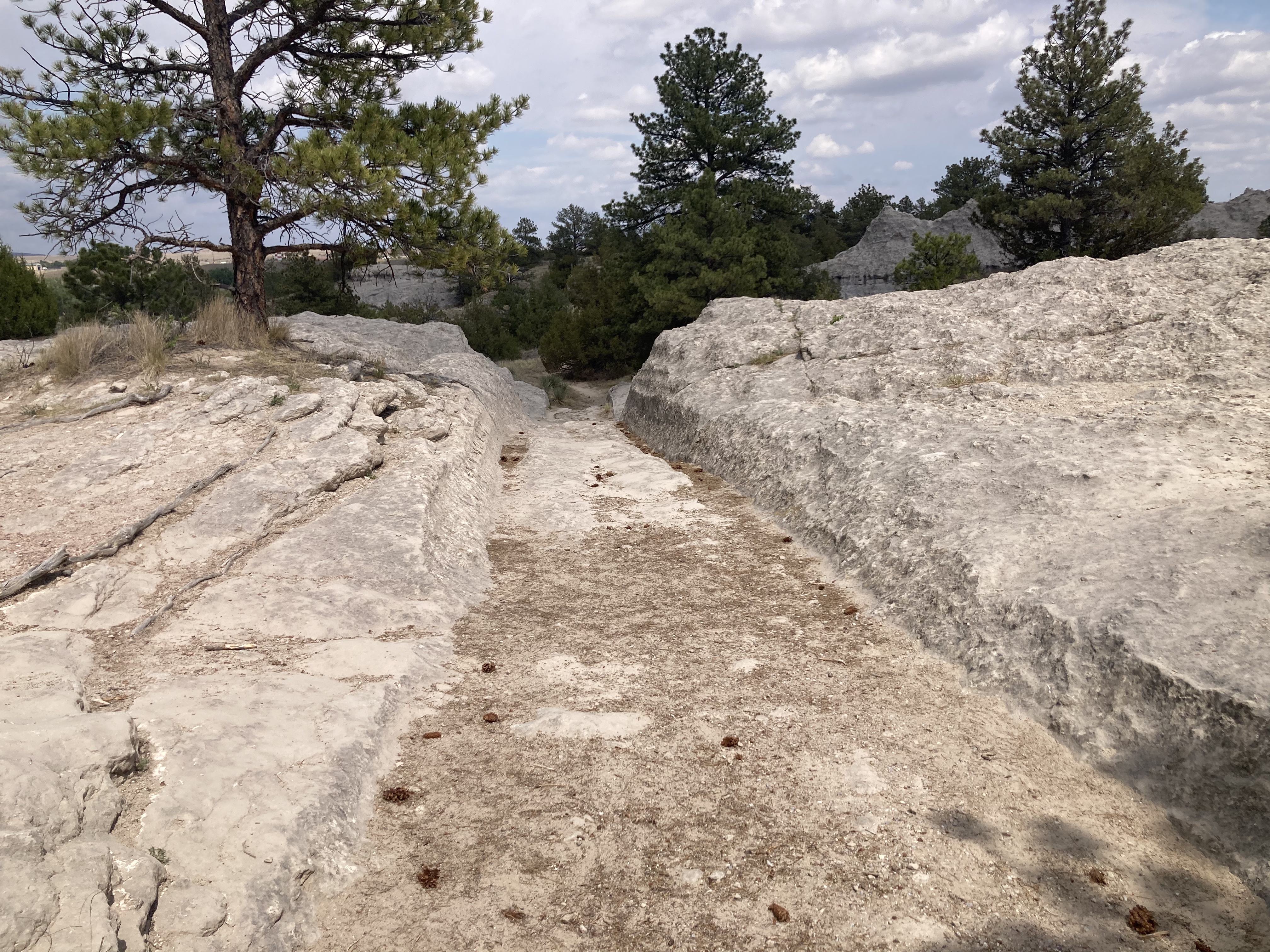
In the 1800s, Americans were encouraged by people like journalist John L. O’Sullivan and President James K. Polk, to believe that they were somehow exceptional people and it was their God-given calling to expand across the continent and settle the land and used this idea to justify their action of moving indigenous populations from the land they’d lived on for millennia. Descendants of settlers in the eastern region of the country responded to the government’s idea of Manifest Destiny and progressively moved west. People may have been persuaded that their move west was the patriotic thing to do, but that movement brought about the removal, dislocation, and attempted destruction of native populations across the continent. Generations past that era of westward movement, when I consider now, the enormous loss and ongoing suffering that resulted from the belief in Manifest Destiny, I wonder how to respond in a way that both acknowledges and offers reparation for wrongs done.
We live in an era of globalization, of world-wide diaspora. Much of the world lives in locations where they don’t share a long history on the land. People move, adapt to new cultures, learn other people’s histories and stories. Jeanette Winterson, in Frankissstein: A Love Story, writes, “I believe that the modern diaspora–that so many of us find ourselves somewhere else, migrants of some kind–global, multicultural, less rooted, less dependent on our immediate history of family or country to shape ourselves–all of that is preparing us for a looser and freer understanding of ourselves as content whose context can change.” In a world of constant movement and dislocation, how do we develop connections with the soil we walk on and the land around us in such a way that we develop an awareness of its gifts, and needs so that we live in reciprocity with it?
I think about my settler descendants who left their home countries and came to this land in search of a better life. That happened a few hundred years ago. If I returned to the country my ancestors originated from to live, I’d be considered foreign and an outsider. Where is home when you’re no longer connected to the land and traditions your people originated from, and your history of the area is weak? Maybe home isn’t just one place. Maybe we carry home inside of us. It could be that home isn’t just a place with a particular country’s name, or a town where we were born. Perhaps there’s a larger something that connects us and creates a sense of home such as the values, ideals and dreams we hold—the idea that what unites us is larger than what divides us—a desire for respect, to matter, to sense others care about us and to feel we belong. We develop a sense of home over time by interacting with the land, its history, and the history of the people who have lived there.
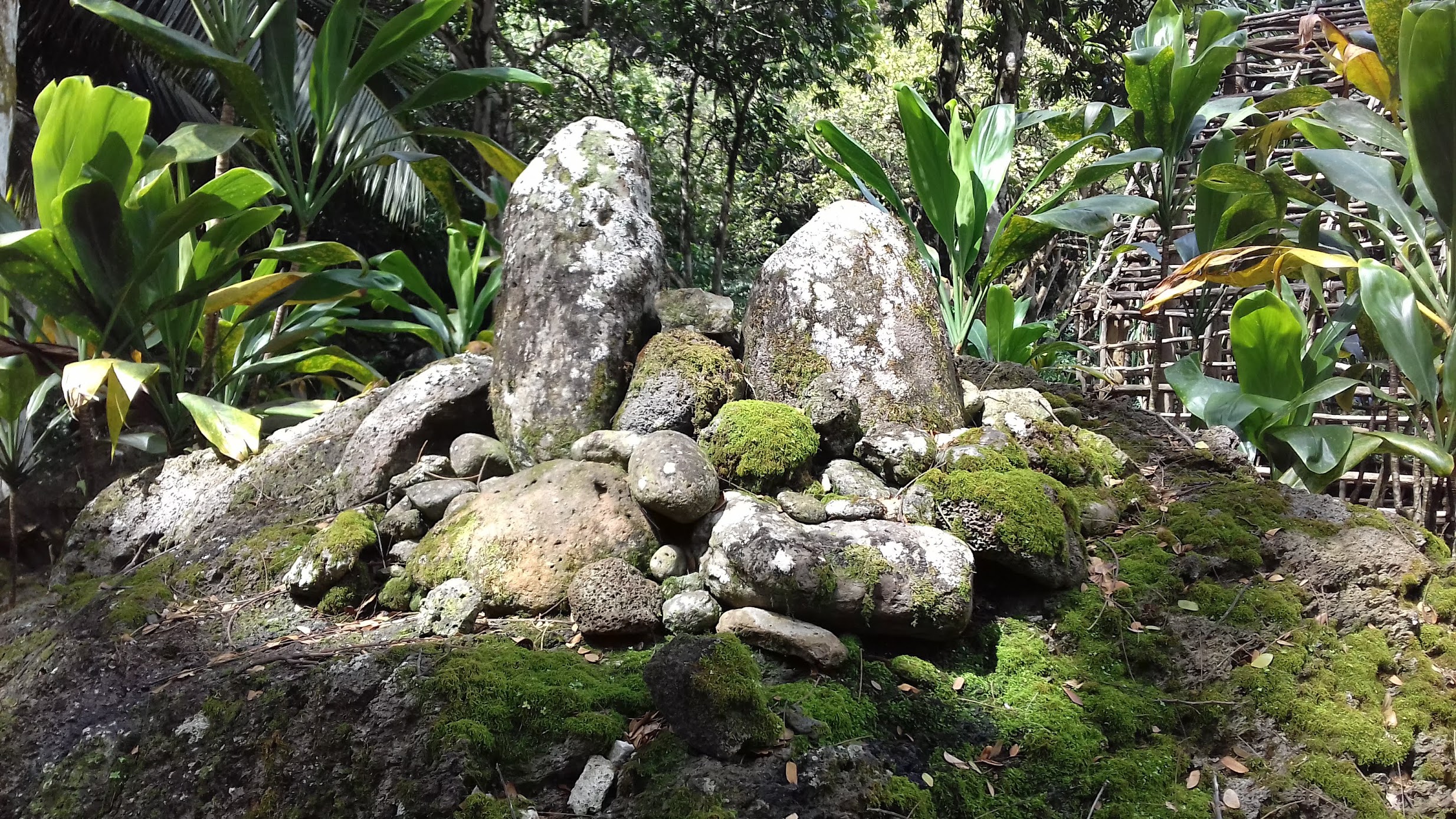
Hawaiian’s use word the word kahu for entrusted with safekeeping something precious. This is how I want to respond to the land I live on and call home. I want to interact with it as a place of precious earth entrusted to my safekeeping. I want to pay attention to it and its needs, add to its life in a way that engenders life. I want to care for the soil and nurture it, grow things there that enhance the lives of other beings. Daily the bees hover over the lavender in the front yard, hummingbirds feed on the pineapple sage’s red blossoms. There’s also a multitude of life supporting essences I can’t see at all, that dwell in the soil. “A gram of soil—about a quarter of a teaspoon—can easily contain a billion bacterial cells and several miles of fungal filaments,” says Kate Scow, soil science and microbial ecology professor at UC Davis in the Department of Land, Air and Water Resources. What makes a place we call home is in a larger part dependent on the ongoing interactions of the natural world that create the foundation that builds and sustains our lives.
The poet Gary Snyder writes, “For Americans, the real work is becoming native to North America. The real work is becoming native in your heart, coming to understand we really live here, that this is really the continent we’re on and that our loyalties are here, to these mountains and rivers, to these plant zones, to these creatures. The real work involves developing a loyalty that goes back before the formation of any nation state, back billions of years and thousands of years into the future. The real work is accepting citizenship in the continent itself.” To become native in our hearts, to give loyalties to the land we live on and its creatures, in whatever land you find yourself. This is a significant way in which to make reparation and deepen our sense of being at home.
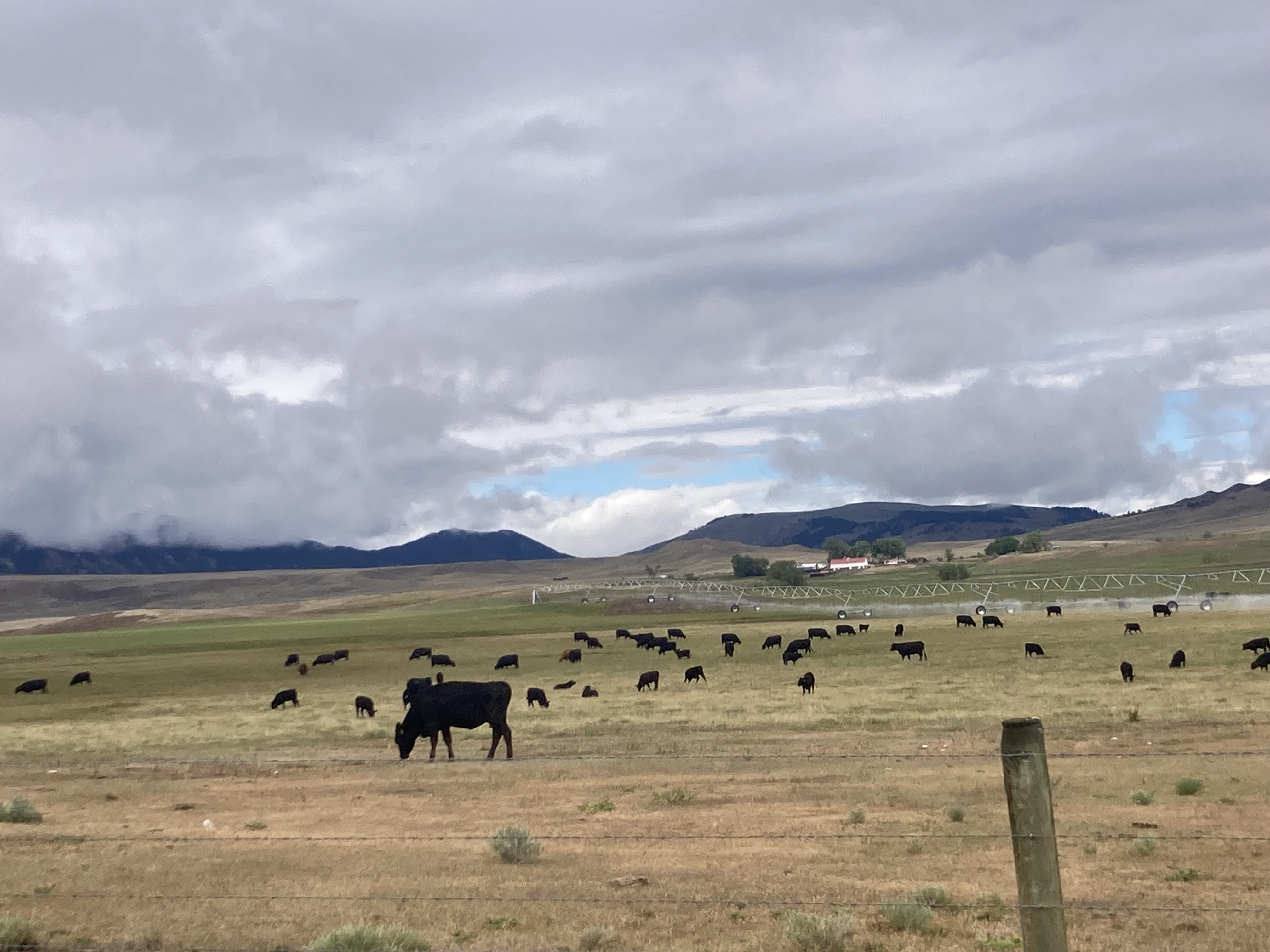
Recent world events have highlighted how closely we are tied together globally. Certain people in world leadership positions have sought to confiscate resources and control land and people for their own benefit. The flow of oil has been cut off as the result, affecting the supply chains, economy, and lives of those around the world. The motives for the attacks on Iran replay in modified form the ideas beneath Manifest Destiny. They reflect the effort to reshape the world for those who want to hold power and expand their possession of it.
One way to respond to this power play could be to focus our attention beyond our nationalities and to turn our attention toward a larger vision of loyalty, one centered on the land itself. In caring for the land, we also care for ourselves as well as for each other. How might we live differently were we to visualize ourselves in a partnership with land that needs us to recognize we are in relationship with it? In the poem, “Gardening” from Stories We Didn’t Tell, my character Adah moved to Des Moines, Iowa, in 1918 where she begins working in a garden. In the last portion of the poem, Adah talks about the challenges and benefits of gardening.
I’m working to make a garden
at Gerard’s parents’ house here in Des Moines.
I plant and mulch, weed and water, trim back
dead leaves from iris and daffodils, celebrate
the potatoes’ arrival, harvest beans and peas.
I care for the garden, and it gives me
bright blooms and fruit hanging from long vines.
So much life!
No matter how we faithfully dedicate ourselves
to care for another. Still, we carry a weight
of ignorance along with us as well.
Still, we step on each other blindly.
Creating a garden requires patience.
Every day I’m bending over a hundred times,
I’m on my knees pulling weeds.
One thing I know for certain,
it takes humility to tend a garden.
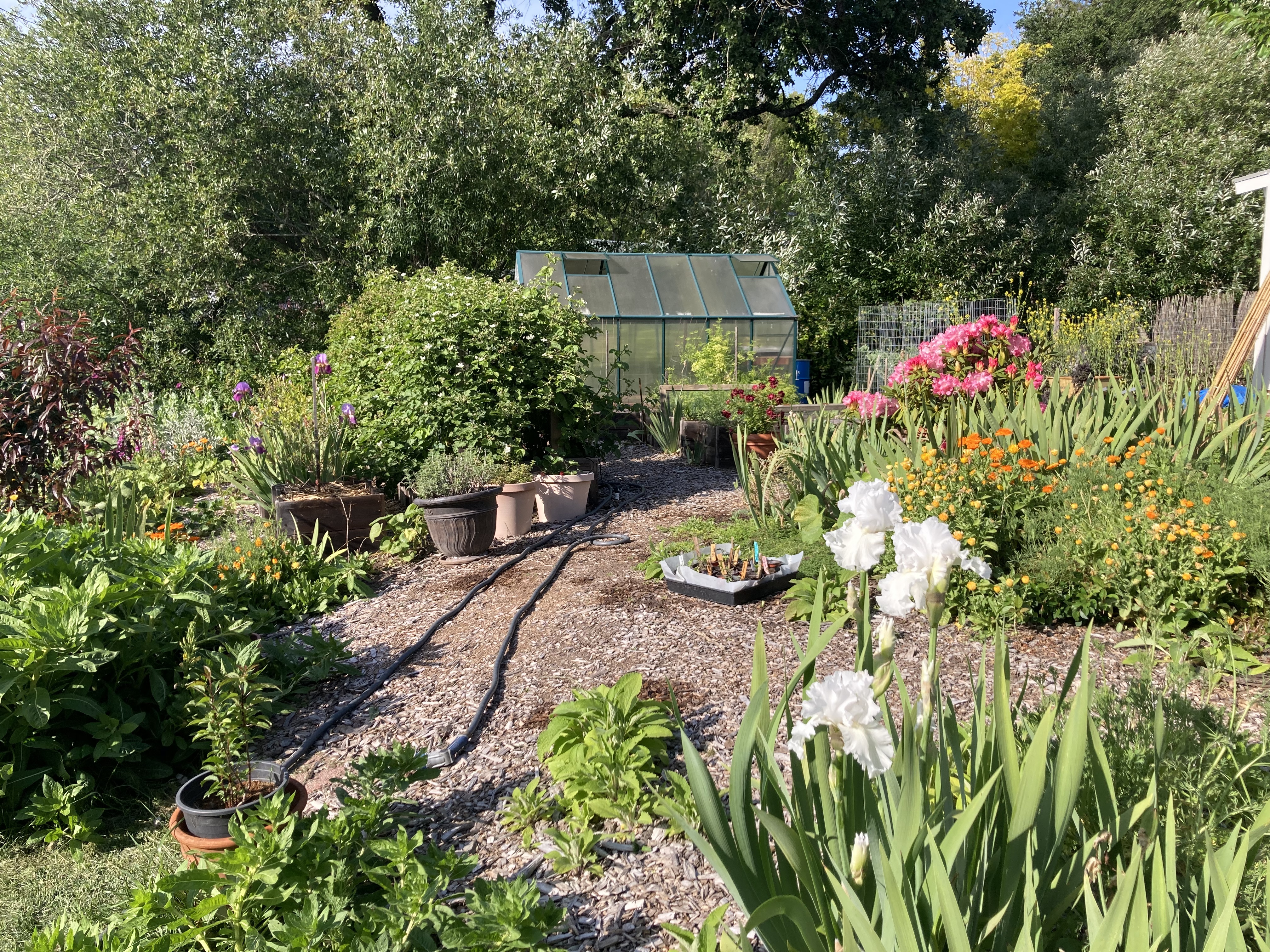
Gardening and planting are work, and that work is, indeed, humbling. Creative work requires time and ongoing dedication and effort. It also expands life. Robin Wall Kimmerer has begun a movement she calls Plant Baby Plant. Kimmerer notes how plants generously offer us food, life, medicine and air, but we live in an “economic system that relentlessly asks, “What more can we take from the Earth?”’ She suggests that in “creative resistance” we pick up a shovel and “will ourselves with the good green earth, not against it.” She encourages people to gather to “plant trees, raise gardens…protect wetlands, restore prairies, create native plant landscapes in homes, churches, school yards, and parking lots.” Such action connects us with each other and the earth to “heal the land and build community” in tangible ways, reimagining “our collective future rooted in reciprocity.” Making the effort to interact with the living earth in this way can reshape our thinking about who we are, what we belong to, and what matters. We can live a different story, one that imagines healing and whose presence nurtures and restores. We can start simply, go together with others. And keep going.
True, there are ways people have both knowingly and unknowingly added to the suffering others have experienced. There are horrors that have purposely been carried out or explained away in the name of righteous action. But we can turn toward other stories. Here in the northern hemisphere, it’s autumn. Trees are losing their leaves, a suggestion that periodically it’s a good to drop the leaves of old stories. The horrors we inherited need to fall and dissolve into the soil so renewal can later arise and give new life. The Hopi people have a saying, “Take the breath of the new dawn and make it part of you. It will give you strength.”