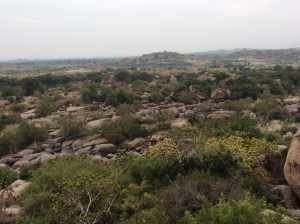
community, place, trees, Uncategorized

Our Many Homes

When researching for my book A Space Between, I learned histories, geographies, and perspectives I was previously unaware of. Though born an American citizen, there are many histories I am unaware of even in my own place of birth. Locations we inhabit today are the crossroads of many histories and people. As Italo Calvino showed in his book, Invisible Cities, the place we live contains many worlds.

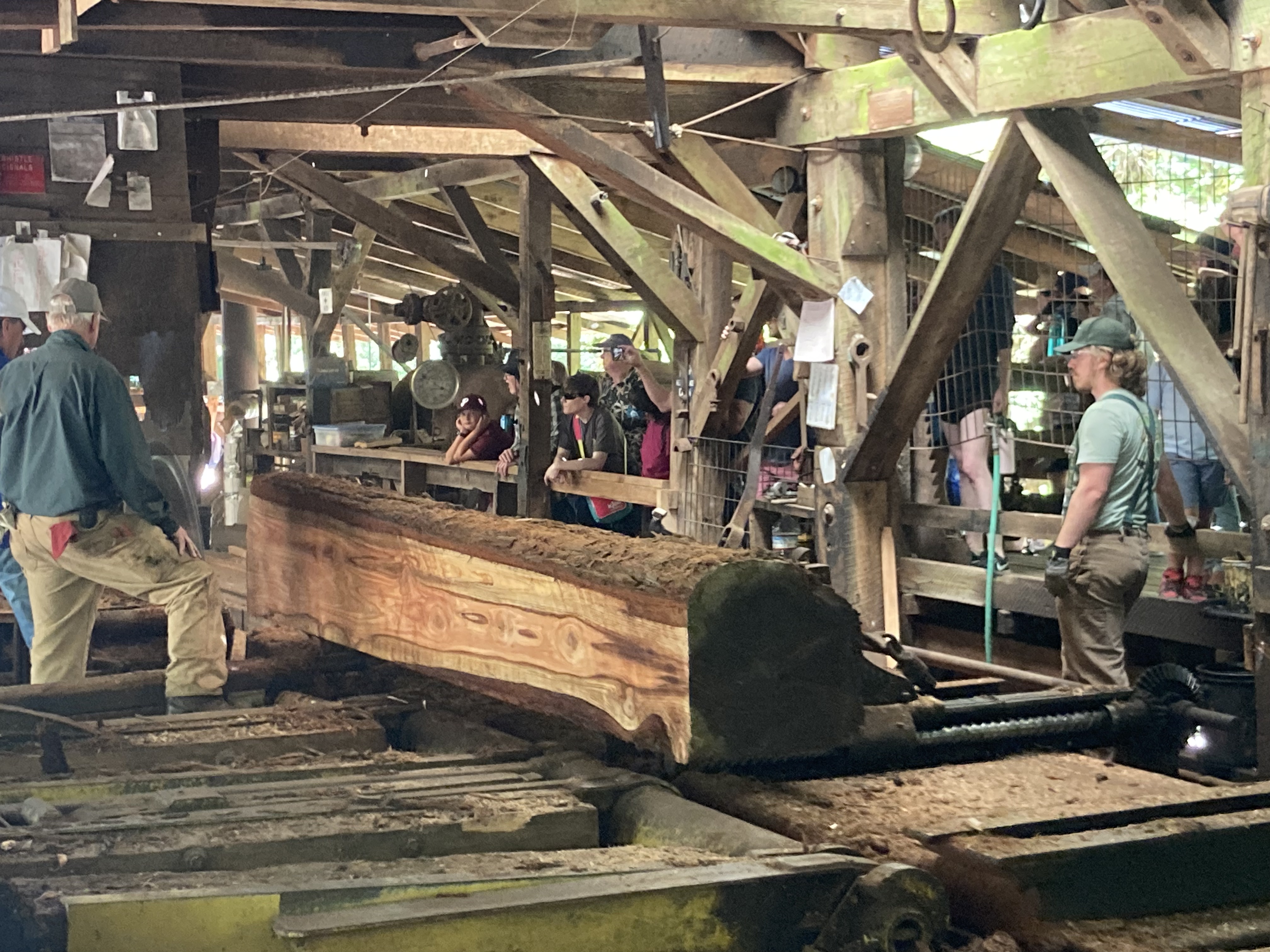
Recently, I visited Sturgeon’s Mill in Sonoma County where I observed the mill, in operation a only few days a year, that cut redwoods that provided the lumber for rebuilding houses after the 1906 San Francisco earthquake and subsequent great fire where over 3,000 people died and 80% of the city was destroyed. To date, that quake remains the deadliest in US history. According to Redwood Ed: A Guide To The Coast Redwoods For Learners and Teachers, in 1905 85-90% of the redwood forests were not yet logged. (You can view several astonishing historical photos of loggers cutting redwoods on this site when scrolling down.) The mill is steam powered, and still operates four weekends a year run by a group of volunteers.

A visit to Sturgeon’s Mill allows observers a glimpse of how redwood was processed into lumber used for building during the era before and after the 1906 San Francisco quake and fire. Old-growth redwood forests store at least three times more carbon above ground than any other forest on earth,” says Altea George. When traveling through San Francisco’s neighborhoods today, however, the disappearance of much of California’s redwoods in the effort to rebuild the city after the quake isn’t something we often think about.
Though the value of preserving forests is better understood now than it was in the last century, following WW2 between 1945 and 1948, sawmills around the Bay Area more than tripled. A further housing boom in the 1960s added to the demand for redwood and fir lumber. “Today over 95% of the original redwood forest area has been logged at least once.”

Redwood stump at Armstrong Woods State Park, California

Our homes today are the result of ideas and products from many origins we’re often not conscious of. As Kamala Harris has stated, “You exist in the context of all in which you live and what came before you.” Wherever we go, we carry our histories with us. Our ancestors’ histories and modes of thinking have shaped our lives and way of being in the world. Those living in California’s wider Bay Area still inhabit many houses constructed with redwood taken from forests after the 1906 quake. The quake led to changes in the way commercial buildings are made. Previous to the quake, concrete buildings were thought ugly. Because concrete is an inflexible material, people didn’t want to use it in an earthquake zone. One building that didn’t fall during the quake, the Bekins building , was made of steel reinforced concrete. This observation led to a change in building codes in 1908 influencing the way urban structures are built in cities today.
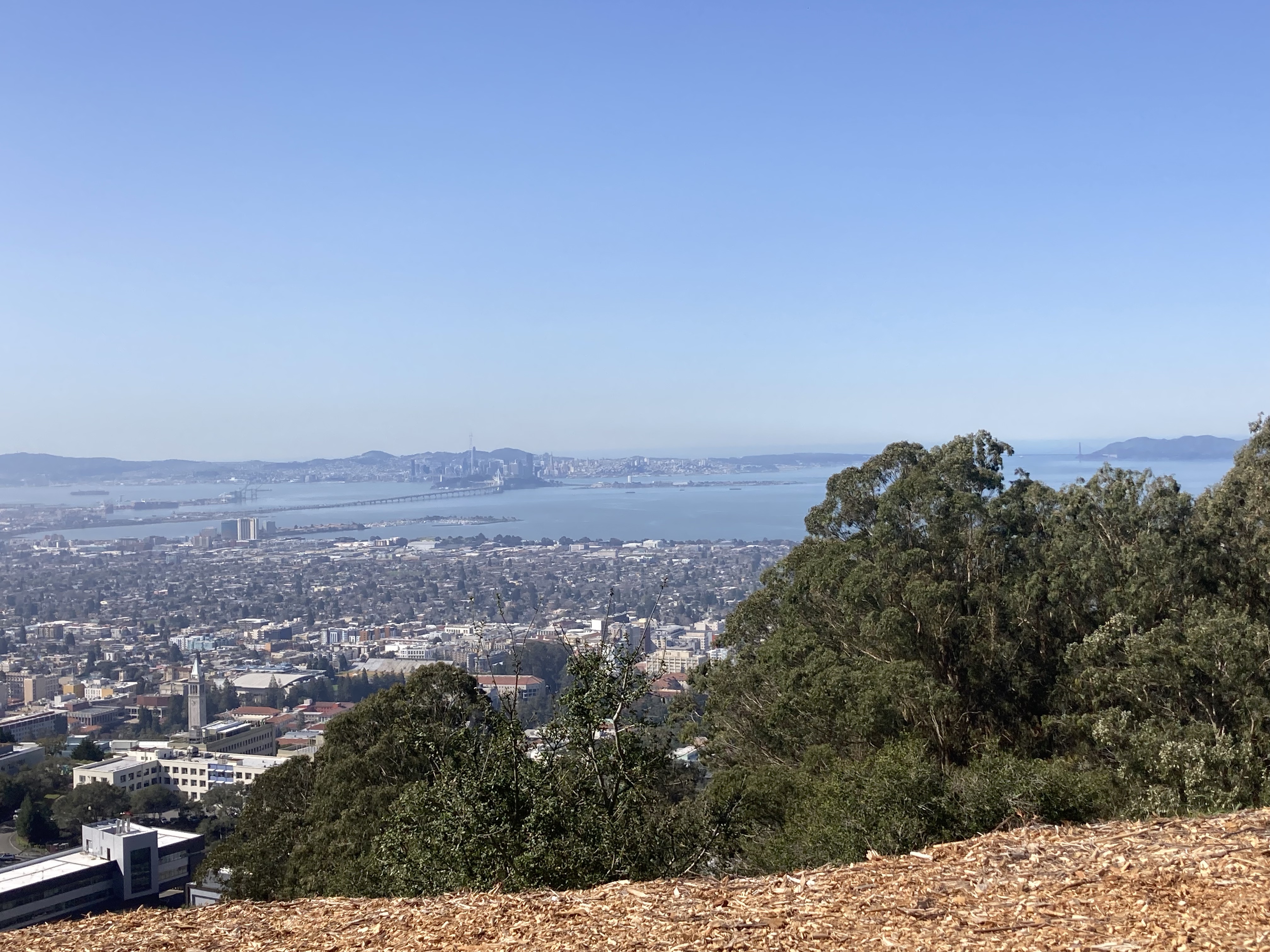
A California native, I grew up on a hillside strewn with granite boulders and covered with yellow grass. Evenings, I listened to cricket throb and coyotes calling across the valley. Soundscape ecologist Bernie Krause tells us, “Every soundscape that springs from a wild habitat generates its own unique signature, one that contains incredible amounts of information.” Not only does the built environment help us understand where we are, the land itself speaks in a way that helps us recognize where we are, and I’ve loved the way the land I was born on has sung its shape into my heart. 

I’ve also stood on a red rock resting outside the small town of Wheatland, Wyoming where my mother was born, the plain stretching far into the distance, and sensed its solid presence rise through my feet. Outside Chugwater, Wyoming where my great grandparents and great aunts and uncles lived and worked, I’ve stood in a field between the thick grassy strands of wheat and felt its welcome, touching vicariously the land of my origin though I’ve never lived there. 

Driving down roadways, we move with the traffic’s flow, all those around us carrying their own histories and stories. Whitman wrote, “(I am large, I contain multitudes.)” We don’t have to have lived in a place to sense a connection to it. Many homes coexist in us. There’s the home of our native tongue, the home of our way of seeing and thinking, and the home of particular clothes we wear that allow us to feel relaxed. There’s the home of foods that comfort us such as spaghetti, or tom kha gai soup, the home of routines with morning tea or coffee, for example, and the home of habits we follow such as reading the morning news, sitting for a morning meditation, or taking an evening stroll. 

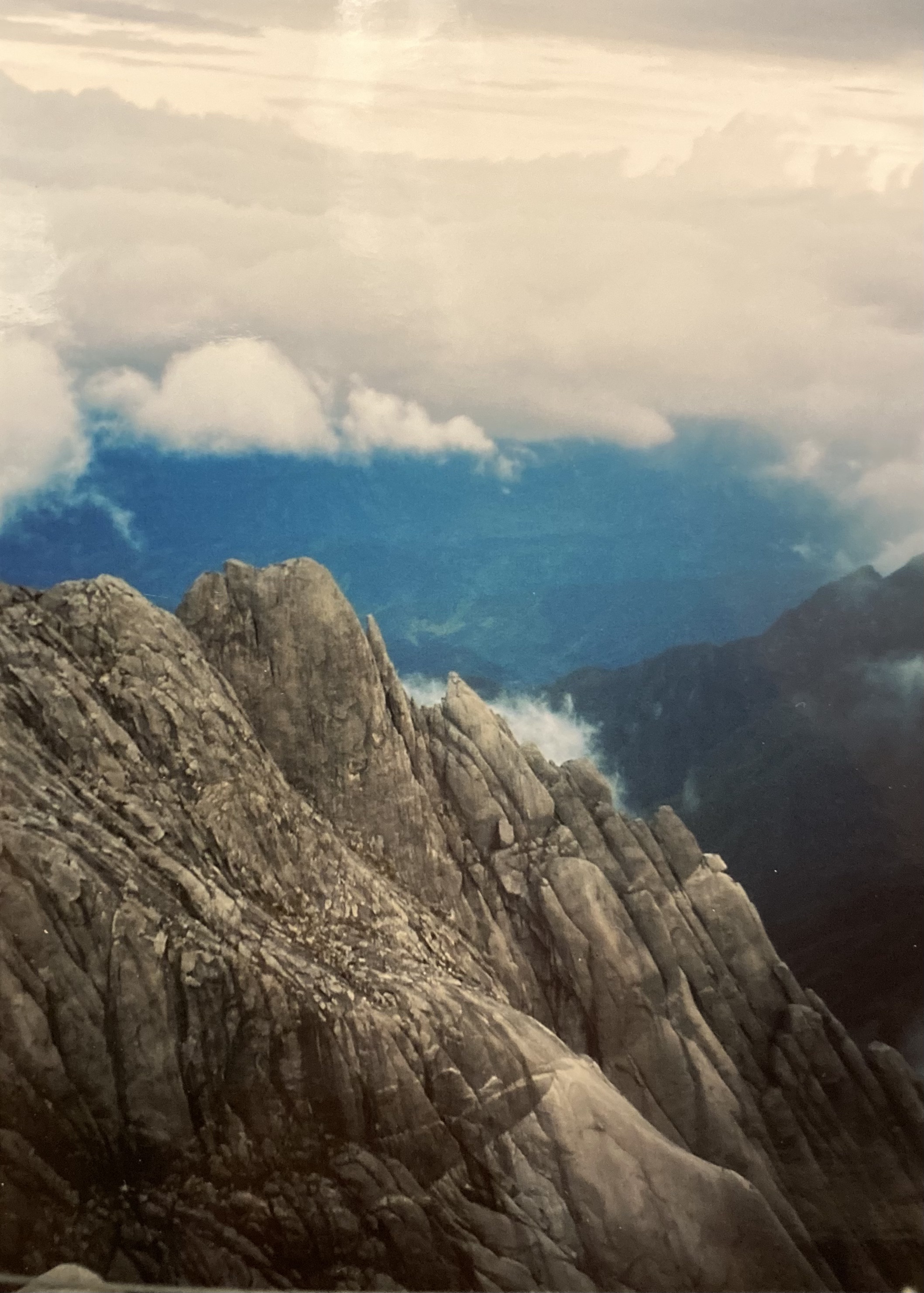
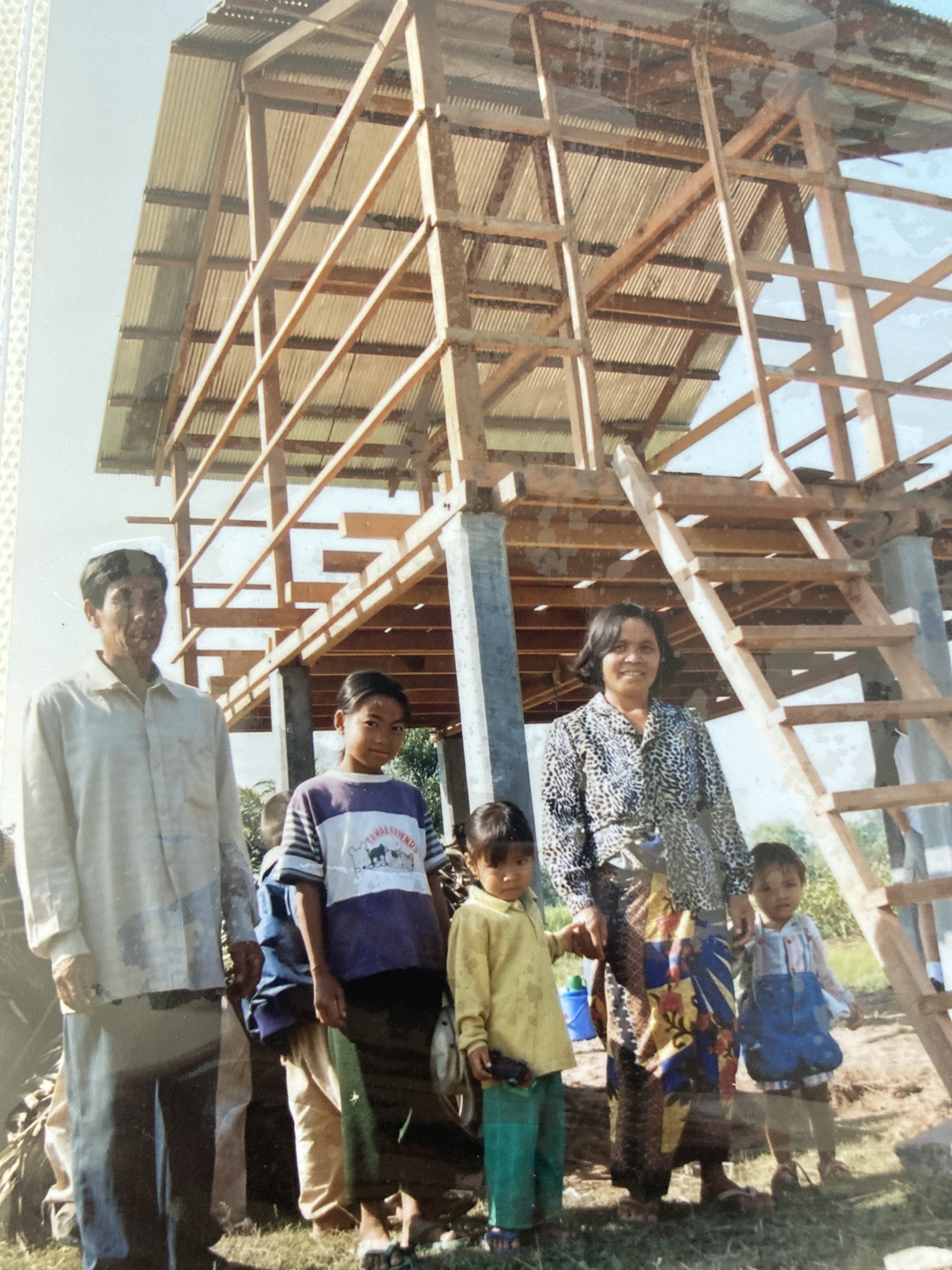
We rely on resources from around the world to create homes we live in. What is the value of knowing the history and origins of our way of life that have come together to create a place we call home? I’ve lived in six different countries outside of the US. Each one has left its imprint and came to feel like a kind of home. We can move across the world, to live in or visit a place that has entirely different protocols for how to eat food or negotiate and still can find connections to those around us, to the city, or the natural world. In Vietnam I’ve stood with hundreds of others in Tien Son Cave who lifted their arms with hands outstretched hoping drops of sacred water. In Saudi I’ve shared iftar after Maghrib prayer, and have stood in an empty lot with students in Kuwait, waiting to be cleared after a bomb threat. I’ve worked with fellow divers and a Cambodian family to build house, celebrated the Mid-Autumn Lantern Festival with friends in Singapore, and endured torrential rains in the forests on Mt. Kinabalu. I’ve attended weddings in New Delhi, and funerals in the US. I’ve ridden calmly to my destination with thousands of strangers on subways in London and St. Petersburg, been swept along by undersea currents near Palau. I’ve walked through Columbia’s Catedral de Sal de Zipaquirá carved by miners beginning in the fifth century BC, and have stood on the African continent’s southernmost edge and thought of the many ships that sailed past its windy coast whose voyages changed the shape of history. Each experience and countless others have helped me understand that though I was born in a particular place, my actions are part of a greater stream of life. All that has come before me as well as the variety of ways people interact with the world shape what I experience at any one point in time. What we call home is a collective making. Each of us are part of a greater whole. As Whitman writes in Leaves of Grass, “Past and present and future are not disjointed but joined.” Each of us is a continuation of the past, an embodiment of the present. We hold the future in the way we pass on our thoughts and carryout our actions and intentions.

William Stafford, in his poem, “Being a Person,” writes,

Be a person here. Stand by the river, invoke
the owls. Invoke winter, then spring.
Let any season that wants to come here make its own
call. After that sound goes away, wait.
A slow bubble rises through the earth
and begins to include sky, stars, all space,
even the outracing, expanding thought.
Come back and hear the little sound again.
Suddenly this dream you are having matches
everyone’s dream, and the result is the world.
If a different call came there wouldn’t be any
world, or you, or the river, or the owls calling.
How you stand here is important. How you
listen for the next things to happen. How you breathe.

Though we are born into a particular place in time and way of thinking, we benefit from expanding our awareness of the worlds and people that create the place we call home. We can renew our lives through choosing to be hospitable to new ideas and ways of being, even seemingly foreign ones. Here’s a few possibilities: Ask relatives about the stories of their lives and the experiences that shaped them. Try taking a new route home or tasting a new food. Listen to a type of music you’re not familiar with. Practice a few phrases in a language you don’t know. Visit an art gallery and read about how that art connects to the thinking of a particular era. Read about the history of your city. Find out the names of plants on your street, which are native to your area and which aren’t. Learn the story of a bridge or building in your area. Have a conversation with someone of a different background, age, or ability level from you. Listen to what they tell you about their lives. Look for new insights and connections. There are many ways to renew and expand our experience of home and to be at home with those around us.

Every day we make use of ideas or rely on inventions passed on to us from elsewhere and previous times. The wheel, the battery, and the telephone–we rely on myriad things that weren’t part of our original human home. Languages borrow words from other languages when there’s no equivalent in one’s own language. For example, the Turkish language has borrowed the word asansör  from the French ascenceur (elevator in English) and the Japanese language has borrowed arubaito アルバイトfrom the German word for part-time job arbeit. None of us are the product of a single, unified story. Embracing new words, ideas, and even worlds can enable us to thrive and grow whole.

Lumber mills like Sturgeon’s here in Sonoma County that cut the redwoods that rebuilt San Francisco after the 1906 quake changed California’s environment. Ancient redwood forests once occupied 2 million acres. After visiting redwoods near Eureka, California, John Reid in his opinion article “Thinking Long-Term: Why We Should Bring Back Redwood Forests” published on the Yale School of the Environment‘s website writes, “The beginning of the old growth is like a threshold between beauty and magic. The giants make time visible. Which makes me think a thousand years forward. If an entire landscape of this should exist in the year 3023, students of our culture may be tempted to conclude that, in our time, forests were sacred.” We share the world together with our neighbors as well as those across the world. What are your dreams for the kind of home you want to inhabit? Most of us would like to live in a world that is both beautiful and kind. As Stafford says, “this dream you are having matches/ everyone’s dream, and the result is the world…/ How you stand here is important…How you breathe.”
place, Uncategorized

Finding Home

“Once in his life a man ought to concentrate his mind upon the remembered earth. He ought to give himself up to a particular landscape in his experience; to look at it from as many angles as he can, to wonder upon it, to dwell upon it. He ought to imagine that he touches it with his hands at every season and listens to the sounds that are made upon it. He ought to imagine the creatures there and all the faintest motions of the wind. He ought to recollect the glare of the moon and the colors of the dawn and dusk.” –Barry Lopez

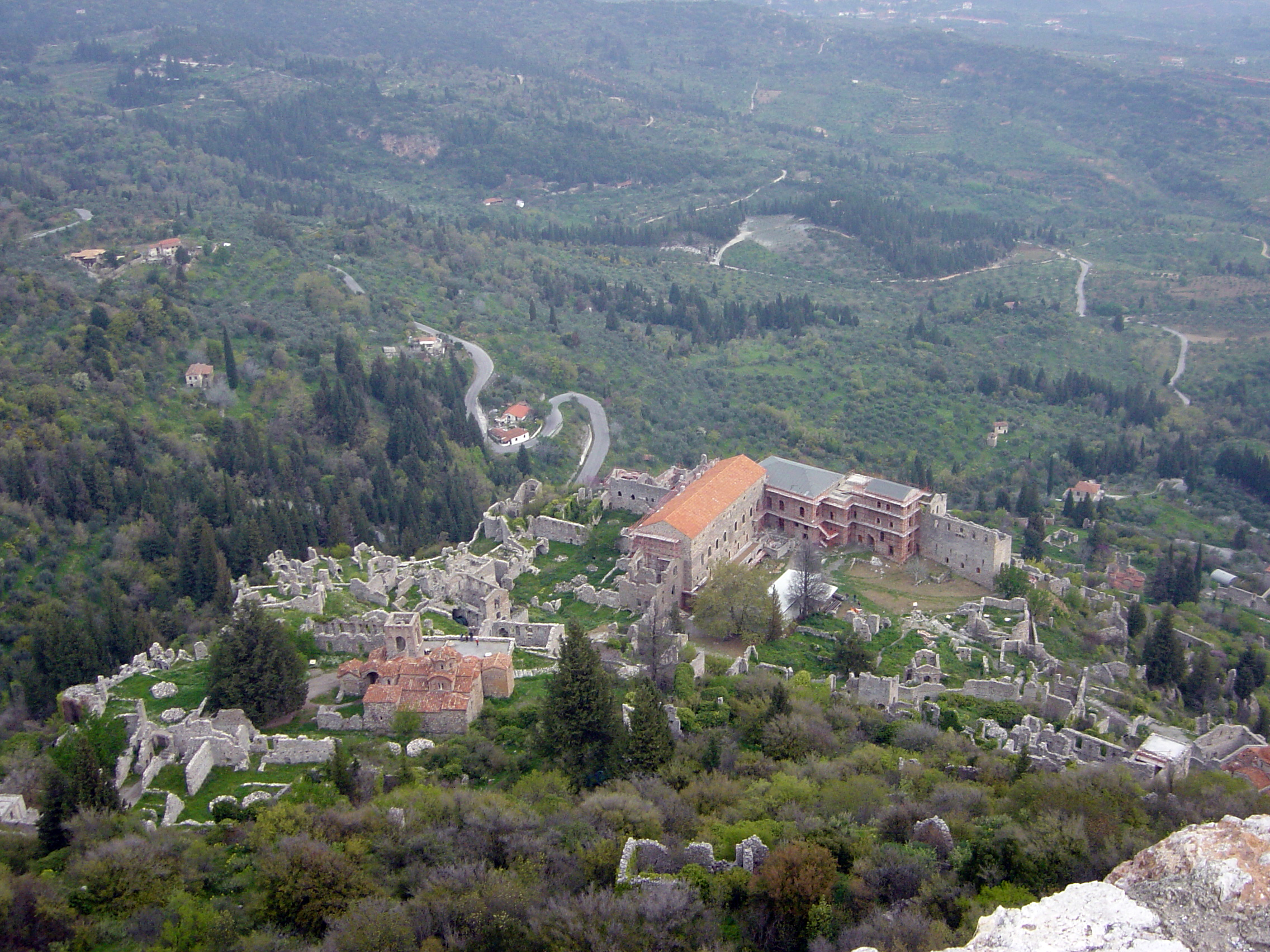
For some time, I’ve thought living in a village would be ideal. Because villages are small, it’s easier to get to know one’s neighbors and to feel a sense of community. A village would be walkable, making it potentially easier to get things one might need such as groceries. Additionally, often the land where villages are located holds stories of human life moving back in time that give the location character. I’ve loved the villages I’ve visited when traveling: Alvito, in southern Italy, Mystras, Greece, Luang Prabang Laos, Villa de Leyva, Colombia, and Antigua, Guatemala. Each one is filled with interest and beauty.

When I moved back to the US after living abroad for over two and a half decades, I wanted to find a village or small town of character in America to visit or possibly to live in. Several small towns I was aware of are Deadwood, South Dakota, Stillwater, Minnesota, Taos, New Mexico, and La Conner, Washington, though there many other locations throughout America with interesting small towns.

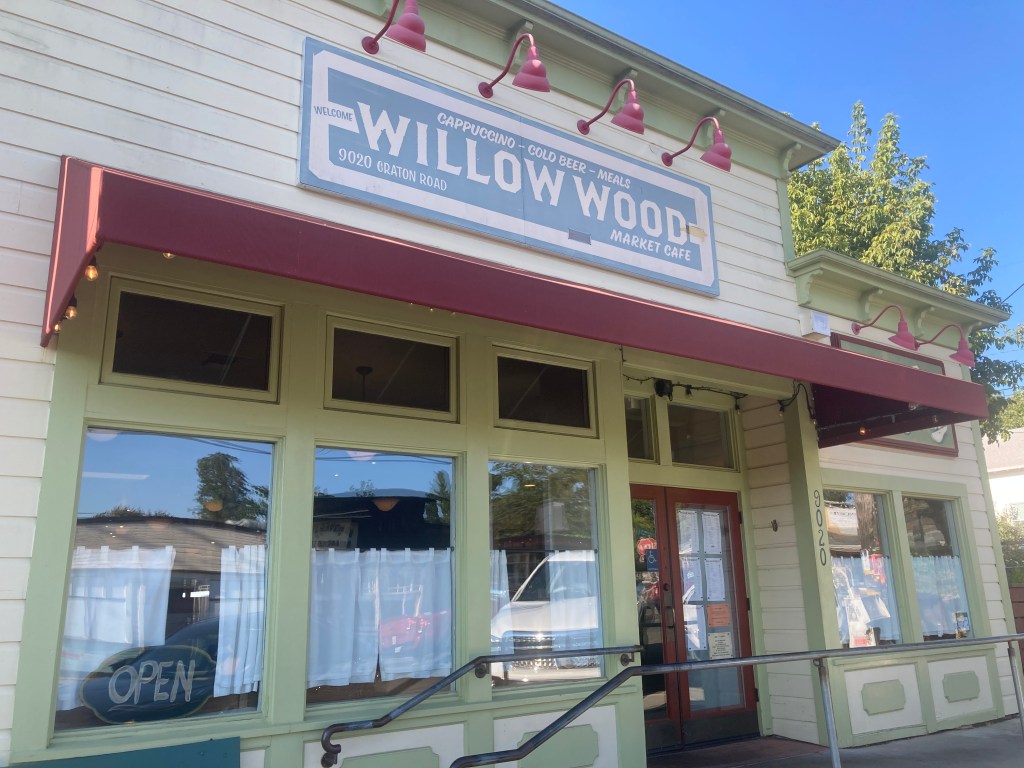
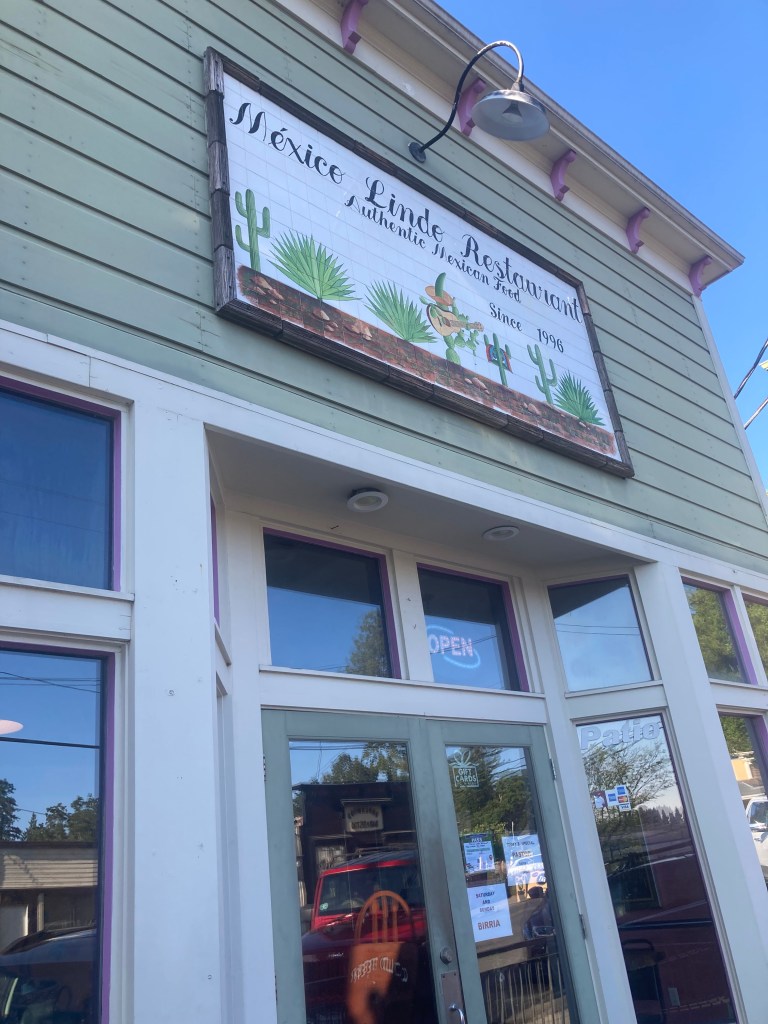
Only a couple of blocks long and a few blocks wide with a population of 1,802 people, I’d never heard of the small community of Graton, California until a little under a year ago. Its small size makes the village very walkable, and in a county known for its good food, the village of Graton has three excellent restaurants known and enjoyed by people in the area. The main street has an art gallery, real estate office, a small liquor/ convenience store, and a couple of antique shops, as well as a few other businesses, and is only a couple of miles from an abundance of other amenities in nearby Sebastopol

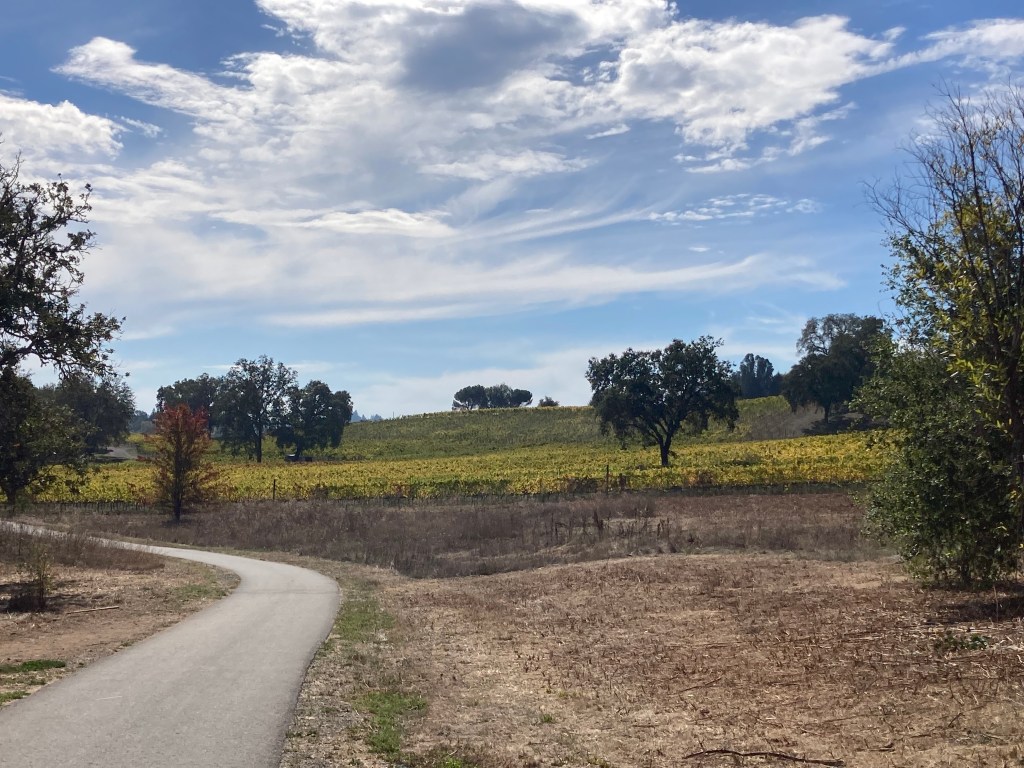
Previously, a railroad came into Graton that has now been converted into the Joe Rodota trail where people can walk or bike beneath oak trees and alongside vineyards as well as a small portion of the Atascadero Creek. Recently, a young local set up an afternoon stand on the side of the path selling his homemade horchata and chocolate chip cookies. This time of year, walking the trail brings the delight of inhaling the sweet scent of ripe blackberries.

Though there are virtually no sidewalks and no city landscaping, Graton is a generally welcoming place with an attractive common area maintained by local citizens known as the Graton Green. Because residents often see each other walking around town or the trail on a regular basis, people often greet each other when passing by.

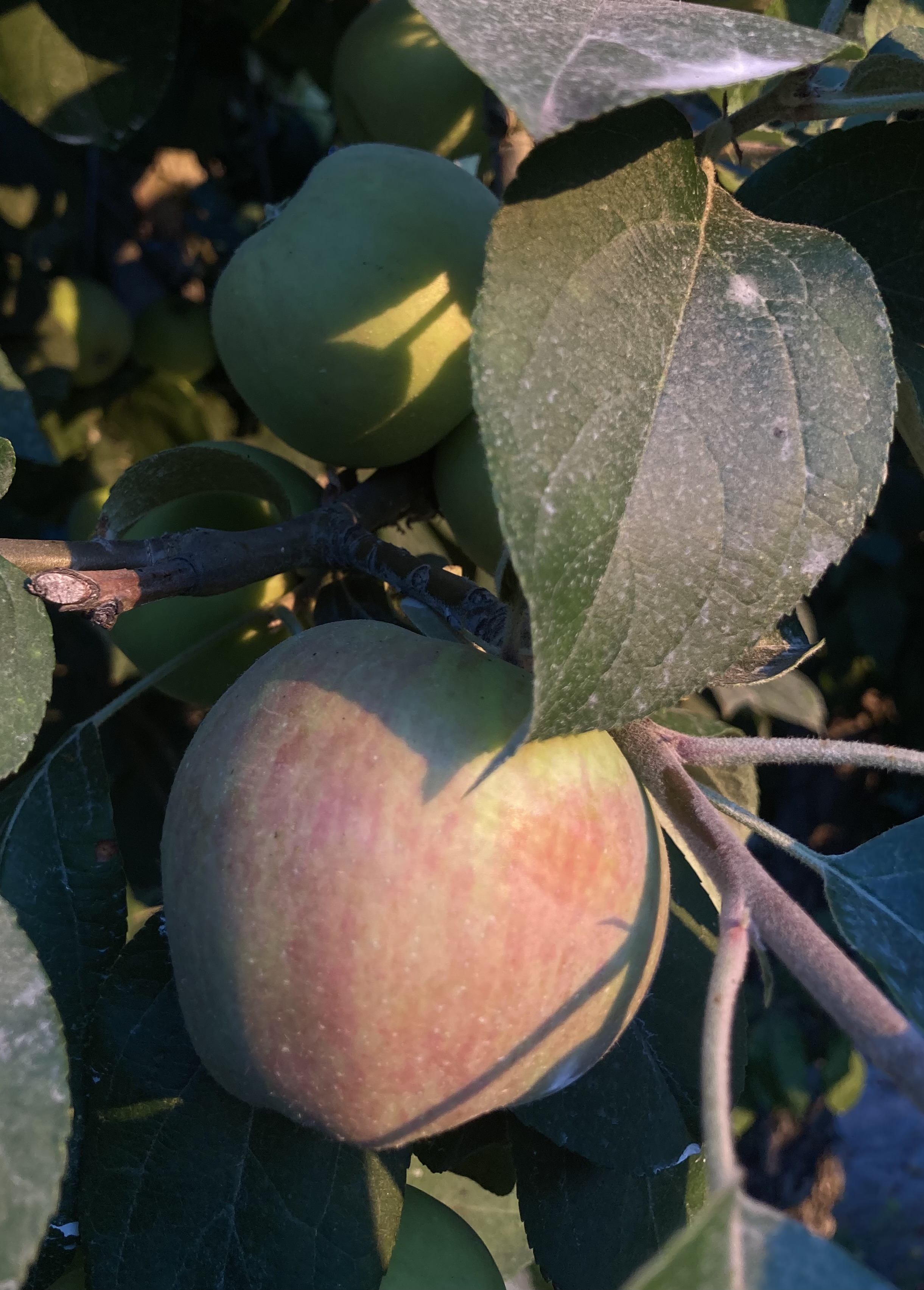
Located directly off the Gravenstein Highway, beauty surrounds Graton with grape vineyards and apple orchards. The highway got its name because of the history reaching back 200 years of Gravenstein apples grown in the area. One story is the apples were brought in by Russian explores who planted the apples up the coast at Fort Ross. In Ariana Reguzzoni’s  interview with the former poet laureate of Sonoma County, Iris Jamahl Dunkle in The Press Democrat, tells a different story about how the Gravenstein apple came to the area in her poetry book, There’s a Ghost in this Machine of Air, explaining the fruit arrived from “the orchards of Italy, where Prince Carl of Denmark vacationed and first tasted the fruit. He brought it back to northern Germany, where it was grafted and bred to withstand ocean travel and, eventually, brought to the shores of Northern California by settlers.”

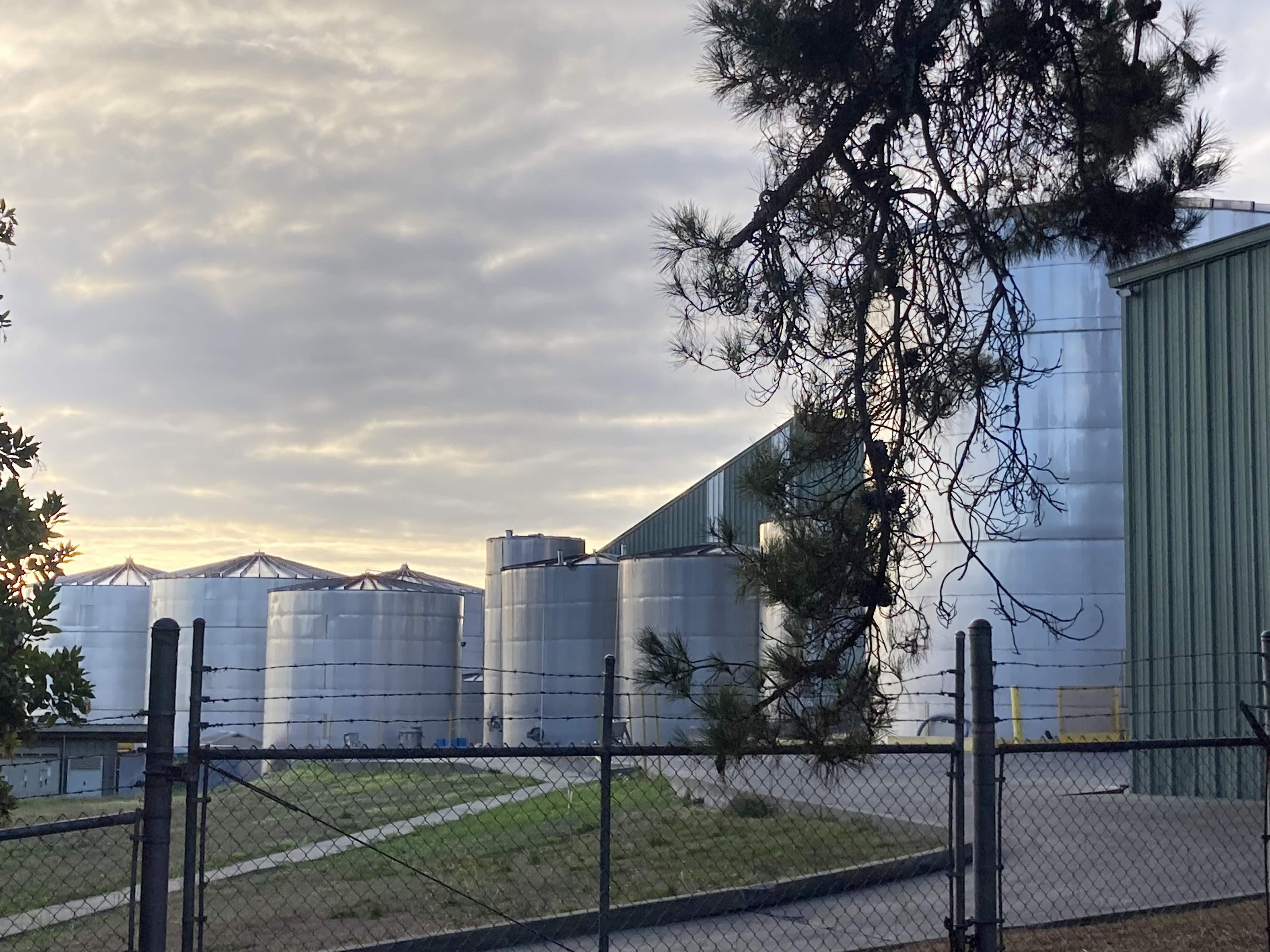
Once a central location for processing Gravenstein apples, this historical photo depicts how the plant in Graton looked in 1909, and here you can see those who sorted and packed the apples, and those working to process the apples. Apples dried in Graton were sent to troops in WW2. Good for cooking in pies and applesauce, the Gravenstein doesn’t keep well in storage and was typically commercially processed through drying it or converting it to applesauce. Now that apples can be transported more easily and don’t have to be dried to be preserved, the Gravenstein apple is no longer in demand. While there’s still an apple processing plant in Graton, many of the apples processed there come from Washington state. As Dunkel describes in her poem in the Cider Press Review, “Sweetbitter,” the fruit connects people “to the stories that still whisper on the low roll of a long travelled / sea where salt, like history, lingers on the air.”

Like other cities and villages across America, the land where Graton is located originally belonged to Native tribes. In Sonoma County, the Native people’s presence of the Cost Miwok and Southern Pomo was recorded by both Russian and Spanish explorers as early as the late 1500s. During the period of the Spanish missions and Mexican occupation of the land, the Coast Miwok and Pomo people were used in servitude for labor. Though their lands were taken from them, the tribes preserved their heritage and cultural identity even after the US federal government no longer recognized the tribe. Through their perseverance and Coast Miwok leader Greg Sarris’s effort, the tribal status was reinstated in 2000. As explained on the Graton Rancheria website, “Since the land of the original Graton Rancheria was transferred to three distributees, now deceased, the only land still belonging to the tribe was a one-acre parcel held in private ownership by one Coast Miwok family.” In 2013 the Graton Resort and Casino located in Rohnert Park south of the village of Graton opened. (A fuller history is available  on the tribe’s website.) 

The land we live on supports us, but often we don’t know much about that land. Commonly, the earth has become merely a backdrop on which human activity plays out. Though we benefit from the land’s gifts, we frequently don’t know the history of the area we inhabit, the stories and myths associated with it. We seldom don’t know what plants and animals are native to our area or what helps them thrive.  When in a relationship with another human, we listen to each other’s stories and respond. We share time, celebrate accomplishments, and learn to take care of each other’s needs. The land has its own way of being, its language and presence. When we see ourselves in a relationship with the land, we can learn how to understand and respond to it, similarly as we would in other relationships. In his book, Becoming Story, Greg Sarris writes, “Land is a richly layered text, a sacred book, each feature of the natural world was a pneumonic peg in which each individuals could see a story connected to other stories and thus know and find themselves home.” (View Sarris’s book trailer here.) 


The place any of us chooses to live, be it a village or an apartment house in an urban location, is not only a physical address with a human history. It is as Sarris describes, “a richly layered text” connected to other stories and places, including the plants and animals that live there and the geologic and geographic history that brought it into its current state. We are affected by the land we live on, even if we aren’t particularly aware of it. Our inner life reacts to the outer world.

In Barry Lopez’s book, Crossing Open Grounds, Lopez writes, “The interior landscape responds to the character and subtlety of an exterior landscape; the shape of the individual mind is affected by land as it is by genes.” There’s a lot of fear in people’s response to information shared regarding the effects climate change will have on our planet. Instead of fear, what if we focused our response on developing a personal relationship with the specific piece of earth we live and walk on? Now is a good time to purposefully notice the plants around us and call them by name, and learn something about their behavior and what they like. Now is a good time to learn the names of animals in our environment—the birds that visit our balcony, perhaps, or the mammals that used to inhabit the area before urbanization took hold. Now is a good time to listen to the various languages and sounds of the earth, to nurture a friendship with the other and more than human world. 
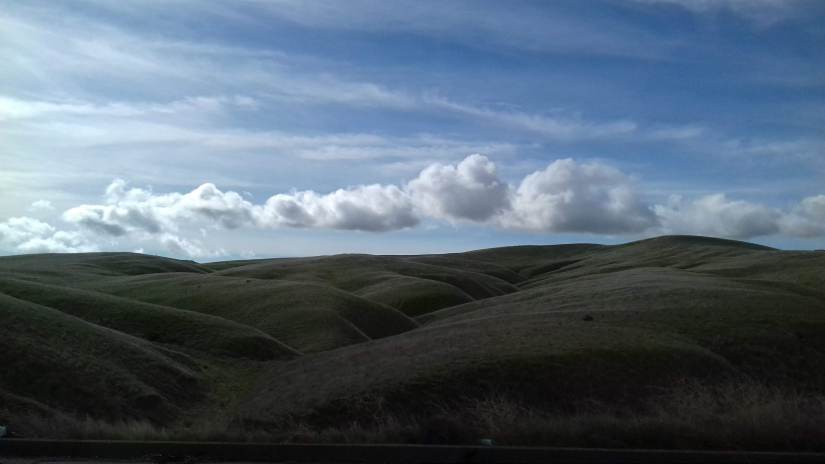

David George Haskell offers a wonderful practice for helping us learn how to do that. “Sound,” writes Haskell “…carries within it the imprints of deep time. Listening roots us in the stories of the ancient Earth.” On Emergence Magazine’s site, Haskell invites us to participate in several playful listening practices. One suggestion is to pause for five minutes at “pre-selected intervals” at different times of the day and to “send our sensory awareness out into the world to see what stirs.” Afterwards, he recommends reflecting on the shapes of the sounds.
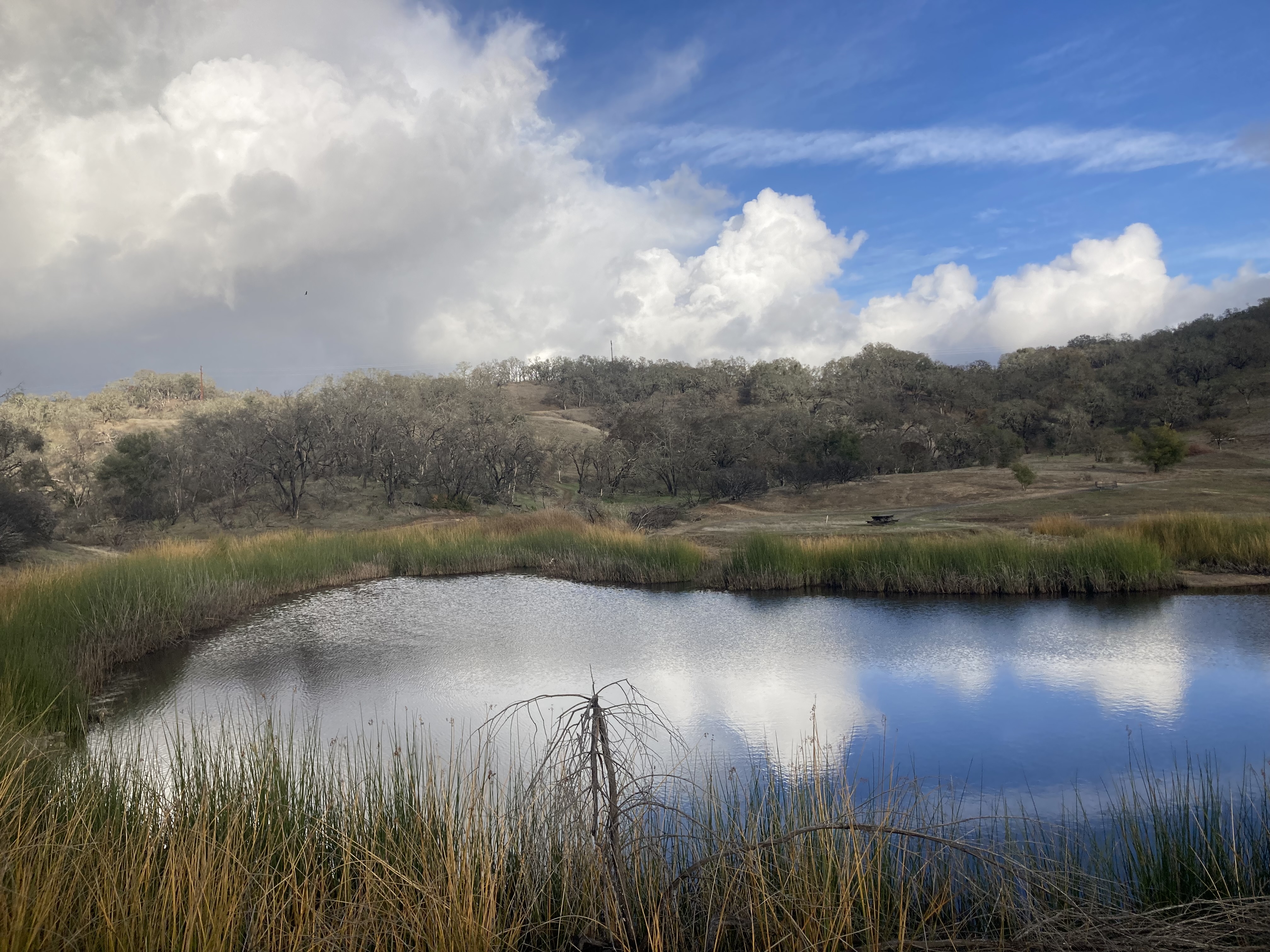
Wherever you live, I hope you find ways to nurture your sense of belonging and friendship with the land you walk on and call home.

gardening, place, poetry, Presence, Uncategorized, Wonder

Wrapped in Green

I arise today
Through the strength of heaven:
Light of sun,
Radiance of moon,
Splendor of fire,
Speed of lightning,
Swiftness of wind,
Depth of sea,
Stability of earth,
Firmness of rock.
From St. Patrick’s Breastplate Prayer

After living indoors for weeks because of winter storms bringing record snowfall and ongoing rain or or working inside for months, when finally able to walk outside in the green world, we feel its life-giving qualities. Today, a pause between atmospheric rivers, was just such a day, making it possible to wander down a path in our area we’ve not walked before. It’s a delight to take a path, not knowing exactly where it goes, simply to follow it and see what presents itself. Wild flowers, leaf-perfumed air, and birds gliding through got me thinking about how the weather affects the weather of my inner garden. After a walk at Helen Putnam Regional Park, the weather in my inner garden is one of calm skies with soft light with the chance sprinkle of blossoms.

There is much to be said for the wonder of desert lands, the exquisite form that desert worlds reveal. Desert scapes bring us in direct contact with the Earth’s elemental shape, the magnificence of mineral texture, as in this overview in Saudi outside of Jeddah. As beautiful as the desert is, after months of gray skies and the hope of spring in the air, right now I’m longing for green. 

Nature’s green offers tranquility, calm, and restores a sense of wellbeing. New research at Cornell indicates that spend as little as ten minutes a day in nature can help college students feel happier and reduce mental and physical stress. Robert Jimison’s CNN article “Why we all need some green in our lives” states that a “2016 study found that living in or near green areas was linked with longer life expectancy and improved mental health in female participants. Another eight year study of 100,000 women showed that those “who lived in the greenest areas had a 12% lower death rate than women living in the least green areas.”

Lucille H. Brockway’s, “science and colonial expansion: the role of the British Royal Botanic garden,” clarifies how Britain, (and the West in general) has historically viewed the plant world as an object to be manipulated for bringing economic advantage. Michael Moore’s film, Planet of the Humans, directed by Jeff Gibbs, further demonstrates this idea, emphasizing the dire situation we have brought ourselves into as a result of not living in union with nature in a regenerative way. When the natural world is viewed as merely a backdrop, our spirits become impoverished. It takes time spent in the natural world to be able to hear its language. In his poem, “The Language of Trees,” Eran Williams writes,
 
When we hear the language of trees,
will we hear the season’s pulse,
and find the heart’s beat is but an echo?
 
Nurturing our relationship with nature, as with any relationship, helps us understand its language and way of being. Observe something closely across a period of time, and you will hear the nuances of its voice, discover  its moods in greater depth and detail. We grow in recognition of how our life is connected to the natural world. 
 
There’s a variety of ways we might nurture a relationship with the natural world. Santa Cruz’s Brighton and Jim Denevan’s sand art could be a starting place to encourage you to create our own environmental art. To begin more basically, you could choose to draw a few lines on paper that represents the textures of the sounds around you, or you could photograph patterns or textures in nature, or write a dialog with a neighborhood tree or back balcony flower. You might create a piece of music based on the tones or rhythms in a the landscape or skyscape, or simply create questions about something seen or heard. Alternatively, you might begin learning the names of plants in your neighborhood, find out if they are native or nonnative plants and why that might matter. You might join together with others to go on walks or to appreciate something in nature such as ferns, rocks, or clouds as do those who have joined the Cloud Appreciation Society.
 
 
As we search for a closer connection and understanding of the natural world, we gradually grow into relationship with it. Nurturing a connection to the natural world nurtures our inner landscapes and garden. When we take care of the earth, it takes care of us. In her poem, Today’s Book of Delights, after Ross Gay, Teresa Williams writes
 
He is right; if we choose to look,
we just might believe it’s there
in the first chirp of the day and the body awakening to hear it,
in the black wings weaving through champagne leaves,
 
This image is a beautiful one, the kind of image we hope to meet when we go out into nature, but recognizing our connection to the natural world also includes embracing the whole of what it means to be part of the natural world. As the poem concludes, Williams writes about delight even in the midst of diminishing life,
 
or each small note from the universe
and its cheerful persistence, even today,
with a new tumor on the back of my dog’s leg,
to encourage delight
in her oblivious exuberance, and let that be
what sustains me.
 
How difficult it is sometimes to keep on tending our inner gardens when pain or rain, storms and sorrows keep coming. As Willams writes, however, observing and listening to the small notes from the universe can help sustain us.
 
Let the sounds of the Sea of Japan and the gibbon calling in Indonesia carry you across the world. Listen to the sounds of cicada in the Australian bush, or millions of monarch butterflies taking flight in Mexico (flight starting at about 3:40 seconds into the video,) or nightfall on the Zabalo River in Ecuador (scroll to the bottom of the screen page.) Did you know corn “talks” as it grows and that ice can sing as can sand dunes? Listen to the voice of dunes in Colorado and Morocco.  David George Haskel, author of The Songs of Trees, writes how plants help define acoustic quality of a landscape and he has recorded sounds of trees in different time zones and different parts of the world. You can listen to his recordings of a cottonwood at Confluence Park, Denver, and a Green ash in Sewanee, Tennessee or record sounds in your own neighborhood. Rain taps on the roof, wind rustled branches, frogs serenades in spring, there are so many ways nature brings the world alive with sound. Scientists are doing some very interesting things with translating electrical impulses from plants into music. Listen to the rings of a tree as a camera reads the grooves and turns them into notes,  and find a new way to perceive the natural world. Also truly amazing is how you can hear various sounds of our solar system and a compression of 760,00 years of the universe via instruments that pick up and translate radiation belts, solar flares, the big bang into sound. We only have sound here on Earth because Earth has an atmosphere. We can explore more of the planet and universe’s sonic scapes  or listen to how Harvard scientists have translated 400 light years across the Milky Way, the Crab Nebula, and the Supernova 1987A into sound.  The garden of life is immense and imbued with marvel.
 

Poets listen closely to the world around them, interpreting what they mean for how they might take us into the heart of ourselves and the world we inhabit. In the 1994 film, Il Postino, the characters of the postman and Pablo Neruda record the local sounds of their island, with the purpose of helping the postman use metaphor to write a love letter. The earth speaks to us. Listening closely to the earth helps us to write a love letter to being alive.

What are the sounds of your home that have written themselves on your heart? Acoustic ecologist Gordon Hempton says the art of listening is dying but we can open our windows or doors or simply sit calmly in our house and listen. What love letter of the earth do you want to hear over and over. When you listen to your heart’s garden what does it tell you? As Louis Armstrong’s song reminds us, it’s a wonderful world with so much to explore.

place, poetry, Uncategorized

Investments of the Heart

20170527_114249

September Afternoon at Four O’Clock
Marge Piercy

Full in the hand, heavy
with ripeness, perfume spreading
it’s fan: moments now resemble
sweet russet pears glowing
on the bough, peaches warm
from the afternoon sun, amber
and juicy, flesh that can 
make you drunk.

This month I moved from a place I called home for decades in Santa Cruz County, California, a location rich with beauty that has filled me with wonder and gratitude where morning mist drifted between tree-covered hills and summer’s noon sun lifted the redwood’s green scent from the forest floor. Wasps drinking the grapes’ sweetness hummed under the arbor on autumn afternoons, crickets sang at twilight, and at night the horned owls call from among the redwoods.

Bees Among the Arbor Grapes

Though I lived abroad for over two and a half decades in urban environments, I always looked forward to coming home to Santa Cruz County to be restored, a place with a multitude of trails through forests, as well as being near the coast with the sea stretching into the far distance. After rains, moisture rose from the redwood duff and the bay laurels, making the earth smell medicinal green. Walking on that earth, I felt the sweetness of being alive, as if I were tasting one of the pears Marge Percy describes in the opening stanza of her above poem.

Mists Among the Trees Out the Back Door, Soquel

When my husband and I moved to our house in the Soquel Hills of Santa Cruz County years ago, I never suspected I would move, never considered that one day it would be wise to have an easier home to manage and a smaller amount of land to care for. We can’t see all the way to the end of a road we’re traveling on. Needs change, bodies age, environments alter, and so do world economics. As Percy writes,

There is a turn in things
that makes the heart catch.
We are ripening…

Whenever we let go of what we’ve loved and held dear we experience loss. We have to leave behind much in our lives when moving–people we hold dear, pathways we’re familiar with, places that bring us joy, routines we find comfort in and all the many memories place holds–the tree we sat under in afternoons, the hill we rode down on a bicycle, the restaurant where we ate a favorite food, the steps we argued with someone on, the school we graduated from, the storm that carried the bridge away or the quake that tumbled the house’s chimney–griefs and joys–all the many ways we experience the turn of light and the sounds of the earth we walk on through the seasons across years.

Just as we can’t wear the same shoes throughout our lives and a favorite piece of clothing wears out, even though we may not want it to happen or feel unprepared for it when it does, transitions are necessary. Wanted or unwanted, transformations require adjustment, internal and external. If we can arrive at the place of embracing the change as part of a journey rather than a final destination, we can discover new ways of understanding and being in the world. “We are ripening,” Percy calls it. Potential and possibility are there.

As Percy goes on to say,

Whatever happens, whatever,
we say, and hold hard and let
go and go on. In the perfect 
moment the future coils,
a tree inside a pit. Take,
eat, we are each other’s
perfection, the wine of our
mouths is sweet and heavy.
Soon enough comes the vinegar.
The fruit is ripe for the taking
and we take. There is
no other wisdom.

The past, present and future are all contained in the fruit we hold even though we may not fully see it. The seed, the tree, the fruit, the vinegar–reality is all of these simultaneously, not just one of these things by itself–even if one aspect appears more dominant. Vinegar comes, and with it will come, the sour things we don’t like to taste. But the vinegar is not all. There’s also the fruit. “Hold hard,” Percy says. Let what we love be dear. Feel its weight. Taste the flavor of each other’s perfection and the perfection of the world around us in this moment just as it is, the perfection of its imperfection.

Percy also says, “let go and go on.” Hold on. But also let go! Everything around us is in transformation anyway. It is in relationship with each other and with the world around us that through time we transform and become whole. This is how we are each other’s perfection that Percy describes.

Here are trees I lived beside and called my friends, and this is the garden I nurtured that fed me and gave me beauty, and this is the ocean and fields I loved, though there’s so much more inside the experience of each of these—all the ways the land I lived on whispered its life, bestowed its presence, left its imprint. I hold all these, and more, dear.

There are many ways of knowing something. One of them is to live beside it for a long time, to observe it for many seasons and through many kinds of weather and light until in the end it takes on life. You see the same scene but with more depth, with all its nuances, history, subtleties and character. I have left now these things I’ve held dear, but paradoxically, they are still with me and still alive, as are the many other places and people I hold dear who are no longer with me yet still influence how I live.

The evening I left Santa Cruz for the last time to drive up the coast and then inland to my new home, the sun was setting, an ongoing display of dying light in all its beauty. I’ve entered a new world now, further north in Sonoma County. I don’t know where time will take me from here but I’m holding on to the fruit of this experience, savoring it until it’s again time to let go.

“Here is the world. Beautiful and terrible things will happen. Don’t be afraid,” wrote Fredrick Buechner. There’s a lot of uncertainty we collectively face as a planet in the years ahead. Moving is a practice in death and rebirth. I hope I can learn to face every future transformation and not be afraid.

place, poetry, snorkeling, Uncategorized

Buoyant

“If there’s magic on this planet, it’s contained in water.” –Loren Eisley

whale shark, Seychelles

Diving is one of the most otherworldly experience a person can have while still on earth. Immersed in a different world than that of everyday life, one sees wonders that open the heart and boggle the mind with the beauty of the natural world.

Drifting through the water, eyes attentive to fish activity and the surrounding terrain, a diver grows conscious of being both a drop in the ocean and an intimate part of the intricate interweaving of all that is. Snorkeling alongside a whale shark is a rare opportunity allowing a direct experience of that wonder.

WHALE SHARK

Spangled with starry dots and pale streamers on its blue,
night-sky body and the size of a bus, the world’s largest fish,
the whale shark, journeys thousands of miles seeking
warm water and nourishment from the tiniest bits of life
in the shallows, filtering plankton, krill and small fish
through its enormous mouth, along with
a thousand five hundred gallons of water
every hour.

Jumping into the water from the side of the boat,
there it was, ten feet from my body.
I stared directly into the cave of its gigantic mouth.
My entire body could be sucked into its gaping maw.

Thinking of Jonah, I pitched my body
in the opposite direction, swimming hard for escape.

Breathless, I paused to peer down the shark’s long length,
its body’s dazzling radiance.
The ineffable grace of its muscled movement,
colossal tail brushing from side to side.

Effortlessly, the shark glided into water’s seamless, silent expanse,
the stars on its back evaporating into fluid geography.

This isn’t a small life.
Some travel immeasurable distances
to find what feeds the soul.

For a few breathless moments
we feed our yearning, the stardust in our bodies
greeting an ancient light
glowing still, before disappearing
into the invisible.

I’m happy to announce Buoyant, my new book of poems about scuba diving and life inside the sea is now published by Bellowing Ark Press. If you’re not a diver, the poems in this volume will allow you to experience life underwater world while remaining dry. I hope the poems feed your soul.oe

(Let me know if you’d like a copy and I can tell you how to order one.)

Beauty, place, Uncategorized

Wildflowers and Forgotten Worlds

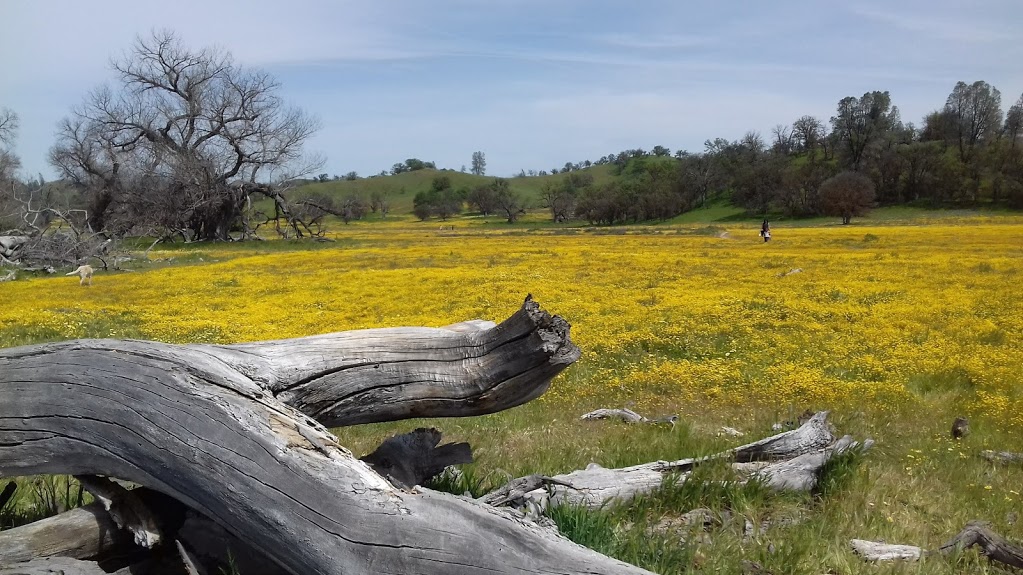
A place of abandoned windmills, trailers and tractors, the Carrizo Plains north of San Luis Obispo, California carries a kind of sadness, an emptiness that fills the landscape’s wideness. In her poem, “Elegance,” Linda Gregg writes, about the neglected world,

All that is uncared for.

Left alone in the stillness
in that pure silence married

to the stillness of nature.

And there is, indeed, an undisturbed stillness to the landscape of the Carrizo Plains, a silence that absorbs you when you step out onto the sea of land and peer out into the far distance, a world that goes on being itself with out much notice from anyone. The wind rises a bit and rattles the grass. Clouds drift by in their silent carousel. Crow sits in her nest atop a tower where once the windmill turned. The countryside here is full of light, but you can feel the shadows waiting beneath the surface, a kind of loneliness.


Tractor, Carizzo Plains

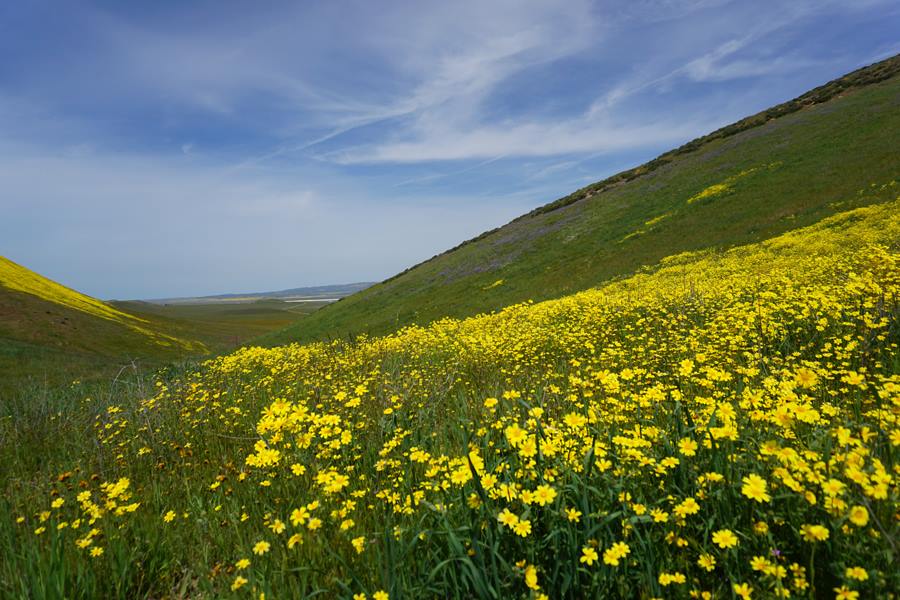
Nevertheless, because these plains are a place left undisturbed by humanities’ hustle, traffic and expectation, something truly grand has the opportunity to appear: wildflowers. After a winter with abundant rain, a super bloom occurs in backcountry areas like the Carrizo Plains. Flowers that have waited for years, at last have the conditions they need to spring forth, forming lakes of lupin and pools of baby blue eyes. Beauty spills its bounty across the hillsides, dusts them in the pink blush of owl’s clover, clothes them in her bejeweled cape of brocaded yellows–gold poppies, topaz fiddlenecks, mustard, butter cups, and bright-eyed tidy tips. The hills reverberate with sun.

People who typically view nature as a backdrop, and who may not know the names of plants in their front yard or on the street where they live drive hours to stare at flowers. They climb hills to get a good view, spread a picnic blanket at the edge of the road, and lug their crying children along with them all for the opportunity to glimpse at the splashes of color for a few hours before making the journey back home. What is there about these flowers that pulls on our spirits so powerfully?

Carrizo Plain


Temporal and rare, we know the burst of color these flowers produce doesn’t last long. If you want to see them, you know you can’t put the journey off for weeks. Flowers do not bend to our schedules and timelines. They live and thrive when they choose, and wither quickly beneath the heat.

There’s something beyond the flowers’ narrow life span that pulls us to them though. Something deep inside us physically responds to what we see and experience, allowing us to feel more at ease, interconnected with the world around us, and with ourselves. We feel more whole. When standing amidst the wildflowers, like others around me, I found myself wordlessly staring out at their colorful bounty, fumbling for how to express the awe I experienced.

Something in us responds to a presence in nature that we recognize as much larger than ourselves and intricately, beautifully complex. Though nature speaks a language we in our consumer oriented society barely comprehend, when we step inside a natural world that has not been severely impaired by human interaction, we can nevertheless sense it imparting something significant into our very being. Neurologist Oliver Sacks in Everything in It’s Place describes the profound effect these experiences in the natural world have on us. “As a writer, I find gardens essential to the creative process, as a physician, I take my patients to gardens whenever possible. All of us have had the experience of wandering through a lush garden or a timeless desert, walking by a river or an ocean, or climbing a mountain and finding ourselves simultaneously calmed and reinvigorated, engaged in mind, refreshed in body and spirit. The importance of these physiological states on individual and community health is fundamental and wide-ranging. In 40 years of medical practice, I have found only two types of non-pharmaceutical “therapy” to be vitally important for patients with chronic neurological diseases: music and gardens.”

Carrizo

The natural world is interconnected, and our own lives interwoven into its fabric. Nature preserves are also called sanctuaries. The word sanctuary is linked to the idea of what is holy, a word the etymology dictionary indicates connects to that which is whole or uninjured. Nature continues on its vast spiral, working under its own rules to carry on its own story within the constraints of its own rhythms, its own timing. Awe of the natural world reaffirms our connection to it, allows us to feel alive and whole.

As they walked from place to place or rode an an animal, for centuries people lived closer to the land than we do now. Before factory farming, many more of us were farmers interacting daily with plants and the land. According to Sara Burrow’s article in Newsweek’s October 27, 2017 article, ‘”one in nine children “have not set foot in a park, forest, beach or any other natural environment for at least 12 months.'” These patterns of disengagement from Earth alienate us from a life-giving source whose wideness is beyond comprehension, her boundlessness presence ready to carry us into a spaciousness, to use Hopkins’ words, that “flame out, like shining from shook foil.” National parks in the US are threatened by human activity. Perhaps this is because as a whole, people in our culture spends so little time in nature we don’t comprehend its value to our inner lives, and therefore don’t nurture our connection to it. As a result, we’re willing to treat it mostly as a commodity to be used and sold. 

Sadness does, indeed, roam about the world, but there are also wildflowers seeds waiting to be watered beneath the surface of loss, and despair. With blossoms and perfume, Earth call us to come join her, walk with her, listen to her voice. The story she’s telling is far bigger than our fears and worry. It’s a story of renewal, and she’s calling us to be part of it. While watering a plant on our windowsill, walking by a river, waiting beside a tree for the the local bus or looking out our window as rain clouds gather, we can open our roofs to the moment of her presence, let the seasons and scents drift in. The meadow of her refuge awaits. As Hafiz writes in his poem, “All the Hemispheres”

Leave the familiar for a while.
Let your senses and bodies stretch out

Like a welcomed season
Onto the meadows and shores and hills.

Open up to the Roof.

place, Uncategorized

In the Presence of a Natural Woman

At seventy-three years old, Aretha Franklin sings Carole King’s song, “Natural Woman” at Lincoln Center with perfect timing, range of voice, power and outright presence. If you ever wondered what you might have to offer the world in your aging years, listen to her sing, and you will know what is possible—a person who knows who she is, who is in full possession of herself, and who gives her gifts—her talents and skill to the world as a blessing. This is beauty.

imageDaniel O’ Leary, a priest in Leeds and former teacher at St. Mary’s University College in London writes, “I like to think that each one of us, when we act out of our true essence rather than out of our false ego, when we refuse to betray our authentic self, when we are in close touch with our own sacred centre, in spite of persistent temptation, persuasion and compulsion to conform and to compromise – that when we act in this way we transform every room we enter, every conversation in which we take part, every relationship we engage in and every project we initiate or join.” Aretha Franklin was most certainly singing from with in the center of her true essence when performing at Lincoln Center, her presence transforming not only those in the room, as evidenced by Carole King’s overwhelmed and enthusiastic reaction to the performance, and by Obama who wiped tears from his eyes, but transforming also those who watch Aretha via the Internet. How do we live like that–from the center of ourselves, moving beyond the desire to demonstrate our skill, ability, talent, or worth—beyond the need to compete and claim a space, beyond nervousness and fear about perceived success—and instead, move into the depths of our own selves, to rest in the acceptance of who we are, including our imperfections and incompleteness? How do we live with open arms, surrendering into life in order to walk into a larger world, so we can let go into our own transformation?

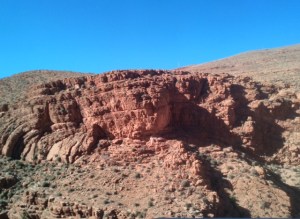
Recently, while traveling through Morocco’s enormous outback of the Atlas Mountains, I noticed how in the desert, the earth lays itself open for all to see. Nothing is hidden, the layers, folds, slumps, the red years of surface soil eroding away to the green rock beneath, solidity slowly wasting away–all is revealed. The Atlas Mountains, opens its chest to Allah, lays bare its red heart. Each ripple and rock stripe, distinctly visible and known. How vulnerable the earth is, face open to sun and wind. The sky kisses the earth. Goats, their shadows following them like dark drifting clouds, amble slowly across the red soil, grazing. Earth’s muscles loses hold. Rocks walls crumble—bones turning into gravel. Mountains slide into valleys in slow, smooth heaps. Complete with folds and flares, in her old age, the earth wears her skirt of splayed sand and rock, swirled out as in slow, ponderous steps–an ancient dance still in play. Continuously, the earth’s age reveals her beauty.

FullSizeRender

Erosion reveals the layers of earth’s substrata. As in our own lives, the surface wears away as time continues, revealing the bedrock of who we are, what we are built on—what our foundation consists of. When standing in Morocco’s 10 meters (thirty three foot) wide Todra Gorge, the color and stone rise 600 metres (1,969 ft) above in gold-red walls, surround you with their millennia of patiently layered rock, cut through by the Todgha River. The slow turning folds and twists that made the canyon’s strength, humble you, leave you without words. We take the wadi and the world in at a glance—the entire landscape gifted to us, a grace delivered as simply as the sky kissing the earth–a beauty, that like an abstract painting, strips away all to its bare forms and essence–joining us to the oneness lying beneath. To stand in the Todra Gorge is to connect to your foundation, to stand inside it. Experience it.

Later, a bit further down the road in the Dades Gorge, I woke the next morning to the view outside my window: the leaves of a tree trembling in the gold, early light of morning’s breeze. Everything around the trees delicate leaves was rock. Solid and still. The sun rose, turning the gorge’s walls to rust. Then, the tree, too, stood still as the stone surrounding it.

The next day, after traveling on to Ait Bin Haddou, I climbed the hill that overlooks the mud walled city. Walking along, Here you can find calcite formations strewn across the earth in palm-sized slabs, and can see the bubbling up in pillow-like form from beneath the soil’s shallow cover. The earth wears stripes here and spots of purple. Wind rushes across the earth, kicks up dust, and streaks the sky with long cloud flares. The sky is the very definition of blue—long vowels of ooooohhhh, moving with the wind’s rough breath, the scattered stones the earth’s consonants. The earth speaks.

In mountains, in sky, in her erosion and old age the earth speaks. She has no pretensions. In full possession of herself, she gives her gifts to the world as blessing. She’s the natural woman. She knows who she is, and she is singing.

Looking out on the morning rain
I used to feel so uninspired
And when I knew I had to face another day
Lord it made me feel so tired
Before the day I met you, life was so unkind
But you’re the key to my peace of mind

‘Cause you make me feel
you make me feel
You make me feel like a natural woman.

Ait Bin Haddou
Ait Bin Haddou

pilgrimage, place, poetry, spirtuality, Uncategorized

To Bodhgaya and Beyond

The great story weaves closer and closer, millions of
touches, wide spaces lying out in the open,
huddles of brush and grass, all the little lives.

–William Stafford, from “Over in Montana”

IMG_9362
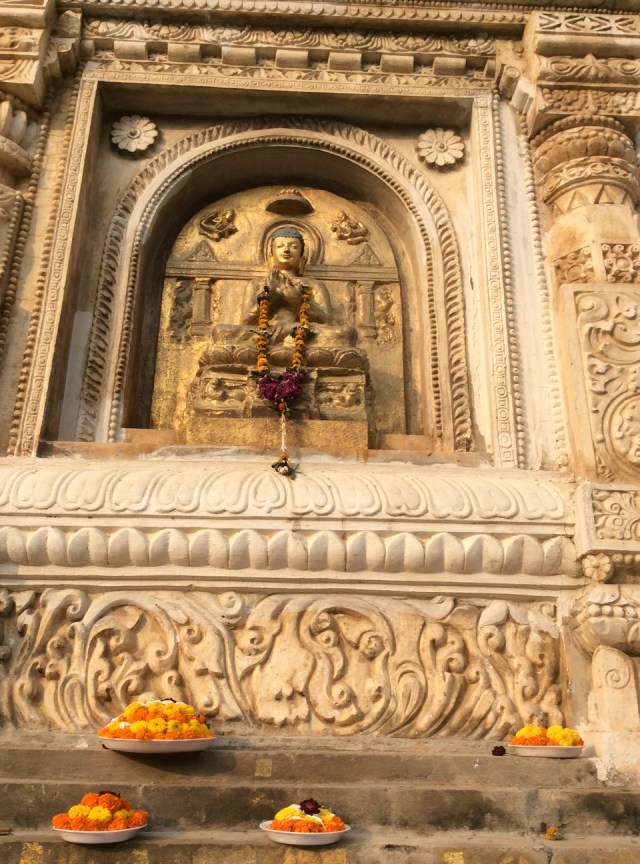
Buddha on the side of the temple at Bodhgaya

Bodhgaya, India, is the place where the Buddha attained enlightenment after forty-nine days of meditation under the ficus, otherwise known as the Bodhi tree, a tree related to the mulberry. Because Bodhgaya is a place of historical significance,  I wanted to visit it while living in India. Two weekends ago, I had that opportunity.

The Bodhi tree is a ficus religiosa . Its leaves, even without a breeze, are said to be continuously moving. “O Ashvatha, I honor you whose leaves are always moving…,” says a verse in the Bhagavad Gita about the tree. Gods are thought to live in the leaves causing them to move, and thus the official name, ficus religiosa–the religious fig. The name fits, in particular for the bodhi tree in Gaya. Though the tree standing in Bodhgaya now isn’t the actual tree the Buddha sat under, it’s a relative. Sanghamitta, the daughter of the 3rd century BC Indian emperor, Ashoka’s, brought a branch of the original tree the Buddha sat under to Sri Lanka and planted it in Anuradhapura. The original tree was destroyed, how is uncertain. There are various versions (see more here) of how this occurred, though most accounts state that the a shoot from the Sri Lanka tree was brought back to India and replanted at the original spot.

IMG_9405
Bodhi tree, Gaya, India, where the Buddha attained enlightenment

Bodhgaya is a holy site and a pilgrimage destination. One of the things that struck me the most while in Bodhgaya, was how many distinctive faces I saw as I sat near the tree, observing as people made their circumambulation around the shrine. Many visiting were monks and nuns performing ritual prayers, but others were like me, there to stand in a place considered holy, and to absorb what it had to share. For all the crowds, the place still manages to have a sense of calm, probably because so many there are intent on doing their prostrations and sending up prayers.

IMG_9367

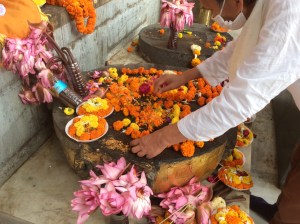
It struck me how similar people are in the way they express devotion or carry out holy acts, though they are from different religions. Burning candles and incense, offering prayers, bowing down, ringing bells, bringing flowers,–these are commonly used in acts of worship in many religions. Bodhgaya attracts a wide spectrum of people from Buddhist countries, but people from many walks of life and countries in various parts of the world had come to stand in the spot where so many before have journeyed to send up their hearts’ longings–or possibly to set them down. Possibly, however, some pilgrims had come simply with an openness, willing to receive whatever understanding their minds brought to them while standing there, listening to their heart’s inner whisperings.

I’ve been learning about Buddhism, since arriving in India nine years ago, and somehow I expected to feel moved while standing in such a holy place. Instead, I found myself noticing people’s feet, and thought of the many journeys people had taken to arrive at this place where our lives briefly intersected with a smile or a short glimpse.

Once surrounded by forest, Bodhgaya it is now a city with apartments, shops, restaurants and hotels. To imagine the place as it was when the Buddha spent time there requires you to stretch your imagination. People continue to come to this place, because they wish to make a connection with the long chain of seekers, hoping to gain insight into how to live.

Pilgrimages are taken for many reasons, but one important reason is to the desire to expand beyond the boundaries one currently lives in– to break through the skin into something new, perhaps as the snake does when it sheds its old skin because it has grown bigger. Thoreau, purposefully set out to let his soul grow bigger when he spent a year living outside of Cambridge, Massachusetts on Walden Pond and wrote his famous meditations on living known as Walden. Thoreau speaks to the those of us who have felt the desire to step out of the hamster cage of events that keep us continuously rolling, and who long to live meaningfully. “Every man is tasked to make his life, even in its details, worthy of the contemplation of his most elevated and critical hour,” Thoreau asserts, and we are led to explore the idea that every life is worthy contemplation, of spending time reflecting on what our actions mean. This act isn’t meant to benefit just a few lucky ones who can take the time off to do so. We can do this daily as when we give our full attention to whatever it is we are doing, wherever we are walking or sitting. Listening deeply to those we are in relationship, listening to the world we walk through allows us to sense the holiness of life itself underneath the surface of all that is.

While wandering through the temple grounds at Bodhgaya, I read a quote on a plaque. The quote’s first portion eludes me, but the second portion read something like “Now I enter the forest of my old age,” and it struck me as a metaphor for transformation in general. We may have been walking through a plain before where things could be easily seen, but when we change, we enter a forest. Things aren’t necessarily easily found or understood. Perhaps we are even purposefully looking for a different path from the paths we once knew or walked. A whole new life can appear. As we age, though, I think of forests in the fall, flames arising from the myriad leaf faces, the sugar inside burning before the leaves let go to the earth.

Thoreau chose to go to the woods, and set aside a year to live in a small cabin on Walden Pond. Many of us can’t do that, or at least don’t feel it’s possible until reaching such an age where regular work ceases. Thoreau bravely took time out to consider to look for life before old age.  Thoreau chose to live simply during his year away, in order to find what it is that matters in life. He went to the woods, he said “because I wished to live deliberately, to front only the essential facts of life, and see if I could not learn what it had to teach, and not, when I came to die, discover that I had not lived. I did not wish to live what was not life, living is so dear; nor did I wish to practice resignation, unless it was quite necessary. I wanted to live deep and suck out all the marrow of life, to live so sturdily and Spartan- like as to put to rout all that was not life, to cut a broad swath and shave close, to drive life into a corner, and reduce it to its lowest terms, and, if it proved to be mean, why then to get the whole and genuine meanness of it, and publish its meanness to the world; or if it were sublime, to know it by experience, and be able to give a true account of it in my next excursion.” This is a brave statement. It requires an openness to life, to what you might understand if you listen to the world around you, including listen to the physical world.

The Buddha, as well, encouraged people to let go of their attachments in order to find life. We may be born in one place, have a particular history or speak a certain language, but we need each other’s differences. The interconnected nature of our physical environment itself demonstrates this reality. Other people in other places with perspectives different from our own have experiences worth listening to, insights worth understanding. I notice fear is such a strong motivating force in the media but it creates so much suffering. The Buddha’s path began with a question, “How do I relieve suffering?” What if we were to live differently? What if everyday in recognition of life’s dearness we deliberately asked “How do I live so I learn what life has to teach me today? How do I live today so that I don’t discover when I come to die that I’ve never lived?”

James Wright, in his poem “The Blessing,” shows the reader what it is like to live attentive to the details before us as he describes his encounter with ponies off the side of highway in Rochester, Minnesota who “have come gladly out of the willows/ To welcome my friend and me.” The ponies greet he and his friend with “shy bows,” then begin munching the grass again, as they have been all day. As the speaker of the poem carefully observes them, he becomes aware of the wonder breathing beneath the experience, “…Suddenly I realize/ That if I stepped out of my body I would break/ Into blossom.” We become more than we are when we let ourselves experience that we are connected to all that is.

May we all break into blossom.

IMG_9318


art, Looking For..., place

The Found Art of Hampi, India

IMG_8615
Hampi from the Tungabhadra River

A plain dotted with trees and scattered with boulders, Hampi in the Indian state, Karnataka, is a beautiful landscape. My recent visit there during the Diwali holiday allowed me to wander into India’s rural outback, and to laze against sun heated granite by the Tungabhadra River. During the 1500s, the Vijayanagar had a population of 500,000. The empire covered the entire southern portion of India, but Deccan Plateau sultans joined together and defeated the Vijayanagar army. The temples’ treasures were carried off as loot, much of the population was killed, and of those who weren’t killed, many fled. One of the world’s mightiest kingdoms fell to ruin, and gradually into obscurity.

Four hundred years later, Robert Sewell, a British civil servant stationed in India, wrote about the empire in his book, A Forgotten Empire Vijayanagar: A Contribution to the History of India. Much later, in 1986, Hampi became a UNESCO World Heritage site.

In addition to being a World Heritage site, Hampi is also a place of important religious significance for Hindus. As the stories describe, Hampi is the hill where Shiva, the god of destruction, did penance before marrying Pampa. After Shiva married, the gods poured gold onto the Heamakuta hill. According to the Hampi India website, Heamakuta, means heap of gold.

Hampi’s temples and ruins are spread over more than 10 square miles, or 25 square kilometers. There is much to see, and the carvings are fantastic. Though a place of enormous significance for many people on the subcontinent in the 1400 and 1500s, Hampi and the Vijayanagar empire are mostly unknown to people outside of India. As I walked along near the queen’s palace, I ran my hand along one of the carved walls. “My hands are touching history,” I thought to myself. “My hands touch what the ancients have touched, yet I understand so little.” Whether at a ruins of an ancient empire, or walking down the street of our hometown, our lives are enveloped in mysteries. We just don’t often recognize it.

After our day of exploration at the ruins, we went on a walk on the grounds near our hotel. We stepped across bamboo bridges stretching over the river, looped up across massive granite faces. Turning a corner, we tucked ourselves through a wooden door between leaning rock slabs. As we stepped inside, it seemed we had entered into a rock cathedral with windows of sky beaming through the stacked boulders. We continued climbing a short distance to an opening where we stood, at last, to view the valley spread before us in a 360 degree view. It was as if we had entered a secret door that enabled us to see the whole world. What a wonder it was, too–a plain filled with trees, and a river meandering through it with granite boulders balancing in precarious positions and leaning agains each other in dramatic angles. Nature like this is not a site often seen when living in one of the world’s mega cites like Delhi. We scanned our eyes across the landscape, fishing for greenery, for sky, for what we didn’t even know how to name. Our hearts simply opened to the world, and when we left the hilltop, we knew something inside us had shifted. We were lighter, and ,paradoxically, somehow more solid. Nature writer Barry Lopez says, “real beauty is so deep you have to move into darkness to understand it.” This is because when beauty touches you, you slip into a place that is beyond rational thought and abstraction. The divisions between the physical and spiritual worlds collapse into one unified presence. That presence is far bigger than the mind can hold. You are humbled and made whole again.

IMG_9022

The beauty of Hampi’s temples is definitely worth traveling a long distance to see. The setting of the ruins themselves, though, is what sets Hampi apart from other locations. In this landscape, you can learn that everywhere is a temple if we have eyes to see it. To be there is to walk around in a colossal expanse of found sculpture, an installation art piece of gargantuan proportions, the origins prehistorical. Everywhere I looked, I saw art emerging from the earth.

The earth is in an ongoing creative act. If you listen, you can hear it speak through its myriad forms. The wind in palm trees chatters with stiff, clattering branches. Wind through bamboo scratches and cracks like arthritic bones. Wind through neem trees speaks with a restless, dry and fragile sound like crinkled onion skins. The earth tells its stories.

In my continuing desire to learn Spanish, I’m reading Mary Pope Osborne’s Magic Treehouse book series in Spanish. Currently, I’m reading Una momia al amanecer, or in English, A Mummy at Daybreak. The children in the novel, Annie and Jack, learn how the Egyptians “tried to protect the body against death by preserving it for eternity.” (p. 45) Travel to the Vijayanagar empire’s ruins, however, assures the visitor that empires are temporary. All we have can be lost in a moment. Even stone wears away and topples. In Hindi, Vijay means victory. Victory, if found, is elsewhere, not in empires.

The final stanza of Louise Gluck’s poem “Summer Nights” reads,

Balm of summer night, balm of the ordinary,
imperial joy and sorrow of human existence,
the dreamed as well as the lived–
what could be dearer than this, given the closeness of death?

Life is so dear, and life is full of both imperial joy as well as sorrow. You don’t seem to get one without getting the other too, at least that is what I’ve observed from living in India. Everything is being destroyed and made at the same time. Maybe that is, in part, why art is necessary. It reminds us that we participate in the creative act of life. Perhaps this is why temples have so much art. Religion means to rebind, and the creative act helps us to re-member–to put our selves together again.

Geography, place, Uncategorized

The Geographies That Shape Us

What are the geographies that have entered your heart? As we embark on our exploration of how the physical world affects culture, consider the ways that the places you have lived have shaped you and your understanding of the world.

Nature writer, Barry Lopez, in his book, About This Life, says “Over the years, one comes to measure a place, too, not just for the beauty it may give, the balminess of its breezes, the insouciance and relaxation it encourages, the sublime pleasures it offers, but for what it teaches. The way in which it alters our perception of the human. It is not so much that you want to return to indifferent or difficult places, but that you want to not forget.”

How has the cultures and your interactions with the physical environments in the places you’ve lived influenced and shaped the way you think and the experiences you have had? How might your reflection on this question guide the kinds of things you want to learn and discover about the country you are researching about?  How might your experiences help you focus your research, write up your understandings, and talk with the class about topics you think are personally meaningful and important?