
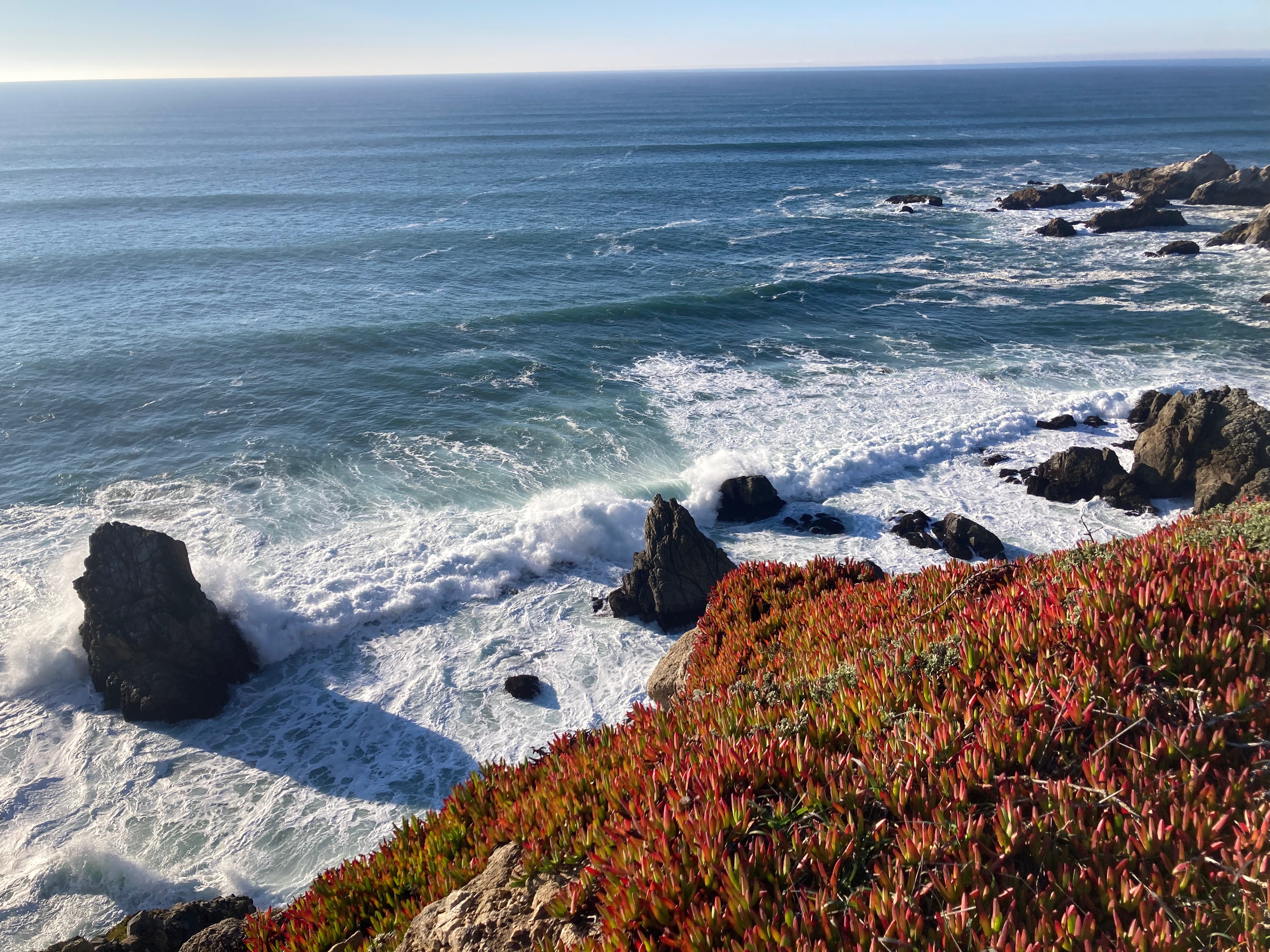
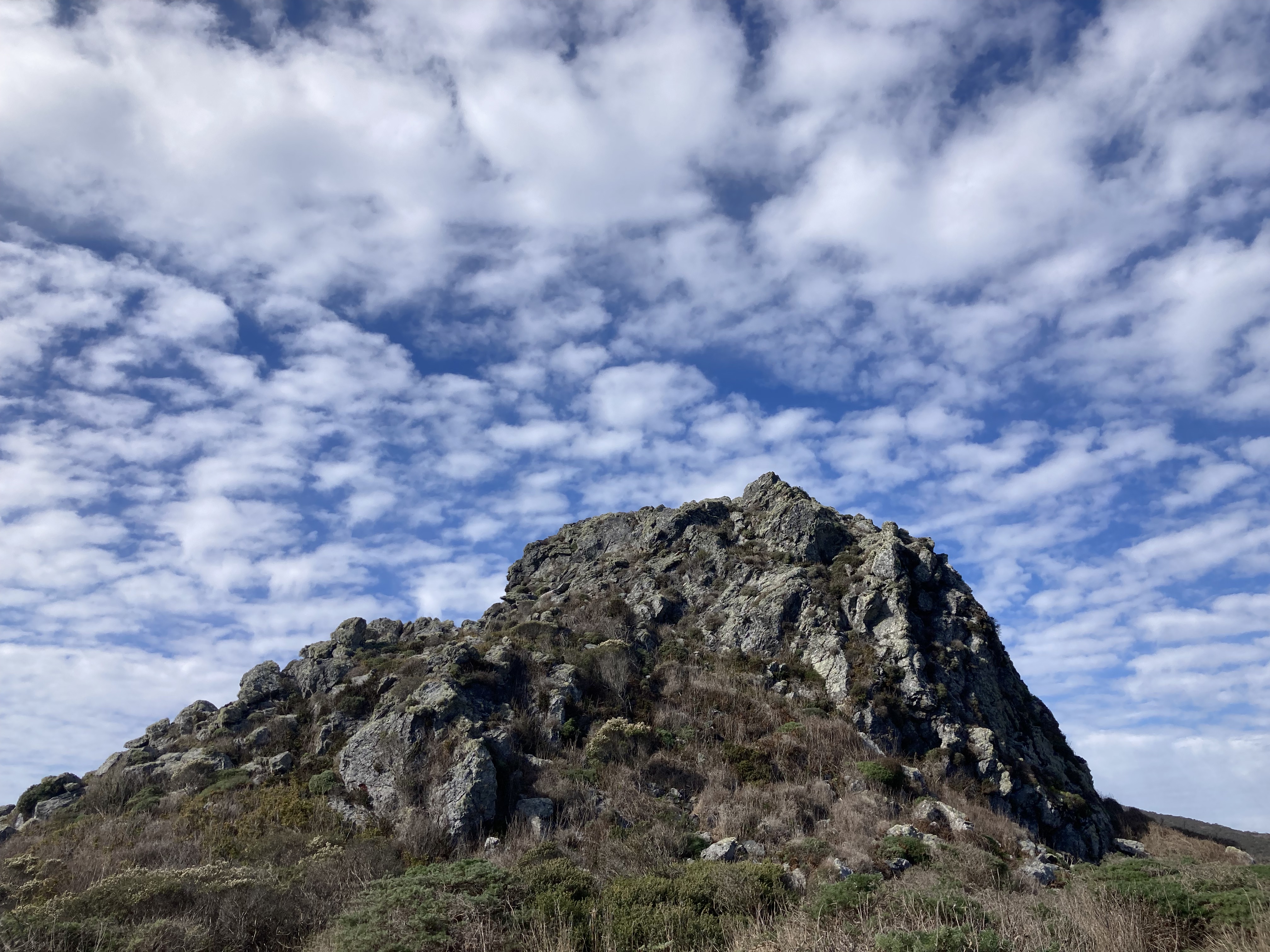
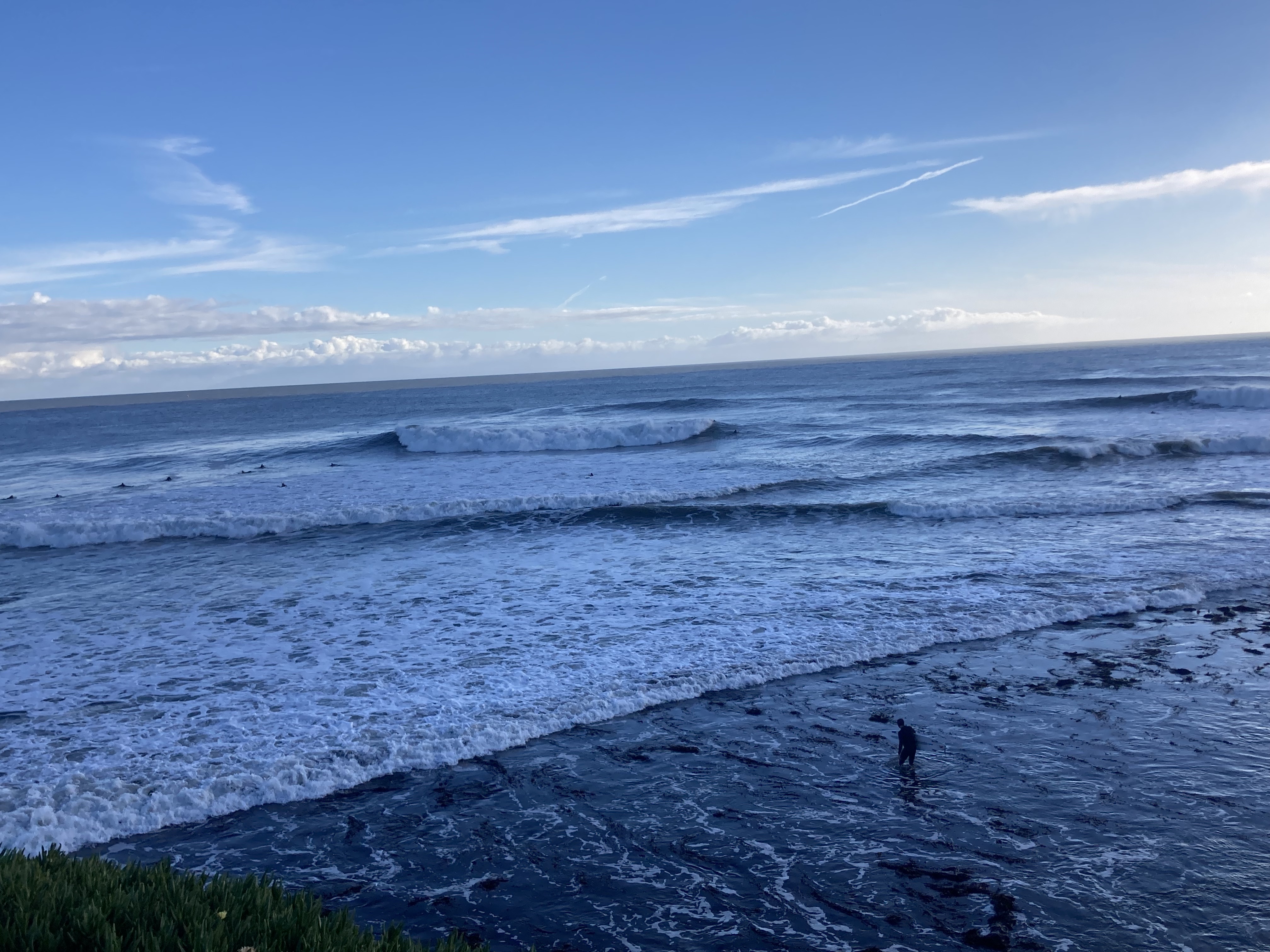
Today I was out wandering the coastal path along Bodega Bay here in Sonoma County. The sky was as blue as dream, the light clear as cut glass. My eyes stretched across the bay about 35 miles to the Point Reyes headlands while above me sea gulls careened through the air in drifts of white. I always look forward to visiting Bodega Bay to walk along the cliffs. It’s the landscape that convinced me I could move away from Santa Cruz County. Here in Sonoma County I could still be near sea and trees and beauty. My soul would be well.
Perhaps you, too, have landscapes that have spoken to you or fed your soul. I remember standing years ago on the red earth outside of Wheatland, Wyoming. I climbed up on a piece of red sandstone and looked far across dry horizontal landscape to the distant horizon. Not a person or building in sight. Dark clouds hovered above and it began to rain. Thick drops splatted hard against the stone and earth. Everything around me felt absolutely elemental. I thought of my mother whose hair was red like the earth around me, and how durable a person’s body and spirit would have to be to hold up in such an environment, how resilient. Standing there on that land I understood my mother in a way I had never had before.
The land can teach us things when we listen attentively. Recently, I learned that researchers have noticed that birdsong seems to reduce stress-related hormones in the tree. Additionally, recent studies hypothesize that birdsong “acts as a natural “sonic bloom,” providing acoustic stimulation that enhances plant physiology.” Just as we affect the natural world, the natural world affects us.

When people settled the West in America, they plowed up about half of its native grasses, approximately 5.2 million acres in the Great Plains and effectively destroyed the soil, leading to the Dust Bowl. Our interactions as Emmanuel Vaughan-Lee states in his talk, “Enraptured with Earth,” “…union is the state in which the world really functions.” People in the past may not have understood the land they were living on, how it needed to be treated and whether or not it was capable of providing people with the nurturance and productivity settlers of the era sought. In our day, however, we have an abundance of information to help us understand what creates a healthy relationship with the environment. We know now that time spent in nature can improve our physical and mental health, as well as our thinking, creativity. This is encouraging and affirming news for human well-being.
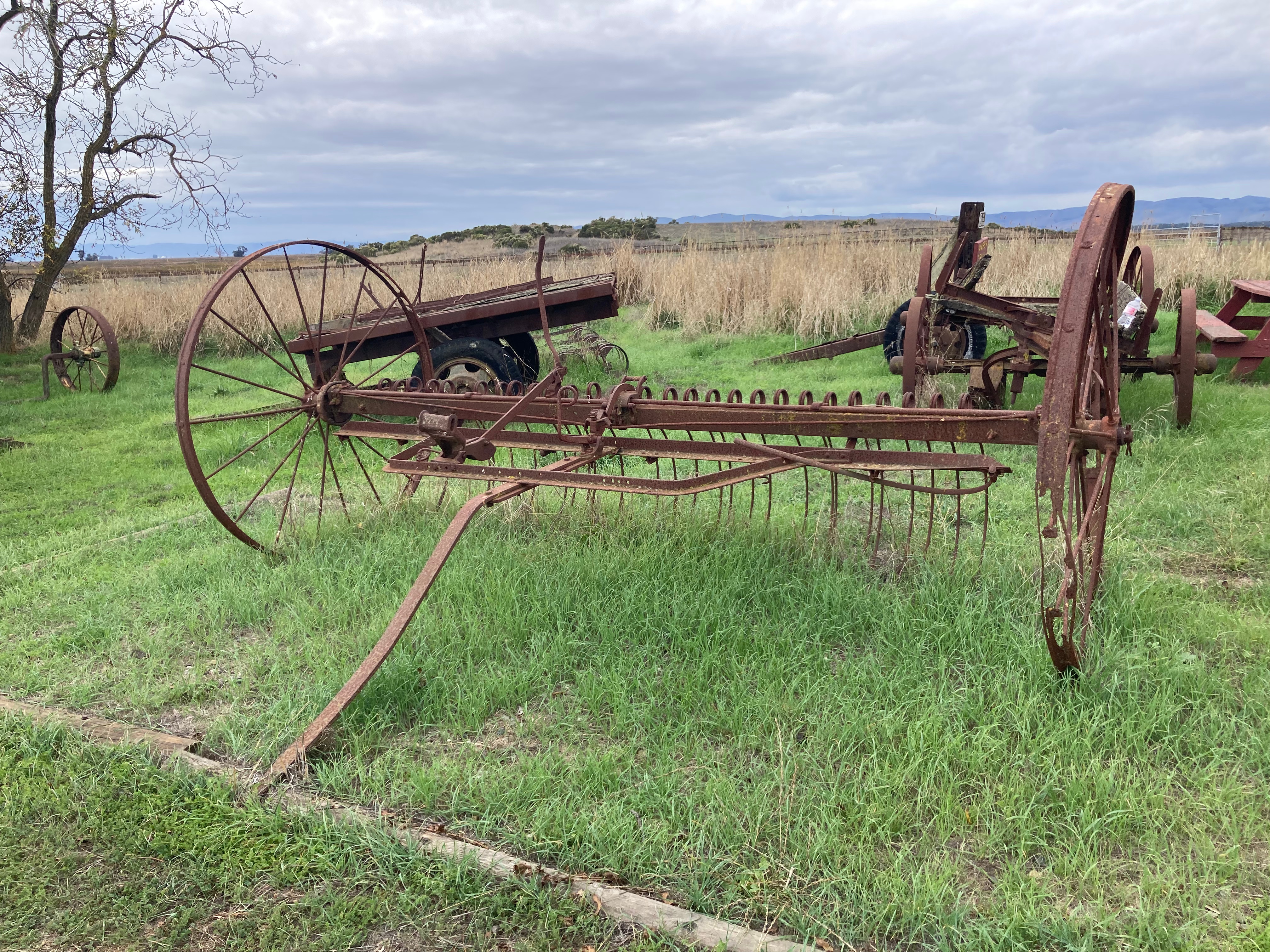
For the character Adah in Stories We Didn’t Tell the land is a steady friend that helps her endure through difficulties and trauma.
During Drought
Beaver Creek, Weston, Wyoming
Adah, 1908
(age 19)
Earth crackled underfoot, hot winds
peeled the skin, crops shriveled
and collapsed, banks floundered,
farmers sold their livestock.
Some lost their farms, others their homes.
Then, on the brink of famine at the end
of a decade of drought,
I was born.
The ghosts of the world that came before
and what was coming next
rose from the soil to the fever-weary air.
Parched earth’s despair eventually passed,
but a new drought arrived when I got pregnant.
Barely past childhood,
I was living in one world,
then woke to realize
I was living in another.
Arid wind evaporated my life,
withered thoughts of any restful future.
Heat exhausts.
Lack of water alters the mind.
We need rain, streams, lakes.
We need rivers’ soft arms to hold us.
I understood little about anything.
Except thirst.
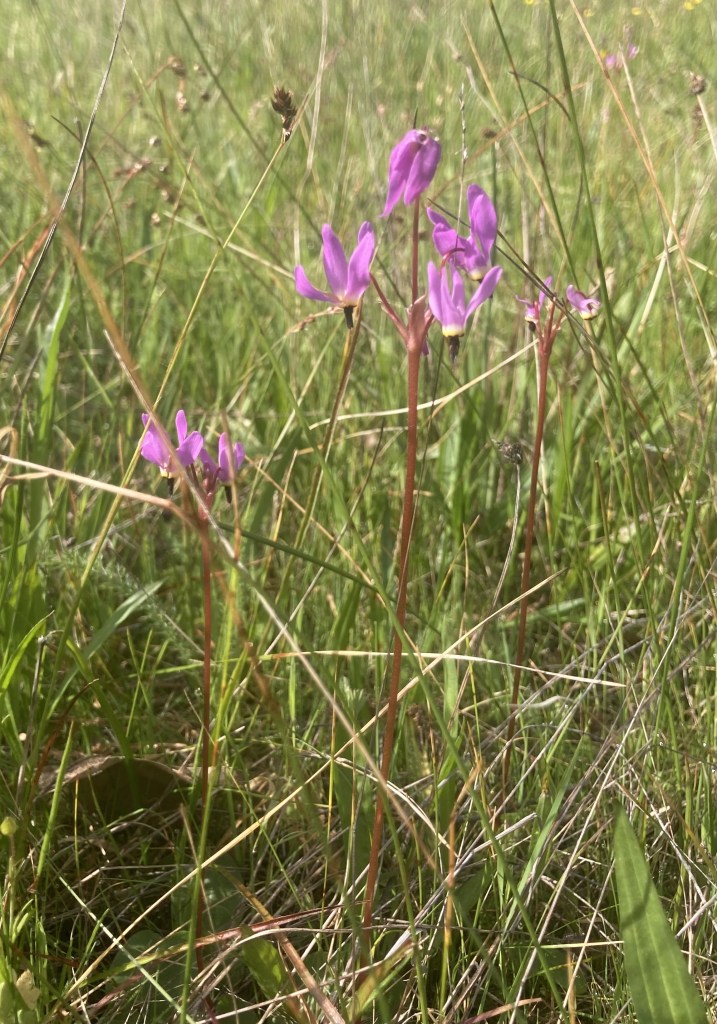
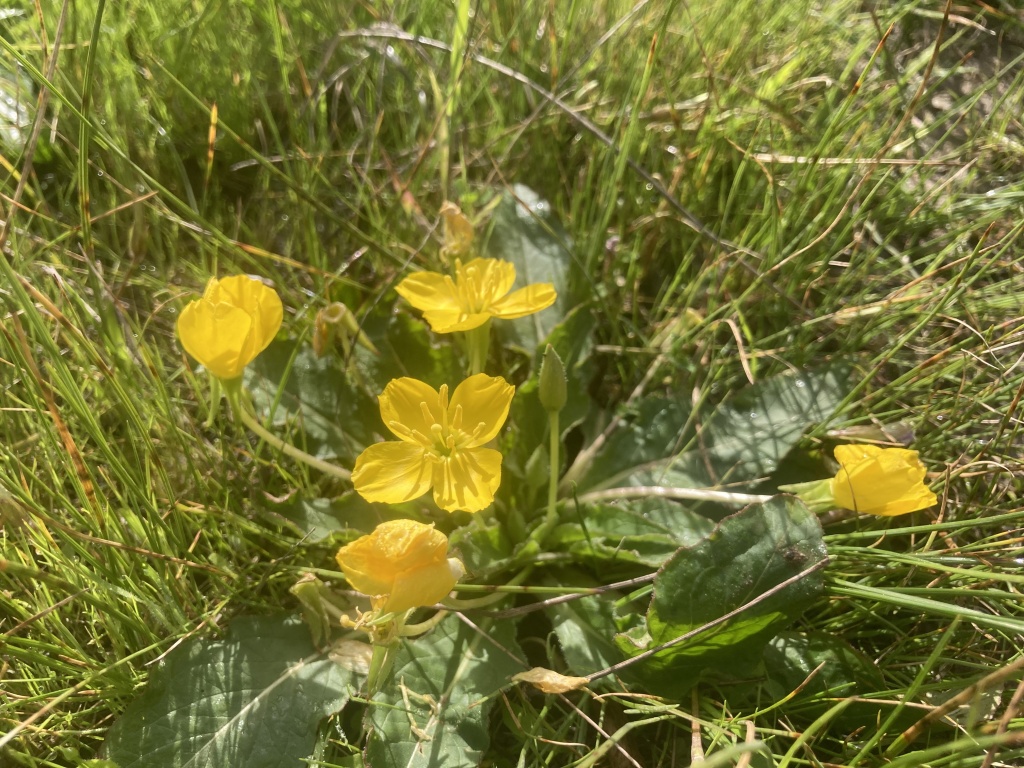
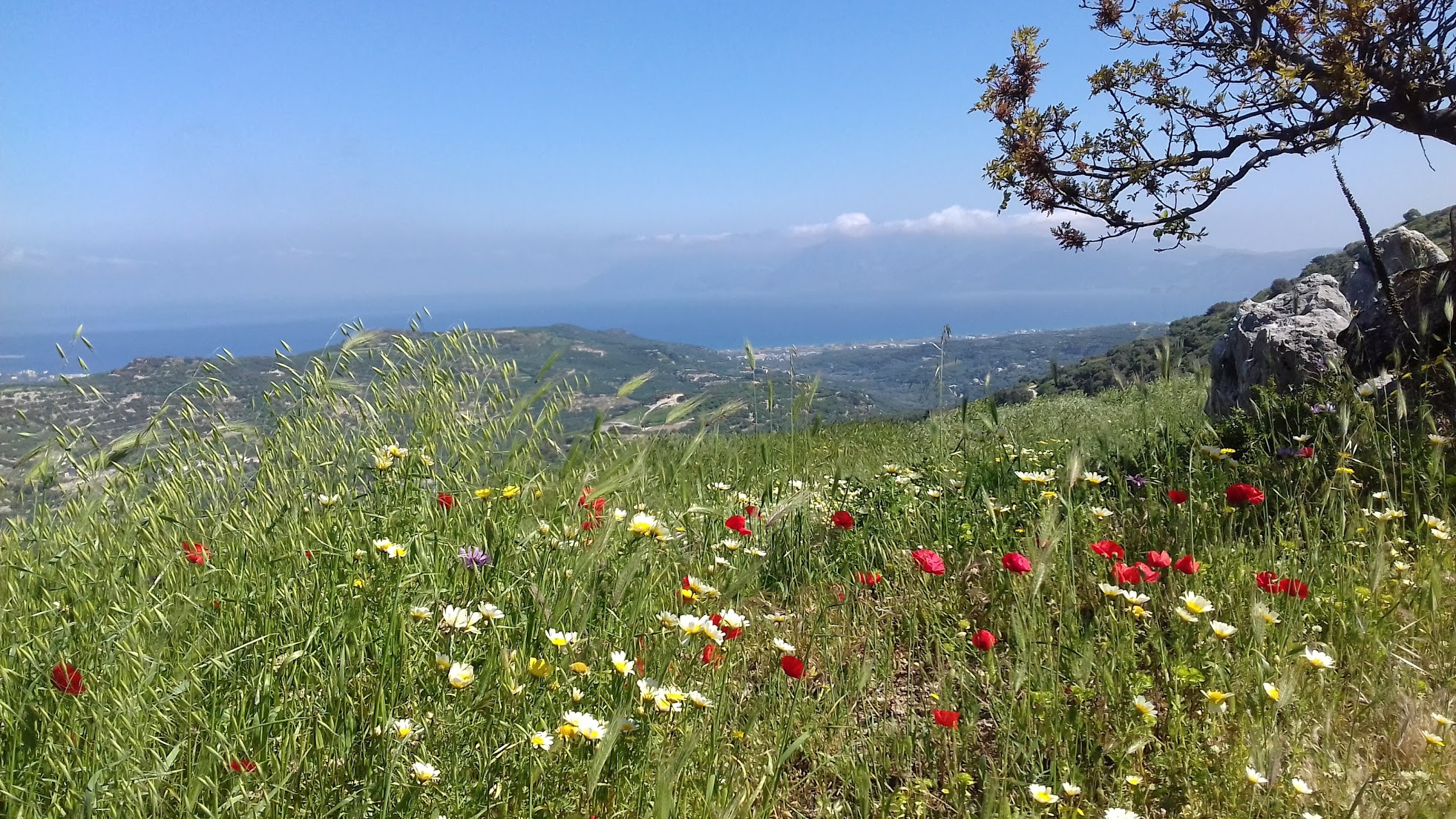
So, I went to the fields and meadows,
days and months walking alone
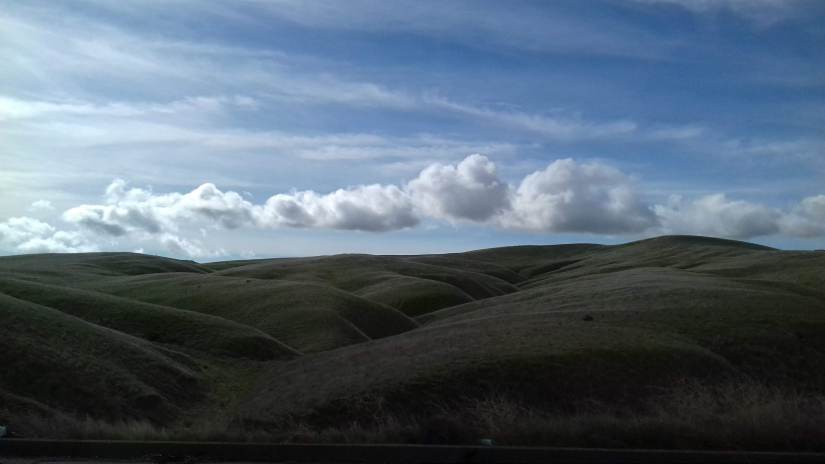
through wave-thick grass, green and gold pastures
under gentle skies strewn with clouds.
Flowing forth as if a spring, crested penstemon
and desert buckbean grew out of cracks in rocks.
Shadows shifting and lifting in crests across the prairie,
I journeyed into fields, the earth’s wordless voice
entering slowly through my feet and eyes,
seeping through the silence, whispering within
the perseverance of its expansive presence
that I was more than the hurt and harm I felt,
larger than what had happened to me,
and that like the earth, I, too,
would find a way to endure.

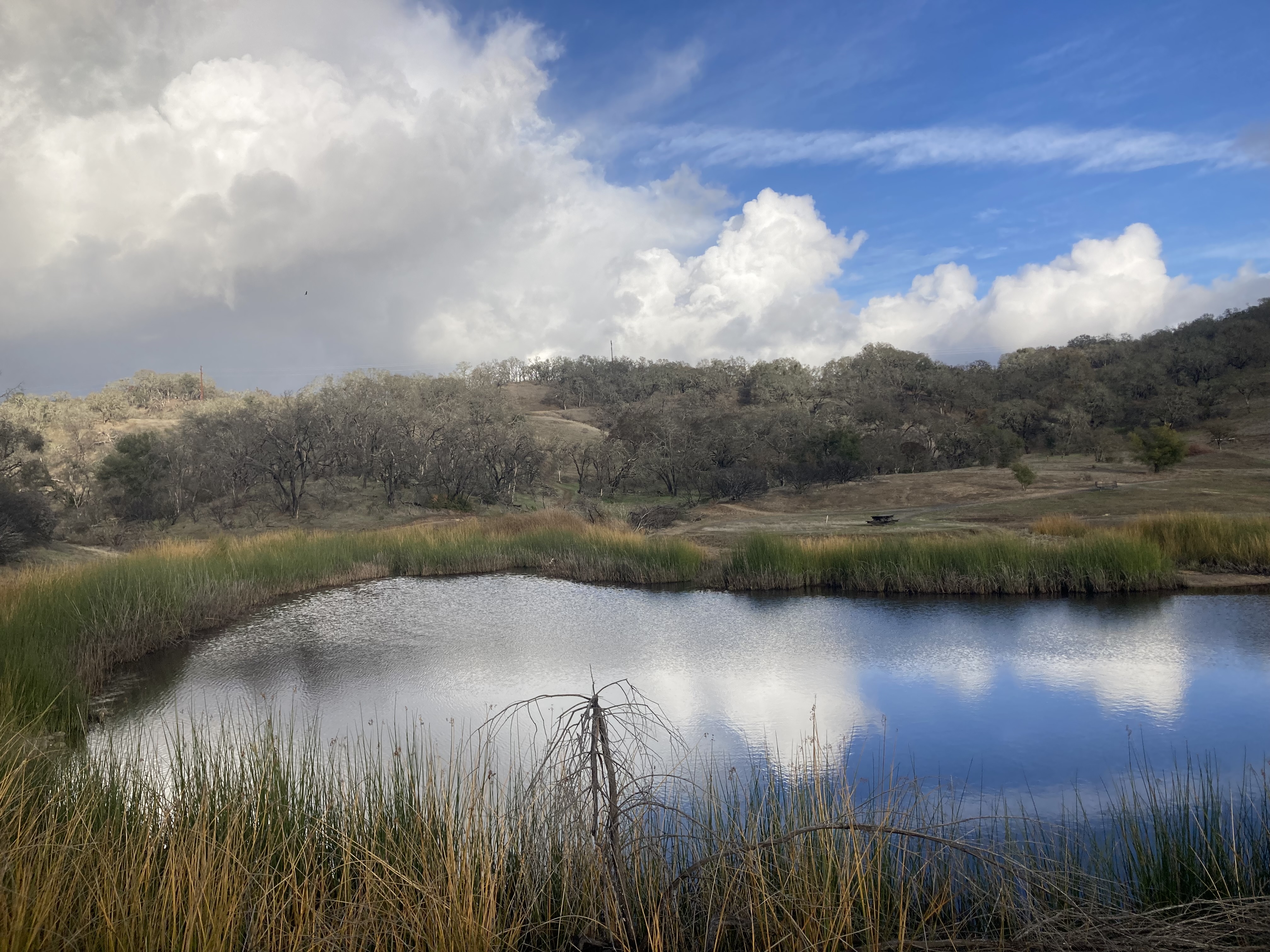
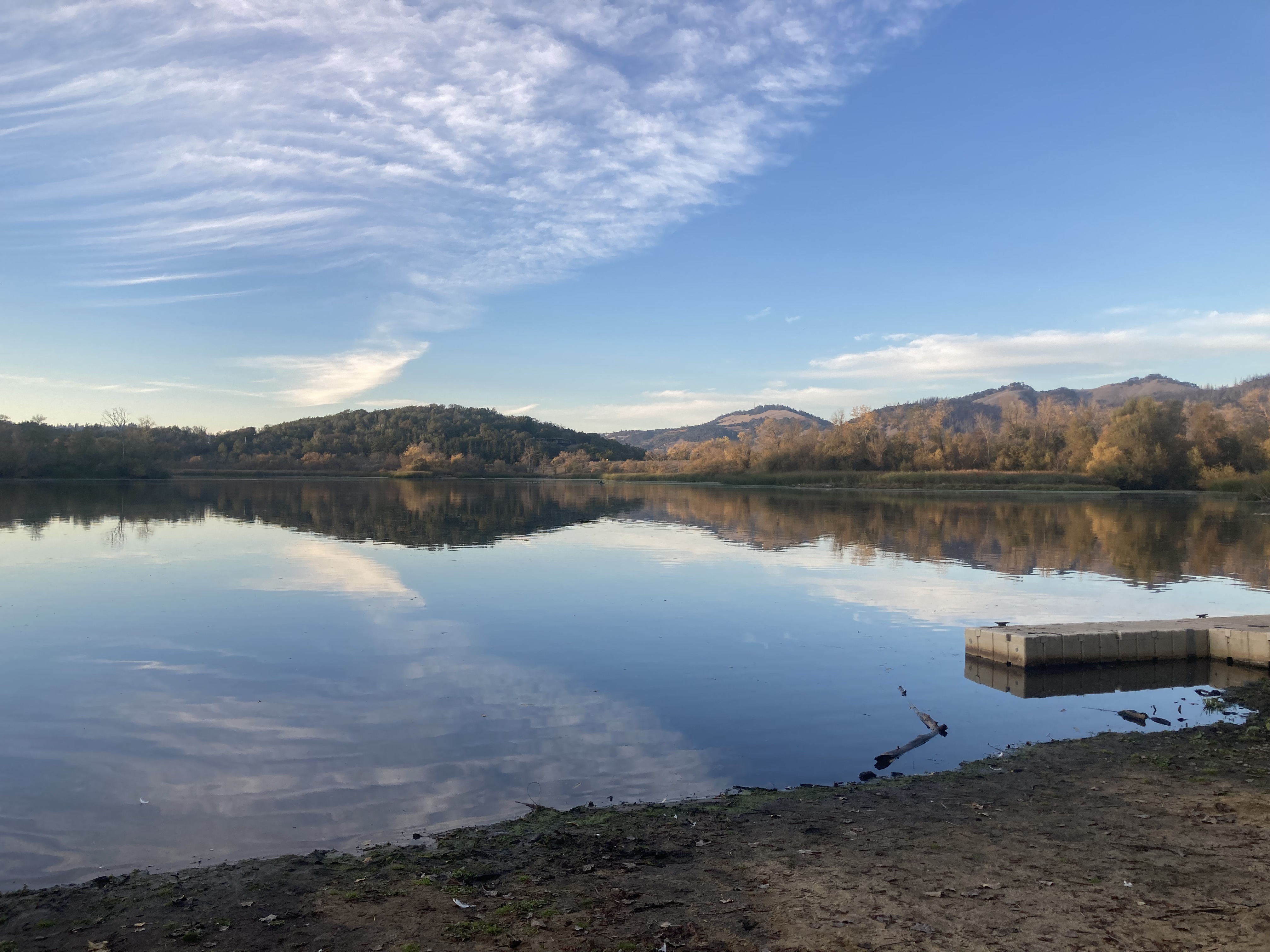
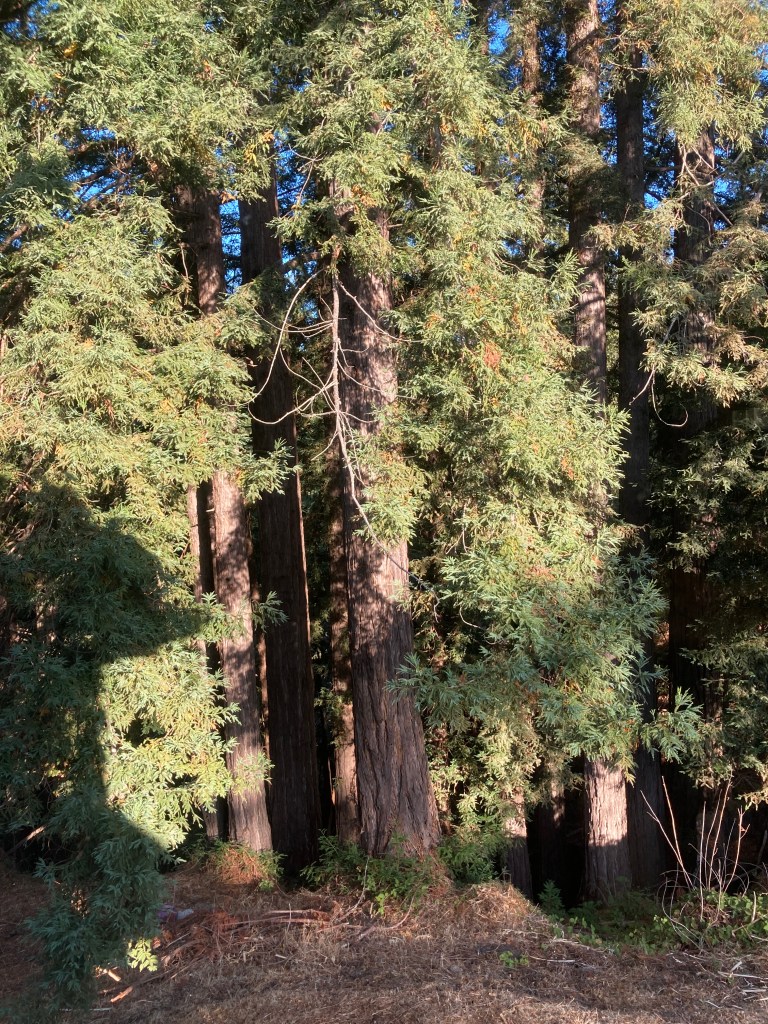
I wish for you a relationship with the natural world that allows you to absorb through your eyes, or skin, or to feel beneath your feet the earth’s expansive presence. Even if your connection is simply attentively noticing the color of leaves through your morning window, the architecture of a tree’s branches in your neighborhood, or the weight of your cat resting on your lap, spend some time with the natural world. As you listen attentively over time to that connection, you’ll find how without words it speaks to you and works to support you, assists in allowing hurts or harms you may have experienced or are experiencing now to move through you. Like Adah, I hope you will find in that connection what you need to endure.
This coming Tuesday, 16 December, I’ll be giving a reading from Stories We Didn’t Tell on Zoom in connection with North Bay Poetics. I invite you to attend. The time listed below is Pacific Time.

(You can find the poem above, “During Drought” in Stories We Didn’t Tell, published by Shanti Arts.)



































 Anna Citrino---Poetry, Place, Pilgrimage