place, Uncategorized

Finding Home

“Once in his life a man ought to concentrate his mind upon the remembered earth. He ought to give himself up to a particular landscape in his experience; to look at it from as many angles as he can, to wonder upon it, to dwell upon it. He ought to imagine that he touches it with his hands at every season and listens to the sounds that are made upon it. He ought to imagine the creatures there and all the faintest motions of the wind. He ought to recollect the glare of the moon and the colors of the dawn and dusk.” –Barry Lopez

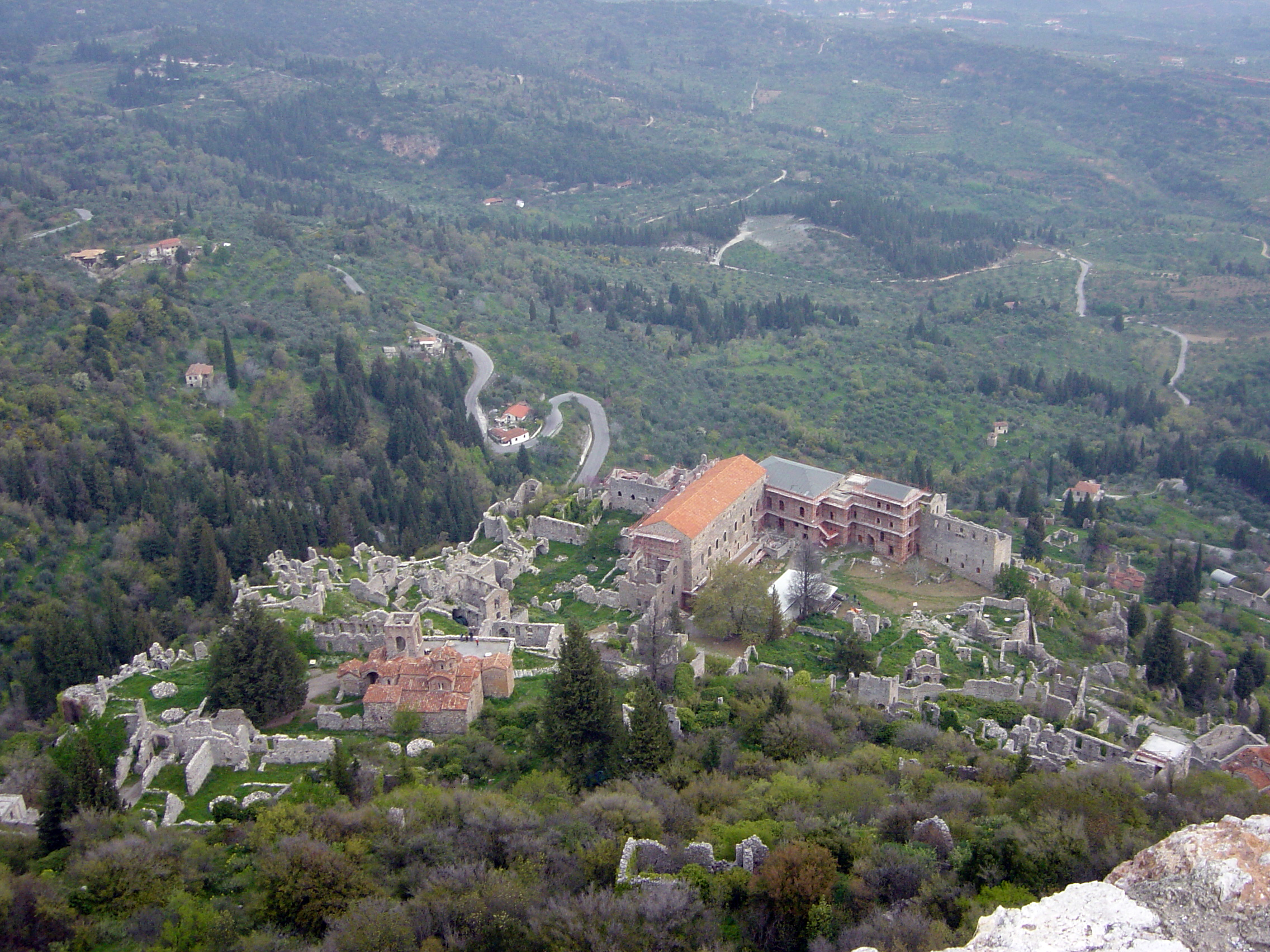
For some time, I’ve thought living in a village would be ideal. Because villages are small, it’s easier to get to know one’s neighbors and to feel a sense of community. A village would be walkable, making it potentially easier to get things one might need such as groceries. Additionally, often the land where villages are located holds stories of human life moving back in time that give the location character. I’ve loved the villages I’ve visited when traveling: Alvito, in southern Italy, Mystras, Greece, Luang Prabang Laos, Villa de Leyva, Colombia, and Antigua, Guatemala. Each one is filled with interest and beauty.
When I moved back to the US after living abroad for over two and a half decades, I wanted to find a village or small town of character in America to visit or possibly to live in. Several small towns I was aware of are Deadwood, South Dakota, Stillwater, Minnesota, Taos, New Mexico, and La Conner, Washington, though there many other locations throughout America with interesting small towns.

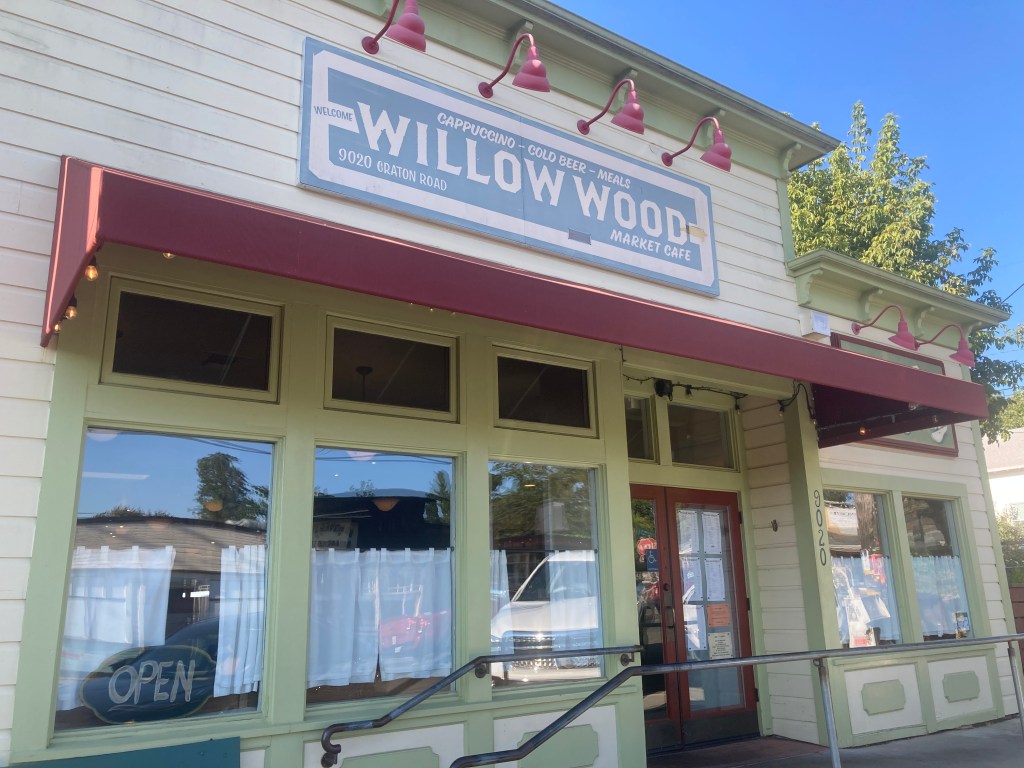
Only a couple of blocks long and a few blocks wide with a population of 1,802 people, I’d never heard of the small community of Graton, California until a little under a year ago. Its small size makes the village very walkable, and in a county known for its good food, the village of Graton has three excellent restaurants known and enjoyed by people in the area. The main street has an art gallery, real estate office, a small liquor/ convenience store, and a couple of antique shops, as well as a few other businesses, and is only a couple of miles from an abundance of other amenities in nearby Sebastopol. 
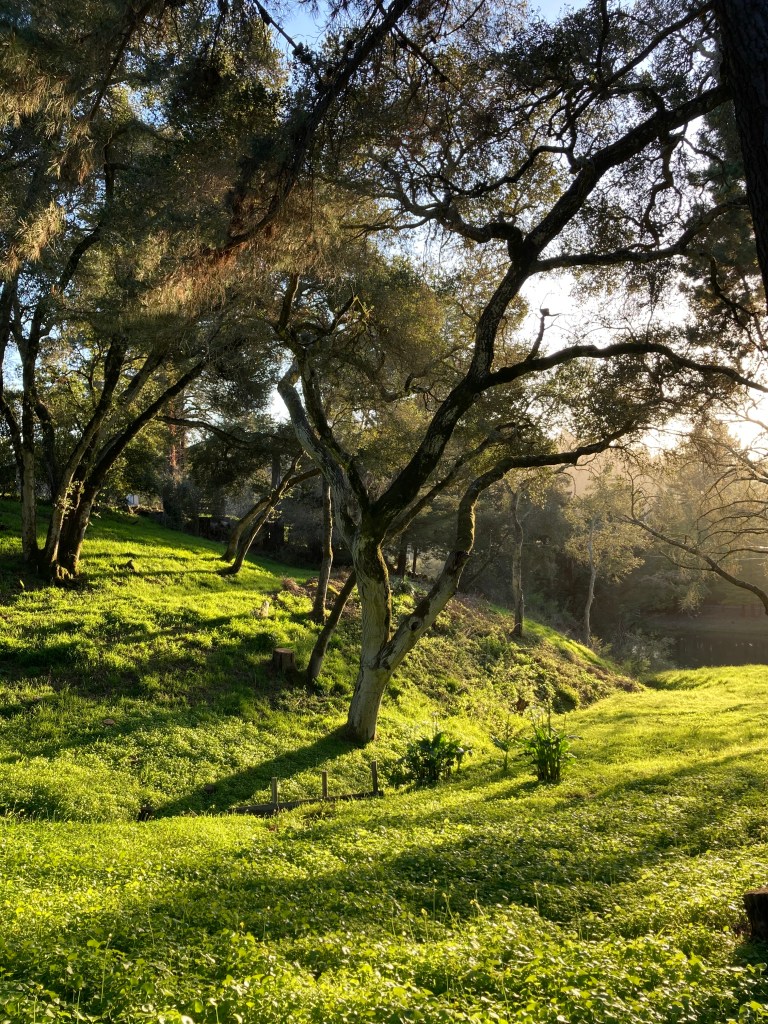
Previously, a railroad came into Graton that has now been converted into the Joe Rodota trail where people can walk or bike beneath oak trees and alongside vineyards as well as a small portion of the Atascadero Creek. Recently, a young local set up an afternoon stand on the side of the path selling his homemade horchata and chocolate chip cookies. This time of year, walking the trail brings the delight of inhaling the sweet scent of ripe blackberries.
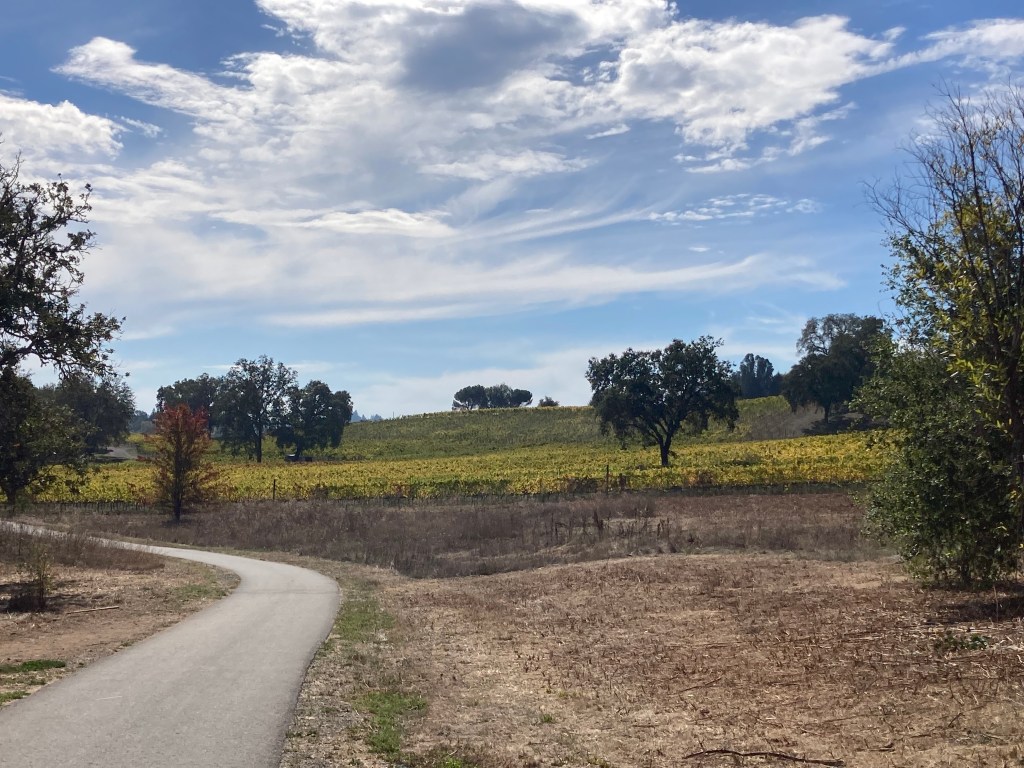
Though there are virtually no sidewalks and no city landscaping, Graton is a generally welcoming place with an attractive common area maintained by local citizens known as the Graton Green. Because residents often see each other walking around town or the trail on a regular basis, people often greet each other when passing by.

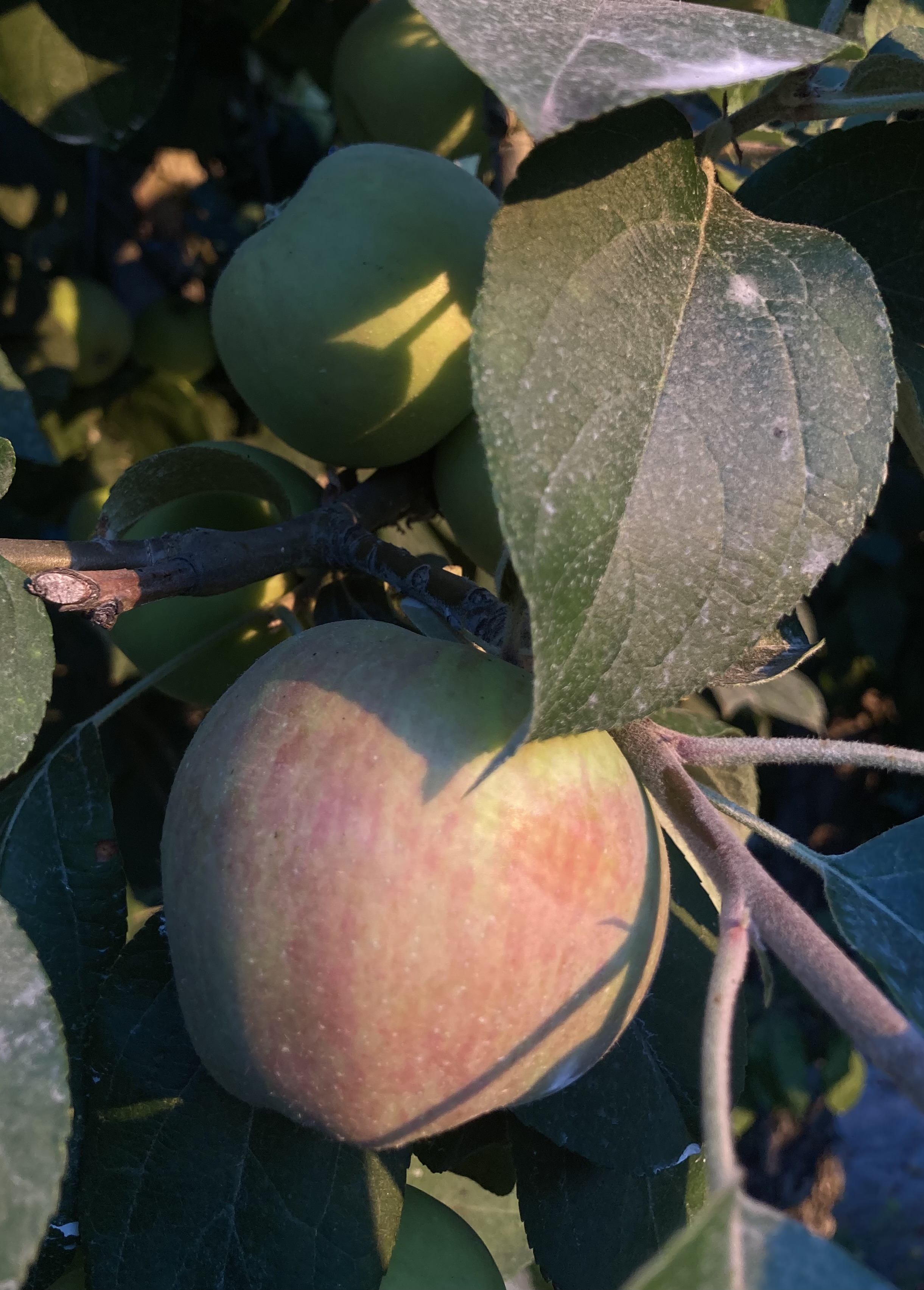
Located directly off the Gravenstein Highway, beauty surrounds Graton with grape vineyards and apple orchards. The highway got its name because of the history reaching back 200 years of Gravenstein apples grown in the area. One story is the apples were brought in by Russian explores who planted the apples up the coast at Fort Ross. In Ariana Reguzzoni’s  interview with the former poet laureate of Sonoma County, Iris Jamahl Dunkle in The Press Democrat, tells a different story about how the Gravenstein apple came to the area in her poetry book, There’s a Ghost in this Machine of Air, explaining the fruit arrived from “the orchards of Italy, where Prince Carl of Denmark vacationed and first tasted the fruit. He brought it back to northern Germany, where it was grafted and bred to withstand ocean travel and, eventually, brought to the shores of Northern California by settlers.”

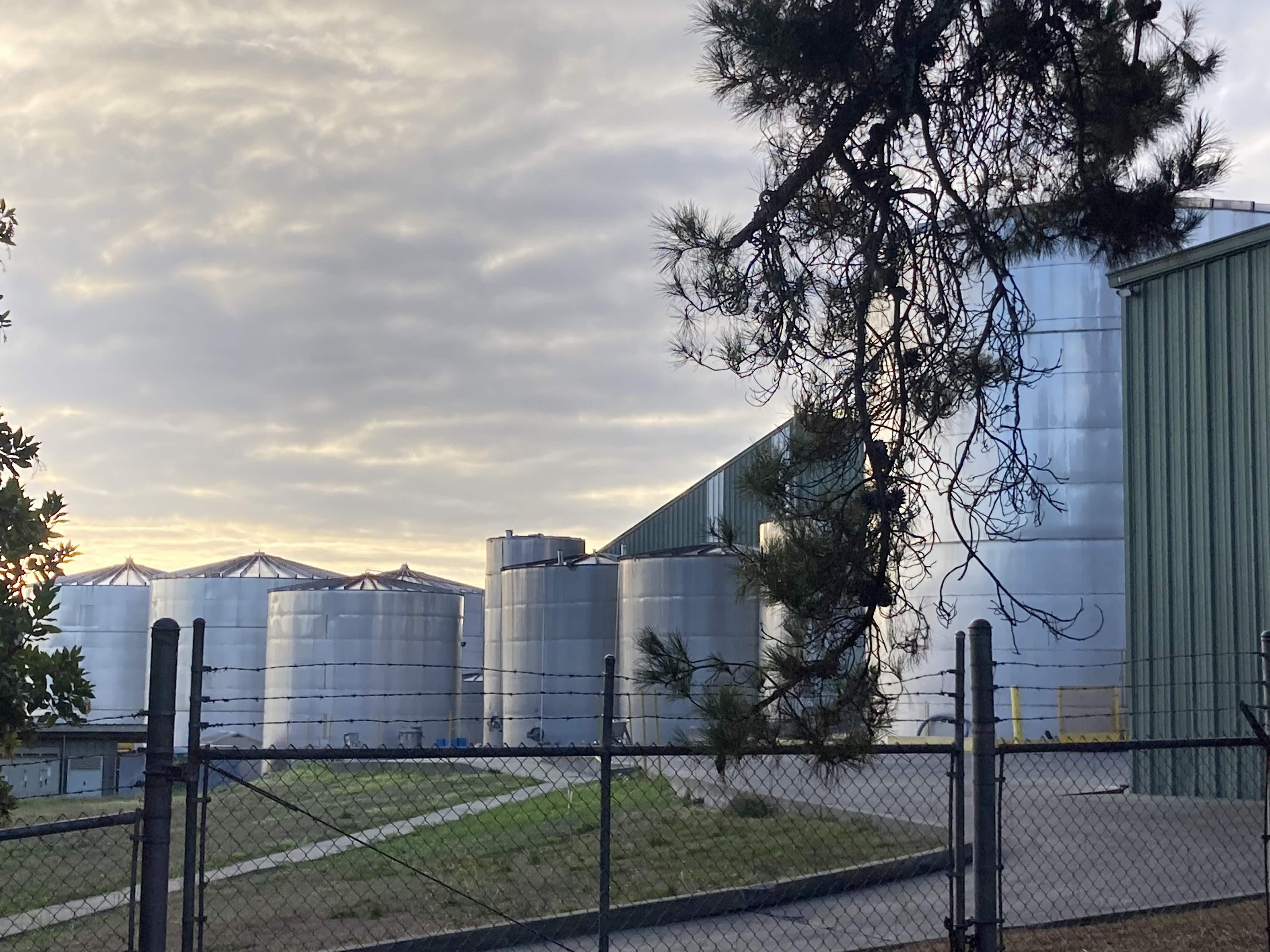
Once a central location for processing Gravenstein apples, this historical photo depicts how the plant in Graton looked in 1909, and here you can see those who sorted and packed the apples, and those working to process the apples. Apples dried in Graton were sent to troops in WW2. Good for cooking in pies and applesauce, the Gravenstein doesn’t keep well in storage and was typically commercially processed through drying it or converting it to applesauce. Now that apples can be transported more easily and don’t have to be dried to be preserved, the Gravenstein apple is no longer in demand. While there’s still an apple processing plant in Graton, many of the apples processed there come from Washington state. As Dunkel describes in her poem in the Cider Press Review, “Sweetbitter,” the fruit connects people “to the stories that still whisper on the low roll of a long travelled / sea where salt, like history, lingers on the air.”
Like other cities and villages across America, the land where Graton is located originally belonged to Native tribes. In Sonoma County, the Native people’s presence of the Cost Miwok and Southern Pomo was recorded by both Russian and Spanish explorers as early as the late 1500s. During the period of the Spanish missions and Mexican occupation of the land, the Coast Miwok and Pomo people were used in servitude for labor. Though their lands were taken from them, the tribes preserved their heritage and cultural identity even after the US federal government no longer recognized the tribe. Through their perseverance and Coast Miwok leader Greg Sarris’s effort, the tribal status was reinstated in 2000. As explained on the Graton Rancheria website, “Since the land of the original Graton Rancheria was transferred to three distributees, now deceased, the only land still belonging to the tribe was a one-acre parcel held in private ownership by one Coast Miwok family.” In 2013 the Graton Resort and Casino located in Rohnert Park south of the village of Graton opened. (A fuller history is available  on the tribe’s website.) 

The land we live on supports us, but often we don’t know much about that land. Commonly, the earth has become merely a backdrop on which human activity plays out. Though we benefit from the land’s gifts, we frequently don’t know the history of the area we inhabit, the stories and myths associated with it. We seldom don’t know what plants and animals are native to our area or what helps them thrive.  When in a relationship with another human, we listen to each other’s stories and respond. We share time, celebrate accomplishments, and learn to take care of each other’s needs. The land has its own way of being, its language and presence. When we see ourselves in a relationship with the land, we can learn how to understand and respond to it, similarly as we would in other relationships. In his book, Becoming Story, Greg Sarris writes, “Land is a richly layered text, a sacred book, each feature of the natural world was a pneumonic peg in which each individuals could see a story connected to other stories and thus know and find themselves home.” (View Sarris’s book trailer here.) 
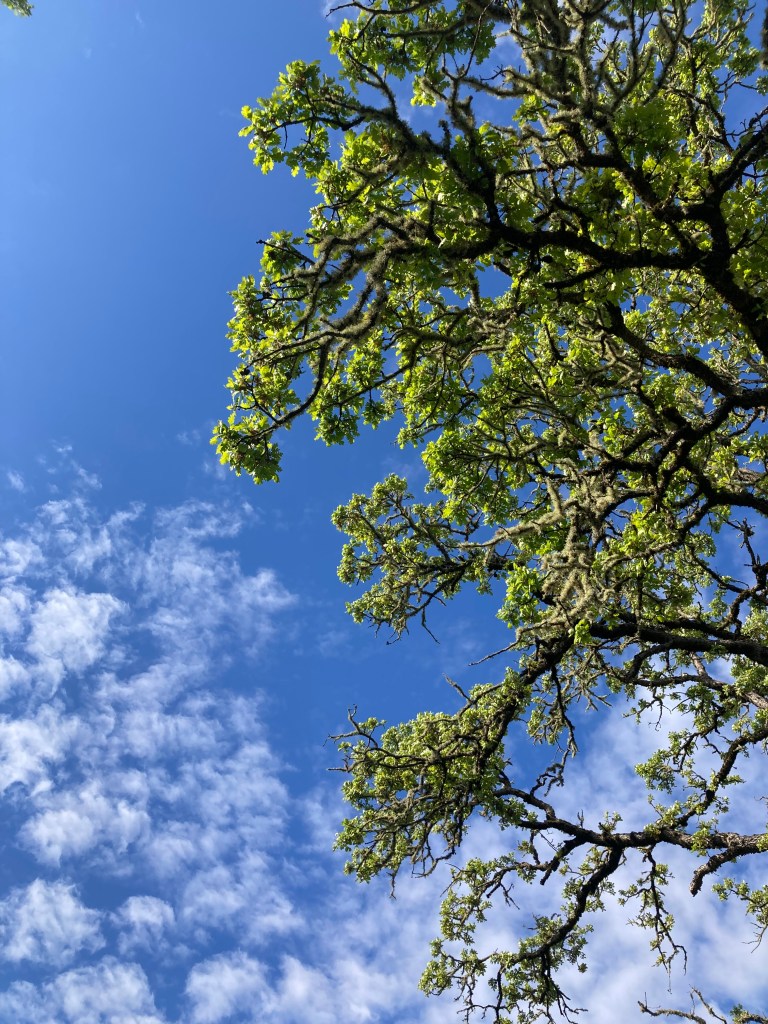

The place any of us chooses to live, be it a village or an apartment house in an urban location, is not only a physical address with a human history. It is as Sarris describes, “a richly layered text” connected to other stories and places, including the plants and animals that live there and the geologic and geographic history that brought it into its current state. We are affected by the land we live on, even if we aren’t particularly aware of it. Our inner life reacts to the outer world.

In Barry Lopez’s book, Crossing Open Grounds, Lopez writes, “The interior landscape responds to the character and subtlety of an exterior landscape; the shape of the individual mind is affected by land as it is by genes.” There’s a lot of fear in people’s response to information shared regarding the effects climate change will have on our planet. Instead of fear, what if we focused our response on developing a personal relationship with the specific piece of earth we live and walk on? Now is a good time to purposefully notice the plants around us and call them by name, and learn something about their behavior and what they like. Now is a good time to learn the names of animals in our environment—the birds that visit our balcony, perhaps, or the mammals that used to inhabit the area before urbanization took hold. Now is a good time to listen to the various languages and sounds of the earth, to nurture a friendship with the other and more than human world. 


David George Haskell offers a wonderful practice for helping us learn how to do that. “Sound,” writes Haskell “…carries within it the imprints of deep time. Listening roots us in the stories of the ancient Earth.” On Emergence Magazine’s site, Haskell invites us to participate in several playful listening practices. One suggestion is to pause for five minutes at “pre-selected intervals” at different times of the day and to “send our sensory awareness out into the world to see what stirs.” Afterwards, he recommends reflecting on the shapes of the sounds.

Wherever you live, I hope you find ways to nurture your sense of belonging and friendship with the land you walk on and call home.

Uncategorized

Beauty and the Magic of Art

What Tony Taught Us

The young men on the boat rushed by Napoleon wrasse, lionfish, 
and other marvels—so much life they missed where you glided at sixty feet 

in their hurry to get to one hundred feet, though less life can be seen
that deep. But they wanted to photograph themselves there.

Your dive buddy was an older man who lingered over rocks browsing,
gazed into crevices, poked his head under ledges and went slowly. 

Now we go slowly too. 

Bringing magnifying glasses, we examine scales on coral trout, 
contemplate a dart fish’s translucent eyes, peer inside corals’ mouths, 

studying their miniscule movements, explore the color glowing inside
a nudibranch’s skin, its wavering gill, and its cerata’s spunky fringe.

We move along leisurely, mesmerized by appearances and activities.
The point of diving is to observe, to look deeply, to let go into being

a stranger, and to absorb a world not your own, to immerse yourself
in amazement, soak in its presence, let yourself become one with it. 

To notice, to see, and to see again. 

Anna Citrino, from Buoyant

Beneath the ocean’s surface is a world of wild beauty. It’s a place worth moving through slowly because moving with slowness allows one to see more. A central focus of diving is simply to experience the sea’s environment and what presents itself there. Something amazing might appear, or it might not, but the diver is on the lookout for what might surprise or awe. What looks like a stone might be a fish if you look carefully. Tiny seahorses might be hiding on a piece of coral. Observing coral feeding is fascinating. As the poem above describes, “The point of diving is to observe, to look deeply.” When we take time to look closely, allow ourselves to sink into a quiet space of being with what we observe, we can often notice details we otherwise wouldn’t. Simone Weil wrote, “Attention, taken to its highest degree, is the same thing as prayer. It presupposes faith and love. Absolutely unmixed attention is prayer.” If unmixed attention is prayer, then diving is a kind of prayer. A diver’s entire body is attentive to the world the diver is immersed in. To dive is to purposefully let go into an unfamiliar world that functions in an entirely different way. Simply witnessing the variety of life in the sea is astonishing.

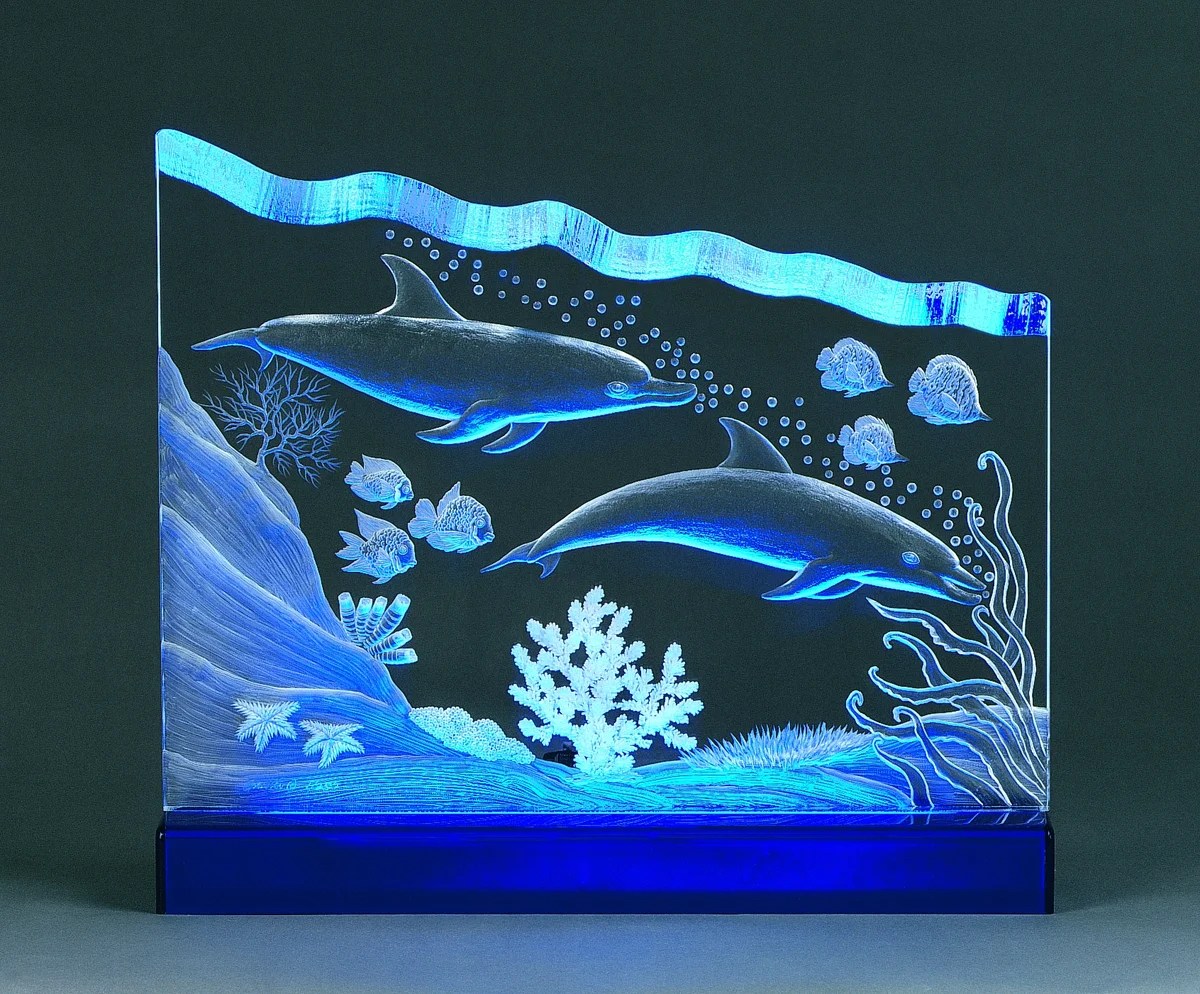
Artists, too, are keen observers whose work requires focus. A skilled artist brings the world alive for us in a new way, allows us to see it more fully. New Mexico artist Joseph Galvan has been carving lucite for several decades, and a number of his pieces include under water scenes illuminated from below, such as these fabulous jelly fish. Something I especially love about this work in lucite is how the subjects seem to float in clear water. Galvan’s jelly fish carvings are full of interesting texture, their forms alive with a sense of fluid movement. Looking at the carving feels something akin to watching actual jellyfish.

People’s creative efforts enrich our lives. They bring meaning, and help us to be more fully aware of the world around us and how others are experiencing it. We need more beauty in the world, are hungry for it. Like other artists, Joseph Galvan brings beauty to our lives. To do creative work over long periods of years is challenging and demanding. It takes a great deal of fortitude, resolve and prolonged focus to bring one’s imaginative vision to fruition. The earth, too, is in an ongoing creative process. Think of the millions of years it has taken for the natural world to evolve into places like Yosemite, Uluru, and the Great Barrier Reef! When we see natural beauty or we look at great art, it changes us because such observation reaches directly into the heart and touch us with life.

Gregory Wolf, in his essay “The Wound of Beauty,” on Image, Art, Faith, and Mystery site states, “Beauty also has the capacity to help us to value the good, especially the goodness of the most ordinary things. The greatest epics, the most terrible tragedies, all have one goal: to bring us back to the ordinary and help us to love and to cherish it….That is the magic of art. It may spread a huge canvas, it may be bold and baroque, but its essence is to remind us of the everyday and to transmute it into a sacrament.” Scuba diving isn’t the only experience that helps reconnect one to the wonder of being alive. I hope you find the practices or experiences that bring beauty into your life and that help you recognize the preciousness of even the seemingly simple things of life such as water in all its wonder. As Wolf suggests, the ordinary experiences of life are beautiful when we have eyes to see them.

This coming June 9, at 5:00 pm Pacific Time I will be reading from Buoyant my book of poems about diving. If you would like to participate in the Zoom meeting, send me a message and I will send you the link.

You can order Buoyant from Bellowing Ark Press here.

Uncategorized

Invitation

The ocean regulates and influences climate, produces 70 percent of earth’s oxygen, and approximately 94 percent of the world’s wildlife are found in the ocean. June 8 is World Oceans Day.

I’m inviting you to a poetry reading from my book, Buoyant (Bellowing Ark Press) 5:00 pm Pacific Time June 9 in celebration of the ocean waters and of diving. I’ll be reading together with Jacqueline Hill who will be reading poems on a variety of topics, also a Bellowing Ark Press author. If you’d like to attend, send me a note (contact details are on this page) and I will send you the link.

During the reading, you’ll encounter manta, whale shark, and shoals of fish. The reading will last one hour and will include music and underwater photos. I hope you can join.

I donate half the cost of the book to the 5 Gyres organization for anyone who purchases Buoyant directly from me. The 5 Gyres organization works to reduce plastics in the ocean by advocating for better regulation of plastic use and disposal, as well as conducting research to find viable solutions for reducing the plastic entering the oceans. If you would like to purchase, Buoyant, send me a private message and I can send you the book. (See contact information on this page.)

Even Dolphins Like the Blues

The water was cold—enough to make one’s head ache, 
but we were told dolphins there liked singing, 

so, we swam inside the icy water singing with mouths closed,
humming tunes loudly as we could, hoping for a visitation.

Then they came, dolphins whirling around us in circles
as if on a rotating carousel, their bodies dipping 

and bobbing, squeaking along with the tune.
We spun and twirled with them, dancing together

as we could, dizzy with delight, until the chilly water
motivated us to climb back aboard the boat.

When a dolphin neared the ship, a friend called out
“Get your harmonica!” and you played a few riffs 

from the blues. A dolphin wheeled from the water,
tossed his body into a pinwheel, spinning flips

as long as the music continued. What do we know
of the world around us, how life waits for us 

to offer it our attention, rising to greet us from
hidden wild places? What might our world become,

what joy embodied if we more often
offered the music rising from our soul?

What others have said about Buoyant:

In Anna Citrino’s lyrical new poetry collection Buoyant, she guides us through a magical, alluring, ever-changing world of the sea and its denizens, many of whom she encounters on scuba dives at close range and with heart-stopping clarity and vision. The poems are sensual and full of wonder, “… break(ing) us open with surprise, with awe—/enough to allow us to grow humble, vulnerable/ enough that we could rise from the water/ wanting to learn how to live.”  –Gail Entrekin, Editor, Canary (canarylitmag.org)

With vivid, precise and loving description, we are introduced to creatures we may or may not know, or perhaps will see now in a different light. – Magdalena Montagne, poet, author of Earth My Witness

In Buoyant, It is not only the eyes Anna appeals to but through the ear she brings the sounds of the sea. —Tom Postlewaite, Montessori educator and sailor

I recommend this book unreservedly to anyone who enjoys fine poetry or has interest in the rich life of the sea. —Michael L. Newell, author of Diddley-Bop-She-Bop, Making My Peace, and Meditation of an Old Man Standing on a Bridge.  

Her scientific observations become mesmerizing meditations as she blends beginner’s mind with a mystic’s appetite for wonder. –Mary Quillin, poet

Anna Citrino carries the reader fluidly and vividly through coral gardens brilliant with living color. Her words take you on vibrant journeys. A poet diver who has plied ocean shoals slowly, with purpose to observe glorious biodiversity. –Dr. Martha Began Crawford, science educator and dive enthusiast 

gardening, poetry, Uncategorized

Stepping Into Spring

“The violets in the mountains have broken the rocks.” –Tennessee Williams

With the abundance of rain this year here in California, spring has been a long time coming. While it was still raining yesterday, today it’s sunny. Eventually, sun and warmth arrives. Seasons change. I’ve been dreaming of wildflowers that will appear on the hillsides. I’m remembering the abundance of flowers in gardens I experienced while living in the UK, and am watching for flower seeds I planted months ago to break through the earth and grow.

Five and a half hours south of me and 60 miles east of San Luis Obispo in the central part of California, lies the Carrizo Plains, a vast grasslands and the home of some of the largest concentration of rare plants and animals in all of California. In the year of a super bloom when there has been abundant rainfall and the conditions are right, the Carrizo Plains is also the home to some of the most incredible display of wildflowers one can imagine. Take a look. I dream of standing in the midst of that radiance. I want to revel in the wonder of their presence, want to be wrapped in the sight of that beauty’s embrace.

Given the severity of problems in the world, it might seem frivolous to speak of flowers. What is the value of flowers in comparison to the serious topics of loss and despair we find in the news day after day? There’s so much division in the world, so much violence and the threat of violence. The Guardian reports one recent news host here in America who told his audience it’s “probably not the best time to give up your AR15s.” In Tennessee representatives are expelled for participating in a protest for gun control after a deadly shooting in Nashville. The violence done to other humans, however, isn’t separate from the violence done to the natural world.

While flowers might on the surface seem frivolous, unnecessary to the pragmatic requirements of every day life and unrelated to the violence around us, in actuality flowers are necessary to our existence. Flowers add not only beauty to our lives, they’re also essential as a food source for pollinators like hummingbirds, bats, moths, and bees. These pollinators are responsible for major amounts of our food such as soy, fruit, nuts and grains. Seventy of the top 100 food crops are pollinated by bees. According to the Center for Food Safety, together these 100 food crops supply 90% of the world’s nutrition. “We can’t produce nutritious food in this country without bees,” says a longtime agricultural entomologist working for the USDA in The Guardian article, “‘Bees are Sentient,’ Inside the Stunning Brain of Nature’s Hardest Workers.” In the 2021-2022 growing year, however, 39% of commercial bee colonies collapsed. The previous year’s loss of 39.7% was the highest mortality rate on record. Those studying the cause of bee colonies collapse think that the use of pesticides on commercial farms and monoculture farming are central factors contributing to their loss. Both human loss and the collapse of bee colonies are symptoms of systematic imbalances and blindness toward the interconnection of all life.

When we nurture the earth, it nurtures us. Renewal isn’t always easy though. Tending a plant or working in a garden is a good teacher of this reality, as Ken Weisner describes in his poem, “The Gardener.”

You get down on your knees in the dark earth—alone
for hours in hot sun, yanking weed roots, staking trellises,
burning your shoulders, swatting gnats; you strain your muscled
midwestern neck and back, callous your pianist’s hands.

Weisner clearly communicates how creating a garden and bringing new life into being is a lot more than watching blossoms unfold. Before the blossoms there is significant amount of hard and humbling effort. You’re down on your knees in the dirt with the worms. It’s hot, as Weisner describes, or it’s wet, and sometimes before you finish work, your shoulders start to ache or your back. Why do it, some might say. Why do we change or try to begin anything new when it takes so much effort? When you’ve pulled the weeds and prepared the earth and finally see life eventually emerge after a long period of continuous nurturing, it truly feels wondrous. This is why. You sense your connection to the wonder of existence. When you see new life emerge from the earth, you feel the life in yourself as well. Weisner explains sense clearly at the end of his poem.

And when a humble sprout climbs like a worm up out of death,
you are there to bless it, in your green patch, all spring and summer long,

purified by labor, confessed by its whisperings, connected
to its innocence. So when you heft a woody, brushy tangle, or stumble

inside grimy, spent by earth, I see all the sacraments in place—
and the redeemed world never smelled so sweet.

Beholding the earth’s green patch all summer that you worked hard to bring into being, blessing it with your effort, as Weisner states, does indeed feel sweet.

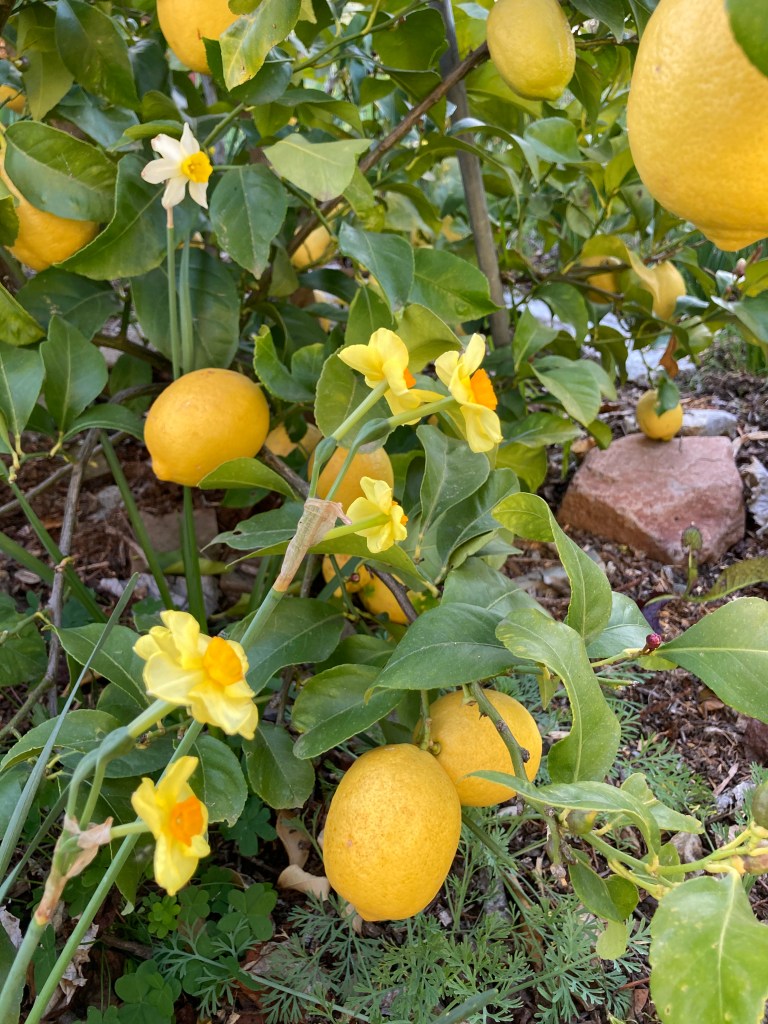
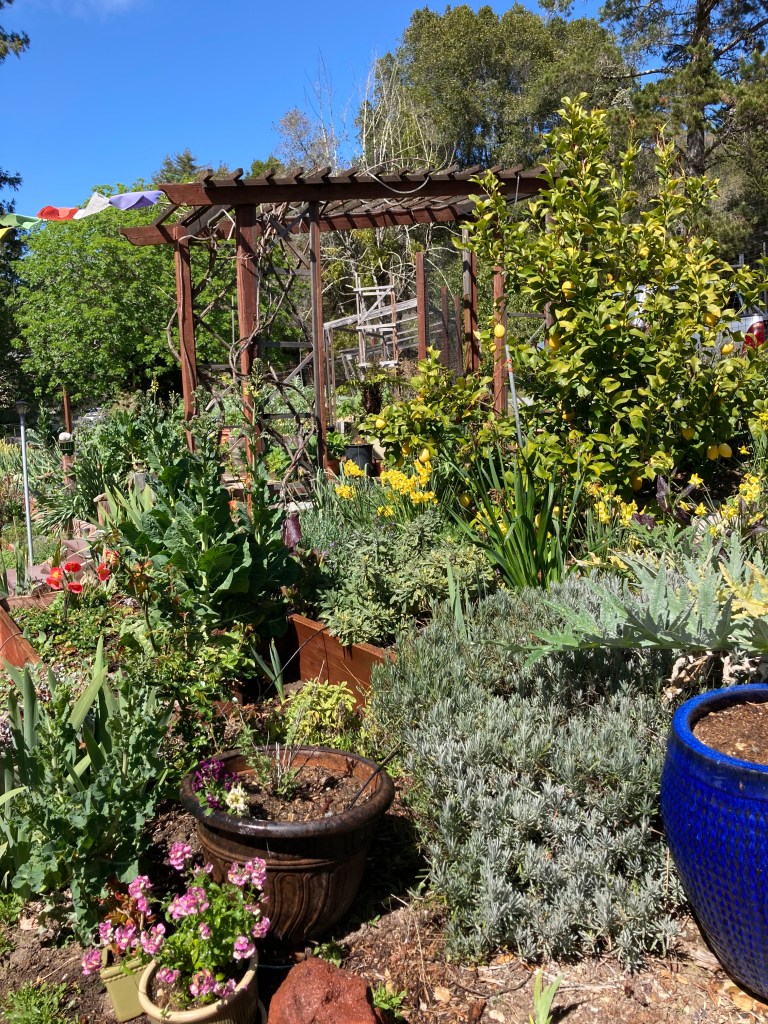
I don’t know why people sometimes hold values that function to work against their own best interest. I do know I want beauty to persist. I want to live so that my actions nurture beauty and help it to thrive. In the small garden I’ve started, I’ve noticed how steadfastly the violas and daffodils persist despite the ongoing downpour of rain. Though they seem fragile and delicate, flowers have a way of holding up, a way of returning despite what the many ways the environmental conditions limit them. They want to persist and do.

Why is it that so many long to travel so they can stand in the midst of wildflowers, wanting surround themselves with their vibrant color, so much so that places like Elsinore in Southern California had as many as 100,000 people came in 2019 to see the area’s poppy strewn hills on a single weekend day, as this article in the Guardian reports? Perhaps it’s because standing in a garden in full bloom feels something like standing on holy ground.

Yes, I’m longing for flowers, banks and blankets of them. I want to walk under arbors showered with rose blossom or wisteria. I yearn to wander fields wild with yellow, golden poppies, or the pink hum of owls clover. Rich wands of purple delphinium, the orange staccato of pimpernel, the large timpani statement of a sunflower, soft melody of a ranunculus folding me into its round center, the sweet violin perfume of violet lifting me into its delicate music–I want the entire world of flowers to embrace me. I want to stand in and walk amongst flowers. I want to grow flowers. I want to wake in the morning and tell them how beautiful they are, how grateful I am to be alive in a flowering world where bees go on working.

Gardens are sanctuaries that bring us sweetness after months of winter and hard work. I hope you can find a meadow, a hillside, some small glen or garden to visit or tend. I hope you find your own way to hear the flowers humming with bees, to absorb the music of their color and the life of bees. I hope you hear, smell touch and see all the ways life is reaching out to you this day, and that you find a way to become new.

gardening, place, poetry, Presence, Uncategorized, Wonder

Wrapped in Green

I arise today
Through the strength of heaven:
Light of sun,
Radiance of moon,
Splendor of fire,
Speed of lightning,
Swiftness of wind,
Depth of sea,
Stability of earth,
Firmness of rock.
From St. Patrick’s Breastplate Prayer

After living indoors for weeks because of winter storms bringing record snowfall and ongoing rain or or working inside for months, when finally able to walk outside in the green world, we feel its life-giving qualities. Today, a pause between atmospheric rivers, was just such a day, making it possible to wander down a path in our area we’ve not walked before. It’s a delight to take a path, not knowing exactly where it goes, simply to follow it and see what presents itself. Wild flowers, leaf-perfumed air, and birds gliding through got me thinking about how the weather affects the weather of my inner garden. After a walk at Helen Putnam Regional Park, the weather in my inner garden is one of calm skies with soft light with the chance sprinkle of blossoms.

There is much to be said for the wonder of desert lands, the exquisite form that desert worlds reveal. Desert scapes bring us in direct contact with the Earth’s elemental shape, the magnificence of mineral texture, as in this overview in Saudi outside of Jeddah. As beautiful as the desert is, after months of gray skies and the hope of spring in the air, right now I’m longing for green. 

Nature’s green offers tranquility, calm, and restores a sense of wellbeing. New research at Cornell indicates that spend as little as ten minutes a day in nature can help college students feel happier and reduce mental and physical stress. Robert Jimison’s CNN article “Why we all need some green in our lives” states that a “2016 study found that living in or near green areas was linked with longer life expectancy and improved mental health in female participants. Another eight year study of 100,000 women showed that those “who lived in the greenest areas had a 12% lower death rate than women living in the least green areas.”

Lucille H. Brockway’s, “science and colonial expansion: the role of the British Royal Botanic garden,” clarifies how Britain, (and the West in general) has historically viewed the plant world as an object to be manipulated for bringing economic advantage. Michael Moore’s film, Planet of the Humans, directed by Jeff Gibbs, further demonstrates this idea, emphasizing the dire situation we have brought ourselves into as a result of not living in union with nature in a regenerative way. When the natural world is viewed as merely a backdrop, our spirits become impoverished. It takes time spent in the natural world to be able to hear its language. In his poem, “The Language of Trees,” Eran Williams writes,
 
When we hear the language of trees,
will we hear the season’s pulse,
and find the heart’s beat is but an echo?
 
Nurturing our relationship with nature, as with any relationship, helps us understand its language and way of being. Observe something closely across a period of time, and you will hear the nuances of its voice, discover  its moods in greater depth and detail. We grow in recognition of how our life is connected to the natural world. 
 
There’s a variety of ways we might nurture a relationship with the natural world. Santa Cruz’s Brighton and Jim Denevan’s sand art could be a starting place to encourage you to create our own environmental art. To begin more basically, you could choose to draw a few lines on paper that represents the textures of the sounds around you, or you could photograph patterns or textures in nature, or write a dialog with a neighborhood tree or back balcony flower. You might create a piece of music based on the tones or rhythms in a the landscape or skyscape, or simply create questions about something seen or heard. Alternatively, you might begin learning the names of plants in your neighborhood, find out if they are native or nonnative plants and why that might matter. You might join together with others to go on walks or to appreciate something in nature such as ferns, rocks, or clouds as do those who have joined the Cloud Appreciation Society.
 
 
As we search for a closer connection and understanding of the natural world, we gradually grow into relationship with it. Nurturing a connection to the natural world nurtures our inner landscapes and garden. When we take care of the earth, it takes care of us. In her poem, Today’s Book of Delights, after Ross Gay, Teresa Williams writes
 
He is right; if we choose to look,
we just might believe it’s there
in the first chirp of the day and the body awakening to hear it,
in the black wings weaving through champagne leaves,
 
This image is a beautiful one, the kind of image we hope to meet when we go out into nature, but recognizing our connection to the natural world also includes embracing the whole of what it means to be part of the natural world. As the poem concludes, Williams writes about delight even in the midst of diminishing life,
 
or each small note from the universe
and its cheerful persistence, even today,
with a new tumor on the back of my dog’s leg,
to encourage delight
in her oblivious exuberance, and let that be
what sustains me.
 
How difficult it is sometimes to keep on tending our inner gardens when pain or rain, storms and sorrows keep coming. As Willams writes, however, observing and listening to the small notes from the universe can help sustain us.
 
Let the sounds of the Sea of Japan and the gibbon calling in Indonesia carry you across the world. Listen to the sounds of cicada in the Australian bush, or millions of monarch butterflies taking flight in Mexico (flight starting at about 3:40 seconds into the video,) or nightfall on the Zabalo River in Ecuador (scroll to the bottom of the screen page.) Did you know corn “talks” as it grows and that ice can sing as can sand dunes? Listen to the voice of dunes in Colorado and Morocco.  David George Haskel, author of The Songs of Trees, writes how plants help define acoustic quality of a landscape and he has recorded sounds of trees in different time zones and different parts of the world. You can listen to his recordings of a cottonwood at Confluence Park, Denver, and a Green ash in Sewanee, Tennessee or record sounds in your own neighborhood. Rain taps on the roof, wind rustled branches, frogs serenades in spring, there are so many ways nature brings the world alive with sound. Scientists are doing some very interesting things with translating electrical impulses from plants into music. Listen to the rings of a tree as a camera reads the grooves and turns them into notes,  and find a new way to perceive the natural world. Also truly amazing is how you can hear various sounds of our solar system and a compression of 760,00 years of the universe via instruments that pick up and translate radiation belts, solar flares, the big bang into sound. We only have sound here on Earth because Earth has an atmosphere. We can explore more of the planet and universe’s sonic scapes  or listen to how Harvard scientists have translated 400 light years across the Milky Way, the Crab Nebula, and the Supernova 1987A into sound.  The garden of life is immense and imbued with marvel.
 

Poets listen closely to the world around them, interpreting what they mean for how they might take us into the heart of ourselves and the world we inhabit. In the 1994 film, Il Postino, the characters of the postman and Pablo Neruda record the local sounds of their island, with the purpose of helping the postman use metaphor to write a love letter. The earth speaks to us. Listening closely to the earth helps us to write a love letter to being alive.

What are the sounds of your home that have written themselves on your heart? Acoustic ecologist Gordon Hempton says the art of listening is dying but we can open our windows or doors or simply sit calmly in our house and listen. What love letter of the earth do you want to hear over and over. When you listen to your heart’s garden what does it tell you? As Louis Armstrong’s song reminds us, it’s a wonderful world with so much to explore.

pilgrimage, Uncategorized

When The Way Disappears

It may be that when we no longer know what to do
we have come to our real work,
and that when we no longer know which way to go
we have come to our real journey.
The mind that is not baffled is not employed.
The impeded stream is the one that sings.

Wendell Berry

There’s something satisfying about the basic act of putting one foot in front of the other. When walking, the body is absorbed into a different sense of time as it finds a pace that feels natural and pleasing. To put on your shoes, open the door and set out for a walk is to escape from walls that confine and to enter a wider world. To walk, whether as a form of exercise or as an act of pilgrimage, is to go slowly. Slowness allows us to see things we do not see when in a moving vehicle. We experience the world with our senses—the scent in the air, the temperature, the feel of earth under our feet. Frédéric Gros, in his book A Philosophy of Walking, suggests that “The true direction of walking is not towards otherness (other worlds, other faces, other cultures, other civilizations); it is towards the edge of civilized worlds, whatever they may be. Walking is setting oneself apart: at the edge of those who work, at the edges of high-speed roads, at the edge of the producers of profit and poverty, exploiters, labourers, and at the edge of those serious people who always have something better to do than receive the pale gentleness of a winter sun or the freshness of a spring breeze.” Walking is a restorative act, able to bring us into a greater state of wholeness–body, mind and spirit interrelated.

Bruce Chatwin in his book, Songlines, wrote about the aboriginal songs or “dreaming track” connected to places in the landscape that allowed people to find their way across various distances by singing the songs. The rhythm and melody sung while walking helped people recognize where they were and connected people to specific places in the landscape as well as connecting them to the footprints of ancestors and the narratives of their origins. “The melodic contour of the song describes the land over which the song passes … certain phrases, certain combinations of musical notes, are thought to describe the actions of the ancestors’ feet. An expert song man … would count how many times he has crossed a river or scaled a ridge – and be able to calculate where, and how far along, the songline he was … A musical phrase is a map reference. Music is a memory bank for finding one’s way about the world,” Chatwin described. When Australia was colonized, however, the songlines were disrupted, similar to other native cultures, languages and traditions worldwide. Indigenous cultures’s way of life has in the Americas as this interactive map shows. According to the Minority Rights Group International, indigenous indigenous people worldwide struggle to survive for reasons such as “impact of armed conflict, land dispossession, forced assimilation and discrimination on the most fundamental aspects of minority and indigenous identities, namely their languages, art, traditional knowledge and spirituality.” How does one hold on through the progressive disintegration of a way of life in the face of oppression? What happens to people when the path they’ve traveled through time has disappeared?

It isn’t only indigenous people whose way of life is threatened. Our warming planet will change the way of living across the world that people have previously been accustomed to. As an example, in the past month, California experienced severe weather with storms bringing down a tremendous amount of rain in a brief period of time. The Sentinel Record reports that “32 trillion gallons of rain and snow to fall on California since Christmas.” Paths once walkable disappeared under the flow of water and mud. In some urban areas water was deep enough for boats to navigate. Coastlines crumbled, water undermined roads in some areas making them give way, and mudslides closed others. Some people lost their homes, others their lives. While these incidents of flooding may not have been directly caused by a warming planet, extreme weather in California is predicted to become more prevalent in the future. Drought and fires have seriously affected California in the past several years. These, along with a higher probability of floods will make the future challenging as the climate continues to warm. It’s not just California that will be impacted by extreme temperatures. As this interactive map shows, the entire world will be affected. People can no longer assume we will be able to move along the familiar ways of living we’re used to, and that’s difficult.

To be alive is to experience change. Even if we don’t belong to a culture that has been oppressed and haven’t yet experienced extreme weather conditions, our life can still flood in ways that prevent our journey along accustomed paths. Lose a partner or a child, and the world shifts. Travel and we may come to see the culture we grew up in differently, causing our beliefs to shift. As a result of an accident or age we might lose your ability to walk. Numerous possibilities can arise causing the way of living that we’ve relied on to disappear. Be it old age, climate change, or some other loss of a way of life, change will come.
The way we view the future and the story we tell ourselves about it affects how we walk in the present. John O’Donohue writes, “It is a strange and wonderful fact to be here, walking around in a body, to have a whole world within you and a world at your fingertips outside you. It is an immense privilege, and it is incredible that humans manage to forget the miracle of being here. Rilke said, ‘Being here is so much,’ and it is uncanny how social reality can deaden and numb us so that the mystical wonder of our lives goes totally unnoticed. We are here. We are wildly and dangerously free.” Returning to this insight that “being here is so much” might be the beginning awareness we need to help during difficulty–to walk on the earth, reminding ourselves of our connection to it, how we are earth, and the miracle it is to be alive. As Thich Nhat Hahn writes in his article on “Walking Meditation” in the Lion’s Roar, “When we walk mindfully on the face of the earth, we are grounded in her generosity and we cannot help but be grateful. All of the earth’s qualities of patience, stability, creativity, love, and nondiscrimination are available to us when we walk reverently, aware of our connection.” A lived awareness of our connection to the earth and to each other is a fundamental quality necessary for survival, and gratitude for that connection generates respect for life, which in turn regenerates more life.

When loss stares us in the face, we become more aware of our relationships. When things are difficult, we often grow internally the most, not when we’re comfortable. Often, it is in the face of loss that we learn how to live more fully as it’s then we more readily recognize we’re standing on a threshold between two ways of being in the world. Though we don’t know exactly where the future will take us, we can cultivate an attitude and way of thinking that helps us face hardships and loss so when the difficulties surface, we are more able to respond to challenges from a place other than fear. As Wendell Berry writes, it’s the impeded stream that sings. It’s when we don’t know where to go that we begin our real journey.

Difficulty and the recognition of imminent loss places us on a threshold and makes us reassess where we stand. When someone is dying, we affirm the relationship we’ve had with them and take extra care for their needs. We spend time with them and tell them what we remember about them that touched our lives. It seems this a way to live when we come to the end of a path we’ve been on and realize we can no longer follow. We affirm what the understanding and gifts the path brought us to. We give thanks and extend gratitude. We take extra time with what we’re letting go of or turning away from in order to see more clearly, and to mourn. We focus our attention more purposefully.

The connection Australia’s indigenous people had with the land with songs and stories that carried them on their journey that Chatwin wrote about can be a window into the understanding that there is a different way of responding to life. Though the future is uncertain, nurturing our relationships with others and with nature–the more than human world–creates more aliveness, and that aliveness and sense of community and connection helps sustain us. In the opening to her book, Inherited Silence, Listening to the Land, Healing the Colonizer Mind, Louise Dunlop writes about listening to a Harvard webinar where an Indigenous Wampanoag elders ‘cautioned against merely academic approach to the university’s treatment of their ancestors. “Our people do not discuss genocide with out prayer and ceremony.”‘ How people hold up under oppression and what happens when the path people have traveled has disappeared is bound to be different for different people. One way we might begin to cultivate a deeper relationship with each other and the earth as we walk into the future is by each day sending out the intention of blessing and gratitude. The One Earth Sangha site has a beautiful expression of this intention toward wholeness.

May all places be held sacred.
May all beings be cherished.

May all injustices of oppression and devaluation
be fully righted, remedied and healed.

May all who are captured by hatred be freed to the love that is our birth right.
May all who are bound by fear discover the safety of understanding.
May all who are weighed down by grief be given over to the joy of being.
May all who are lost in delusion find a home on the path of wisdom.
May all wounds to forests, rivers, deserts, oceans,
all wounds to Mother Earth be lovingly restored to bountiful health.

May all beings everywhere delight in whale song, birdsong and blue sky.
May all beings abide in peace and well-being, awaken and be free.

May your steps carry you peacefully into the future.

art, Beauty, creativity, Uncategorized

Becoming Tender

The ocean is an unpredictable place and wild. Stand at cliff edge and listen to the water’s liquid shatter, the crackled fizz as waves expend their energy and turn to foam. Sense the momentary quivering before the next wave rises, ready to roll in. To walk by the ocean, to observe it from a cliff is to absorb some of its essence through your breath and pores. There is a rhythm in the ocean, a wild music as it were, that washes over to envelope one in its presence, sweeping us along into the rush and calm of its life. For a few moments, we let go of our sense of obligations, the stories of what we need to be or do, and are absorbed into a presence much greater than ourselves. Time slows down, dissolves into an awareness that we’re held in a vastness of all we do not know or understand. And though the waves crash in explosions, it’s exhilarating. We are alive. We feel it in our bodies and are content.

The ocean is a liquid wilderness, a place of shifting currents without defined paths. One enters the ocean hoping to find something a bit unexpected. It’s never certain what one might experience or see. In addition to the wonders of encountering shoals of shining fish and banks of colorful coral, from stinging rays and jelly fish to fire coral and riptides, venturing into the sea involves some risk, as my poem below from Buoyant, describes.

Afternoon Breeze, Natalia Ziniak

Regarding Tenderness

Only a dozen of the three hundred shark species in the world
attack humans. I didn’t want to risk my ignorance
with one that might wish to test my skin, leaving
prolonged scars or have one shake me to a bloody death.

Mesmerized by clownfish shyly bouncing out and into
bubble coral, a pilot fish traveling with me all day
while snorkeling, a manta shrimp’s pivoting eye,
trigger fish biting at my mask chasing after my fins—
I had twenty-one dives. These were adequate adventures for me.

Others on the boat with possibly a hundred dives
or more couldn’t wait to encounter what I feared.
Questioning the source of my fear, I found myself underwater,
seated back against a rock wall, inhaling quietly,
waiting for sharks to arrive.

An offering of fish flesh fastened to a heavy chain
dropped from the boat above. In they came
with arched spines and fins pulled back, circling the food,
carrying their layers of pointed teeth. White tipped sharks
and silver, bronze whalers and gray, the frenzied pack
closed in on the meat—fifty sharks, maybe more,
their strong jaws instinctually grasping, cutting through flesh,
rocking back and forth, spinning, sawing, tearing meat.
Crunching through bone, eating the carcasses whole.

Their singular focus to feed their hunger, their nature
from ancient origin, blood incidental to their fixed intention.
I was nothing to them, could breathe calmly. The water between us
a space to observe hunger’s ravenous need to be filled,
I inhaled the furious vision of gnashing teeth, unspoken
groaning, and thundering silence.

Come all you tender people year upon year adapting
to nuances of cloudy conditions, strong currents, cold
and storm, and histories of grief, adjusting like the octopus
to every tide, carrying your hunger like a hidden wound.
Come with your strong teeth, piercing starvation,
biting jaws, and famished hearts.

There are dwellers in deep water who see your need,
places you can meet your fears, breathe them out,
and your hunger be fed.

Though the poem is written about an experience as a new diver, no matter one’s level of experience, there are always things in life’s ocean that we’re not fully prepared for, even though we’ve done the work to help us when difficulties arrive. We still feel the challenge. When we dive into the sea, we connect with life, and life simultaneously contains both wonder and experiences of things that wound and threaten to tear us apart. The sea, says Carl Jung, is “the mother of all that lives,” and living, as the poem above describes, can be difficult. Sometimes we are ravenous for things we cannot have or even name. We are starved for what feeds the soul and brings us life. We might find ourselves famished sometimes for places of calm and safety, or ravenous for kindness, hungry for a way to meet basic needs of shelter and food. We thirst for beauty. Natalia Ziniak, 26, the artist whose paintings appear here on this post, was living in Los Angles but visiting her family in western Ukraine when Russia invaded the country in February. She, her mother and younger sister and brother fled the country three days after Putin’s campaign began, their father joining them approximately a half of year later. The family has lived in a variety of temporary homes since that time and has relied on the good will of others, as described in Drew Penner’s Scott’s Valley Press Banner September article. To suddenly lose your home and say goodbye to the earth you know, leave behind its ways of being and speaking, the people and place you love, to move across the world giving up security and familiarity, that is diving into deep water with the sound and sight of hungry sharks swimming through your mind and heart. There might be space between you and the tragedy you touched, but you feel the movement of grief’s biting jaws inside your thoughts. The marrow of your bones groan, longing for comfort and assurance.

Sun Through The Rain, Natalia Ziniak

It’s incredibly difficult to experience an ongoing state of uncertainty, but the Ziniak family has lived in this stressful state with an openness to daily miracles for many months. Though the waters one might find oneself in are threatening, in the midst of deep difficulty there are places and ways for your hunger to be fed and as the poem above says. There are means to transform sorrow. One of them is painting. Like other artistic endeavors, painting enables one to touch the sun through the rain, as in the title of Ziniak’s painting above. “In my free time I love painting the ocean,” Natalia says in Drew Penner’s article. “It’s the only thing that makes me feel alive, free and peaceful—to go to the ocean and paint.” Besides being threatening, a crisis can alternatively hold the potential to become an opportunity for growth.

Observe the sea, it’s ever changing face, breathe in its air long enough, and know that while it is wild, it is also deeply beautiful and life-giving. People don’t like living with unease and misery. Nevertheless, living with uncertainty has a way of making one aware of the preciousness of all life, the gift it is to inhale a blue sky or to gaze out at the expanse of sea. Natalia Ziniak’s ocean paintings open the heart. Standing in front of her canvases, one can feel a rush of life rising up from the play of light in the colors on her richly textured canvases. Her seascapes are charged with energy–cliff edges and angular rocks divide and cut through water’s fluid motion. There is both firm stability and limitless horizon in these paintings. Water explodes open at its edges, but is healed over and whole in the greater part of its body in the distance. The ocean may hold elements of the ominous, may churn with an aspect of potential danger, but Ziniak’s brush displays that energy as an experience of vibrant sustenance.

Lone Cypress, Natalia Ziniak

Along with everything else in the natural world, we participate in an ongoing cycle of transformation involving simultaneous dissolution and creation, destruction and recreation. Rilke in his Letters to a Young Poet writes, “So you must not be frightened if a sadness rises up before you larger than any you have ever seen; if a restiveness, like light and cloud shadows, passes over your hands and over all you do. You must think that something is happening with you, that life has not forgotten you, that it holds you in its hand; it will not let you fall. Why do you want to shut out of your life any uneasiness, any miseries, or any depressions? For after all, you do not know what work these conditions are doing inside you.” I love the title of Ziniak’s painting below, “Afterwater Waterfall.” There is simultaneously a softness and firmness in the painting’s lines and forms of rock and shape of water. The painting depicts the residual water that pours off of rock after the experience of a wave collapsing over it. Waves of difficulty can crash against you, but in your art you can turn the experience into an embodied reflection that reveals the beauty of forms enduring in spite of life’s turbulent forces while in the process of being worn away and reformed into something new.

Afterwater Waterfall, Natalia Ziniak

To be tender is to allow yourself to be vulnerable, to be open, to remain malleable and alive. Every day we stand at a threshold between worlds. To be tender is to stand at the edge of the sea in its many forms and to let it speak to you. We may look out into the abyss and see chaos, but chaos is also the formless matter out of which the universe was shaped. A person may sense being alone, but when painting, one is not alone. You become one, so to speak, with the world you are translating with your brush. You transform and recreate yourself and the world at the same time through your paintbrush. The poet Nicholas Samaras writes, “God lives in the point of my pen. In writing, I interact with the act of creativity, the act of creation.” I believe the same could be said for Natalia Ziniak and her paint brush.

Find out more about Natalia and her paintings, at her website, Natalia Aandewiel Fine Art.

If you’d like to read more of the poems from Buoyant, where “Regarding Tenderness” is from, you can see more details about the book here. I donate half the price of the book to 5 Gyres, an organization working to reduce plastics in the world’s oceans. You can also message me if you’d like to order a copy.

Beauty, Geography, poetry, Uncategorized, Wonder

Throwing Open the Windows of Imagination

“When the doors of perception are cleansed, everything would appear to man as it is, infinite.”
— Blake, The Marriage of Heaven and Hell

The world didn’t have to be beautiful but it is. Morocco’s night skies with a billion stars flung across the heavens like spilled salt, Australia’s Great Ocean Road winding along rugged coastline, Buddhist temples perched on India’s stark and stony Himalaya, wild gibbon calling from among the tree-tops in Borneo, the view of the hillside sweeping down to the sea from a hilltop in Erice, Sicily, Cartagena’s colorful streets—there are myriad beautiful places in the world.

When I recognized I needed to move from my home in Santa Cruz, I didn’t want to leave behind the trees, the sea, the beauty–though I felt that very well might be what would need to happened. After more than a year of looking for a different place to live and finally finding one, we moved in. The yard is large enough for a garden, the house has been updated, and we have pleasant neighbors. I like for things to be the best I can make them, but nothing is perfect. What bothers me about the house I now live in is the floor. It’s not level. The lift and dip can be felt while walking across a room, and some of the furniture doesn’t sit solidly on the floor. Nevertheless, at the last minute when we absolutely had to be out of our previous home, the opportunity for this house appeared and we are here living in it. Despite the floor, beauty can be found nearby. Living here feels right.

Before moving to Sonoma County, we drove out to explore the landscape along the coast. It was then, standing at the edge of the Pacific gazing into its expansive presence I recognized that despite the economic challenges of moving, perhaps my imagination about what was possible was too small. It took Earth eons beyond counting to form the land where I stood, looking out into that particular horizon. Yet there I was in my finite body through some amazing collaboration of circumstances peering into the boundless open heart of Bodega Bay, Earth’s embodied unspoken invitation that I enlarge my mind and imagination.

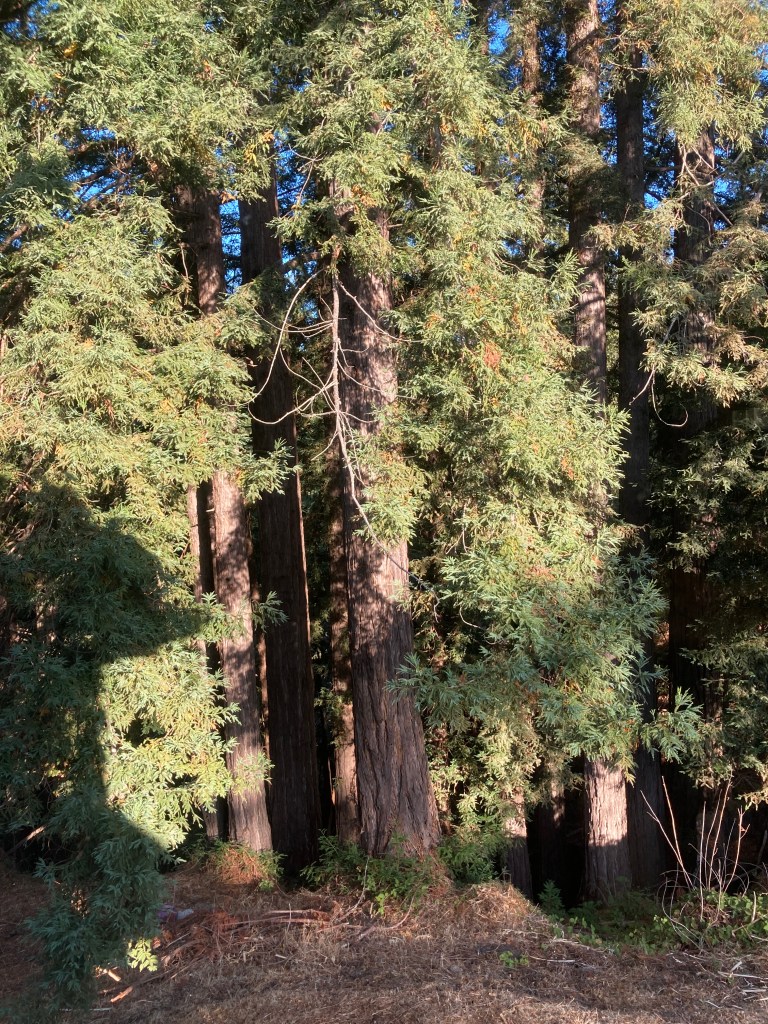
In her poem, “A Settlement,” Mary Oliver writes about spring–life in all its trembling, hopeful beauty, and the joy that brings–the way I felt about returning home to Santa Cruz, and what I thought would be my forever home, after 26 years of living in foreign countries to live beside the redwoods and the wonder of their amazing presence. Oliver writes,

Look, it’s spring. And last year’s loose dust has turned into this soft
willingness. The wind-flowers have come up trembling, slowly the
brackens are up-lifting their curvaceous and pale bodies. The thrushes
have come home, none less than filled with mystery, sorrow,

happiness, music, ambition.

And I am walking out into all of this with nowhere to go and no task
undertaken but to turn the pages of this beautiful world over and over,
in the world of my mind.

***

Therefore, dark past,
I’m about to do it.
I’m about to forgive you

for everything.

Mystery, sorrow–these are all there alongside the wonder of the world’s beauty that Oliver turns over and over in her thoughts as she walks about. She has no predetermined path in mind, she’s simply absorbing what is–the music of it all. She lets it fill her.

And that immersion of her full self into the landscape’s presence is what allows her to pause and then to take the next leap– to forgive the past. For everything. That pause she takes between the last two stanzas is essential. In it we can feel her weighing everything in her past before making the commitment to release what has weighed her down, perceived failures, guilt, shame–whatever incompleteness might be there.

What we think at one point in time will be the life we will have can change unexpectedly into something quite different. Moving to a new home as well as other large life changes–unemployment, retirement, disease, divorce, death, and numerous more alterations, requires a letting go, an opening, a release into new possibilities. At our previous house in Santa Cruz we had dreams of an art studio, a meditation bench under the redwoods, a greenhouse, and a terraced hillside with artichokes, berry vines and fruit trees. Those never came to be. Just as a plant produces more seeds than can ever be used or that will ever come to fruition, there are many worlds, lives, and dreams inside us. Not all aspirations blossom or come to fruition. Spring carries with it a history of winter but has to release itself from cold days with little sun in order to liberate itself into new life.

As Oliver suggests, I can forgive what I can’t change, the defects of uneven floors, the insights I wish I had but lacked. I can embrace what is and open the doors to what waits past the plains and borders I’ve previously defined. Oliver’s moment of turning in “Settlement” is a kind of invitation to let go of what weighs us down, what we’ve wanted to be different but wasn’t, to let it drop like clothes changed at the end of the day. We live in a world too big for a small inner life. We can imagine something different, plant the seeds of a different reality, stretch beyond the past hopes we dreamt of that never came true.

“We have an obligation to imagine,” writes Neil Gaiman. “It is easy to pretend that nobody can change anything, that society is huge and the individual is less than nothing. But the truth is individuals make the future, and they do it by imagining that things can be different.” Find an ocean, a sea of billowing grass, a snowy plain, or a desert’s wide expanse. Look up into the infinite sky. We are bigger than other’s definitions of who we are, bigger, too, than the roles and definitions we give ourselves.

It’s literally true, we are stardust. Our very existence depends on the unseen interconnected workings of vast systems of life that hold together not only our planet but the far-flung fringes of the universe. As Charles Eisenstein’s book title states The More Beautiful World Our Hearts Know is Possible, is waiting for us to discover it.

place, poetry, Uncategorized

Investments of the Heart

20170527_114249

September Afternoon at Four O’Clock
Marge Piercy

Full in the hand, heavy
with ripeness, perfume spreading
it’s fan: moments now resemble
sweet russet pears glowing
on the bough, peaches warm
from the afternoon sun, amber
and juicy, flesh that can 
make you drunk.

This month I moved from a place I called home for decades in Santa Cruz County, California, a location rich with beauty that has filled me with wonder and gratitude where morning mist drifted between tree-covered hills and summer’s noon sun lifted the redwood’s green scent from the forest floor. Wasps drinking the grapes’ sweetness hummed under the arbor on autumn afternoons, crickets sang at twilight, and at night the horned owls call from among the redwoods.

Bees Among the Arbor Grapes

Though I lived abroad for over two and a half decades in urban environments, I always looked forward to coming home to Santa Cruz County to be restored, a place with a multitude of trails through forests, as well as being near the coast with the sea stretching into the far distance. After rains, moisture rose from the redwood duff and the bay laurels, making the earth smell medicinal green. Walking on that earth, I felt the sweetness of being alive, as if I were tasting one of the pears Marge Percy describes in the opening stanza of her above poem.

Mists Among the Trees Out the Back Door, Soquel

When my husband and I moved to our house in the Soquel Hills of Santa Cruz County years ago, I never suspected I would move, never considered that one day it would be wise to have an easier home to manage and a smaller amount of land to care for. We can’t see all the way to the end of a road we’re traveling on. Needs change, bodies age, environments alter, and so do world economics. As Percy writes,

There is a turn in things
that makes the heart catch.
We are ripening…

Whenever we let go of what we’ve loved and held dear we experience loss. We have to leave behind much in our lives when moving–people we hold dear, pathways we’re familiar with, places that bring us joy, routines we find comfort in and all the many memories place holds–the tree we sat under in afternoons, the hill we rode down on a bicycle, the restaurant where we ate a favorite food, the steps we argued with someone on, the school we graduated from, the storm that carried the bridge away or the quake that tumbled the house’s chimney–griefs and joys–all the many ways we experience the turn of light and the sounds of the earth we walk on through the seasons across years.

Just as we can’t wear the same shoes throughout our lives and a favorite piece of clothing wears out, even though we may not want it to happen or feel unprepared for it when it does, transitions are necessary. Wanted or unwanted, transformations require adjustment, internal and external. If we can arrive at the place of embracing the change as part of a journey rather than a final destination, we can discover new ways of understanding and being in the world. “We are ripening,” Percy calls it. Potential and possibility are there.

As Percy goes on to say,

Whatever happens, whatever,
we say, and hold hard and let
go and go on. In the perfect 
moment the future coils,
a tree inside a pit. Take,
eat, we are each other’s
perfection, the wine of our
mouths is sweet and heavy.
Soon enough comes the vinegar.
The fruit is ripe for the taking
and we take. There is
no other wisdom.

The past, present and future are all contained in the fruit we hold even though we may not fully see it. The seed, the tree, the fruit, the vinegar–reality is all of these simultaneously, not just one of these things by itself–even if one aspect appears more dominant. Vinegar comes, and with it will come, the sour things we don’t like to taste. But the vinegar is not all. There’s also the fruit. “Hold hard,” Percy says. Let what we love be dear. Feel its weight. Taste the flavor of each other’s perfection and the perfection of the world around us in this moment just as it is, the perfection of its imperfection.

Percy also says, “let go and go on.” Hold on. But also let go! Everything around us is in transformation anyway. It is in relationship with each other and with the world around us that through time we transform and become whole. This is how we are each other’s perfection that Percy describes.

Here are trees I lived beside and called my friends, and this is the garden I nurtured that fed me and gave me beauty, and this is the ocean and fields I loved, though there’s so much more inside the experience of each of these—all the ways the land I lived on whispered its life, bestowed its presence, left its imprint. I hold all these, and more, dear.

There are many ways of knowing something. One of them is to live beside it for a long time, to observe it for many seasons and through many kinds of weather and light until in the end it takes on life. You see the same scene but with more depth, with all its nuances, history, subtleties and character. I have left now these things I’ve held dear, but paradoxically, they are still with me and still alive, as are the many other places and people I hold dear who are no longer with me yet still influence how I live.

The evening I left Santa Cruz for the last time to drive up the coast and then inland to my new home, the sun was setting, an ongoing display of dying light in all its beauty. I’ve entered a new world now, further north in Sonoma County. I don’t know where time will take me from here but I’m holding on to the fruit of this experience, savoring it until it’s again time to let go.

“Here is the world. Beautiful and terrible things will happen. Don’t be afraid,” wrote Fredrick Buechner. There’s a lot of uncertainty we collectively face as a planet in the years ahead. Moving is a practice in death and rebirth. I hope I can learn to face every future transformation and not be afraid.

poetry, spirtuality, Uncategorized

Diving into Night’s Ocean

black-spotted whip ray

Discovering the Deeper Shades of Blue: How to Night Dive

Let go your idea of needing vivid sun
or the 10,000 shades of transparent blue.

Embrace night’s serene satin, and slip in,
flashlight in hand, to seek life absent during day.

Many divers will wave their torch wildly about,
unable to focus the light they have, uncontrollably
blasting your eyes as if to blind you
without intending to. Move on. 

Let go of certainty and greet the unexpected. 
You’ve changed your lens, are looking
with different intention now. 

Shine your light into hidden crevices
and spot a parrot fish snoozing calmly 
inside a protective mucous bubble.

Go slowly. Gliding along a wall of flower coral
stretching, and retracting their delicate tentacles. 
Hold your magnifying glass close to their daisy-bright 
bodies, and then to ghost shrimps’ gleaming copper eyes, 
their tiny segmented feet intently searching for food. 

Skim past morays’ grinning faces ever peeking
from their window holes, waiting for news of a meal.
Notice others scurry from crevices, swerving
between rocks, looking for better digs.

Take time to shine your light beneath ledges
absorbing a Spanish dancer nudibranch’s salsa,
flexing, bending, and swirling its foot-long scarlet skirt.

Cast your torch across the seafloor to spy
an octopus scrambling to climb a coral-covered rock, 
skin mimicking its color and texture in an instant.

Your air tank nearly diminished, and safety stop complete, 
turn off your light and whirl your arm through the water,
watching plankton trail your movement 
in spiraling beads of green phosphorescent glow.

Daylight holds one world,
night another.

There are worlds within worlds,
things you’ll never see 
if all you know
is what daylight holds. 

Drop into night’s starry sea.
Let yourself be carried into a deeper blue.

Anna down under

There are things we love and look for. There are things we’re not ready to see or embrace though they are present, and there are those things hidden from our site that we only see when we look beneath the surface, willing to greet the unexpected, as the poem suggests. When diving at night, the diver typically moves slower, eyes focused on the band of light one’s torch illuminates. Though vision is limited to what can be seen in the frame of light a diver carries, diving into a night sea encourages a more focused, intimate observation of what might otherwise have been passed over. Similar to how stars are visible at night, things appear in a dark sea that can’t be seen at other times.

There’s a lot in the news these days to carry a person into a metaphorical dive into night. The Smithsonian reports the Colorado River is drying up, drought threatening the electric supply for hundreds of thousands if water levels drop below what allows the turbines at Hoover Dam to turn, writes Robyn White in Newsweek magazine. According to a recent article in CNN, climate change produces more atmospheric rivers making the possibility of another 100 year flood in California more likely. Antartica experienced a heat wave in March, and India its hottest month in 122 years. Wild fires in the Czech Republic, and Spain. Millions in East Africa live on the edge of famine because of prolonged drought. Drought, fires, and floods, we live in a time of uncertainty.

Everywhere we turn, disasters seem imminent. These are global concerns and our futures are woven together. There’s a place for mourning says author and Buddhist scholar, Joanna Macy, yet “what a time to be alive,” she exclaims in this video interview with her, “Climate Crisis as a Spiritual Path.” Be with your suffering. Ground it in gratitude, Macy suggests, so that when panic subsides you can recognize you’re held by life. Our greatest gift is our full presence to life. Suffering can open us to each other and help us find a shared strength in life, she explains.

scorpion fish

When facing the uncertainty of diving in the dark, it’s beneficial to do as the poem suggests, and “greet the unexpected.” Divers have to trust the sea will continue to lift and carry them, even though they can’t see their way. How do we look at difficulty with different intention and find the resources and courage to dive into the dark? Catherine Lombard, on her blog post, Cultivating Radical Hope as Our Planet Collapses explores this article by ethicists David Schenck and Larry R. Churchill  in Perspectives in Biology and Medicine, “Ethical Maxims for a Marginally Inhabitable Planet,” giving six ethical maxims for living forward into the future with the dangers we face and that can serve as a kind of light while swimming through a night sea of uncertainty:

Maxim 1: Work Hard to Grasp the Immensity. (…it is always difficult to accept bad news that has a finality to it…Some turns of events demand a change in one’s whole view of the world.)
Maxim 2: Cultivate Radical Hope. (…[only] when one reaches a certain level of despair can new resources of hope emerge, in oneself and in the new world in which one finds oneself.)
Maxim 3: Have a Line in the Sand (things you won’t do, modes of living you won’t embrace.)
Maxim 4: Appreciate the Astonishing and Unique Opportunity. (Appreciate the opportunity you have to accompany humanity in this extraordinary transition and to be present to the earth and the biosphere at this time.
Maxim 5: Train Your Body and Your Mind. (Learn skills for getting beyond the emotional and physiological limits of ego.)
Maxim 6: Act for the Future Generations of All Species. (Speak for those without voice: the poor, the future generations, other species. Speak for the forests, the seas, the mountains.)

moray eel

We view things newly and understand the world differently when swimming in a sea of circumstances where it’s difficult to see beyond the band of light directly before us and yet it’s still possible to feel free. As if an eel smiling from inside a rocky crevice or the beads of phosphorescence bubbling in the water’s surge, because of the challenges to vision night time brings, new insights and ways of responding to suffering can emerge from beneath the interior ledges of our selves. While humanity has not previously faced the kind of ecological collapse scientists indicate is coming in the decades ahead, we do have examples of how people have endured hardship with hope. In a recent Time magazine article. “Far From Home,” Afghan women now living in various parts of the world tell the story of what life is like for them, one year after the fall of Kabul. What especially struck me as I read the article is the women’s repeated expressions of determination to build a meaningful life though they have lost a world they knew and held dear. These women have endured serious ongoing hardship, yet when asked how she would describe herself in one word, one of the women interviewed, Batool Haidari says, “I am a warrior. Not because we are at war but because we are fighting to survive.” Another Afghan woman, Masouma Tajik says she is “unstoppable,” and Najiba Ebrahimi describes herself as “free.” Certainly, these women have cultivated radical hope, and continue to train their minds to grasp what has happened to them, as well as to respond to the opportunities they now have.

schooling lattice soldierfish, Seychelles

We can practice transformation now with every difficulty we experience in daily life and we are not alone in our effort. As Thich Nhat Hahn says in a practice called touching the earth, we have the energy of our ancestors in us, “wisdom transmitted from so many generations…I carry in me the life, the blood, the experiences, the wisdom, the happiness and the sorrow of all generations. The suffering and the elements that are to be transformed, I am practicing to transform. I opened my heart and my flesh and bones to receive the energy of insight, of love and of experiences transmitted to me by all my ancestors… ”

There are worlds within worlds,
things you’ll never see 
if all you know
is what daylight holds. 

Drop into night’s starry sea.
Let yourself be carried into a deeper blue.

Lying on the earth, your floor, or imaging yourself floating through the sea, you can prepare for transformation as you listen to Thich Nhat Hahn’s Touching the Earth practice, allowing yourself to be carried into a deeper blue.

Pacific Ocean, Santa Cruz, California

The poem, “Discovering the Deeper Shades of Blue: How to Night Dive” is part of my newest book of poems, Buoyant, published by Bellowing Ark Press.